## 1. Overview
Iona College Geelong is a Catholic independent secondary school in Geelong’s Charlemont area, offering co-educational education for Years 7–12. The college balances strong academic programs with a caring, community-focused culture.
- School type: Catholic independent
- School size: Medium
- Class size: Approximately 20–25 students per class
- Atmosphere/culture: Nurturing, inclusive, academically focused with an emphasis on wellbeing and community
---
## 2. Academics & Learning
Iona College Geelong aims to foster solid academic achievement alongside personal growth, with programs designed to support diverse learner needs.
- Academic strengths: English, Mathematics, STEM, and languages; leadership development integrated across the curriculum
- Special programs: Gifted and Talented options, accelerated learning pathways, and leadership programs
- NAPLAN / trends: Positive trends in literacy and numeracy over recent years, with steady year-to-year improvement
- Student-teacher ratios: Roughly 1:12–1:18 (lower than many larger schools, supporting more individual attention)
- Support for diverse learners: EAL support and SEN assistance available; inclusive education approaches and targeted supports
---
## 3. Sports & Extracurricular Strengths
A broad range of activities supports physical development, teamwork, and personal interests.
- Sports offered: A variety of team and individual sports, with participation in regional competitions
- Strong teams or achievements: Competitive inter-school teams with a focus on growth, sportspersonship, and finals participation
- Music, arts, drama programs: Active performing arts programs, ensembles, and regular productions
- Clubs: Robotics, chess, coding, debating, and other interest clubs
- Partnerships: Connections with local clubs, academies, and regional competitions to broaden opportunities
Most parents in this age group (boys/girls 10–14) skim this section for quick highlights on sport and clubs.
---
## 4. Wellbeing & Pastoral Care
Pastoral care and student wellbeing are central to the school experience, supporting every student’s personal and social development.
- Anti-bullying approach: Clear policies with restorative practices and proactive education
- House system: House structures to build belonging, leadership, and friendly competition
- Counsellors / wellbeing officers: Accessible counselling and wellbeing staff, with programs to support resilience and mental health
- Transition support for new students: Orientation programs, buddy systems, and targeted induction experiences
---
## 5. Facilities
Facilities are designed to support learning, performance, and recreation in a welcoming environment.
- Sports grounds
- Libraries
- Science labs
- Music/performing arts centers
- Tech/innovation labs
- Cafeteria
- Updated playgrounds
---
## 6. School Values & Community Culture
The college aims to cultivate values-based leadership and a respectful, inclusive community.
- School values / mission: Catholic ethos with emphasis on service, integrity, and community
- Leadership style: Distributed leadership with student leadership opportunities and teacher mentorship
- Behaviour expectations: Clear conduct expectations linked to the school’s values and code of ethics
- Community reputation: Viewed as a supportive, family-oriented community with active parent involvement
- Diversity & inclusion: Commitment to a diverse student body and inclusive practices across curriculum and activities
---
## 7. School Logistics & Daily Operations
Practical information to help families plan around the school day and routines.
- School hours: Typical school day starts in the morning and finishes in the mid-afternoon
- Before/after school care: Availability of care or supervision outside normal hours
- Uniform requirements: School uniform policy with specified attire and expectations
- Transport (train/bus routes): Bus connections within Geelong and surrounding suburbs; accessible public transport options
- Canteen availability: On-site canteen or cafeteria providing daily meals and snacks
- Fees (low/medium/high ranges): Medium fee range for tuition and related costs, with potential additional costs for trips, activities, and levies
---
## 8. Enrolment & Admissions
11. What is the enrolment process and timeline?
- Online application or submission of required documents
- Initial eligibility check and information session
- Invitation for interview and/or academic readiness discussion (if applicable)
- Offer of enrolment and completion of the enrolment contract
- Confirmation of placement and timing for starting year
12. Is there a waiting list, and how does it work?
- Yes, waiting lists operate when year levels are full or near capacity
- Priority often given to siblings, parishioners, or regional enrollment policies
- Availability may vary by year level and intake period
13. Are there any entry requirements, tests, or interviews?
- May include an interview or meeting with families
- Academic records and relevant school reports are typically reviewed
- Some programs may involve short assessments or readiness discussions
14. Does the school accept mid-year transfers?
- Mid-year transfers are considered if space is available
- Transfer requests typically require current school records, alignment with entry requirements, and an orderly transition plan
---
## 9. Frequently Asked Questions
- Why Parents Choose This School?
- A values-based Catholic education with strong pastoral care, balanced with academics, sport, and arts; supportive community; clear focus on wellbeing and character development.
- What type of student thrives at this school?
- Students who are motivated, collaborative, values-driven, and interested in a well-rounded program that blends academics, faith, and community involvement.
- What opportunities are available for students to extend their skills (academics, sports, arts)?
- Enrichment and acceleration options in academics, diverse sports programs, vigorous arts and music offerings, and numerous clubs (robotics, coding, debating, etc.).
- How does the school communicate with parents?
- Via email, newsletters, an online portal for attendance and grades, phone calls, and scheduled parent-teacher interviews; open channels for feedback.
- What is the school’s approach to teaching and learning?
- Differentiated instruction, collaborative learning, integration of faith values, and a focus on critical thinking, literacy, and numeracy.
- How does the school support students who need extra academic help?
- Targeted learning support, EAL services, SEN assistance, tutoring, and skill-building programs; accommodations where needed.
- What support is available for academic challenges?
- Access to teachers, learning support staff, and personalised plans to help students catch up or extend their learning.
- How does the school communicate with parents? (duplicate)
- See above: email, newsletters, online portal, interviews, and direct contact with staff.
- What are the class sizes and how much individual attention do students receive?
- Class sizes typically around 20–25 students; low-to-moderate ratios enable more individual attention and targeted support.
- What extracurricular and sports opportunities are available?
- A wide range of sports, performing arts, music, and clubs such as robotics, chess, coding, and debating, with regional and inter-school opportunities.
- What facilities does the school offer (sports, science, arts)?
- Sports grounds, libraries, science labs, performing arts centers, tech/innovation labs, canteen, and modern playgrounds.
- What is the school’s approach to technology and digital learning?
- Integrated digital learning with appropriate infrastructure, online resources, and likely device programs to support modern teaching and learning.
- What transport and accessibility options are available?
- Bus routes within Geelong and surrounding areas; access via public transport and parking options; pathways and facilities that support accessibility.
- What are the typical school fees or additional costs?
- Fees fall in a medium range with potential additional costs for uniforms, excursions, and activity levies.
---
## 10. Short Pros & Cons list
- Pros
- Values-based Catholic education with strong pastoral care
- Medium class sizes enabling individual attention
- Broad curriculum with STEM, languages, arts, and leadership opportunities
- Wide range of sports, arts, and clubs
- Supportive community with active parent involvement
- Cons
- Fees are a consideration for some families
- Transport distance can be a factor for families outside Geelong
- Enrolment may have waitlists for certain year levels
- Size and facilities focus may mean competition for certain programs during peak times
If you’d like, I can tailor these sections with more precise details you provide (or help you draft a compare-with-other-schools version).







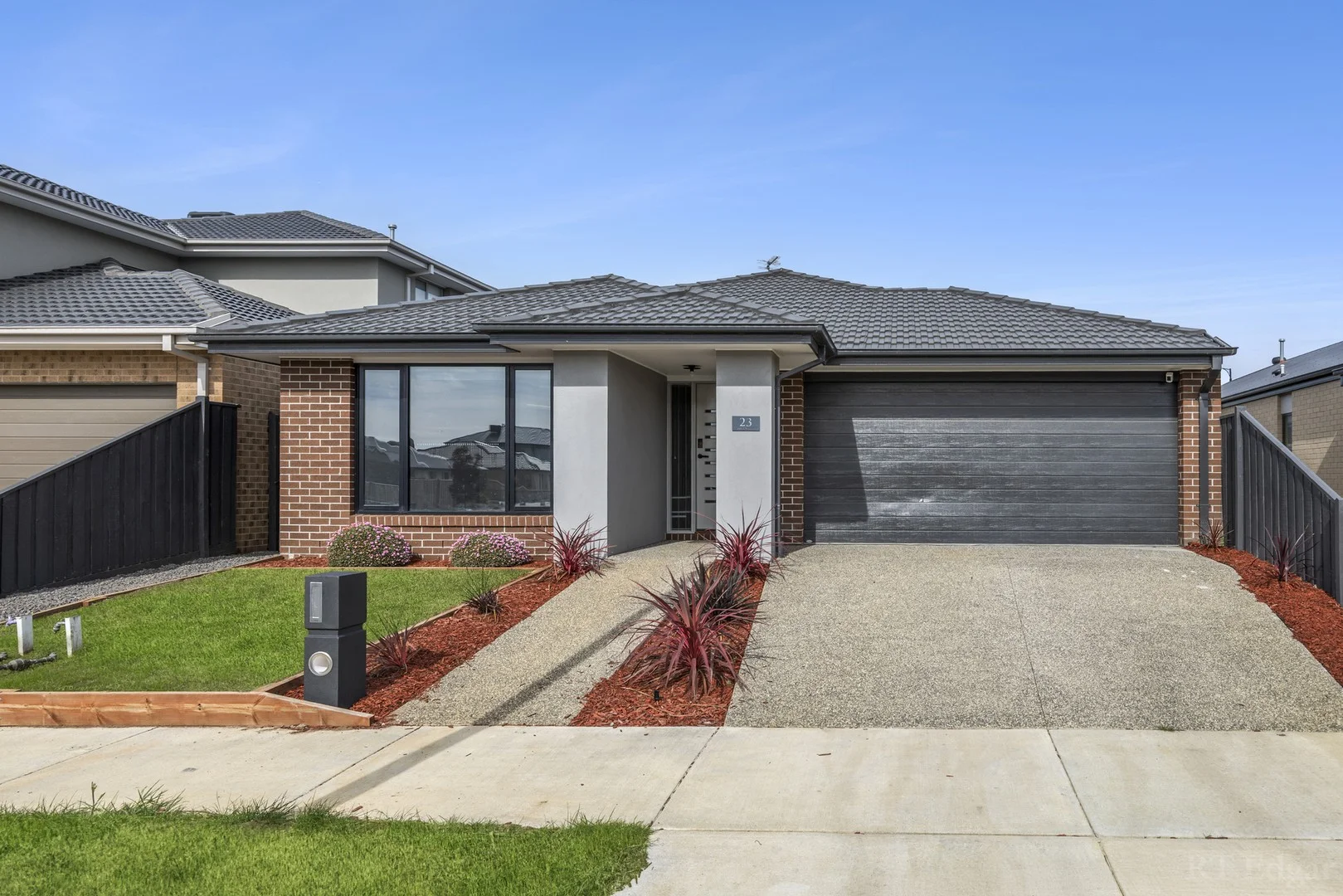 $599,000 - $658,900
House
$599,000 - $658,900
House
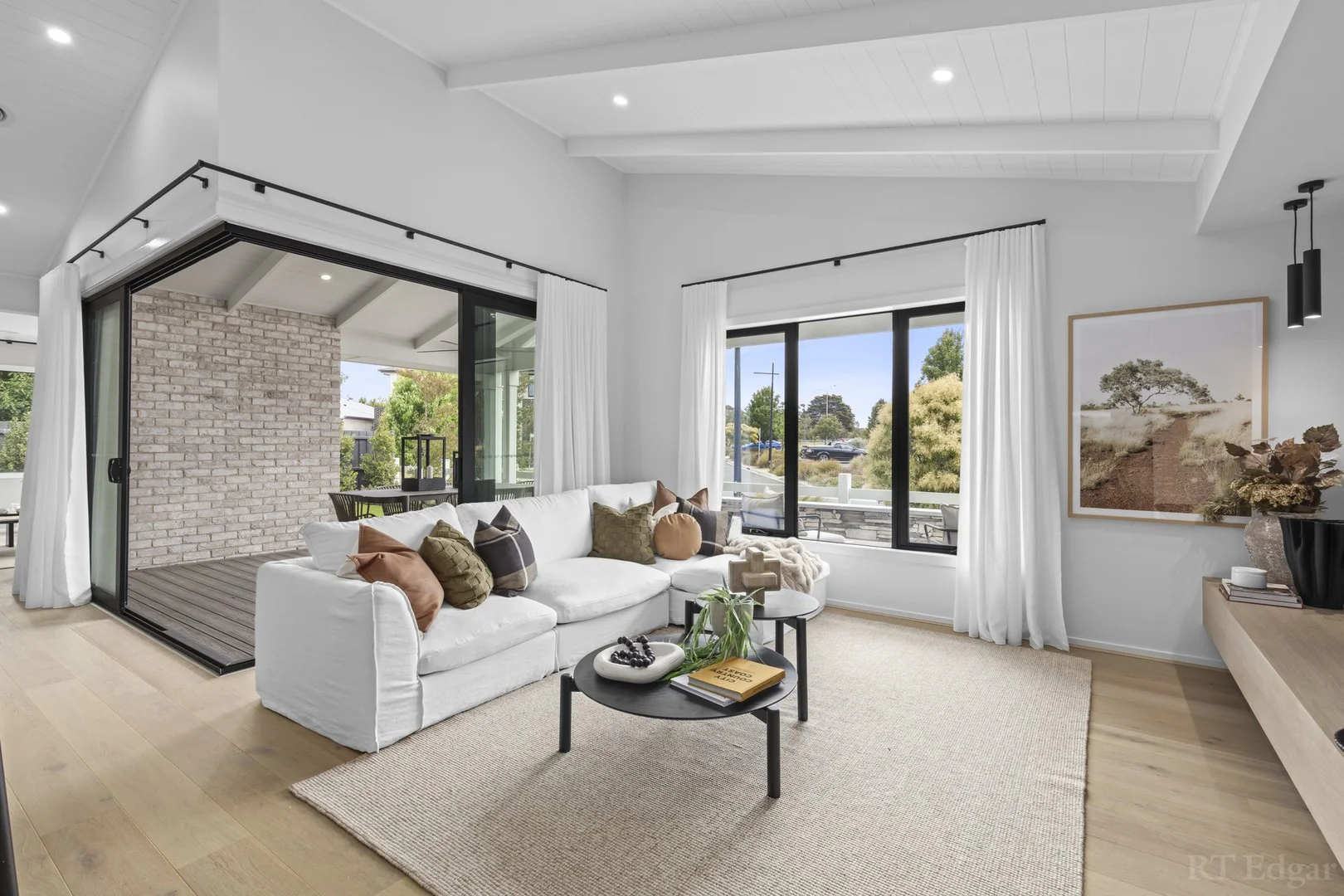 $1,022,295 - $1,124,524
House
$1,022,295 - $1,124,524
House
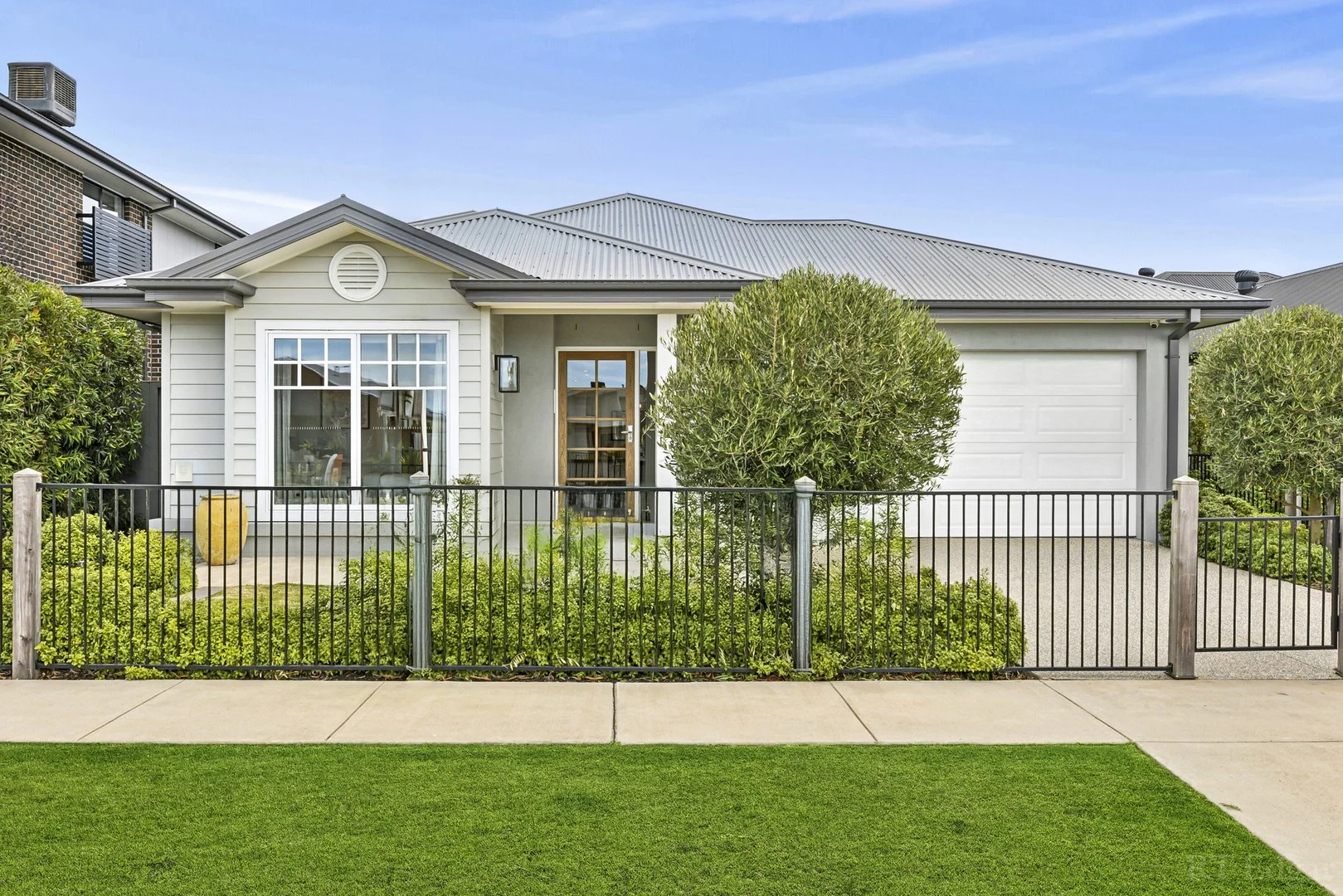 $877,800 - $965,580
House
$877,800 - $965,580
House
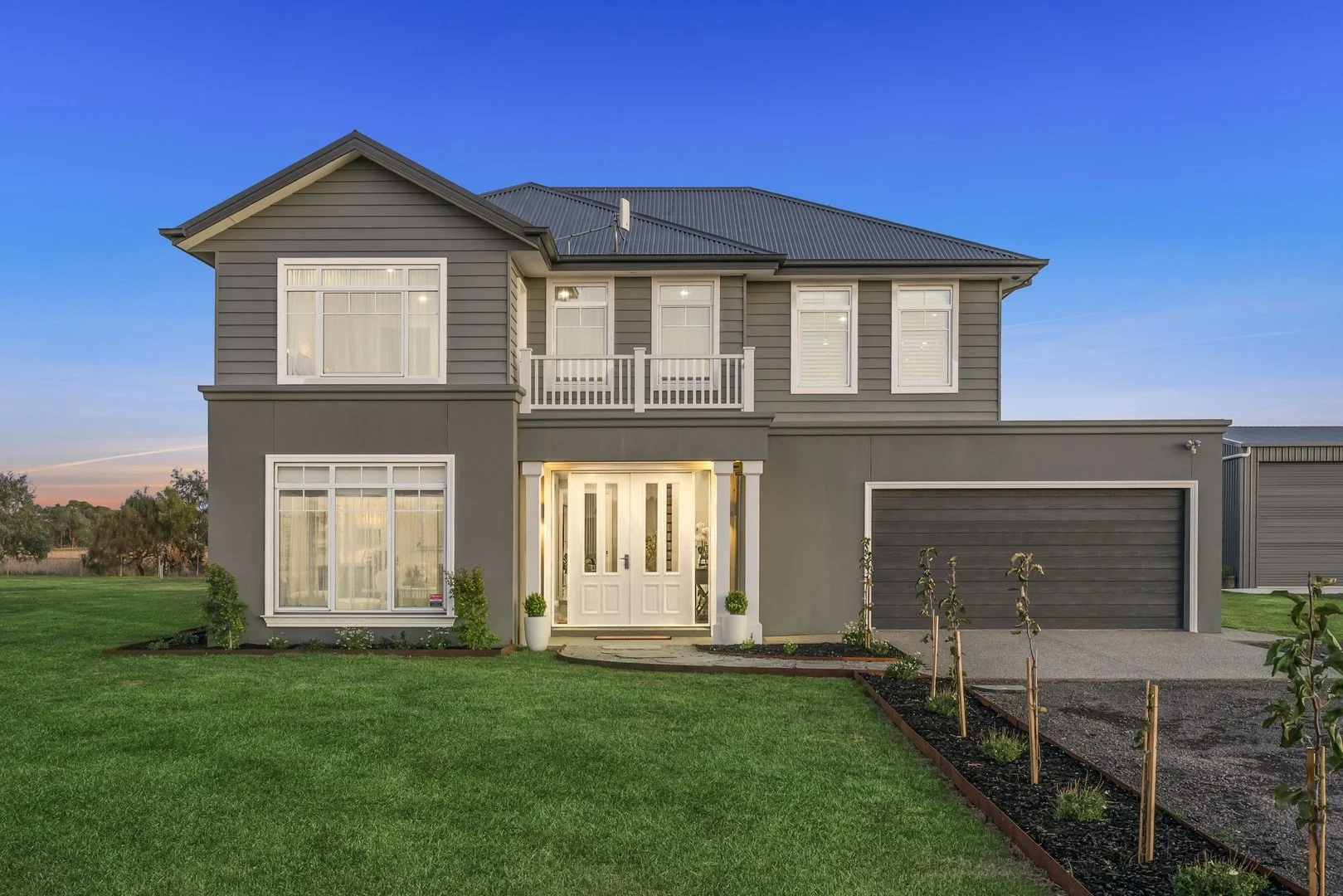 $2,150,000 - $2,350,000
propertyType.ACREAGE / SEMI-RURAL
$2,150,000 - $2,350,000
propertyType.ACREAGE / SEMI-RURAL
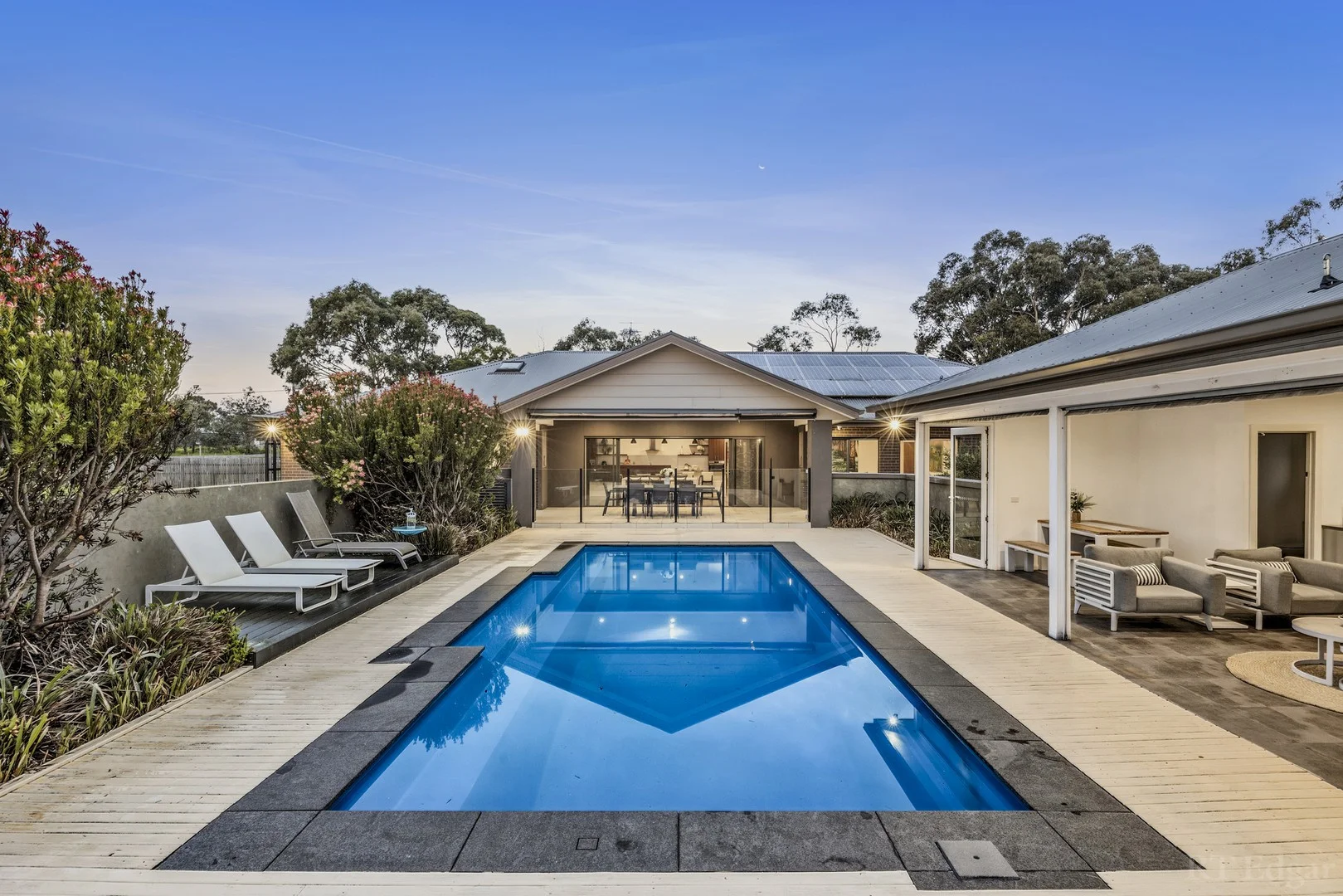 $3,006,750 - $3,307,425
House
$3,006,750 - $3,307,425
House
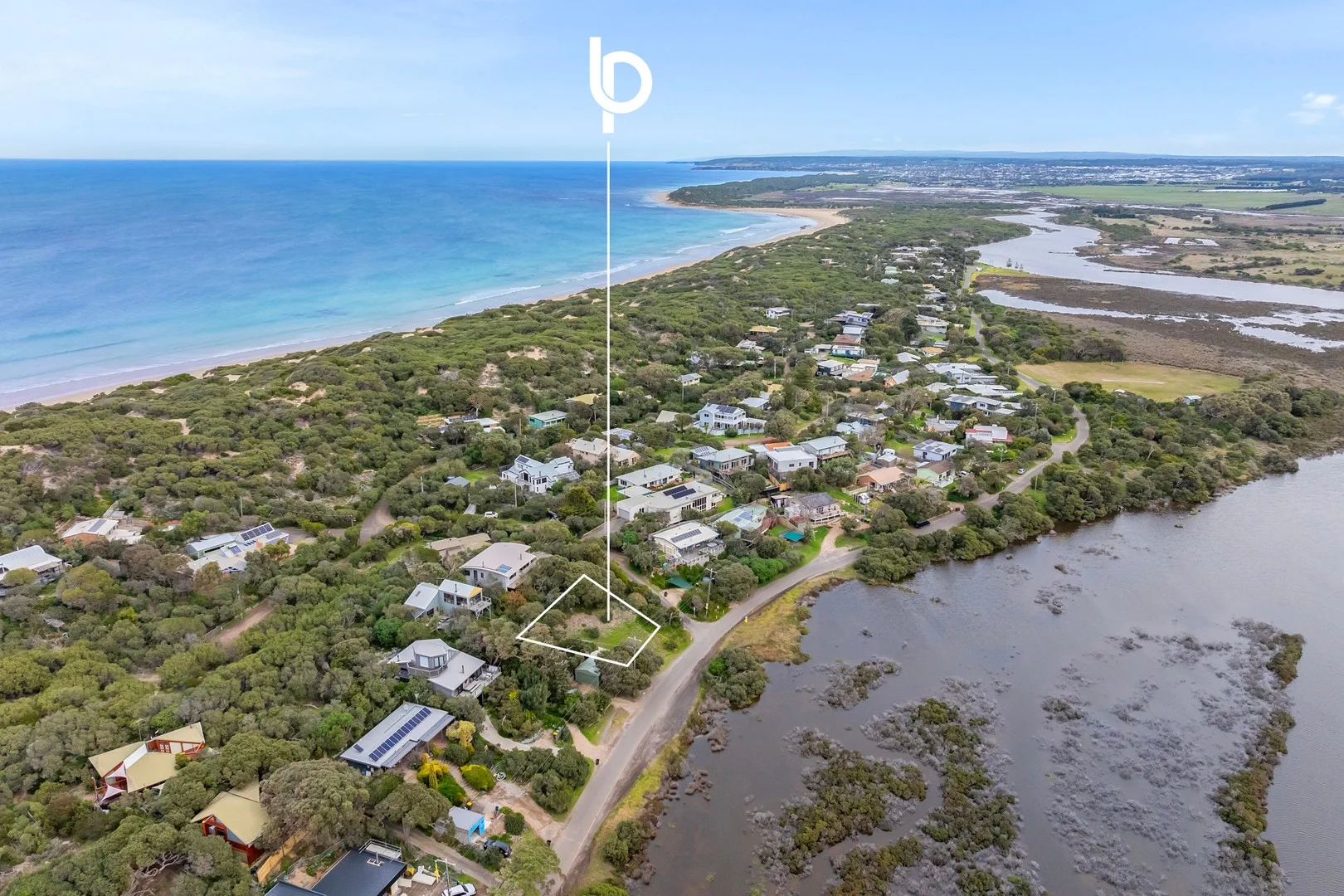 $880,000 - $950,000
Vacant Land
$880,000 - $950,000
Vacant Land
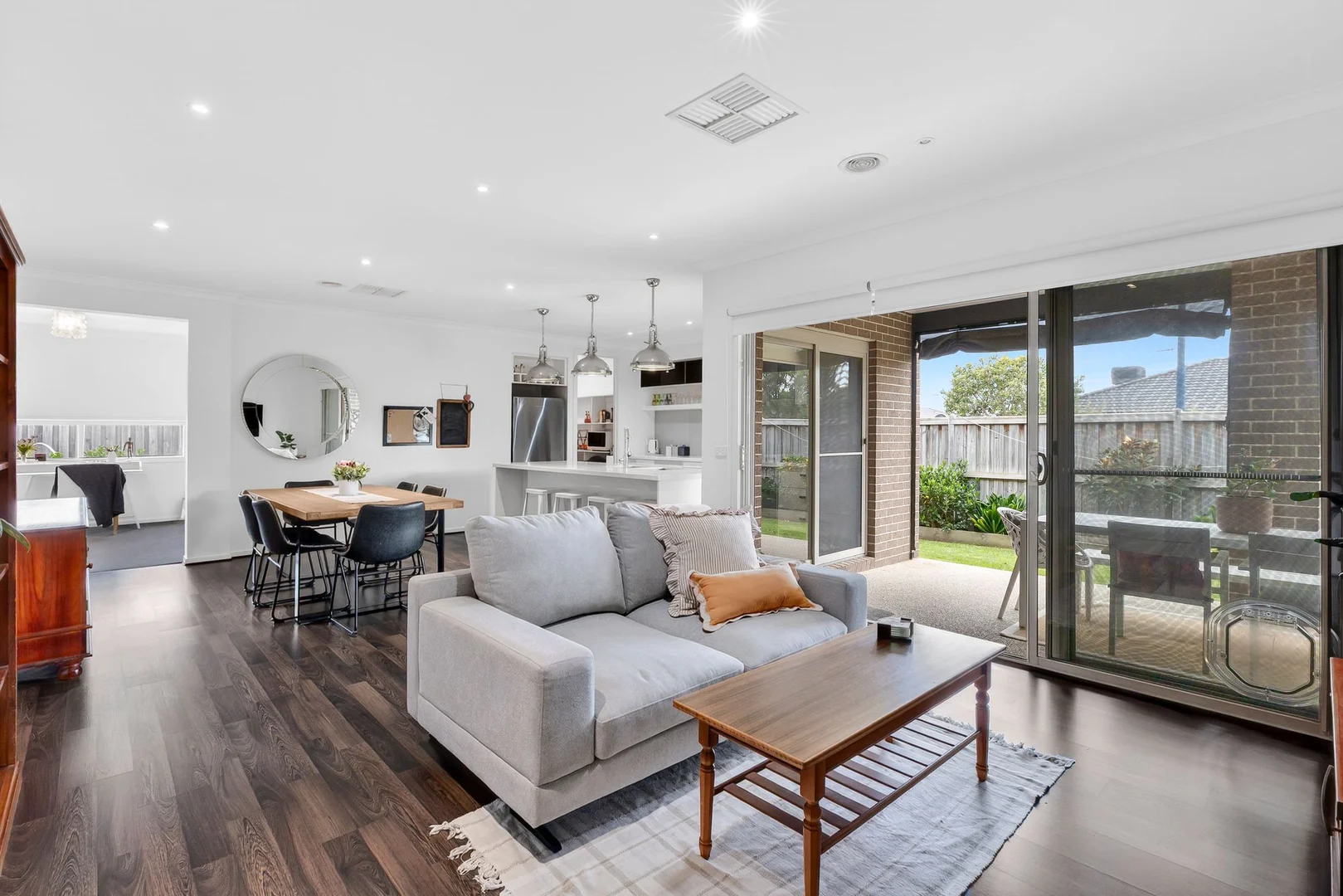 $840,000 - $880,000
House
$840,000 - $880,000
House
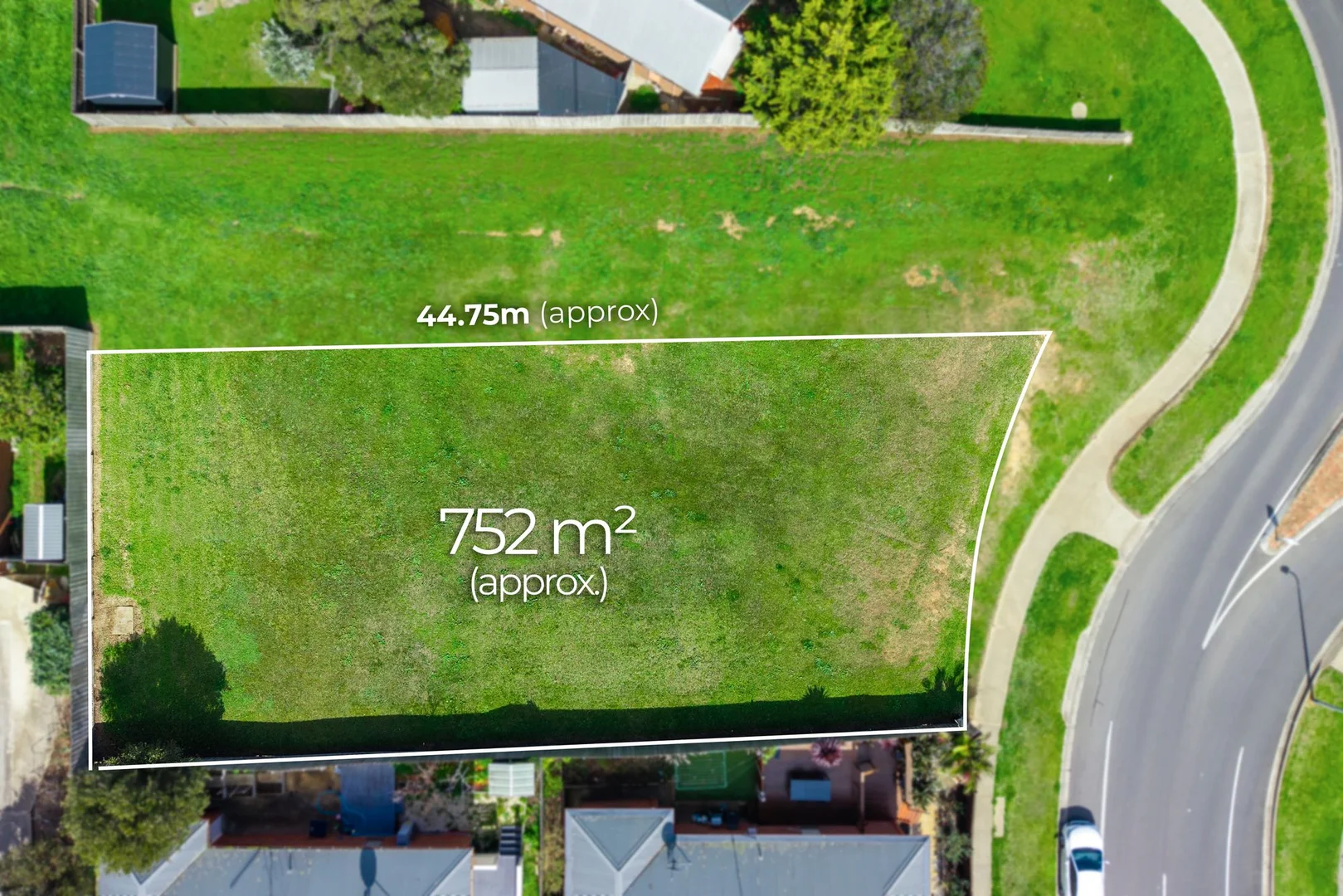 $540,000
Vacant Land
$540,000
Vacant Land
 $830,000 - $890,000
House
$830,000 - $890,000
House


