## Overview
Oberon High School is a public, co-educational secondary school serving students in Armstrong Creek, VIC. The school is medium-sized, offering a broad range of learning pathways to suit diverse student interests and abilities. Class sizes are designed to support teacher attention and student engagement, with a culture that emphasises inclusivity, academic achievement and active participation in school life.
The atmosphere is welcoming and collaborative, with a focus on building resilience, leadership, and teamwork. Students are encouraged to pursue excellence across academics, arts, sport and community projects within a supportive environment.
---
## Academics & Learning
- Academic strengths: Strong focus on STEM and English, with opportunities for leadership development and English/language studies. The school supports a range of learning pathways to suit different interests and ambitions.
- Special programs: Pathways across VCE subjects, potential accelerated learning opportunities and gifted/talented programs where available, plus vocational education and training (VET) options.
- NAPLAN trends: NAPLAN performance data is used to guide teaching and improvement planning; trends typically show steady to improving results in key domains over recent years.
- Student-teacher ratios: Class sizes and teacher contact aim to provide meaningful instruction and support; typical ratios reflect a balanced model for effective learning.
- Support for diverse learners: Programs and staff dedicated to EAL and SEN needs, with targeted support, adjustments, and inclusive education practices.
---
## Sports & Extracurricular Strengths
- Sports offered: A range of teams and activities including basketball, football, netball, cricket, soccer, athletics, swimming and tennis, along with school-level competitions.
- Strong teams or achievements: Participation in district and regional competitions with opportunities to represent the school in various sports.
- Music, arts, drama: Active music programs and performing arts opportunities, including ensembles and school productions.
- Clubs: Robotics, chess, coding, debating and other student-led clubs to develop skills and interests.
- Partnerships: Connections with local clubs, community organizations and regional competitions to extend opportunities beyond the classroom.
Most parents in this age group (10–14) find the blend of sport, arts and clubs helps balance academics with practical, hands-on activities.
---
## Wellbeing & Pastoral Care
- Anti-bullying approach: Clear policies and whole-school programs to promote respectful behaviour and safe environments.
- House system: A house-based structure to support belonging, friendly competition and peer support (where applicable).
- Counsellors / wellbeing officers: Access to wellbeing staff and counseling services to support mental health, resilience and personal growth.
- Transition support for new students: Orientation, buddy programs and targeted supports to help new students settle in quickly and feel connected.
---
## Facilities
- Sports grounds: On-site playing fields and courts for a variety of games and physical education.
- Libraries: Readily accessible library spaces with study areas and resources.
- Science labs: Modern laboratories for hands-on experiments and inquiry-based learning.
- Music/performing arts centers: Facilities to support ensembles, rehearsals and performances.
- Tech/innovation labs: Dedicated spaces for design, coding, robotics and digital learning.
- Cafeteria: On-site canteen with healthy meal options and snacks.
- Updated playgrounds: Safe outdoor spaces for recreation and socialising.
---
## School Values & Community Culture
- School values / mission: Focus on respect, responsibility, resilience and excellence; emphasis on student voice and community involvement.
- Leadership style: Student leadership opportunities, teacher-student partnerships and a culture of collaborative decision-making.
- Behaviour expectations: Clear behaviour expectations aligned with school values; positive reinforcement and restorative practices.
- Community reputation: Known for an inclusive, supportive environment that fosters academic and personal growth.
- Diversity & inclusion: Committed to welcoming students from diverse backgrounds and providing inclusive learning experiences.
---
## School Logistics & Daily Operations
- School hours: Typical school day starting in the morning and finishing mid to late afternoon (specific times vary by year level).
- Before/after school care: Availability of care programs or supervision outside standard hours.
- Uniform requirements: Uniform policy with required attire and guidance on when to acquire items.
- Transport: Bus services and other public transport options available; information on routes and schedules provided by the school or local transport authorities.
- Canteen availability: On-site canteen offering breakfast and lunch options.
- Fees: School fees generally in the low-to-mid range for government secondary schools; additional costs may apply for some activities and resources.
---
## Enrolment & Admissions
11. What is the enrolment process and timeline?
- Enrolment typically follows the state system for public secondary schools. Check catchment eligibility, complete the school’s application, and submit within the prescribed timelines. The school will advise on allotted intake windows, documents required, and any information sessions.
12. Is there a waiting list, and how does it work?
- Waiting lists are common when spaces are limited. Applications are usually ordered by prioritised criteria (e.g., catchment status, date of application) and space availability. The school will confirm whether a place can be offered or if a waitlist applies.
13. Are there any entry requirements, tests, or interviews?
- For most general places, there are no entrance tests. Some programs (specialist or gifted tracks) or orientation processes may involve interviews or information sessions to understand needs and fit.
14. Does the school accept mid-year transfers?
- Mid-year transfers are possible subject to space and placement within the year level. Families should contact the school early to discuss availability and the transfer process.
---
## Frequently Asked Questions
- Why do parents choose this school?
- A welcoming, inclusive environment with a balanced focus on academics, wellbeing and real-world opportunities through sports, arts and clubs.
- What type of student thrives at this school?
- Students who value a supportive community, hands-on learning, and opportunities to pursue a range of interests beyond core subjects.
- What opportunities are available to extend skills (academics, sports, arts)?
- Access to a broad curriculum, VCE/VCAL pathways, VET options, clubs (robotics, coding, debating), performing arts and competitive sports programs.
- How does the school communicate with parents?
- Regular newsletters, parent portals, emails, and scheduled information evenings; responsive channels through the front office and year-level coordinators.
- What is the school’s approach to teaching and learning?
- Student-centered learning with a mix of direct instruction, collaborative projects, inquiry-based activities and formative assessment to guide progress.
- How does the school support students who need extra academic help?
- Dedicated learning support, targeted interventions, EAL/SEN assistance and access to tutoring or small-group sessions where available.
- What support is available for academic challenges?
- Additional tutoring, study supports, and tailored plans to help students strengthen literacy, numeracy and core subjects.
- How does the school communicate with parents? (Repeated)
- See above: newsletters, portals, emails, and events; timely updates from teachers and coordinators.
- What are the class sizes and how much individual attention do students receive?
- Class sizes are designed to balance instruction with time for individual feedback; students typically receive teacher guidance and targeted support in smaller groups when needed.
- What extracurricular and sports opportunities are available?
- A range of sports teams, music and drama programs, and clubs such as robotics, chess, coding and debating.
- What facilities does the school offer (sports, science, arts)?
- Modern science labs, libraries, performing arts spaces, tech/innovation labs, sport facilities, and a canteen.
- What is the school’s approach to technology and digital learning?
- Integration of digital tools to support learning, with appropriate guidance on online safety and responsible use.
- What transport and accessibility options are available?
- Transport options typically include school bus routes and public transport; information on routes is provided by the school and local authorities.
- What are the typical school fees or additional costs?
- Public secondary schools in Victoria have standard fees; additional costs may apply for certain programs, activities or materials.
---
## Short Pros & Cons
- Pros
- Supportive, inclusive culture with strong wellbeing and pastoral care
- Broad curriculum and pathways (academic, VET, arts, sports)
- Active co-curricular program (clubs, sports, music, drama)
- Modern facilities and resources for science, tech and arts
- Focus on student leadership and community involvement
- Cons
- As a medium-sized school, demand for places can vary by year level
- Some programs may require additional engagement or fees for electives/outings
- Transport options depend on location and route availability






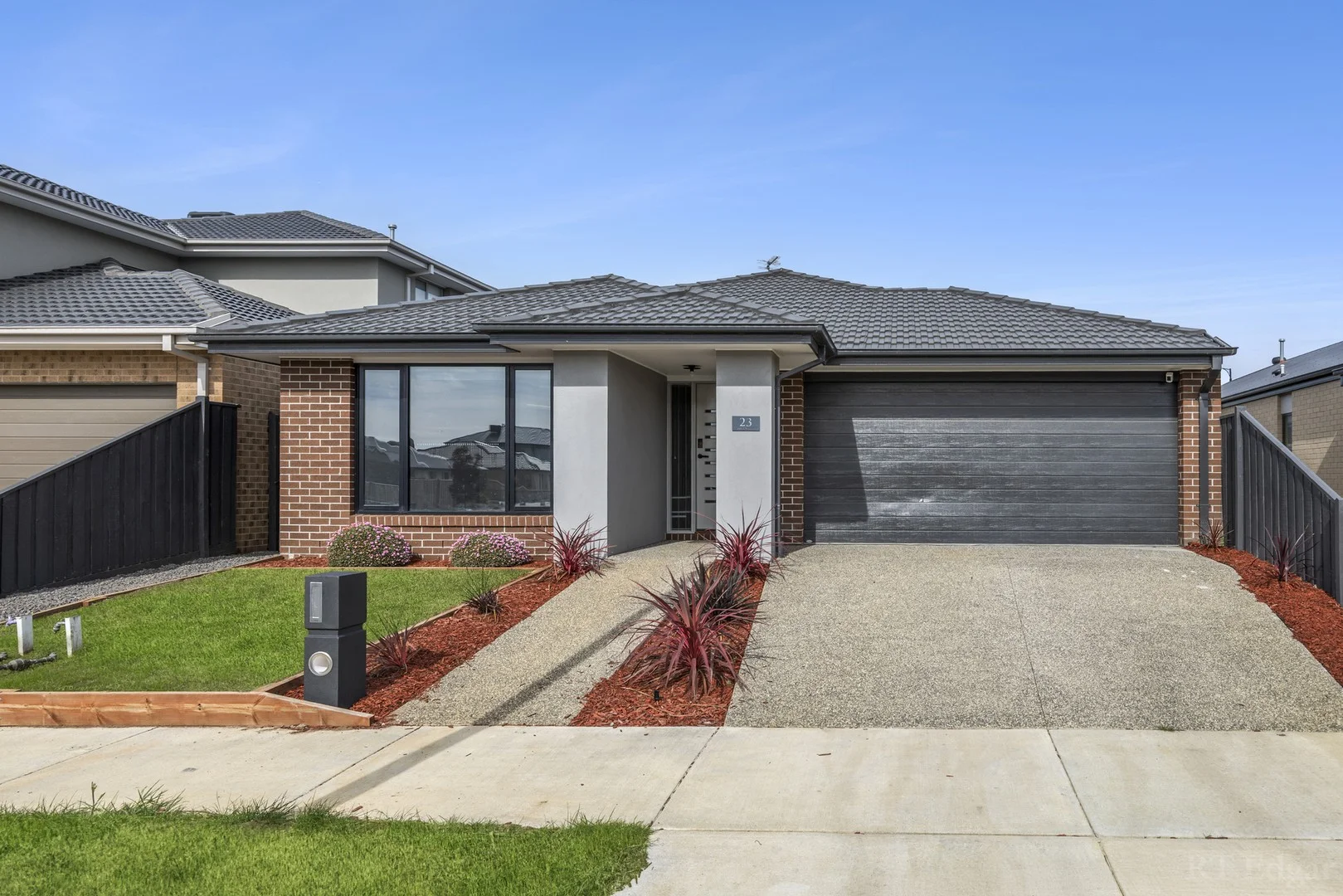 $599,000 - $658,900
House
$599,000 - $658,900
House
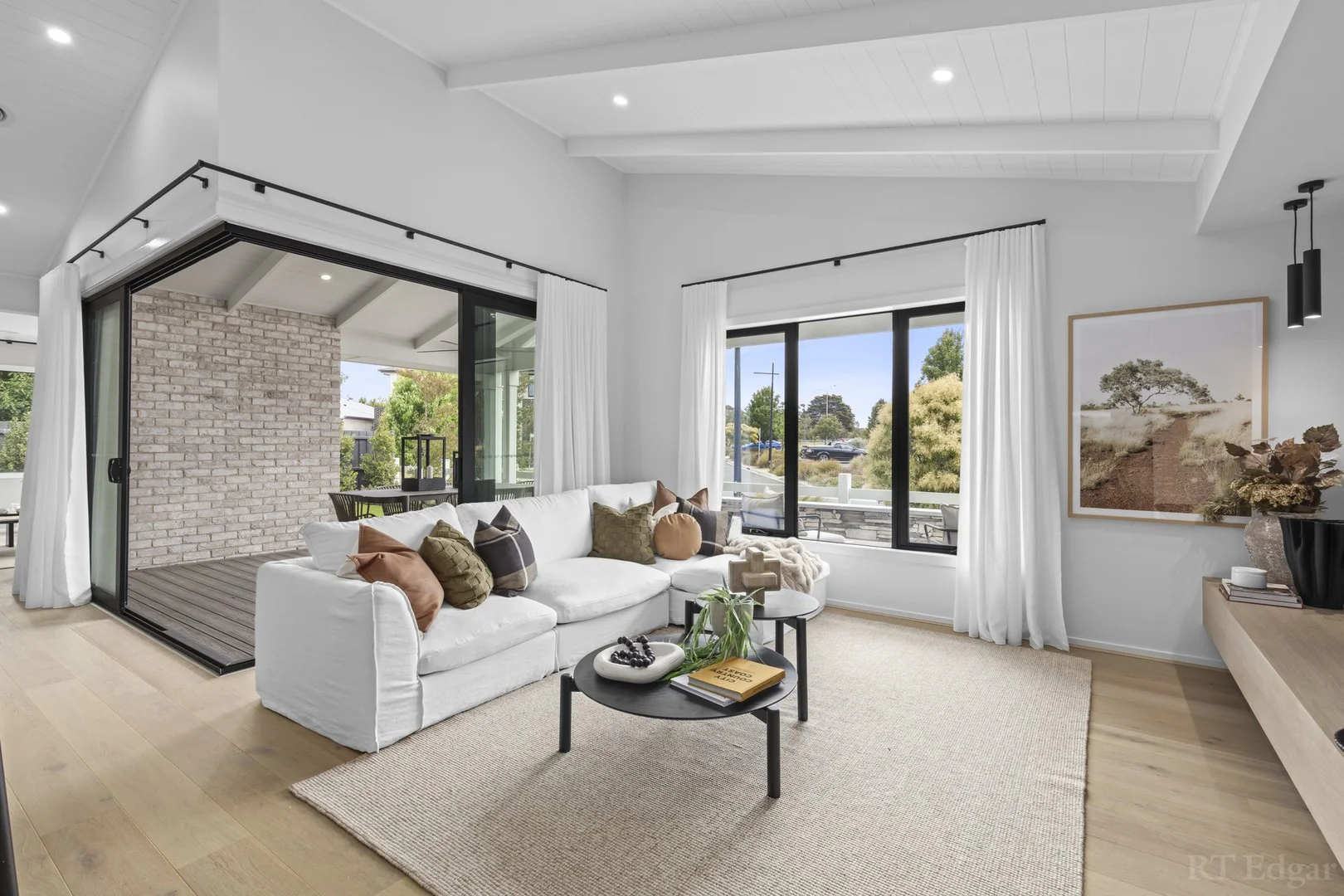 $1,022,295 - $1,124,524
House
$1,022,295 - $1,124,524
House
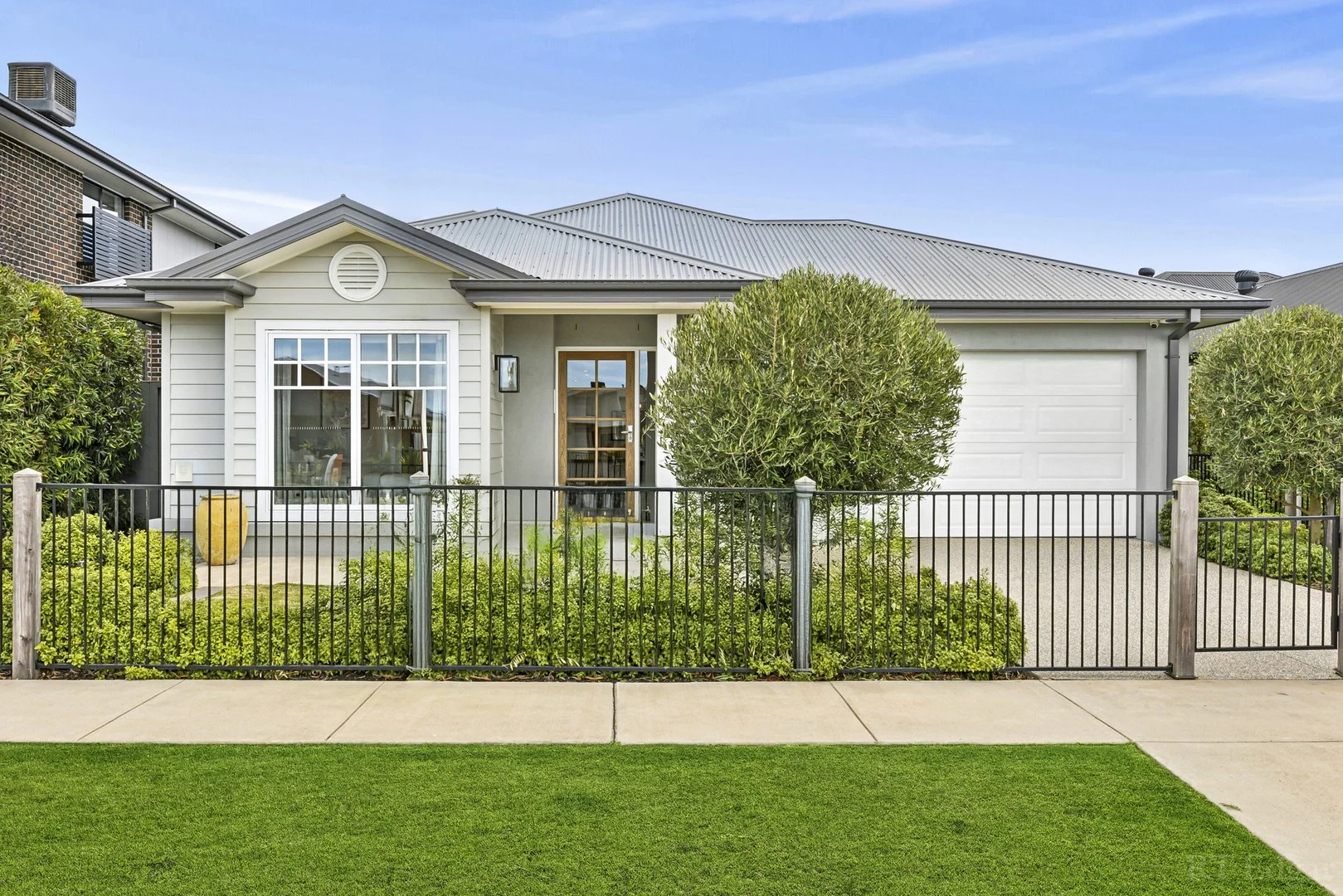 $877,800 - $965,580
House
$877,800 - $965,580
House
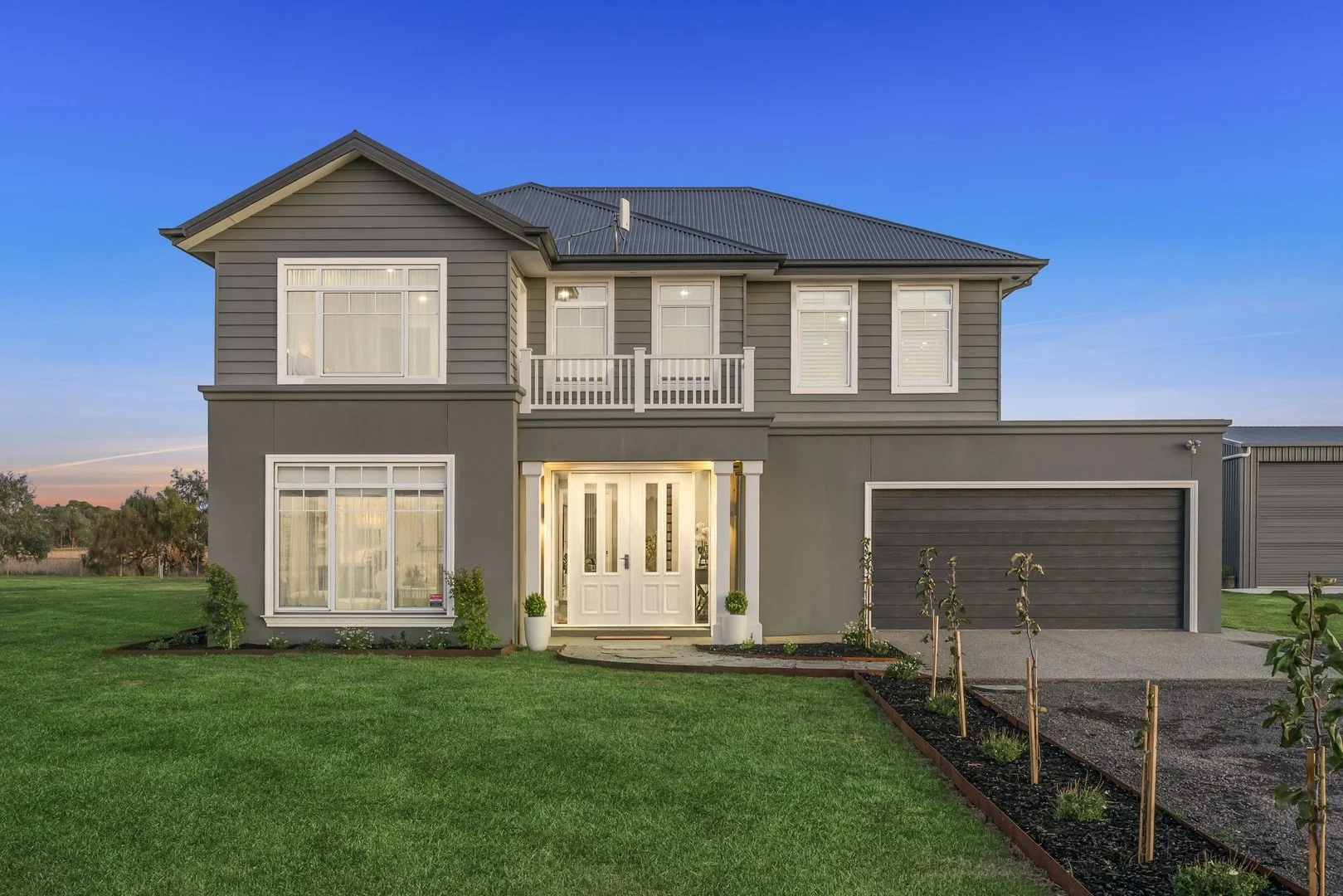 $2,150,000 - $2,350,000
propertyType.ACREAGE / SEMI-RURAL
$2,150,000 - $2,350,000
propertyType.ACREAGE / SEMI-RURAL
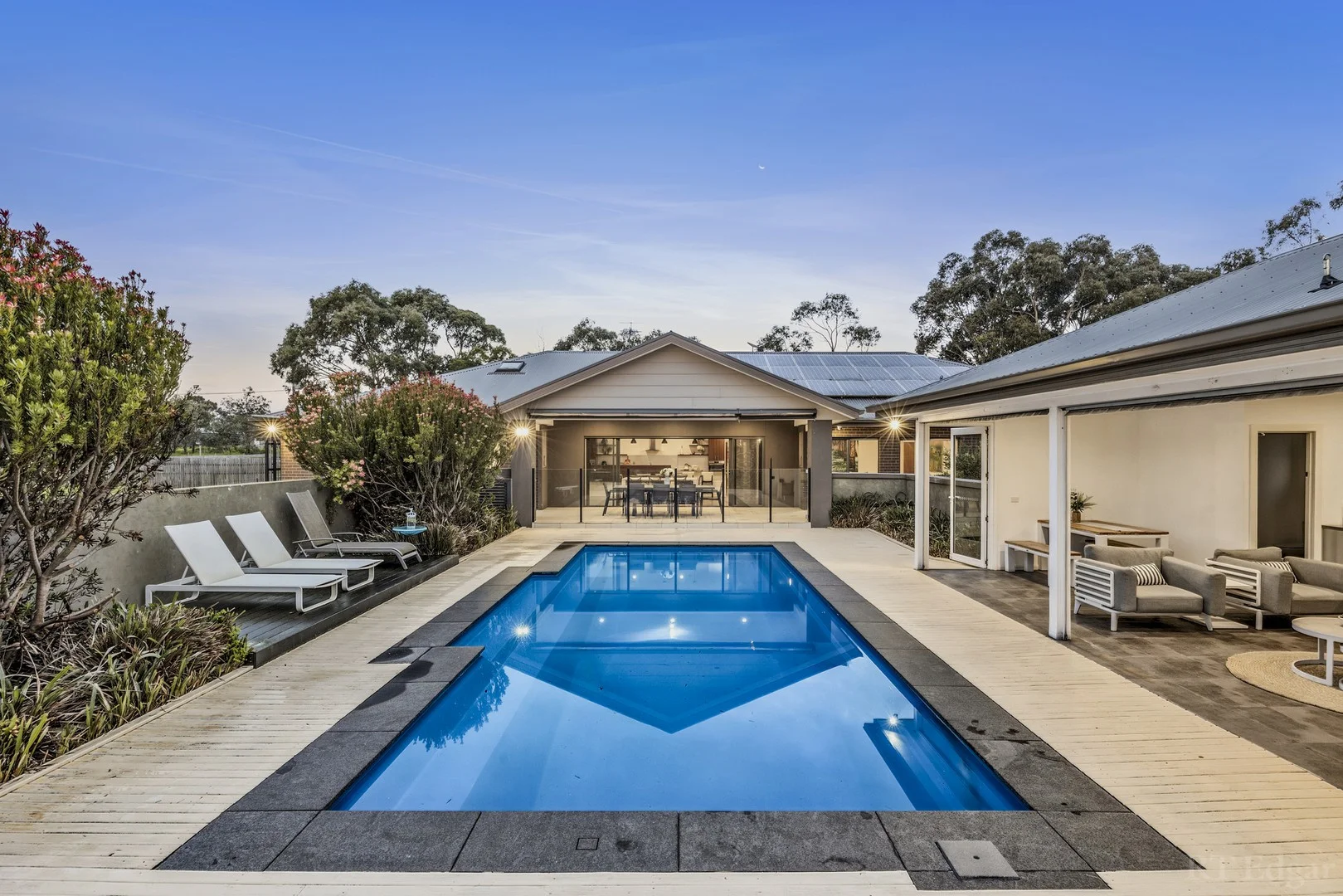 $3,006,750 - $3,307,425
House
$3,006,750 - $3,307,425
House
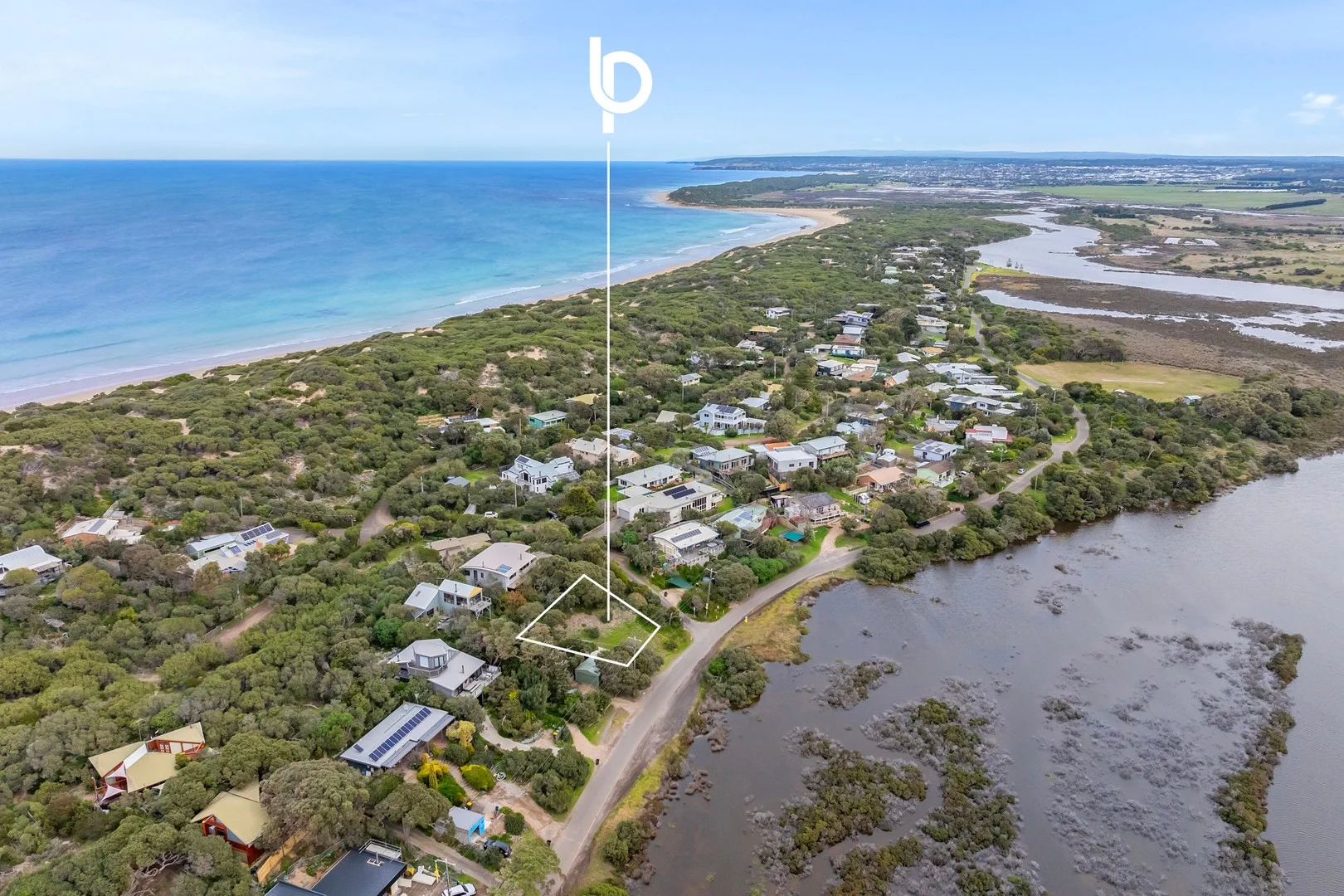 $880,000 - $950,000
Vacant Land
$880,000 - $950,000
Vacant Land
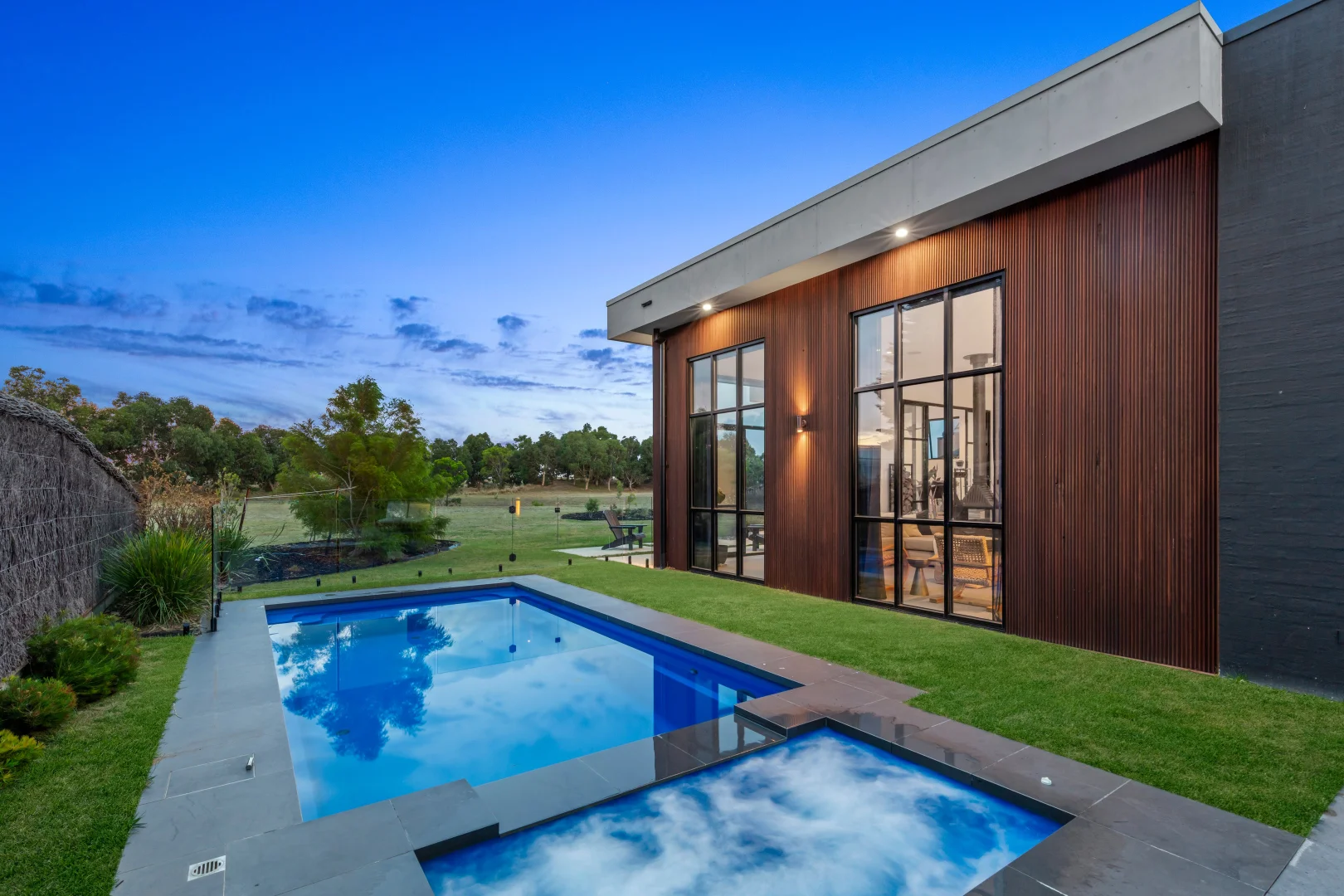 $2,950,000 - $3,200,000
House
$2,950,000 - $3,200,000
House
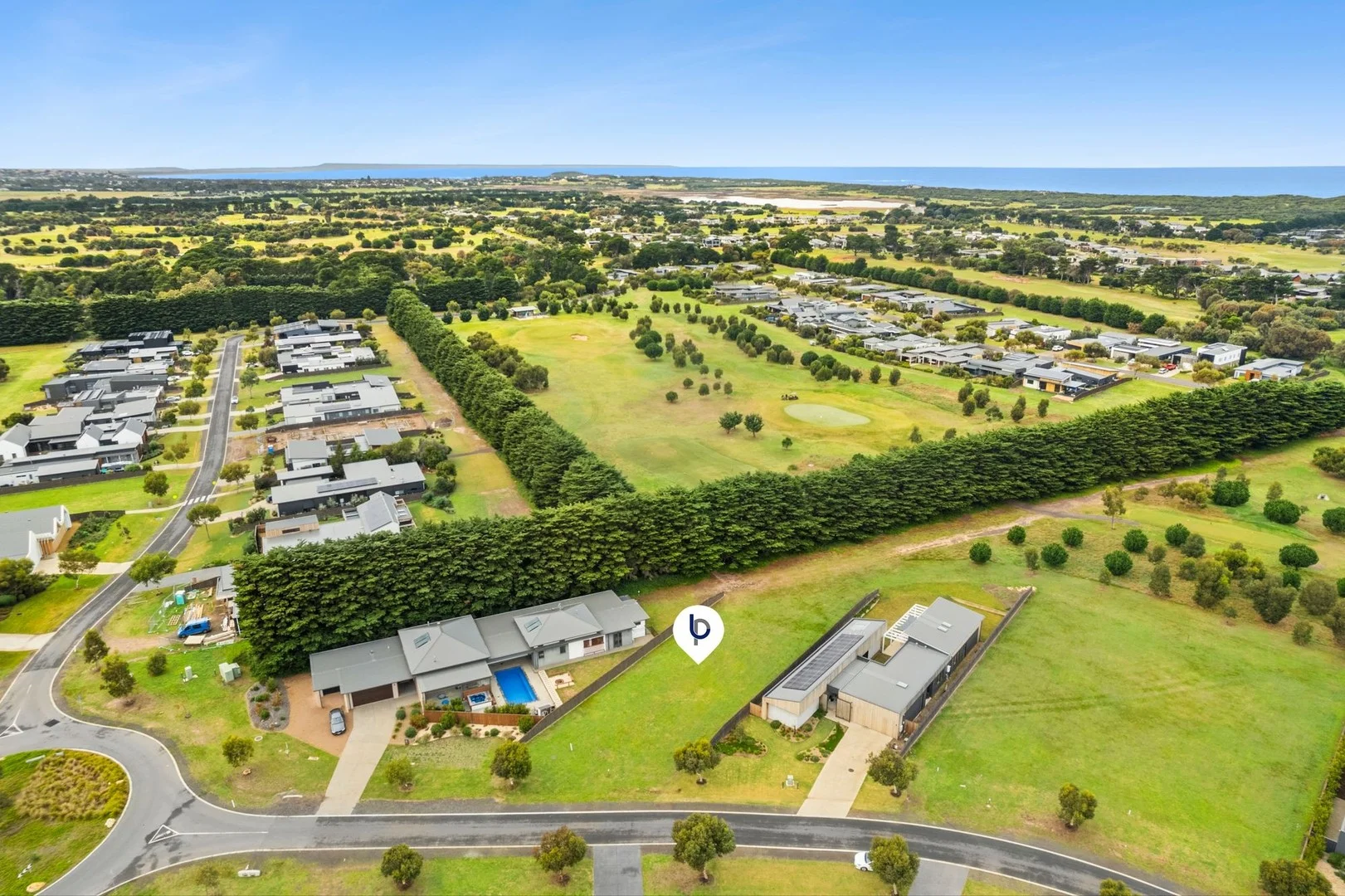 $990,000 - $1,080,000
Vacant Land
$990,000 - $1,080,000
Vacant Land
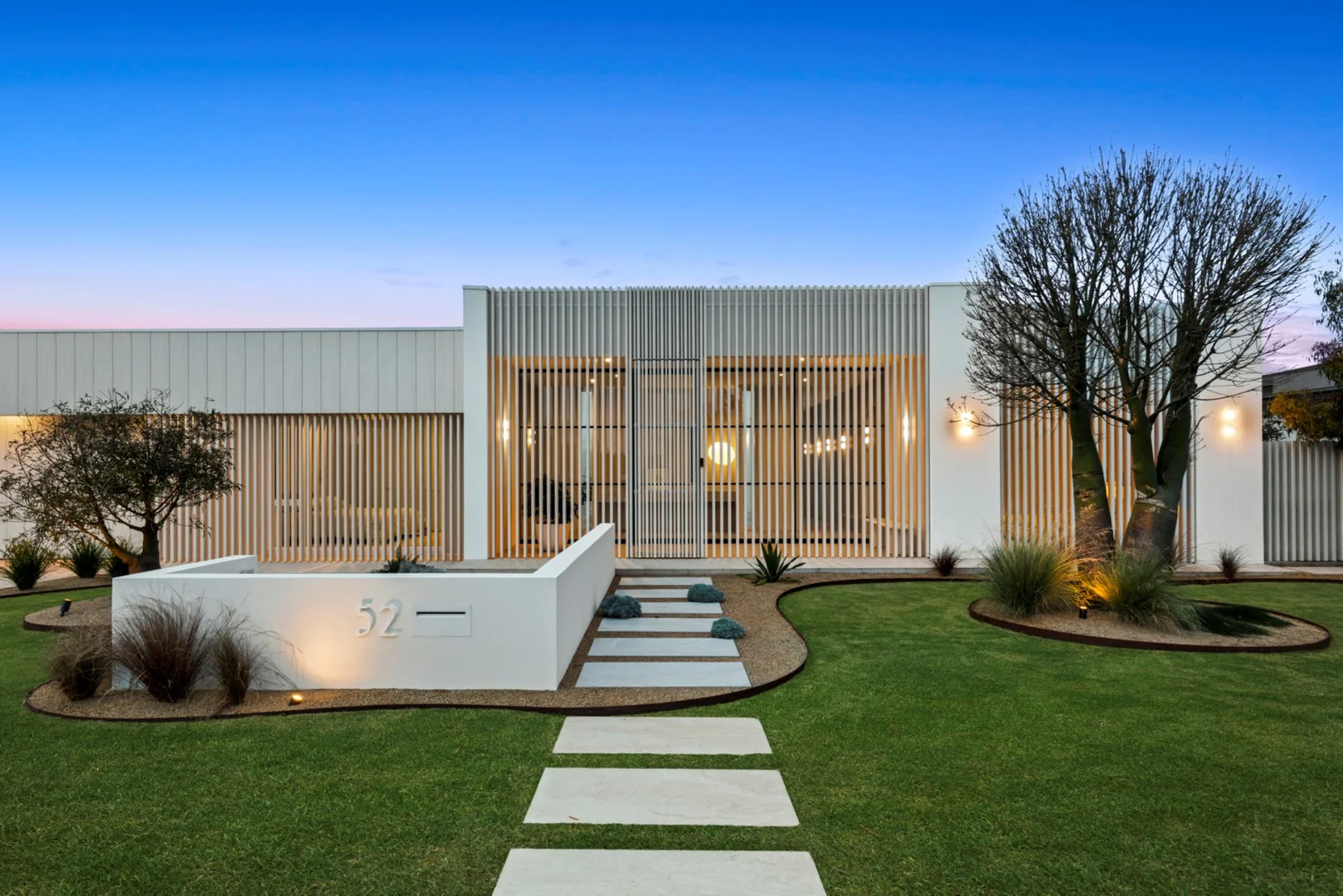 $3,450,000
House
$3,450,000
House


