## Overview
Mirripoa Primary School is a public (government) primary school serving families in Mount Duneed and the surrounding Geelong region. The school fosters a welcoming, inclusive learning community where students are encouraged to contribute, explore and grow. Classes are designed to be engaging and supportive, with a focus on building strong foundations in literacy, numeracy and social-emotional skills.
The school is medium-sized, with classroom environments that aim to balance individual attention with collaborative learning. The atmosphere is nurturing and safe, emphasising respect, teamwork and a positive school culture that values every student’s voice and potential.
⸻
## Academics & Learning
Mirripoa Primary emphasises high-quality teaching across core subjects, with particular strengths in literacy, numeracy and hands-on STEAM learning. The school offers opportunities to develop leadership and problem-solving skills through project-based learning and student-led inquiries.
Special programs may include gifted and talented initiatives and targeted supports to accelerate learning where appropriate. NAPLAN trends over recent years show steady progress in reading and numeracy, with performance generally reflecting state-level patterns and ongoing improvements in individual cohorts. The school provides robust support for diverse learners, including English as an Additional Language (EAL) learners and students with additional learning needs (SEN), through specialist staff and targeted intervention where required.
⸻
## Sports & Extracurricular Strengths
Sports and extracurricular activities are a key focus for families. Mirripoa Primary offers a range of sports including football (soccer), cricket, netball, athletics and other team-based activities, with regular inter-school events and house-based competitions that build teamwork and school spirit.
In addition to sport, the school supports music, drama and arts programs, along with active clubs such as robotics, coding, chess and debating. Students have opportunities to participate in local competitions and partnerships with community groups or regional programs to extend learning beyond the classroom.
⸻
## Wellbeing & Pastoral Care
Wellbeing is central to student success at Mirripoa Primary. The school adopts a proactive anti-bullying approach and promotes positive behaviour through a clear code of conduct and restorative practices. A house system provides a sense of belonging and friendly competition across year levels.
Dedicated counsellors or wellbeing staff are available to support students, with pathways to pastoral care that include wellbeing lessons, social-emotional learning and targeted support when needed. The school runs transition programs to help new entrants settle in smoothly and to assist in the year-to-year progression of students as they move through the grades.
⸻
## Facilities
- Sports grounds and outdoor play spaces
- Library and learning hubs
- Science labs and STEM spaces
- Music and performing arts facilities
- Tech/innovation labs and makerspace areas
- Canteen or canteen facilities for student meals and snacks
- Updated playgrounds and outdoor learning areas
Facilities are designed to be visually inviting and easy to navigate, supporting a variety of learning styles and activities throughout the school day.
⸻
## School Values & Community Culture
Mirripoa Primary operates around a clear set of values that emphasise respect, resilience, responsibility and collaboration. The leadership style encourages student voice and leadership opportunities, with clear expectations for positive behaviour and mutual support.
The school is known for its welcoming community culture, inclusive practices, and strong partnerships with families. Diversity and inclusion are celebrated, with programs and supports in place to ensure every student feels valued and able to participate fully in school life.
⸻
## School Logistics & Daily Operations
- School hours: standard daytime schedule with start and finish times aligned to the Victorian public school day
- Before/after school care: available through on-site or connected providers
- Uniform requirements: school uniform policy (blue/green tones typical for the school; hats and footwear compliant with guidelines)
- Transport: access to local bus routes and public transport options; parking and drop-off zones arranged for safety
- Canteen: on-site canteen or lunch program providing healthy meal and snack options
- Fees: voluntary contributions and activity fees; overall low to moderate costs for families
⸻
## Enrolment & Admissions
11. What is the enrolment process and timeline?
- Applications are typically managed through the local Department of Education enrolment processes. Parents submit an application form and required documents (proof of residence, age, immunisation, etc.). Enrolment timelines vary by year and district, with information sessions or open days announced by the school.
12. Is there a waiting list, and how does it work?
- If the school is at capacity, a waiting list may apply with placements prioritised by enrollment policies (often prioritising in-area/catchment applicants). The school or district will provide guidance on expected wait times and steps to secure a place.
13. Are there any entry requirements, tests, or interviews?
- Public primary schools typically do not require entry exams. Some schools may offer information sessions, tours or brief assessments to understand support needs or language background, but formal testing is uncommon for standard enrolment. Any assessments would be used to plan appropriate supports if needed (EAL/SEN).
14. Does the school accept mid-year transfers?
- Mid-year transfers are possible if space is available. Parents should contact the school admin as early as possible to confirm space, understand documentation requirements, and arrange a smooth transition plan for the student.
⸻
## Frequently Asked Questions
- Why Parents Choose This School?
- A warm, inclusive community with a focus on student wellbeing, strong core academics and a range of enrichment opportunities. Parents value the approachable staff, structured supports and the sense of belonging.
- What type of student thrives at this school?
- Curious, collaborative learners who engage in both classroom activities and broader school life; students who benefit from a supportive environment and opportunities to participate in sports, arts and leadership.
- What opportunities are available for students to extend their skills (academics, sports, arts)?
- Regular engagement in literacy, numeracy and STEM activities; gifted and talented opportunities where available; sports teams, inter-school events, music/drama programs and clubs such as robotics, coding, chess and debating.
- How does the school communicate with parents?
- Through newsletters, a possibly digital parent portal, notices, parent-teacher interviews and regular updates on classroom activities and student progress.
- What is the school’s approach to teaching and learning?
- A student-centered approach that combines explicit instruction with inquiry-based and collaborative learning, supported by differentiated teaching to meet diverse needs.
- How does the school support students who need extra academic help?
- Targeted literacy and numeracy interventions, specialist teacher support, and access to learning support staff for EAL and SEN needs.
- What support is available for academic challenges?
- Additional tutoring, small-group or in-class support, and referrals to external services if needed, guided by the school’s learning support team.
- How does the school communicate with parents? (Repeated)
- See above: newsletters, portal, interviews and updates.
- What are the class sizes and how much individual attention do students receive?
- Class sizes typically align with state guidelines for primary schools and often range from the low 20s to mid-20s. Students may receive targeted teacher assistance and small-group work as part of normal teaching practice.
- What extracurricular and sports opportunities are available?
- A range of sports (e.g., soccer, cricket, netball, athletics), plus clubs such as robotics, coding, chess and debating, and music/drama programs.
- What facilities does the school offer (sports, science, arts)?
- Sports grounds, libraries, science labs, music/arts spaces, tech/innovation labs, canteen and updated playgrounds.
- What is the school’s approach to technology and digital learning?
- Incorporation of digital literacy across the curriculum, access to devices and online resources, and safe/responsible use guidelines to support learning.
- What transport and accessibility options are available?
- Local bus routes and public transport, safe drop-off/pick-up zones, and accessibility considerations within facilities and grounds.
- What are the typical school fees or additional costs?
- Voluntary contributions and optional activity fees within a low-to-moderate range, depending on programs and materials used for activities and events.
⸻
## Short Pros & Cons list
- Pros:
- Welcoming, inclusive community with a focus on student wellbeing
- Robust core academics and opportunities across sport, arts and STEM
- Support for diverse learners (EAL, SEN) and transitional programs for new students
- Varied extracurricular options and student leadership opportunities
- Positive parent-school collaboration and communication
- Cons:
- As a public school, programs and facilities may be subject to funding cycles and class sizes can vary year to year
- Availability of some advanced programs may depend on space and staffing
- Waiting lists can occur for enrolment depending on catchment demand
⸻







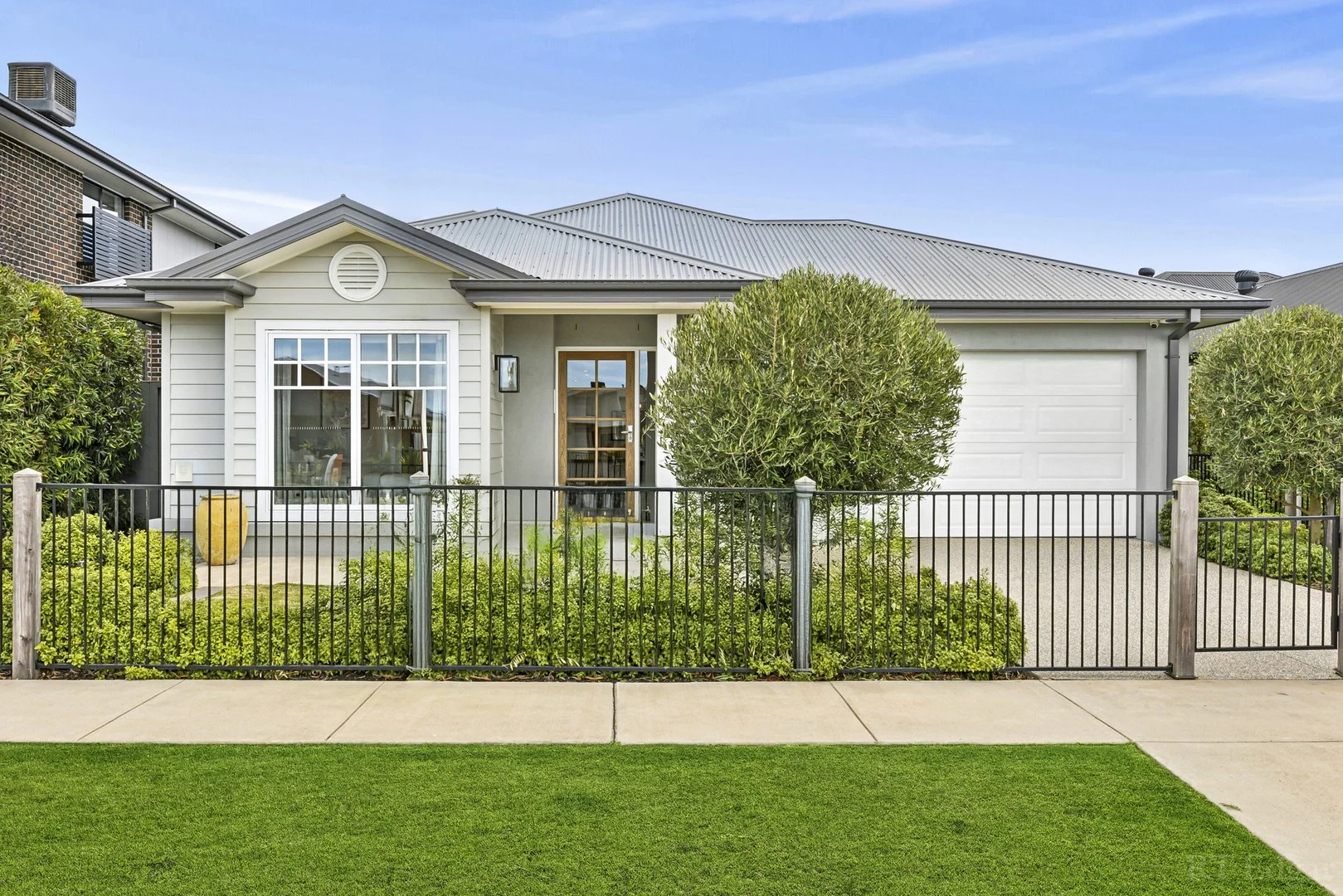 $877,800 - $965,580
House
$877,800 - $965,580
House
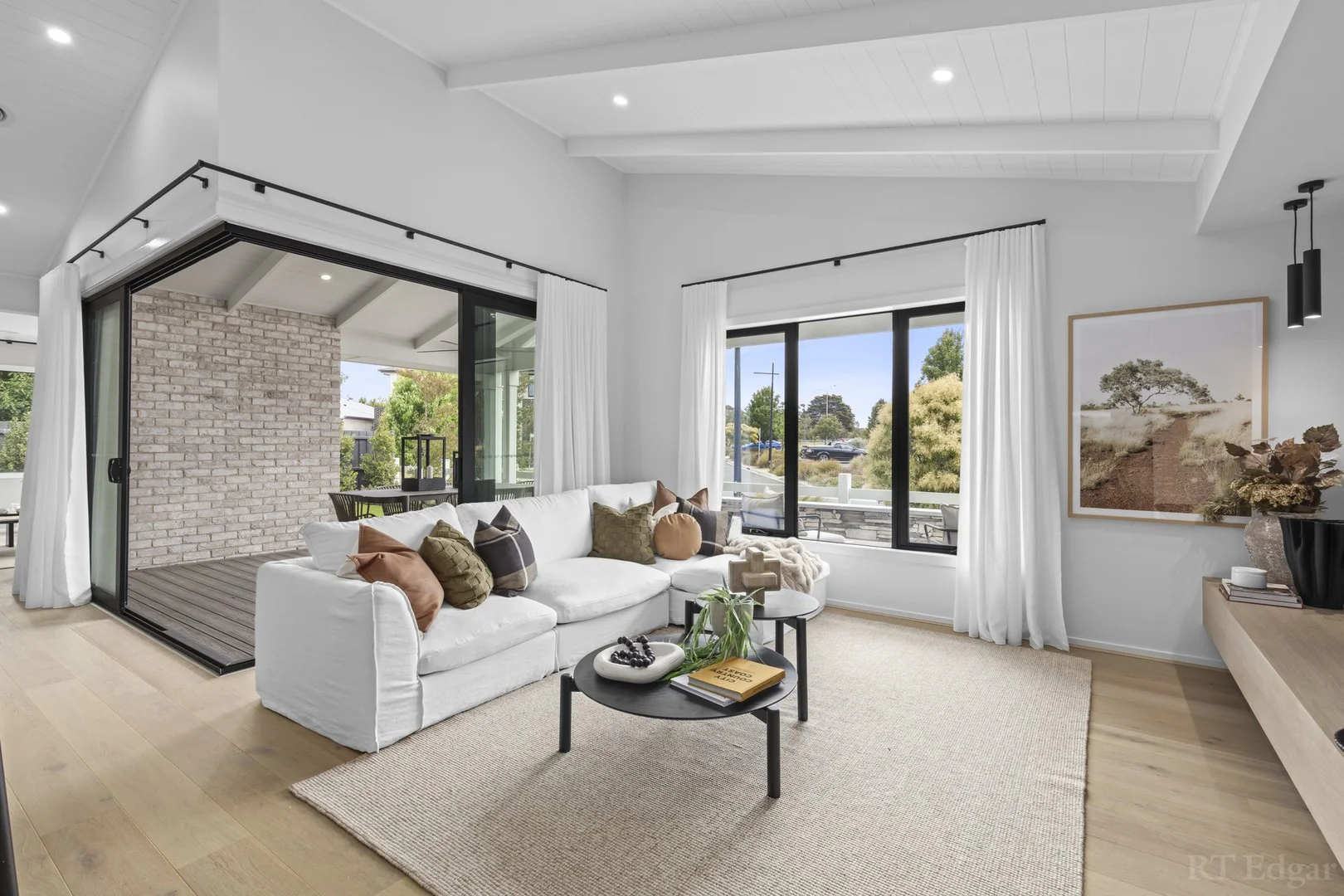 $1,022,295 - $1,124,524
House
$1,022,295 - $1,124,524
House
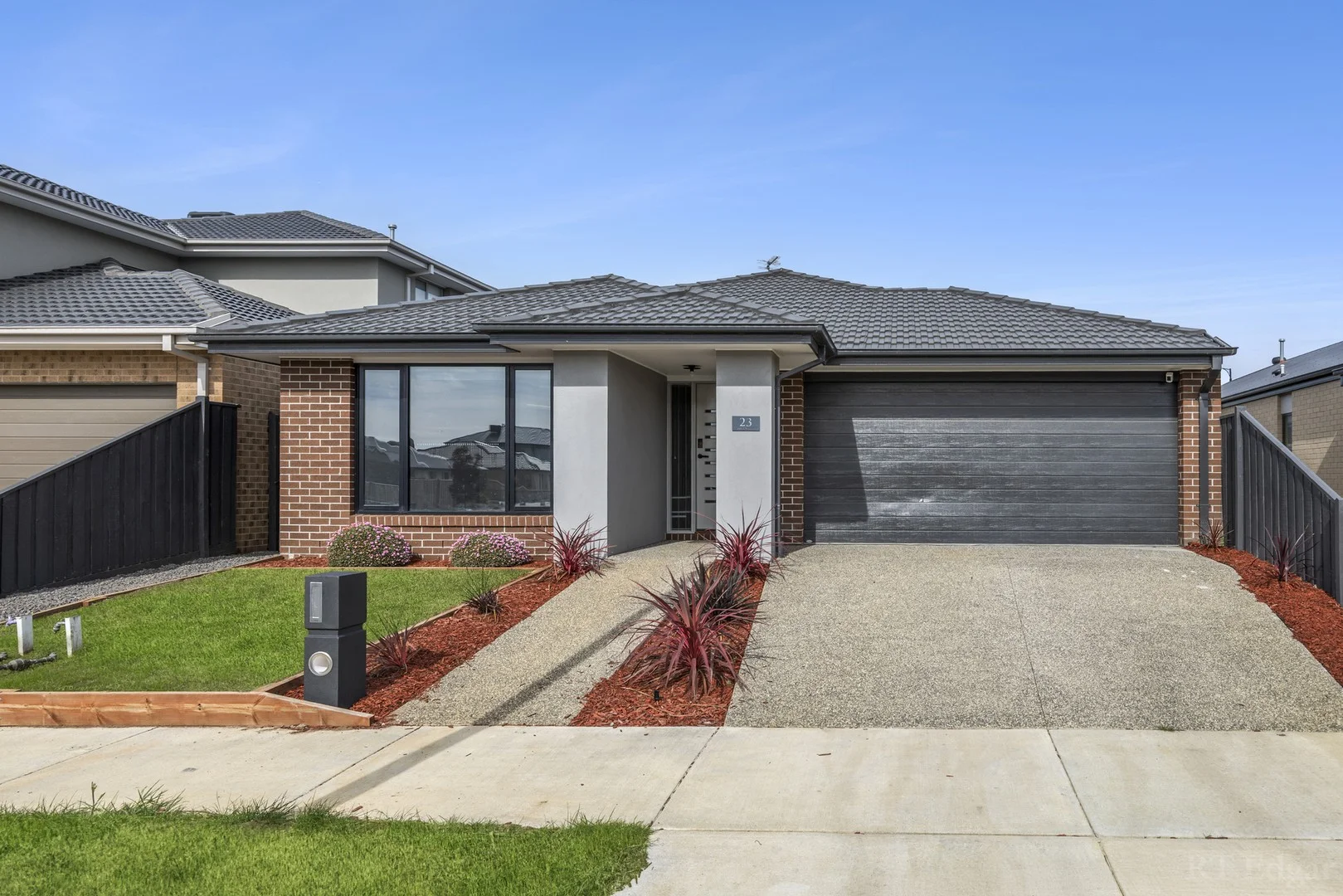 $599,000 - $658,900
House
$599,000 - $658,900
House
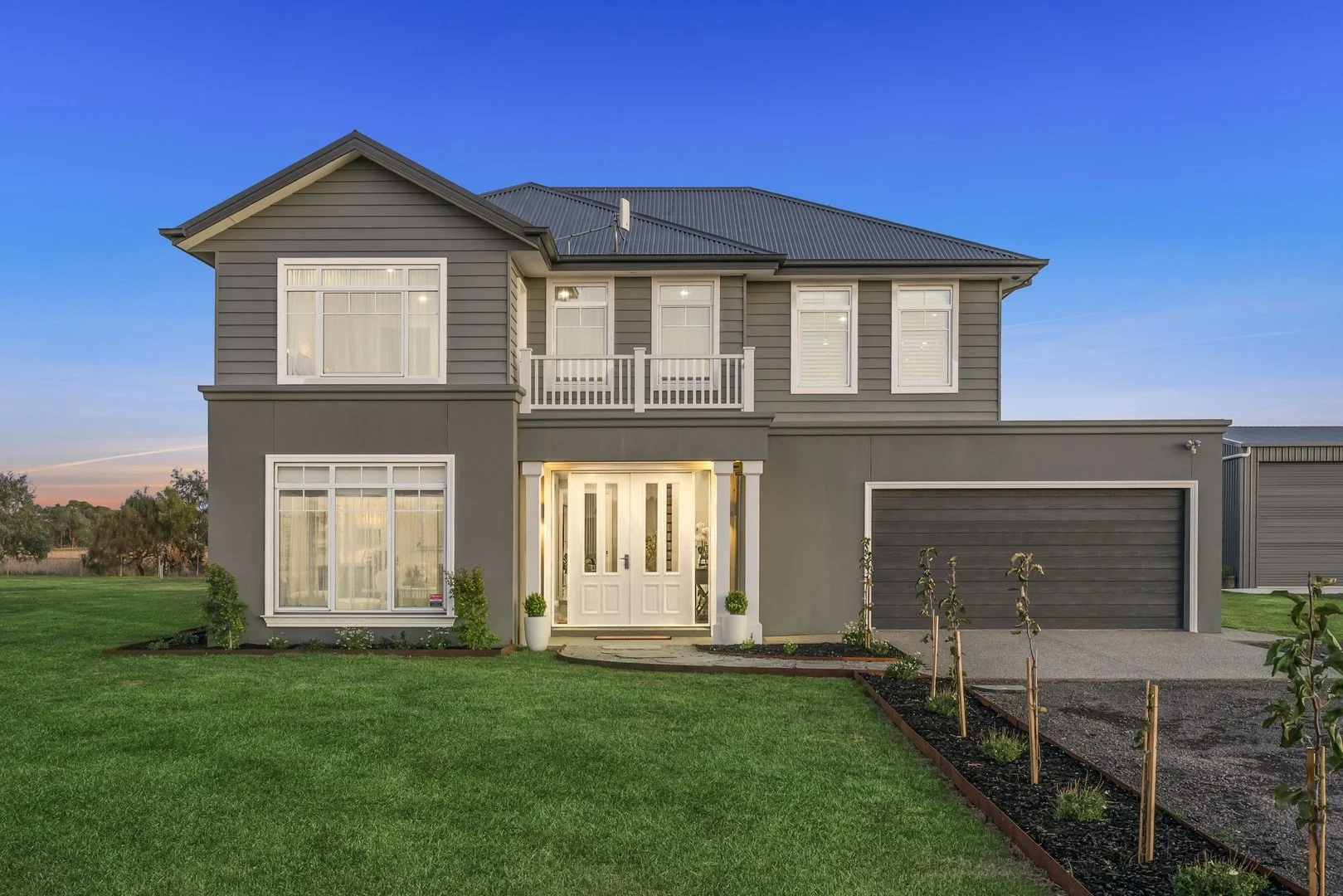 $2,150,000 - $2,350,000
propertyType.ACREAGE / SEMI-RURAL
$2,150,000 - $2,350,000
propertyType.ACREAGE / SEMI-RURAL
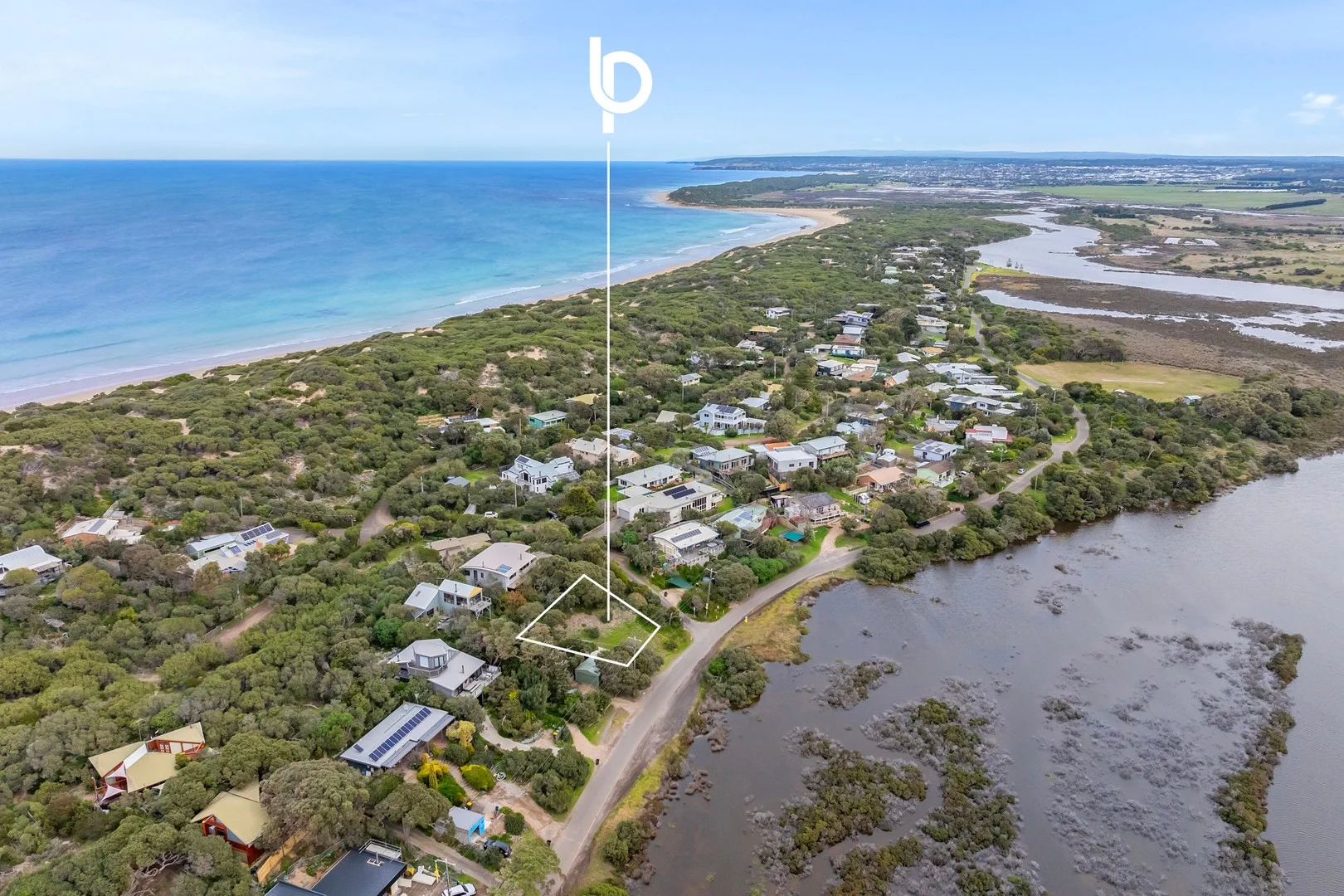 $880,000 - $950,000
Vacant Land
$880,000 - $950,000
Vacant Land
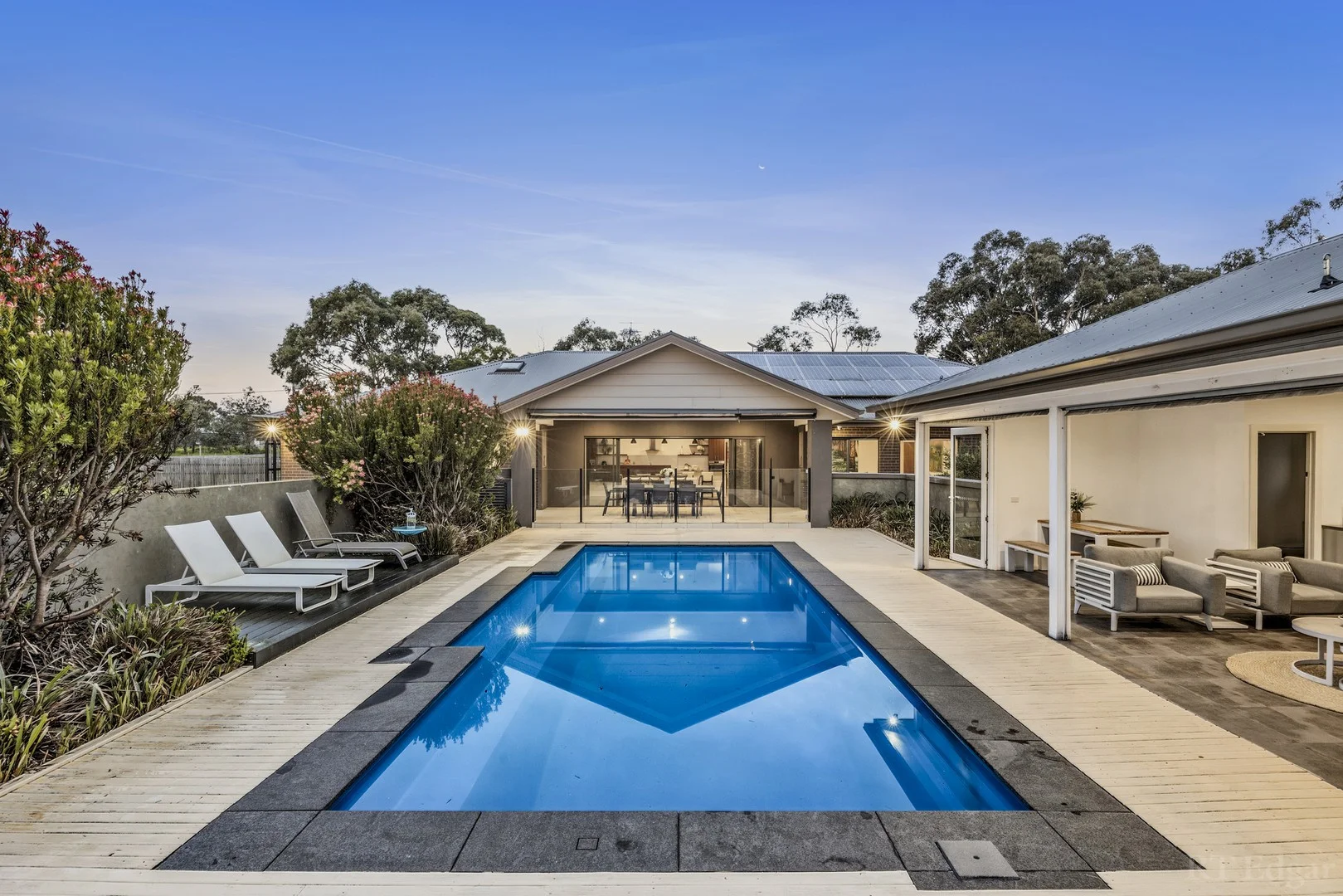 $3,006,750 - $3,307,425
House
$3,006,750 - $3,307,425
House
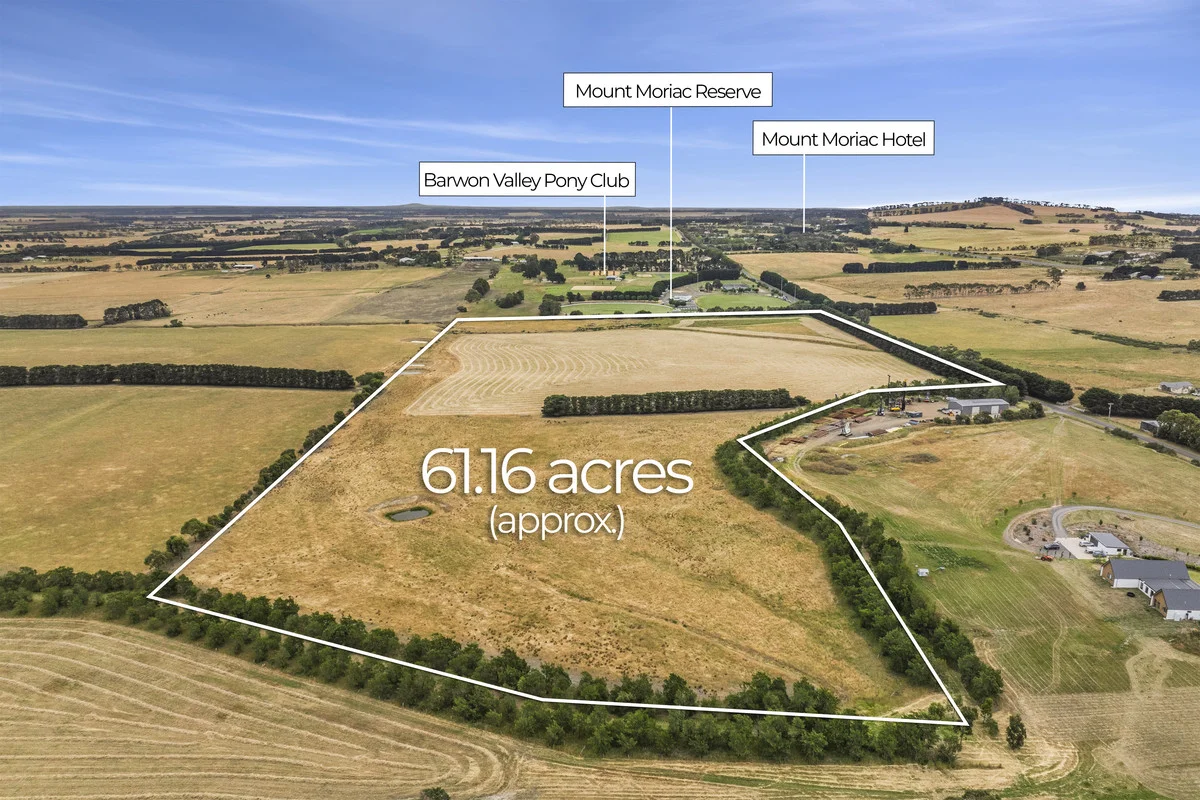 $2,100,000
propertyType.RURAL
$2,100,000
propertyType.RURAL
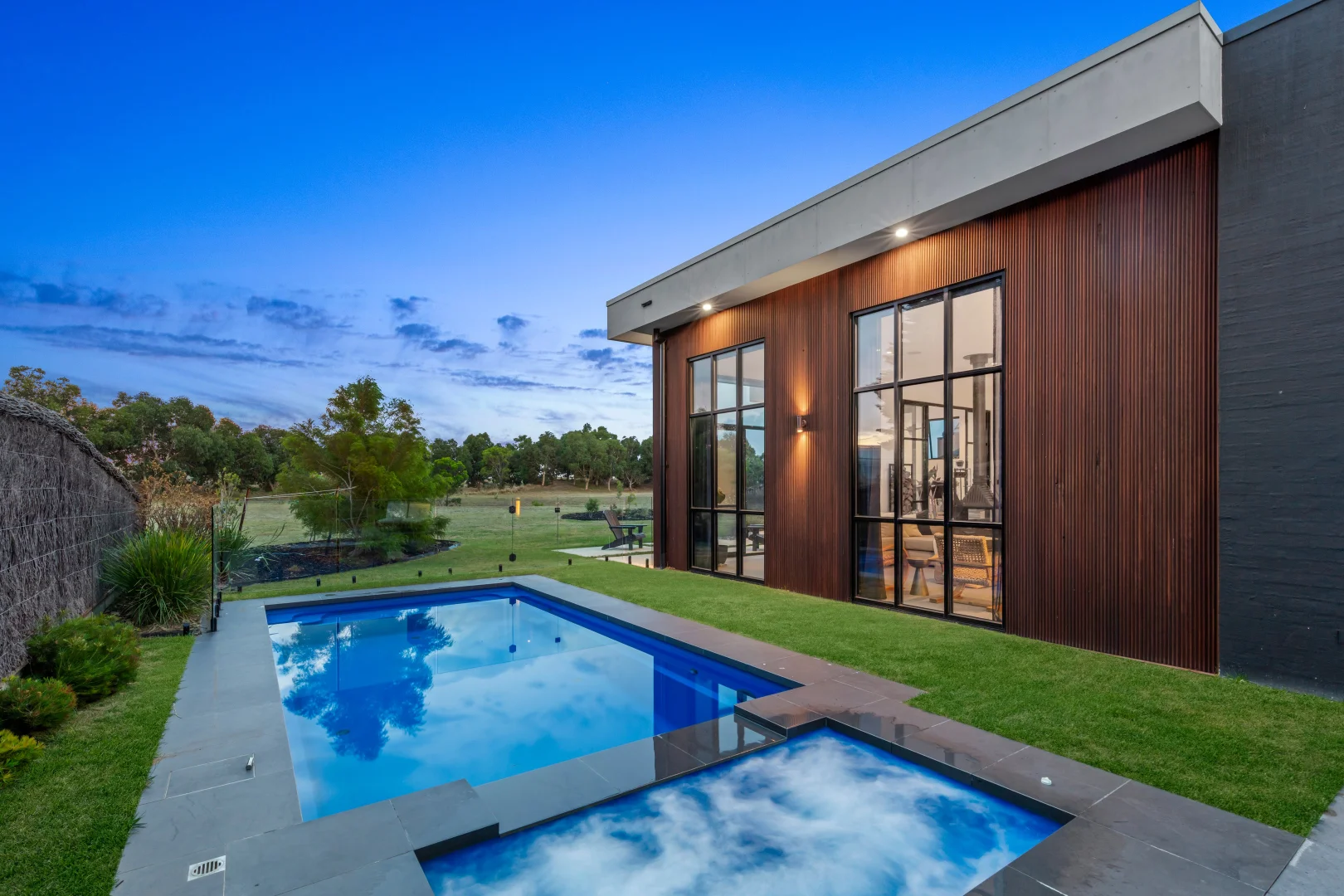 $2,950,000 - $3,200,000
House
$2,950,000 - $3,200,000
House
 $840,000 - $880,000
House
$840,000 - $880,000
House


