Overview
Geelong Lutheran College, Armstrong Creek Campus is an independent, Lutheran, co-educational day school serving Prep–Year 12 in the Geelong region. The Armstrong Creek campus is a mid‑sized, modern campus that blends a values‑driven education with strong academic programs and broad co‑curricular opportunities. The atmosphere is nurturing and inclusive, with a focus on student wellbeing, responsibility and resilience alongside academic achievement.
Academics & Learning
- Academic strengths: STEM, English and literacy, student leadership development, and languages are core focuses, with breadth across humanities and creative subjects to support well‑rounded learning.
- Special programs: Opportunities for acceleration and gifted/talented pathways within the junior to senior years, plus access to enriched curriculum options within the VCE framework.
- Support for diverse learners: Dedicated learning support staff, EAL (English as an Additional Language) assistance, and inclusive education practices to accommodate diverse learning needs.
- Sports offered: A wide range including football (soccer), netball, basketball, cricket, volleyball, athletics and swimming, with opportunities to compete in interschool and regional events.
- Strong teams or achievements: Competitive school teams across core sports with regular opportunities to participate in regional championships and premiership fixtures.
- Music, arts, drama programs: Comprehensive arts program including ensembles, choirs, drama productions and visual arts opportunities that showcase student creativity.
- Clubs: Robotics, chess, coding, debating, and other inquiry‑based clubs to extend skills beyond the classroom.
- Partnerships: Connections with local clubs, academies and regional competitions that enrich training, events and exposure for students.
Wellbeing & Pastoral Care
- Anti‑bullying approach: Clear policies and proactive programs to promote respectful relationships, with channels for reporting and ongoing education.
- House system: A house‑based pastoral structure that supports mentoring, buddy activities and school‑wide events to build belonging.
- Counsellors / wellbeing officers: On‑site counsellors and a wellbeing team focused on student mental health, resilience and social development.
- Transition support for new students: Formal orientation programs, buddy systems and targeted transitions support to help new students settle in smoothly.
Facilities
- Sports grounds: On‑site or nearby fields suitable for major school sports and PE.
- Libraries: Well‑stocked library spaces supporting study, research and quiet reading.
- Science labs: Modern science laboratories for hands‑on experiments across disciplines.
- Music/performing arts centers: Dedicated spaces for music practice, ensembles and drama performances.
- Tech/innovation labs: Contemporary STEM and digital learning facilities to support creativity and project work.
- Cafeteria: On‑site dining facilities with healthy options suitable for students.
- Updated playgrounds: Well‑maintained play and recreation areas to support active breaks and outdoor learning.
- School values / mission: A values‑driven education rooted in Lutheran ethos, emphasizing respect, integrity, service, and compassion.
- Leadership style: Distributed leadership with opportunities for student leadership and teacher collaboration to drive school improvement and student voice.
- Behaviour expectations: Clear code of conduct and expectations focused on positive relationships, responsibility and high standards of conduct.
- Community reputation: Known for a welcoming, supportive community that prioritizes student wellbeing and holistic development.
- Diversity & inclusion: Commitment to inclusion, welcoming students from diverse backgrounds and providing support to ensure all students can thrive.
School Logistics & Daily Operations
- School hours: Typical days run roughly from start around 8:30am to finish around 3:30pm, with variations by year level.
- Before/after school care: Available to support family schedules.
- Uniform requirements: School uniform policy in place, with specified attire for daily wear and formal occasions.
- Transport (train/bus routes): School supports student transport options via regional bus routes and public transport connections; parking and drop‑offs designed for smooth daily access.
- Canteen availability: On‑site canteen or cafe options offering balanced meals and snacks.
- Fees (low/medium/high ranges): Fees are in the mid‑to‑high range for independent schools; family discount or bursary options may be available.
Enrolment & Admissions
- What is the enrolment process and timeline?
- Submit an online expression of interest or application.
- Complete the formal application with supporting documents (academic records, copies of birth certificate, etc.).
- Participate in interviews and, for certain year levels, age‑appropriate assessments or tests.
- Receive an offer if a place is available, with a confirmation of enrolment and required fees.
- Finalise enrolment with any transition activities and practical arrangements.
- Is there a waiting list, and how does it work?
- Yes, there is a waiting list when places are not immediately available. Allocation is typically based on year level vacancies, date of application, and any priority considerations (e.g., siblings).
- Are there any entry requirements, tests, or interviews?
- Yes. Entry typically includes an interview and may involve age‑appropriate assessments or diagnostic activities to determine suitability and needs.
- Does the school accept mid-year transfers?
- Mid‑year transfers are possible subject to vacancy and a smooth placement process, including assessments and alignment with class structures.
Frequently Asked Questions
- Why Parents Choose This School?
- A values‑driven, faith‑based independent education with strong academics, supportive wellbeing, and broad opportunities in sport, arts and leadership.
- What type of student thrives at this school?
- Students who are curious, collaborative, motivated and committed to personal growth, with an interest in contributing to the school community.
- What opportunities are available for students to extend their skills (academics, sports, arts)?
- Access to accelerated or enriched academic pathways, competitive sports teams, performing arts programs, robotics, coding, debating and leadership opportunities.
- How does the school communicate with parents?
- Through regular newsletters, parent portals, scheduled parent‑teacher interviews and timely updates on events and student progress.
- What is the school's approach to teaching and learning?
- Student‑centred, differentiated instruction that blends inquiry, hands‑on learning and real‑world applications within a supportive classroom environment.
- How does the school support students who need extra academic help?
- Targeted learning support, EAL assistance and specialized staff to provide accommodations and adjustments as needed.
- What support is available for academic challenges?
- Early identification, targeted tutoring or small‑group support, and collaboration with families to create effective learning plans.
- How does the school communicate with parents?
- See above—regular updates via multiple channels to keep families informed about student progress and school events.
- What extracurricular and sports opportunities are available?
- A wide range of sports, music, drama, robotics, chess, coding, debating and other clubs, plus interschool competitions and partnerships.
- What facilities does the school offer (sports, science, arts)?
- Modern sports facilities, well‑stocked libraries, science labs, performing arts spaces and dedicated tech/innovation labs.
- What is the school's approach to technology and digital learning?
- Integrated digital learning with age‑appropriate use of technology to support research, collaboration and creativity, aligned with safeguarding and digital citizenship principles.
- What transport and accessibility options are available?
- Regional bus routes, access to public transport and parking arrangements to support families; accessibility considerations are part of campus planning.
- What are the typical school fees or additional costs?
- Fees fall in the mid‑to‑high range for independent schools; occasional additional costs for trips, activities and camps may apply.
Short Pros & Cons list
- Independent Lutheran education with a values focus
- Supportive, inclusive student culture and strong wellbeing supports
- Broad curriculum with extensive co‑curricular options
- Modern facilities at the Armstrong Creek campus
- Positive opportunities for leadership and community involvement
- Higher fees relative to public options
- Commute for families living farther away from Geelong
- Demand for places can lead to waitlists for popular year levels
- Some specialist programs or activities may require coordination across campuses or after‑hours commitments







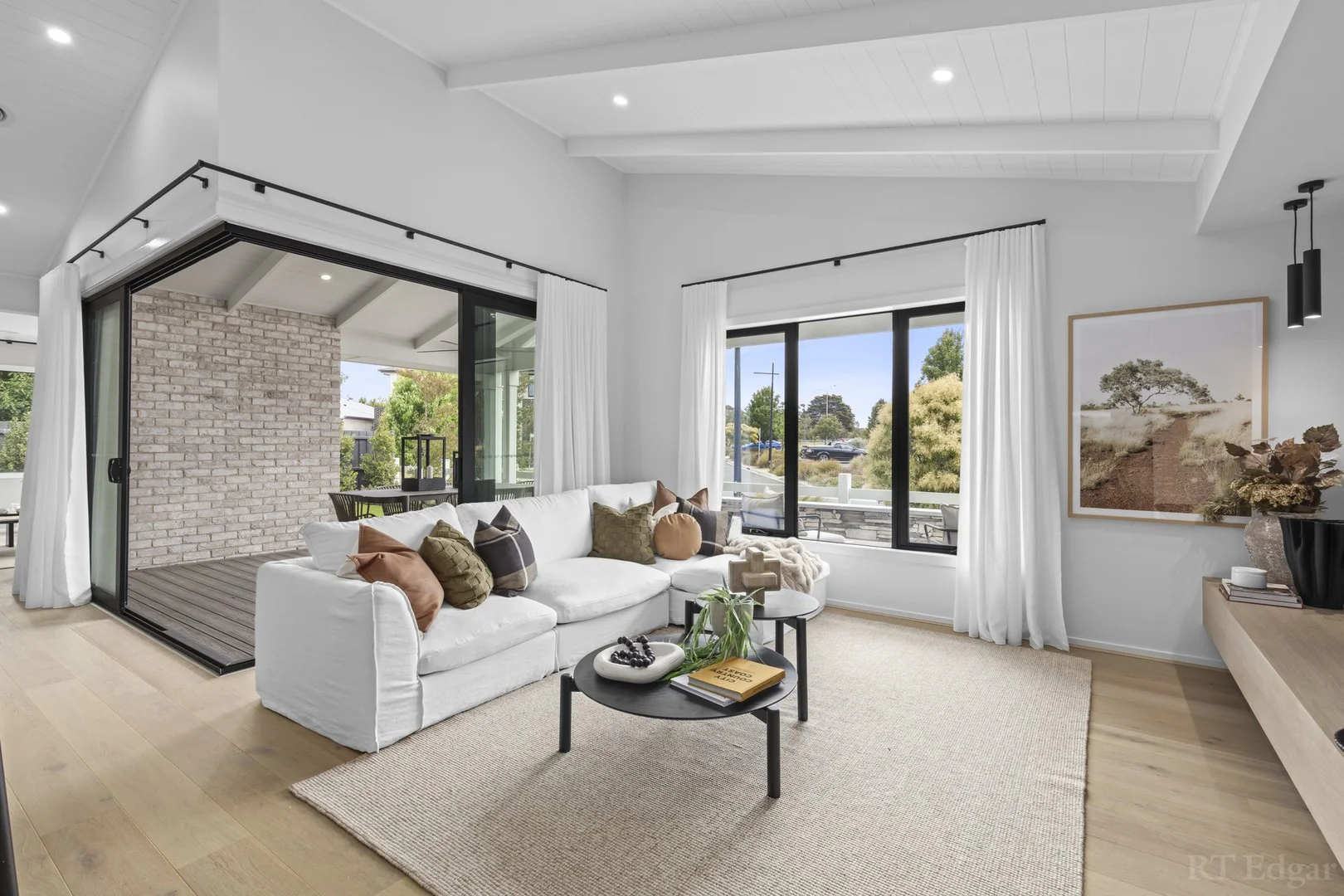 $1,022,295 - $1,124,524
House
$1,022,295 - $1,124,524
House
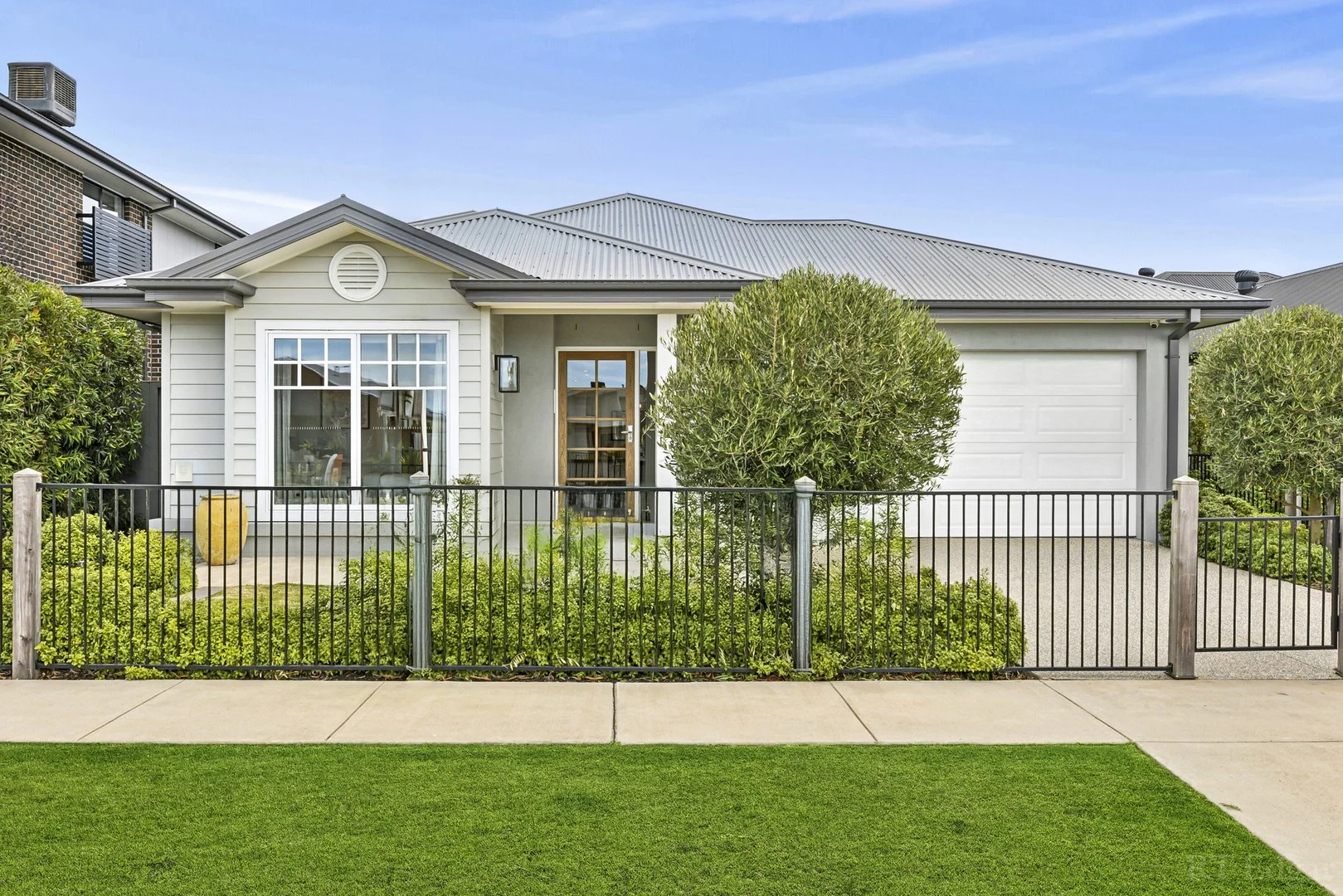 $877,800 - $965,580
House
$877,800 - $965,580
House
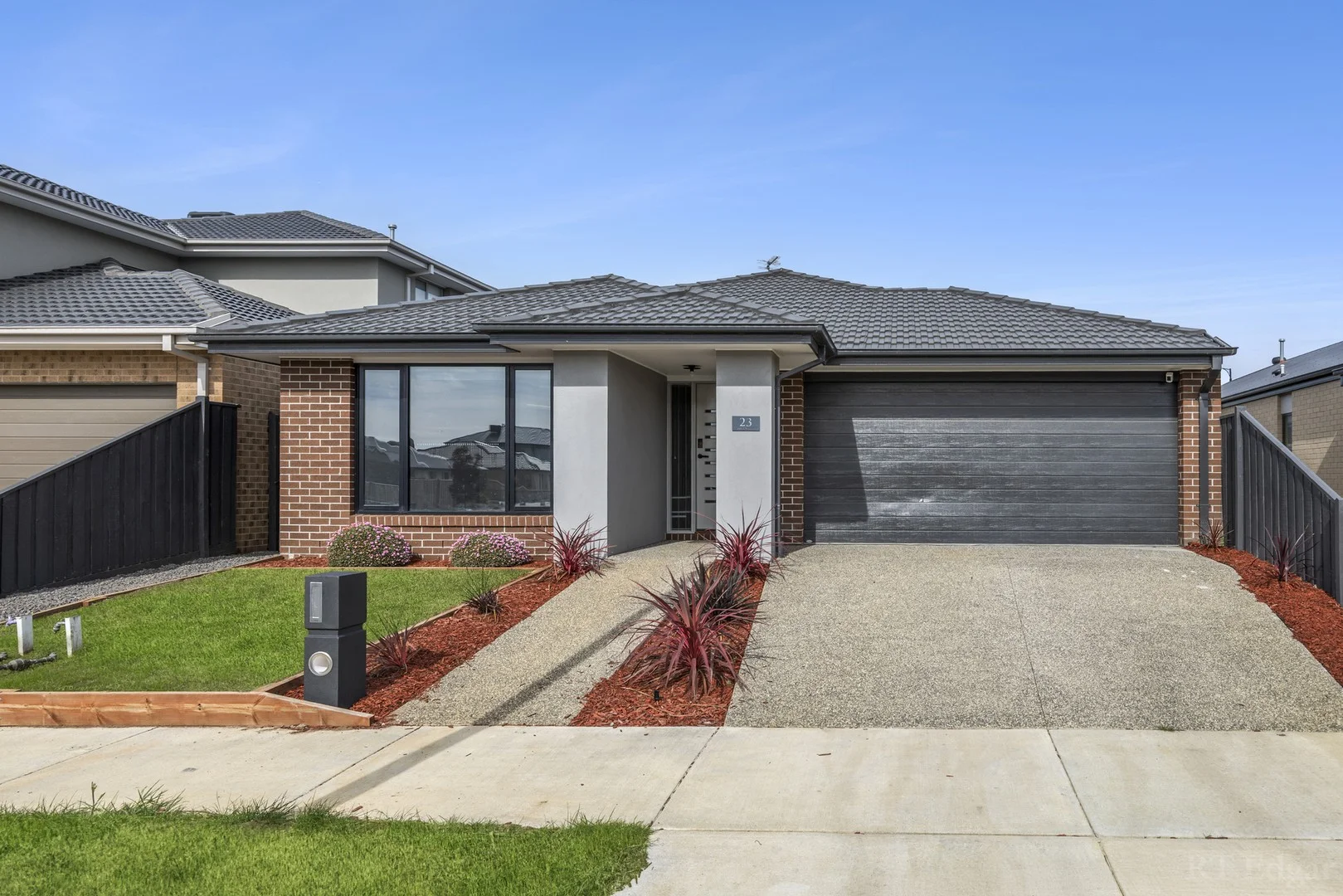 $599,000 - $658,900
House
$599,000 - $658,900
House
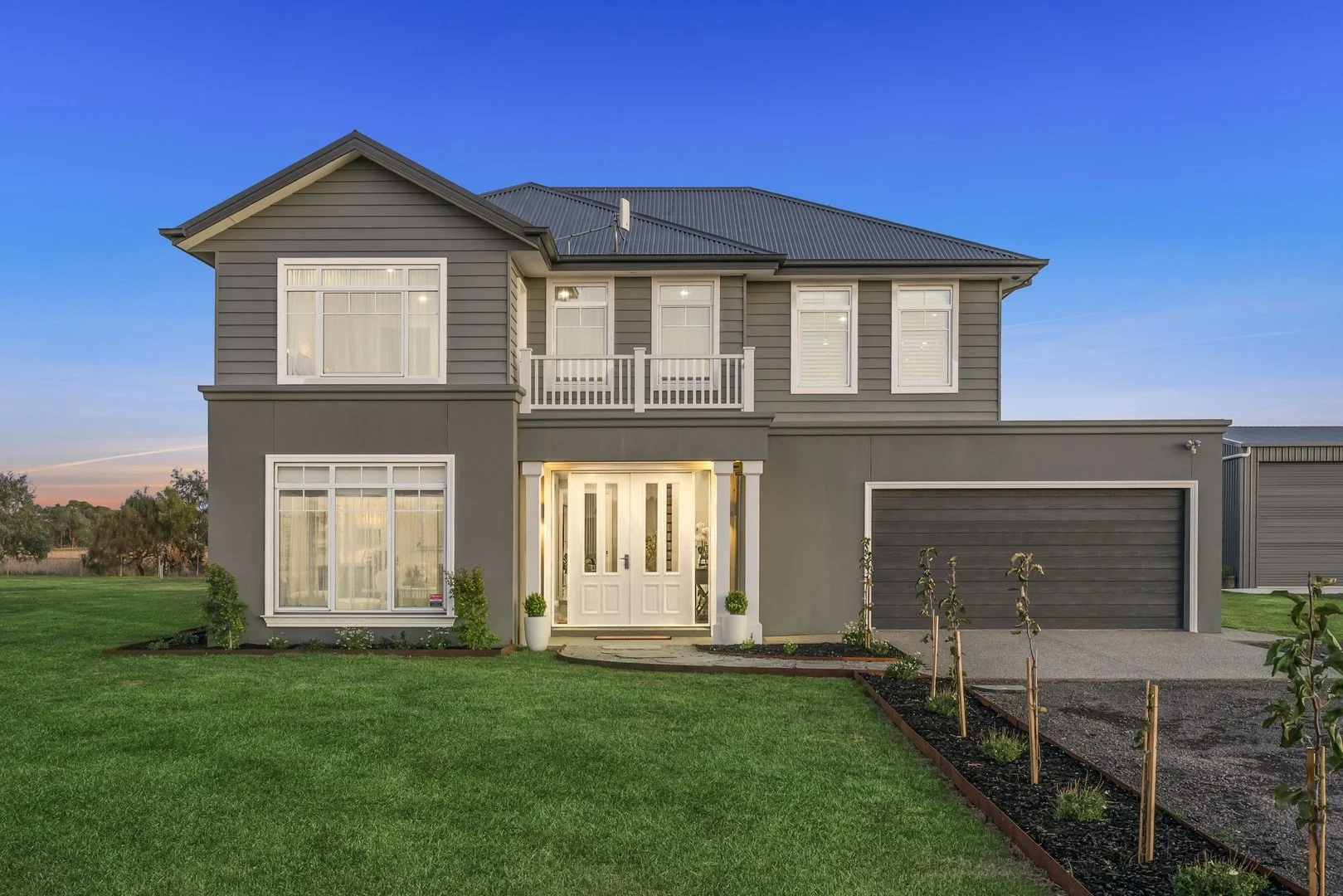 $2,150,000 - $2,350,000
propertyType.ACREAGE / SEMI-RURAL
$2,150,000 - $2,350,000
propertyType.ACREAGE / SEMI-RURAL
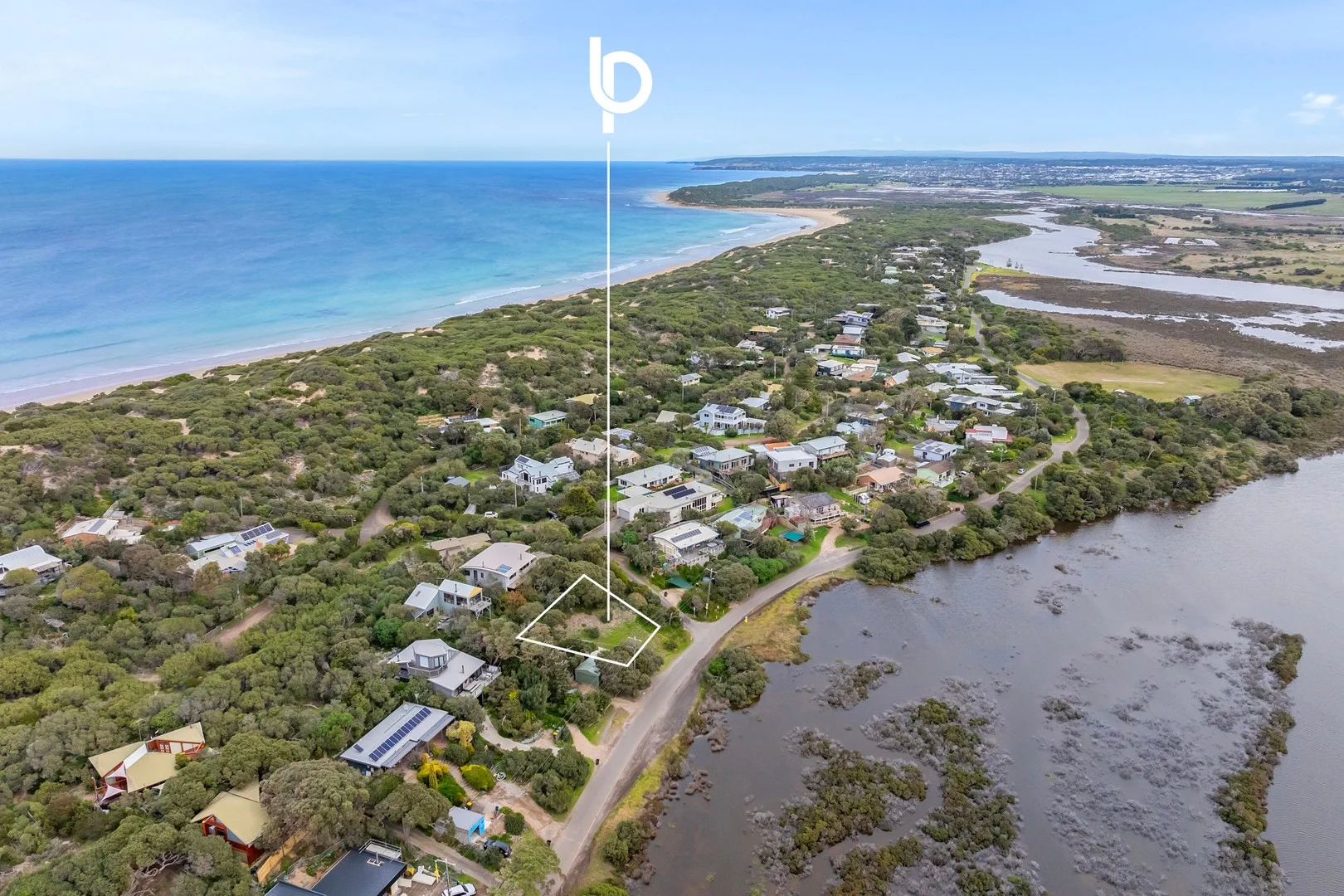 $880,000 - $950,000
Vacant Land
$880,000 - $950,000
Vacant Land
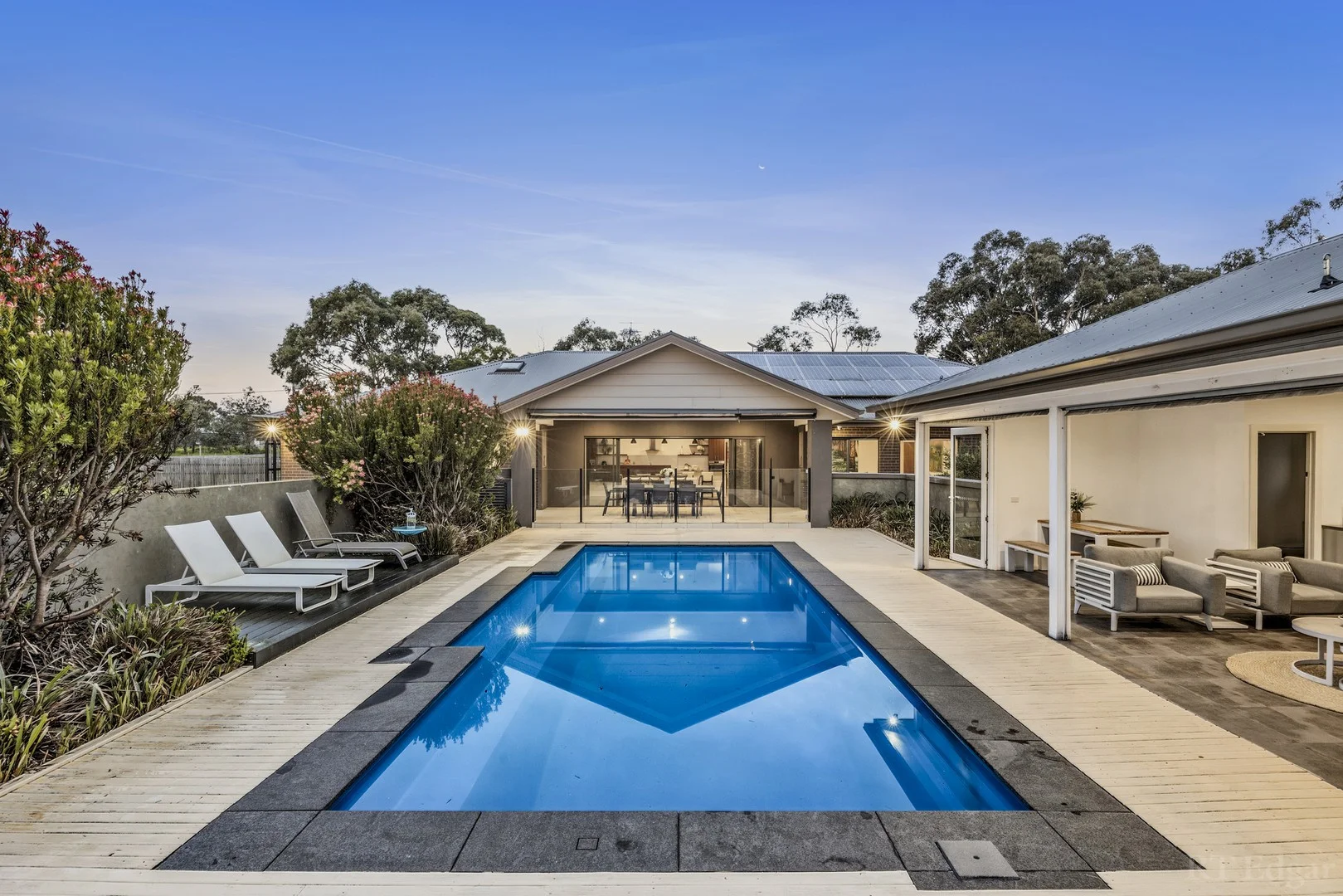 $3,006,750 - $3,307,425
House
$3,006,750 - $3,307,425
House
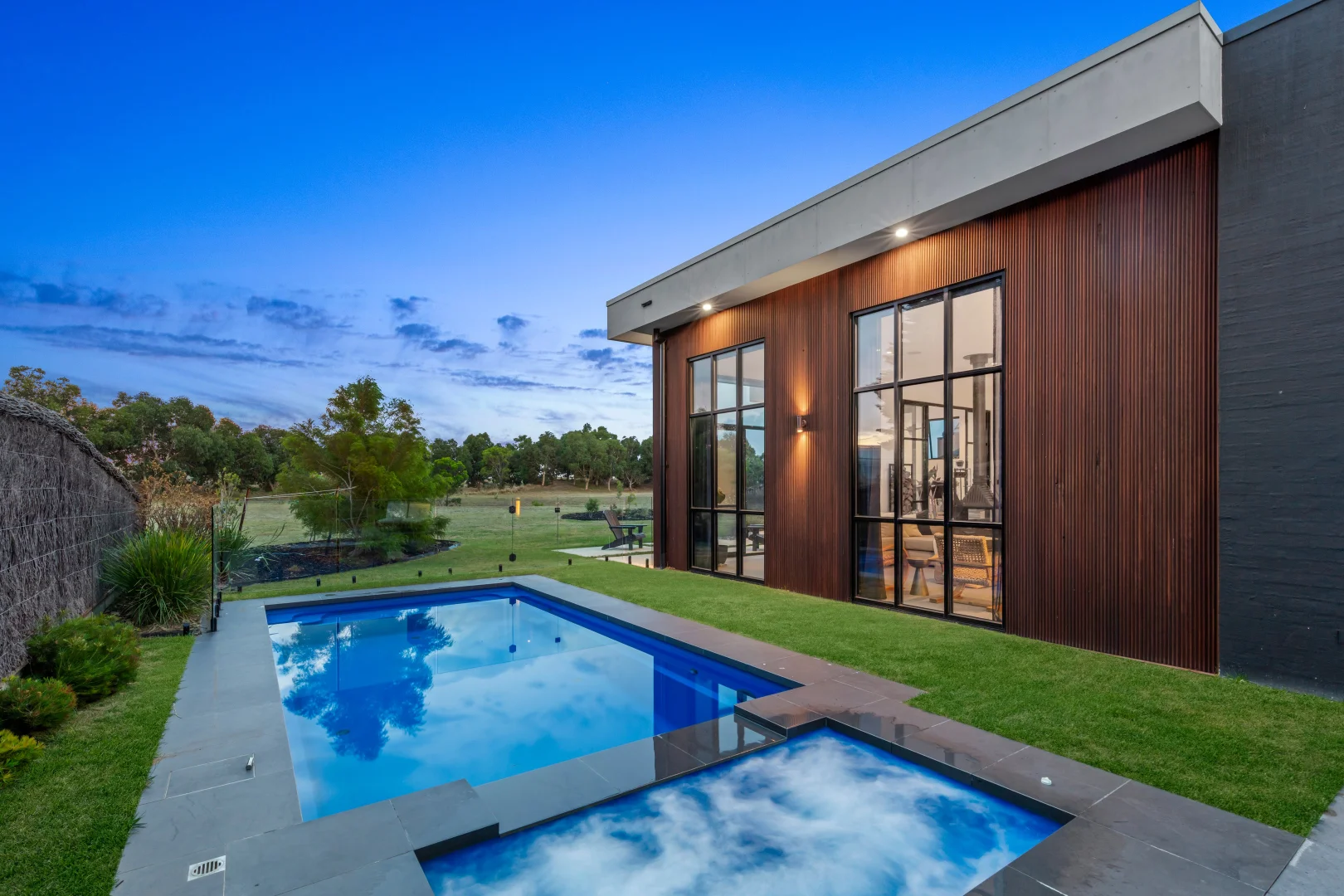 $2,950,000 - $3,200,000
House
$2,950,000 - $3,200,000
House
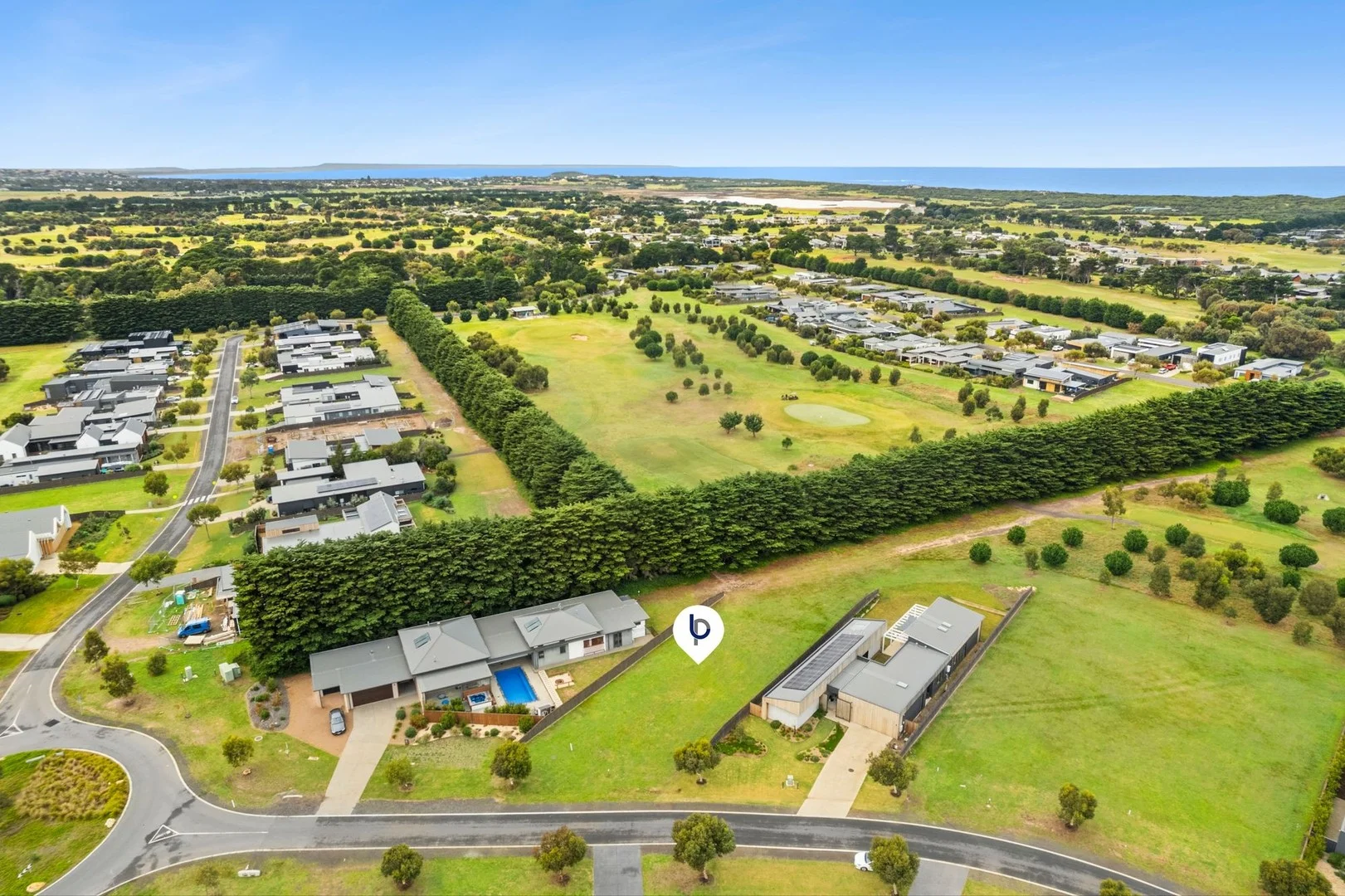 $990,000 - $1,080,000
Vacant Land
$990,000 - $1,080,000
Vacant Land
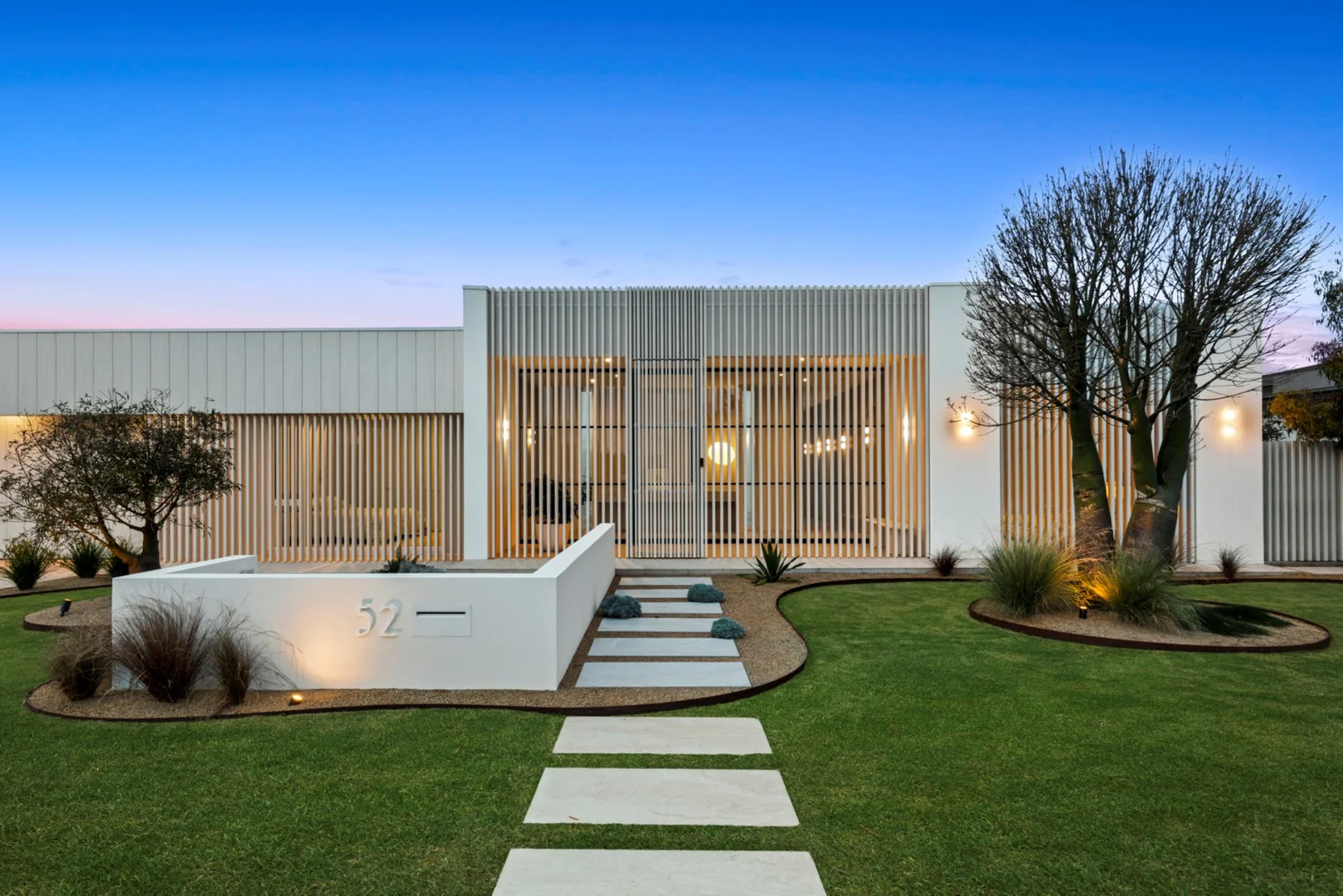 $3,450,000
House
$3,450,000
House


