Mernda Park Primary School
Mernda, VIC 3754
School Type
Government
Gender
Coeducational
Tuition Fees
N/A
Levels
Primary
Overview
## 1. Overview
Mernda Park Primary School is a public primary school serving families in Mernda, Victoria. It emphasizes a welcoming, inclusive environment with a strong focus on building a positive school community. The school aims to support every student’s growth through engaging learning experiences and supportive relationships.
- School type: Public
- School size: Medium
- Class size: Average roughly 20–24 students per class
- Atmosphere/culture: Inclusive, nurturing, and community-focused
---
## 2. Academics & Learning
Mernda Park Primary School prioritizes strong literacy and numeracy foundations while integrating STEAM, digital literacy, and hands-on learning to prepare students for future pathways.
- Academic strengths: Strong emphasis on English and Maths with expanding STEM/STEAM activities; opportunities to develop leadership and critical thinking.
- Special programs: STEAM initiatives, digital technologies integration, and targeted learning supports to help students progress at their own pace.
- NAPLAN / trend indicators: Public data typically show stable to improving progress over recent years, with a focus on continuous improvement in reading, writing, and numeracy.
- Student-teacher ratios: Generally in the low-to-mid 20s per teacher across classes; smaller year-level cohorts support more individualized attention.
- Support for diverse learners: EAL support and SEN/inclusive education approaches are in place to help students with diverse learning needs succeed.
---
## 3. Sports & Extracurricular Strengths
This area highlights the practical, hands-on opportunities many Australian families look for.
- Sports offered: A range of team and individual sports typical for primary schools (e.g., basketball, soccer/netball, athletics, and cricket); cross-school events and local competitions are common.
- Strong teams or achievements: Regular participation in district-level events with growing recognition as the program expands.
- Music, arts, drama programs: Active music and performing arts opportunities, with choirs or ensembles and school productions when feasible.
- Clubs: Robotics, coding, chess, and debating programs are commonly available or introduced as student interest grows.
- Partnerships: Local community clubs and inter-school competitions often partner with the school to broaden opportunities.
---
## 4. Wellbeing & Pastoral Care
Wellbeing is a central focus to help students feel secure, engaged, and ready to learn.
- Anti-bullying approach: Clear anti-bullying policies with restorative practices and a positive behaviour framework.
- House system: A house structure is typically used to promote belonging, teamwork, and friendly competition.
- Counsellors / wellbeing officers: Access to wellbeing staff or school counselors to support student mental health and social-emotional learning.
- Transition support for new students: Welcome programs, buddy systems, and transition activities to help new students settle in.
---
## 5. Facilities
Facilities are designed to support a broad range of learning experiences and activities.
- Sports grounds
- Libraries
- Science labs
- Music/performing arts centers
- Tech/innovation labs
- Canteen
- Updated playgrounds
Visual, welcoming spaces help foster a positive daily school experience.
---
## 6. School Values & Community Culture
Parents often want to know the character of the school and how students reflect its values.
- School values / mission: Focus on respect, responsibility, resilience, and collaboration.
- Leadership style: Distributed leadership, with opportunities for student voice and leadership roles.
- Behaviour expectations: Positive behaviour framework with clear expectations and rewards.
- Community reputation: Generally perceived as a friendly, family-oriented school with active parent involvement.
- Diversity & inclusion: Commitment to inclusive practices and respect for diverse backgrounds.
---
## 7. School Logistics & Daily Operations
Helpful for planning daily routines and decisions.
- School hours: Typical primary school day runs during standard Victorian hours.
- Before/after school care: After-school care options are available through local providers or school-arranged programs.
- Uniform requirements: School uniform expected; details provided by the school. (Typical practice is a simple, practical uniform.)
- Transport (train/bus routes): Accessible by public transport; bus routes and nearby train services serve the area.
- Canteen availability: Canteen or lunch program available on most days.
- Fees (low/medium/high ranges): Public schools generally have low to moderate contributions for materials and activities; specific amounts published by the school.
---
## 8. Enrolment & Admissions
11. What is the enrolment process and timeline?
- Enrolment is typically handled through the Victorian Department of Education and the school, with timelines aligned to the school year and catchment boundaries. Families should submit an application with required residency and student information and await placement communication.
12. Is there a waiting list, and how does it work?
- There can be a waiting list when demand exceeds vacancies. Vacancies are offered based on catchment eligibility, priority categories, and available spaces.
13. Are there any entry requirements, tests, or interviews?
- Public primary schools in Victoria generally do not require entrance exams. Some schools may conduct brief discussions or assessments to inform learning support needs, but formal tests are uncommon for standard intake.
14. Does the school accept mid-year transfers?
- Mid-year transfers are possible if there are vacancies and documentation is completed; timing depends on space and the transfer process with the Department of Education.
---
## 9. Frequently Asked Questions
- Why Parents Choose This School?
- A welcoming, inclusive community with a focus on strong literacy and numeracy foundations, plus growing STEM and arts programs.
- What type of student thrives at this school?
- Students who respond well to a supportive, collaborative environment and who enjoy a broad range of learning experiences including sports, arts, and technology.
- What opportunities are available for students to extend their skills (academics, sports, arts)?
- Extended programs in literacy/numeracy, STEAM activities, coding/robotics clubs, music/arts involvement, and participation in district sports events.
- How does the school communicate with parents?
- Regular updates through newsletters, emails, the school website (where available), and parent-teacher meetings. Open channels for inquiries are encouraged.
- What is the school’s approach to teaching and learning?
- A balanced approach combining explicit instruction with inquiry-based and hands-on learning, aiming to differentiate for diverse learner needs.
- How does the school support students who need extra academic help?
- Targeted literacy and numeracy support, small-group instruction, and access to well-being resources and specialist staff.
- What support is available for academic challenges?
- Access to teaching staff, learning support staff, and structured plans to monitor and assist progress.
- How does the school communicate with parents? (Repeated)
- See above: newsletters, emails, meetings, and direct contacts with teachers and administration.
- What are the class sizes and how much individual attention do students receive?
- Class sizes typically around 20–24 students, with opportunities for targeted small-group work and teacher support within the mainstream classroom.
- What extracurricular and sports opportunities are available?
- A variety of sports, clubs (robotics, coding, chess, debating), arts, and performing arts activities, plus opportunities to participate in inter-school events.
- What facilities does the school offer (sports, science, arts)?
- Sports grounds, library, science labs, music/performing arts spaces, tech/innovation labs, canteen, and updated play areas.
- What is the school’s approach to technology and digital learning?
- Integration of digital technologies into learning, with access to devices and classroom coding/robotics activities as part of the curriculum.
- What transport and accessibility options are available?
- Public transport access (bus/train options) and support for families coordinating transport to and from school.
- What are the typical school fees or additional costs?
- Public schools have minimal essential levies and voluntary contributions; specifics are provided by the school and Department of Education.
---
## 10. Short Pros & Cons list
- Pros
- Public, inclusive environment with a focus on literacy, numeracy, and emerging STEAM opportunities
- Medium-sized, community-focused setting
- Range of wellbeing supports and a positive behaviour framework
- Variety of extracurriculars (sports, clubs, arts)
- Cons
- As a growing school, some facilities or programs may still be expanding
- Class sizes, while typical for primary schools, may vary by year level and need to be confirmed
- Details on specific programs, schedules, and costs should be confirmed with the school for the current year
If you’d like, I can tailor every section further once you confirm any particular aspects you want emphasized (e.g., stronger focus on STEAM, or more detail on sports offerings), or I can adapt the language to match a specific tone for your Aroundschools page.
What's Nearby

Northern Goju Karate
Karate
Level 1, suite 108, 95 Hazel Glen Drive, Doreen

SingOut Singing and Performance School
Singing
14 McLaughlin Cres , Mill Park

Dynamic Footy Skills
AFL
360 Childs Rd, Mill Park

Tim Credible the Magician
MagicianEvent Entertainment
Melbourne, Epping

Social Sport - Bundoora
Futsal
RMIT Sports Center - 203 McKimmes Rd, , Bundoora

DVE Aquatic Inc
SwimmingWater PoloDiving
., Greensborough

Melbourne Taekwondo Centre (Diamond Valley)
Taekwondo
90 Mayona Rd, Montmorency

Jacqueline Pace
Flute
Rattray Rd, Montmorency

Nextgen Football Academy
Soccer
64 Buena Vista Dr, Montmorency
Upcoming Events Nearby
Nearby Schools

Mernda Central College
Independent
Coeducational
ELC+

Ivanhoe Grammar School - Plenty Campus
730 Bridge Inn Road, Mernda VIC 3754 Australia
Independent
Coeducational
ELC+
🏫
Mernda Primary School
25 Everton Drive, Mernda VIC 3754 Australia
Government
Coeducational
Primary
St Joseph's Catholic Primary School - Mernda
44 Mernda Village Drive, Mernda VIC 3754 Australia
Catholic
Coeducational
Primary

Mernda Hills Christian College
370 Bridge Inn Road, Mernda VIC 3754 Australia
Independent
Coeducational
Primary+
🏫
St Paul the Apostle Catholic Primary School
80 Bassetts Rd, Doreen VIC 3754, Australia
Catholic
Coeducational
Primary
Nearby Properties
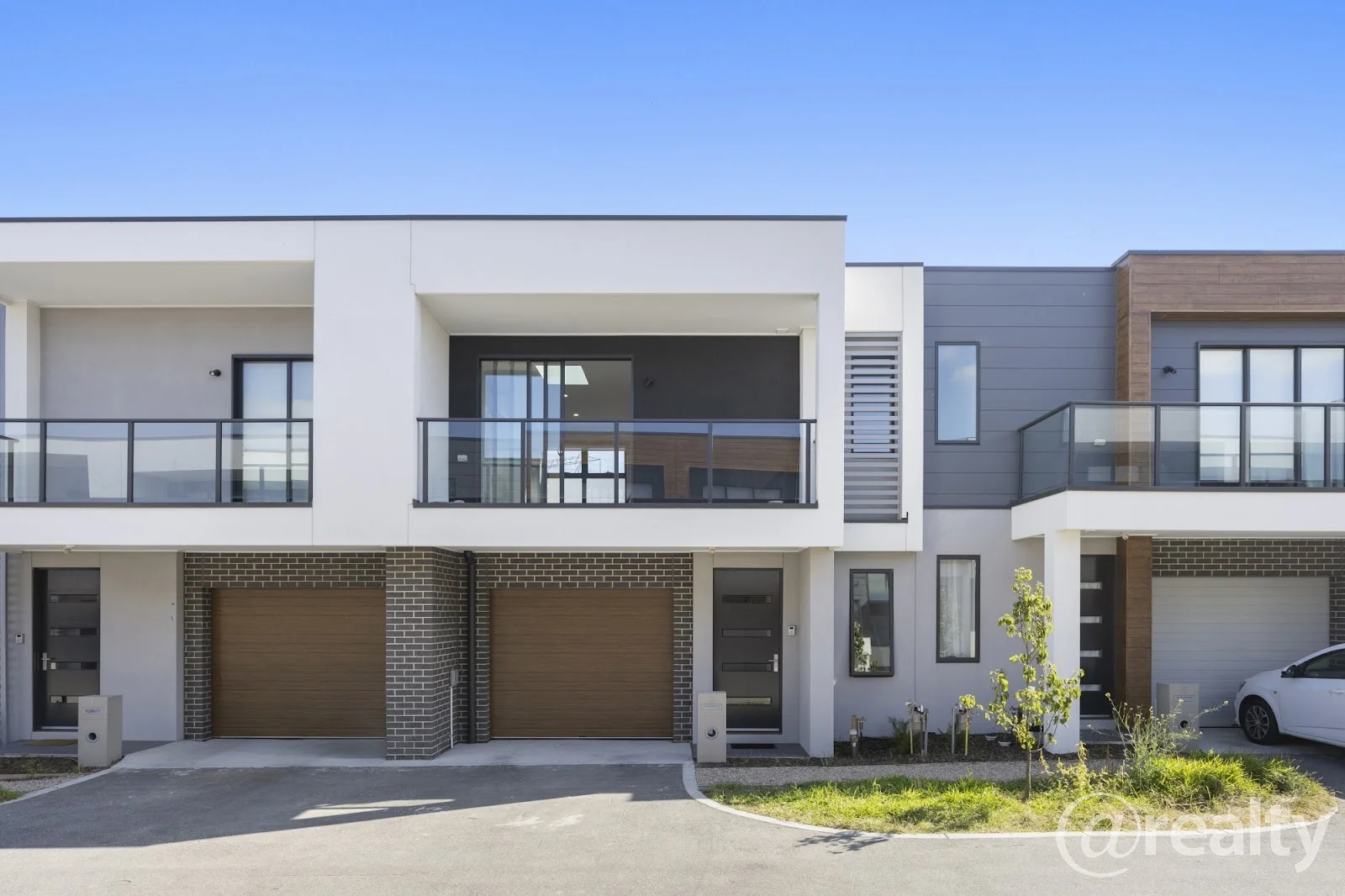 $510
Townhouse
$510
Townhouse
$510 per week
6 Banksia Way
South Morang, VIC, 3752
2 beds · 2 baths · 1 cars
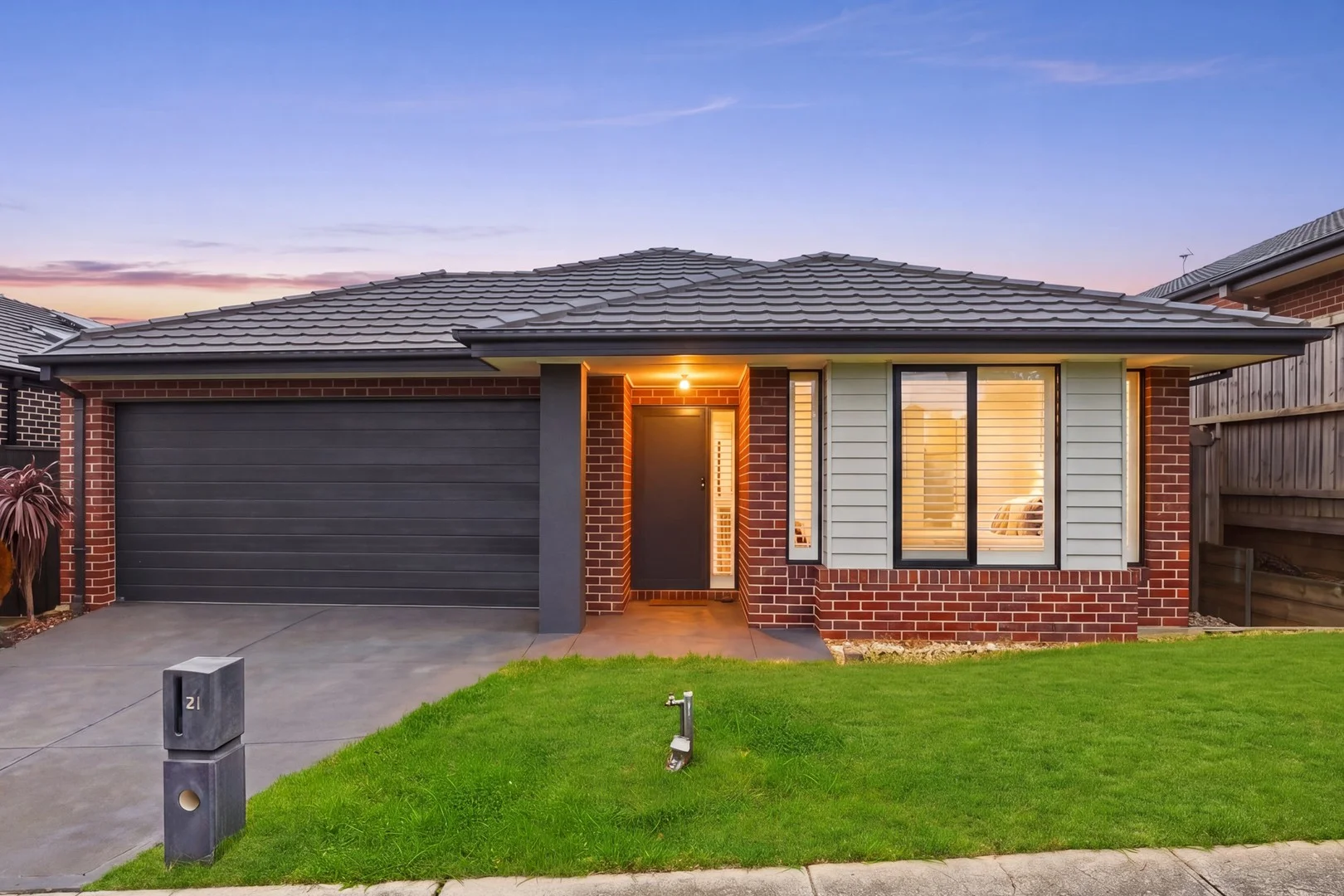 $800,000 - $850,000
House
$800,000 - $850,000
House
$800,000-$850,000
21 Kumalie Drive
Doreen, VIC, 3754
4 beds · 2 baths · 2 cars
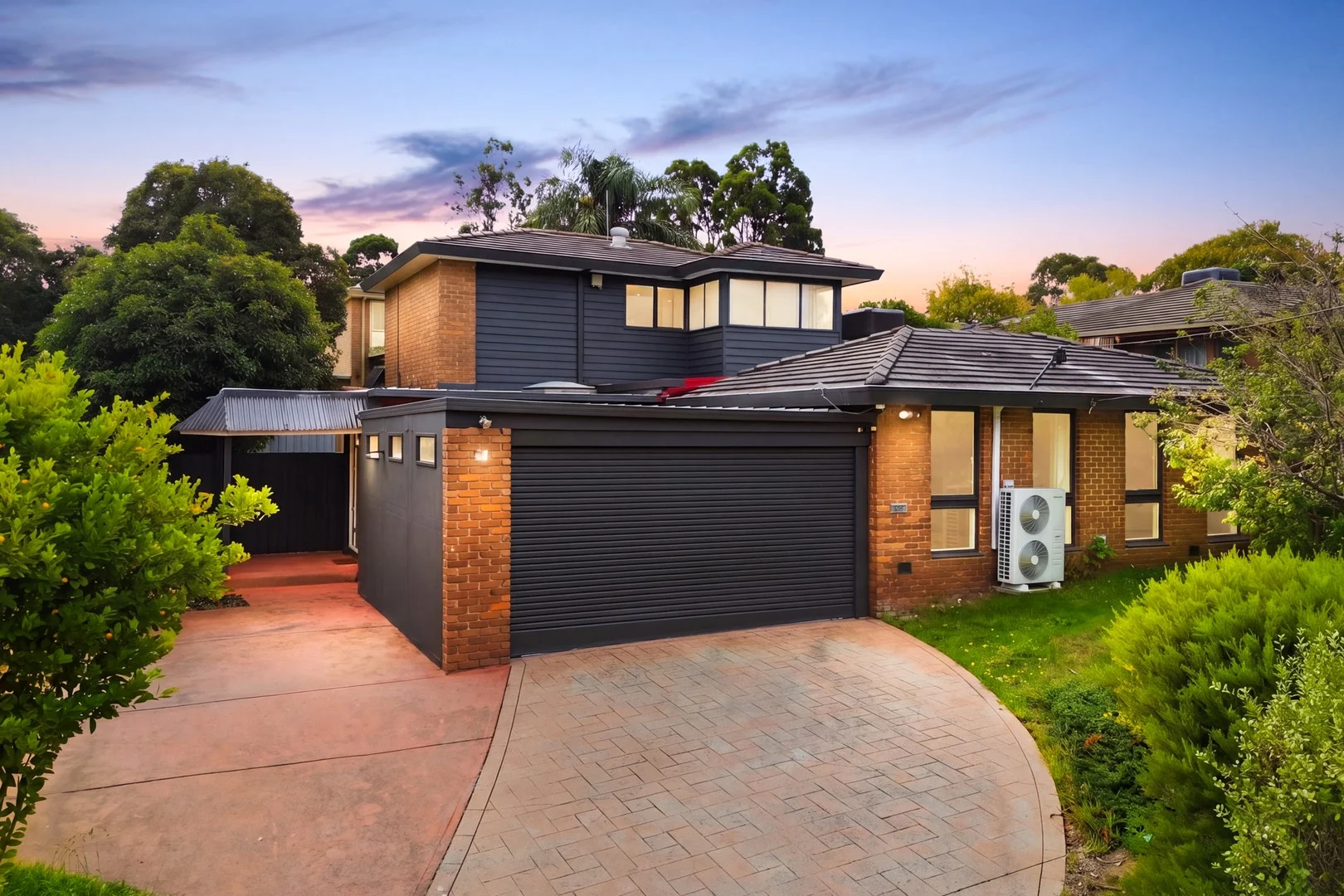 $1,220,000 - $1,320,000
House
$1,220,000 - $1,320,000
House
$1,220,000-$1,320,000
33 Warralong Avenue
Greensborough, VIC, 3088
4 beds · 3 baths · 2 cars