## 1. Overview
Bellbrae Primary is a small public primary school known for its close-knit, supportive community and hands-on learning. Located in Bellbrae, Victoria, the school serves local families with a focus on fostering curiosity, well-being and practical skills in a friendly rural setting.
The environment is nurturing and inclusive, with small to medium class sizes that help teachers know students well and tailor learning. The atmosphere encourages collaboration, community involvement and a balanced approach to academics, sport, arts and wellbeing.
⸻
## 2. Academics & Learning
- Academic strengths: The school emphasises solid literacy and numeracy foundations, with opportunities for STEM-inspired inquiry and cross-curricular projects. English and mathematics are core strengths, with supporting programs to build critical thinking, writing and problem-solving skills.
- Special programs: Schools of this size may offer extension or targeted support programs, pathways for gifted/talented learners, and opportunities for targeted enrichment within the regular curriculum. Availability can vary by year level; check with the school for current offerings.
- NAPLAN trends: NAPLAN data is monitored over time to identify learning trends and guiding improvements. The school typically reviews year-to-year results in context (not just scores) and uses learning plans to address areas of growth.
- Student-teacher ratios: Class sizes are small-to-medium, enabling more individual attention. Ratios commonly range in the low-teens to low-twenties per class, varying by year level and enrollment.
- Support for diverse learners: There is typically a focus on inclusive practices with support for diverse learners, including assistance for EAL (if relevant in the local intake) and SEN (special educational needs) through in-class supports, targeted interventions, and collaboration with support staff.
⸻
## 3. Sports & Extracurricular Strengths
- Sports offered: The school participates in regular physical education and interschool sport opportunities, with a program that supports a variety of seasonal activities and fitness development.
- Strong teams or achievements: Participation in inter-school events and local competitions is common; achievements vary by year but high value is placed on teamwork, effort and sportsmanship.
- Music, arts, drama programs: School life typically includes music and performing arts opportunities through assemblies, concerts and in-school activities, encouraging creative expression.
- Clubs: Popular clubs often include robotics, chess, coding and debating, as well as general-interest clubs that align with student interests and resource availability.
- Partnerships: Local partnerships with community clubs, regional sporting networks, and coding or tech groups may provide additional opportunities and competitions.
⸻
## 4. Wellbeing & Pastoral Care
- Anti-bullying approach: A clear anti-bullying policy and restorative practices are used to promote safe, respectful behavior and a supportive classroom climate.
- House system: A house or team system is typically used to promote camaraderie, healthy competition and leadership across year levels.
- Counsellors / wellbeing officers: A designated wellbeing officer or access to school-based support is common, with additional links to external services if needed.
- Transition support for new students: Induction activities, buddy systems and welcome programs help new students settle in and connect with peers and staff.
⸻
## 5. Facilities
- Sports grounds: Outdoor playing fields and maintained playground spaces support active breaks and sport.
- Libraries: A well-stocked library or learning hub supports reading for pleasure and research skills.
- Science labs: Dedicated spaces for science and practical learning may exist or be adaptable as science learning spaces.
- Music/performing arts centers: A space for music, drama and rehearsal activities is typically available.
- Tech/innovation labs: ICT facilities or makerspace-like areas support digital learning and project work.
- Cafeteria: A canteen or lunch-service area provides convenient meal options or snacks.
- Updated playgrounds: Modern, safe play areas support outdoor learning and recreation.
⸻
## 6. School Values & Community Culture
- School values / mission: Values commonly include respect, responsibility, resilience and inclusion, guiding daily conduct and learning goals.
- Leadership style: Leadership is often collaborative, with student voice via councils or representatives and strong teacher-student partnerships.
- Behaviour expectations: A clear code of conduct and positive-behaviour framework underpin daily life, focusing on restorative approaches.
- Community reputation: The school tends to enjoy strong community involvement and positive relationships with families and local groups.
- Diversity & inclusion: Inclusive practices support students from diverse backgrounds, with efforts to ensure accessibility and belonging.
⸻
## 7. School Logistics & Daily Operations
- School hours: Typical school day runs from morning to afternoon with set start and finish times; attendance and punctuality are encouraged.
- Before/after school care: After-school care and activities are often available, with pathways to local community programs.
- Uniform requirements: School uniform policies are typically in place, with details provided by the school.
- Transport (train/bus routes): Transport options commonly include local bus services or walking/cycling arrangements; families should check current routes and pick-up points.
- Canteen availability: A canteen or lunch-order options are usually available on certain days.
- Fees (low/medium/high ranges): Being a public school, fees are generally low to medium, with additional costs for excursions, camps or specific programs.
⸻
## 8. Enrolment & Admissions
- 11. What is the enrolment process and timeline?
Enrolment is typically handled through the school with an application form, proof of identity and age, immunisation status, and proof of residence. There are timelines for year-entry, with guidance provided by the school and local enrollment policies.
- 12. Is there a waiting list, and how does it work?
Waiting lists can apply if the school is oversubscribed. Offers are typically made based on the school’s enrollment priorities (e.g., catchment rules, sibling policy) and vacancy availability.
- 13. Are there any entry requirements, tests, or interviews?
Public primary schools generally do not require entrance tests. Some circumstances (e.g., out-of-area placements or special programs) may involve brief discussions or assessments. Immunisation checks are commonly required.
- 14. Does the school accept mid-year transfers?
Yes, mid-year transfers are possible subject to vacancy and space in the relevant year level, with the transfer process coordinated through the school.
⸻
## 9. Frequently Asked Questions
- Why Parents Choose This School?
A small, welcoming community with close teacher-student relationships, a focus on well-being and balanced learning, and opportunities for student voice and involvement.
- What type of student thrives at this school?
Students who value supportive relationships, hands-on learning, collaboration and a calm, inclusive environment tend to thrive.
- What opportunities are available for students to extend their skills (academics, sports, arts)?
Extension and enrichment opportunities exist through targeted classroom activities, clubs (robotics, coding, chess, debating), interschool sports and music/arts programs.
- How does the school communicate with parents?
Regular newsletters, emails, a school calendar, parent-teacher interviews and digital updates or portals keep families informed.
- What is the school’s approach to teaching and learning?
Student-centered, inquiry-based learning with a strong literacy and numeracy foundation, integrated across subjects and supported by technology where appropriate.
- How does the school support students who need extra academic help?
In-class supports, targeted small-group interventions, and collaboration with learning support staff and specialists where available.
- What support is available for academic challenges?
Structured support plans, progress monitoring and access to additional resources or services to help students catch up or advance.
- What are the class sizes and how much individual attention do students receive?
Class sizes are small-to-medium, allowing more individualized attention and frequent teacher-student interactions.
- What extracurricular and sports opportunities are available?
Interschool sports, PE programs, and clubs such as robotics, chess, coding and debating; music and arts activities are also common.
- What facilities does the school offer (sports, science, arts)?
Facilities typically include sports grounds, a library, flexible learning spaces, music/arts spaces and ICT/technology areas.
- What is the school’s approach to technology and digital learning?
Technology is used to support learning and collaboration, with age-appropriate devices and digital literacy activities integrated into the curriculum.
- What transport and accessibility options are available?
Transport options include local bus services and walking/cycling routes; accessibility considerations are addressed as part of school planning.
- What are typical school fees or additional costs?
Public primary schools usually have low to medium fees, with additional costs for excursions, camps and optional programs.
⸻
## 10. Short Pros & Cons list
- Pros
- Small to medium class sizes enabling individual attention
- Strong focus on wellbeing and inclusive culture
- Close-knit community with parental involvement
- Opportunities across academics, arts and clubs
- Supportive transition for new students
- Cons
- Limited specialist facilities or elective options compared with larger schools
- Travel time for families living outside the immediate area
- Availability of some programs may vary year to year depending on staffing and funding
⸻






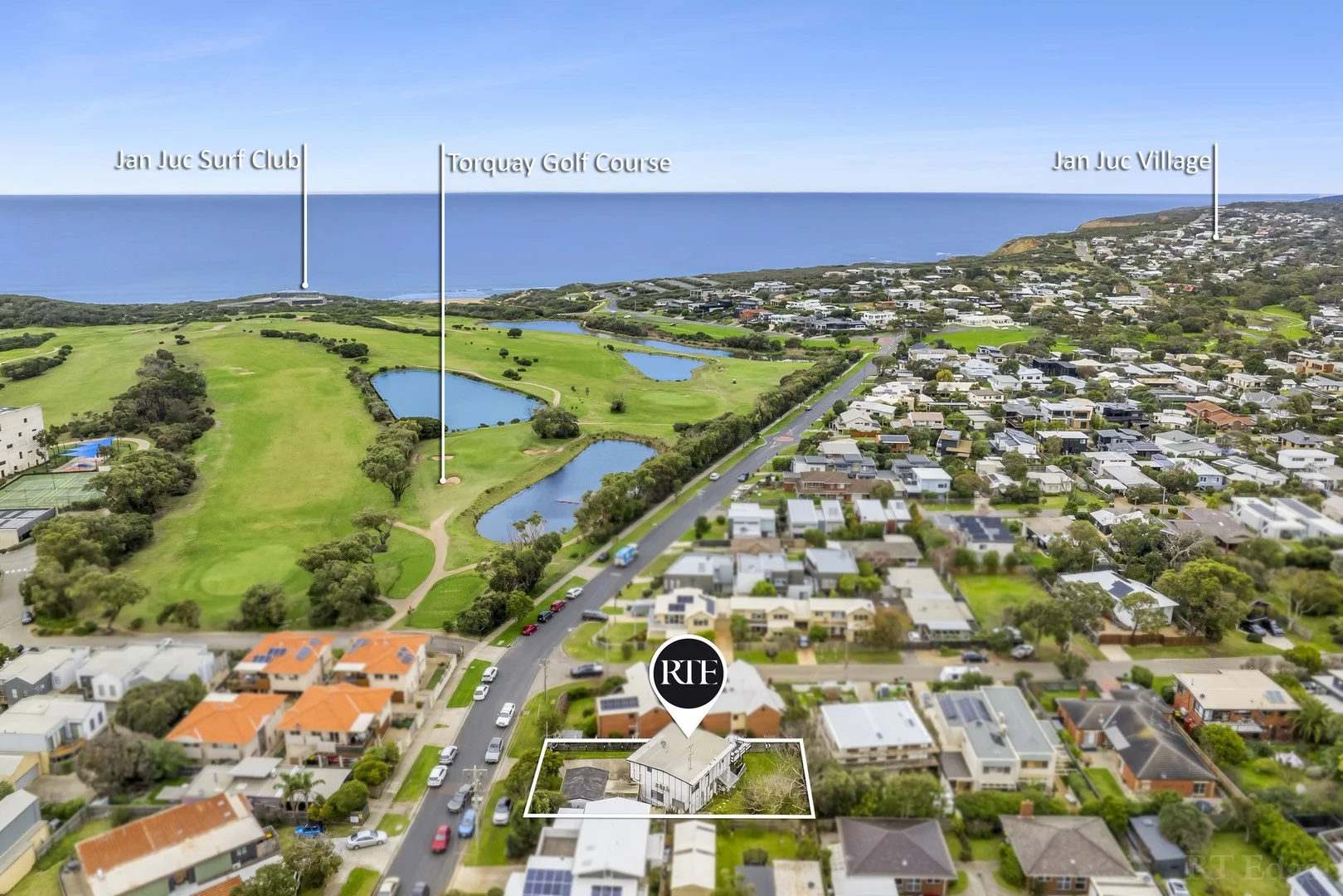 $862,125 - $948,338
House
$862,125 - $948,338
House
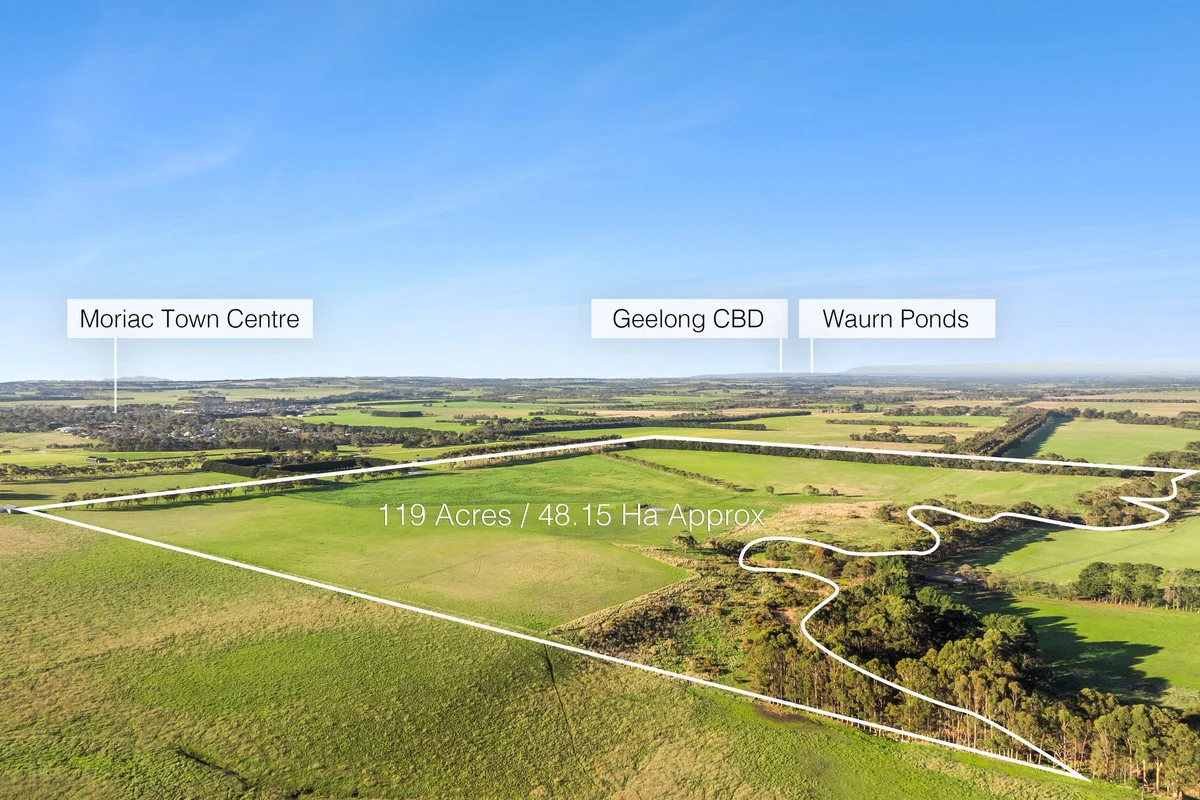 $2,400,000
propertyType.RURAL
$2,400,000
propertyType.RURAL
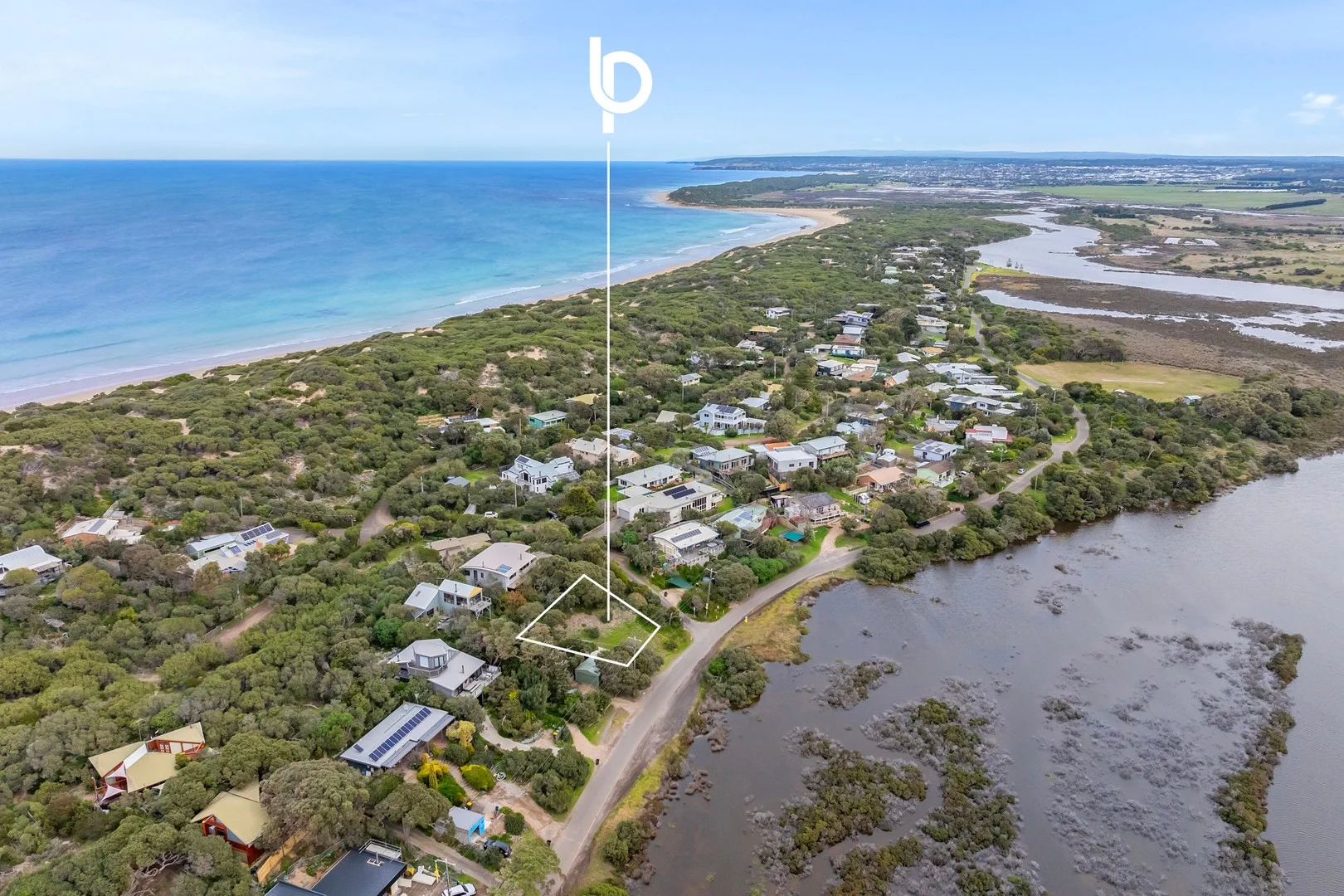 $880,000 - $950,000
Vacant Land
$880,000 - $950,000
Vacant Land
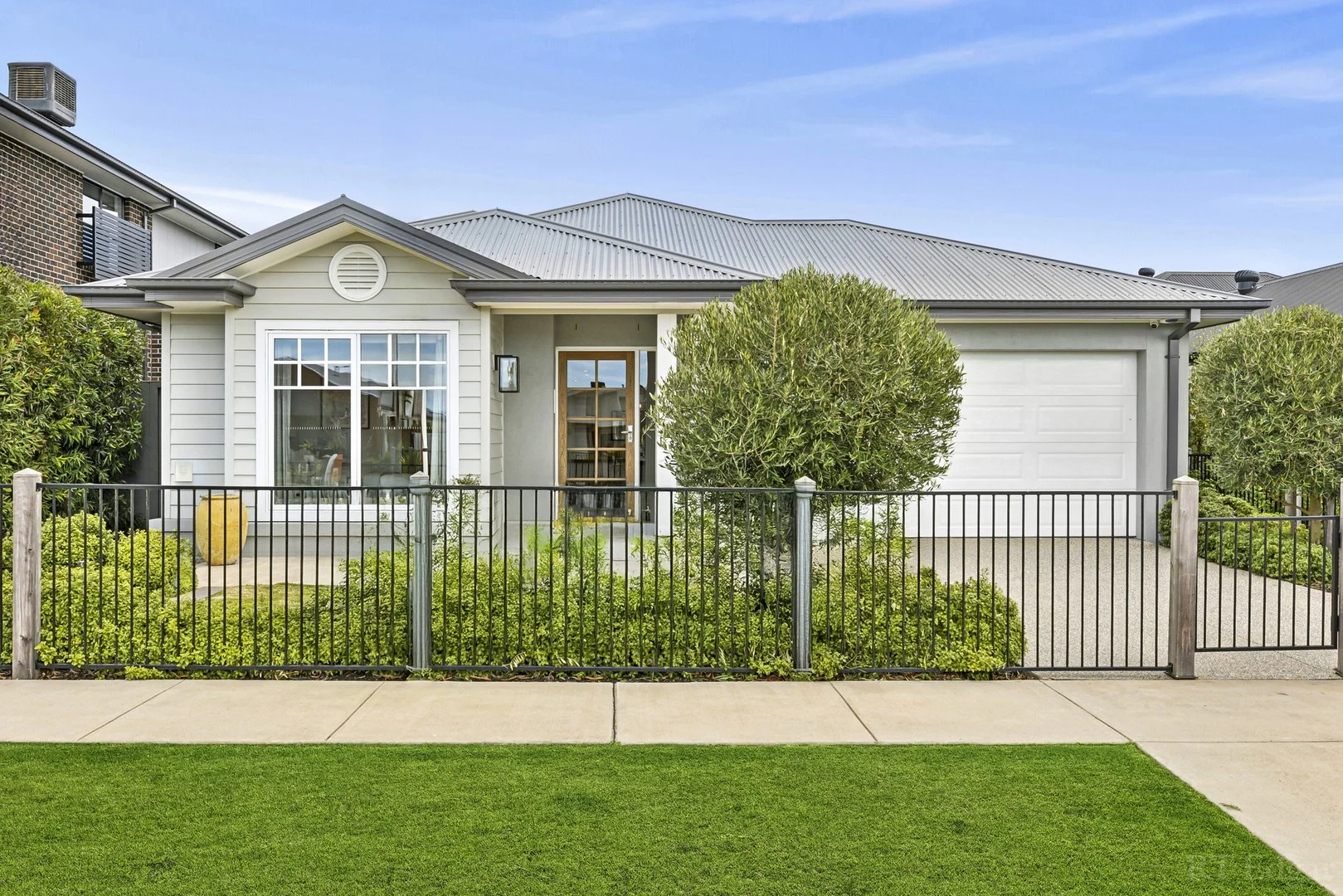 $877,800 - $965,580
House
$877,800 - $965,580
House
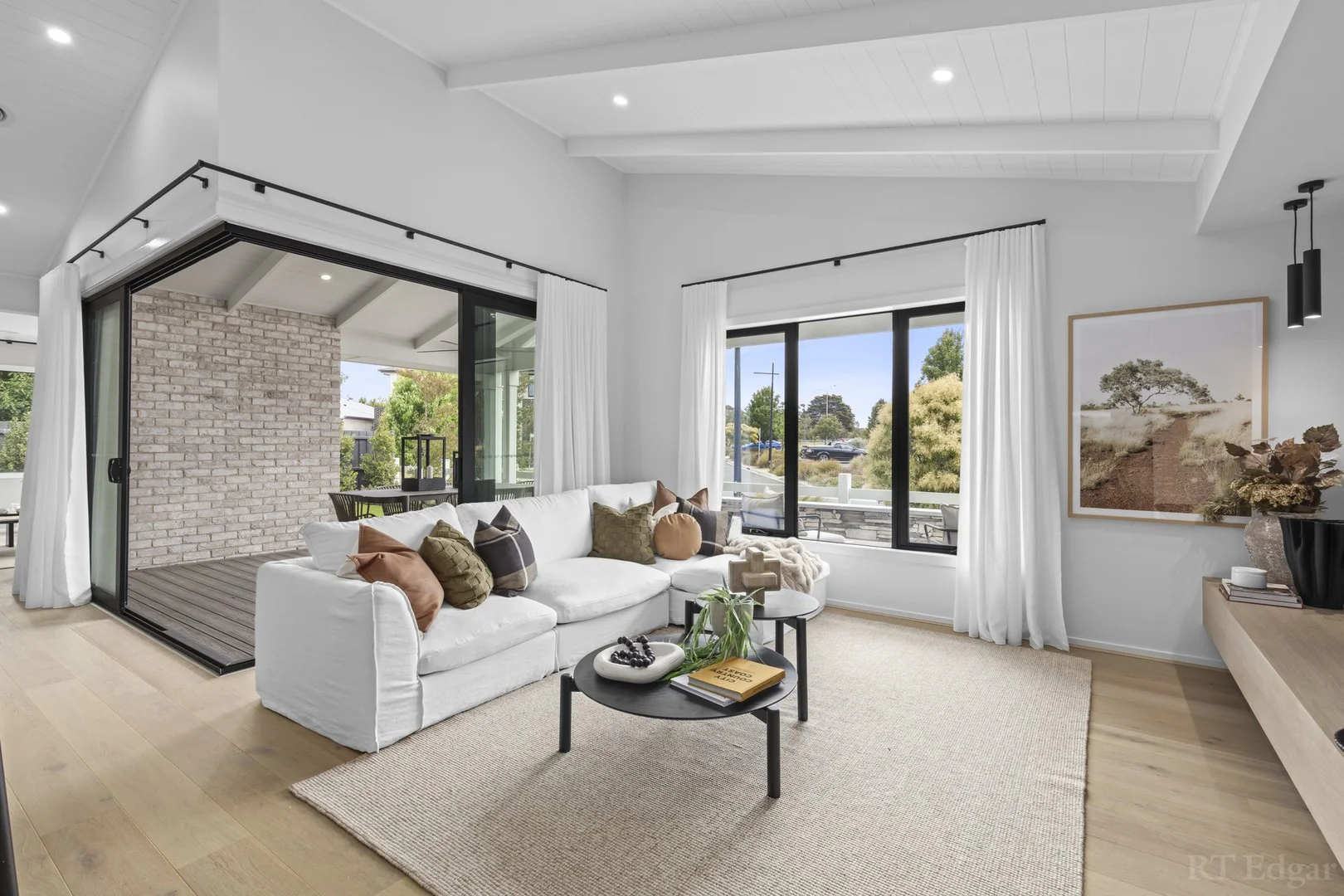 $1,022,295 - $1,124,524
House
$1,022,295 - $1,124,524
House
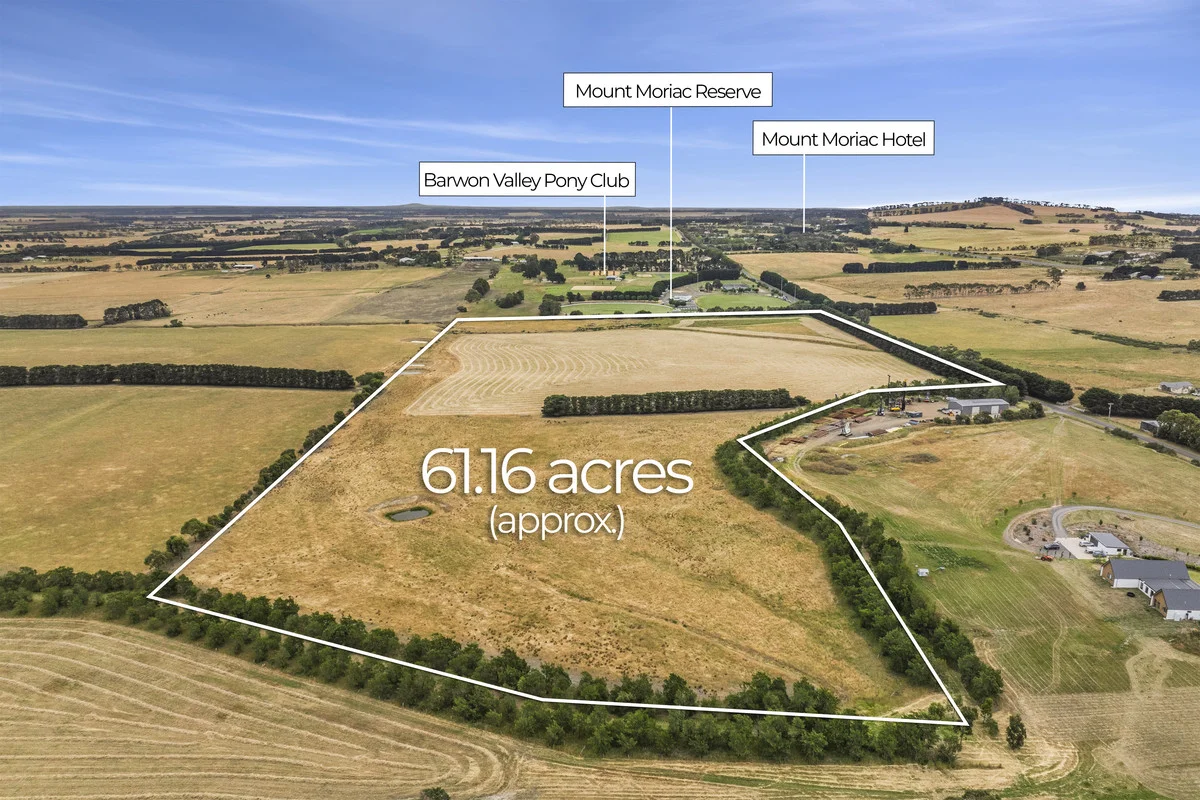 $2,100,000
propertyType.RURAL
$2,100,000
propertyType.RURAL
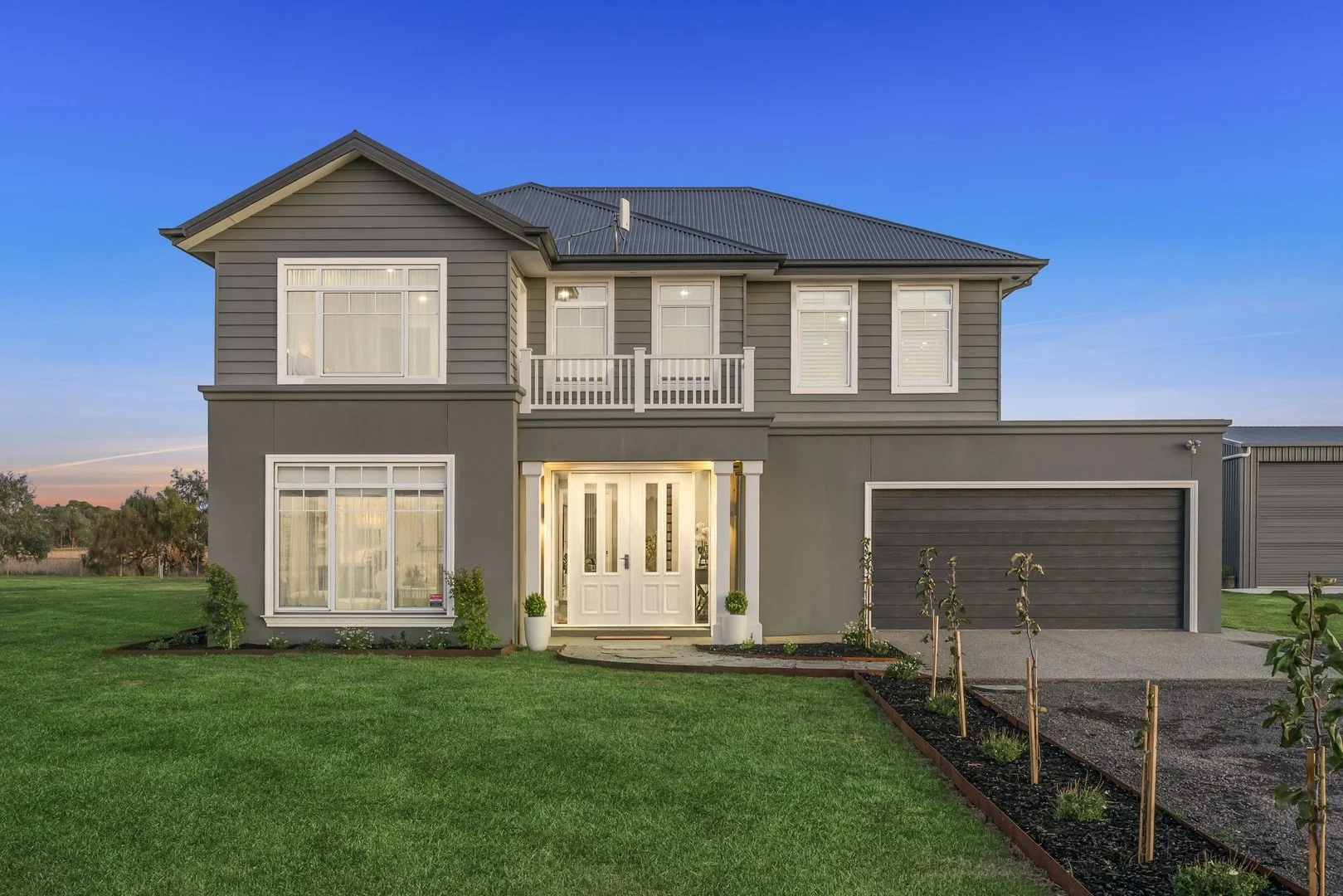 $2,150,000 - $2,350,000
propertyType.ACREAGE / SEMI-RURAL
$2,150,000 - $2,350,000
propertyType.ACREAGE / SEMI-RURAL


