1. Overview
Torquay Coast Primary School is a public, co-educational primary school serving families in Torquay, Victoria. The school emphasises an inclusive, student-centred approach within a close-knit community, aiming to support each child’s wellbeing and academic growth. Class sizes are typical of public primary schools in Victoria, with students and teachers working closely together in a nurturing, collaborative environment.
School size is small-to-medium, which helps foster strong relationships among students, families and staff. The atmosphere is welcoming and supportive, with a focus on creating an inclusive culture that values diversity, curiosity and active participation in learning.
⸻
2. Academics & Learning
- Academic strengths: Strong emphasis on literacy and numeracy, with growing focus on STEM activities, digital learning and the arts. The school fosters leadership and student voice, encouraging opportunities for students to take initiative in their learning.
- Special programs: Gifted and talented extension opportunities and targeted learning supports are available to help students reach their potential. There are coding/robotics initiatives and project-based learning integrated into the curriculum.
- NAPLAN / trends: Public data indicates stable to improving trends over recent years in core literacy and numeracy outcomes, with ongoing curriculum adjustments to support student growth.
- Student-teacher ratios: Generally favorable ratios for effective teaching and feedback, with smaller groups for targeted supports where needed.
- Support for diverse learners: On-site support for EAL/D learners and students with special educational needs (SEN), including personalised plans and access to specialist staff where available.
⸻
3. Sports & Extracurricular Strengths
- Sports offered: AFL, soccer, basketball, netball, cricket, athletics and other physical education activities are part of the program, with opportunities for inter-school competitions and district events.
- Strong teams or achievements: Students participate in local inter-school sports and events, building teamwork, resilience and school pride.
- Music, arts, drama programs: Active music and performing arts programs, with opportunities to participate in school productions, choir and instrumental activities.
- Clubs: Robotics, coding, chess, debating and other interest-based clubs supplement the curriculum and provide avenues for skill development.
- Partnerships: Local community clubs and regional competitions support additional opportunities in sports, coding and STEM activities, helping students connect with broader networks.
⸻
4. Wellbeing & Pastoral Care
- Anti-bullying approach: Whole-school emphasis on positive behaviour, social-emotional learning and a clear anti-bullying policy with consistent implementation.
- House system: House-based activities and competitions help build belonging, teamwork and leadership among students.
- Counsellors / wellbeing officers: Access to school wellbeing staff for social and emotional support, alongside counselling resources and referral pathways as needed.
- Transition support for new students: Orientation programs, buddy systems and targeted induction activities to help students settle into the school community smoothly.
⸻
5. Facilities
- Sports grounds: Open spaces and sports facilities suitable for PE and team sports.
- Libraries: On-site library resources to support reading and research.
- Science labs: Welcoming science spaces for hands-on experiments and inquiry-based learning.
- Music/performing arts centers: Dedicated spaces for music practice, rehearsals and performances.
- Tech/innovation labs: Dedicated areas for digital learning, coding and hands-on tech projects.
- Cafeteria: On-site canteen or meal facilities supporting healthy choices.
- Updated playgrounds: Modern play spaces that encourage active play and gross-motor development.
⸻
6. School Values & Community Culture
- School values / mission: Focus on respect, responsibility, resilience and inquiry; a culture of curiosity and collaborative learning.
- Leadership style: Distributed leadership with opportunities for student voice and teacher collaboration; emphasis on shared responsibility and continual improvement.
- Behaviour expectations: Clear positive-behaviour framework with consistent expectations across year levels.
- Community reputation: Known for a welcoming, family-friendly atmosphere and strong ties with local families and the wider Torquay community.
- Diversity & inclusion: Emphasis on inclusive practices, celebrating diversity and ensuring all students feel valued and supported.
⸻
7. School Logistics & Daily Operations
- School hours: Typical day runs from around 9:00 am to 3:30 pm, with standard school routines and break times.
- Before/after school care: Options for before/after school care through external providers or school-approved services are available.
- Uniform requirements: School uniform is required, with terms and guidelines for dress and appearance.
- Transport (bus routes): Local bus services and school transport options connect families to the school; information on routes is available through the school or local transport provider.
- Canteen availability: Canteen or lunch facilities operate on designated days, offering healthy menu choices.
- Fees (low/medium/high ranges): As a public school, there is no tuition; families contribute through approved voluntary levies and cost-recovery charges for activities, excursions and materials. Overall, costs are designed to be affordable within the local context.
⸻
8. Enrolment & Admissions
11. What is the enrolment process and timeline?
- Check eligibility and catchment requirements.
- Submit the online enrolment form or complete an enrolment application.
- Provide required documentation (birth certificate, immunisation records, proof of address, identify any special needs or support requirements).
- School may offer a placement date or request a family meeting; timelines vary by intake period and space availability.
12. Is there a waiting list, and how does it work?
- Some year levels may have limited spaces; if a year level is full, a waiting list is maintained. Placement often considers in-zone priority, sibling rules, and availability. Parents are kept informed about their position on the list and any expected timelines.
13. Are there any entry requirements, tests, or interviews?
- Generally, there are no academic entrance tests for public primary enrolment. An information session or intake interview may occur for new families or where additional support services are required. Assessments are usually focused on understanding support needs and ensuring appropriate placement.
14. Does the school accept mid-year transfers?
- Mid-year transfers are considered where spaces are available. Parents should contact the school early to discuss space, documentation, and transition planning to minimize disruption for the student.
⸻
9. Frequently Asked Questions
- Why Parents Choose This School?
- A strong sense of community, supportive staff, a balanced academic program and a focus on student wellbeing and inclusion.
- What type of student thrives at this school?
- Curious, collaborative, resilient students who engage in learning, contribute to the school community and enjoy a range of activities.
- What opportunities are available for students to extend their skills (academics, sports, arts)?
- Extension and enrichment programs, coding/robotics clubs, arts and music opportunities, and active involvement in sports and inter-school events.
- How does the school communicate with parents?
- Regular newsletters, a parent portal, scheduled parent-teacher interviews and occasional SMS/email updates.
- What is the school’s approach to teaching and learning?
- Student-centred, differentiated instruction with a mix of whole-class, small-group and individual support; emphasis on critical thinking and practical learning.
- How does the school support students who need extra academic help?
- Targeted interventions, small-group support, EAL/D and SEN services, and collaboration with families to tailor plans.
- What support is available for academic challenges?
- Access to learning support staff, adjustments to teaching strategies and materials, and referral pathways for additional external supports if needed.
- How does the school communicate with parents? (Repeated)
- See above: newsletters, portal, interviews, and direct contact from teachers.
- What are the class sizes and how much individual attention do students receive?
- Class sizes are typical for public primary schools and teachers provide targeted feedback and support within the classroom and through small-group sessions.
- What extracurricular and sports opportunities are available?
- A range of sports (AFL, soccer, netball, basketball, cricket), music and arts programs, plus clubs in robotics, coding, chess and debating.
- What facilities does the school offer (sports, science, arts)?
- Sports grounds, library, science labs, music/arts spaces, technology/innovation labs and appropriate dining/play facilities.
- What is the school’s approach to technology and digital learning?
- Integration of digital devices and online resources to support learning, with emphasis on safe and responsible use of technology.
- What transport and accessibility options are available?
- Local bus routes and school transport options; information on accessibility and drop-off/pick-up arrangements are provided by the school.
- What are the typical school fees or additional costs?
- There is no tuition; families may contribute to approved levies or voluntary contributions and cover costs for excursions, materials and activities.
⸻
10. Short Pros & Cons list
Pros
- Strong sense of community and supportive environment
- Inclusive practices and focus on wellbeing
- Balanced academics with opportunities in STEM, arts and sports
- Wide range of extracurricular activities and clubs
- Positive student engagement and leadership opportunities
Cons
- As a smaller school, course variety at very high specialization levels may be more limited than larger schools
- Transport and commuting considerations for regional families
- Some activities may involve additional costs for excursions and clubs
⸻






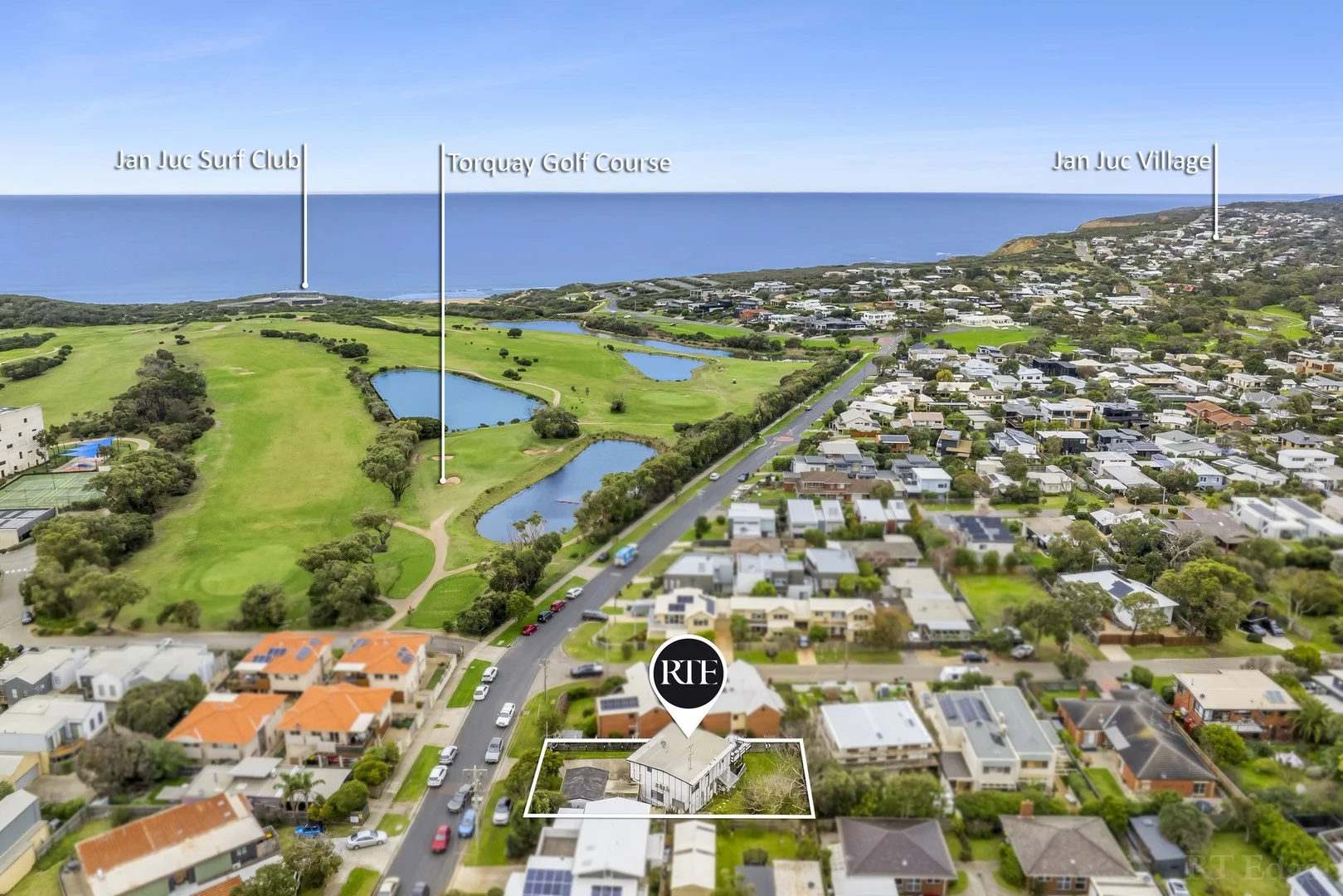 $862,125 - $948,338
House
$862,125 - $948,338
House
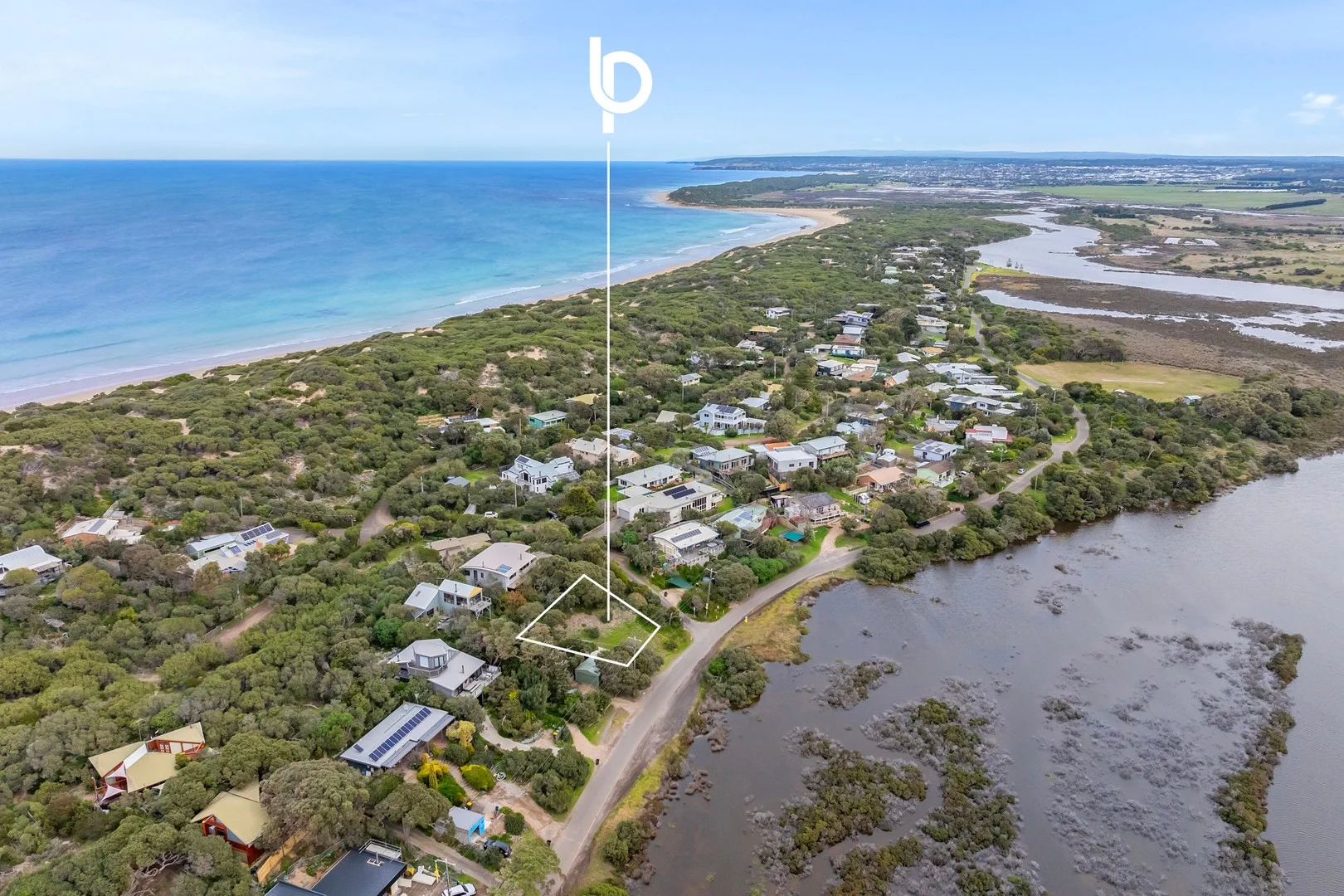 $880,000 - $950,000
Vacant Land
$880,000 - $950,000
Vacant Land
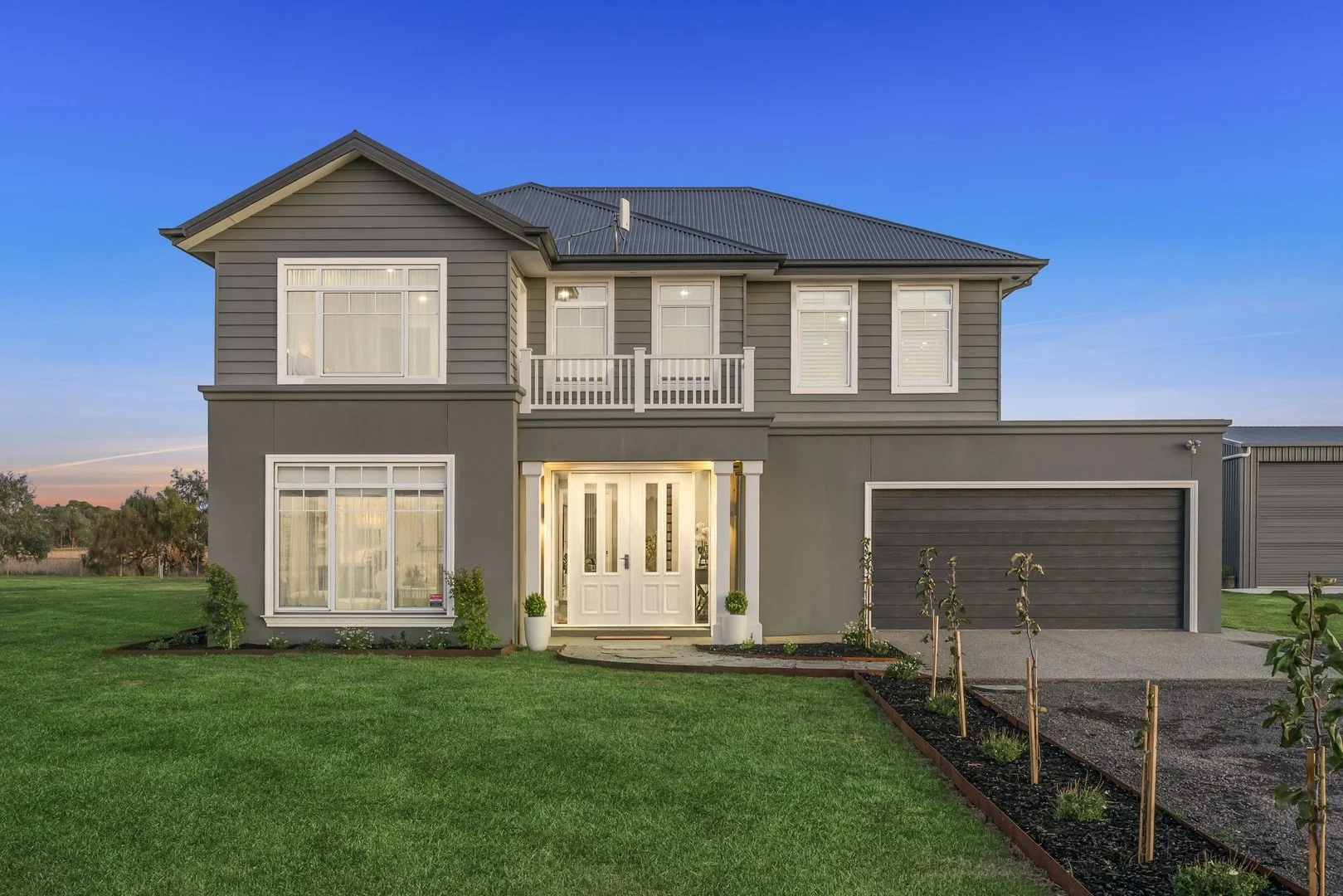 $2,150,000 - $2,350,000
propertyType.ACREAGE / SEMI-RURAL
$2,150,000 - $2,350,000
propertyType.ACREAGE / SEMI-RURAL
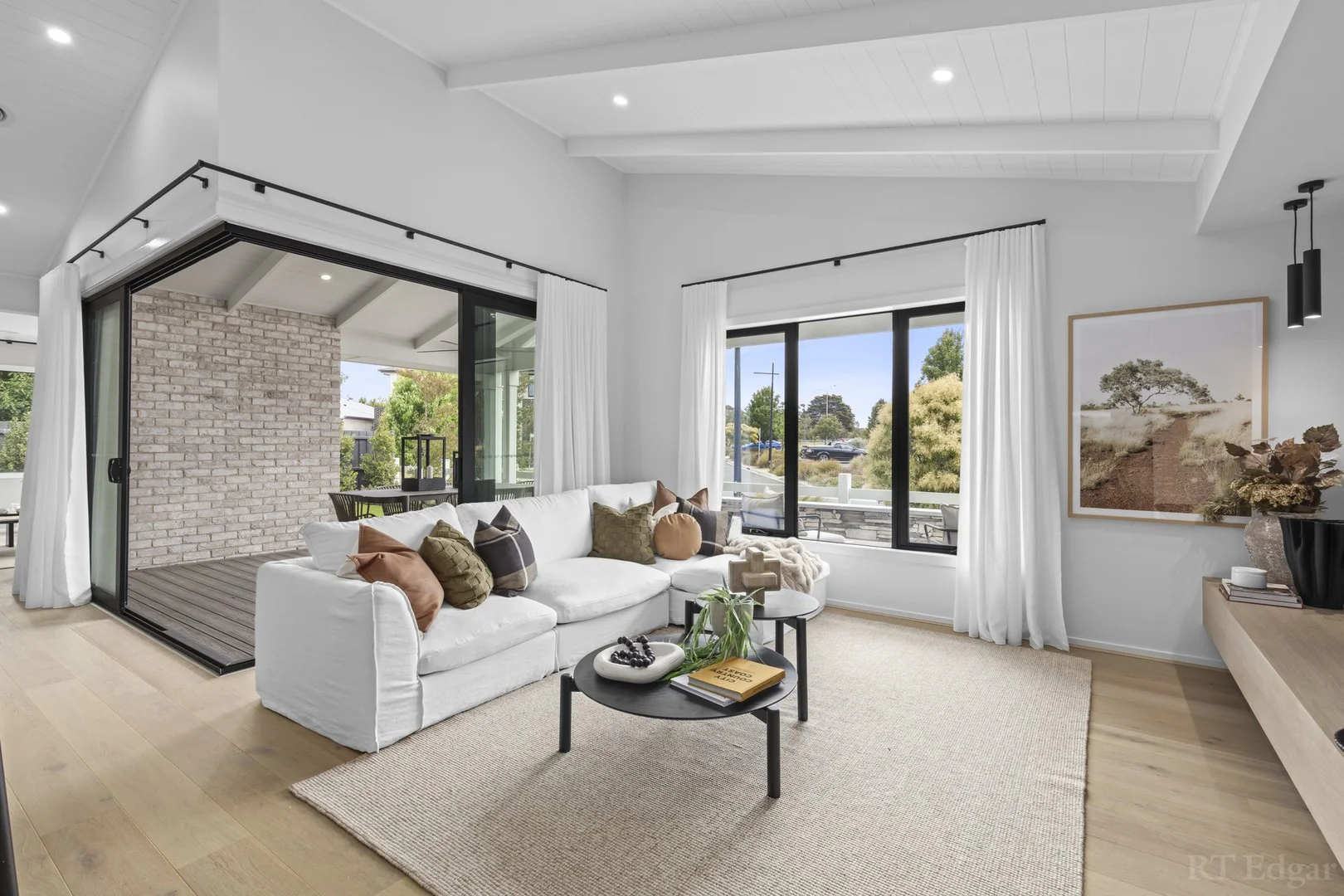 $1,022,295 - $1,124,524
House
$1,022,295 - $1,124,524
House
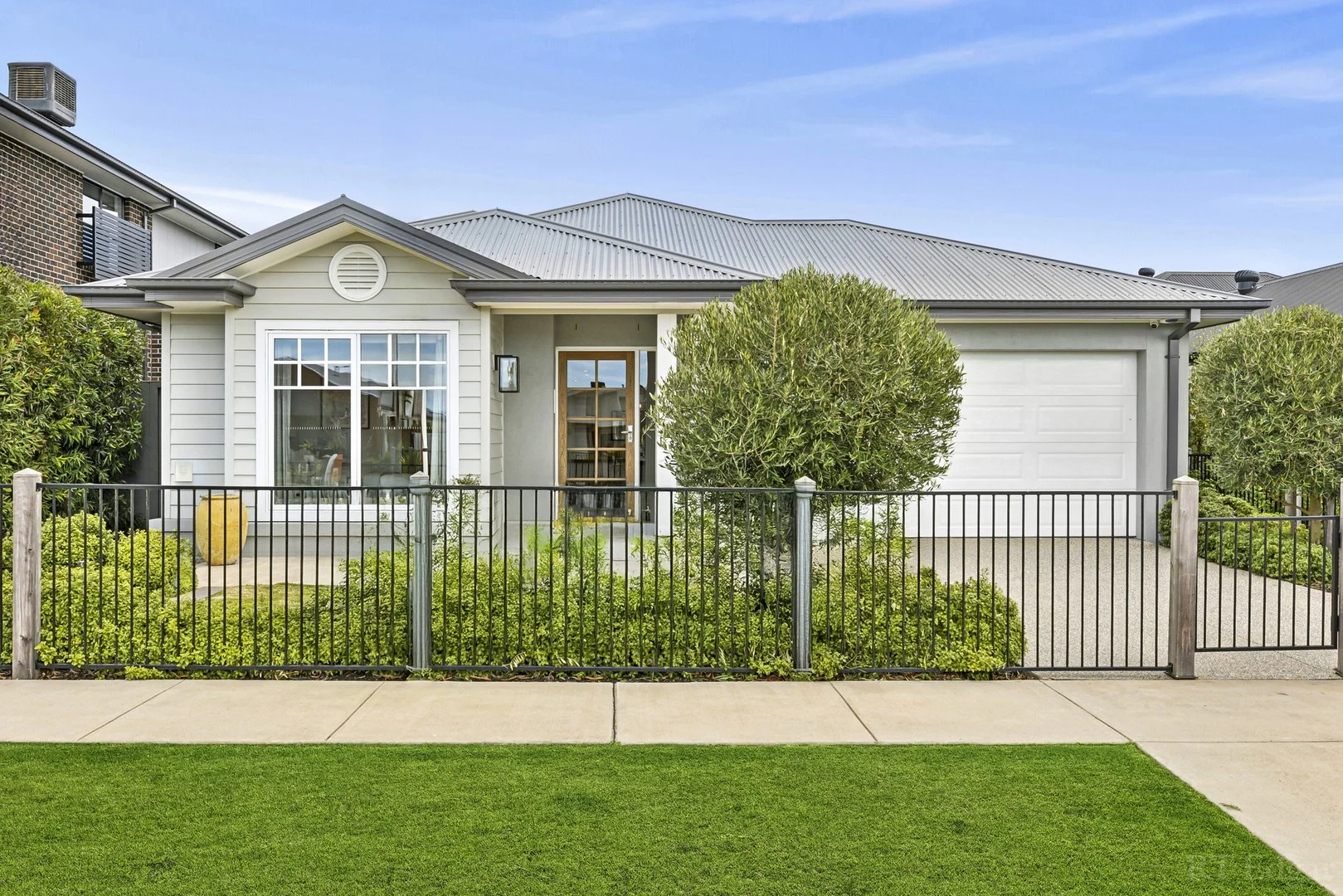 $877,800 - $965,580
House
$877,800 - $965,580
House
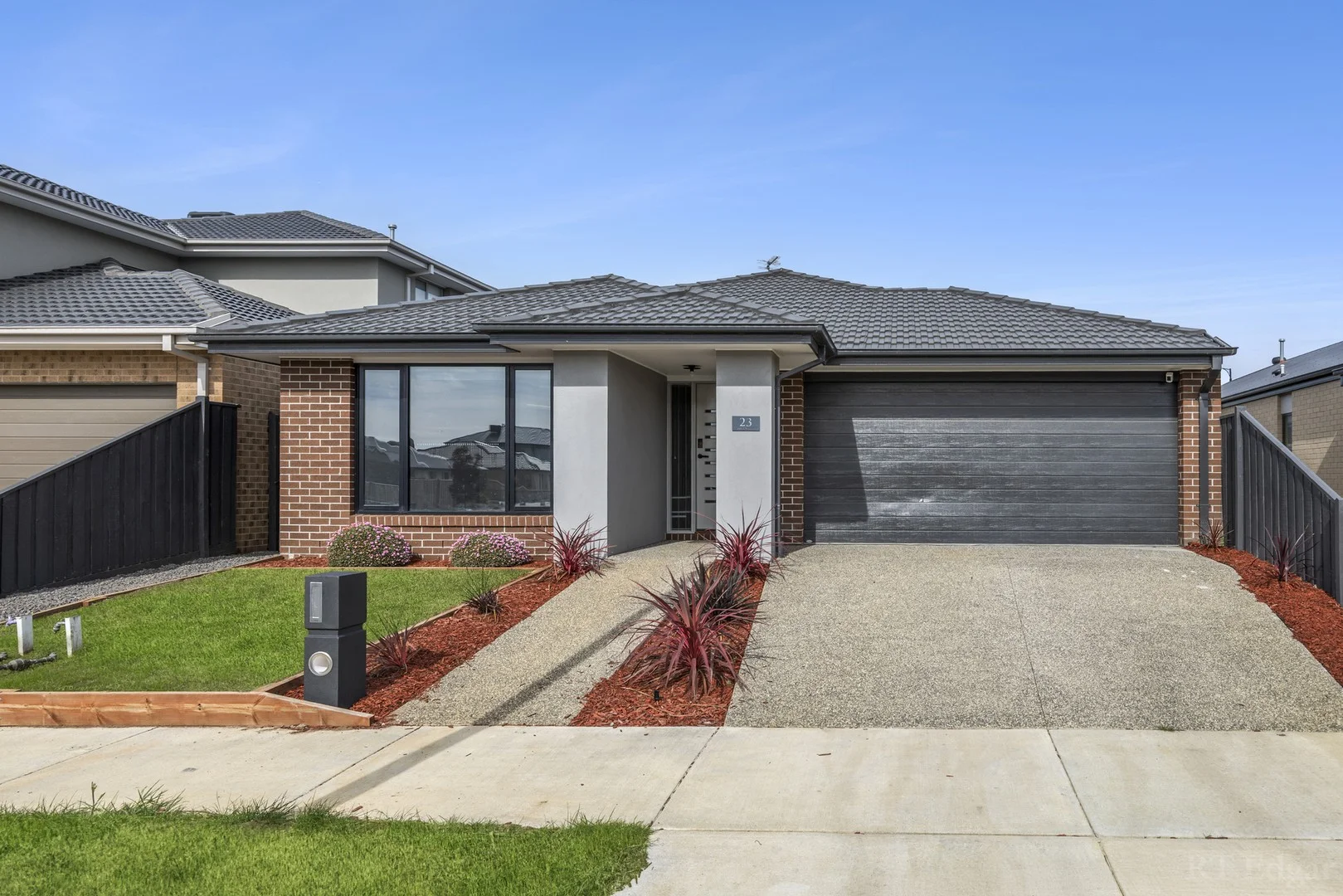 $599,000 - $658,900
House
$599,000 - $658,900
House
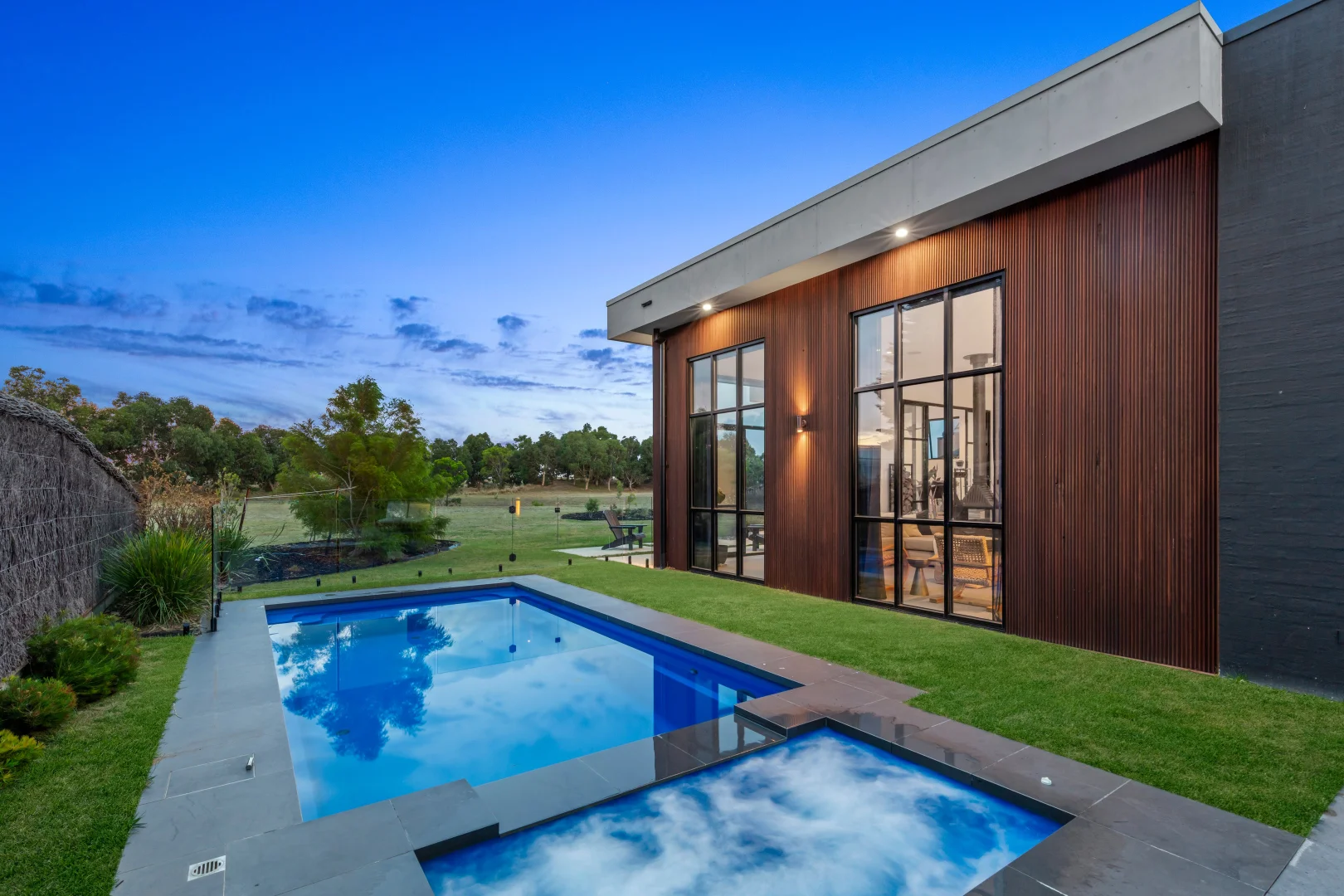 $2,950,000 - $3,200,000
House
$2,950,000 - $3,200,000
House
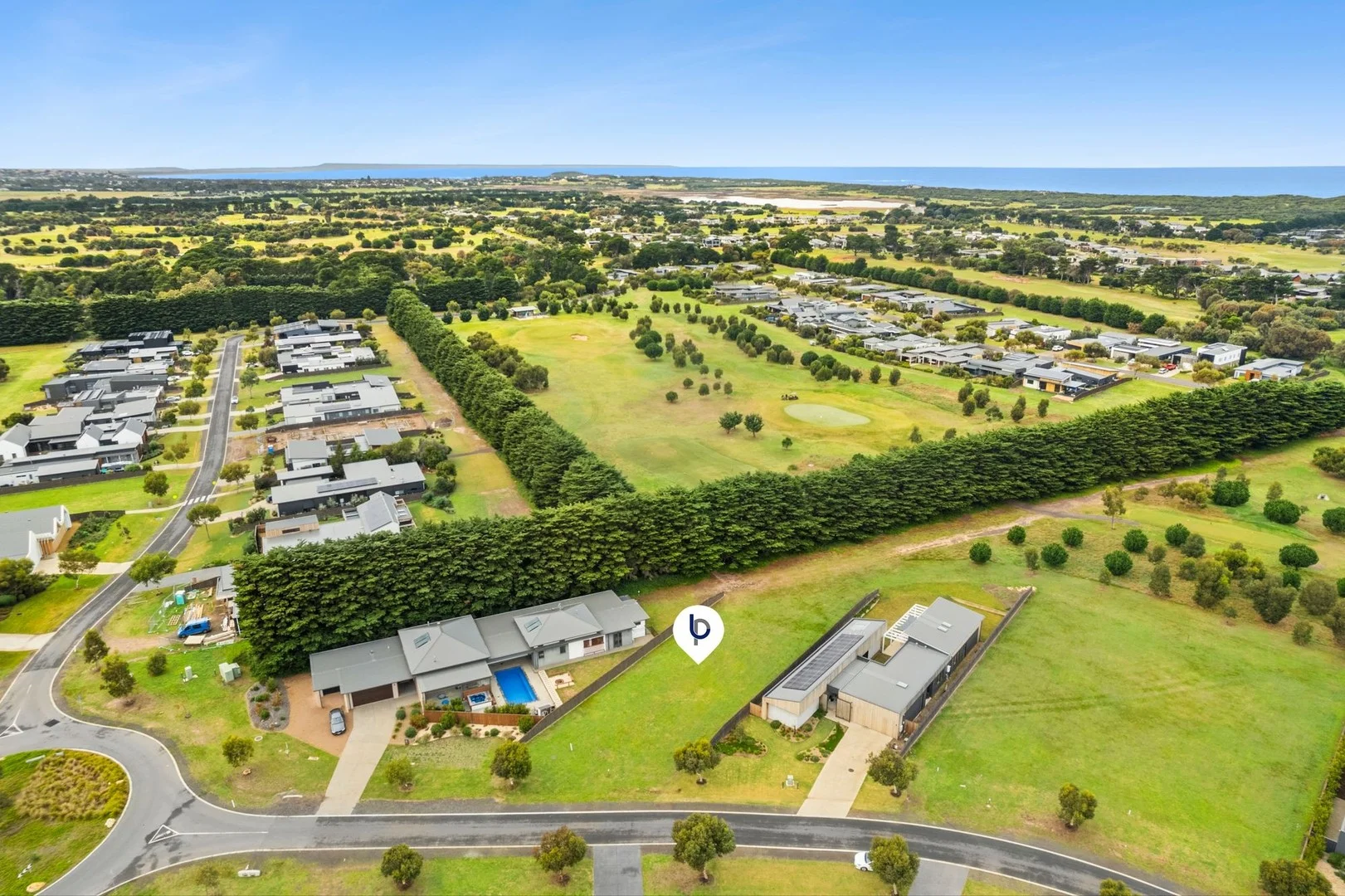 $990,000 - $1,080,000
Vacant Land
$990,000 - $1,080,000
Vacant Land
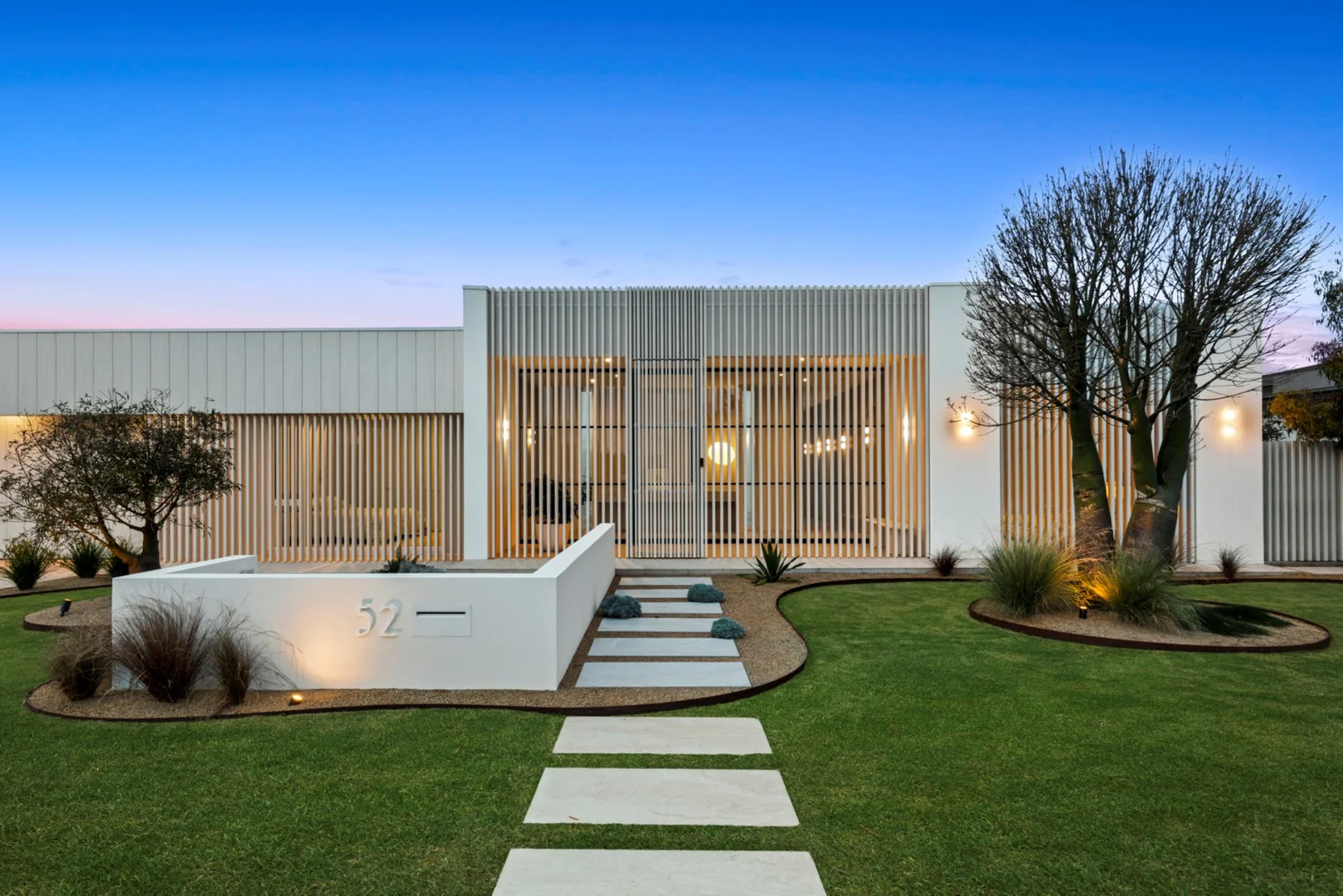 $3,450,000
House
$3,450,000
House


