## 1. Overview
Torquay P-6 College is a public (government) primary school serving students from Prep to Year 6. The school is a medium-sized community school that typically serves hundreds of students across the primary years, with class sizes that are commonly in the low- to mid-20s. The atmosphere is nurturing and inclusive, with a strong emphasis on student well-being, local community connections, and positive relationships between students, staff and families.
## 2. Academics & Learning
- Academic strengths: Focus on literacy and numeracy foundations, with growing emphasis on STEM and digital technologies. There are opportunities to engage in English and mathematics enrichment through school activities and targeted programs.
- Special programs: Enrichment and extension opportunities may be available; gifted and talented pathways and flexible grouping can be explored within the school context.
- NAPLAN / trends: The school tracks year-by-year trends in reading, writing and numeracy to monitor progress and adjust supports as needed.
- Student-teacher ratios: Typical primary ratios, often in the low-to-mid 20s per class, with additional support staff to assist targeted areas.
- Support for diverse learners: Programs and support for students who are learning English (EAL) and for students with additional learning needs (SEN), including targeted interventions and collaboration with families.
## 3. Sports & Extracurricular Strengths
- Sports offered: Common primary options such as soccer, cricket, AFL/footy, netball, basketball, athletics and swimming programs; opportunities to participate in interschool and district events.
- Strong teams or achievements: Interschools competitions and school teams participate in local and regional events.
- Music, arts, drama: Enrichment in music and drama, with opportunities for performance and creative projects.
- Clubs: Robotics, coding, chess, debating and other enquiry-based clubs are available or can be piloted through student interest and staff support.
- Partnerships: Connections with local clubs, community groups and regional competitions to extend learning beyond the classroom.
## 4. Wellbeing & Pastoral Care
- Anti-bullying approach: Whole-school policies and programs aimed at preventing bullying, promoting respectful behavior and restorative practices.
- House system: A house-based structure supports leadership opportunities, teamwork and positive rivalry in a supportive environment.
- Counsellors / wellbeing officers: Access to school-based wellbeing staff and support services to assist with social-emotional learning and concerns.
- Transition support for new students: Orientation activities, buddy systems and targeted supports help new students settle in smoothly.
## 5. Facilities
- Sports grounds: On-site playing fields and outdoor spaces for physical education and recreation.
- Libraries: A library space for reading, research and collaboration.
- Science labs: Dedicated science areas to support hands-on learning and inquiry.
- Music/performing arts centers: Spaces for music practice, performances and drama activities.
- Tech/innovation labs: Makerspaces or technology-enabled areas to support coding and digital learning.
- Cafeteria: On-site or designated canteen facilities for healthy meal and snack options.
- Updated playgrounds: Safe, age-appropriate play areas and outdoor learning spaces.
## 6. School Values & Community Culture
- School values / mission: A focus on respect, responsibility, resilience, inclusion and curiosity to guide daily learning and interactions.
- Leadership style: Collaborative and student-centered, with opportunities for student leadership and voices in school decisions.
- Behaviour expectations: Clear expectations aligned with restorative practices and positive reinforcement.
- Community reputation: A welcoming, family-friendly school with strong community involvement and partnerships.
- Diversity & inclusion: Commitment to welcoming students from varied backgrounds and supporting inclusive participation.
## 7. School Logistics & Daily Operations
- School hours: Typical start and finish times aligned with the primary school day; precise times are confirmed by the school each year.
- Before/after school care: Availability of care arrangements may be offered through approved external providers or school-linked programs.
- Uniform requirements: Plain school uniform as part of the school dress code; details provided by the school.
- Transport (train/bus routes): Local bus routes and transport arrangements available to help students travel to and from school; families should confirm routes with DET/transport services.
- Canteen availability: Canteen or snack facilities available to support student meals and snacks.
- Fees (low/medium/high ranges): Public primary schools typically have low to moderate discretionary costs (voluntary contributions, activity levies, and additional costs for some resources). Exact amounts vary by year level and program.
## 8. Enrolment & Admissions
- 11. What is the enrolment process and timeline?
- Enrolment is typically handled through the school and local Department of Education processes. Families should apply within the designated intake period for the upcoming school year, with key dates published by the school each year. Local residents often have priority within capacity allowances.
- 12. Is there a waiting list, and how does it work?
- If the school is at or near capacity, a waiting list may be established. Placement from the list depends on available vacancies and enrolment priorities set by the school and the DET. Families will be notified if a place becomes available.
- 13. Are there any entry requirements, tests, or interviews?
- Primary school enrolment generally does not require testing or interviews for entry. Some assessments or screening may occur for enrolment in specific programs or supports, but routine entry typically relies on eligibility, documentation, and health information.
- 14. Does the school accept mid-year transfers?
- Mid-year transfers are considered where capacity allows. Families moving mid-year should contact the school promptly to discuss availability, placement timelines and required documentation.
## 9. Frequently Asked Questions
- Why Parents Choose This School?
- A welcoming community, strong focus on literacy and numeracy, supportive wellbeing culture, and opportunities for involvement in sports, arts and clubs.
- What type of student thrives at this school?
- Students who respond well to a collaborative, inclusive environment with a focus on foundational skills, participation in inclusive activities, and engagement with peers and teachers.
- What opportunities are available for students to extend their skills (academics, sports, arts)?
- Literacy and numeracy enrichment, STEM and digital learning activities, music and drama, sports programs, and clubs such as robotics, coding, chess and debating.
- How does the school communicate with parents?
- Regular updates through newsletters, emails, parent-teacher meetings, and digital platforms; responsive channels for feedback and concerns.
- What is the school’s approach to teaching and learning?
- A student-centered, evidence-informed approach with emphasis on core skills, inquiry-based learning, and differentiation to support diverse learners.
- How does the school support students who need extra academic help?
- Targeted interventions, small-group or one-on-one support, EAL and SEN programs, and collaboration with families to plan next steps.
- What support is available for academic challenges?
- Dedicated staff and wellbeing supports, transition planning, and access to additional resources and tutorials as needed.
- How does the school communicate with parents? (reiterated)
- See above: newsletters, emails, meetings, portals, and direct contact with teachers and administration.
- What are the class sizes and how much individual attention do students receive?
- Class sizes are typically in the low- to mid-20s with opportunities for targeted support and teacher or aide involvement to address individual needs.
- What extracurricular and sports opportunities are available?
- Sports (local and district level), music and drama programs, and clubs such as robotics, coding, chess and debating.
- What facilities does the school offer (sports, science, arts)?
- Sports grounds, library, science labs, performing arts spaces, tech/innovation labs, canteen and updated playgrounds.
- What is the school’s approach to technology and digital learning?
- Integrated digital learning across the curriculum, with access to devices and age-appropriate software to develop digital literacy and coding skills.
- What transport and accessibility options are available?
- Local bus routes and general transport options; information provided by the school and DET regarding accessibility and travel support.
- What are the typical school fees or additional costs?
- Public primary schools have low to moderate discretionary costs; families should expect optional contributions for activities and materials, with exact amounts published annually by the school.
## 10. Short Pros & Cons list
- Pros
- Public, community-focused environment with inclusive culture
- Strong foundational academics in literacy and numeracy
- Broad range of extracurriculars and clubs
- Emphasis on wellbeing, anti-bullying, and supportive transitions
- Welcoming facilities for learning and creativity
- Cons
- Class sizes may be typical for primary schools (not large), which can mean high demand for limited resources during peak periods
- Enrolment capacity can be a factor in mid-year transfers or new-sibling enrollment
- Specific specialized programs may vary by year and require interest/initiative from families to participate









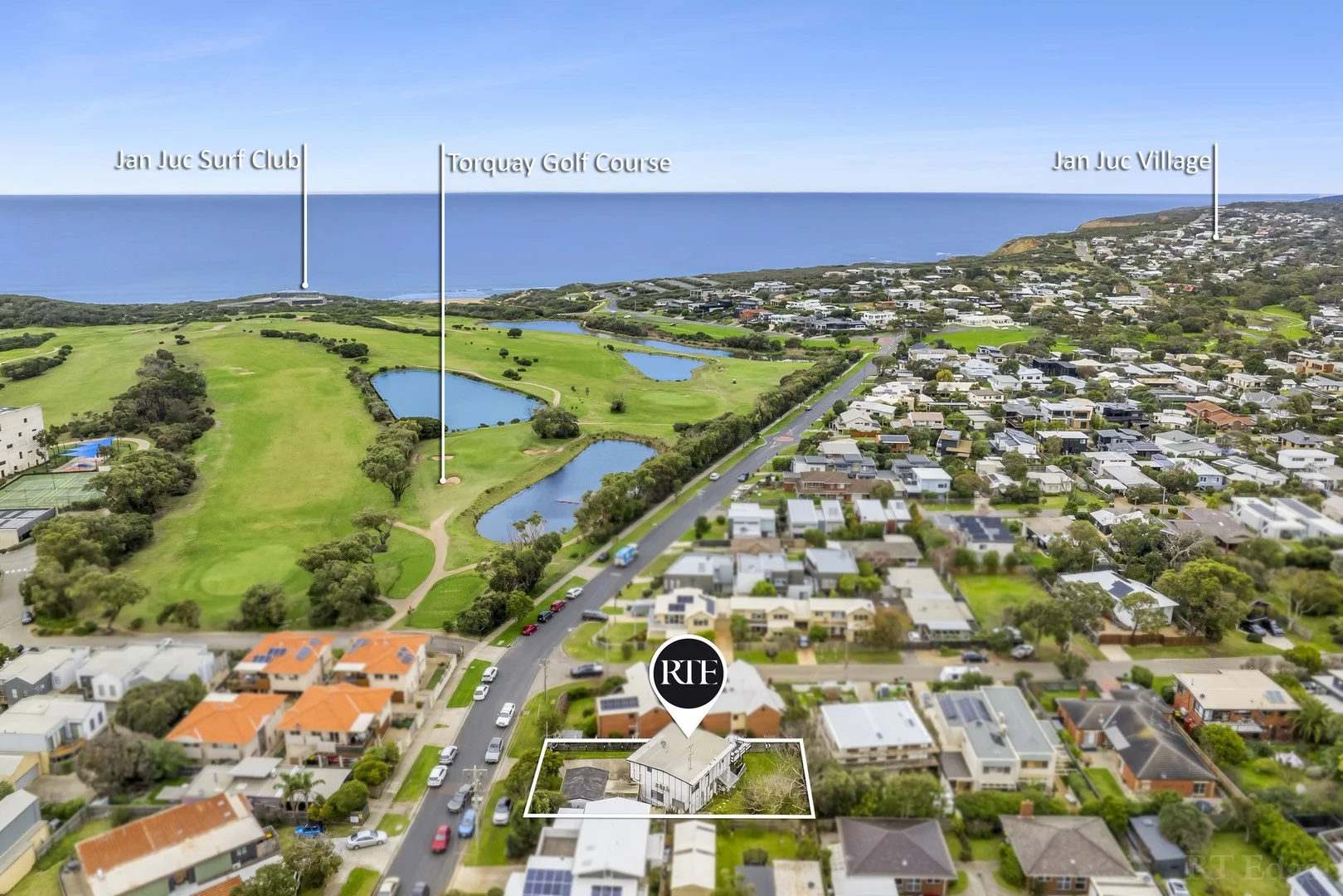 $862,125 - $948,338
House
$862,125 - $948,338
House
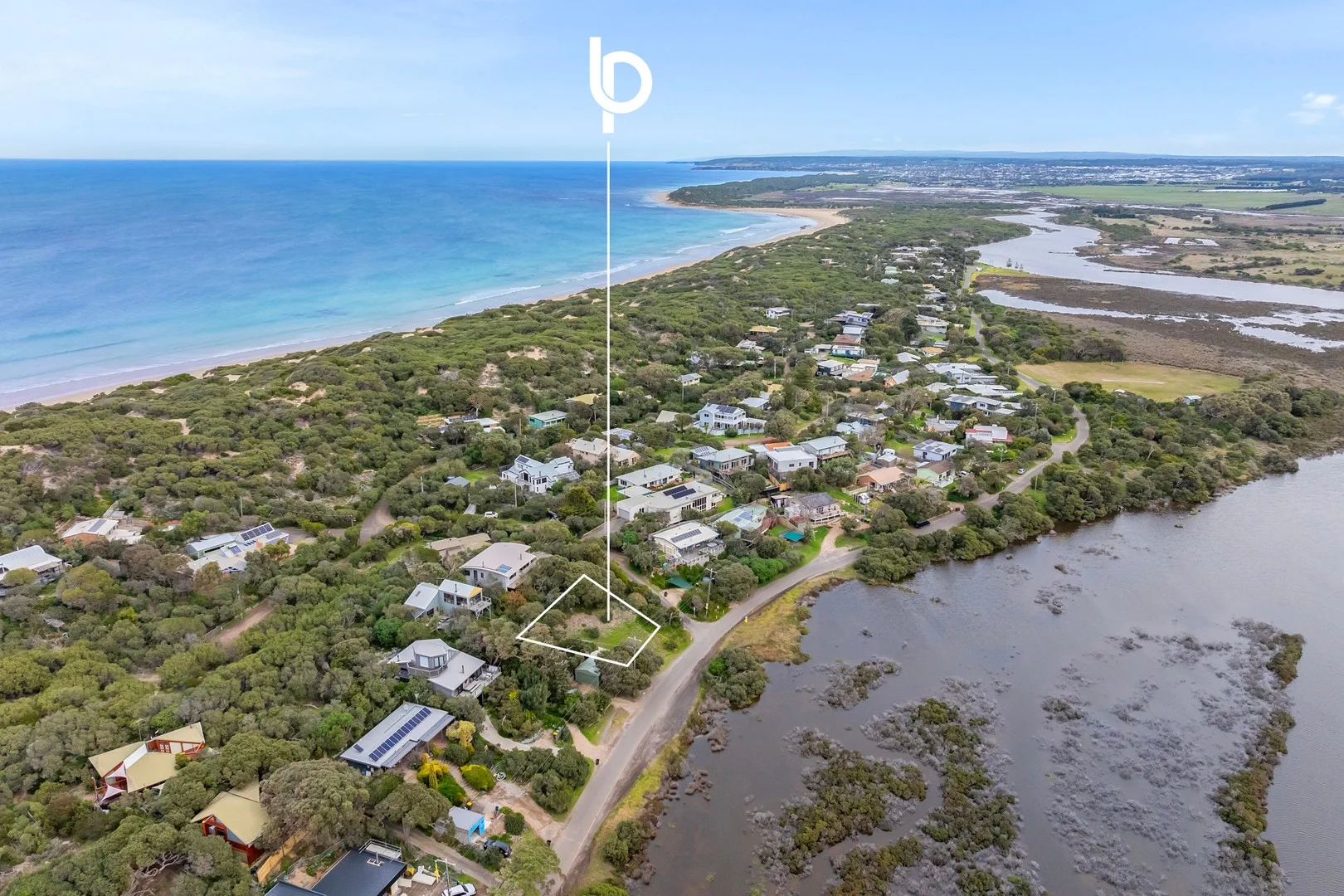 $880,000 - $950,000
Vacant Land
$880,000 - $950,000
Vacant Land
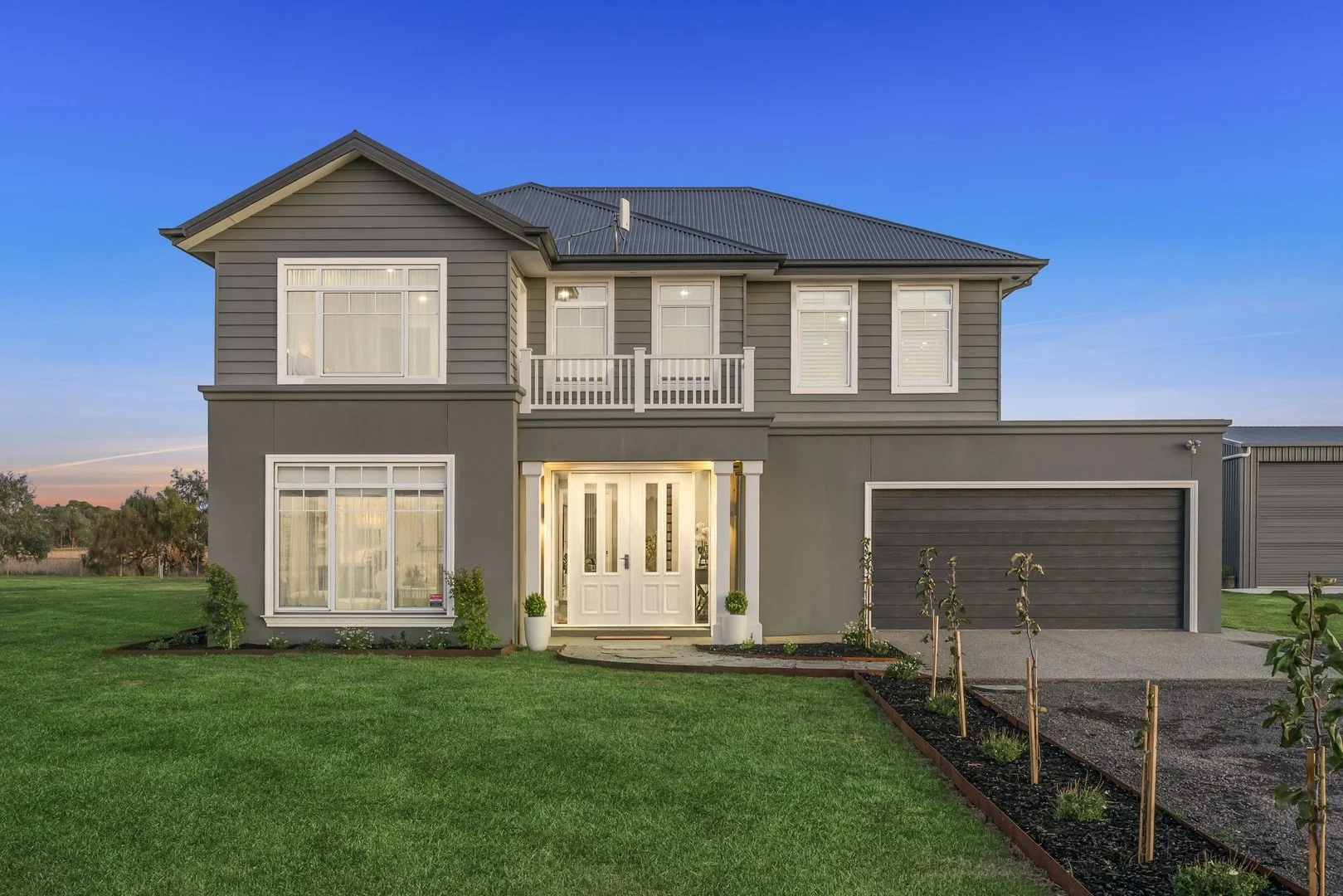 $2,150,000 - $2,350,000
propertyType.ACREAGE / SEMI-RURAL
$2,150,000 - $2,350,000
propertyType.ACREAGE / SEMI-RURAL
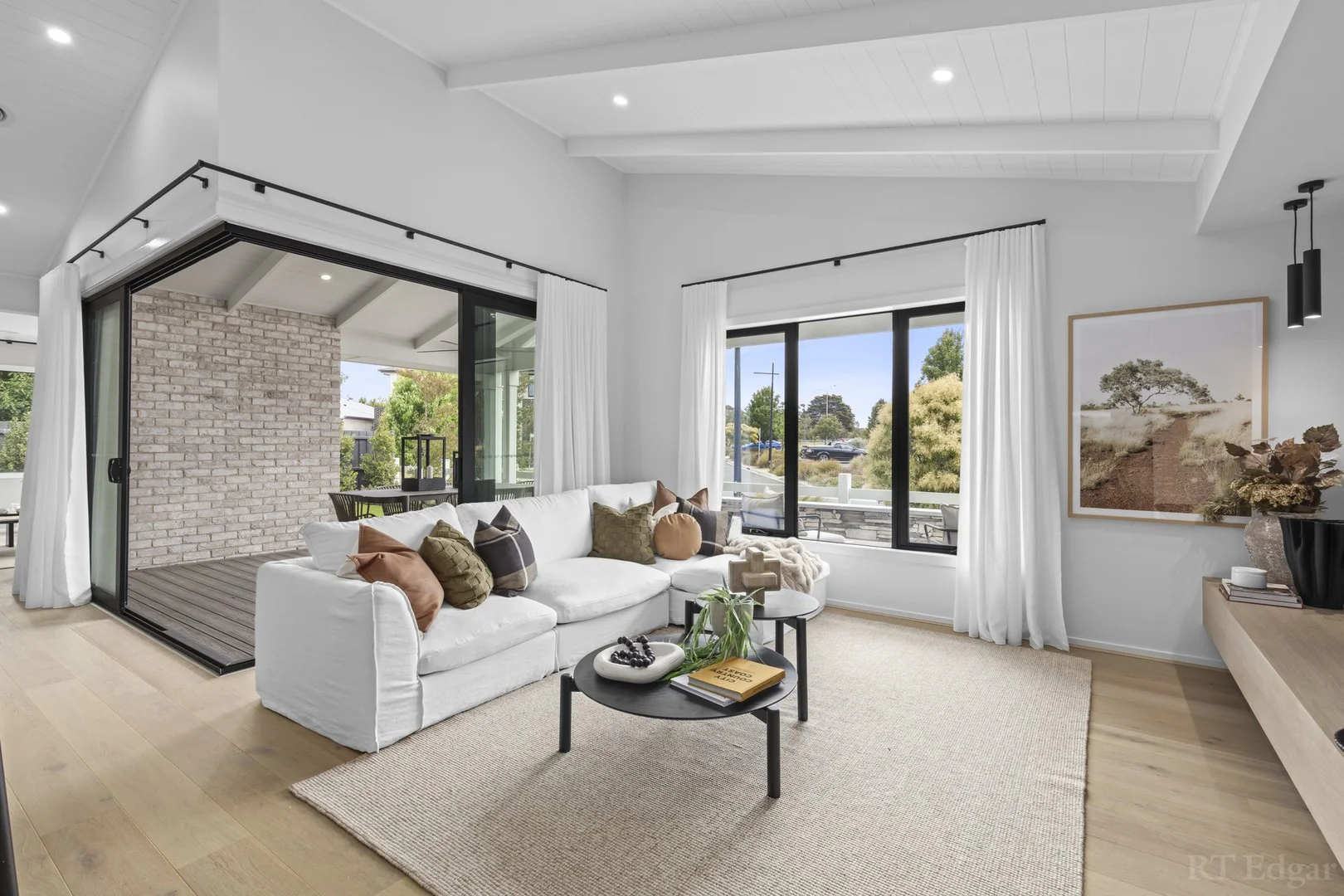 $1,022,295 - $1,124,524
House
$1,022,295 - $1,124,524
House
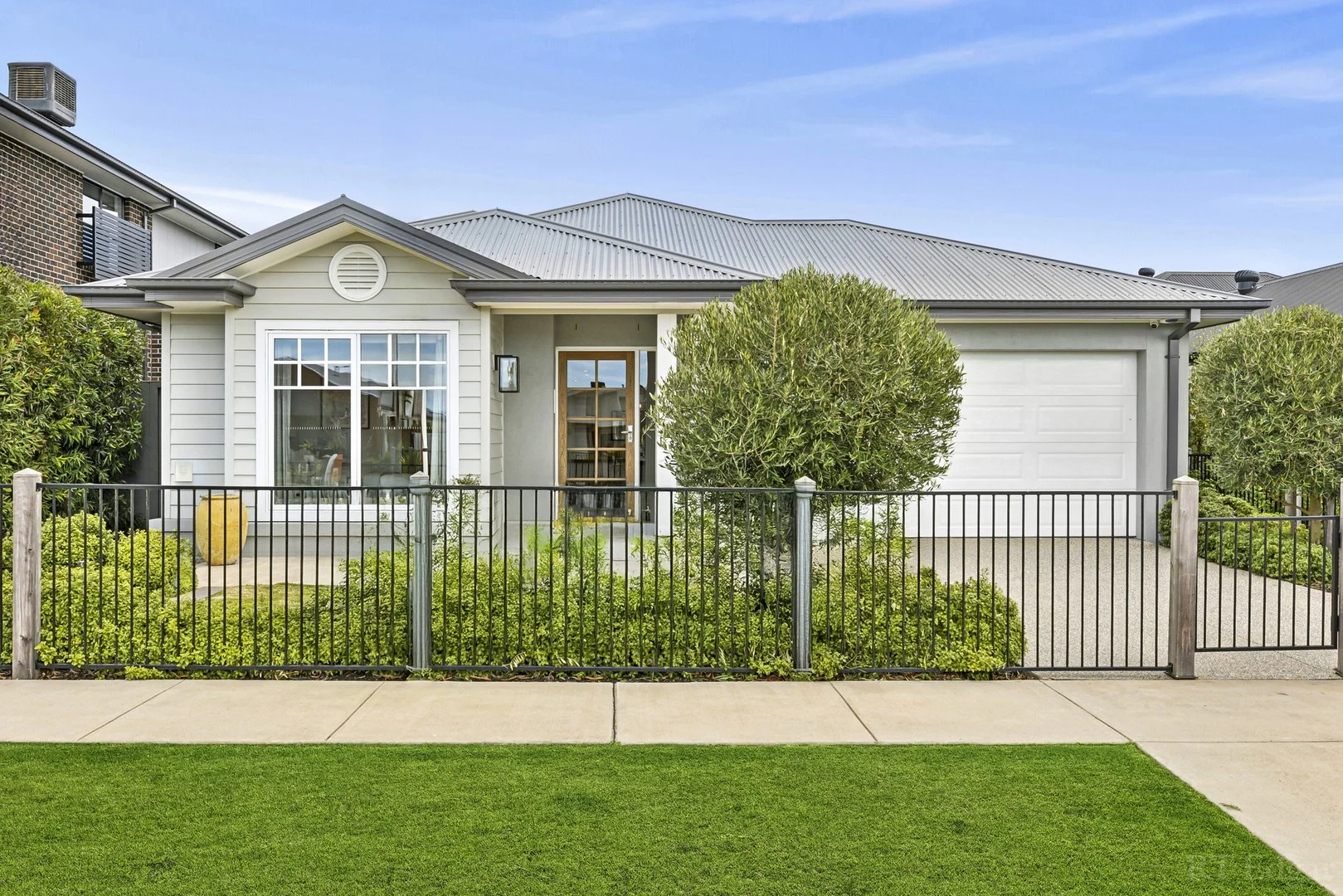 $877,800 - $965,580
House
$877,800 - $965,580
House
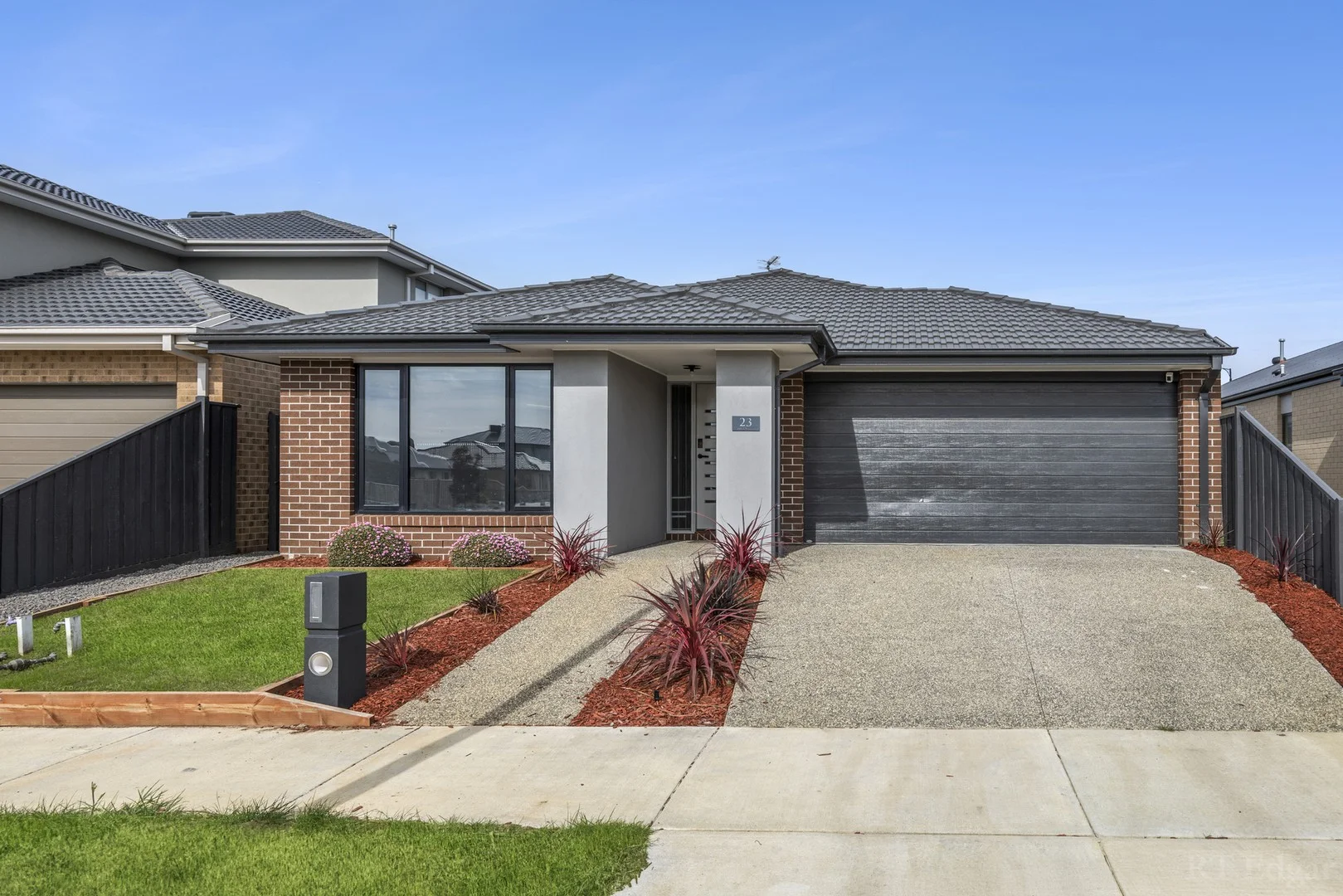 $599,000 - $658,900
House
$599,000 - $658,900
House
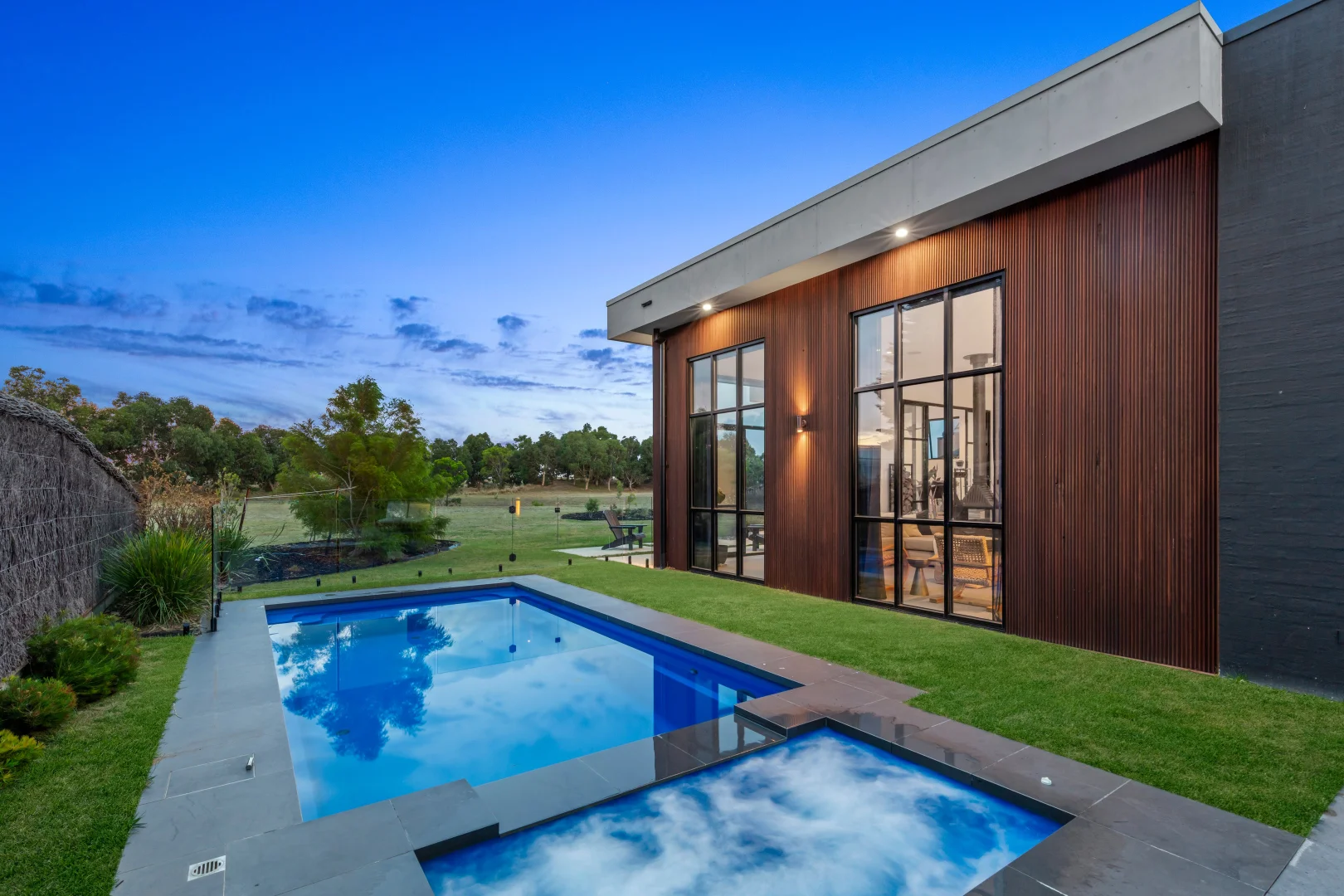 $2,950,000 - $3,200,000
House
$2,950,000 - $3,200,000
House
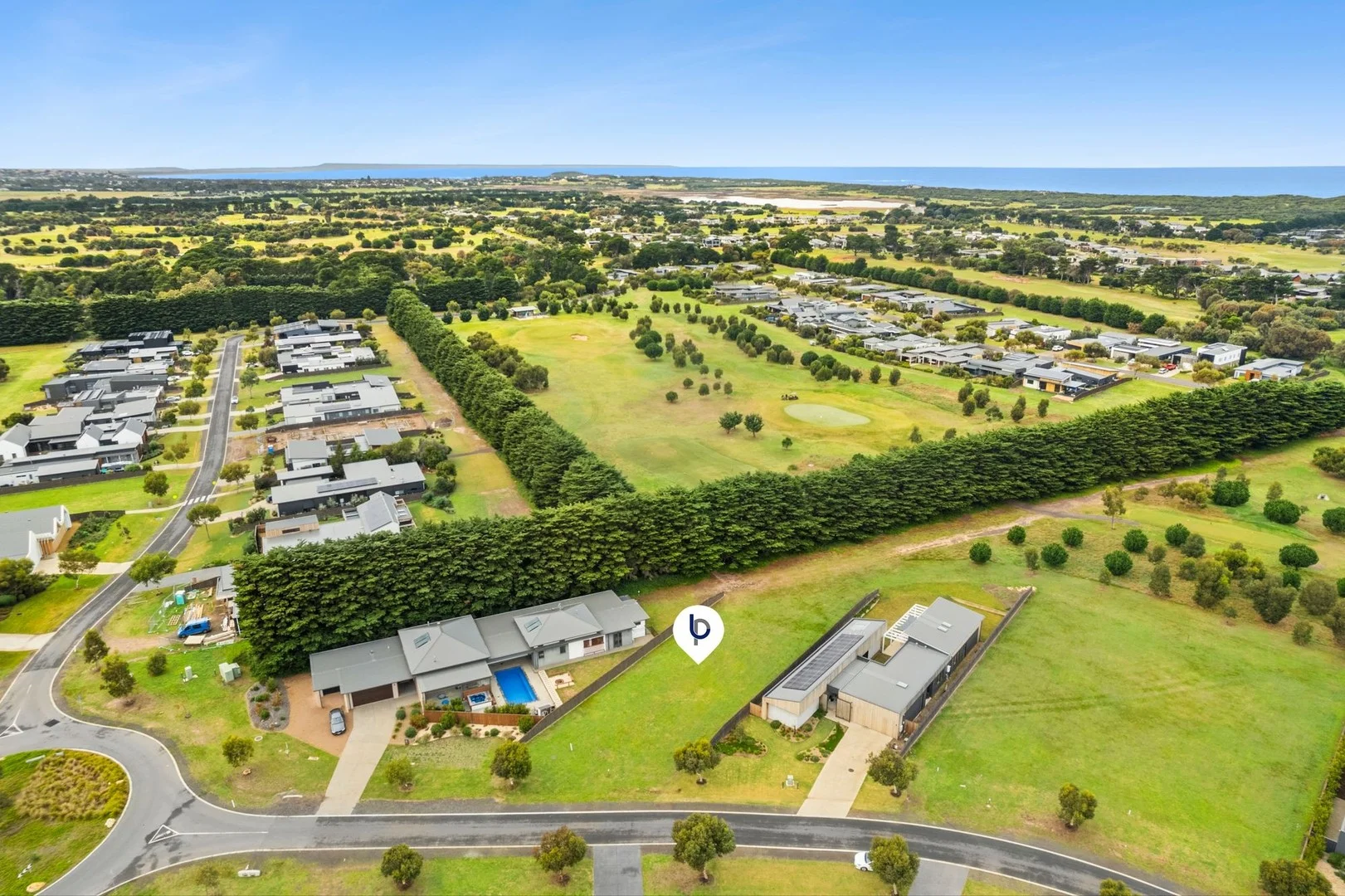 $990,000 - $1,080,000
Vacant Land
$990,000 - $1,080,000
Vacant Land
 $3,450,000
House
$3,450,000
House


