1. Overview
St Therese Catholic Primary, Torquay is a Catholic, co-educational primary school serving families in the Torquay area. The school emphasizes a faith-based, values-driven education within a warm, family-like community. As a small-to-medium sized school, it focuses on nurturing relationships, inclusive practices, and holistic development across academic, spiritual, and social-emotional learning.
The atmosphere is typically described as nurturing and supportive, with a strong sense of belonging. Class sizes are kept manageable to enable individual attention and positive student-teacher relationships, helping students grow in confidence, responsibility, and respect for others.
2. Academics & Learning
- Academic strengths: Strong English and numeracy foundations, solid Religious Education, digital literacy, and opportunities to grow in leadership and critical thinking. There are also enrichment opportunities across STEM and the arts.
- Special programs: Sacramental program and faith formation; targeted enrichment and extension opportunities where available; inclusive education supports for diverse learners.
- NAPLAN trends: Over recent years, trends have shown steady improvement and positive progress in reading and numeracy across cohorts, with ongoing focus on growth for every student.
- Student-teacher ratios: Typically around 1:12 to 1:18, varying by year level, enabling relatively frequent teacher support and feedback.
- Support for diverse learners: Comprehensive support for EAL and students with SEN, including individualized plans, small-group interventions, and access to learning support staff.
3. Sports & Extracurricular Strengths
- Sports offered: Soccer, netball, cricket, AFL-style programs when appropriate, basketball, athletics, and swimming activities tied to school programs and local opportunities.
- Strong teams or achievements: Participation in local inter-school sports events and district competitions; emphasis on teamwork, sportsmanship, and personal bests.
- Music, arts, drama programs: Regular choir or vocal opportunities, school performances, and access to instrumental lessons and drama activities.
- Clubs: Robotics, chess, coding, debating, and other enrichment clubs to develop problem-solving and communication skills.
- Partnerships: Connections with local clubs, community groups, and regional competitions to broaden experiences and opportunities beyond the classroom.
4. Wellbeing & Pastoral Care
- Anti-bullying approach: Whole-school anti-bullying policies, restorative practices, and ongoing wellbeing education to promote respectful relationships.
- House system: A house-based structure to foster belonging, healthy competition, and leadership opportunities across year levels.
- Counsellors / wellbeing officers: Access to school wellbeing staff to support social-emotional learning, resilience, and mental health.
- Transition support for new students: Orientation for new students, buddy programs, and planned transition activities to ease starts in Kindergarten and Year 1.
5. Facilities
- Sports grounds: On-site spaces for physical education and games.
- Libraries: A dedicated library for reading, research, and quiet study.
- Science labs: Accessible science facilities to support practical learning.
- Music/performing arts centers: Space for music, drama, and performances.
- Tech/innovation labs: Digital learning spaces and technology resources to support coding and STEM activities.
- Cafeteria: On-site canteen or vending options and spaces for dining.
- Updated playgrounds: Age-appropriate outdoor play areas with safe equipment.
6. School Values & Community Culture
- School values / mission: ACatholic ethos focused on faith, kindness, respect, and service to others; emphasis on forming good character and community-minded citizens.
- Leadership style: Collaborative leadership with strong teacher and student voice; opportunities for student leadership and involvement in school life.
- Behaviour expectations: Clear codes of conduct grounded in respect, responsibility, and restorative practices.
- Community reputation: A welcoming, family-oriented reputation with strong parent and parish ties and a focus on inclusivity.
- Diversity & inclusion: Commitment to welcoming students from diverse backgrounds and ensuring an inclusive environment where all are valued.
7. School Logistics & Daily Operations
- School hours: Typical school day from around 9:00am to 3:30pm, with variations by year level and term.
- Before/after school care: OSHC or similar arrangements available; after-school clubs may run on certain days.
- Uniform requirements: School uniform policy with specified daily and sporting attire; clear guidelines and purchase information provided by the school.
- Transport (bus routes): Local transport options and drop-off/pick-up arrangements; Families may use school-approved routes and public transport where available.
- Canteen availability: Canteen or lunch program available on certain days; healthy food options promoted.
- Fees (low/medium/high ranges): Fees are in the mid-range for Victorian Catholic primary schools, with transparent information and plans for families; exact figures available on request.
8. Enrolment & Admissions
11. What is the enrolment process and timeline?
- Submit an enrolment application with the school's admissions team.
- Attend information sessions or open days if offered.
- Complete any required interviews or family discussions, and provide requested documents (birth certificate, immunisation records, etc.).
- Receive enrolment offer and confirm your place; plan for orientation and transition activities.
12. Is there a waiting list, and how does it work?
- A waiting list may operate when all places are filled; priority often given to local families and Catholic families connected to parishes, with spaces allocated as they become available. The school will provide details on how to join and expected wait times.
13. Are there any entry requirements, tests, or interviews?
- Generally, primary level entries involve documentation, discussion with families, and may include an informal interview or information session. There are usually no formal academic entrance tests for Year 1, but some years may include assessments or discussions to support placement and curriculum planning.
14. Does the school accept mid-year transfers?
- Yes, space permitting, mid-year transfers are considered. The enrolment process for transfers is similar to other admissions and depends on current class sizes and staffing.
9. Frequently Ask Questions
- “Why Parents Choose This School?”
The school offers a caring Catholic environment, small-to-medium class sizes, strong pastoral care, and a values-based education that supports academic growth and character development.
- “What type of student thrives at this school?”
Students who value community, faith-based learning, and active participation in class, sport, and clubs tend to thrive.
- “What opportunities are available for students to extend their skills (academics, sports, arts)?”
Enrichment in literacy, numeracy, STEM, arts, music, drama, and leadership; sports teams and inter-school competitions; coding, robotics, debating clubs, and more.
- “How does the school communicate with parents?”
Regular newsletters, emails, a school portal, parent-teacher meetings, and open days facilitate ongoing communication.
- “What is the school’s approach to teaching and learning?”
A balanced, whole-child approach that combines explicit instruction, inquiry, collaboration, digital learning, and faith-informed reflection.
- “How does the school support students who need extra academic help?”
Targeted support through learning plans, small-group interventions, and access to learning support staff.
- “What support is available for academic challenges?”
Additional tutoring, modifications, and individualized strategies are available to help students reach their potential.
- “What are the class sizes and how much individual attention do students receive?”
Class sizes are designed to be small-to-medium (roughly 20–24 students per class), allowing regular teacher feedback and individualized attention.
- “What extracurricular and sports opportunities are available?”
A range of sports, arts, music, robotics, chess, coding, and debating activities, plus local inter-school events and partnerships.
- “What facilities does the school offer (sports, science, arts)?”
Sports grounds, library, science labs, performing arts spaces, tech/innovation labs, canteen, and updated playgrounds.
- “What is the school’s approach to technology and digital learning?”
Integrated digital literacy and safe technology use, with access to devices and software that support modern learning.
- “What transport and accessibility options are available?”
Local transport options, school-arranged routes where possible, car drop-off/pick-up guidance, and accessible facilities.
- “What are the typical school fees or additional costs?”
Fees are transparent and mid-range for the region, with clear information on uniforms, activities, excursions, and additional costs; contact the school for current figures.
10. Short Pros & Cons list
- Pros
- Catholic, values-based education with a nurturing community
- Small-to-medium class sizes enabling individual attention
- Strong wellbeing and pastoral care, including a house system
- Broad range of academics, arts, sports, and enrichment clubs
- Positive focus on inclusion, respect, and community engagement
- Cons
- Fees are applicable (as with most private Catholic schools)
- Travel or commute may be necessary for families outside the immediate area
- Some specialist programs or facilities may have limited capacity depending on enrolment
- As with any school, outcomes can vary by cohort and year level
If you’d like, I can tailor this further with any specific details you have (current enrolment numbers, exact class sizes, or particular programs offered at St Therese Catholic Primary, Torquay).








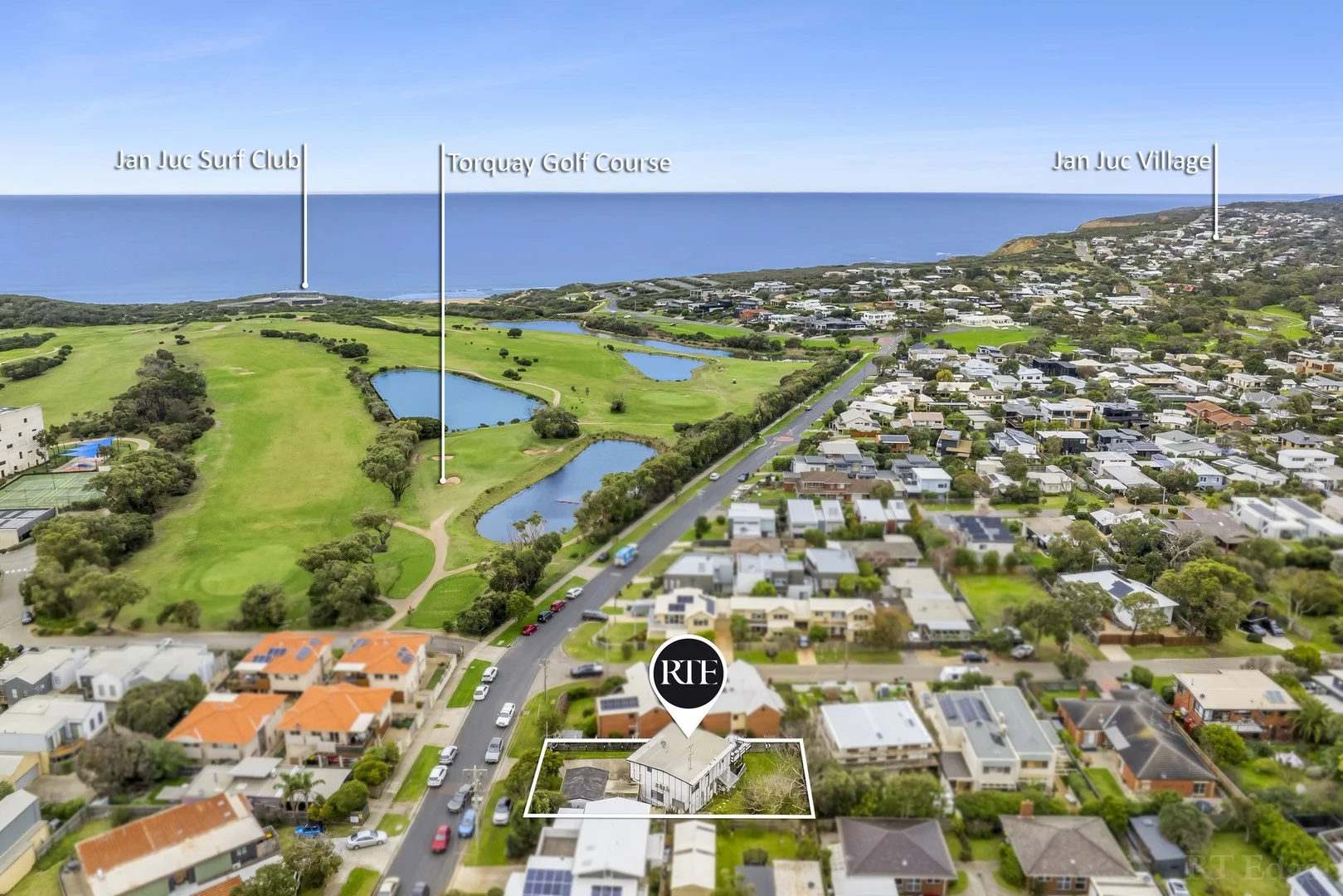 $862,125 - $948,338
House
$862,125 - $948,338
House
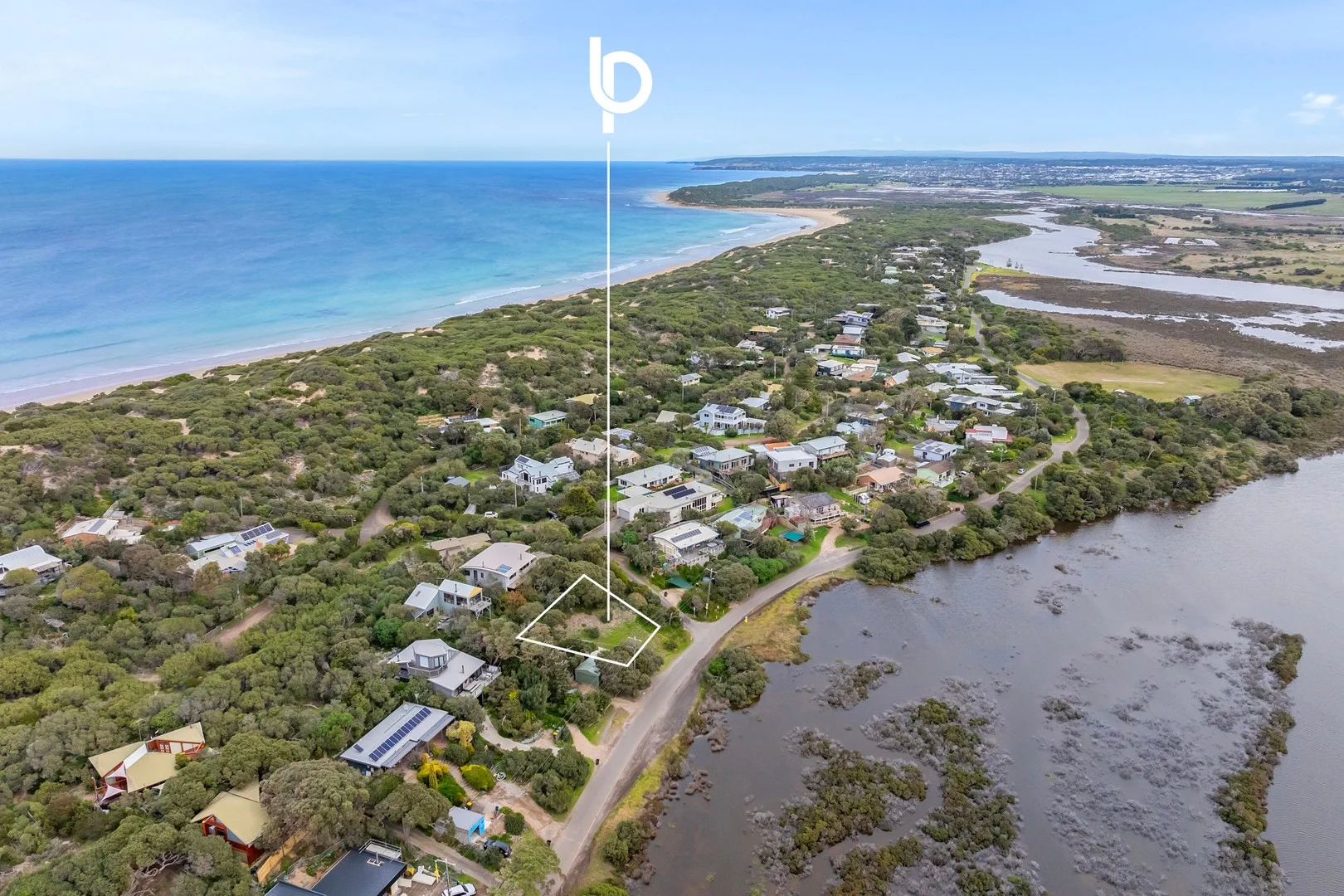 $880,000 - $950,000
Vacant Land
$880,000 - $950,000
Vacant Land
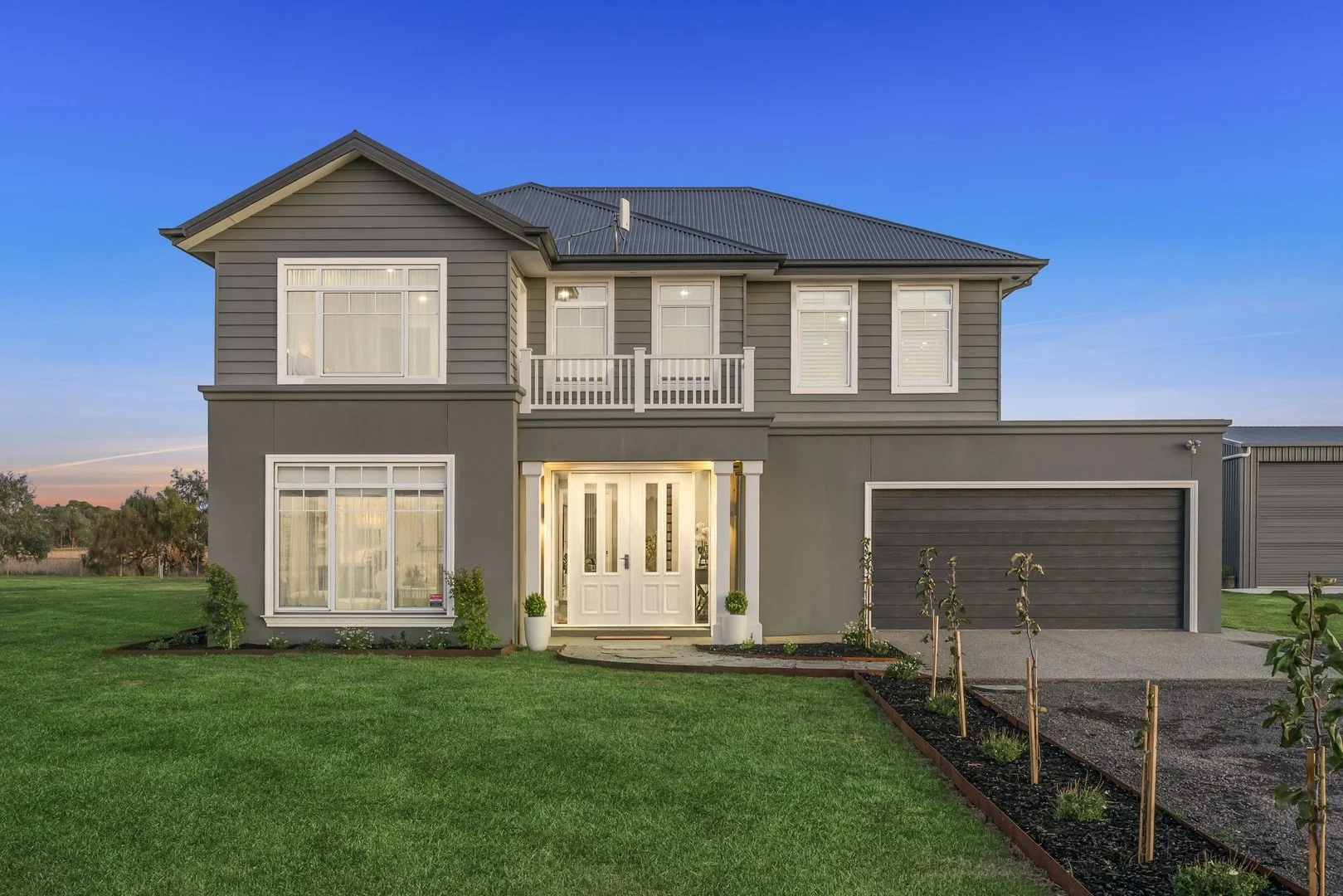 $2,150,000 - $2,350,000
propertyType.ACREAGE / SEMI-RURAL
$2,150,000 - $2,350,000
propertyType.ACREAGE / SEMI-RURAL
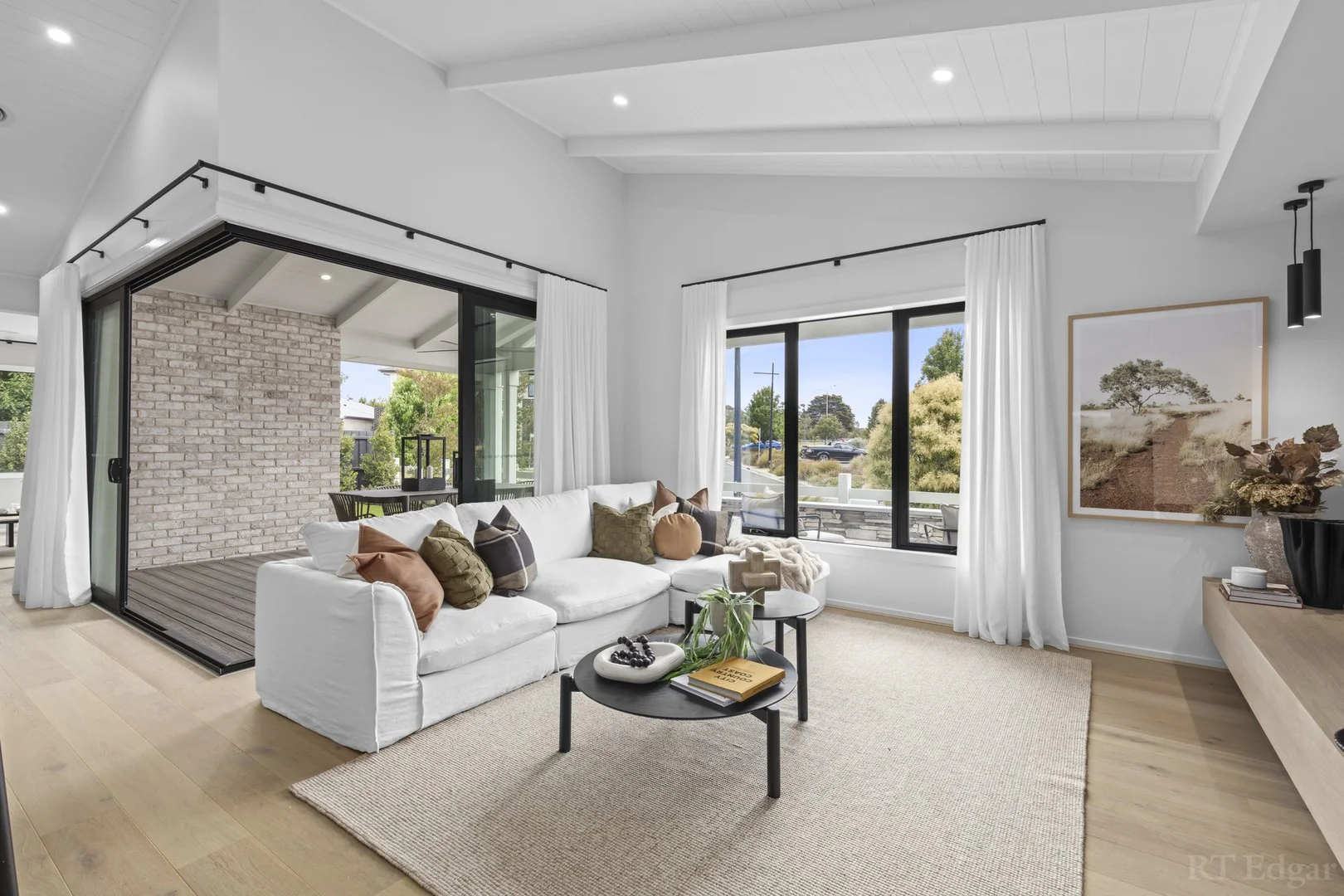 $1,022,295 - $1,124,524
House
$1,022,295 - $1,124,524
House
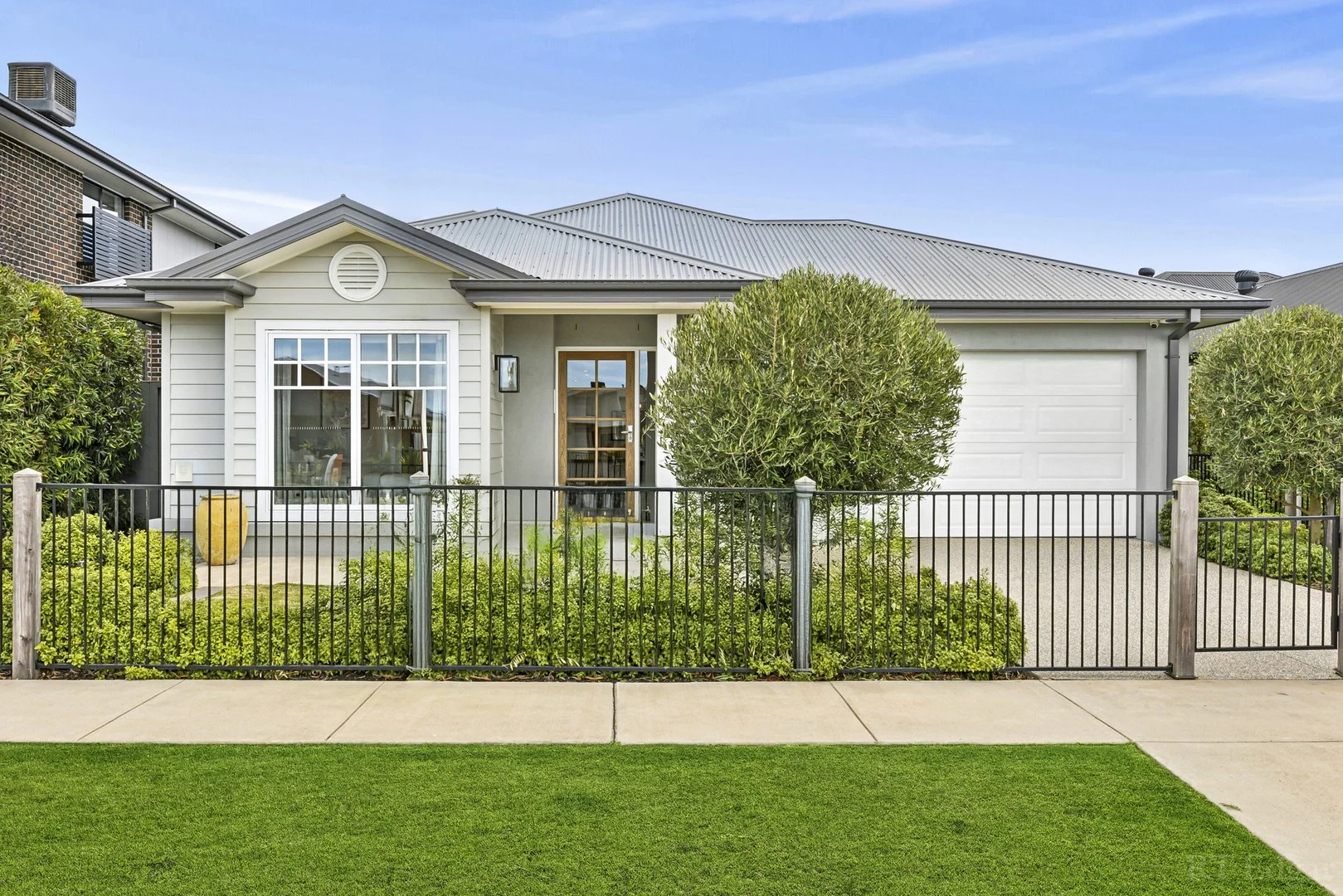 $877,800 - $965,580
House
$877,800 - $965,580
House
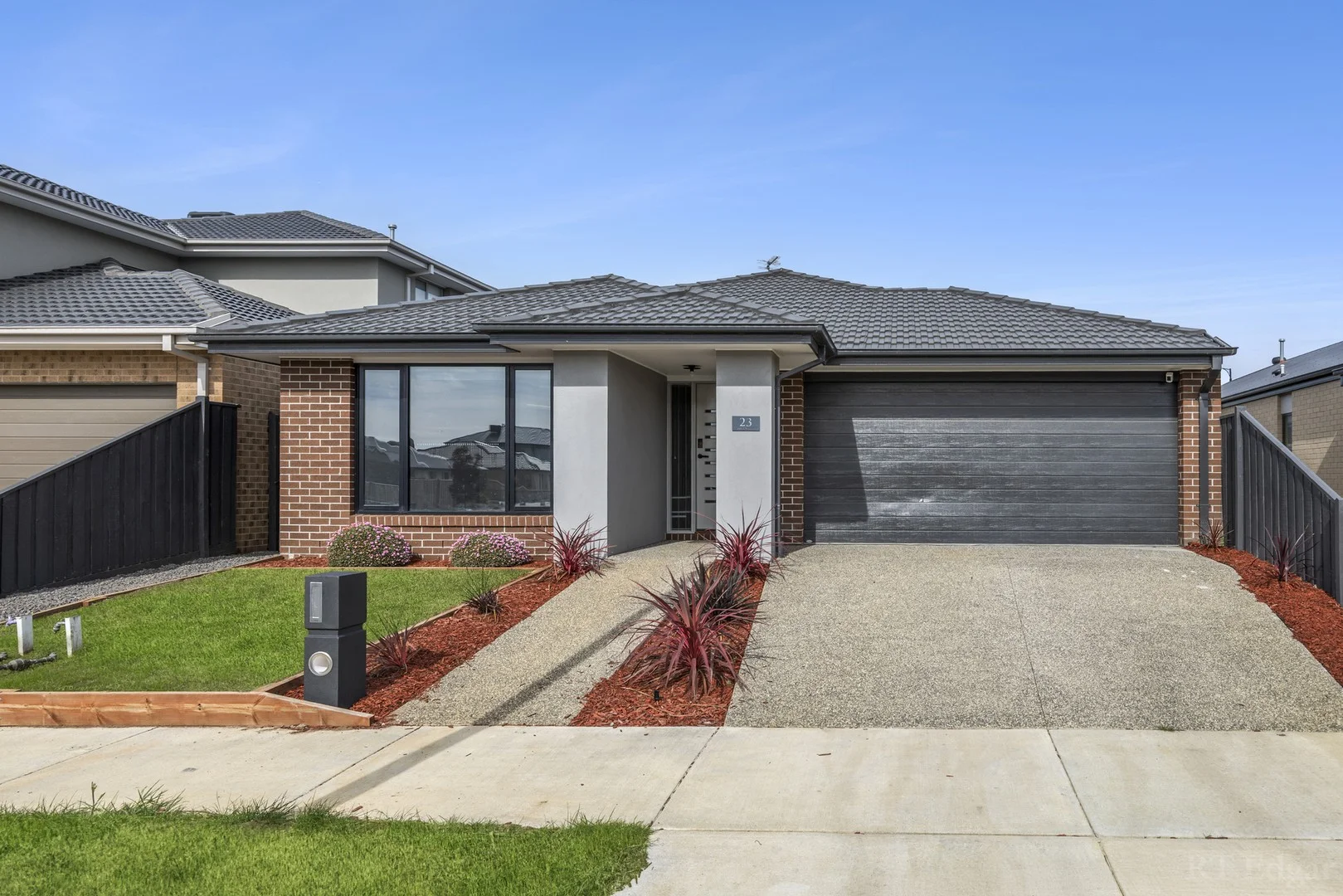 $599,000 - $658,900
House
$599,000 - $658,900
House
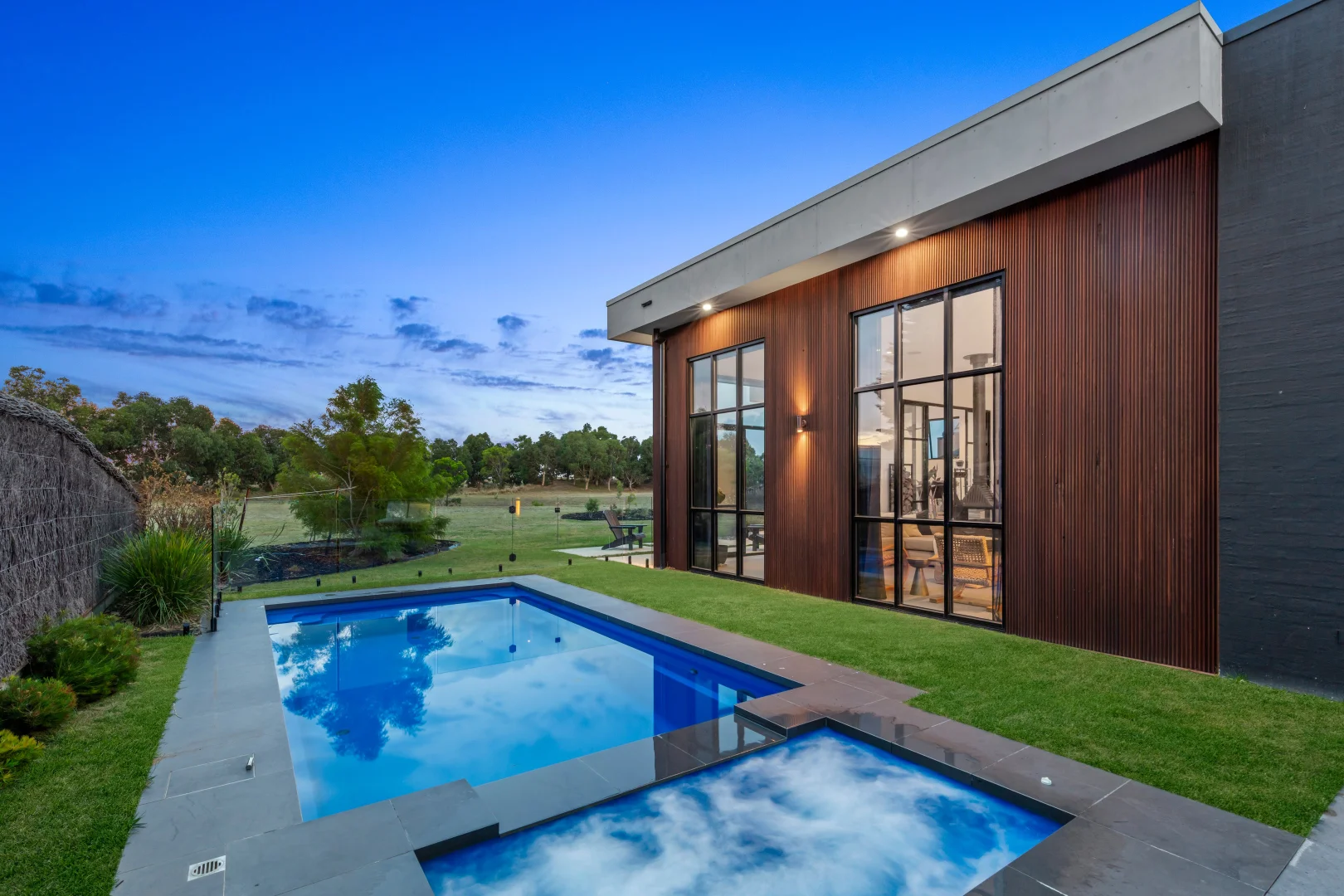 $2,950,000 - $3,200,000
House
$2,950,000 - $3,200,000
House
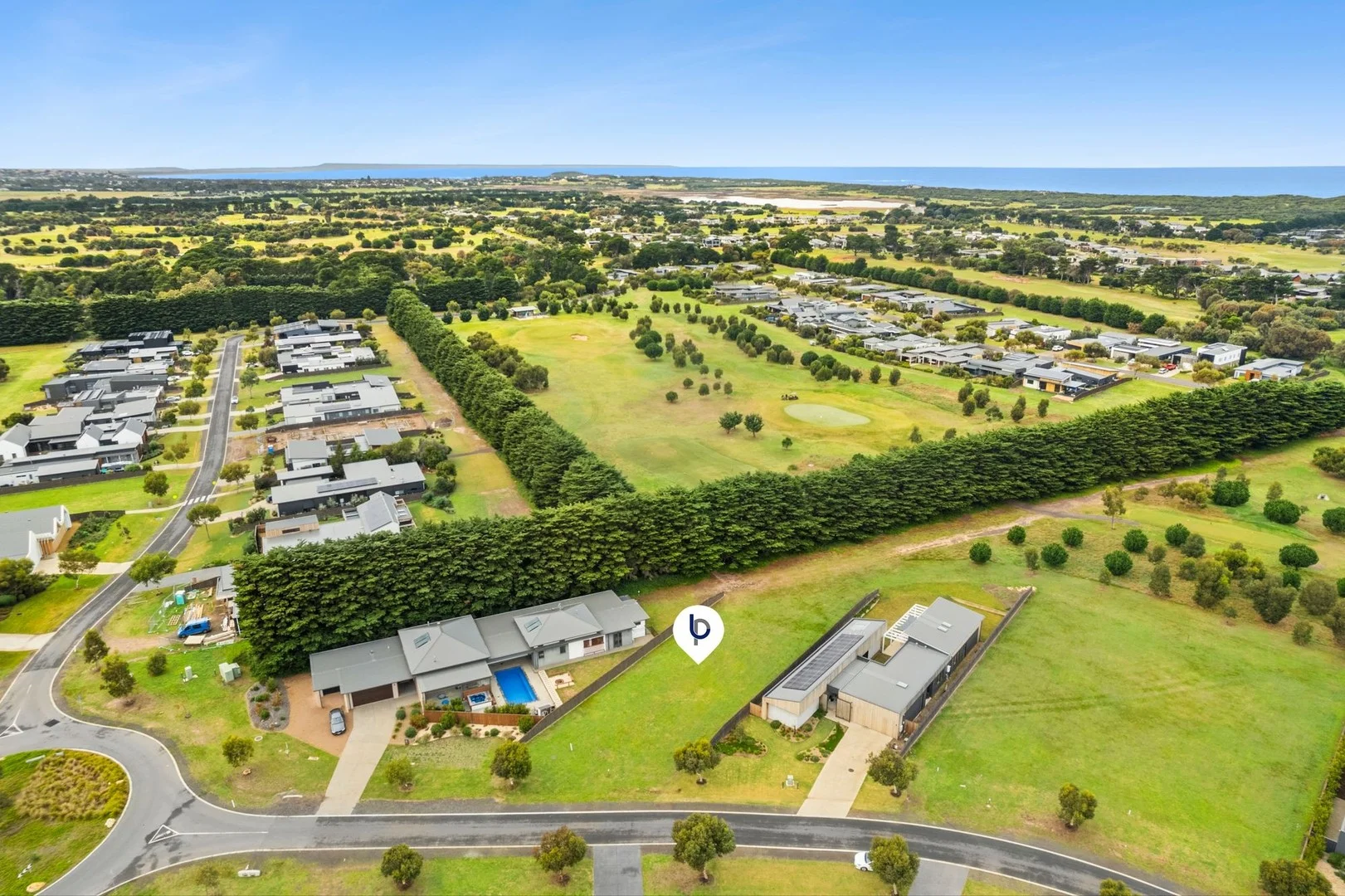 $990,000 - $1,080,000
Vacant Land
$990,000 - $1,080,000
Vacant Land
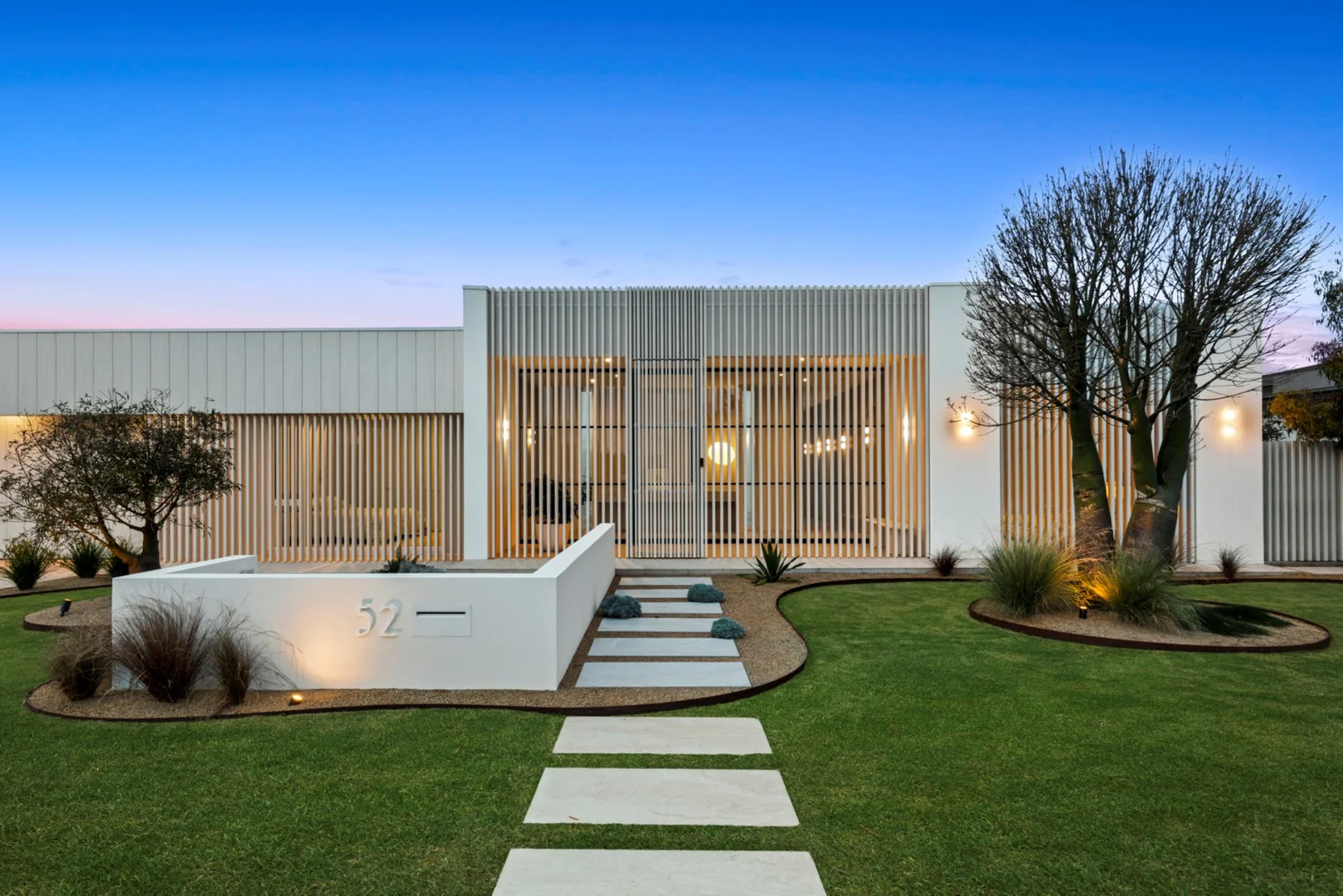 $3,450,000
House
$3,450,000
House


