# Overview
Freshwater Creek Steiner School is an independent, co-educational Steiner (Waldorf) school serving students from primary through secondary years in Freshwater Creek, Victoria (postcode 3217). The campus-style setting supports hands-on, holistic learning with a strong emphasis on imagination, creativity and real-world application. The school tends to be small to medium in size, offering intimate learning environments where classes are kept deliberately small to support individual attention.
The atmosphere is nurturing, inclusive and community-focused, with a culture that prioritises relationship-building, student wellbeing and ethical development. Students are encouraged to participate in meaningful, collaborative work and celebrations that reflect the Steiner rhythm—immersing learners in arts, crafts, storytelling and practical activities as core parts of the curriculum.
⸻
# Academics & Learning
- Academic strengths: Holistic, arts-integrated learning with a foundation in literacy and numeracy, plus strong emphasis on creative thinking, practical projects, and languages (often includes German in the program).
- Special programs: Steiner/Waldorf curriculum elements such as eurythmy, handcrafts, festival-based learning, arts, music and drama are integrated throughout the year levels.
- NAPLAN / Ofsted trends: Publicly published trend data for this school is not typically highlighted; emphasis is on steady individual-progress growth and internal assessment benchmarks rather than standardized test scores.
- Student-teacher ratios: Small class sizes with favorable ratios (roughly in the mid-teens per class), enabling more individual attention.
- Support for diverse learners: Learning support within the school, with targeted assistance for students needing extra literacy or numeracy help and inclusive practices; EAL/SEN support options may be available depending on the cohort.
⸻
# Sports & Extracurricular Strengths
- Sports offered: Interschool and school-based activities such as athletics, cricket, netball, soccer, and cross-country are commonly available, alongside general fitness and outdoor education.
- Strong teams or achievements: Many students compete in regional events; emphasis on participation, teamwork and personal development often highlighted in annual showcases.
- Music, arts, drama programs: Strong focus on performing arts, music ensembles, choir, drama production and the distinctive Steiner arts program (including eurythmy) as core components.
- Clubs: Robotics, coding, chess, debating, handcrafts, environmental/climate clubs and other age-appropriate enrichment activities may be offered.
- Partnerships: Participation in local regional competitions and events; partnerships with nearby arts, sports and community groups for festivals and activities.
⸻
# Wellbeing & Pastoral Care
- Anti-bullying approach: Clear policies with restorative approaches, peer support and ongoing wellbeing initiatives to promote respectful relationships.
- House system: A house or advisory-based structure is used to foster belonging, teamwork and pastoral care across year levels.
- Counsellors / wellbeing officers: On-site wellbeing staff or designated teachers support student mental health and social-emotional development; access to external professionals as needed.
- Transition support for new students: Orientation processes, buddy programs, gradual integration plans and parent information evenings help ease transitions into a new year level or school community.
⸻
# Facilities
- Sports grounds: Outdoor playing fields and courts suitable for team sports and physical education.
- Libraries: School library with age-appropriate literature and study resources.
- Science labs: Dedicated spaces for practical science experiments and inquiry-based learning.
- Music/performing arts centers: Music rooms and performing arts spaces, with opportunities for music ensembles and drama performances.
- Tech/innovation labs: Computers, makerspace or classroom-based technology facilities to support digital learning and project work.
- Cafeteria: On-site canteen or café providing healthy meal options and snacks.
- Updated playgrounds: Outdoor play areas and age-appropriate playground equipment.
⸻
# School Values & Community Culture
- School values / mission: Emphasis on imagination, empathy, responsibility, environmental stewardship and service; education aligned with Steiner principles.
- Leadership style: Collaborative and teacher-guided with opportunities for student input; active parental involvement and strong community participation.
- Behaviour expectations: Respect, kindness and responsibility are central; restorative practices and reflective processes support behavioral growth.
- Community reputation: Known for a close-knit, supportive community with active family engagement and a supportive network of staff and volunteers.
- Diversity & inclusion: Committed to an inclusive environment that welcomes families from diverse backgrounds and aims to accommodate different learning needs.
⸻
# School Logistics & Daily Operations
- School hours: Typical day runs roughly from morning to mid-afternoon (exact times may vary by year level).
- Before/after school care: Often available or offered through the school or affiliated providers, with supervision and structured activities.
- Uniform requirements: Uniform policy in place with seasonal options; practical attire aligned with school culture and activities.
- Transport (train/bus routes): Regional commuting options may include school bus services or public transport; depends on location and arrangements.
- Canteen availability: Canteen or snack facilities available to support students during the day.
- Fees (low/medium/high ranges): Fees fall in the medium-to-high range typical of independent schools in regional Victoria; details are provided on the school’s admissions materials.
⸻
# Enrolment & Admissions
11. What is the enrolment process and timeline?
- Inquiry and information session → Application submission with required documentation → Family interview and student observation/activity (depending on year level) → Offer of place (subject to space) → Enrolment agreement and payment of any deposit → Final confirmation and start date.
- Timeline varies by intake and year level; families are encouraged to begin early to secure a place, especially for high-demand years.
12. Is there a waiting list, and how does it work?
- Yes, there is often a waiting list when spaces are limited. Waiting times depend on year level and capacity; places are offered as vacancies arise, with periodic reviews of the list.
13. Are there any entry requirements, tests, or interviews?
- Entry typically involves an interview and student observation or activity to assess fit with the school’s pedagogical approach. There are no standard external tests required beyond the school’s admissions process.
14. Does the school accept mid-year transfers?
- Mid-year transfers may be possible if there is space and alignment with the program; families should contact the admissions team to discuss intake timing and any transition supports.
⸻
# Frequently Asked Questions
- Why Parents Choose This School?
- Parents value the holistic, arts-integrated Steiner approach, small class sizes, and a nurturing, community-focused environment that supports social-emotional development as well as academics.
- What type of student thrives at this school?
- Students who enjoy hands-on learning, collaboration, creativity, and a gradual, rhythm-based approach to schooling tend to thrive. Those who respond well to strong teacher-student relationships and a community atmosphere often flourish here.
- What opportunities are available for students to extend their skills (academics, sports, arts)?
- Opportunities include performing arts (music, drama, eurythmy), arts and crafts, outdoor education, sports, clubs (robotics, coding, chess, debating) and project-based learning that ties academics to real-world applications.
- How does the school communicate with parents?
- Regular communications typically include newsletters, parent-teacher conversations, reporting on progress, notices about events and important dates, and parent information sessions. Some schools also use digital portals for updates.
- What is the school’s approach to teaching and learning?
- The school follows the Steiner philosophy: integrated, experiential learning with emphasis on imagination, hands-on activities, rhythm and a strong pastoral framework. Learning is often organized around themes and practical projects.
- How does the school support students who need extra academic help?
- Targeted learning support within the classroom, small-group or one-on-one help, and access to additional resources or specialists as needed, aligned with the school’s inclusive approach.
- What support is available for academic challenges?
- Dedicated staff and learning support programs focus on literacy, numeracy and broader academic assistance; goal is to help students gain confidence and make steady progress.
- How does the school communicate with parents?
- See above: ongoing updates, meetings, and digital communications are used to keep families informed about student progress and school activities.
- What are the class sizes and how much individual attention do students receive?
- Class sizes are small (roughly mid-teens per class), enabling more individualized attention and close teacher-parent-student collaboration.
- What extracurricular and sports opportunities are available?
- A range of sports and arts options, plus clubs such as robotics, coding, chess and debating, with opportunities to participate in regional competitions and performances.
- What facilities does the school offer (sports, science, arts)?
- Facilities typically include sports grounds, libraries, science labs, music/performing arts spaces, tech/innovation spaces, a canteen, and age-appropriate outdoor play areas.
- What is the school’s approach to technology and digital learning?
- Technology is integrated to support inquiry and project-based learning, with age-appropriate digital resources and a focus on responsible use as part of the curriculum.
- What transport and accessibility options are available?
- Transportation options may include school bus routes or public transport arrangements; accessibility is considered for students and families, with support for those needing additional assistance.
- What are the typical school fees or additional costs?
- Fees are in the regional independent school range (medium to high) with additional costs for uniforms, excursions and specific programs; precise amounts are provided during the admissions process.
⸻
# Short Pros & Cons list
- Pros
- Small class sizes and individualized attention
- Holistic, arts-integrated Steiner education that supports creativity and wellbeing
- Nurturing, family-like community with active parent involvement
- Strong focus on social-emotional development and responsible citizenship
- Rich performing arts and crafts programs, including eurythmy and handcraft
- Cons
- Independent school fees; higher cost relative to public schools
- Specific pedagogical approach may not suit every learner or family preference
- Extracurricular offerings may vary by year and cohort; some clubs may have limited capacity
- Availability of spaces can be limited; waiting lists are common for some year levels
- Structured rhythm and pace may feel slower for students who prefer accelerated/standardized testing paths
⸻


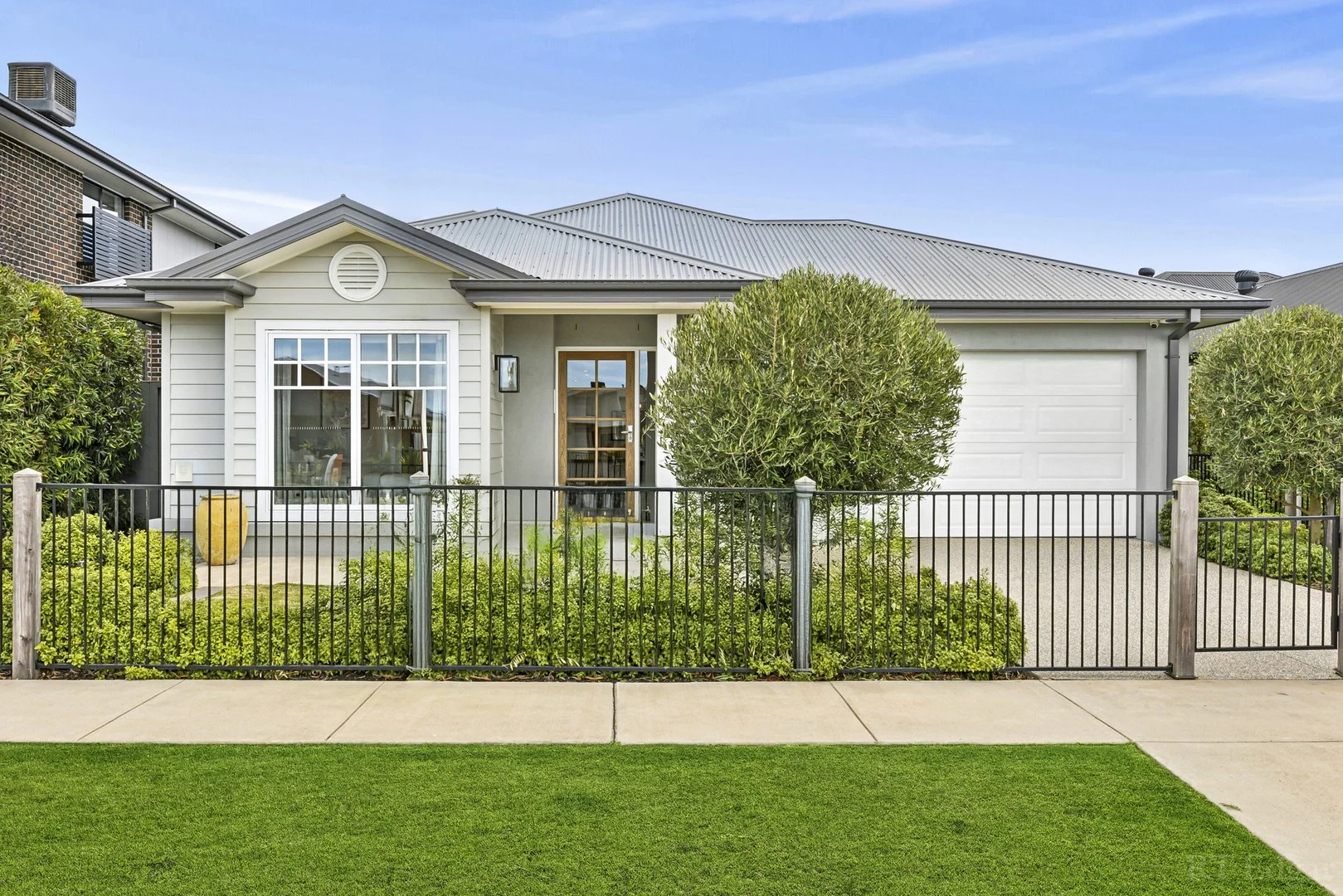 $877,800 - $965,580
House
$877,800 - $965,580
House
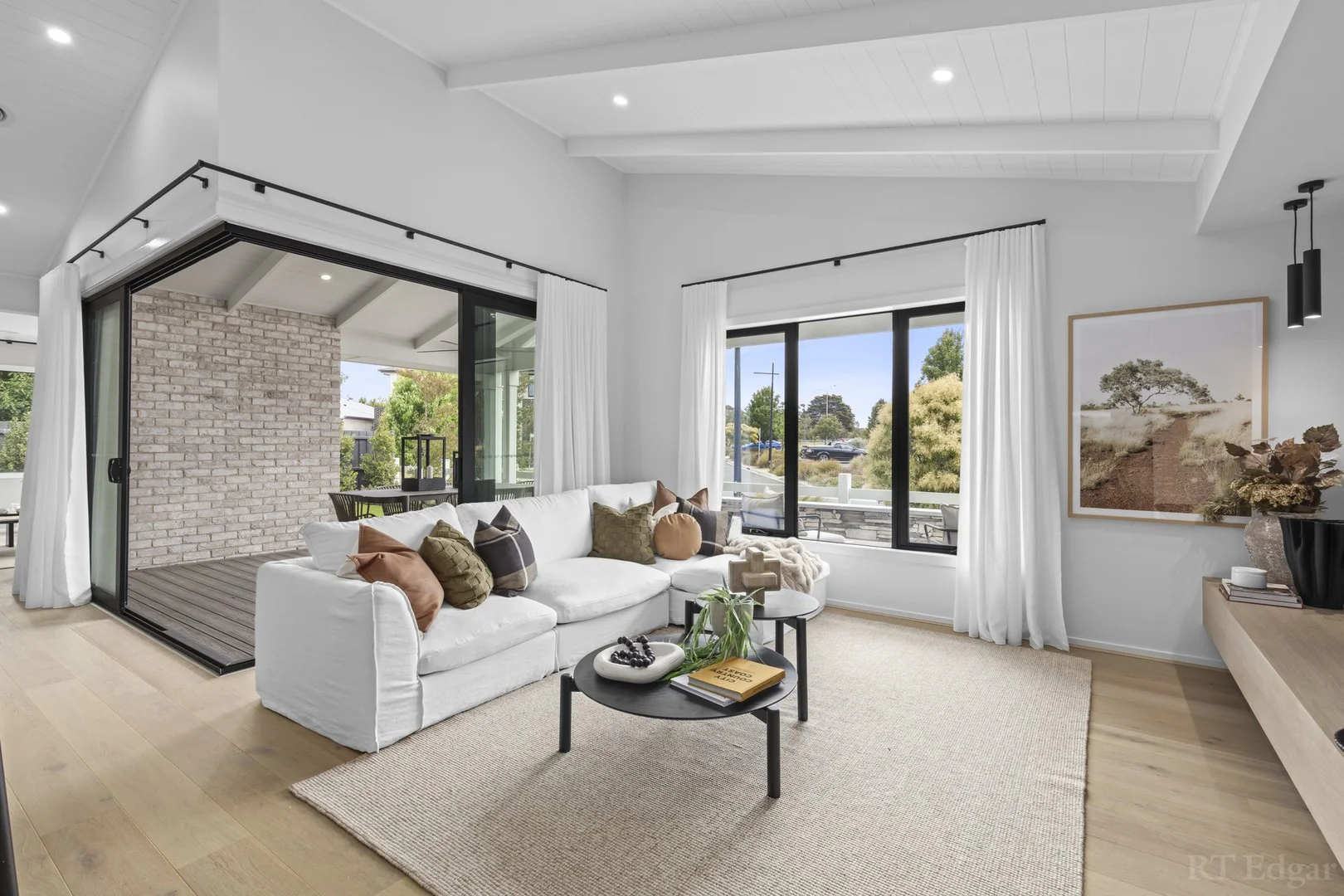 $1,022,295 - $1,124,524
House
$1,022,295 - $1,124,524
House
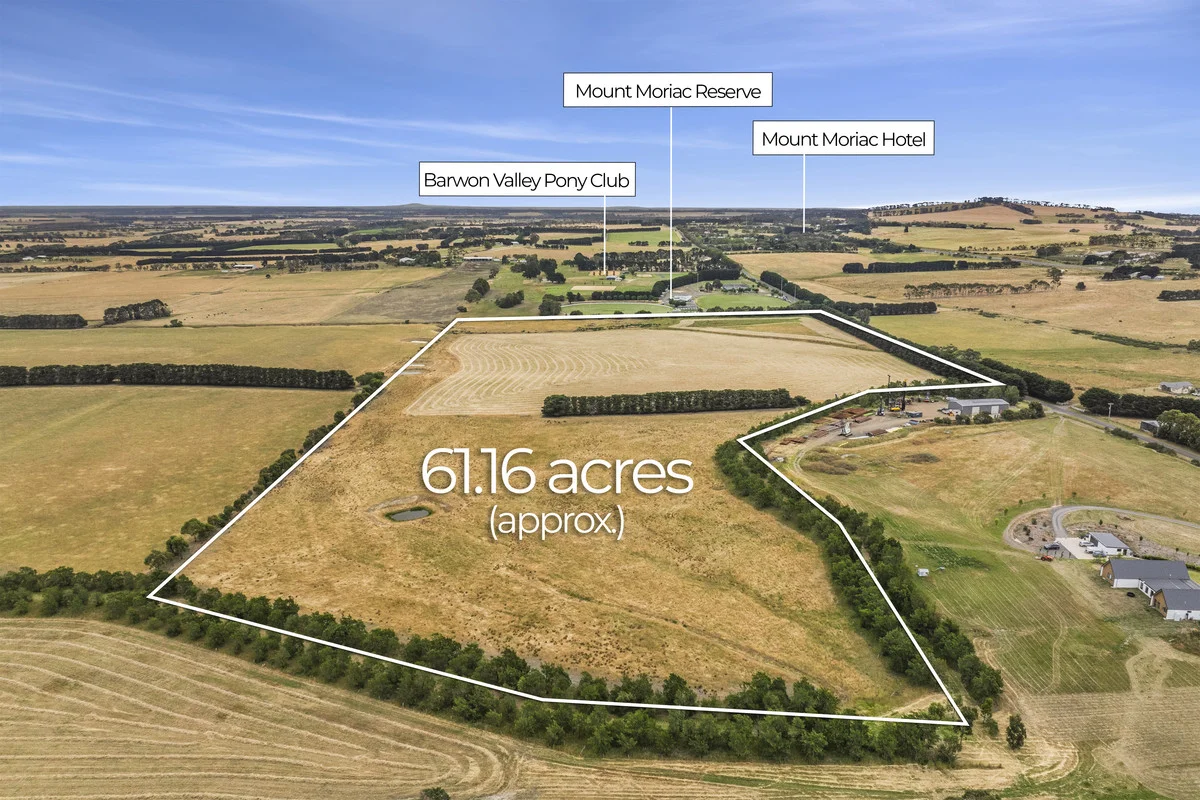 $2,100,000
propertyType.RURAL
$2,100,000
propertyType.RURAL
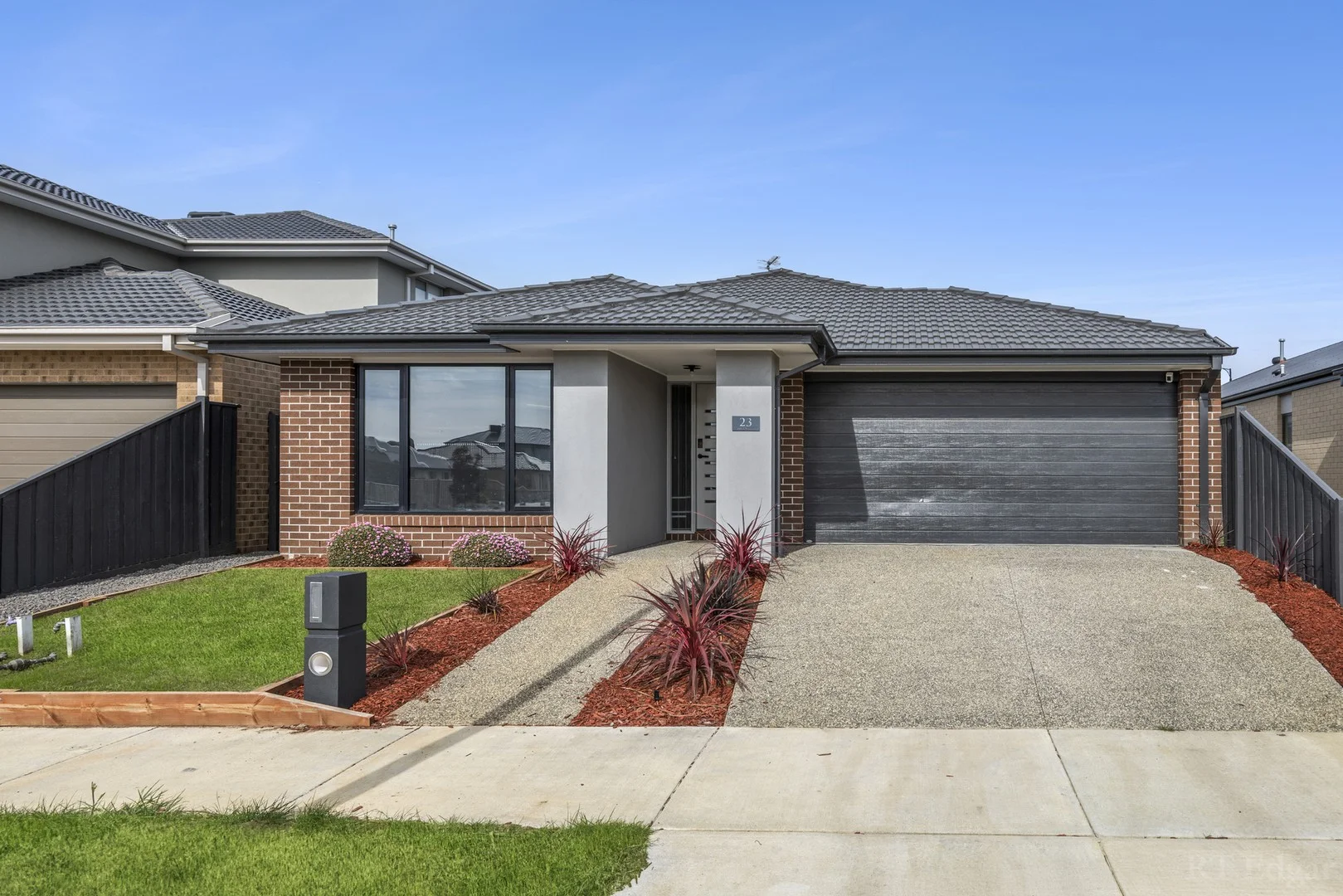 $599,000 - $658,900
House
$599,000 - $658,900
House
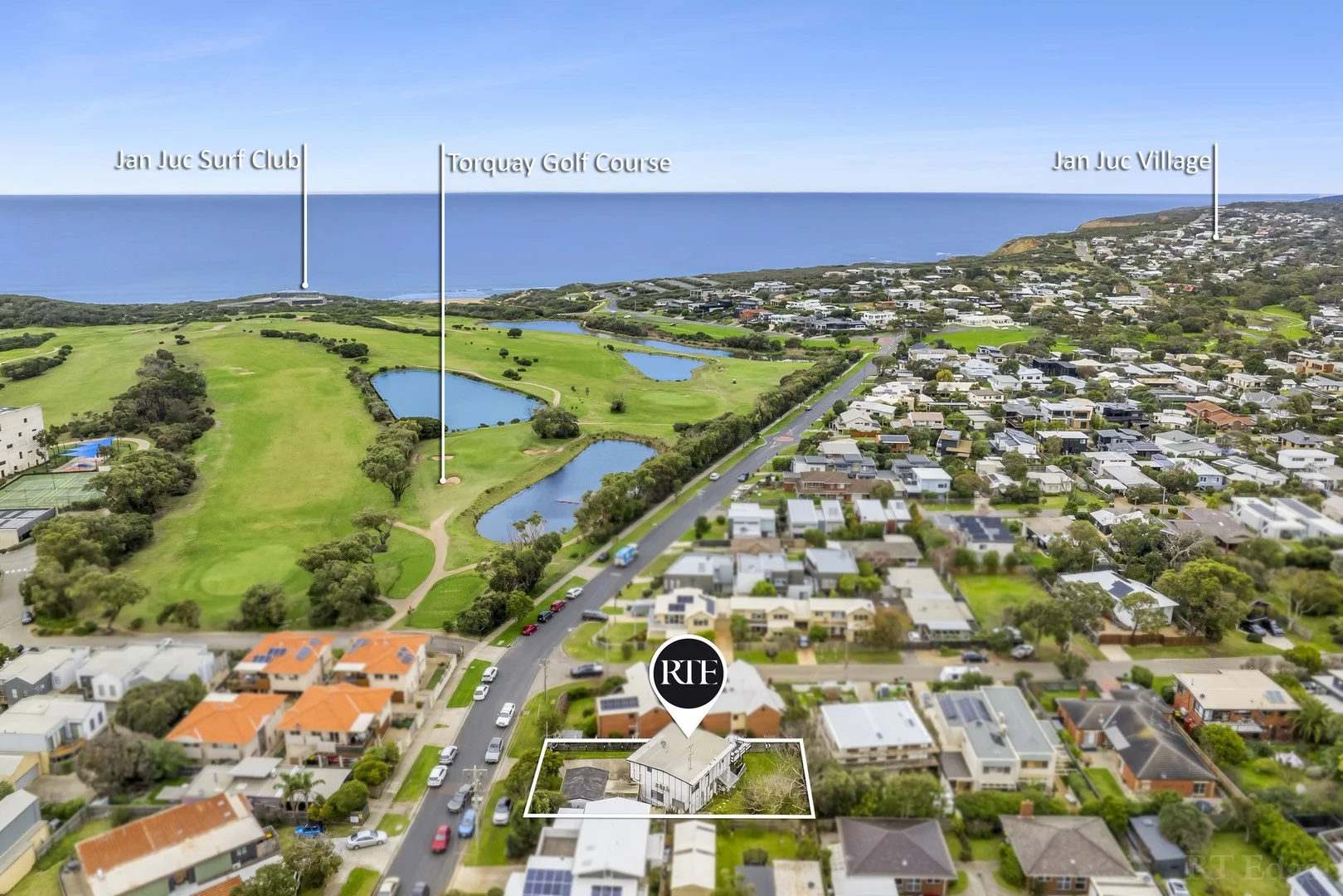 $862,125 - $948,338
House
$862,125 - $948,338
House
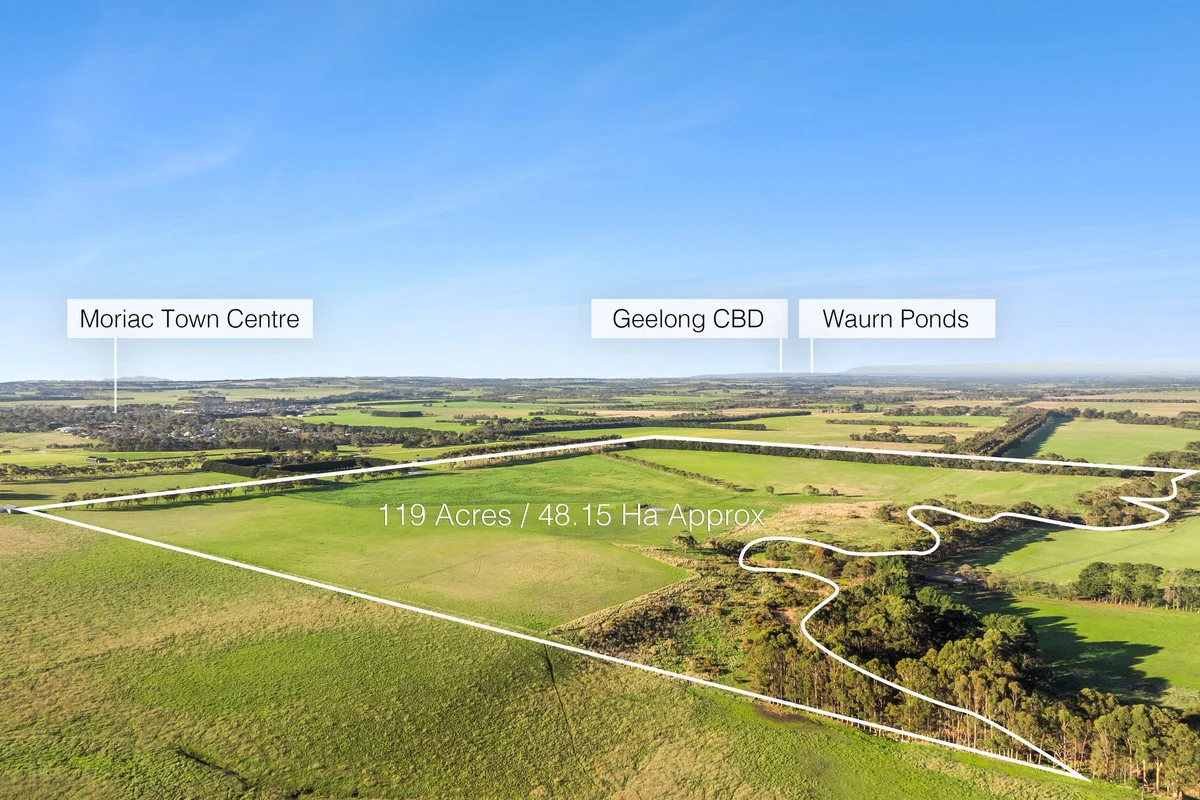 $2,400,000
propertyType.RURAL
$2,400,000
propertyType.RURAL
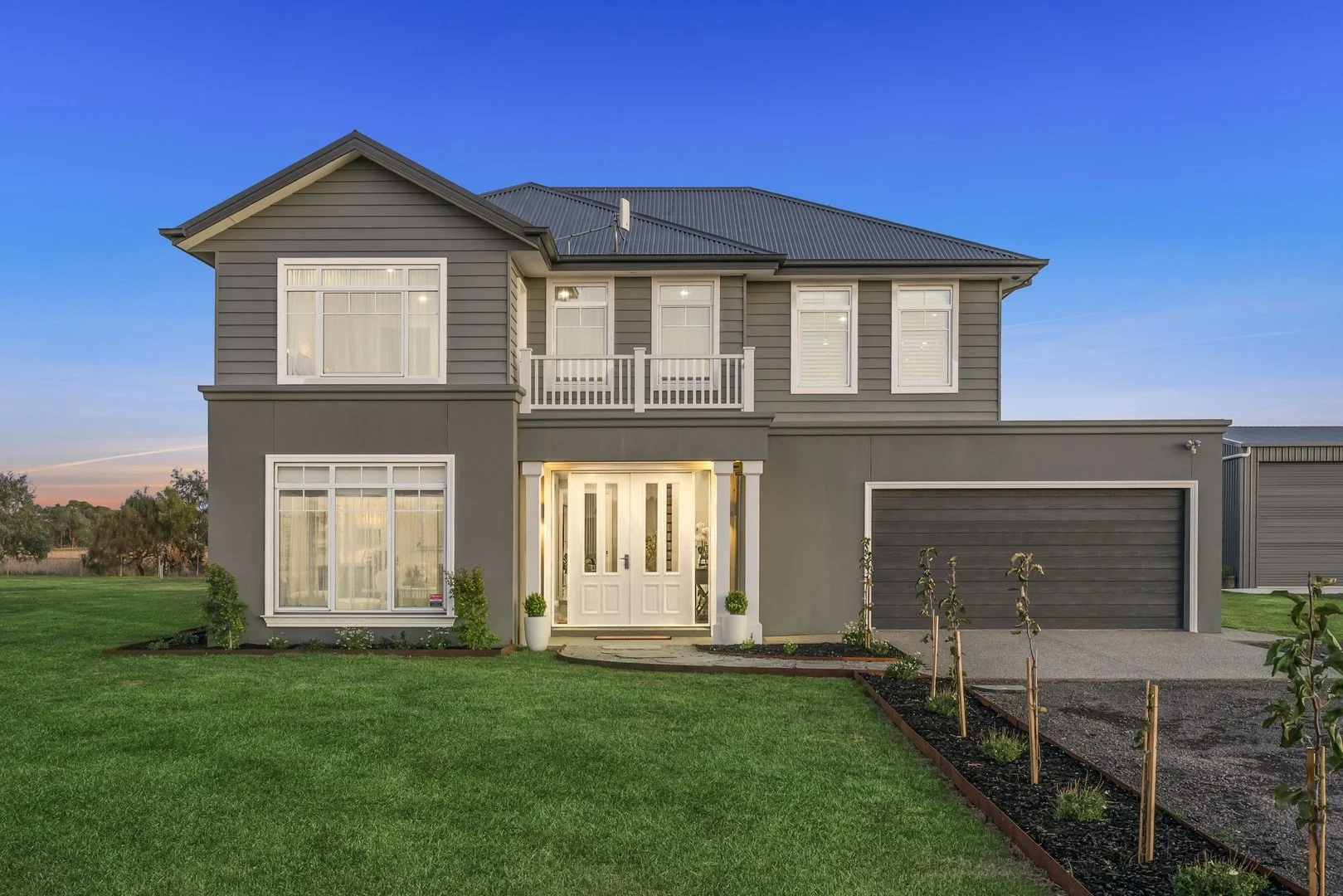 $2,150,000 - $2,350,000
propertyType.ACREAGE / SEMI-RURAL
$2,150,000 - $2,350,000
propertyType.ACREAGE / SEMI-RURAL
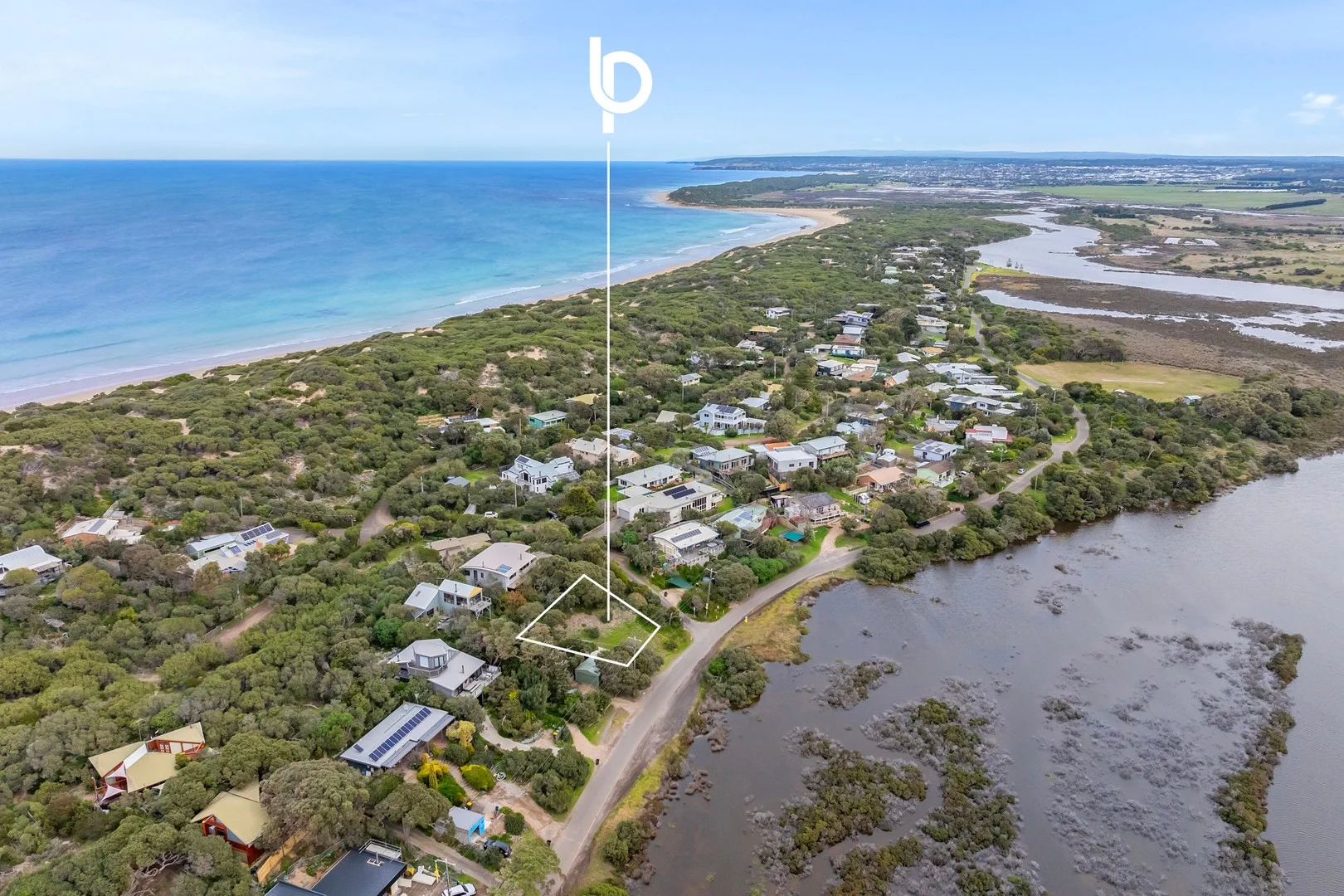 $880,000 - $950,000
Vacant Land
$880,000 - $950,000
Vacant Land
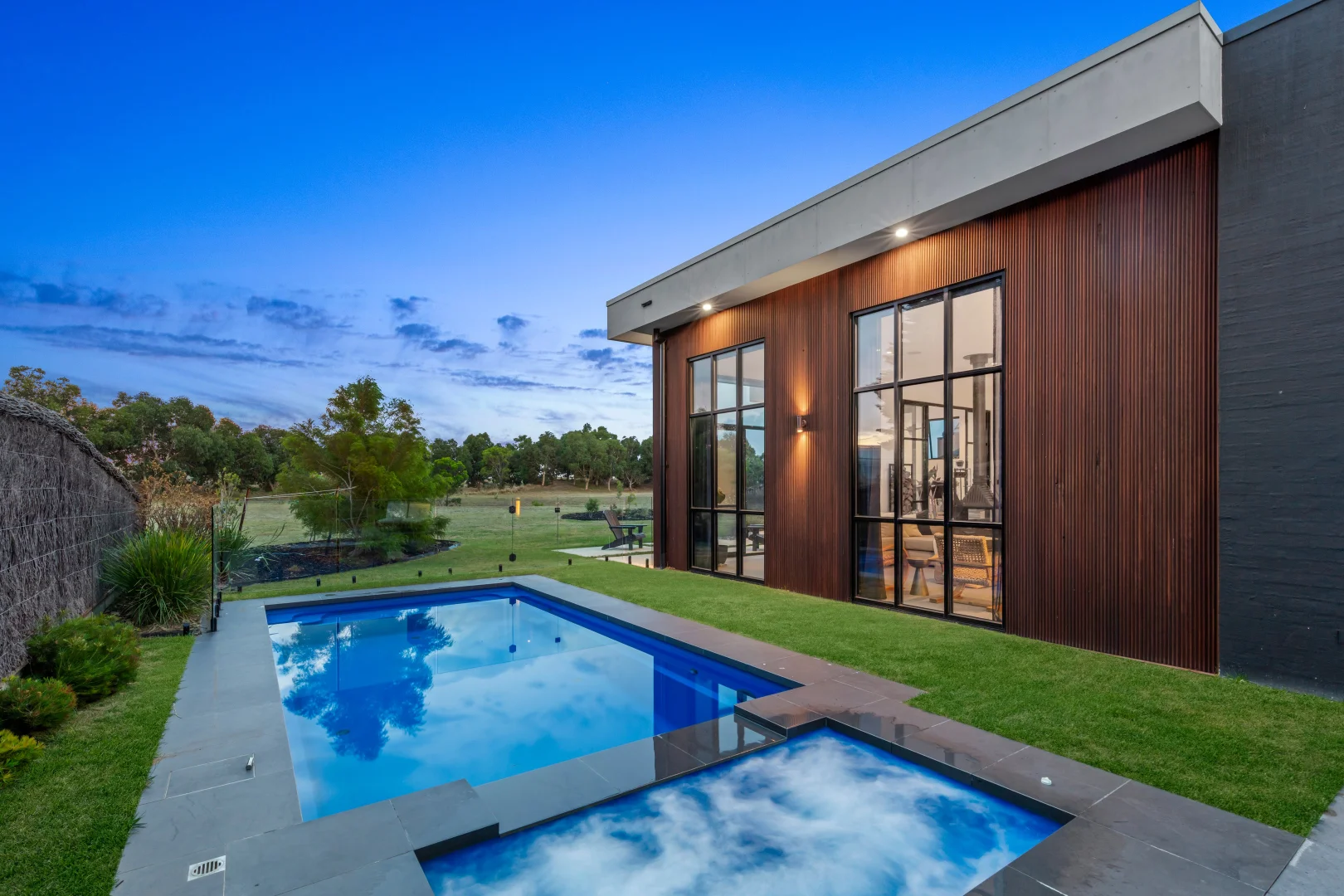 $2,950,000 - $3,200,000
House
$2,950,000 - $3,200,000
House


