1. Overview
Surf Coast Secondary College is a public government secondary school serving students in years 7–12 along the Surf Coast in Victoria. The school aims to provide a broad, relevant curriculum in a supportive, inclusive environment for families across Torquay and the surrounding communities. It emphasises wellbeing, student voice, and opportunities across academics, sport, arts, and trades.
- School type: Public
- School size: Medium
- Class size: Typically around 20–25 students
- Atmosphere/culture: Inclusive, supportive, diverse, and sports‑minded
⸻
2. Academics & Learning
Surf Coast Secondary College offers a broad learning program designed to prepare students for VCE pathways, VET options, and life beyond school. The college focuses on building essential literacy and numeracy skills while providing access to a range of subjects across STEM, English, humanities, languages, and the arts.
- Academic strengths: English, Mathematics, Science, STEM-focused subjects, and Arts
- Special programs: VCE pathways; Vocational Education and Training (VET) opportunities; opportunities for leadership and skill development
- NAPLAN / trends: Consistent effort to maintain and improve literacy and numeracy; trends show steady progress over multiple years
- Student-teacher ratios: Classes are structured to provide meaningful teacher contact and support (typical secondary school ranges in the low-to-mid 20s per class)
- Support for diverse learners: EAL support, SEN coordination, and targeted assistance to students needing extra help
⸻
3. Sports & Extracurricular Strengths
Extracurricular life is a strong focus for many families, with a range of activities that support active learning and teamwork.
- Sports offered: Football, basketball, netball, soccer, athletics, swimming, and other regional opportunities
- Strong teams or achievements: Regular participation in district/regional fixtures with competitive spirit and opportunities to contribute to premiership campaigns
- Music, arts, drama programs: Music ensembles, drama and drama productions, and involvement in arts activities
- Clubs: Robotics, coding, chess, debating, and design projects
- Partnerships: Local clubs, regional competitions, and opportunities to engage with community partners for competitions and showcases
⸻
4. Wellbeing & Pastoral Care
Wellbeing is central to daily life at the college, with structures in place to support students' emotional and social development.
- Anti-bullying approach: Clear policies, wellbeing programs, and student-led initiatives to promote respectful behaviour
- House system: House groups to foster belonging, leadership, and friendly competition
- Counsellors / wellbeing officers: Access to school counsellors and wellbeing staff for students needing support
- Transition support for new students: Orientation activities, buddy programs, and targeted support to help new students settle in
⸻
5. Facilities
Facilities are designed to support a range of learning experiences, from science and technology to performance and recreation.
- Sports grounds: Outdoor fields and courts for team sports and training
- Libraries: Well-equipped library with resources for study and reading
- Science labs: Modern science laboratories for practical learning
- Music/performing arts centers: Spaces for ensembles, rehearsals, and performances
- Tech/innovation labs: Practical spaces for coding, robotics, and design work
- Cafeteria: On-site canteen or lunch facilities
- Updated playgrounds: Age-appropriate outdoor spaces and recreational areas
⸻
6. School Values & Community Culture
The college fosters a respectful, inclusive, and community-minded culture with clear values and a student-centered approach.
- School values / mission: Focus on respect, responsibility, resilience, and collaboration
- Leadership style: Student voice and leadership opportunities; distributed leadership among staff
- Behaviour expectations: Clear codes of conduct centered on safety, respect, and contribution
- Community reputation: Viewed as a welcoming, supportive school with active family involvement
- Diversity & inclusion: Commitment to inclusion and supporting students from diverse backgrounds
⸻
7. School Logistics & Daily Operations
Practical daily details help families plan around school life.
- School hours: Typical start around 9:00 am and finish around 3:30 pm (subject to timetable)
- Before/after school care: Availability varies; may be provided through school programs or local providers
- Uniform requirements: School uniform policy in place
- Transport (bus routes): Bus services and local transport options serving the Surf Coast area
- Canteen availability: On-site canteen or access to food services
- Fees (low/medium/high ranges): As a public school, tuition is not charged; there may be book packs, uniforms, and other subject or activity costs
⸻
8. Enrolment & Admissions
11. What is the enrolment process and timeline?
- Applications for Year 7 entry are typically managed through the Department of Education processes with a published timeline. Offers are usually made after the admission period closes, and families are notified of placement decisions within the stated timelines.
12. Is there a waiting list, and how does it work?
- Depending on capacity and catchment rules, a waiting list may operate. Priorities usually reflect catchment eligibility, sibling ties, and date of application, with decisions made as places become available.
13. Are there any entry requirements, tests, or interviews?
- Public secondary schools generally do not require entrance exams. Some programs or out-of-area considerations may involve information sessions or brief interviews, but standard entry is typically based on age eligibility and catchment rules.
14. Does the school accept mid-year transfers?
- Mid-year transfers are sometimes possible if there is space and meeting eligibility requirements. Families should contact the school directly to discuss space, placement, and any documentation needed.
⸻
9. Frequently Ask Questions
- “Why Parents Choose This School?”
- A welcoming community, broad academic pathways, strong Wellbeing programs, and opportunities in sport, arts, and technology.
- “What type of student thrives at this school?”
- Students who value a balanced approach to academics, sport, arts, and social development; those who engage with wellbeing supports and participate in community activities.
- “What opportunities are available for students to extend their skills (academics, sports, arts)?”
- Access to VCE and VET pathways, leadership roles, sports teams, arts ensembles, and clubs such as robotics, coding, chess, and debating.
- “How does the school communicate with parents?”
- Regular updates through newsletters, the school portal or app, parent-teacher interviews, and timely notifications about events and developments.
- “What is the school’s approach to teaching and learning?”
- A student-centered approach with emphasis on literacy and numeracy, practical and inquiry-based learning, and support for diverse learners.
- “How does the school support students who need extra academic help?”
- Targeted literacy/numeracy intervention, small-group support, EAL and SEN services, and access to counsellors and wellbeing staff as needed.
- “What support is available for academic challenges?”
- Tutoring or after-hours help sessions, study supports, and personalised plans coordinated with teachers and wellbeing staff.
- “What transport and accessibility options are available?”
- Local bus services and school transport options serving the Surf Coast area; detailed routes and schedules are coordinated with the Department of Education and local transport authorities.
- “What are the class sizes and how much individual attention do students receive?”
- Class sizes typically range in the low-to-mid 20s, with teacher support during class and targeted help outside class when needed.
- “What extracurricular and sports opportunities are available?”
- A range of sports teams and fixtures, music and drama activities, and clubs including robotics, coding, chess, and debating.
- “What facilities does the school offer (sports, science, arts)?”
- Sports grounds, libraries, science labs, music/performing arts spaces, tech/innovation labs, a canteen, and updated outdoor spaces.
- “What is the school’s approach to technology and digital learning?”
- Integration of technology across subjects, access to devices and software for learning, and opportunities to develop digital literacy and project-based tech skills.
- “What transport and accessibility options are available?”
- Bus services and local transport connections; details are provided by the school and local transport authorities.
- “What are the typical school fees or additional costs?”
- As a public school, there are no tuition fees; families may incur costs for materials, uniforms, excursions, and optional activities.
⸻
10. Short Pros & Cons list
Pros
- Public, accessible pathway with broad subject offerings
- Focus on wellbeing, inclusion, and student voice
- Visible strengths in sports, arts, and practical technology
- Variety of clubs and extracurricular activities
- Support for diverse learners (EAL, SEN)
Cons
- Moderate class sizes mean some students seek extra support outside class
- Transport logistics can vary by location and may require planning
- Mid-year transfers depend on space and compliance with regional enrolment rules
- Some specialist programs may have limited capacity or require additional steps for entry
- Fee-associated costs for materials, trips, and uniforms outside of standard schooling
⸻









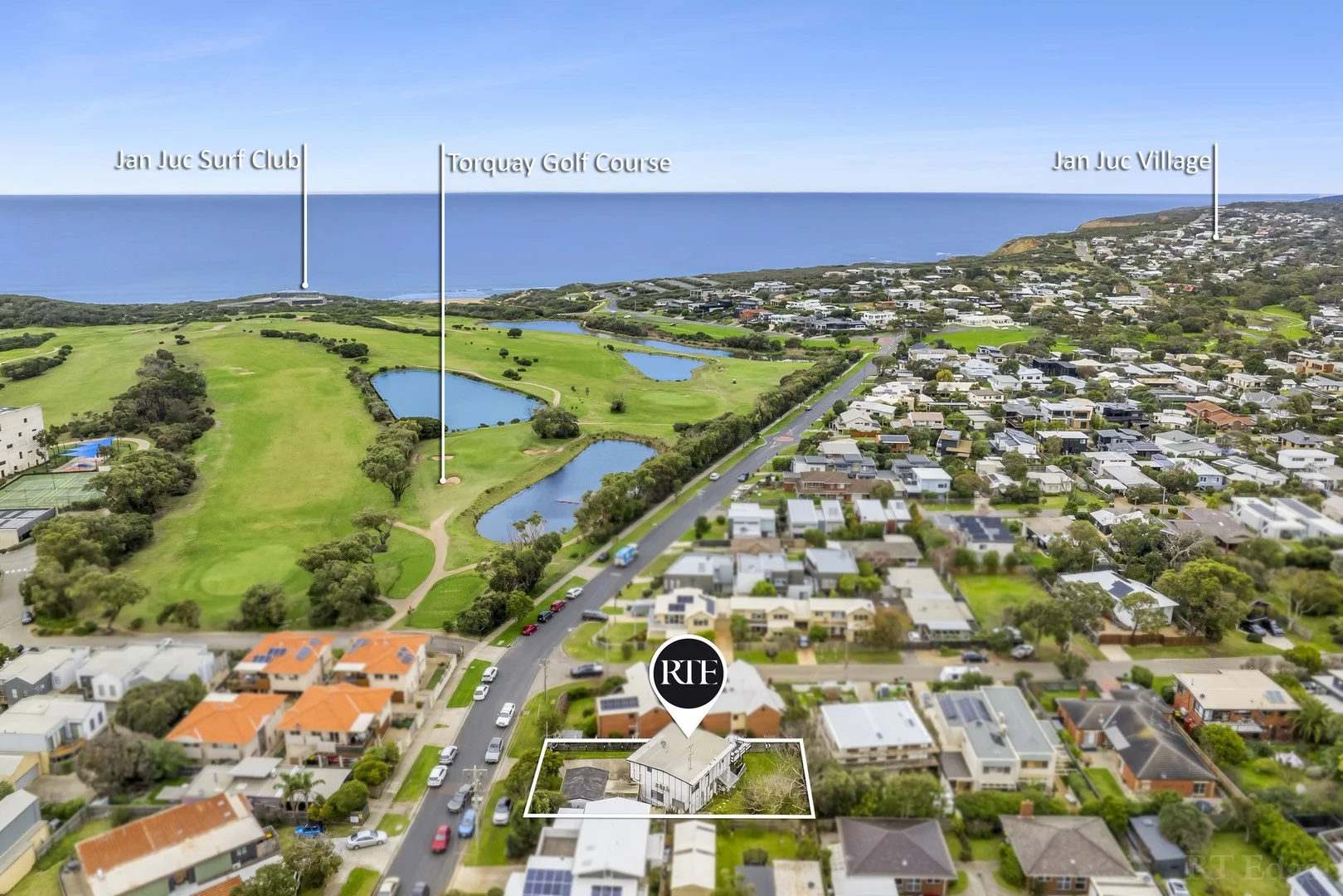 $862,125 - $948,338
House
$862,125 - $948,338
House
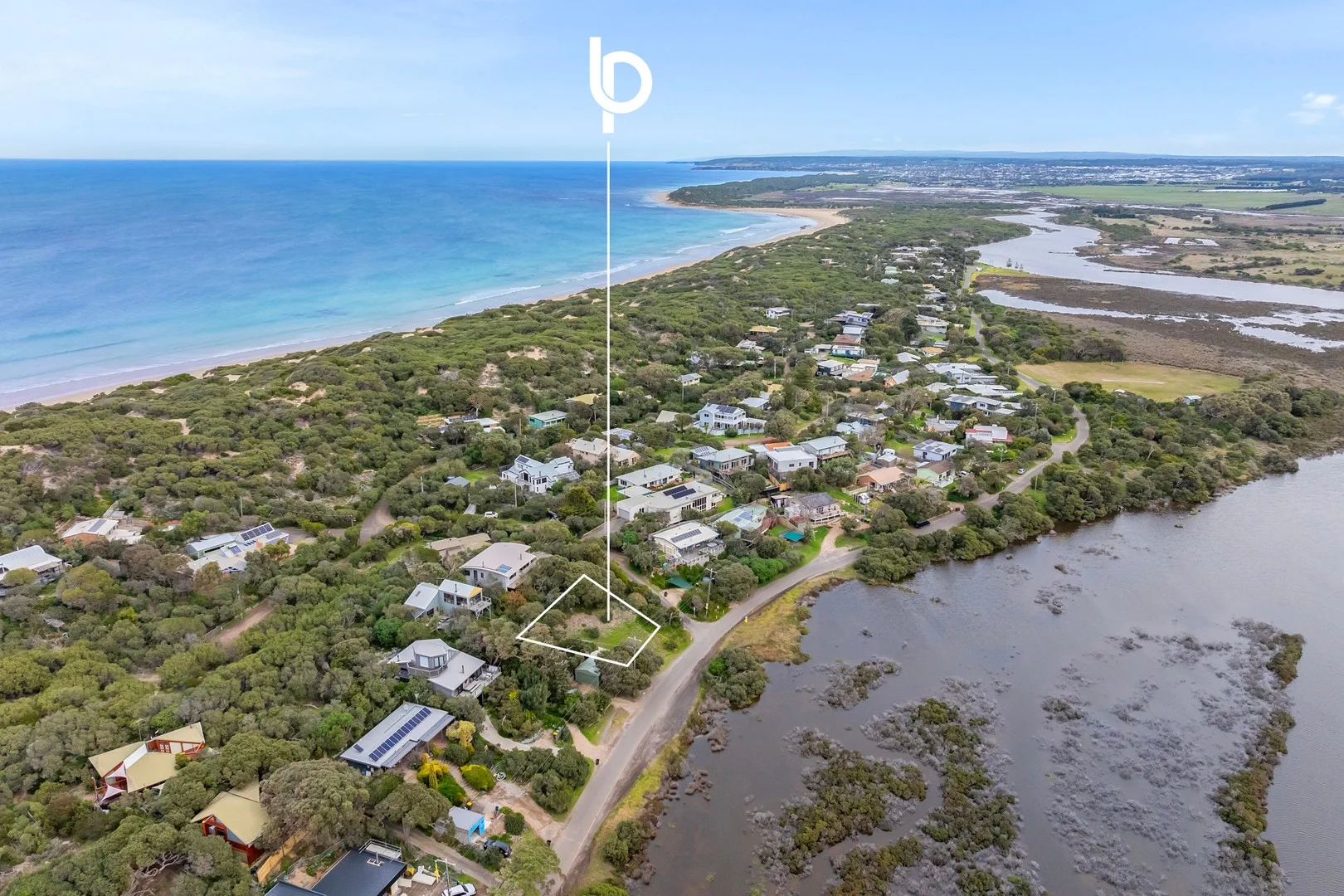 $880,000 - $950,000
Vacant Land
$880,000 - $950,000
Vacant Land
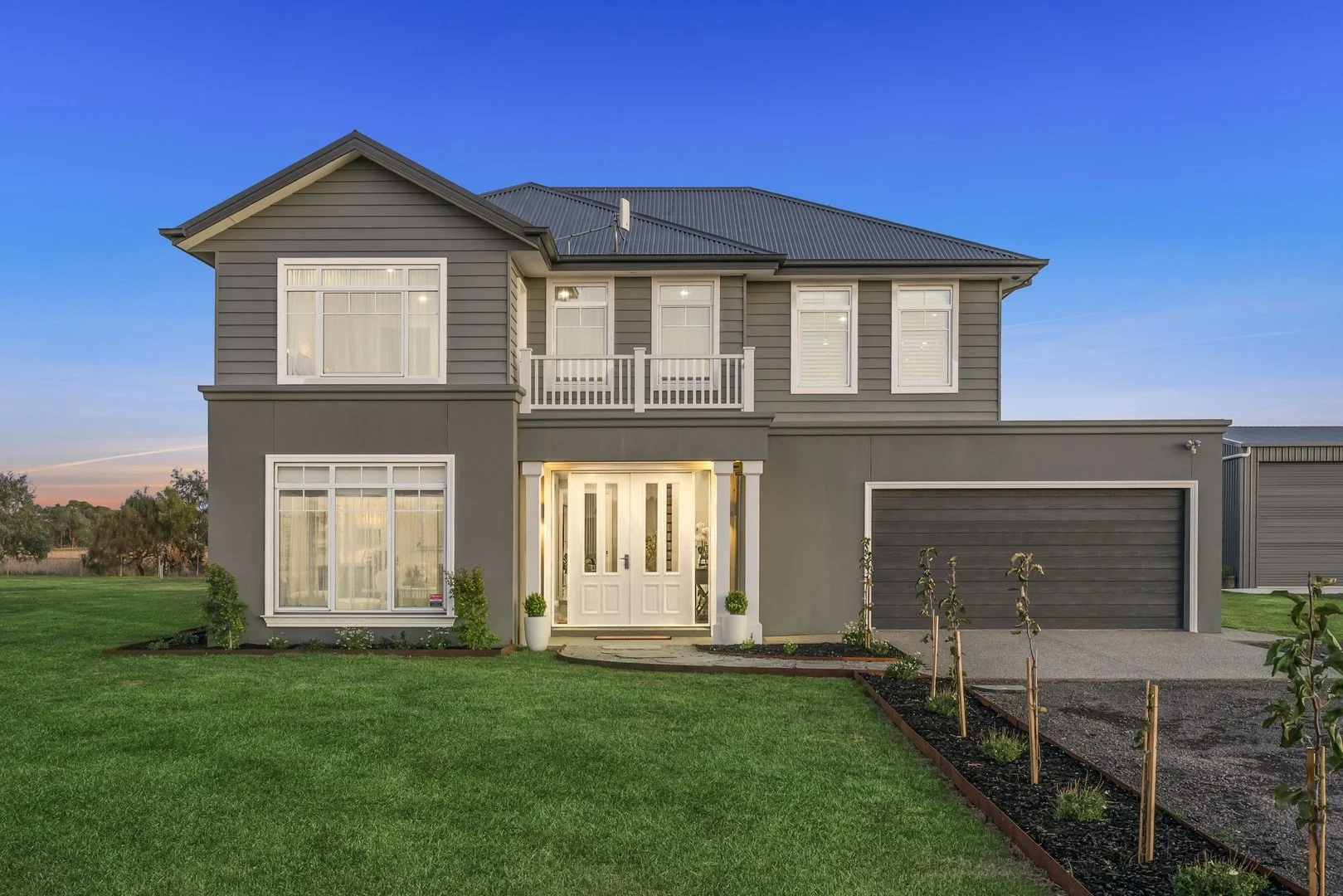 $2,150,000 - $2,350,000
propertyType.ACREAGE / SEMI-RURAL
$2,150,000 - $2,350,000
propertyType.ACREAGE / SEMI-RURAL
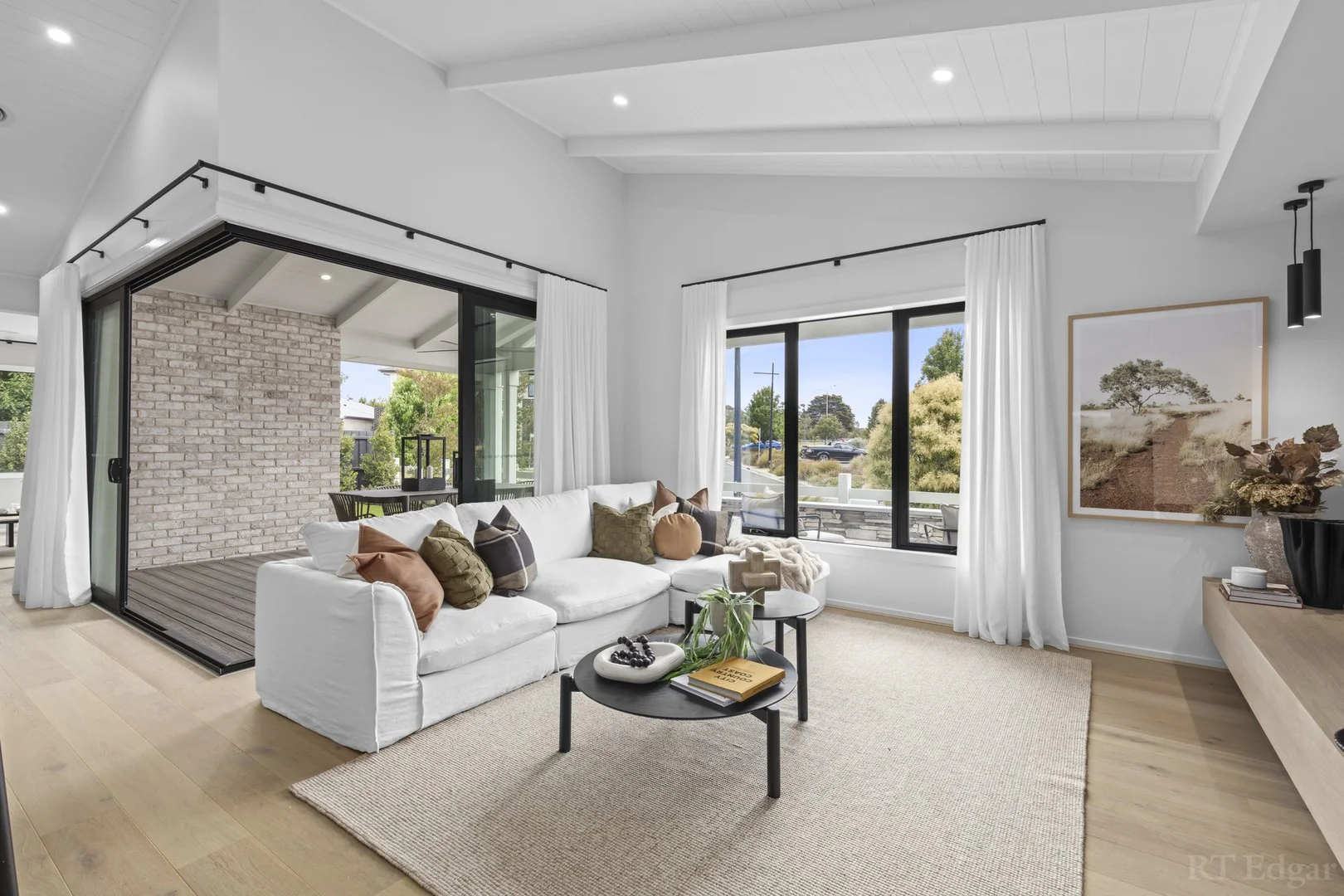 $1,022,295 - $1,124,524
House
$1,022,295 - $1,124,524
House
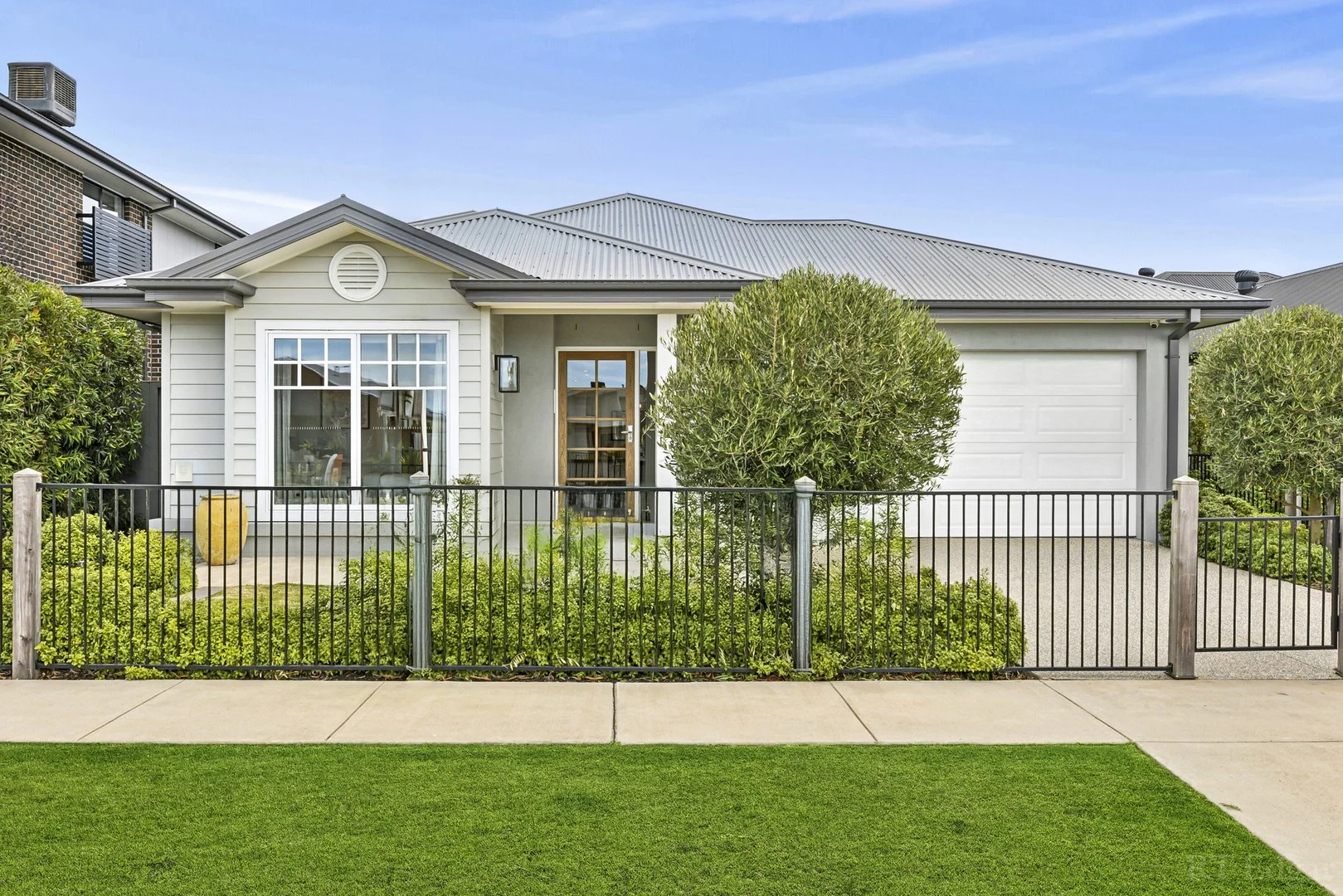 $877,800 - $965,580
House
$877,800 - $965,580
House
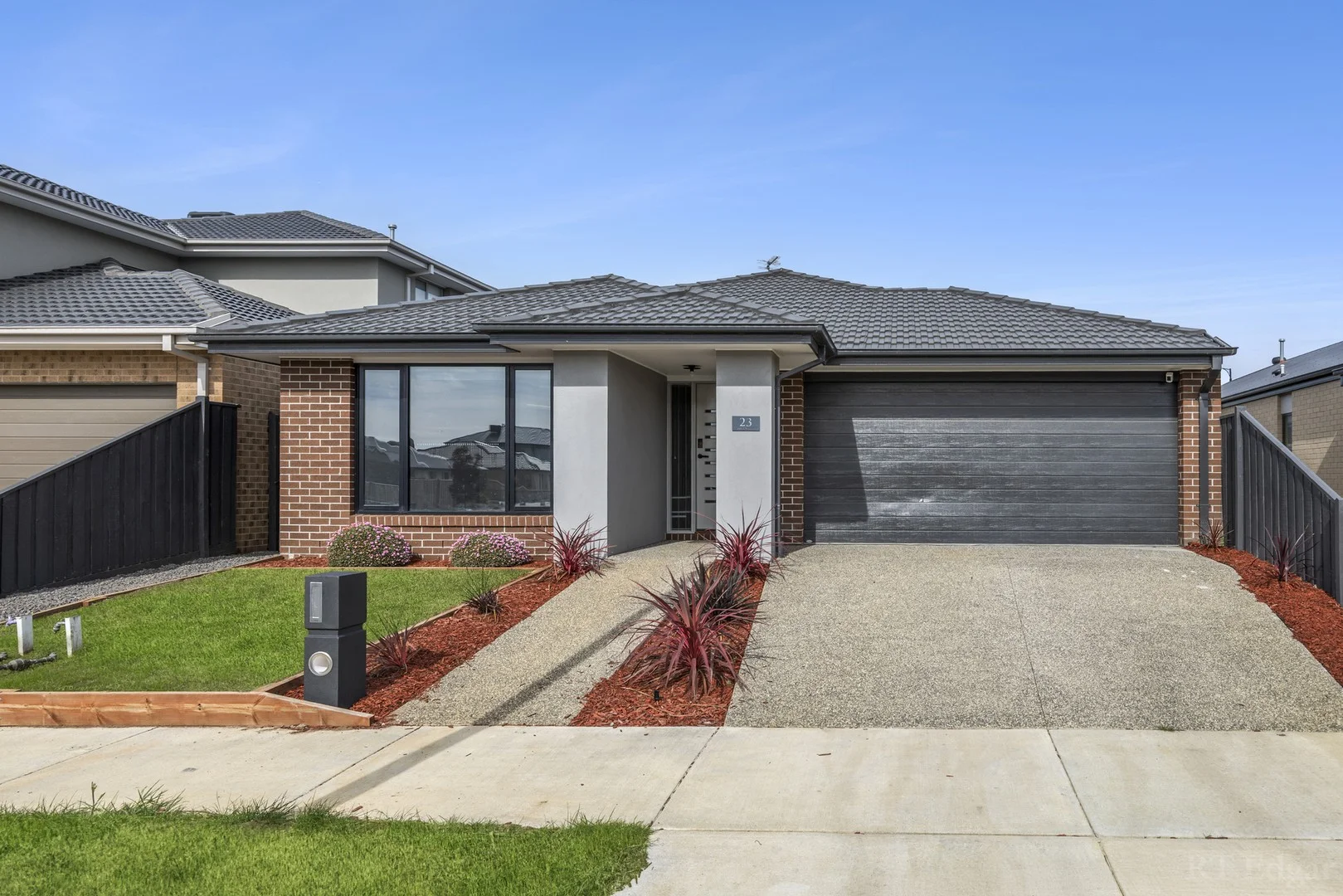 $599,000 - $658,900
House
$599,000 - $658,900
House
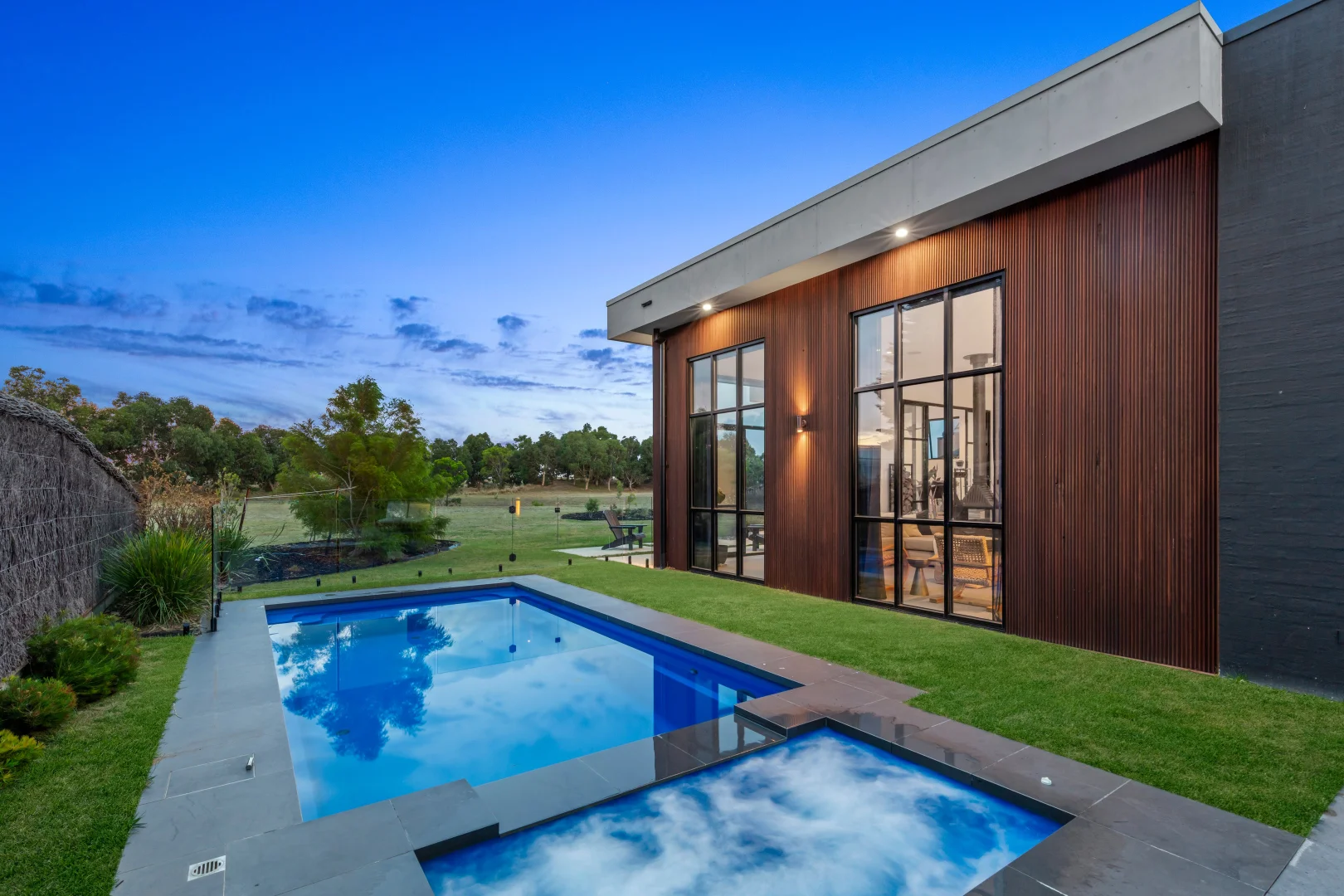 $2,950,000 - $3,200,000
House
$2,950,000 - $3,200,000
House
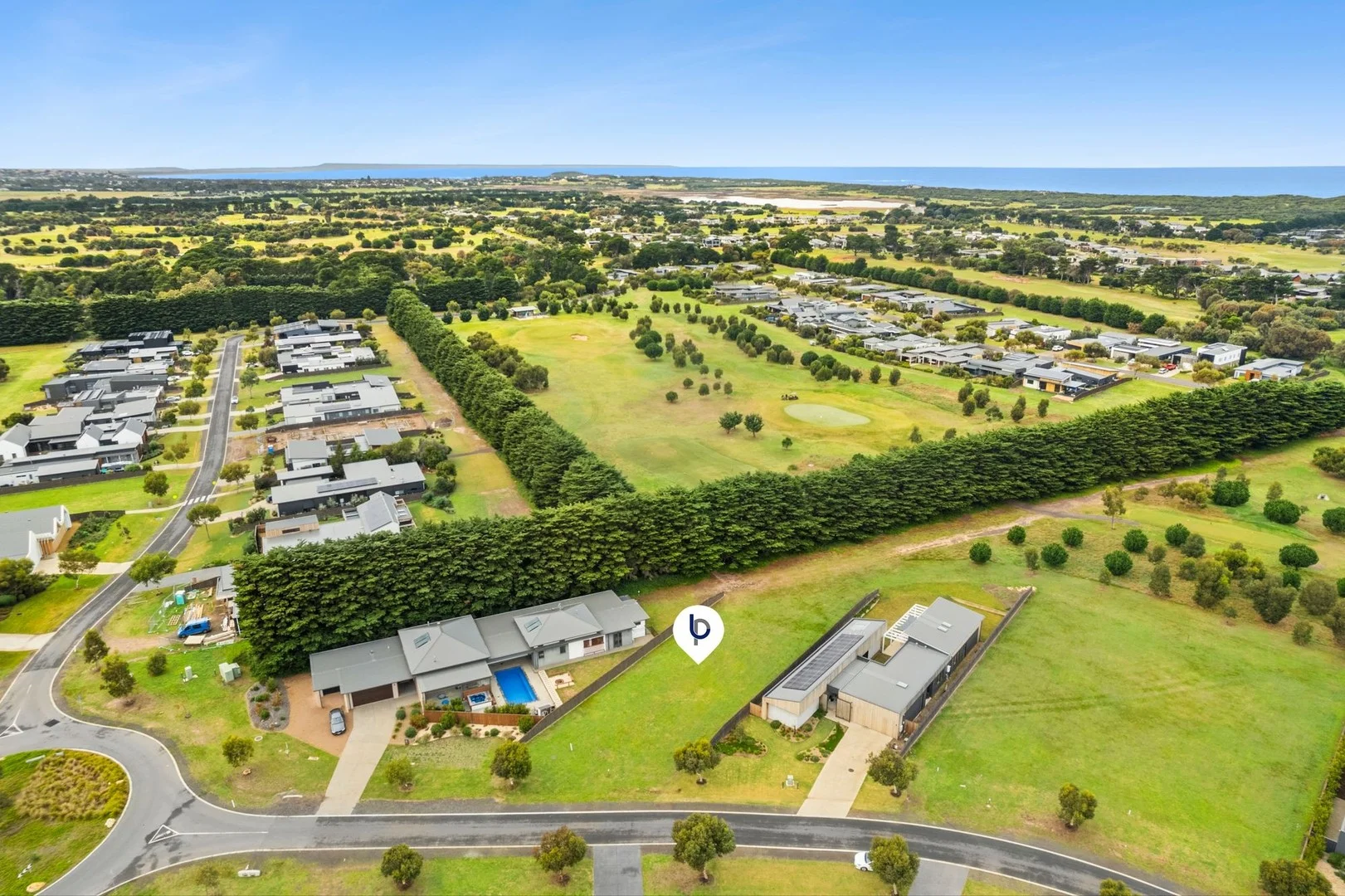 $990,000 - $1,080,000
Vacant Land
$990,000 - $1,080,000
Vacant Land
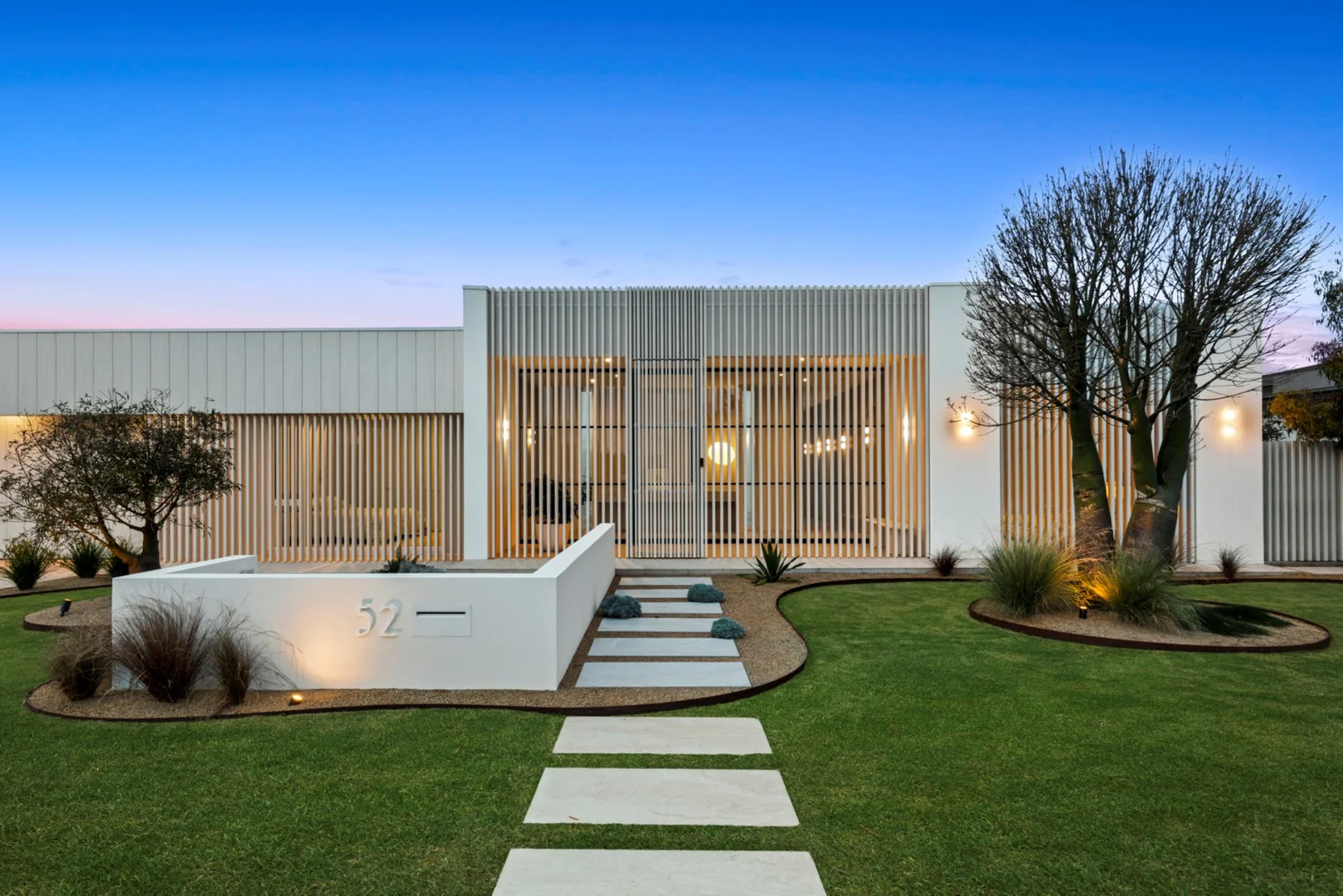 $3,450,000
House
$3,450,000
House


