## Overview
Callaghan College Waratah Technology Campus is a public NSW high school that sits within the Callaghan College multi-campus system. It focuses on technology-enabled learning and hands-on pathways alongside core senior studies, preparing students for post-secondary study or work through STEM-forward programs and practical subjects. The school supports a diverse student body across years 7–12.
The campus offers a medium-to-large school environment with a welcoming culture that emphasises inclusion, achievement, and a balanced mix of academics, technology, sport, and the arts. Typical class sizes sit in the low-to-mid 20s, with strong support from teachers and a dedicated wellbeing team to help students grow academically and socially.
⸻
## Academics & Learning
- Academic strengths: STEM and technology are central, with opportunities in engineering-inspired learning, coding, robotics, and practical sciences, complemented by English and humanities.
- Special programs: Pathways and opportunities for hands-on learning in technology and science, plus potential accelerated or gifted/talented options where available.
- NAPLAN trends: Recent years show steady progress in literacy and numeracy bands, with continued focus on targeted supports to lift students into higher bands and close gaps.
- Student-teacher ratios: Class sizes and ratios are designed to balance instructional time with individual support, typically around the low- to mid-20s per class and an overall ratio that supports targeted feedback.
- Support for diverse learners: Dedicated support for EAL students and learners with SEN, with learning support staff and programs to differentiate instruction and promote inclusive participation.
⸻
## Sports & Extracurricular Strengths
- Sports offered: Common school offerings such as basketball, soccer, rugby league, cricket, athletics, and swimming are typically available, with opportunities to join representative and school-wide teams.
- Strong teams or achievements: Participation in regional competitions and school-level championships is encouraged; select teams often compete in zone or district events.
- Music, arts, drama programs: Active music and performing arts programs, including ensembles and productions, with spaces for practice and performance.
- Clubs: Robotics, coding, chess, debating, and other project-based or academic clubs support diverse interests.
- Partnerships: Local community partnerships and regional competitions (e.g., robotics, coding hackathons, and inter-school events) help extend learning beyond the classroom.
⸻
## Wellbeing & Pastoral Care
- Anti-bullying approach: Clear policies and programs focused on safe, respectful school life, including digital citizenship and student-led initiatives.
- House system: House groups support pastoral care, school events, and a sense of belonging through friendly competition and teamwork.
- Counsellors / wellbeing officers: On-site counselling and wellbeing staff provide mental health and transition support, academic planning help, and referral pathways.
- Transition support for new students: Orientation programs, buddy systems, and targeted assistance to assist students adjusting to high school life and expectations.
⸻
## Facilities
- Sports grounds: Open playing fields and multi-use spaces for physical education and sport.
- Libraries: Well-stocked libraries with study spaces and digital resources.
- Science labs: Modern science laboratories for biology, chemistry, and physics experiments.
- Music/performing arts centers: Performing arts spaces and rehearsal rooms to support music and theatre activities.
- Tech/innovation labs: Maker spaces, CAD, 3D printing, and other technology labs aligned with the campus focus.
- Cafeteria: On-site canteen serving a range of healthy options.
- Updated playgrounds: Well-maintained outdoor recreation areas and seating for break times and social spaces.
⸻
## School Values & Community Culture
- School values / mission: A culture built on respect, responsibility, resilience, and inclusion, with a focus on leadership and collaborative learning.
- Leadership style: Predominantly collaborative and student-centred, with opportunities for student voice in clubs, student council, and project work.
- Behaviour expectations: Clear standards guided by Positive Behaviour for Learning and a supportive discipline framework.
- Community reputation: Recognised for a welcoming, active community with strong links to local families and industries.
- Diversity & inclusion: Committed to inclusive practices and support for students from diverse backgrounds and abilities.
⸻
## School Logistics & Daily Operations
- School hours: Typical day runs roughly from start around 8:30 am to finish around 3:00 pm, with variations for year levels and activities.
- Before/after school care: After-school supervision or wrap-around care is commonly available through on-site or partner programs.
- Uniform requirements: School uniform is required, with guidelines provided by the NSW Department of Education and school policy.
- Transport (train/bus routes): Accessible by public transport with local bus routes and proximity to train services; families should check NSW transport options and routes for current services.
- Canteen availability: On-site canteen offering meals and snacks.
- Fees (low/medium/high ranges): As a public school, general tuition is not charged, with potential voluntary contributions and costs for excursions, activities, and uniform.
⸻
## Enrolment & Admissions
11. What is the enrolment process and timeline?
- Enrolment is handled through the NSW Department of Education process. Parents/guardians submit an enrolment form, provide required documents (proof of identity, residence, and other records), and confirm catchment eligibility. Timelines vary by intake year (primarily Year 7 admissions), with processing typically occurring in the lead-up to the start of the school year.
12. Is there a waiting list, and how does it work?
- If the campus reaches capacity, a waiting list may be established. Families are advised of their place and potential vacancies as they arise, with prioritisation generally based on catchment status and availability.
13. Are there any entry requirements, tests, or interviews?
- For this campus, entry is typically non-selective (no entrance exams). Documentation checks and information sessions may occur. Some schools may request brief discussions or placement considerations, but formal testing is not standard for Year 7 admissions.
14. Does the school accept mid-year transfers?
- Mid-year transfers are possible if there are vacancies. Parents should contact the school early to discuss space, placement, and required documentation, and to understand the transfer timeline.
⸻
## Frequently Asked Questions
- Why Parents Choose This School?
- A public school with a technology and STEM focus, supportive wellbeing, and a community-friendly environment that emphasises hands-on learning and well-rounded development.
- What type of student thrives at this school?
- Students who enjoy practical, project-based learning, collaboration, and an interest in technology, sport, and the arts, as well as those who value a supportive, inclusive community.
- What opportunities are available for students to extend their skills (academics, sports, arts)?
- STEM and technology pathways, robotics and coding clubs, sport opportunities across common disciplines, and music/performing arts programs, along with leadership and debating clubs.
- How does the school communicate with parents?
- Through email, school newsletters, a parent portal, and scheduled parent-teacher interviews, with updates on events and student progress.
- What is the school’s approach to teaching and learning?
- A mixture of classroom-based learning and project-based, hands-on activities that integrate technology and real-world applications, with differentiated support for diverse learners.
- How does the school support students who need extra academic help?
- Learning support staff, targeted interventions, EAL and SEN support, and access to counsellors and guidance for academic planning.
- What support is available for academic challenges?
- Additional tutoring, literacy/numeracy programs, and personalized plans to help students improve in guided settings.
- How does the school communicate with parents? (Repeat)
- See above: email, portal, newsletters, and meetings.
- What are the class sizes and how much individual attention do students receive?
- Class sizes are typically in the low- to mid-20s, with teacher access and targeted support built into timetable structures to provide individual attention where needed.
- What extracurricular and sports opportunities are available?
- A broad range of sports (e.g., basketball, soccer, rugby league, cricket, athletics), plus clubs in robotics, coding, chess, debating, and performing arts.
- What facilities does the school offer (sports, science, arts)?
- Sports grounds, libraries, science labs, music/performing arts centers, tech/innovation labs, canteen, and updated outdoor spaces.
- What is the school’s approach to technology and digital learning?
- Integrated technology across the curriculum, with access to maker spaces, CAD, coding programs, and digital learning tools to support student projects.
- What transport and accessibility options are available?
- Regular public transport options including bus and train access; the school is accessible within the local education network.
- What are typical school fees or additional costs?
- As a public school, compulsory tuition is not charged, with potential voluntary contributions and costs for uniforms, excursions, and additional activities.
⸻
## Short Pros & Cons list
Pros
- Strong emphasis on STEM and technology-enabled learning
- Inclusive, supportive culture with solid wellbeing/resources
- Wide range of clubs, sports, and arts opportunities
- Modern facilities (tech labs, science labs, performing arts spaces)
- Good community connections and regional activity options
Cons
- Being a public school, intake can depend on catchment and vacancies
- Some families may need to adjust to standard NSW school uniform and related costs
- Mid-year transfer availability depends on space, which can vary year to year
⸻





 $795,000
Townhouse
$795,000
Townhouse
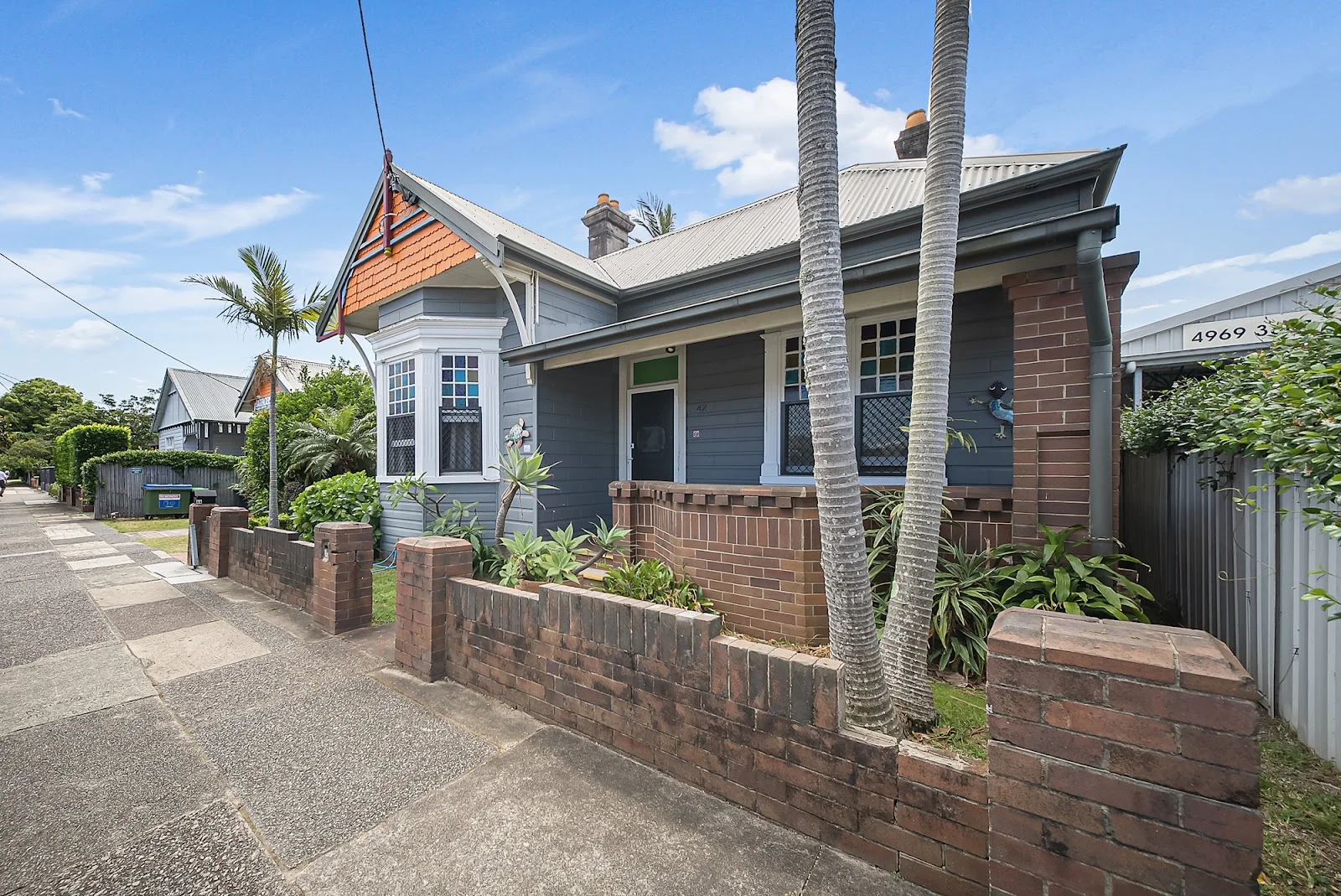 $2,000,000
propertyType.BLOCK OF UNITS
$2,000,000
propertyType.BLOCK OF UNITS
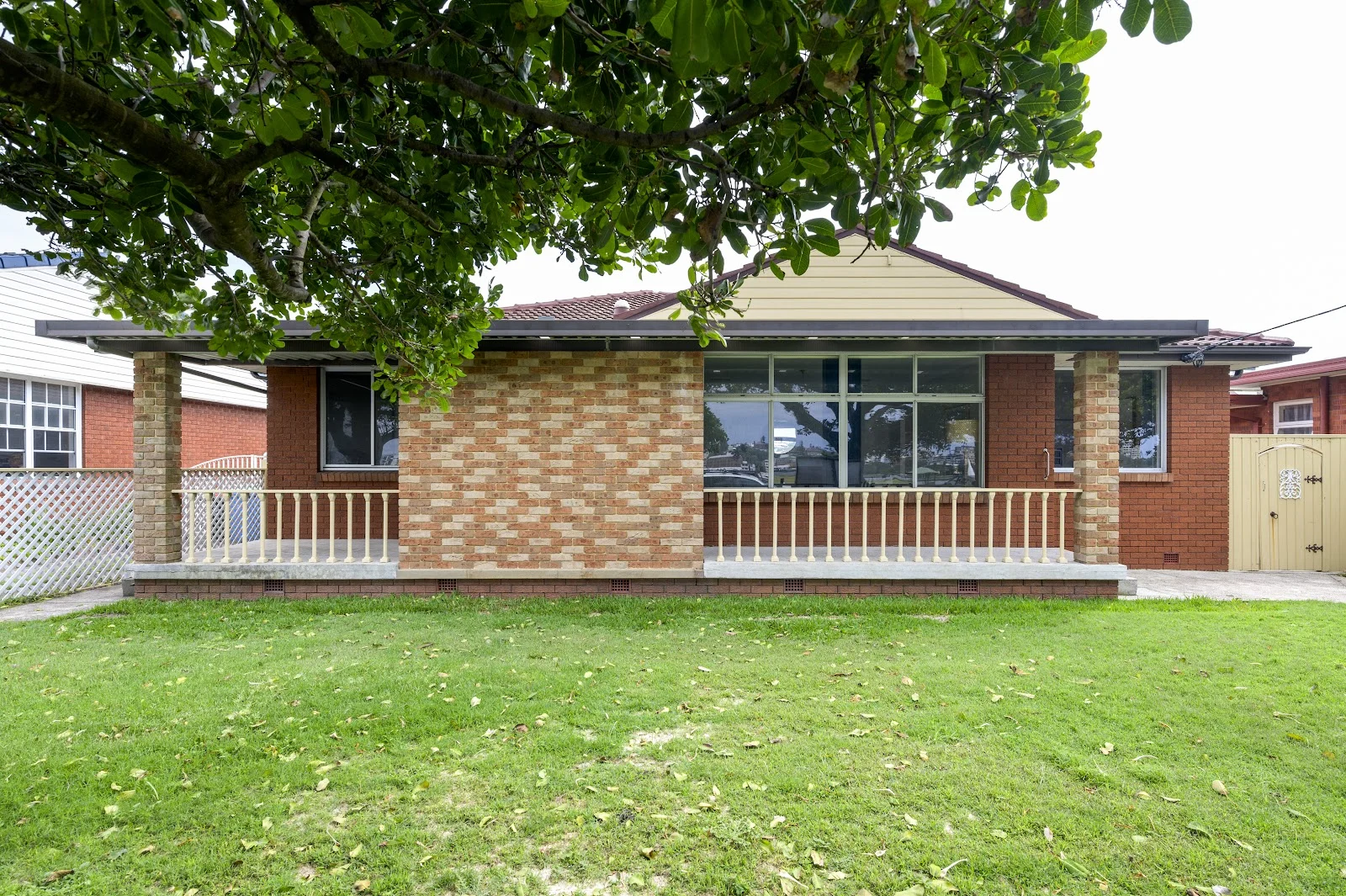 $2,500,000
House
$2,500,000
House
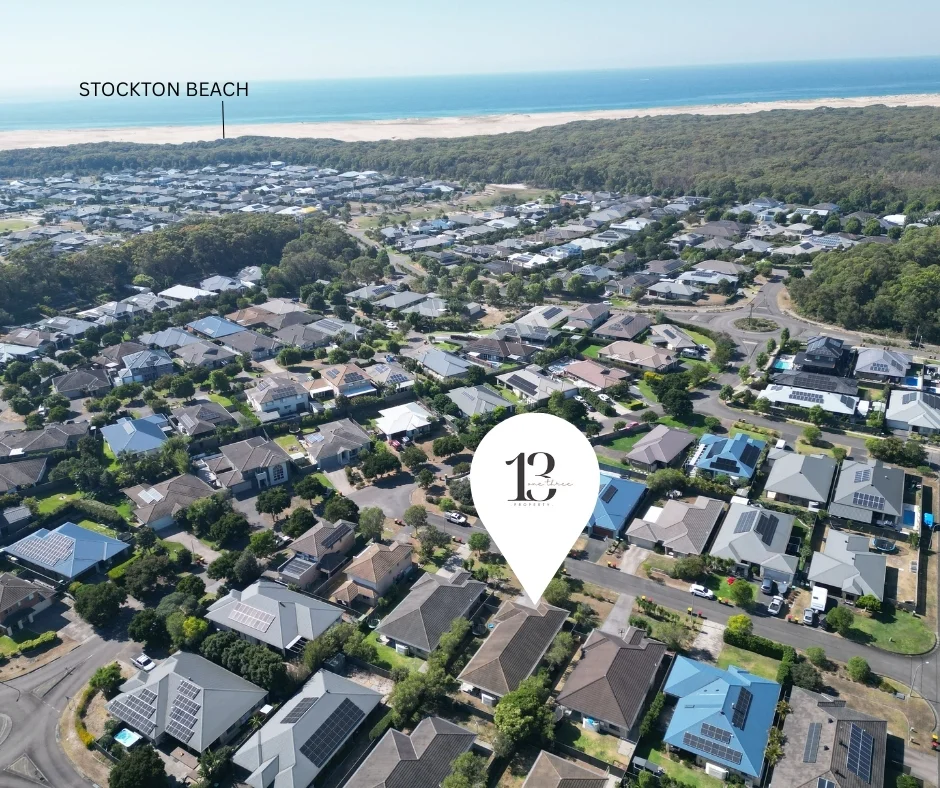 $900,000 - $990,000
House
$900,000 - $990,000
House


