## Overview
St Phillip's Christian College D.A.L.E is an independent Christian school campus within the SPCC network. It offers a faith-based education that blends academic rigour with character development in a supportive, community-minded environment. The D.A.L.E campus tends to be mid-sized, fostering a family-like atmosphere where teachers know students well and focus on both academic growth and personal values.
Class sizes are generally small to mid-sized, enabling individual attention and strong student–teacher relationships. The atmosphere is nurturing and inclusive, with an emphasis on academic achievement, service, and leadership within a faith-informed community.
⸻
## Academics & Learning
- Academic strengths: Strong emphasis on literacy and numeracy, with robust programs in STEM, English, and leadership development. Language study and critical-thinking skills are also prioritized to prepare students for diverse pathways.
- Special programs: Gifted and talented opportunities, accelerated learning options, and leadership development programs are available to challenged students seeking to extend their skills.
- NAPLAN trends: The campus typically demonstrates positive growth trends in literacy and numeracy, with performance improving year over year and staying competitive with regional benchmarks.
- Student-teacher ratios: Class sizes are designed to be manageable, supporting frequent teacher interaction, personalized feedback, and targeted support.
- Support for diverse learners: Dedicated EAL and SEN support, with learning support teams and individualized plans to help students reach their potential.
⸻
## Sports & Extracurricular Strengths
- Sports offered: A wide range of sports including basketball, soccer, cricket, netball, athletics, swimming, and tennis, with opportunities to trial or join school teams.
- Strong teams or achievements: Competitive school teams and participation in regional inter-school events, with emphasis on teamwork, character, and fair play.
- Music, arts, drama programs: Active music ensembles, choir, drama productions, and opportunities to engage in performing arts.
- Clubs: Robotics, coding, chess, debating, and other STEM or academic clubs support curious students beyond the classroom.
- Partnerships: Connections with local clubs and regional competitions help extend learning and provide real-world experiences in sport, arts, and technology.
⸻
## Wellbeing & Pastoral Care
- Anti-bullying approach: Clear anti-bullying policies, restorative practices, and ongoing wellbeing education foster a safe, respectful environment.
- House system: A house framework supports belonging, teamwork, and healthy competition across activities and pastoral events.
- Counsellors / wellbeing officers: On-site wellbeing staff provide confidential support, guidance, and strategies for mental health and resilience.
- Transition support for new students: Orientation, buddy programs, and targeted transition activities help new students settle in smoothly.
⸻
## Facilities
- Sports grounds: Varied outdoor spaces and courts suitable for team sports and physical education.
- Libraries: Well-stocked library resources supporting reading, research, and study.
- Science labs: Modern laboratories for hands-on experiments and inquiry-based learning.
- Music/performing arts centers: Facilities for music education, rehearsals, and school productions.
- Tech/innovation labs: Dedicated spaces for robotics, coding, and digital creativity.
- Cafeteria: On-site dining options with a focus on healthy choices.
- Updated playgrounds: Safe, modern play and activity areas for student recreation.
⸻
## School Values & Community Culture
- School values / mission: A clear Christian foundation guided by values such as integrity, respect, compassion, and service.
- Leadership style: Student leadership opportunities alongside teacher mentorship promote responsibility and voice within the school community.
- Behaviour expectations: Well-defined behavioural expectations with consistent, fair discipline and restorative approaches.
- Community reputation: A welcoming, faith-informed school culture that emphasises service, community involvement, and partnerships with families.
- Diversity & inclusion: An inclusive environment that respects diverse backgrounds and fosters belonging for all students and families.
⸻
## School Logistics & Daily Operations
- School hours: Defined start and finish times with variations by year level; attendance and punctuality are encouraged.
- Before/after school care: On-site or partner arrangements may be available to support working families.
- Uniform requirements: Standard school uniform with designated sports attire; clear guidelines for daily and event wear.
- Transport (train/bus routes): School bus services or guidance on nearby public transport options and convenient drop-off zones.
- Canteen availability: Canteen or lunch options with healthy choices and food service policies.
- Fees (low/medium/high ranges): Fees are typical of independent Christian schools; detailed fee information and any additional costs are available from the enrolment team.
⸻
## Enrolment & Admissions
11. What is the enrolment process and timeline?
- Start with an enquiry and online application, submit required documents, complete any placement assessments if applicable, and attend an interview or information session. Offers and acceptance follow the review of applications, with a confirmation/enrolment step to secure a place. Timelines vary by intake year and availability.
12. Is there a waiting list, and how does it work?
- Waiting lists are common in popular intake years. Applications are placed in order of submission and priority is often given to siblings and existing families, with regular updates provided to applicants about their status.
13. Are there any entry requirements, tests, or interviews?
- Entry typically involves an interview or information session, along with standard documentation. Some cohorts may include a brief assessment to help place students appropriately, especially for targeted programs.
14. Does the school accept mid-year transfers?
- Mid-year transfers are considered where spaces are available. Prospective families should contact the admissions team early to discuss eligibility, placement, and timelines.
⸻
## Frequently Ask Questions
- Why Parents Choose This School?
A values-based, faith-centered education with a supportive community, strong pastoral care, and a focus on both character and academics.
- What type of student thrives at this school?
Students who are curious, engaged in learning, values-driven, and who benefit from small-to-mid class sizes and close teacher relationships.
- What opportunities are available for students to extend their skills (academics, sports, arts)?
Rigorous academics with leadership opportunities, robust sports programs, performing arts, and clubs in robotics, coding, debate, and more.
- How does the school communicate with parents?
Regular newsletters, emails, a parent portal or app, and information evenings help families stay informed about progress and events.
- What is the school’s approach to teaching and learning?
A curriculum that integrates faith with enquiry-based, differentiated instruction, and a focus on critical thinking, collaboration, and practical application.
- How does the school support students who need extra academic help?
Learning support teams, targeted interventions, EAL support, and individualized plans assist students needing additional help.
- What support is available for academic challenges?
Additional tutoring, small-group support, and ongoing assessment help identify areas for improvement and track progress.
- How does the school communicate with parents?
See above—through multiple channels including digital platforms, meetings, and updates from teachers.
- What are the class sizes and how much individual attention do students receive?
Class sizes are small to mid-sized, allowing frequent teacher feedback, monitoring, and personalized guidance.
- What extracurricular and sports opportunities are available?
A broad range of sports, arts, music, robotics/coding clubs, debating, and other co-curricular activities are available.
- What facilities does the school offer (sports, science, arts)?
Modern sports facilities, libraries, science labs, performing arts spaces, tech/innovation labs, a canteen, and updated play areas.
- What is the school’s approach to technology and digital learning?
Emphasis on digital literacy, integration of technology across the curriculum, and safe, supervised use of devices and online resources.
- What transport and accessibility options are available?
Bus routes and transport guidance are provided, with school drop-off zones and accessibility considerations for families.
- What are the typical school fees or additional costs?
As an independent school, there are annual fees plus optional costs for uniform, trips, and activities; detailed fee information is available from the admissions team.
⸻
## Short Pros & Cons list
- Pros:
- Values-based, faith-focused education with strong pastoral care
- Medium-sized, community feel with personalised attention
- Broad range of academics, sports, arts, and clubs
- Support for diverse learners (EAL/SEN)
- Welcoming environment and active family involvement
- Cons:
- As an independent school, fees are higher than public options
- Competitive admission may mean waiting lists for popular year levels
- Certain specialty programs may be available only at specific year levels
- Transport options may be more limited outside urban areas
⸻





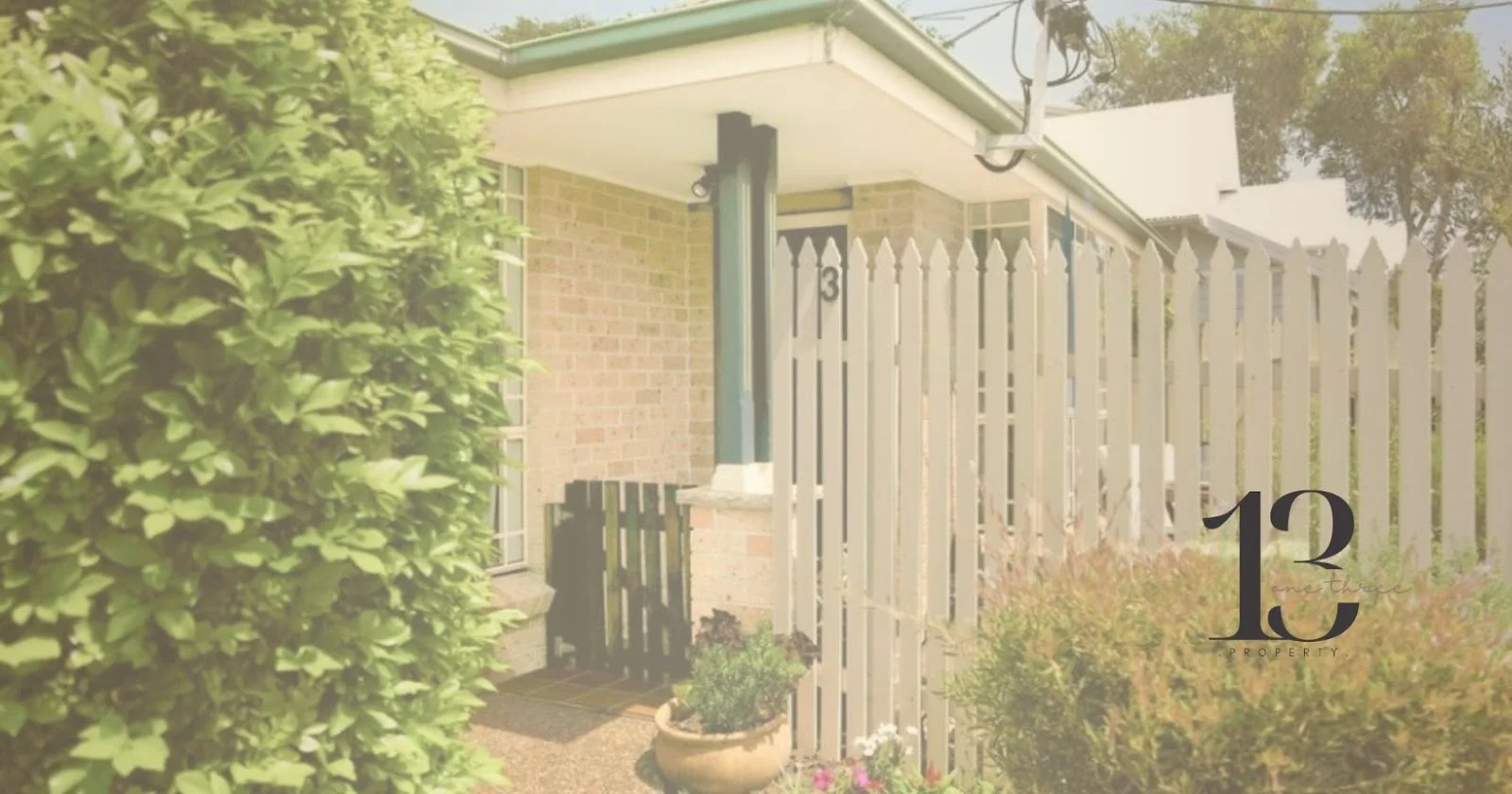 $795,000
Townhouse
$795,000
Townhouse
 $2,000,000
propertyType.BLOCK OF UNITS
$2,000,000
propertyType.BLOCK OF UNITS
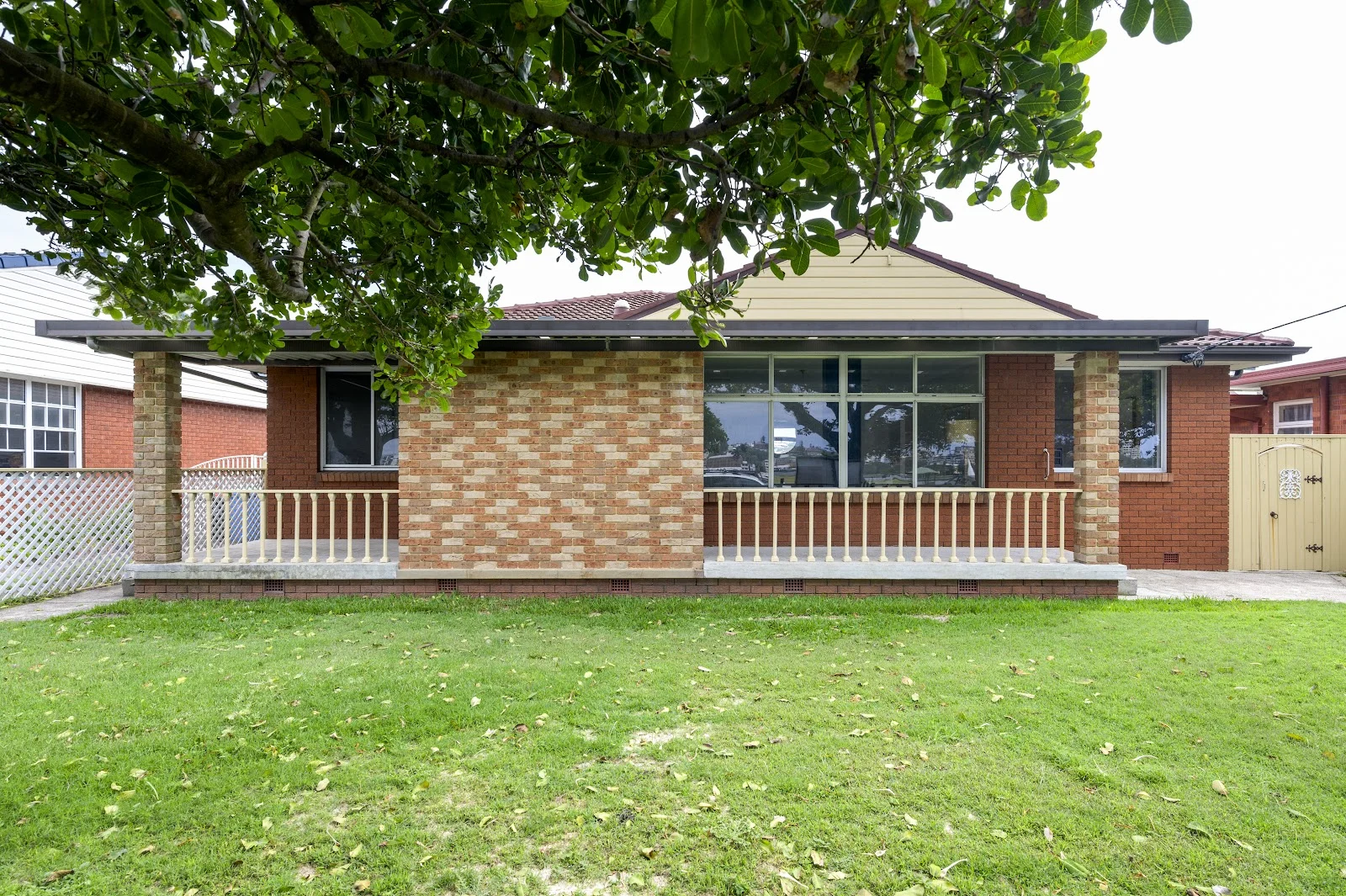 $2,500,000
House
$2,500,000
House
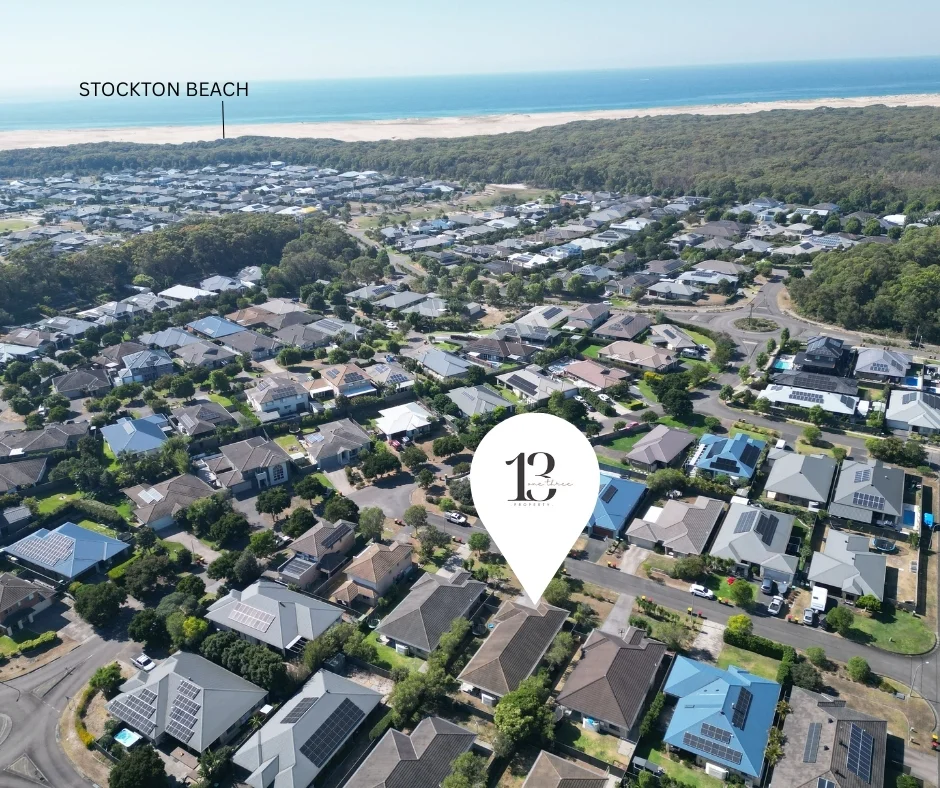 $900,000 - $990,000
House
$900,000 - $990,000
House


