## Overview
Corpus Christi Catholic Primary Waratah is a Catholic, co-educational primary school rooted in the local Catholic community. It aims to provide a faith-centred education that supports families and fosters a sense of belonging for all students.
The school is generally regarded as small-to-medium in size, with class sizes typically around 20–24 students. The atmosphere is nurturing and inclusive, balancing academic learning with faith formation and strong wellbeing supports to help students grow as confident, values-driven individuals.
## Academics & Learning
- Academic strengths: Focus on English and numeracy foundations, with a grounding in Catholic Studies and faith-informed learning. There is attention to literacy and numeracy development, and opportunities to engage with STEM and digital learning within the curriculum.
- Special programs: Catholic faith formation is integral, with opportunities for student leadership and involvement in faith-based activities and community service.
- NAPLAN / Ofsted trends: NSW Catholic primary schools commonly show steady development year to year, with some cohorts achieving above-average growth; ongoing emphasis on improving literacy and numeracy outcomes.
- Student-teacher ratios: Typically in the range of small-to-mid-sized primary schools, with a focus on accessible teacher support and differentiated instruction.
- Support for diverse learners: Services and planning for diverse learners include EAL support and inclusive education practices for students with additional needs.
## Sports & Extracurricular Strengths
- Sports offered: Common primary school programs include soccer, netball, rugby league, cricket, athletics, and swimming activities.
- Strong teams or achievements: Students regularly participate in local interschool events and competitions; opportunities exist to build teamwork and school spirit through sports.
- Music, arts, drama programs: The school generally provides opportunities for choir, school performances, and general music and arts engagement.
- Clubs: Robotics, chess, coding, debating, and other STEM/academic clubs are commonly available or offered through curricular extensions.
- Partnerships: Involvement with local clubs, community groups, and interschool competitions helps extend learning beyond the classroom.
## Wellbeing & Pastoral Care
- Anti-bullying approach: A proactive, whole-school approach to wellbeing with clear anti-bullying policies and student support structures.
- House system: A house-based structure to encourage teamwork, friendly competition, and belonging across year levels.
- Counsellors / wellbeing officers: Access to school-based wellbeing staff or counsellors to support students’ emotional and social development.
- Transition support for new students: Orientation activities, buddy programs, and explicit transition support to ease starting experiences for new students.
## Facilities
- Sports grounds: External play and sports spaces suitable for physical education and games.
- Libraries: School library equipped for reading, research, and quiet study.
- Science labs: Dedicated spaces for science activities and experiments.
- Music/performing arts centers: Areas or spaces for music making and drama activities.
- Tech/innovation labs: Facilities that support digital learning and basic coding/tech activities.
- Cafeteria: On-site or nearby canteen facilities for meals and snacks.
- Updated playgrounds: Well-maintained play spaces for recess and breaks.
## School Values & Community Culture
- School values / mission: Faith-centered education with a focus on respect, responsibility, service, and academic growth.
- Leadership style: Collaborative leadership that involves teachers, families, and student representatives in school life.
- Behaviour expectations: Clear expectations promoting respect, kindness, integrity, and responsibility.
- Community reputation: Strong ties with the local Catholic community and families seeking a values-based education.
- Diversity & inclusion: Intentional emphasis on welcoming families from diverse backgrounds and creating an inclusive learning environment.
## School Logistics & Daily Operations
- School hours: Generally aligning with NSW primary school schedules, with start and finish times that fit families’ routines.
- Before/after school care: OSHC or similar programs often available to support working families.
- Uniform requirements: Standard school uniform policy, with details provided by the school.
- Transport (train/bus routes): Accessible via local public transport routes; arrangements for drop-off and pick-up typically outlined by the school.
- Canteen availability: Canteen or lunch facilities available to students.
- Fees (low/medium/high ranges): Fees are typically described as moderate for a Catholic primary school; exact amounts vary by year and program.
## Enrolment & Admissions
11. What is the enrolment process and timeline?
- Submit an application through the school (and/or diocese) admissions process. Timeline usually includes an application period, documentation submission, and notification of offers within a defined intake cycle.
12. Is there a waiting list, and how does it work?
- Waiting lists are common when applications exceed available places. Placement on the list is typically determined by date of application and any priority considerations outlined by the school (e.g., siblings, parish affiliations).
13. Are there any entry requirements, tests, or interviews?
- Entry often involves documentation, and some years may include informal interviews or conversations to understand a student’s needs and fit with the school community.
14. Does the school accept mid-year transfers?
- Mid-year transfers are sometimes possible subject to space and placement considerations; families should contact the school administration for specifics.
## Frequently Ask Questions
- Why Parents Choose This School?
- A values-driven Catholic education with a nurturing environment, supportive staff, and a strong sense of community.
- What type of student thrives at this school?
- Students who value faith, community, and steady academic growth in a inclusive setting.
- What opportunities are available for students to extend their skills (academics, sports, arts)?
- Core classroom extensions, clubs (robotics, coding, chess, debating), sports programs, music and drama activities, and leadership opportunities.
- How does the school communicate with parents?
- Regular updates through newsletters, parent meetings, digital platforms and the school website; responsive channels for feedback and questions.
- What is the school’s approach to teaching and learning?
- A balanced approach combining strong literacy and numeracy foundations with faith formation and wellbeing supports; emphasis on inclusive education and student engagement.
- How does the school support students who need extra academic help?
- Targeted literacy and numeracy support, differentiation within lessons, and access to wellbeing and student support services as needed.
- What support is available for academic challenges?
- Diagnostic review, targeted interventions, and collaboration with families to create individual or small-group plans.
- How does the school communicate with parents? (duplicate question kept per provided list)
- See above: regular updates, meetings, and digital communications.
- What are the class sizes and how much individual attention do students receive?
- Class sizes typically around 20–24 students, with teachers providing differentiation and targeted support as part of daily instruction.
- What extracurricular and sports opportunities are available?
- A range of sports, music/arts, and clubs such as robotics, coding, chess, and debating; participation in interschool events and activities.
- What facilities does the school offer (sports, science, arts)?
- Sports grounds, library, science facilities, music/performing arts spaces, tech/innovation areas, canteen, and updated playgrounds.
- What is the school’s approach to technology and digital learning?
- Integration of digital literacy and basic coding/tech experiences within the curriculum; emphasis on safe and responsible use.
- What transport and accessibility options are available?
- Access to local transport options and school-based arrangements; details provided by the school for drop-off and pick-up.
- What are the typical school fees or additional costs?
- Fees are described as moderate for a Catholic primary; exact figures vary by year and program and are provided by the school upon enquiry.
## Short Pros & Cons list
- Pros
- Faith-based, values-driven education in a supportive community
- Moderate class sizes with attention to individual learning
- Broad program offering including academics, wellbeing, sports, arts, and clubs
- Availability of enrolment pathways and transition support for new students
- Cons
- Limited to a single school context (Catholic primary), which may or may not align with every family’s preferences
- Fees and uniform requirements may be an ongoing consideration for some families
- Competition for places can lead to waiting lists during peak intake years
- Specific programs or facilities may vary by year and require direct confirmation




 $795,000
Townhouse
$795,000
Townhouse
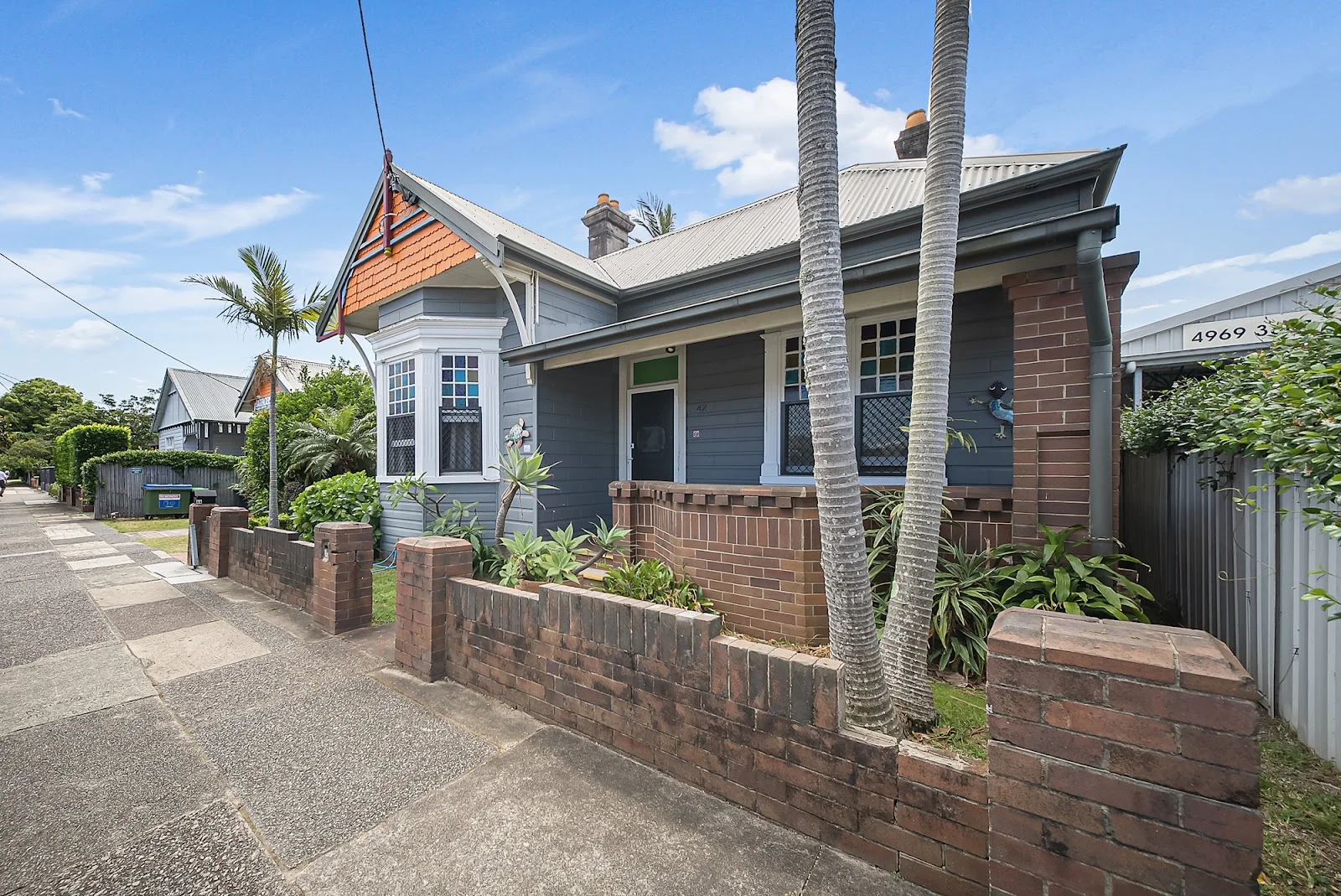 $2,000,000
propertyType.BLOCK OF UNITS
$2,000,000
propertyType.BLOCK OF UNITS
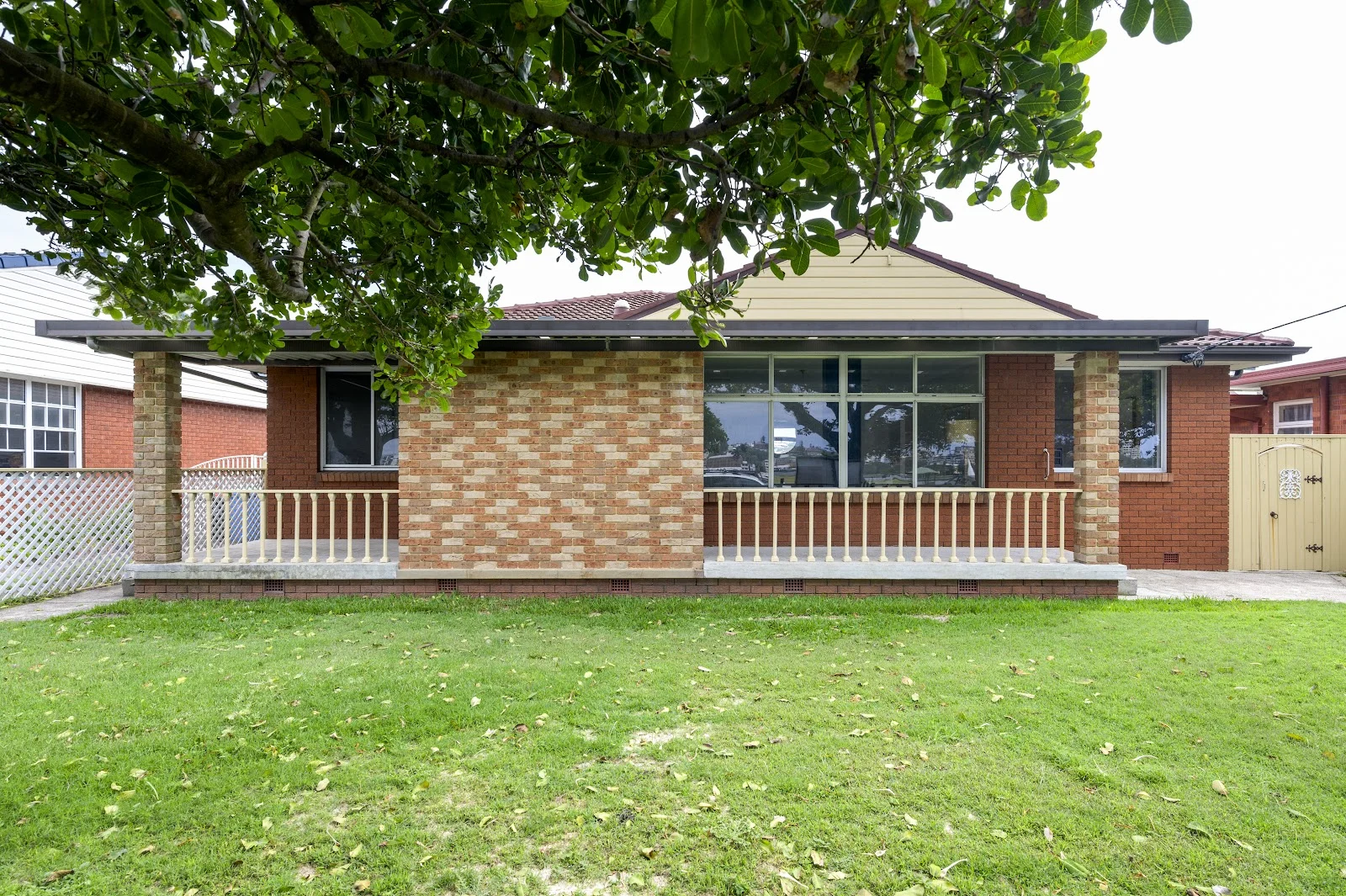 $2,500,000
House
$2,500,000
House
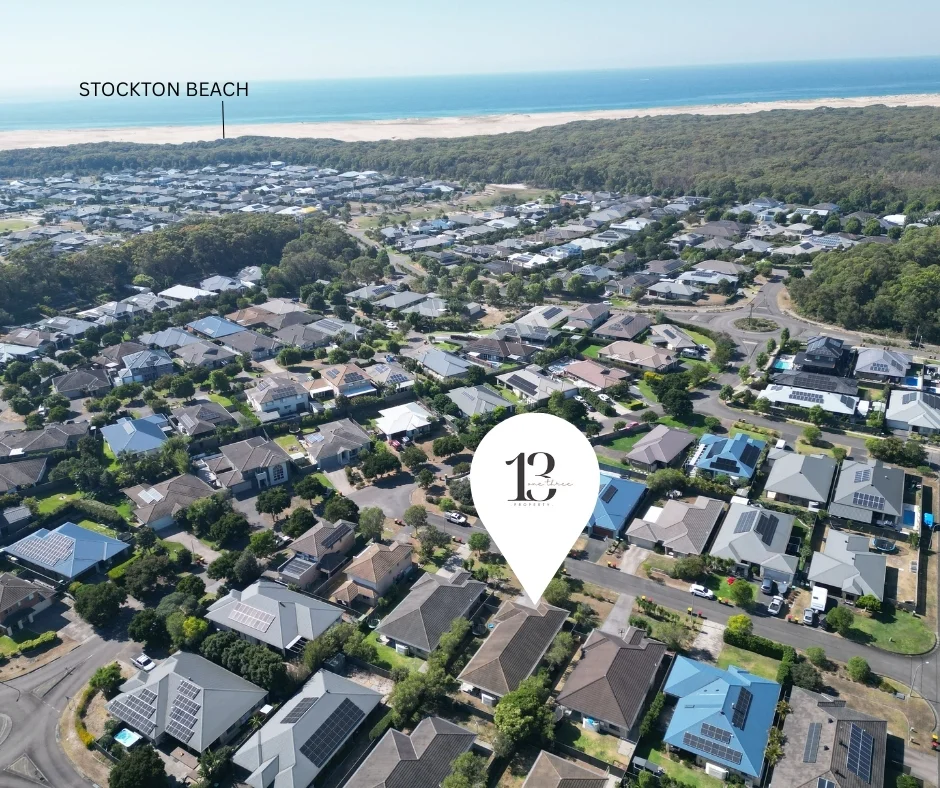 $900,000 - $990,000
House
$900,000 - $990,000
House


