## 1. Overview
Loreto Kirribilli is an independent Catholic girls’ school on Sydney’s lower north shore, offering a values-based education with a strong academic emphasis. It combines a nurturing, inclusive culture with a commitment to leadership, service and personal development.
- School type: Independent Catholic
- School size: Medium
- Class size: Typically around 20–25 students per class
- Atmosphere/culture: Nurturing, academically focused, inclusive, with a strong sense of community and service
---
## 2. Academics & Learning
- Academic strengths: Strong emphasis on English and literacy, solid STEM and numeracy foundations, robust languages program, and opportunities to develop leadership and communication skills.
- Special programs: Gifted and Talented/accelerated options; leadership development; service-learning and other experiences that broaden essential skills beyond the classroom.
- NAPLAN trends: Generally strong performance with trends showing consistency or improvement in reading and numeracy over recent years, reflecting solid learning outcomes across year levels.
- Student-teacher ratios: Small-to-medium class sizes with favorable student-teacher ratios that support individualized attention.
- Support for diverse learners: Dedicated learning support team; EAL (English as an Additional Language) assistance; targeted support for SEN (special educational needs) and accommodations to ensure inclusive access to learning.
---
## 3. Sports & Extracurricular Strengths
- Sports offered: Netball, basketball, soccer, swimming, athletics, tennis and other school sport activities typical of a comprehensive program.
- Strong teams or achievements: Competitive participation across senior and junior levels with a record of progress in inter-school and regional competitions.
- Music, arts, drama programs: Active performing arts program including choir, orchestra, ensembles, drama productions and school musical opportunities.
- Clubs: Robotics, chess, coding, debating and other academic or interest-based clubs to extend learning beyond the classroom.
- Partnerships: Collaborations with local clubs, community organizations and inter-school competitions to broaden experiences and exposure.
Most parents in the target region look for broad participation options and clear pathways to both sport and the arts; Loreto Kirribilli provides a balanced mix designed to engage boys unrelated here (note: Kirribilli is a girls’ school).
---
## 4. Wellbeing & Pastoral Care
- Anti-bullying approach: Proactive policies and programs to promote respectful behavior, with clear reporting paths and student support.
- House system: House groups create belonging, community connection and healthy, platformed competition.
- Counsellors / wellbeing officers: Access to qualified school counsellors and wellbeing staff to support mental health and personal development.
- Transition support for new students: Orientation programs, buddy systems and personalised transition support to help new students settle in smoothly.
---
## 5. Facilities
- Sports grounds: On-site sports facilities and fields for a range of activities.
- Libraries: Modern library/resource centre supporting research and study.
- Science labs: Well-equipped science laboratories for practical experiments.
- Music/performing arts centers: Dedicated spaces for music, drama and performances.
- Tech/innovation labs: Modern technology and digital learning spaces.
- Cafeteria: On-site canteen or cafe offering a range of healthy meal options.
- Updated playgrounds: Well-maintained, age-appropriate outdoor spaces.
---
## 6. School Values & Community Culture
- School values / mission: Catholic ethos grounded in service, leadership, and the empowerment of young women; commitment to social justice and community service.
- Leadership style: Collaborative, with opportunities for student voice in leadership roles and representative councils.
- Behaviour expectations: Clear standards for respect, responsibility, integrity and teamwork.
- Community reputation: Positive reputation within the local area for academic excellence, faith-based education and community engagement.
- Diversity & inclusion: Emphasis on welcoming students from diverse backgrounds and creating an inclusive school culture.
---
## 7. School Logistics & Daily Operations
- School hours: Regular school day typically runs from around mid-morning to mid-afternoon, with typical start and finish times aligned to NSW school schedules.
- Before/after school care: Available or arranged through school/community providers; check current offerings.
- Uniform requirements: Comprehensive uniform policy with seasonal options (summer/winter), including typical blazer/tie for older students and appropriate footwear; clear guidelines for appearances.
- Transport (train/bus routes): Accessible by nearby public transport, with options including bus routes and rail/ferry connections to the vicinity; families often use transport services from North Sydney, Milsons Point or Circular Quay.
- Canteen availability: On-site canteen or cafeteria providing lunch and snack options.
- Fees (low/medium/high ranges): Fees are in the mid-to-high range for NSW independent Catholic schools, with additional costs such as uniforms, textbooks, excursions and activities.
---
## 8. Enrolment & Admissions
11. What is the enrolment process and timeline?
- Submit an expression of interest or application via the school’s enrolment process.
- Provide required documents (academic records, identity, parental information, etc.).
- Complete any required assessments or interviews; participate in an enrolment interview with leadership or admissions team.
- Receive an offer if a place is available; confirm acceptance and pay applicable fees.
- Plan for orientation and transition activities before the start of the first term or year.
12. Is there a waiting list, and how does it work?
- Yes, there is usually a waiting list for popular year levels. Offers are made as places become available and are typically prioritized by application date, year level, and ensuring alignment with school capacity and the intake policy.
13. Are there any entry requirements, tests, or interviews?
- Interviews are commonly part of the process, and there may be assessments or discussions to understand fit with the program, values, and learning needs. Religious orientation or confirmation of Catholic ethos may be part of the process where relevant.
14. Does the school accept mid-year transfers?
- Mid-year transfers may be possible if a place is available and the applicant meets the entry requirements. Availability varies by year level and term, so early discussion with the admissions team is recommended.
---
## 9. Frequently Ask Questions
- Why Parents Choose This School?
- A values-based Catholic education for girls with strong academics, a supportive community, and emphasis on leadership and service.
- What type of student thrives at this school?
- Motivated, collaborative, curious students who value a balanced program that includes academics, arts, sport and service.
- What opportunities are available for students to extend their skills (academics, sports, arts)?
- Advanced coursework and leadership opportunities, robust music and drama programs, competitive sports, and clubs such as robotics, coding, debating and chess.
- How does the school communicate with parents?
- Regular newsletters, a parent portal or communication platform, parent-teacher interviews, and timely updates via email or phone.
- What is the school’s approach to teaching and learning?
- A student-centered, values-driven approach that combines core NSW curriculum with inquiry-based learning, digital literacy and opportunities for holistic development.
- How does the school support students who need extra academic help?
- Dedicated learning support, EAL assistance, targeted interventions and access to counselling and guidance services.
- What support is available for academic challenges?
- Progress tracking, personalised support plans, tutoring or small-group sessions, and ongoing teacher collaboration to adapt learning pathways.
- How does the school communicate with parents?
- See above: newsletters, portals, interviews and direct contact from teachers or coordinators.
- What are the class sizes and how much individual attention do students receive?
- Class sizes are typically around 20–25 students, with favorable student-teacher ratios and access to teacher support through a range of school programs.
- What extracurricular and sports opportunities are available?
- A broad menu including team sports, music ensembles, drama, and clubs such as robotics, coding, chess and debating.
- What facilities does the school offer (sports, science, arts)?
- Sports grounds, libraries, science labs, music/performing arts spaces, tech/innovation labs, canteen, and updated outdoor facilities.
- What is the school’s approach to technology and digital learning?
- Integration of technology across the curriculum with digital learning platforms and spaces designed to build digital literacy and 21st-century skills.
- What transport and accessibility options are available?
- Proximity to public transport with access to nearby bus routes, rail and ferry options; families often travel from surrounding suburbs.
- What are the typical school fees or additional costs?
- Fees are in the mid-to-high range for NSW independent schools, with additional costs for uniforms, excursions, books and activities.
---
## 10. Short Pros & Cons list
- Pros
- Values-based Catholic education with a focus on leadership and service
- Strong academic track record and supportive learning environment
- Broad range of co-curriculars (sport, arts, clubs)
- Small-to-medium class sizes promoting individual attention
- Comprehensive wellbeing and pastoral care
- Cons
- Fees are higher than public schools (typical for independent Catholic schools)
- Girls-only setting may not suit every family or student
- Location is central and busy; commuting can involve transit planning for some families









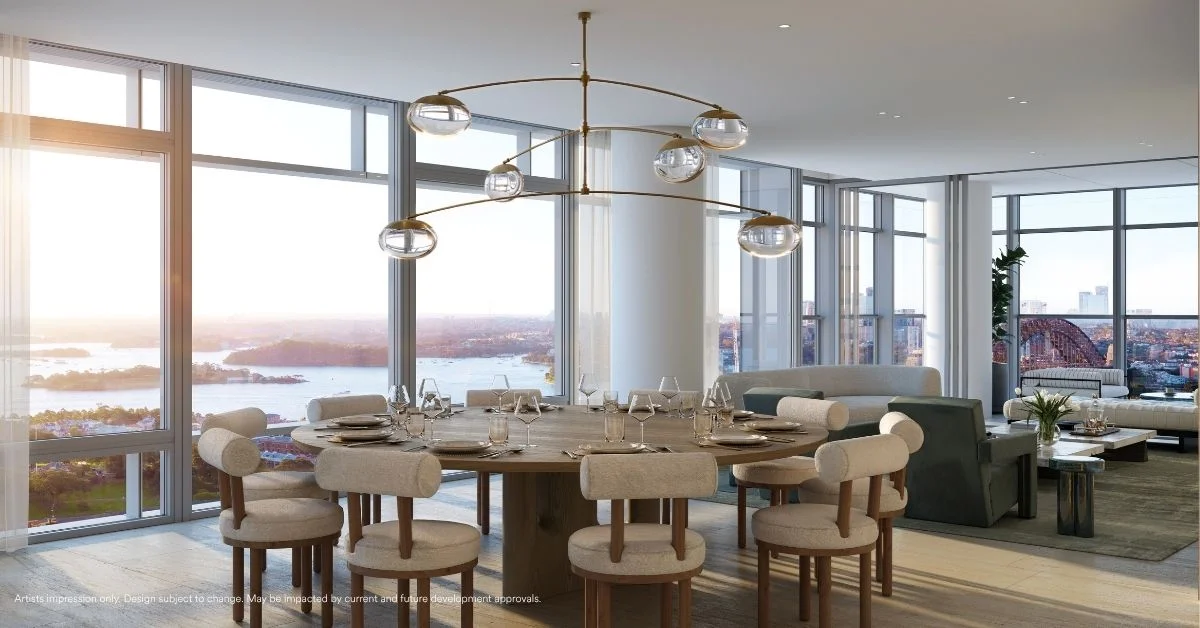 $26,550,000
propertyType.NEW APARTMENTS / OFF THE PLAN
$26,550,000
propertyType.NEW APARTMENTS / OFF THE PLAN
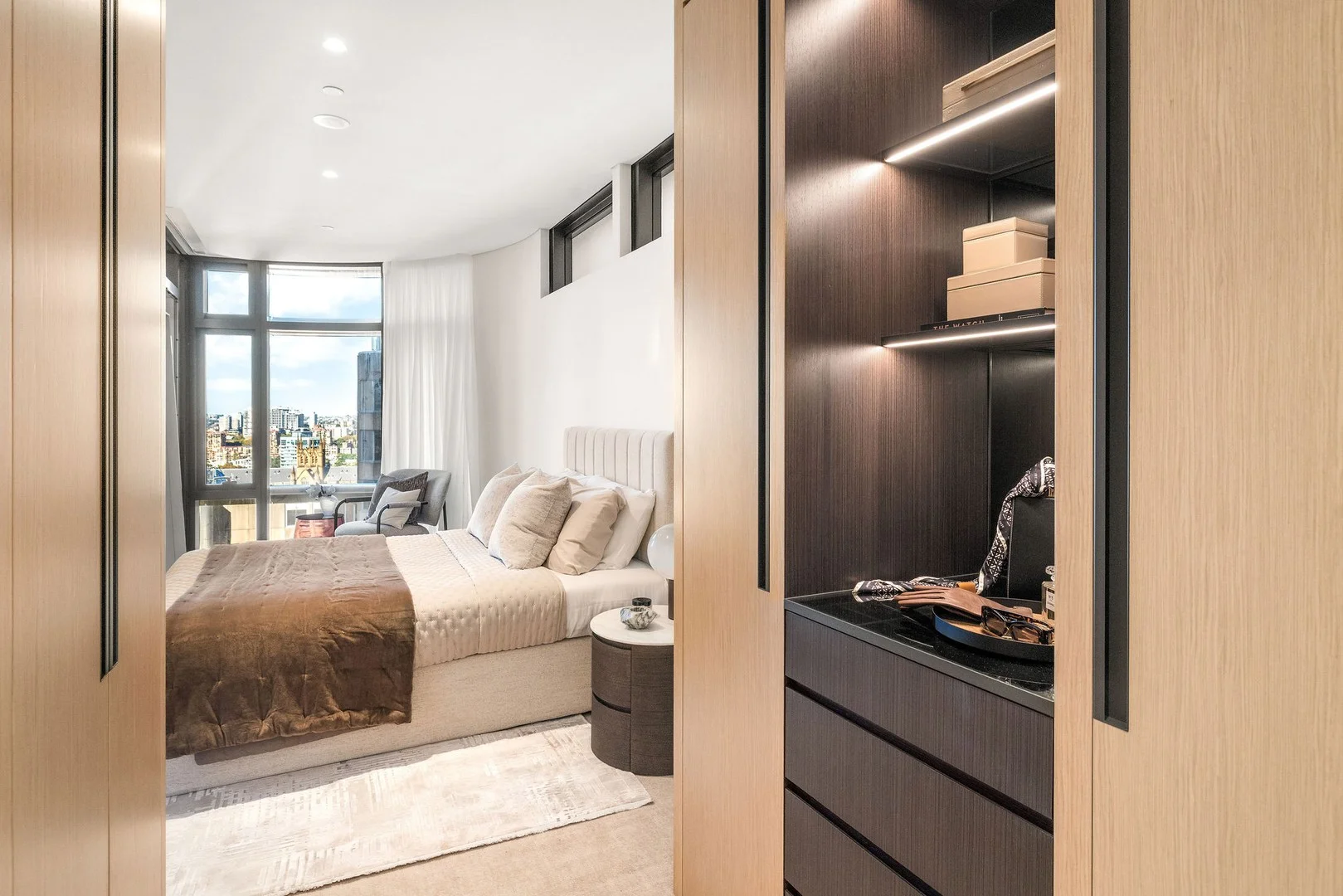 $2,745,000
propertyType.NEW APARTMENTS / OFF THE PLAN
$2,745,000
propertyType.NEW APARTMENTS / OFF THE PLAN
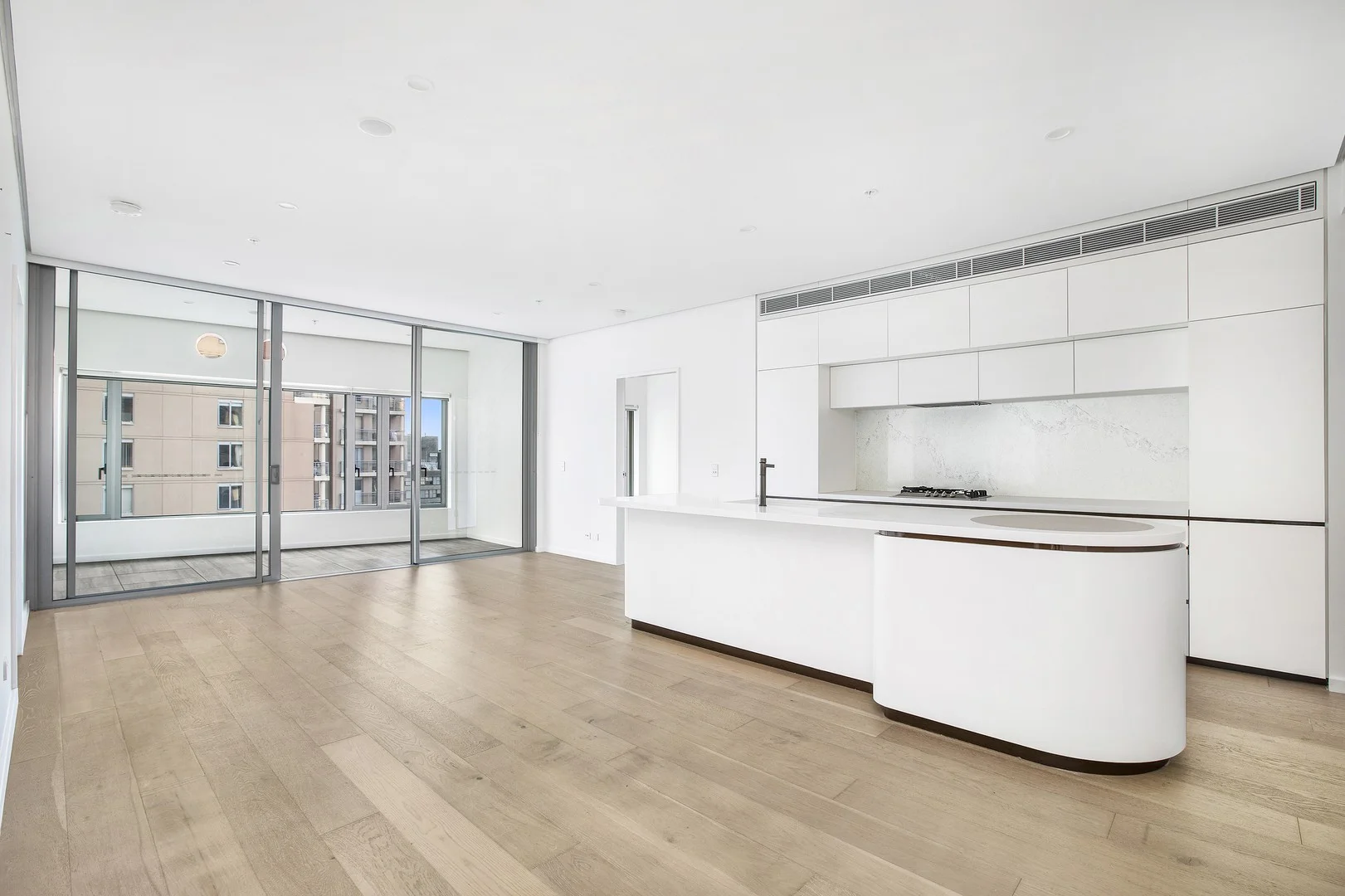 $2,250,000
Apartment / Unit / Flat
$2,250,000
Apartment / Unit / Flat
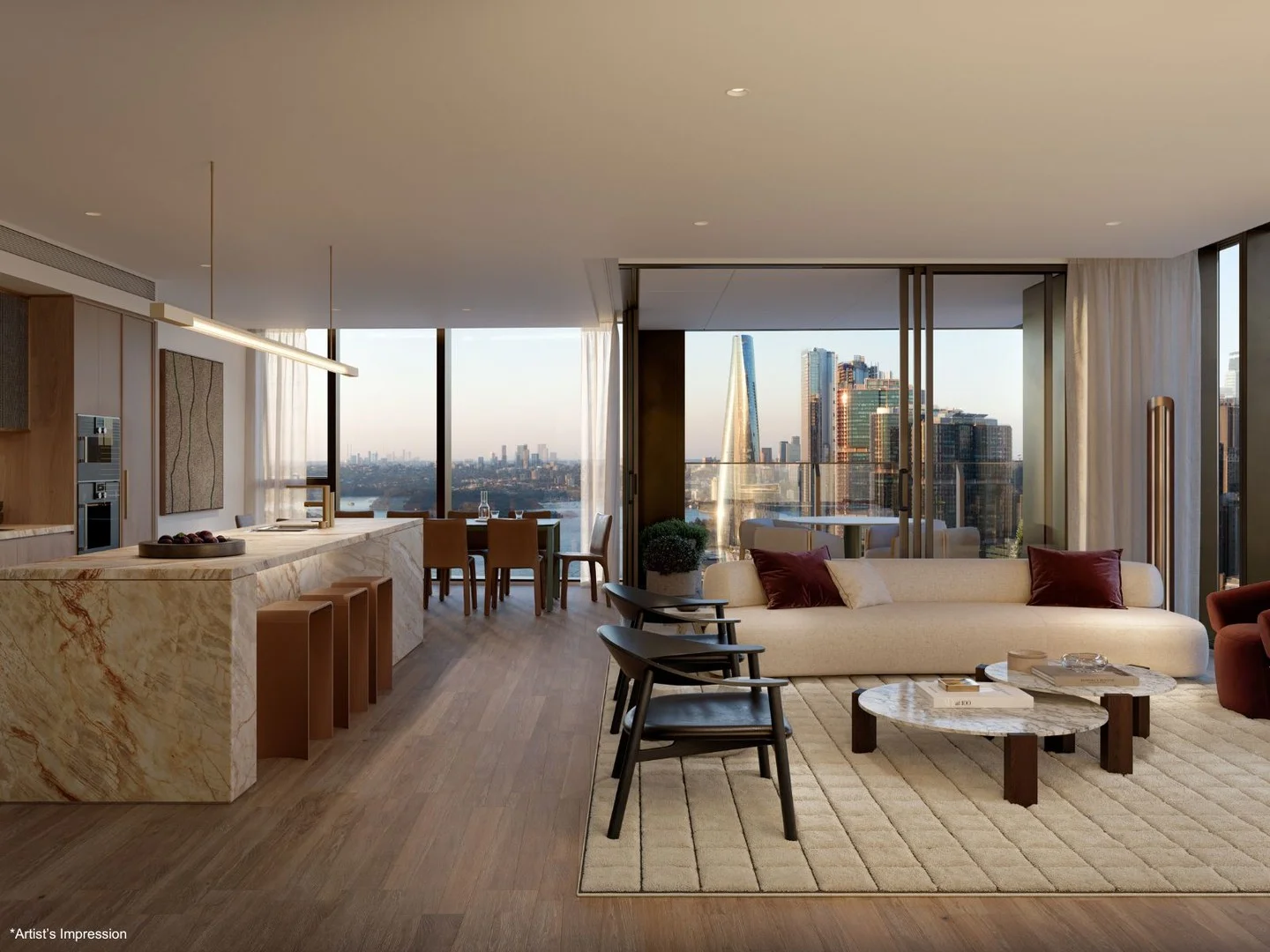 $12,980,000
propertyType.NEW APARTMENTS / OFF THE PLAN
$12,980,000
propertyType.NEW APARTMENTS / OFF THE PLAN
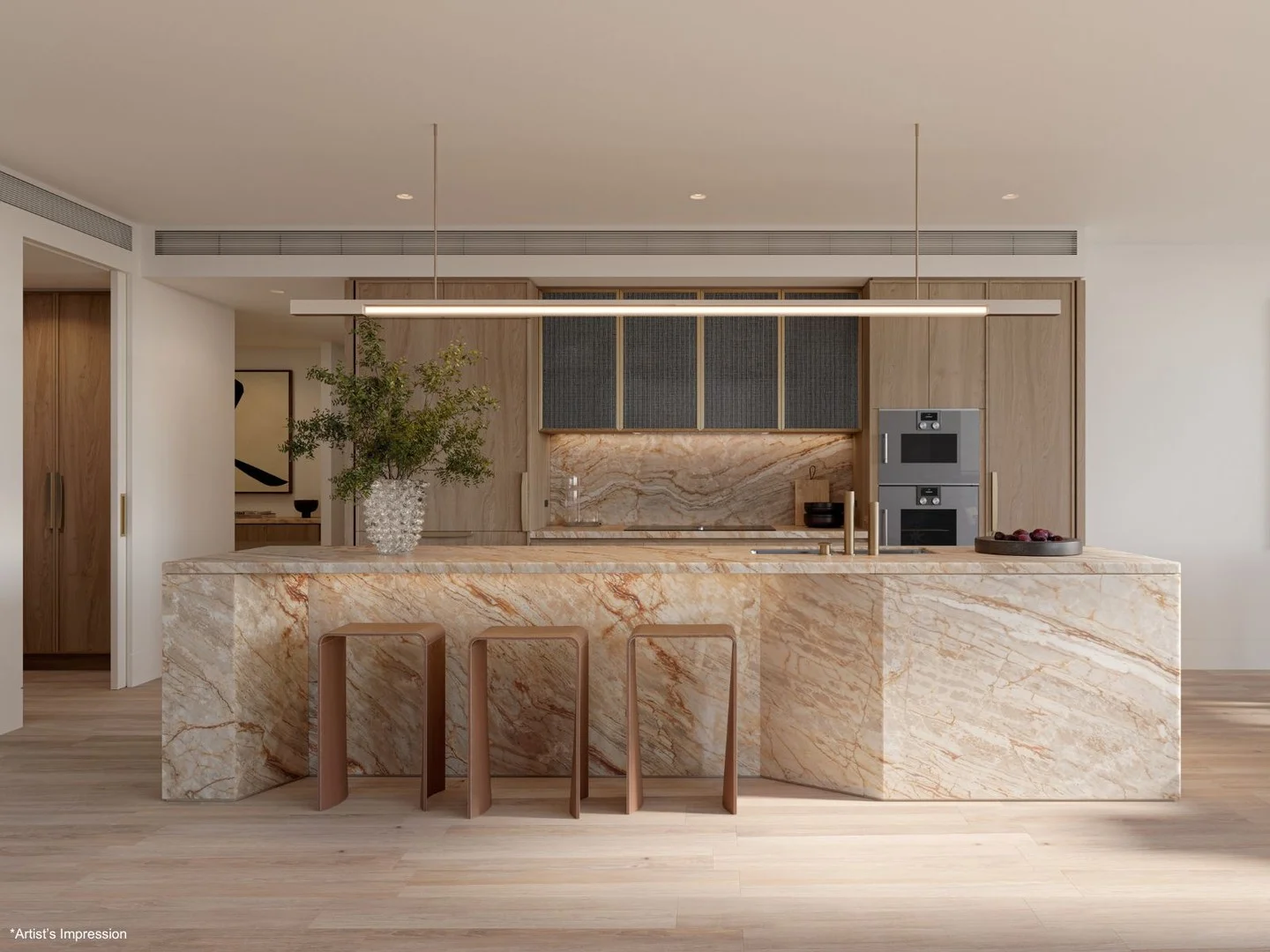 $6,225,000
propertyType.NEW APARTMENTS / OFF THE PLAN
$6,225,000
propertyType.NEW APARTMENTS / OFF THE PLAN
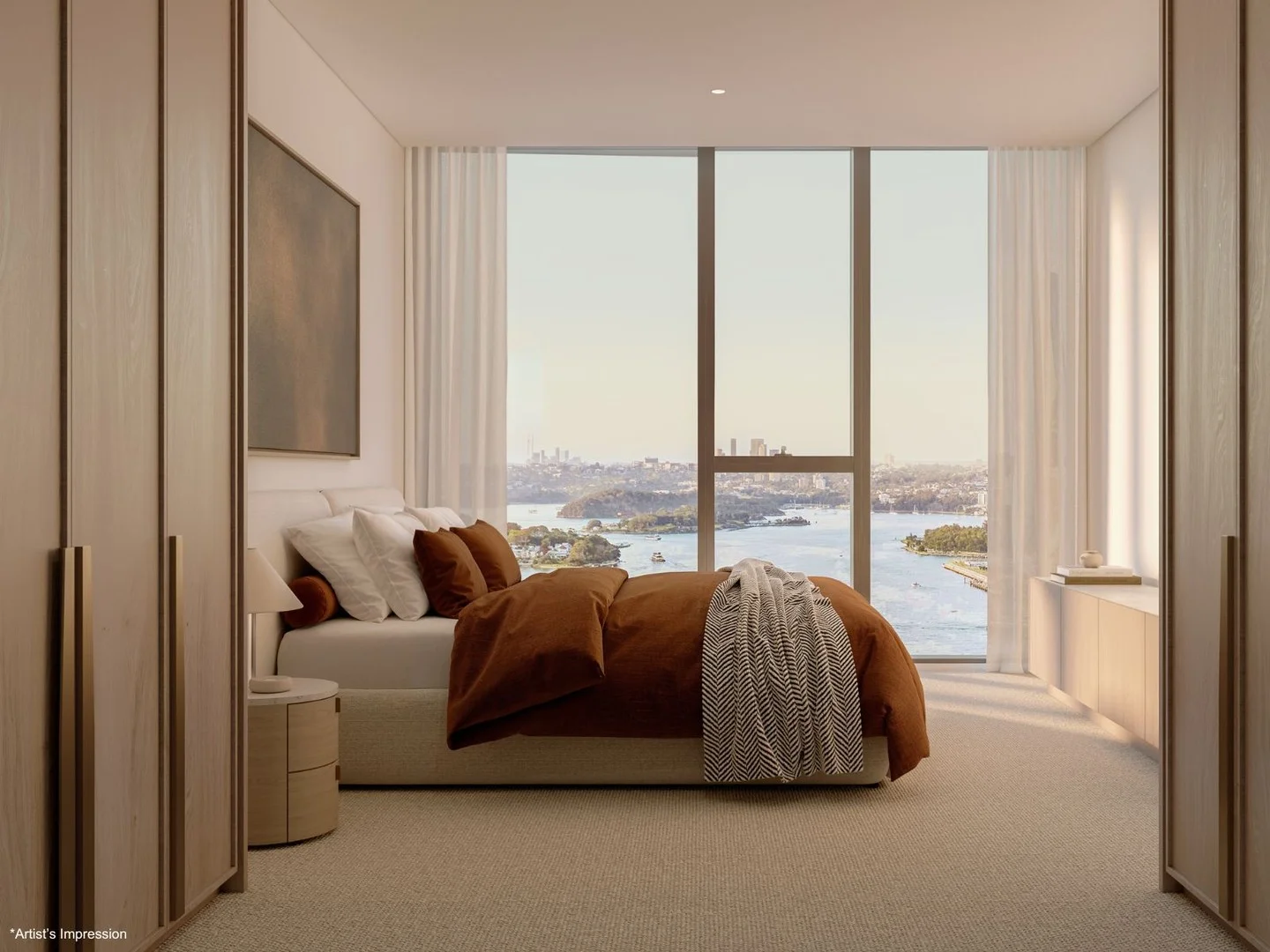 $8,630,000
propertyType.NEW APARTMENTS / OFF THE PLAN
$8,630,000
propertyType.NEW APARTMENTS / OFF THE PLAN
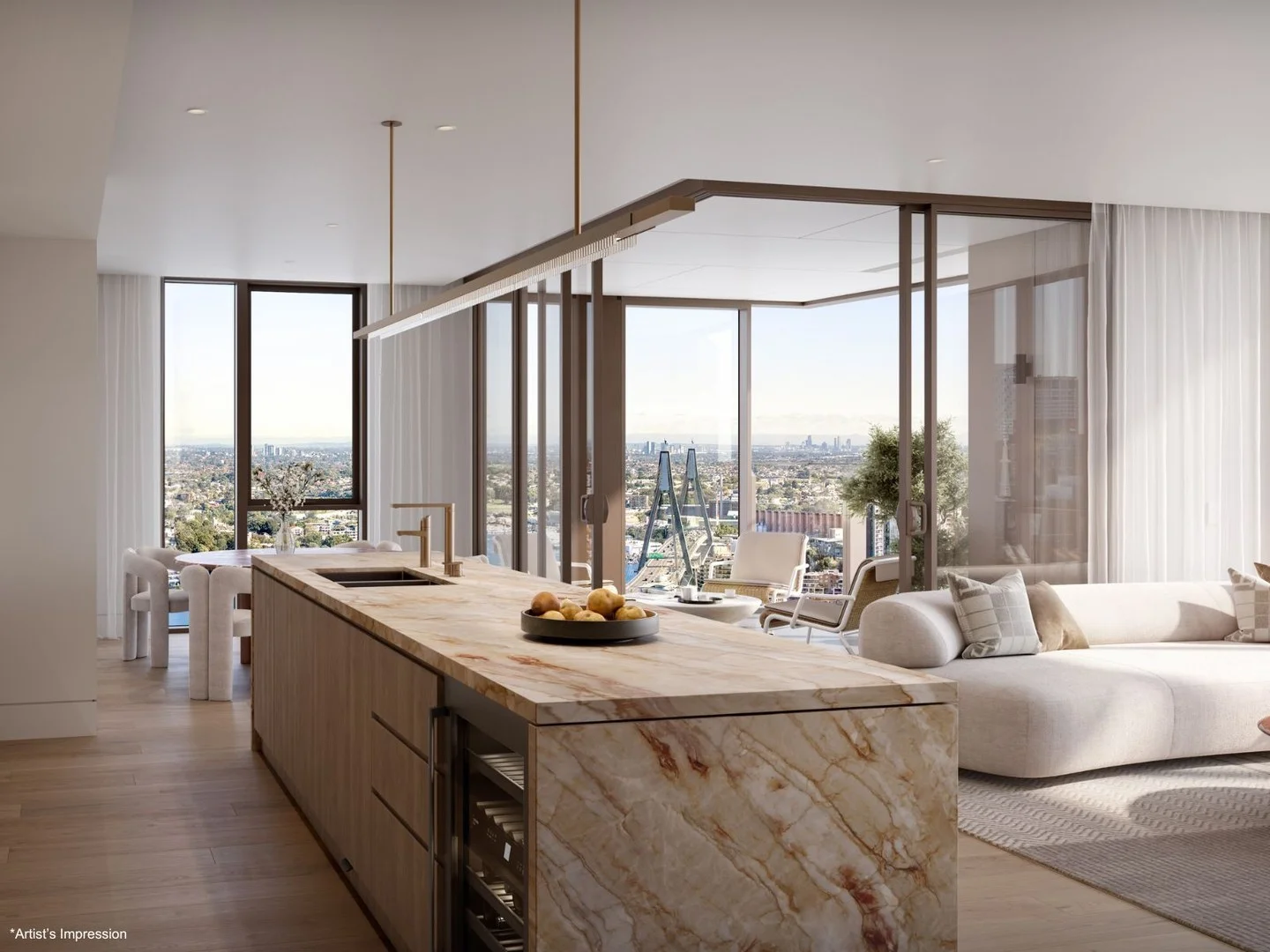 $9,020,000
propertyType.NEW APARTMENTS / OFF THE PLAN
$9,020,000
propertyType.NEW APARTMENTS / OFF THE PLAN
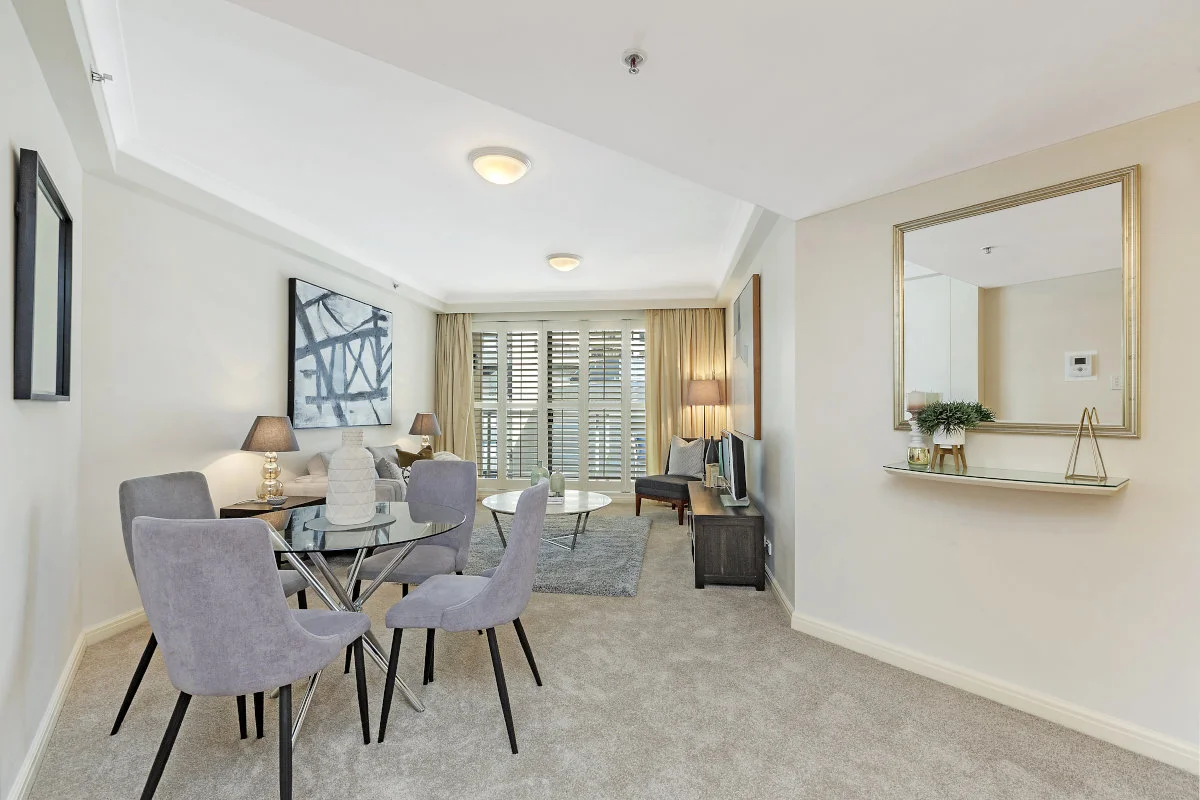 $660,000 - $725,000
Apartment / Unit / Flat
$660,000 - $725,000
Apartment / Unit / Flat
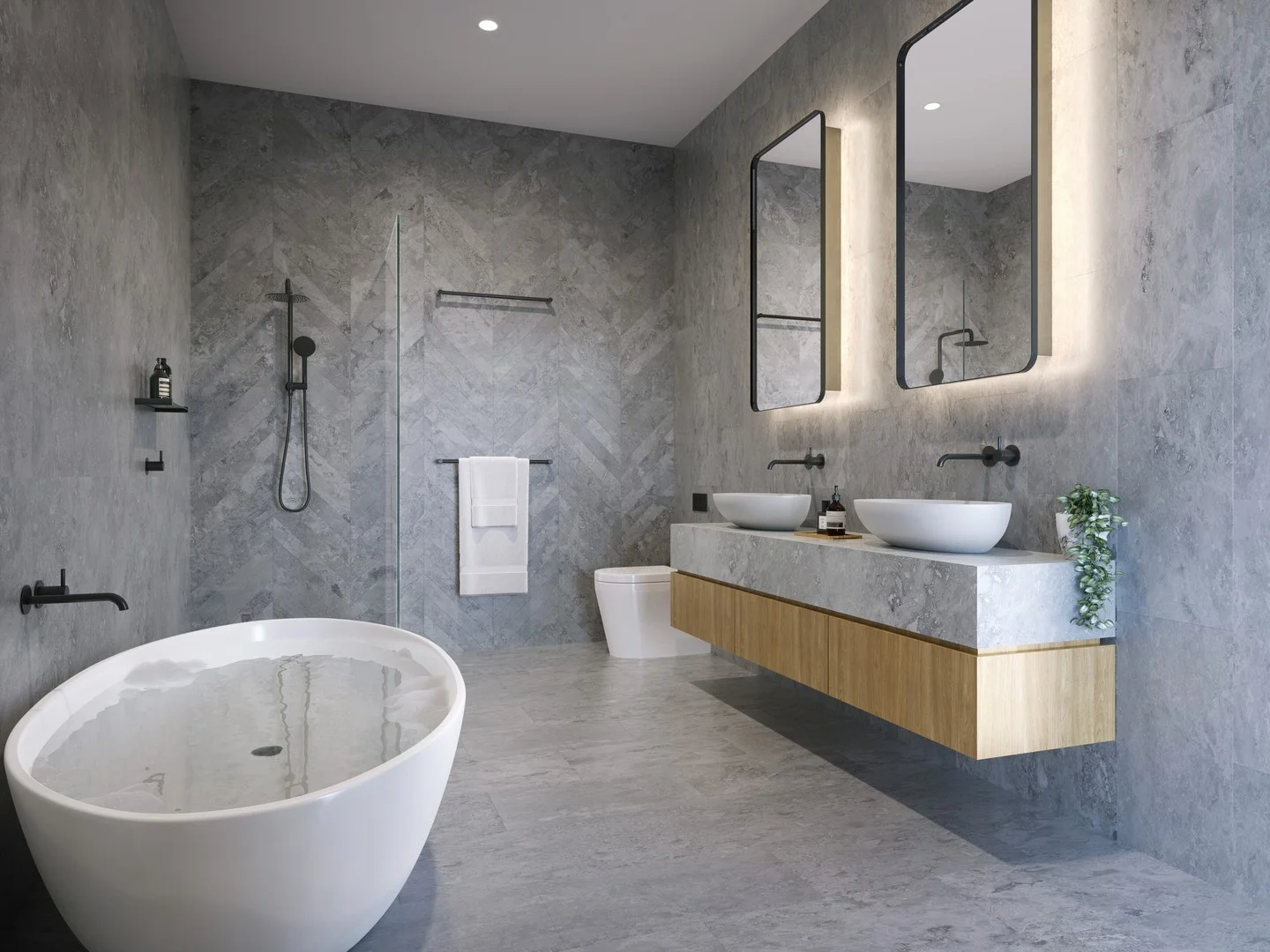 $2,824,000
Apartment / Unit / Flat
$2,824,000
Apartment / Unit / Flat


