## 1. Overview
Catholic Regional College Keilor North is a Catholic, co-educational regional college serving families in the Keilor area. The college offers a comprehensive secondary education with a focus on values-based learning, academic development, and well-rounded personal growth. It provides a medium-to-large school environment with a community-centric atmosphere that aims to be inclusive, supportive, and aspirational for students.
The campus supports a nurturing culture where students are encouraged to participate in a wide range of academic, sporting, artistic and community activities. Class sizes are designed to balance individual attention with collaborative learning, and the overall atmosphere emphasizes respect, responsibility, and faith-informed leadership.
⸻
## 2. Academics & Learning
- Academic strengths: Strong emphasis on English and STEM, with opportunities to build leadership skills and engage in languages and humanities.
- Special programs: VCE pathways, career and vocation options (including VET/industry partnerships), and opportunities for leadership development. Programs aimed at gifted and talented students may be available within the college’s learning trajectory.
- NAPLAN / trends: Positive trends over recent years with continued focus on literacy and numeracy improvement and overall student growth.
- Student-teacher ratios: Typical ratios that support effective teaching and learning (approximations around 1:14–1:18 in core classes, with variations by subject and year level).
- Support for diverse learners: Dedicated support for EAL (English as an Additional Language) students and SEN (Special Educational Needs) support, as well as access to learning support staff and case management.
⸻
## 3. Sports & Extracurricular Strengths
- Sports offered: Football (soccer), basketball, netball, cricket, tennis, athletics, volleyball and other team or individual sports aligned to seasons.
- Strong teams or achievements: Notable participation in local school and community competitions with active school sports programs and teams.
- Music, arts, drama programs: Broad music and performing arts opportunities, including school productions and ensembles.
- Clubs: Robotics, coding, chess, debating and other academic or interest-based clubs.
- Partnerships: Local club and community partnerships to support competitions, coaching, and extended learning opportunities.
Most parents skim this section to gauge athletic and creative opportunities for boys aged 10–14.
⸻
## 4. Wellbeing & Pastoral Care
- Anti-bullying approach: Clear anti-bullying policies with proactive education and reporting mechanisms; emphasis on a safe, respectful campus culture.
- House system: House-based pastoral structure to foster belonging, mentoring, and healthy competition.
- Counsellors / wellbeing officers: Access to school counsellors and wellbeing staff to support mental health, social-emotional learning, and transitions.
- Transition support: Programs to help new students settle in, establish routines, and build connections with peers and staff.
⸻
## 5. Facilities
- Sports grounds: On-site sports fields and courts to support a wide range of physical education and extracurricular activities.
- Libraries: Well-equipped library spaces for study, reading, and collaborative work.
- Science labs: Modern science laboratories for hands-on learning and experimentation.
- Music/performing arts centers: Dedicated spaces for music rehearsals, theatre, and performance.
- Tech/innovation labs: Computer labs and maker spaces to support digital learning and project-based activities.
- Cafeteria: On-site canteen or dining facilities for students.
- Updated playgrounds: Well-maintained outdoor spaces supporting recreation and break times.
⸻
## 6. School Values & Community Culture
- School values / mission: A faith-informed mission focused on community, service, integrity, and personal growth.
- Leadership style: Distributed leadership with opportunities for student voice through student councils, clubs, and initiative programs.
- Behaviour expectations: Clear codes of conduct and expectations around respect, responsibility, safety, and collaboration.
- Community reputation: A positive reputation for welcoming families, active community involvement, and a focus on inclusive education.
- Diversity & inclusion: Commitment to diversity and inclusive practices that support students from varied backgrounds and abilities.
⸻
## 7. School Logistics & Daily Operations
- School hours: Typical secondary school day structure with start and finish times aligned to Victorian school calendars.
- Before/after school care: Availability of before/after school care or supervision options (where offered by the college or through community partners).
- Uniform requirements: Specified school uniform and guidelines for daily wear and special events.
- Transport (train/bus routes): Access to public transport options and nearby bus routes or train stations serving the campus area.
- Canteen availability: On-site canteen or food service for students during school hours.
- Fees (low/medium/high ranges): Fees are generally in the mid-range for regional Catholic secondary education, with information provided by the school on annual costs and any additional charges.
⸻
## 8. Enrolment & Admissions
11. What is the enrolment process and timeline?
- Submit an enrolment application (usually online) within the college’s intake period.
- Provide required documents (birth certificate, immunisation history, most recent school reports or transcripts, etc.).
- Attend any information sessions or Open Day events if offered; participate in interviews or assessments if required for year level entry.
- Complete any family interview or orientation steps as part of the offer process.
- Receive notification of outcomes and secure the place by the designated acceptance deadline.
12. Is there a waiting list, and how does it work?
- Waiting lists are common when year levels reach capacity. Families are placed on a waiting list and moved up as vacancies arise, with subsequent offers based on the college’s enrolment priorities and timing.
13. Are there any entry requirements, tests, or interviews?
- Most enrolments involve a general admissions process, with possible interviews or informally assessed transitions for specific year levels. Some programs may include assessments to gauge literacy and numeracy for appropriate placement, but the emphasis is on fit with the school environment and student support needs.
14. Does the school accept mid-year transfers?
- Mid-year transfers are considered subject to vacancies and a smooth transfer of academic records. Families should apply promptly, and the college will outline required documents, transition planning, and any support for continuity of learning.
⸻
## 9. Frequently Asked Questions
- Why Parents Choose This School?
- A values-based Catholic environment, strong academic pathways, supportive pastoral care, and a broad range of extracurriculars that help students grow academically and personally.
- What type of student thrives at this school?
- Students who are motivated to engage across academics, faith-based values, and diverse interests, and who benefit from a supportive, inclusive community.
- What opportunities are available for students to extend their skills (academics, sports, arts)?
- Advanced or VCE pathways, leadership opportunities, STEM and humanities projects, sport teams, arts programs, music ensembles, robotics, coding, and debating clubs.
- How does the school communicate with parents?
- Regular communications via newsletters, emails, parent portals, and school events; opportunities to meet with teachers and pastoral staff.
- What is the school’s approach to teaching and learning?
- A balanced approach combining rigorous curriculum, differentiated instruction, and support for diverse learners within a faith-informed context.
- How does the school support students who need extra academic help?
- Targeted literacy and numeracy support, SEN services, EAL programs, and tutoring or small-group assistance as part of the learning support framework.
- What support is available for academic challenges?
- Access to learning support staff, guidance from subject teachers, and pathways to alternate or supported study options where appropriate.
- How does the school communicate with parents? (Repeat)
- See above: regular updates, portals, and parent events to keep families informed about progress and opportunities.
- What are the class sizes and how much individual attention do students receive?
- Class sizes are designed to enable meaningful instruction and individual attention, with teacher availability for extra help and targeted feedback.
- What extracurricular and sports opportunities are available?
- A wide range of sports and clubs including robotics, coding, chess, debating, music, drama, and multiple sports teams.
- What facilities does the school offer (sports, science, arts)?
- Sports grounds, libraries, science labs, music/performing arts spaces, tech/innovation labs, canteen, and well-maintained outdoor spaces.
- What is the school’s approach to technology and digital learning?
- Integration of technology across the curriculum, with computer labs, digital learning tools, and classroom practices that develop digital literacy.
- What transport and accessibility options are available?
- Public transport access via nearby bus/train routes, with information and support for student travel planning.
- What are the typical school fees or additional costs?
- Fees fall in the mid-range for regional Catholic secondary schools; specifics are provided by the school on an annual basis, including any resource or activity charges.
⸻
## 10. Short Pros & Cons list
- Pros
- Values-based Catholic education with a supportive community
- Broad academic pathways and opportunities for leadership
- Strong range of extracurriculars (sports, arts, clubs)
- Dedicated wellbeing and pastoral care
- Modern facilities and well-equipped learning spaces
- Cons
- Class sizes vary by year level and subject
- Uniforms and certain activities can involve ongoing costs
- Places may be limited at popular year levels and some wait times may occur
- Travel times for families living farther from the Keilor area
⸻

 Free
Free













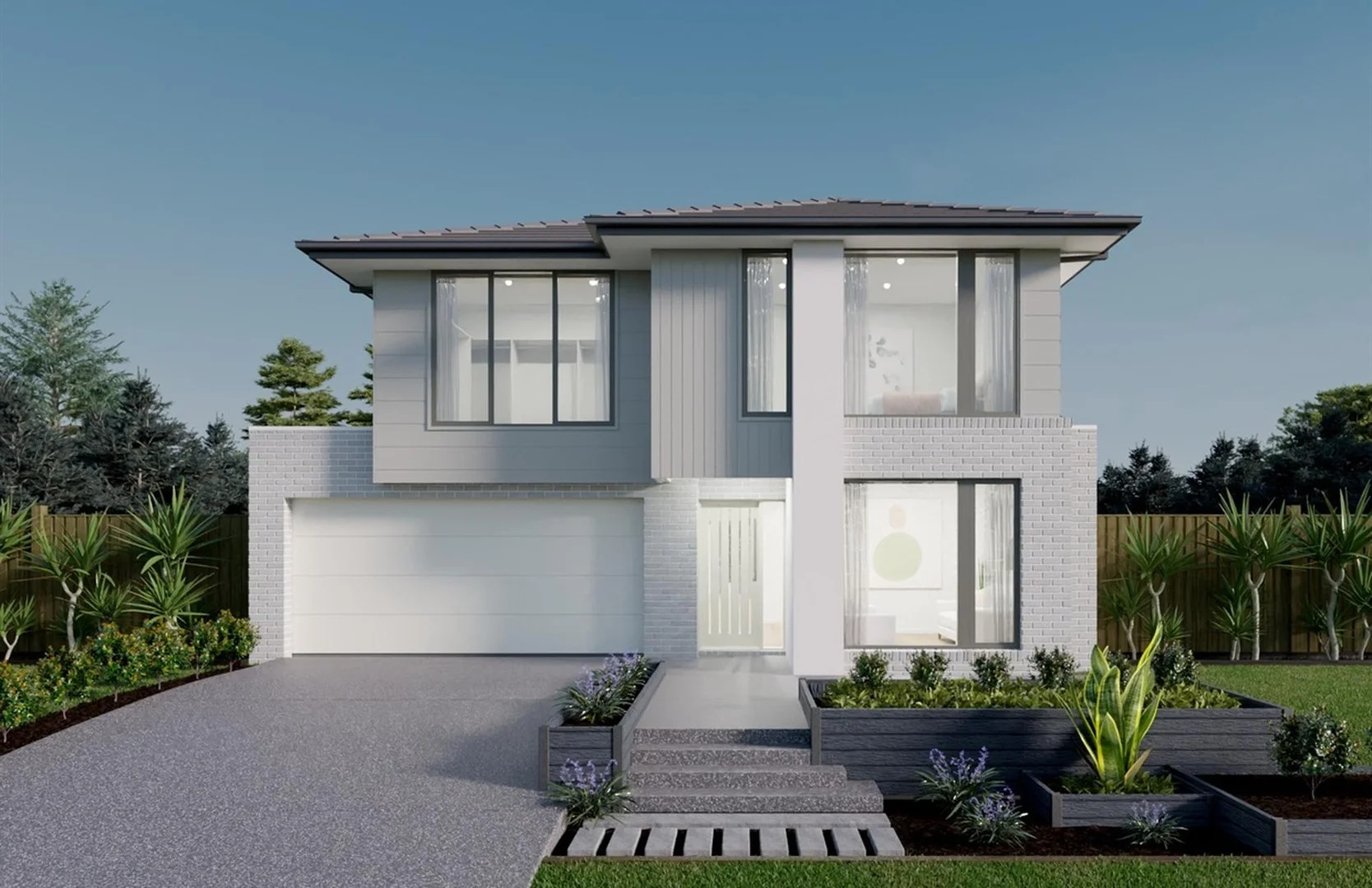 $866,400
propertyType.NEW HOUSE & LAND
$866,400
propertyType.NEW HOUSE & LAND
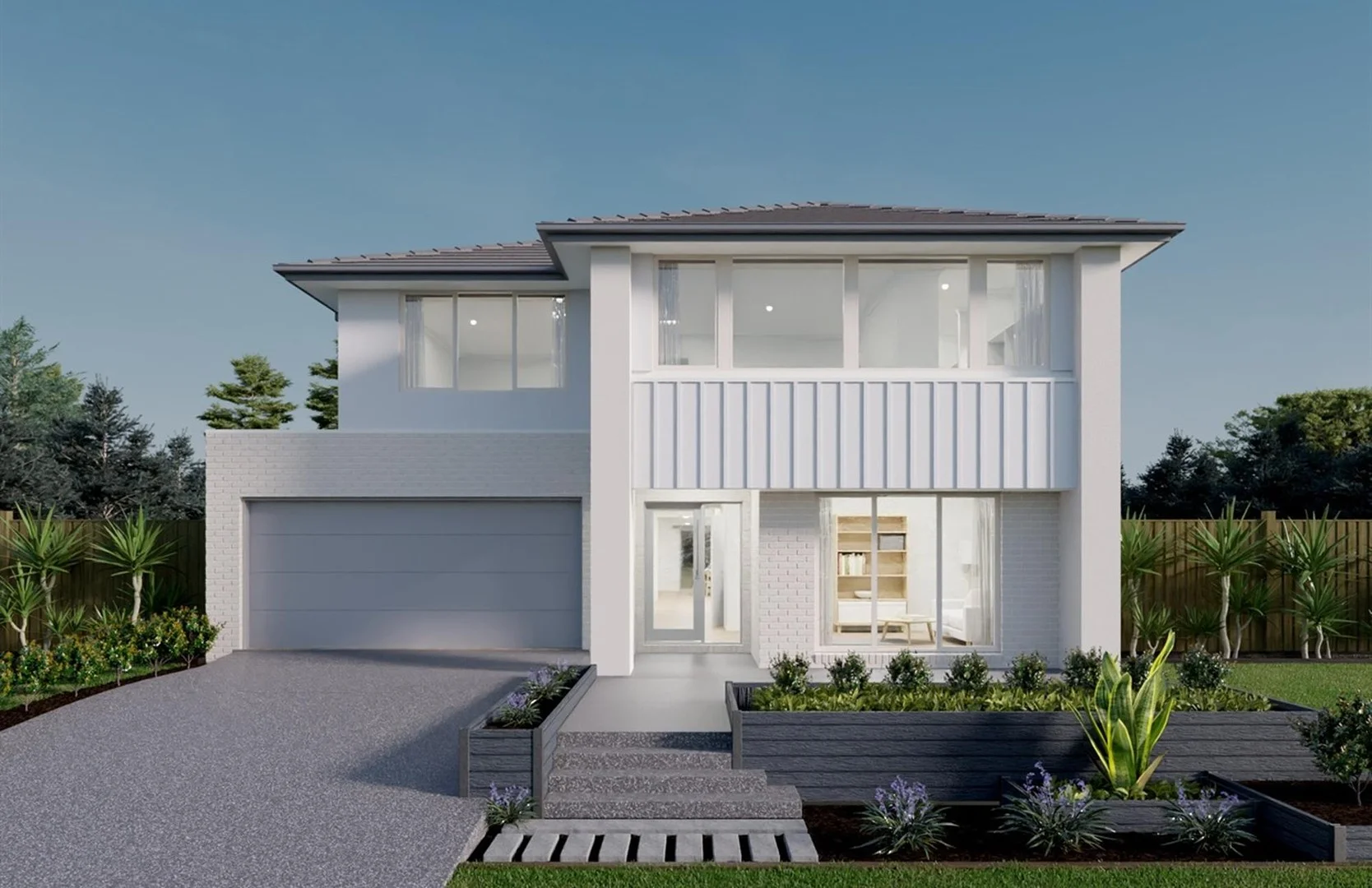 $980,500
propertyType.NEW HOUSE & LAND
$980,500
propertyType.NEW HOUSE & LAND
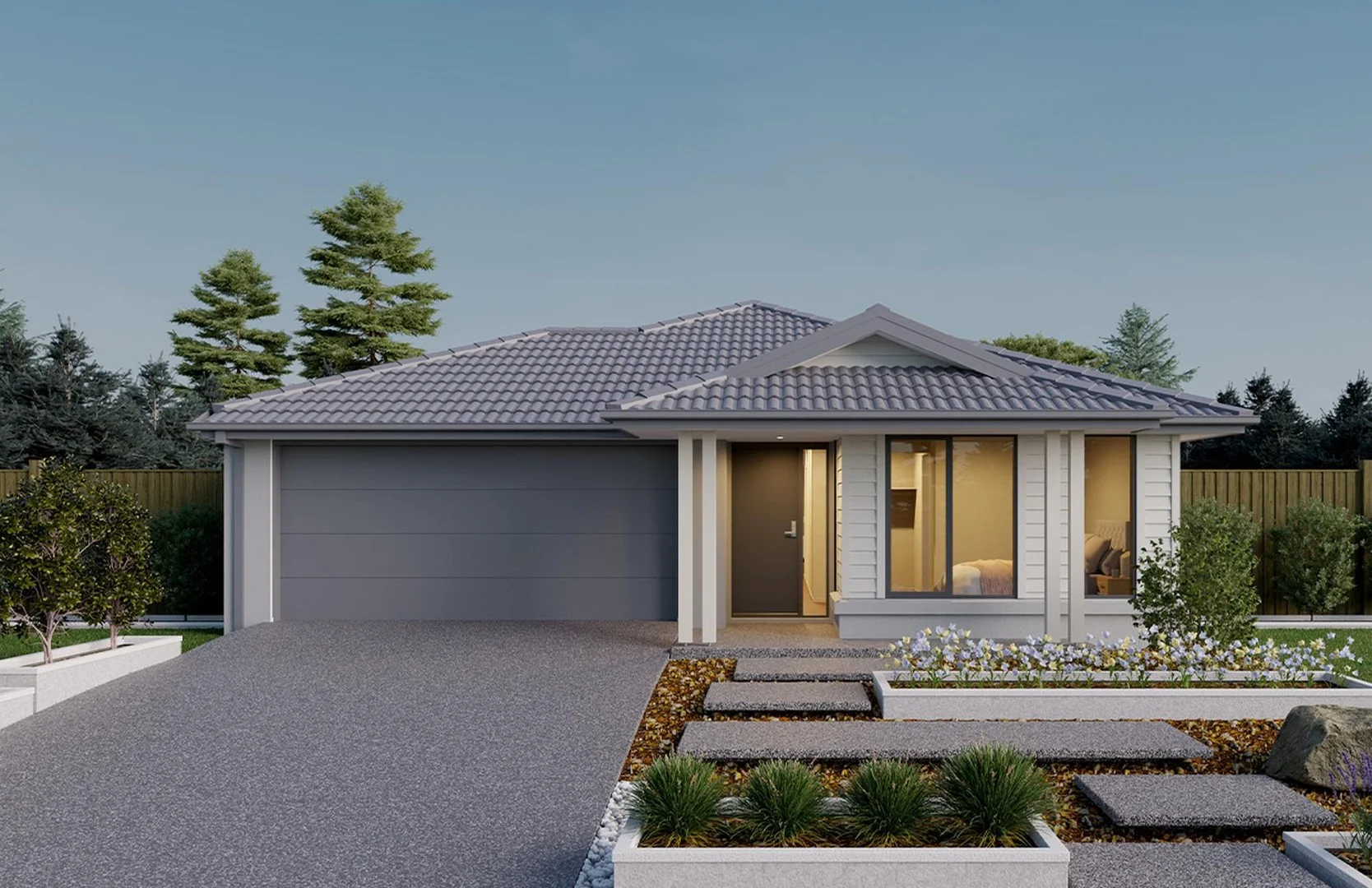 $688,800
propertyType.NEW HOUSE & LAND
$688,800
propertyType.NEW HOUSE & LAND
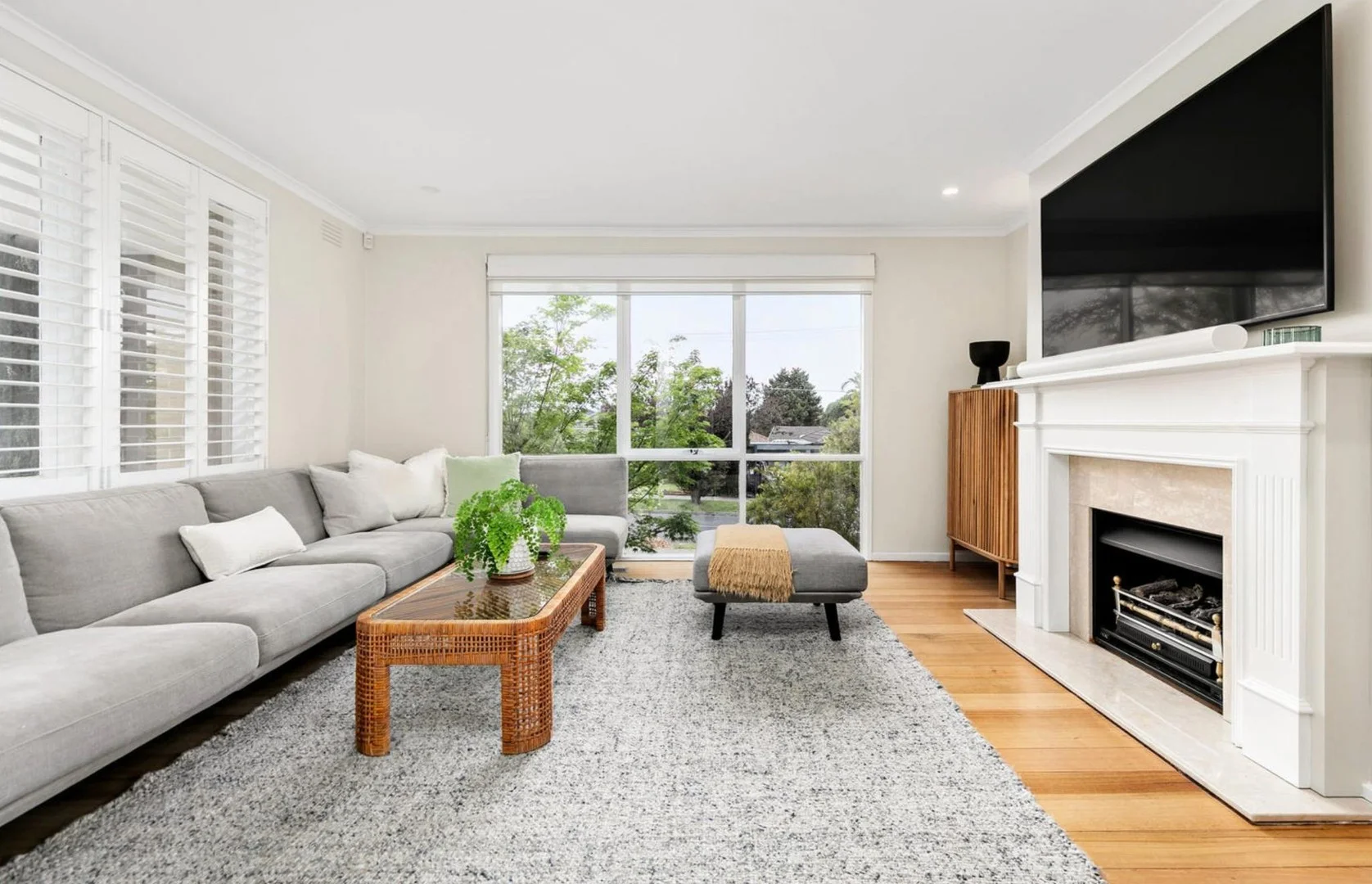 $750
House
$750
House
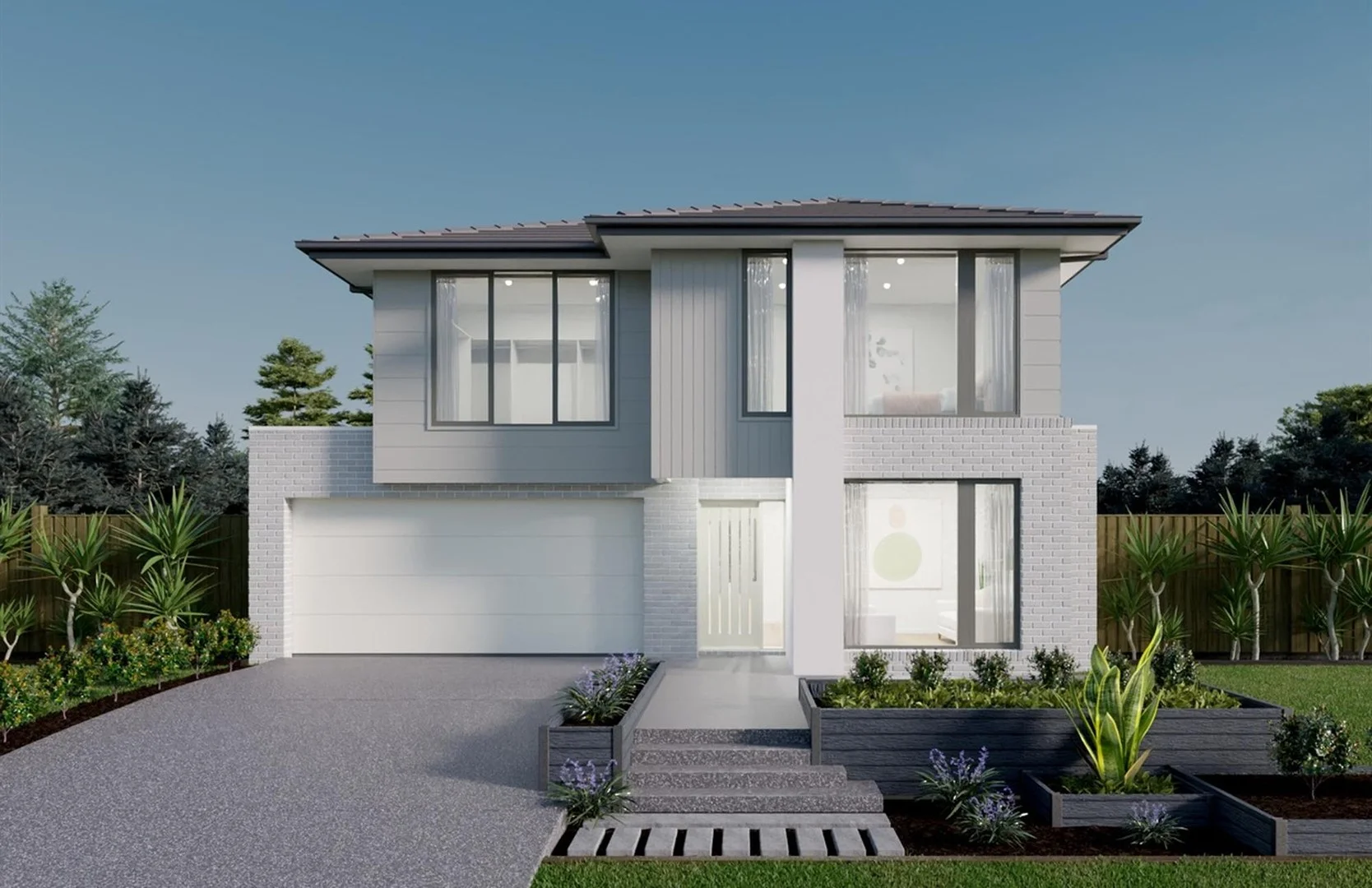 $1,019,100
propertyType.NEW HOUSE & LAND
$1,019,100
propertyType.NEW HOUSE & LAND
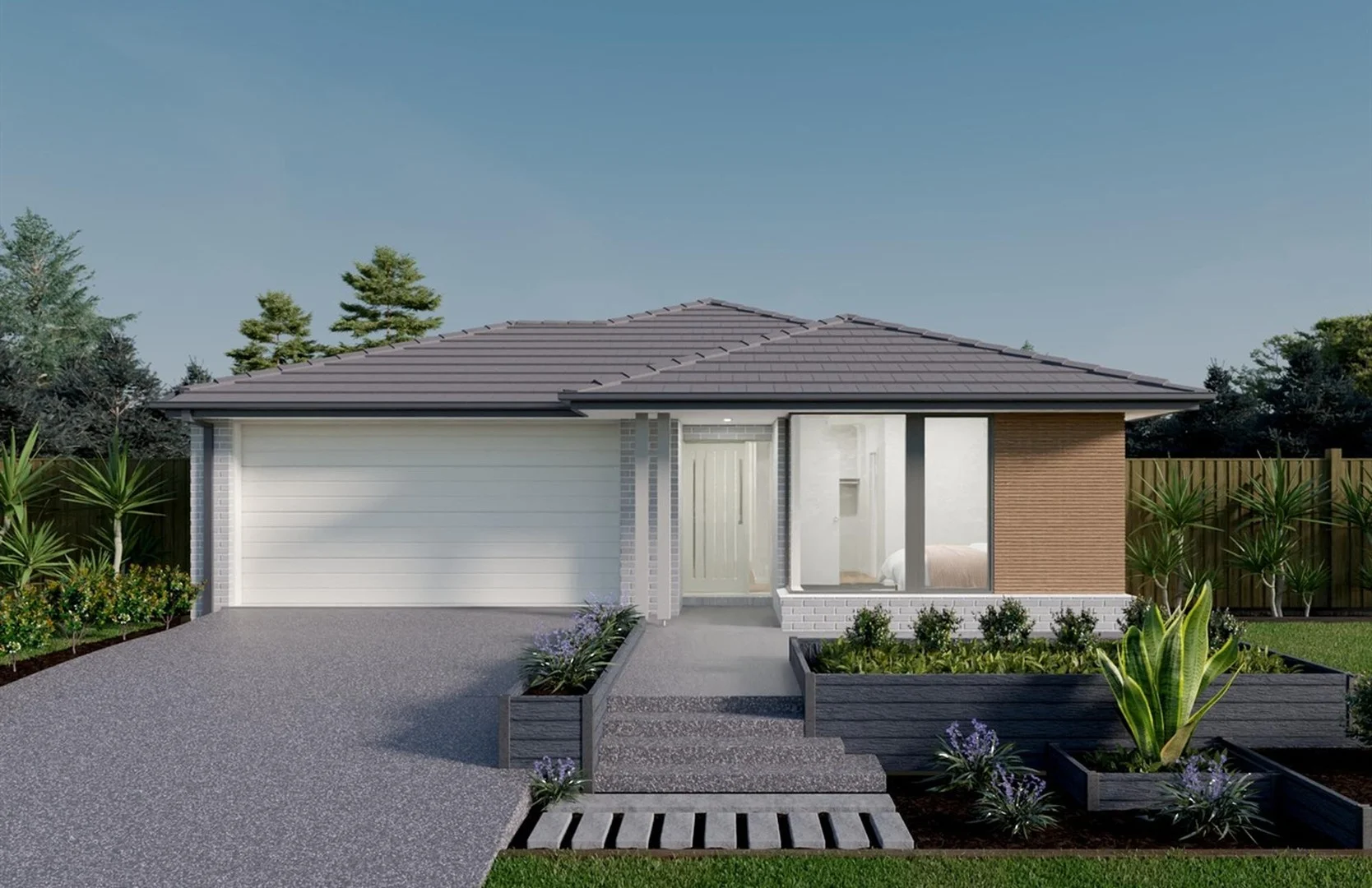 $730,500
propertyType.NEW HOUSE & LAND
$730,500
propertyType.NEW HOUSE & LAND
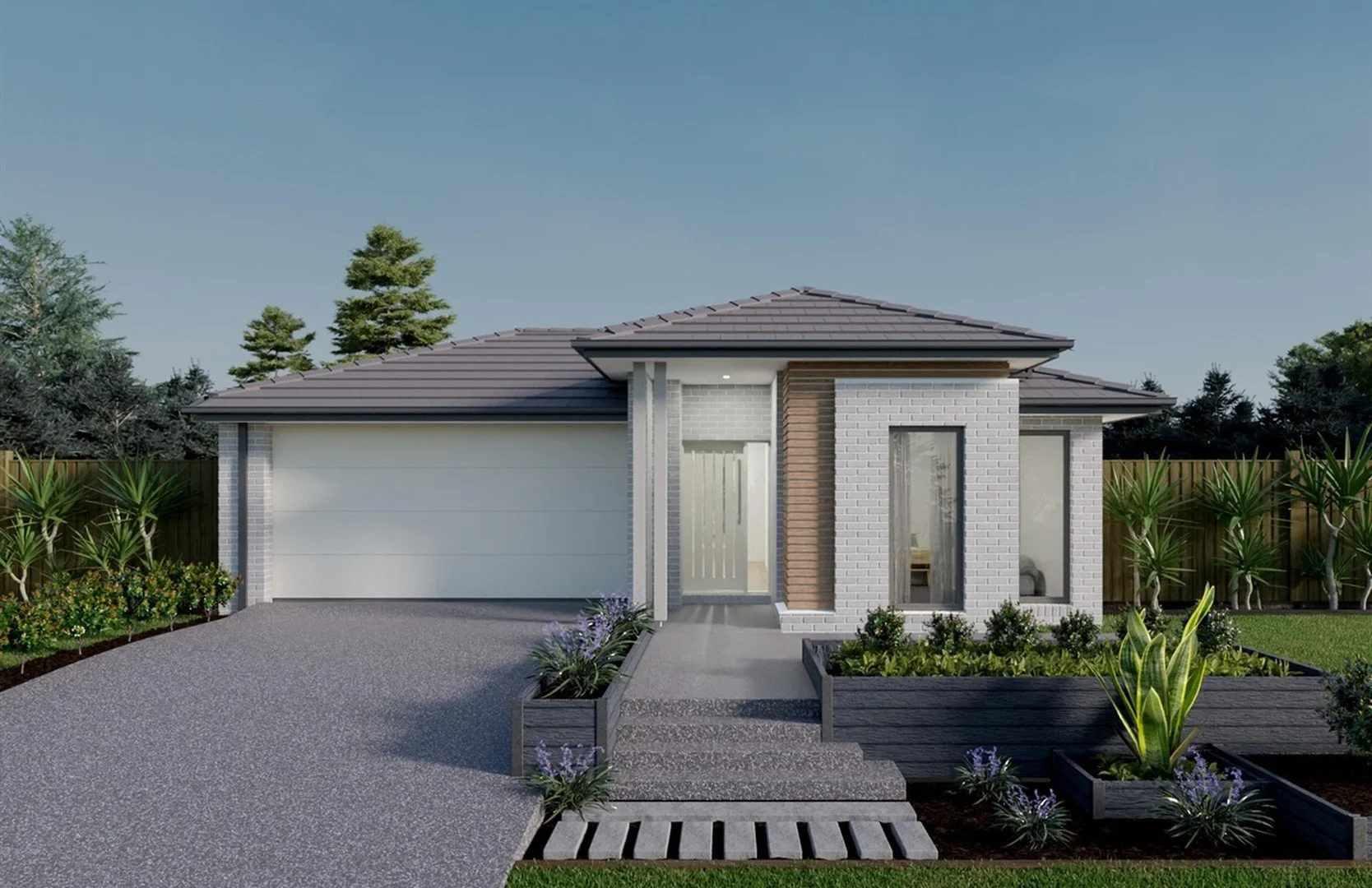 $797,600
propertyType.NEW HOUSE & LAND
$797,600
propertyType.NEW HOUSE & LAND
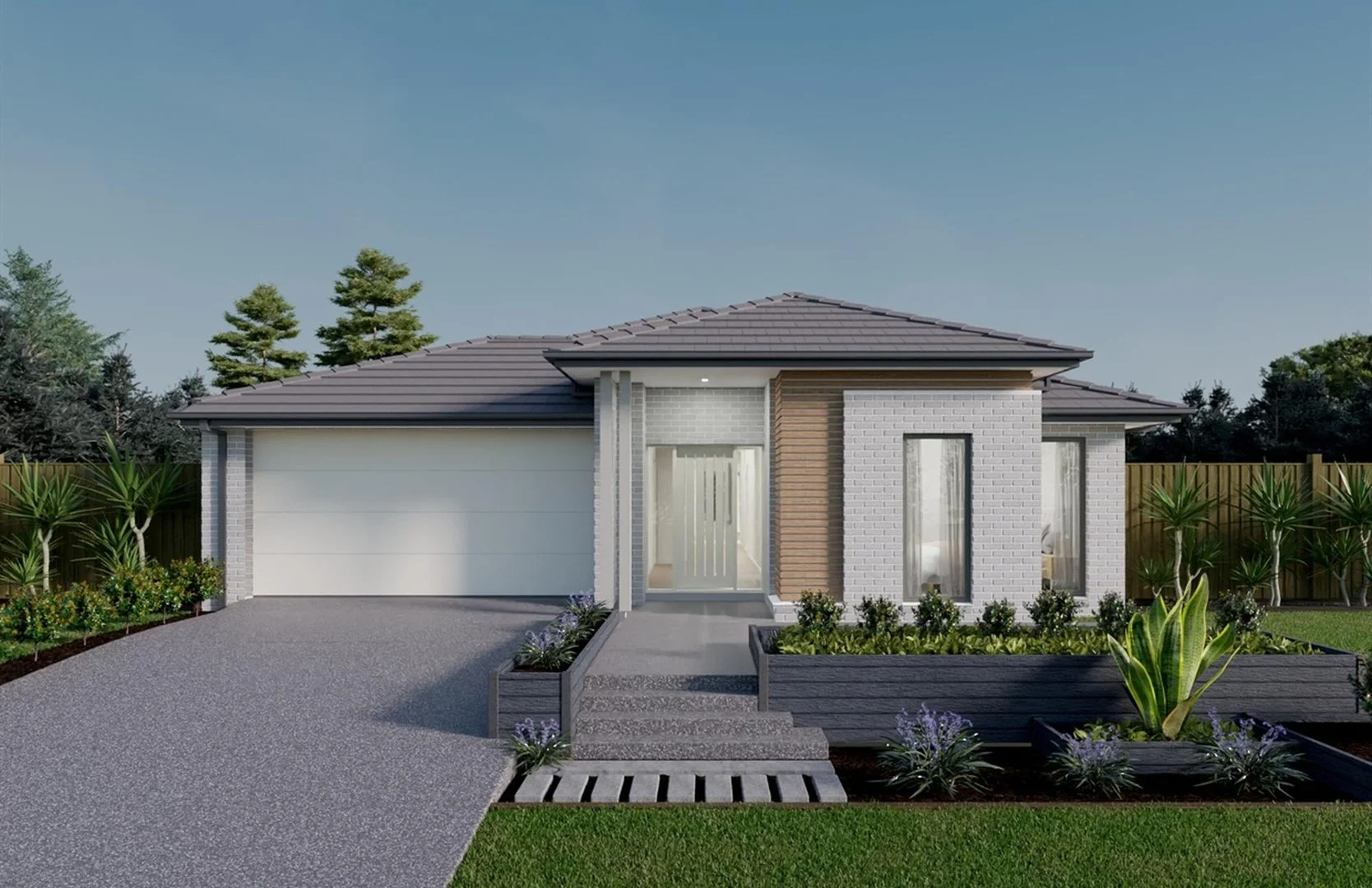 $870,800
propertyType.NEW HOUSE & LAND
$870,800
propertyType.NEW HOUSE & LAND
 $918,000
propertyType.NEW HOUSE & LAND
$918,000
propertyType.NEW HOUSE & LAND


