## 1. Overview (1–2 paragraphs max)
Overnewton Anglican Community College is an independent, co-educational school with Anglican foundations, serving students from the early years through to senior secondary. The college emphasises a values-driven education that combines academic achievement with pastoral care, arts, sport, and community involvement. It operates as a medium-sized school with a broad range of programs designed to develop confident, compassionate learners who are prepared for life beyond school.
Class sizes are typically around 20–22 students, supporting personalized support and active classroom participation. The atmosphere is nurturing and inclusive, with a strong focus on academic effort, leadership, and sport as part of a well-rounded, values-based education.
⸻
## 2. Academics & Learning
- Academic strengths: STEM, English, leadership development, and languages feature prominently in the curriculum.
- Special programs: VCE pathways, STEAM/innovative learning initiatives, and gifted & talented opportunities are available to students who seek extended challenges.
- NAPLAN / trends: Consistent progress over time with results that are typically above state averages in key areas, reflecting steady improvement and robust ongoing learning support.
- Student-teacher ratios: Small-to-medium class sizes with a favorable student-teacher ratio that supports good teacher attention and student participation.
- Support for diverse learners: Strong support for diverse learners with EAL and SEN services, together with targeted learning support and accommodation where needed.
⸻
## 3. Sports & Extracurricular Strengths
- Sports offered: A range of options including team sports (e.g., basketball, soccer, cricket, tennis) and athletics, with opportunities across age groups.
- Strong teams or achievements: Competitive inter-school teams and regional events with emphasis on development, teamwork, and resilience.
- Music, arts, drama programs: Active music and performing arts programs, regular ensembles and productions, and opportunities to develop performance skills.
- Clubs: Robotics, chess, coding, debating, and other interest-based clubs that cater to a variety of student passions.
- Partnerships: Local inter-school competitions, community partnerships, and access to external programs to broaden student experiences.
⸻
## 4. Wellbeing & Pastoral Care
- Anti-bullying approach: Clear policies and restorative practices designed to foster an inclusive, respectful school culture.
- House system: A house framework supports belonging, positive competition, and social connectedness.
- Counsellors / wellbeing officers: On-site counsellors and wellbeing staff provide ongoing emotional and social support.
- Transition support for new students: Structured orientation programs, buddy systems, and targeted transition activities to ease entry into new year levels.
⸻
## 5. Facilities
- Sports grounds: On-site playing fields and courts to support physical activity and team sports.
- Libraries: Well-stocked libraries with learning support spaces for study and collaboration.
- Science labs: Modern science facilities designed for hands-on experiments and inquiry-based learning.
- Music/performing arts centers: Dedicated spaces for rehearsal, performances, and music education.
- Tech/innovation labs: Contemporary technology and innovation spaces to support coding, design, and STEM projects.
- Cafeteria: On-site canteen facilities catering to student meal needs.
- Updated playgrounds: Modern play areas and outdoor learning spaces.
⸻
## 6. School Values & Community Culture
- School values / mission: A mission centered on respect, responsibility, integrity, and compassion, guiding learning and community engagement.
- Leadership style: Leadership opportunities for students, supportive staff, and a collaborative school culture that values input from students, families, and staff.
- Behaviour expectations: Clear behavioural standards aligned with the school’s values, emphasizing positive conduct and respectful relationships.
- Community reputation: A well-regarded community school with active parent involvement and partnerships within the local area.
- Diversity & inclusion: Committed to diversity and inclusive practices, welcoming students from a range of backgrounds.
⸻
## 7. School Logistics & Daily Operations
- School hours: Typical school day running from morning to mid-afternoon with a structured timetable.
- Before/after school care: Availability of before and after school care options for families.
- Uniform requirements: Formal school uniform policy with appropriate attire for different year levels.
- Transport (train/bus routes): Bus services and local transport options to support student commuting; some routes coordinated by the school or local networks.
- Canteen availability: Canteen or on-site food services available catering to daily meal needs.
- Fees (low/medium/high ranges): Fees are in the mid-to-upper range for the region, reflecting private independent school provisions; detailed costs vary by year level and program.
⸻
## 8. Enrolment & Admissions
11. What is the enrolment process and timeline?
- Typically involves submitting an application, followed by family and student interviews and possible placement assessments. Next steps and timelines vary by intake year and campus; prospective families are advised to begin the process well in advance of entry.
12. Is there a waiting list, and how does it work?
- Yes, there is often a waiting list for popular intake years. Admissions prioritise factors such as sibling applications, current students, and space availability.
13. Are there any entry requirements, tests, or interviews?
- Entry usually includes an interview and may include assessments to determine readiness and alignment with the program. Specific requirements may vary by year level.
14. Does the school accept mid-year transfers?
- Mid-year transfers are considered when spaces are available; timing and documentation requirements apply.
⸻
## 9. Frequently Asked Questions
- Why Parents Choose This School?
- Balanced focus on academics, wellbeing, and community; strong pastoral care and a values-based culture.
- What type of student thrives at this school?
- Students who are motivated, collaborative, and prepared to engage in academics, arts, and sport in a supportive environment.
- What opportunities are available for students to extend their skills (academics, sports, arts)?
- VCE pathways, STEAM programs, leadership opportunities, sport teams, music and drama ensembles, and various clubs.
- How does the school communicate with parents?
- Regular newsletters, parent portals, scheduled meetings, and timely progress updates.
- What is the school’s approach to teaching and learning?
- Student-centered, enquiry-based learning with a mix of direct instruction and independent study, supported by targeted interventions when needed.
- How does the school support students who need extra academic help?
- Learning support staff, EAL/SEN services, and tailored interventions within the classroom and through dedicated programs.
- What support is available for academic challenges?
- Access to tutoring, study skills programs, and individualised planning where appropriate.
- How does the school communicate with parents? (Repeated)
- See above: newsletters, portals, and meetings.
- What are the class sizes and how much individual attention do students receive?
- Class sizes typically around 20–22 students, with teacher attention supported by a favorable student-teacher ratio.
- What extracurricular and sports opportunities are available?
- A broad range of sports, music, arts, and clubs including robotics, coding, chess, and debating.
- What facilities does the school offer (sports, science, arts)?
- Comprehensive facilities for sports, science labs, music/performing arts, and technology/innovation spaces.
- What is the school’s approach to technology and digital learning?
- Integration of technology across the curriculum, with dedicated labs and digital literacy components to prepare students for modern learning.
- What transport and accessibility options are available?
- Local transport options including bus routes and school-supported arrangements where available.
- What are the typical school fees or additional costs?
- Fees fall within the private independent school range; families should consult the current prospectus for a detailed breakdown by year level.
⸻
## 10. Short Pros & Cons list
- Pros:
- Values-based, inclusive culture with strong pastoral care
- Balanced focus on academics, arts, and sport
- Support for diverse learners (EAL/SEN) and gifted programs
- Positive student-teacher ratios and small class sizes
- Active community involvement and leadership opportunities
- Cons:
- Fees are higher than public options
- Competitive entry can mean waiting lists for popular years
- Travel and transport logistics may require adjustments for some families
- Large campus footprint can mean busier campuses during peak times
⸻

 Free
Free












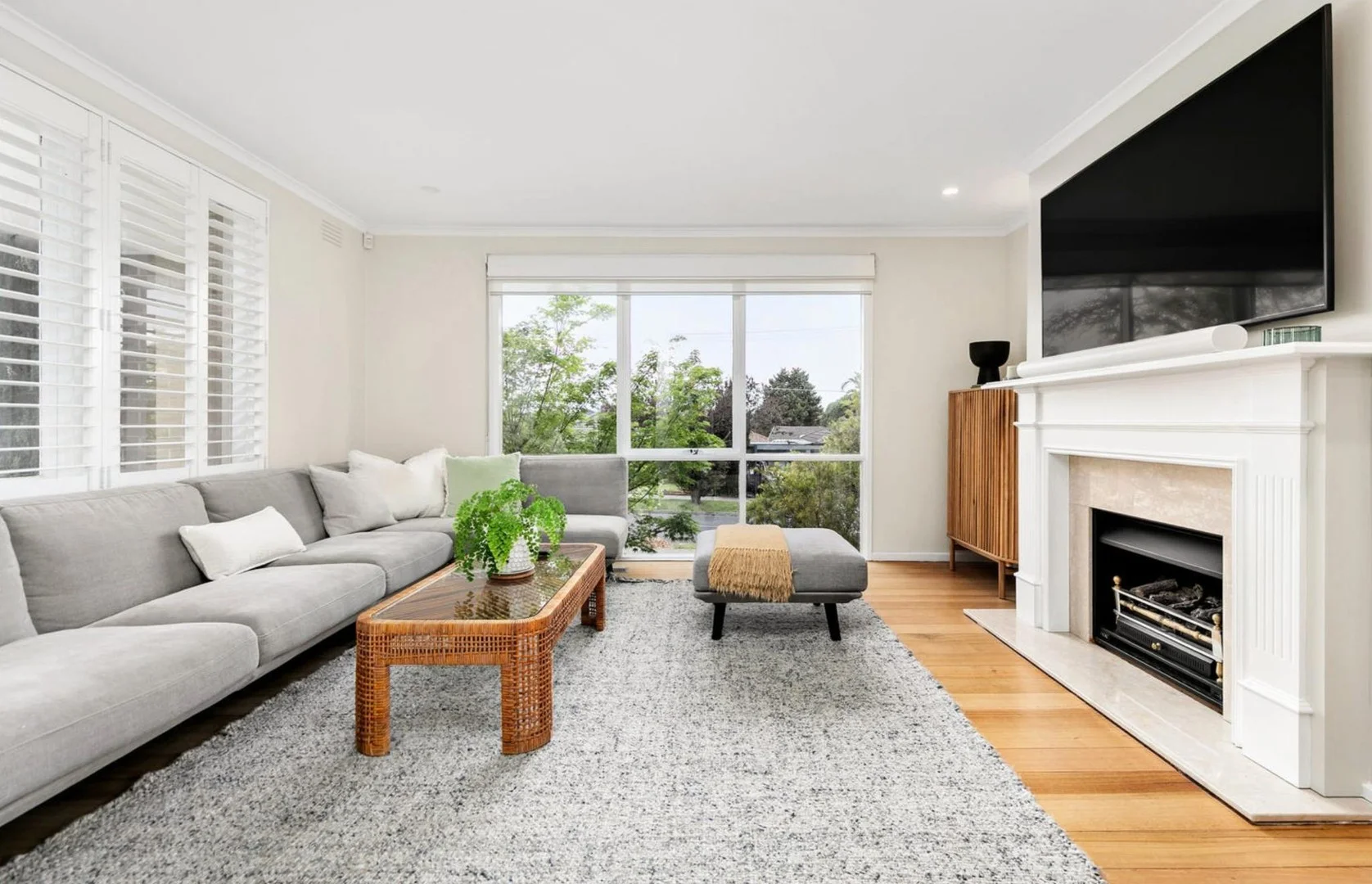 $750
House
$750
House
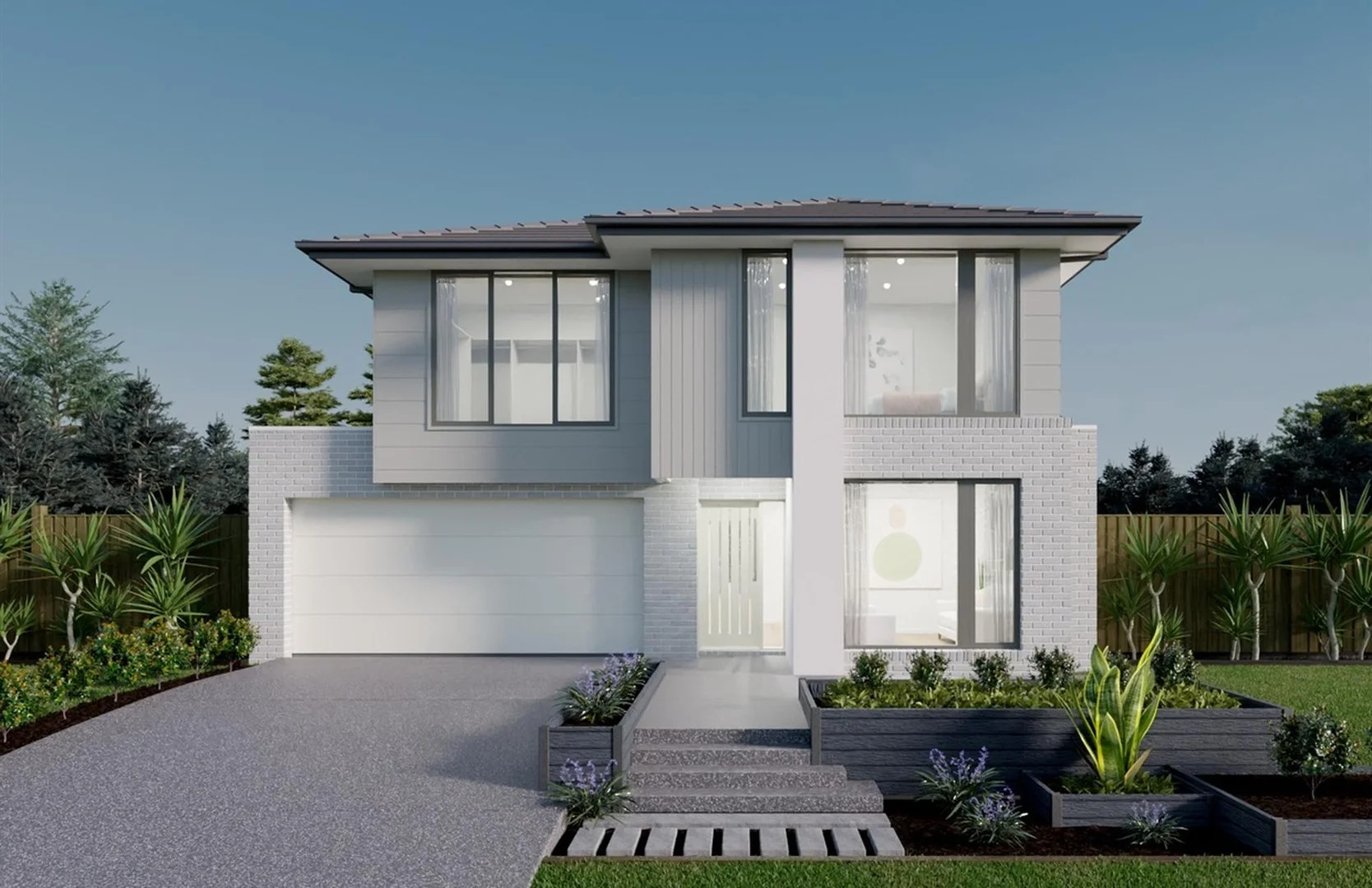 $866,400
propertyType.NEW HOUSE & LAND
$866,400
propertyType.NEW HOUSE & LAND
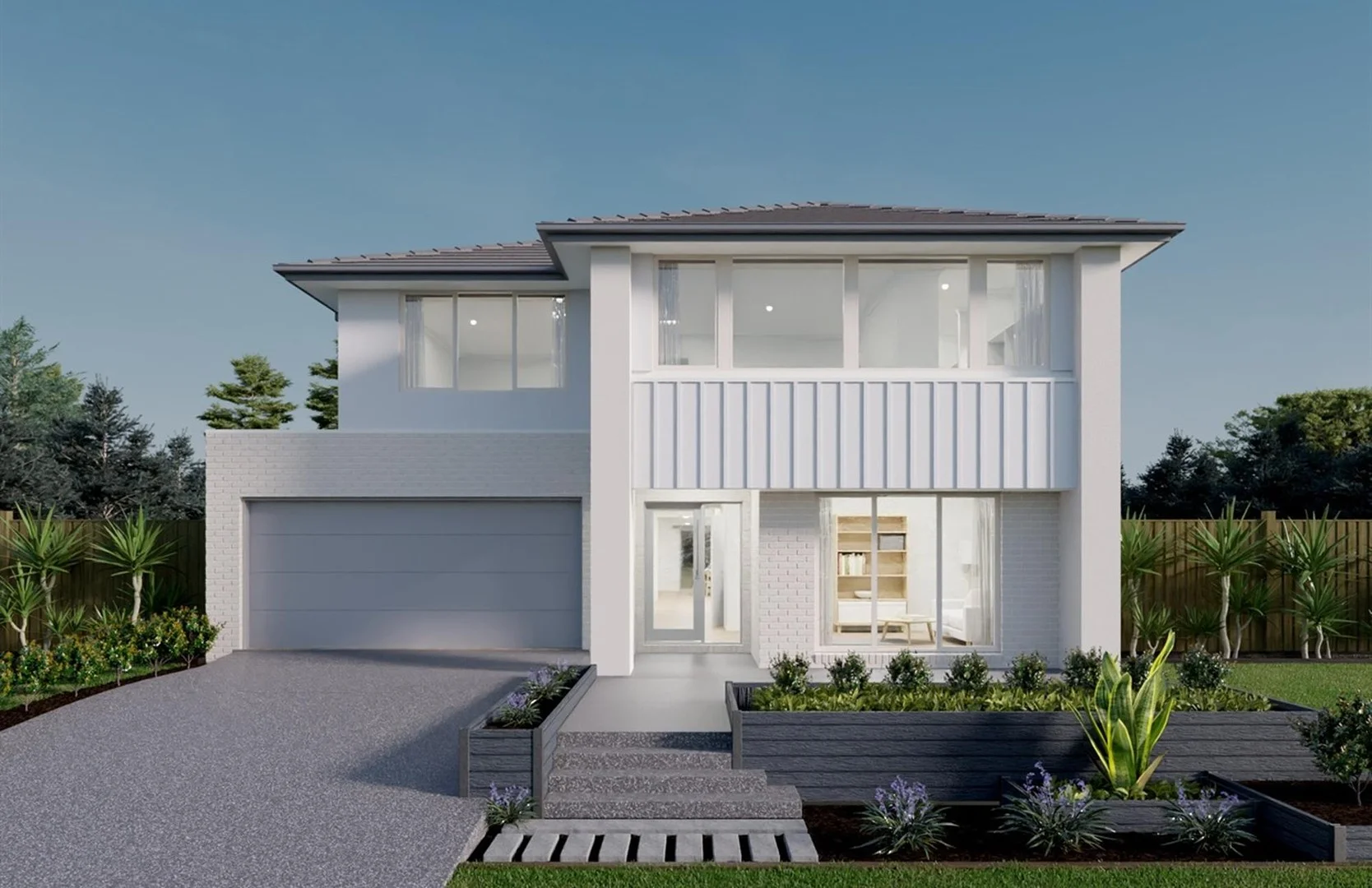 $980,500
propertyType.NEW HOUSE & LAND
$980,500
propertyType.NEW HOUSE & LAND
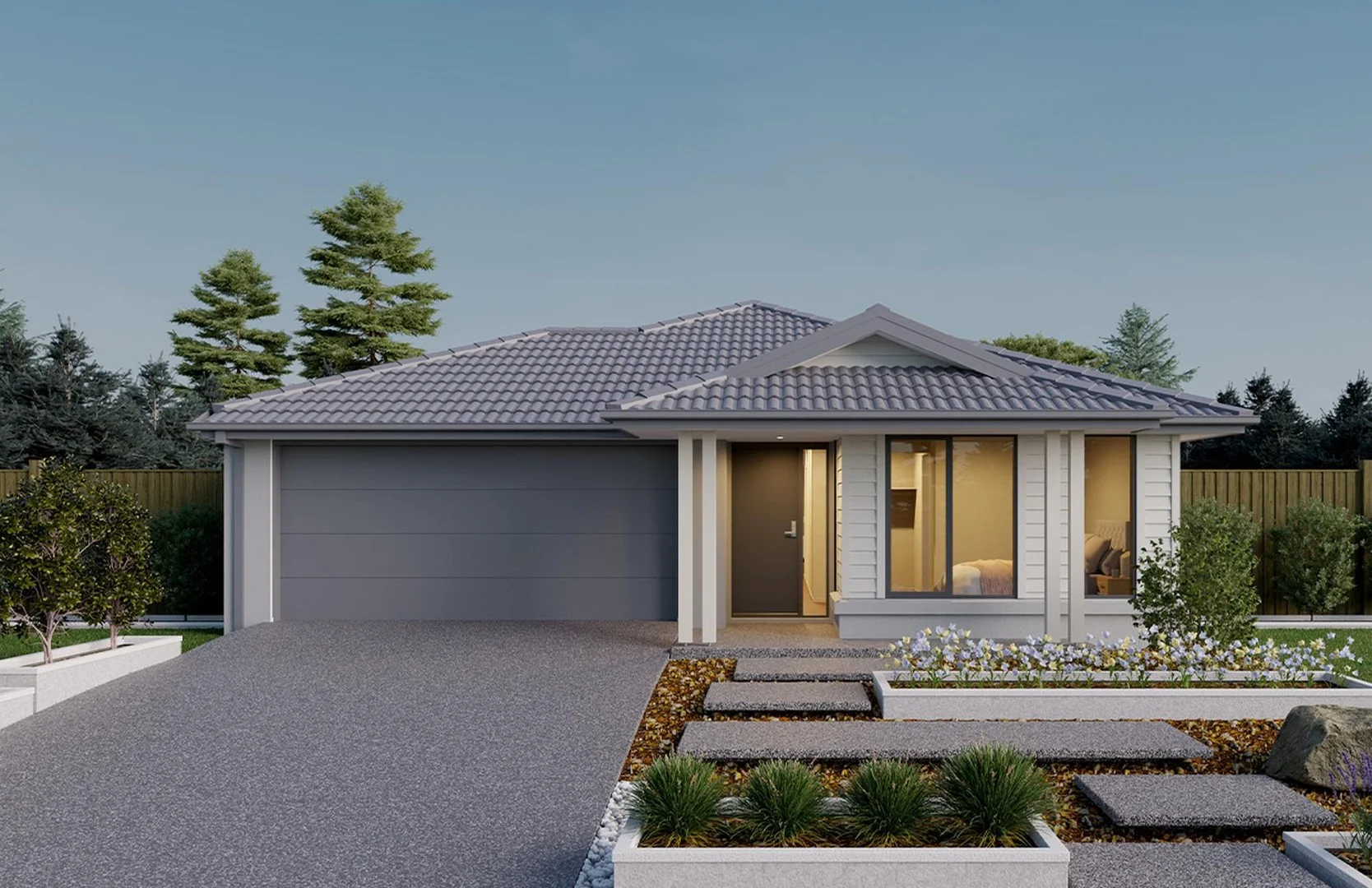 $688,800
propertyType.NEW HOUSE & LAND
$688,800
propertyType.NEW HOUSE & LAND
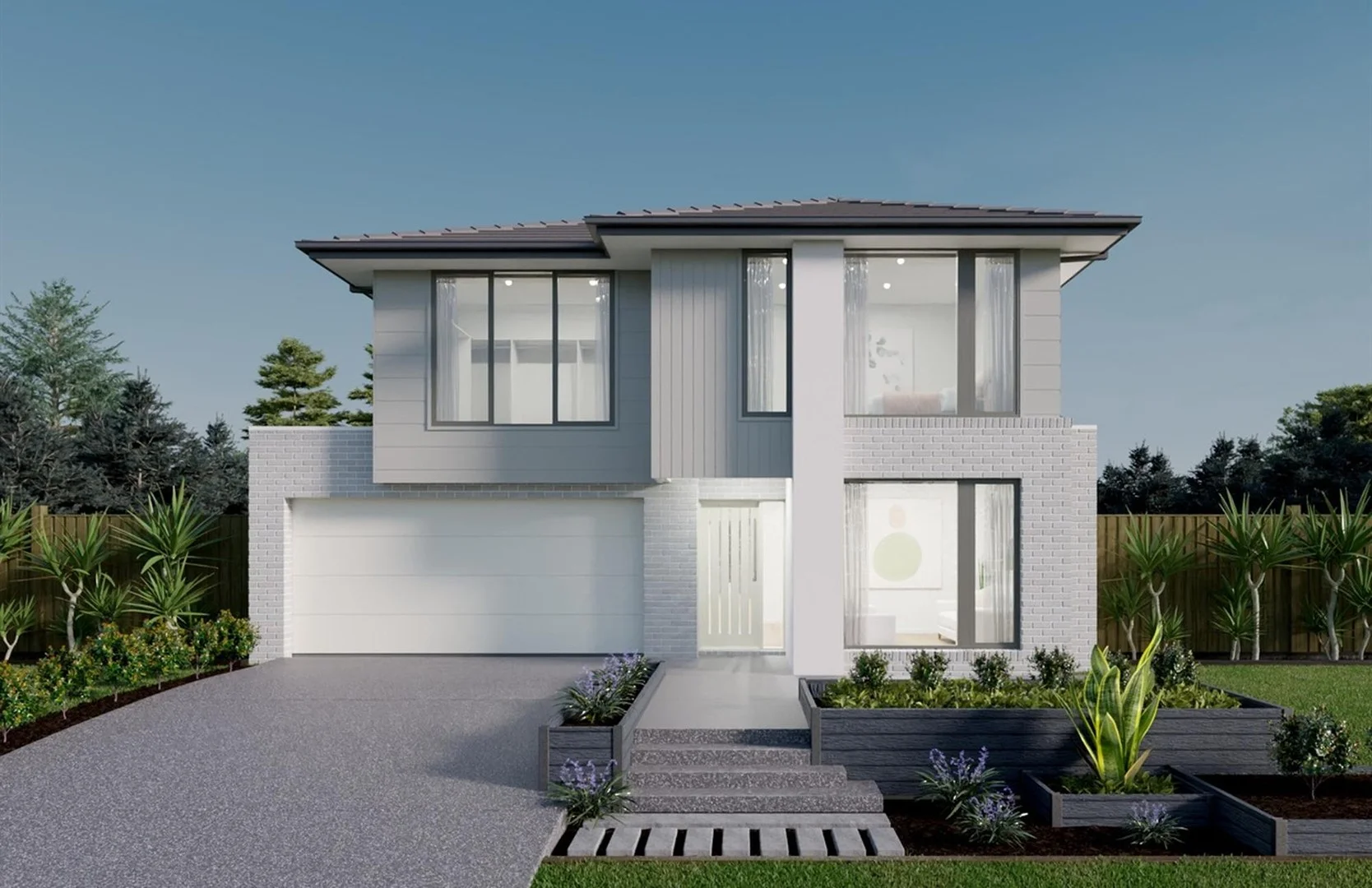 $1,019,100
propertyType.NEW HOUSE & LAND
$1,019,100
propertyType.NEW HOUSE & LAND
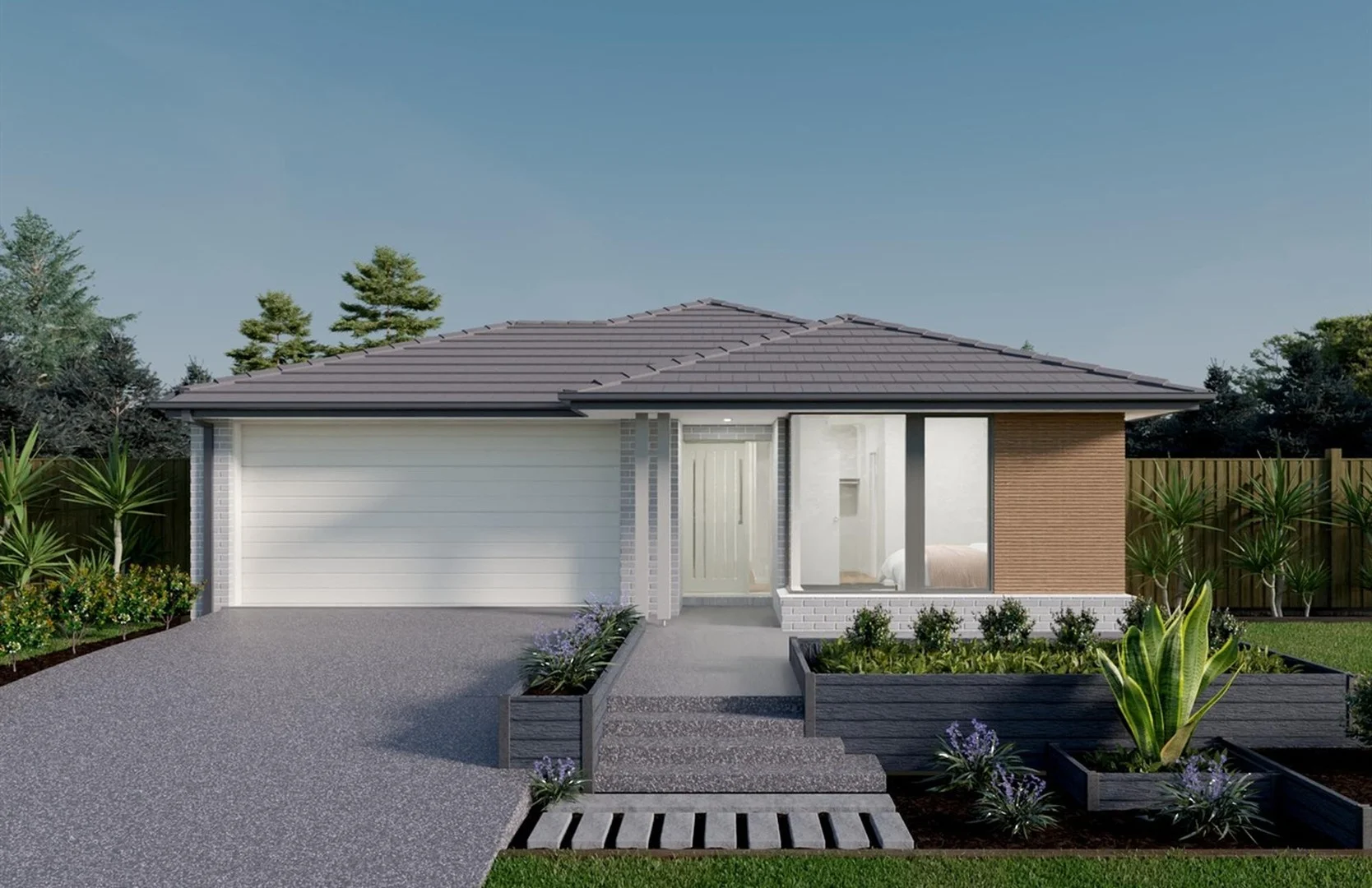 $730,500
propertyType.NEW HOUSE & LAND
$730,500
propertyType.NEW HOUSE & LAND
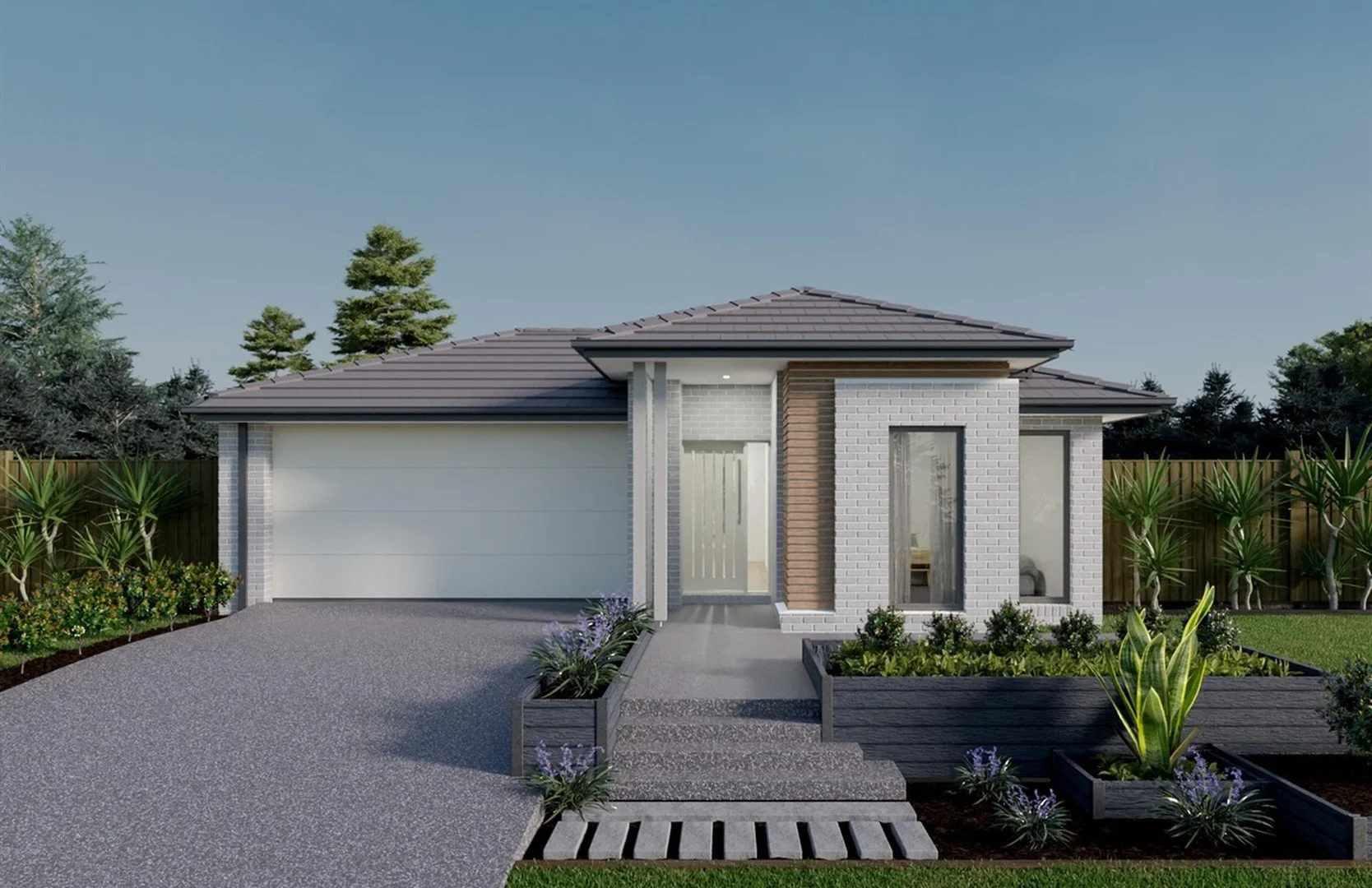 $797,600
propertyType.NEW HOUSE & LAND
$797,600
propertyType.NEW HOUSE & LAND
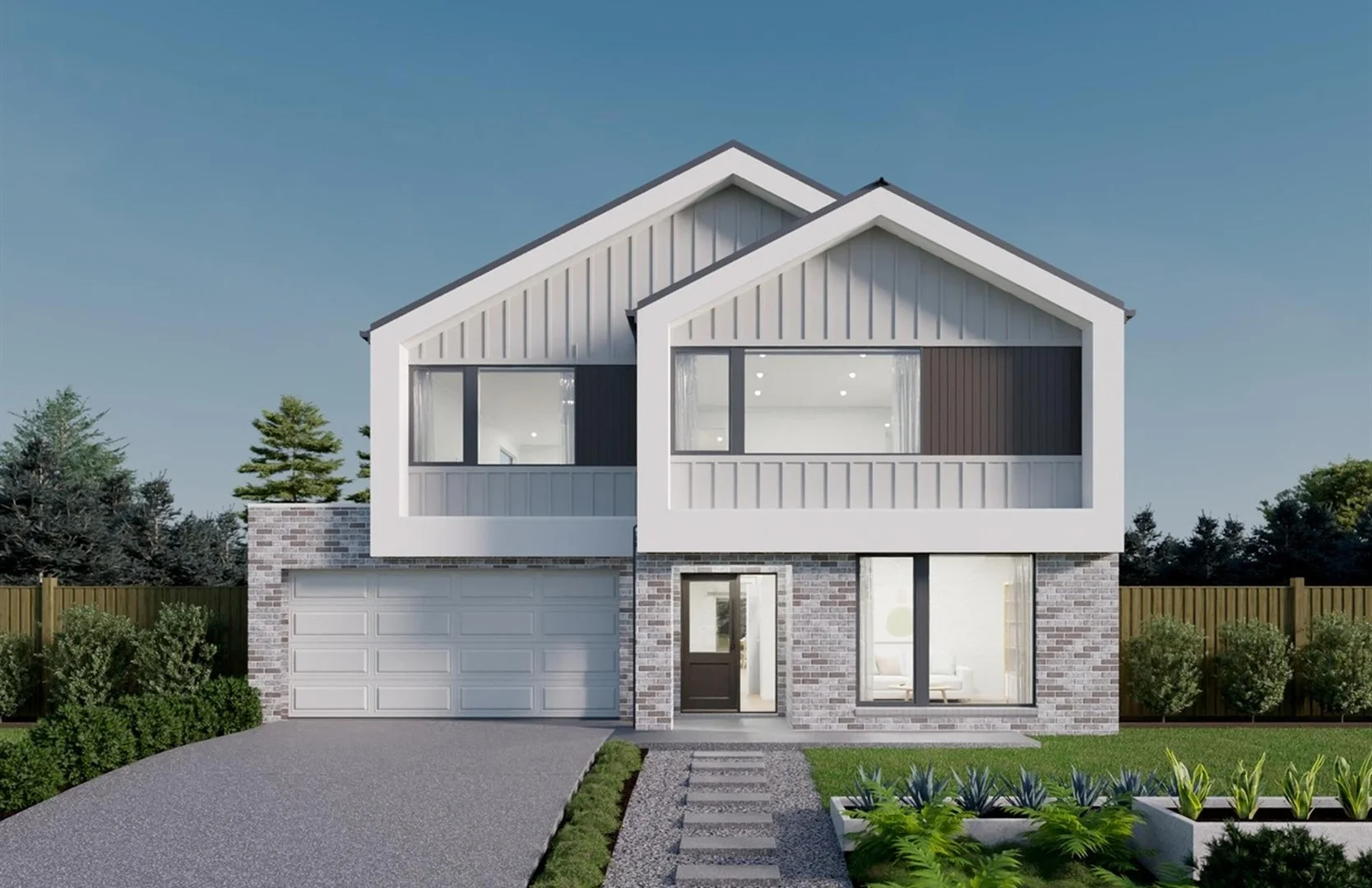 $918,000
propertyType.NEW HOUSE & LAND
$918,000
propertyType.NEW HOUSE & LAND
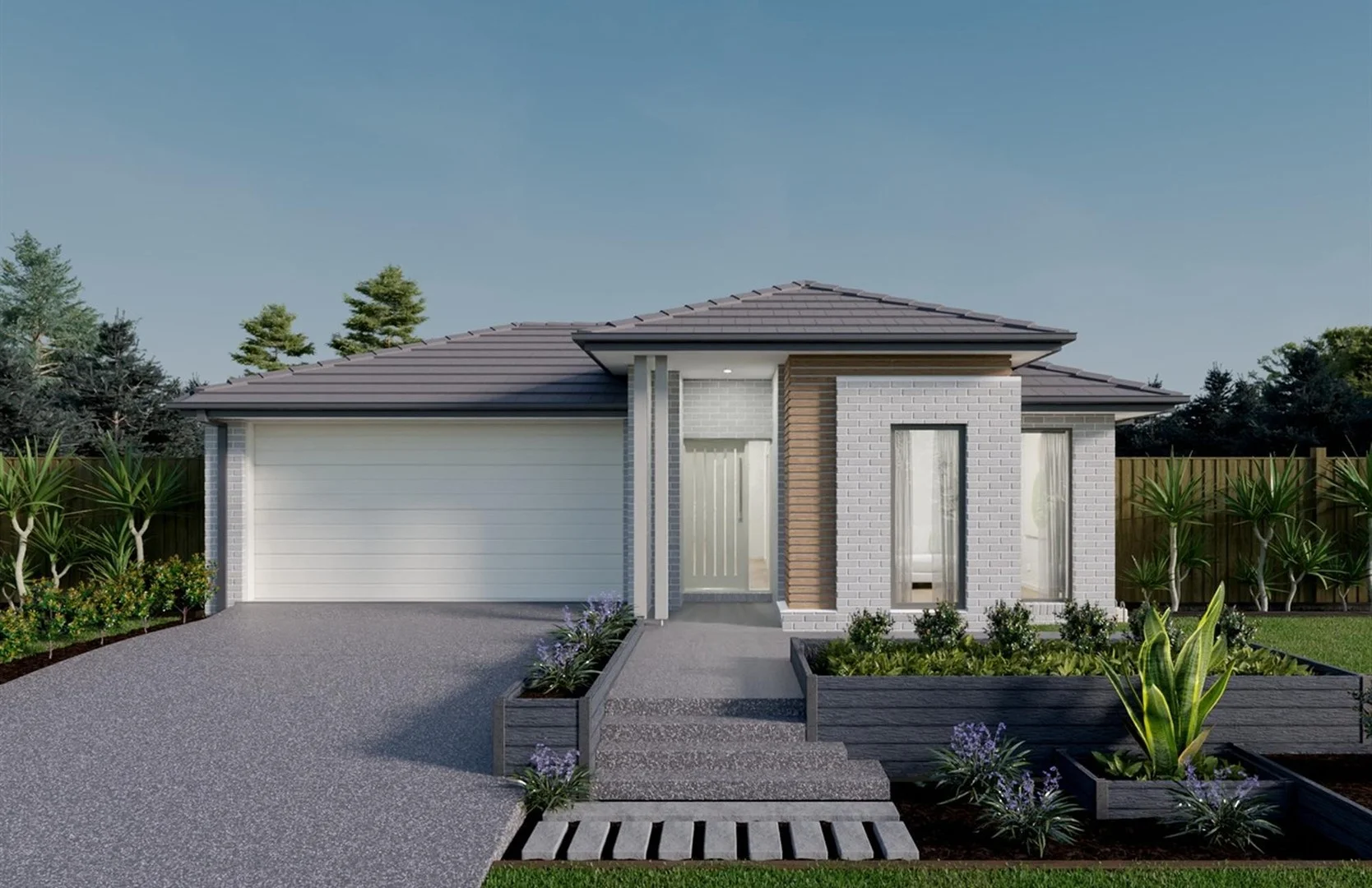 $739,100
propertyType.NEW HOUSE & LAND
$739,100
propertyType.NEW HOUSE & LAND


