1. Overview
Ceres Primary School is a public primary school serving students from Prep to Year 6 in Victoria. School type: public (government). Size: [small/medium/large]. Class size: [average class size]. Atmosphere/culture: [nurturing, inclusive, diverse, academically focused, sports-oriented].
Ceres Primary School aims to provide a welcoming and supportive learning environment where students can develop academically, socially and emotionally. The school prioritises inclusive education,-community involvement and strong partnerships with families to help every student thrive.
⸻
2. Academics & Learning
- Academic strengths: [ literacy and numeracy focus, strengths in STEM, leadership development, language programs ].
- Special programs: [Gifted and talented / accelerated learning, English as an Additional Language (EAL) support, inquiry-based or project-based learning programs, targeted literacy/numeracy interventions].
- NAPLAN / Ofsted trends: In Australia, Ofsted data is not used; NAPLAN trends provide regional context. [Note: publicly available trend data should be checked via the DET or the school’s published reports; provide a summary if available]. The school aims for steady improvement in literacy and numeracy over time.
- Student-teacher ratios: [approximate ratio or range, e.g., 1:15–1:23; varies by year and program].
- Support for diverse learners: [EAL support, SEN support, inclusive education approach, access to specialist staff (where available) and targeted interventions].
⸻
3. Sports & Extracurricular Strengths
- Sports offered: [e.g., soccer, basketball, athletics, cricket, netball, swimming program as applicable].
- Strong teams or achievements: [notable local inter-school results or participation; specifics to be filled by the school].
- Music, arts, drama programs: [music ensembles, choir, drama opportunities, school productions].
- Clubs: [robotics, chess, coding, debating, another relevant clubs].
- Partnerships: [local clubs, community organizations, competitions or events the school participates in].
Most parents skim this section, especially for boys aged 10–14, as it highlights opportunities for teamwork, competition, creativity and real-world skills.
⸻
4. Wellbeing & Pastoral Care
- Anti-bullying approach: [whole-school anti-bullying policy, restorative practices, student voice in wellbeing].
- House system: [house names and how house activities and points contribute to culture].
- Counsellors / wellbeing officers: [availability of school counsellor or wellbeing staff; how students access support].
- Transition support for new students: [orientation activities, buddy programs, transition days, supports for families moving into the school].
⸻
5. Facilities
- Sports grounds: [details or notes about outdoor playing fields or courts].
- Libraries: [school library facilities and access].
- Science labs: [availability of science spaces or dedicated learning labs].
- Music/performing arts centers: [any dedicated spaces for music and theatre].
- Tech/innovation labs: [computer labs, robotics spaces, makerspaces or digital learning hubs].
- Cafeteria: [canteen or dining facilities].
- Updated playgrounds: [playground areas and equipment updates].
⸻
6. School Values & Community Culture
- School values / mission: [core values such as respect, resilience, teamwork, inclusion; mission statement if available].
- Leadership style: [inclusive, collaborative leadership with student and parent involvement where possible].
- Behaviour expectations: [positive behaviour framework, clear expectations, restorative approaches].
- Community reputation: [reputation within local area and feeder communities; highlight any community partnerships].
- Diversity & inclusion: [focus on welcoming students from various backgrounds, accessibility considerations].
⸻
7. School Logistics & Daily Operations
- School hours: [start and finish times; note any variation by year level].
- Before/after school care: [availability of care programs and locations].
- Uniform requirements: [uniform policy and typical items].
- Transport (train/bus routes): [bus routes or train access if relevant; drop-off and pick-up arrangements].
- Canteen availability: [canteen or snack program; lunch options].
- Fees (low/medium/high ranges): [outline any compulsory charges or typical optional costs (e.g., excursions, camp, materials)].
⸻
8. Enrolment & Admissions
11. What is the enrolment process and timeline?
- Steps typically include submitting an application via the relevant government portal or school office, providing required documents (proof of address, birth certificate, immunisation history, previous school records if applicable), and completing any school-specific transition activities. Timeline varies by year level and intake, with documents due well in advance of the start of the school year. Check the school’s official enrolment page for current deadlines and steps.
12. Is there a waiting list, and how does it work?
- Some year levels may have vacancies at different times. If a waiting list is in place, families are usually allocated places based on factors such as proximity to the school, sibling attendance, and date of application. Expect communication from the school about your place in the queue and expected timelines.
13. Are there any entry requirements, tests, or interviews?
- In public primary schools, entry tests are uncommon. Some programs (e.g., EAL assessment, support needs review) may involve brief assessments or discussions with families to identify supports. Interviews are not typically required for standard enrolments but may occur for specialist programs.
14. Does the school accept mid-year transfers?
- Mid-year transfers are possible if vacancies exist. The school will assess space, staffing and transition needs. Parents should contact the school administration as early as possible to discuss feasibility and required documentation.
⸻
9. Frequently Ask Questions
- Why Parents Choose This School?
- A welcoming, inclusive community with a focus on strong literacy and numeracy, supportive staff, varied programs and opportunities for student growth.
- What type of student thrives at this school?
- Curious, resilient, collaborative learners who engage across academics, arts, sport and community activities; students who value inclusivity and a growth mindset.
- What opportunities are available for students to extend their skills (academics, sports, arts)?
- Access to targeted literacy/numeracy interventions, gifted and talented options, STEM and coding related clubs, arts and drama programs, school sports teams and inter-school events, and leadership opportunities.
- How does the school communicate with parents?
- Through regular newsletters, emails, a school website/app, notices, and parent-teacher interviews; sometimes the school uses SMS or messaging apps for important updates.
- What is the school’s approach to teaching and learning?
- Student-centered, differentiated instruction; emphasis on literacy and numeracy foundations, inquiry-based or project-based learning, appropriate use of technology, and ongoing assessment to guide teaching.
- How does the school support students who need extra academic help?
- Targeted intervention programs, reading/numeracy support, small-group or one-on-one assistance, and referrals to specialised staff where available (e.g., EAL, SEN).
- What support is available for academic challenges?
- Access to teachers, wellbeing staff, and intervention programs; structured plans to help students catch up and stay engaged.
- How does the school communicate with parents? (Reiterated)
- See above.
- What are the class sizes and how much individual attention do students receive?
- Class sizes typically range around [average range], with specialists and smaller-group supports available to help provide individual or small-group attention as needed.
- What extracurricular and sports opportunities are available?
- A range of sports teams and activities, music/arts programs, and clubs such as robotics, chess, coding, debating (availability varies by year and student cohort).
- What facilities does the school offer (sports, science, arts)?
- Facilities commonly include sports grounds or courts, library, science spaces, music/performing arts areas, technology/innovation spaces, canteen, and updated play areas; exact facilities depend on the current school configuration.
- What is the school’s approach to technology and digital learning?
- Emphasis on digital literacy, use of interactive whiteboards and devices, learning management systems, and safe, responsible use of technology as part of the curriculum.
- What transport and accessibility options are available?
- Information typically includes bus routes or train accessibility, drop-off/pick-up arrangements, and accessibility features at the school; check with the school for current options.
- What are the typical school fees or additional costs?
- Public primary schools may have optional costs for camps/excursions, materials, and uniform purchases; families should confirm current fees and any required payments with the school.
⸻
10. Short Pros & Cons list
Pros
- Supportive, inclusive school culture with a focus on student wellbeing.
- Strong emphasis on literacy and numeracy foundations.
- Wide range of extracurriculars (sports, arts, clubs) to suit diverse interests.
- Access to EAL, SEN and intervention supports.
- Community-facing approach and parent involvement opportunities.
Cons
- Class sizes and resources can vary by year level and cohort.
- Some programs or facilities may depend on fundraising, grants or specific years; check current availability.
- Mid-year transfers depend on vacancies; timing can affect transition planning.
⸻
If you’d like, I can tailor this content with school-specific details you provide (exact enrolment numbers, current programs, facilities, and recent trends) or help format it for your site.




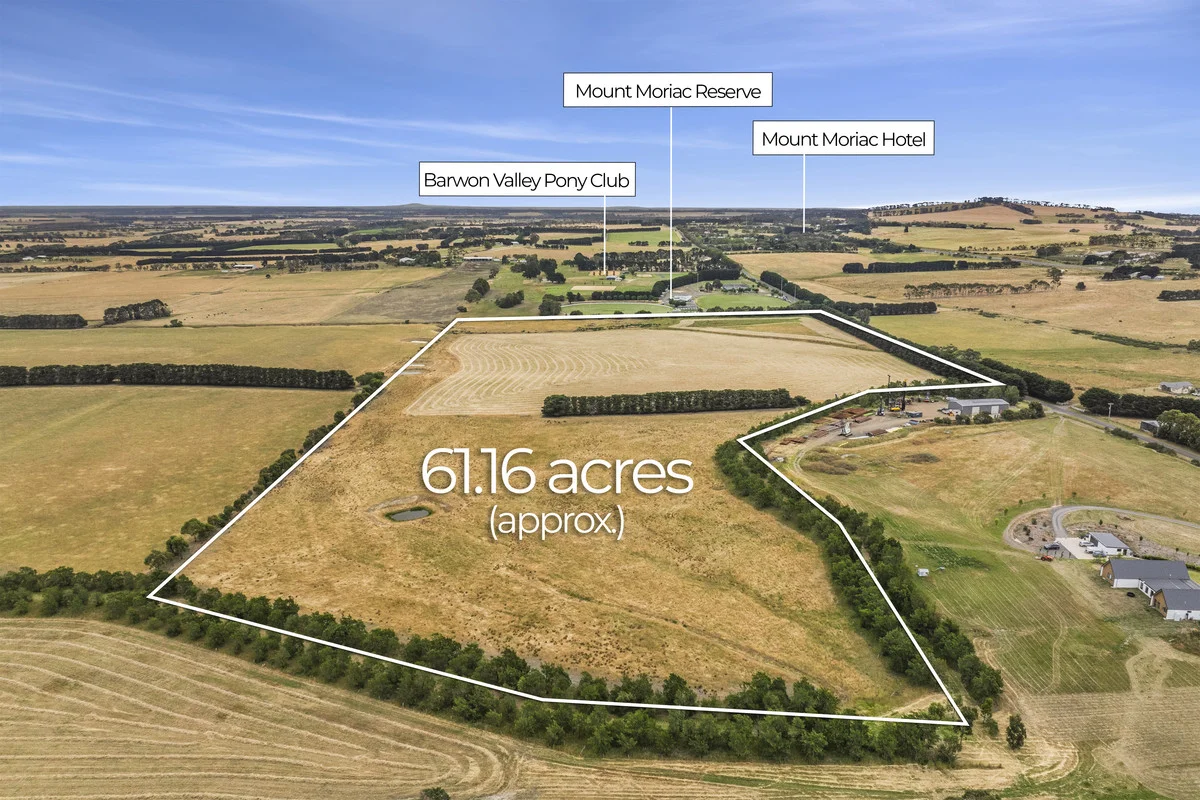 $2,100,000
propertyType.RURAL
$2,100,000
propertyType.RURAL
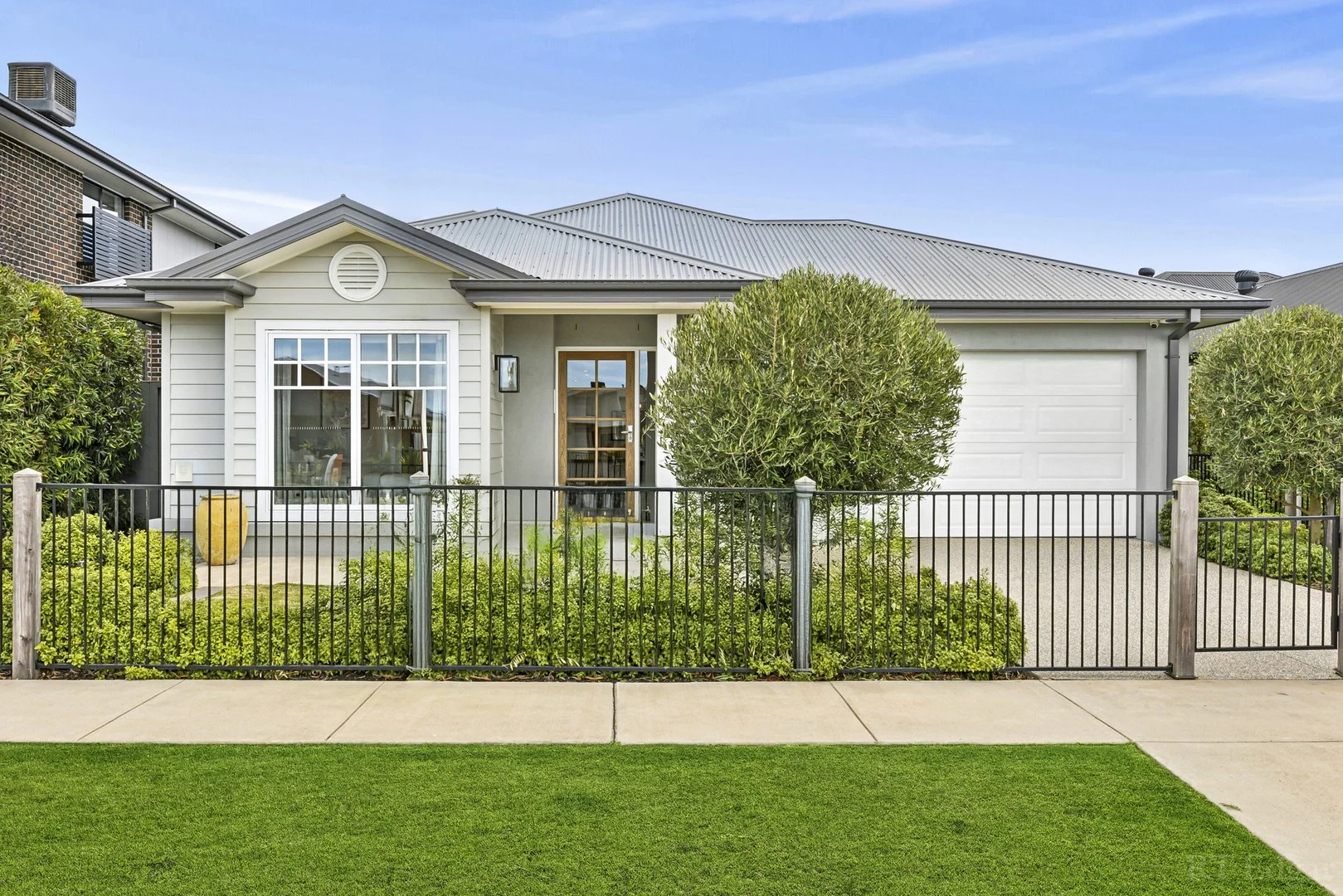 $877,800 - $965,580
House
$877,800 - $965,580
House
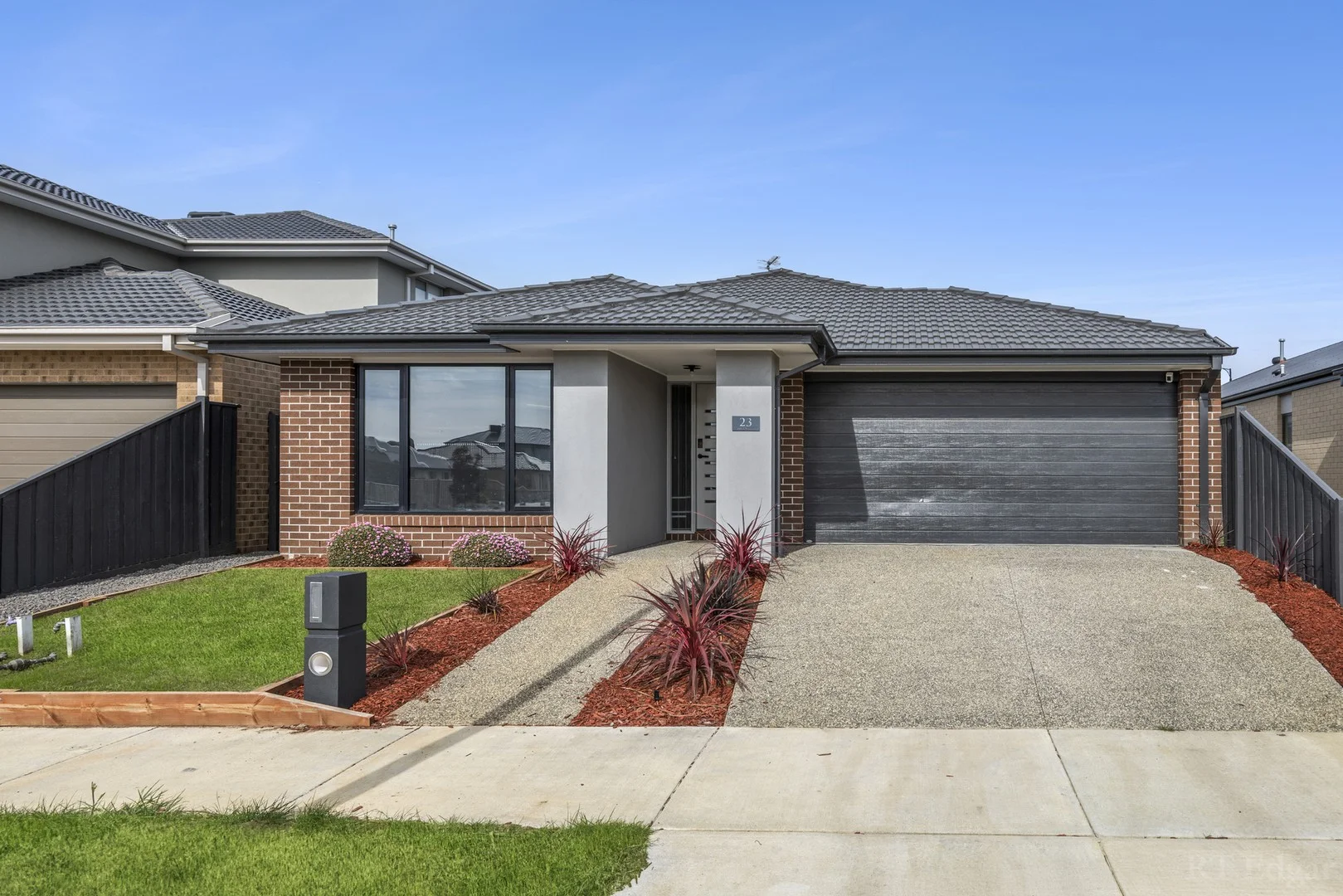 $599,000 - $658,900
House
$599,000 - $658,900
House
 $1,022,295 - $1,124,524
House
$1,022,295 - $1,124,524
House
 $2,400,000
propertyType.RURAL
$2,400,000
propertyType.RURAL
 $2,194,500 - $2,413,950
propertyType.RURAL
$2,194,500 - $2,413,950
propertyType.RURAL


