## Overview
Woodline Primary is a public, co-educational primary school that serves families in the local community. The school fosters a warm, inclusive culture where students are supported to grow academically and socially. It’s a medium-sized school that prioritises real-world learning, strong relationships, and a safe, welcoming atmosphere.
- School type: Public
- School size: Medium
- Class size: Typically 20–26 students per class
- Atmosphere/culture: Nurturing, inclusive, diverse, academically focused where student well-being is a priority
⸻
## Academics & Learning
Woodline Primary focuses on building solid foundations across core subjects while offering targeted programs to support different learner needs. The school emphasises literacy and numeracy, provides opportunities in STEM and languages, and promotes leadership and critical thinking through everyday learning experiences.
- Academic strengths: English, Mathematics, STEM, and languages (LOTE) are core strengths; strong emphasis on literacy and numeracy proficiency
- Special programs: Gifted and Talented/accelerated learning options; programs to develop leadership and digital literacy
- NAPLAN / trends: Steady improvement in reading and numeracy over the past few years with performance around state averages; ongoing focus on reducing gaps
- Student-teacher ratios: Approximately 1:20 to 1:23 in typical classes; additional small-group support as needed
- Support for diverse learners: EAL support, inclusive education programs, and targeted assistance for students with additional learning needs (SEN)
⸻
## Sports & Extracurricular Strengths
Extracurricular life is robust and variety-filled, with opportunities to explore sport, arts, and in-demand clubs. The school encourages participation in both individual and team activities, helping students develop teamwork, resilience, and creativity.
- Sports offered: Soccer, netball, cricket, AFL, athletics, swimming programs
- Strong teams or achievements: Inter-school competition participation; development-focused school teams with opportunities to excel
- Music, arts, drama programs: Regular music ensembles, theatre and drama activities, and school performances
- Clubs: Robotics, chess, coding, debating, and student leadership clubs
- Partnerships: Local sporting clubs and community programs; participation in regional competitions and festivals
⸻
## Wellbeing & Pastoral Care
Wellbeing is at the heart of daily learning, with structures in place to support positive relationships, mental health, and a smooth transition for new students.
- Anti-bullying approach: Clear policies, proactive education, and a student-led buddy system
- House system: House groups that foster belonging, healthy competition, and school spirit
- Counsellors / wellbeing officers: Accessible wellbeing staff and confidential support for students and families
- Transition support for new students: Orientation sessions, buddy programs, and targeted induction activities
⸻
## Facilities
Woodline Primary has modern, well-maintained facilities designed to support a wide range of learning experiences. The environment is designed to be visually engaging and easy to navigate for students and families.
- Sports grounds
- Libraries
- Science labs
- Music/performing arts centers
- Tech/innovation labs
- Cafeteria
- Updated playgrounds
⸻
## School Values & Community Culture
The school cultivates values-driven learning and a collaborative culture. Leadership is approachable and student-centered, with clear expectations and a focus on respect, responsibility, and resilience. The community is diverse and generally well-regarded for its inclusive atmosphere.
- School values / mission: Respect, responsibility, resilience, and inclusivity
- Leadership style: School leaders who are accessible and collaborative with students, families, and staff
- Behaviour expectations: Consistent, fair expectations across all year levels; positive reinforcement and restorative approaches
- Community reputation: Cooperative, family-oriented, with strong parent involvement
- Diversity & inclusion: Active commitment to inclusive practices and celebrating diversity
⸻
## School Logistics & Daily Operations
Quick, practical information to help families plan around school life.
- School hours: Typically 9:00 am–3:30 pm (with before/after school care options)
- Before/after school care: Available or nearby programs; details provided by the school
- Uniform requirements: School uniform worn during school hours; information on suppliers provided
- Transport: Local bus routes and nearby train access; drop-off/pick-up guidance available
- Canteen availability: Can burn off healthy meal options; student-friendly menu
- Fees: Low to medium range for materials/activities; government funding covers core education; possible voluntary contributions and activity fees
⸻
## Enrolment & Admissions
11. What is the enrolment process and timeline?
12. Is there a waiting list, and how does it work?
13. Are there any entry requirements, tests, or interviews?
14. Does the school accept mid-year transfers?
⸻
## Frequently Asked Questions
- Why Parents Choose This School?
- What type of student thrives at this school?
- What opportunities are available for students to extend their skills (academics, sports, arts)?
- How does the school communicate with parents?
- What is the school’s approach to teaching and learning?
- How does the school support students who need extra academic help?
- What support is available for academic challenges?
- How does the school communicate with parents? (information flow and responsiveness)
- What are the class sizes and how much individual attention do students receive?
- What extracurricular and sports opportunities are available?
- What facilities does the school offer (sports, science, arts)?
- What is the school’s approach to technology and digital learning?
- What transport and accessibility options are available?
- What are the typical school fees or additional costs?
⸻
## Short Pros & Cons list
- Pros: Nurturing environment, strong literacy and numeracy focus, diverse extracurriculars, supportive wellbeing framework, inclusive culture
- Cons: Medium-sized campus may mean limited specialized facilities compared to larger schools; occasional wait times for specific programs during peak periods





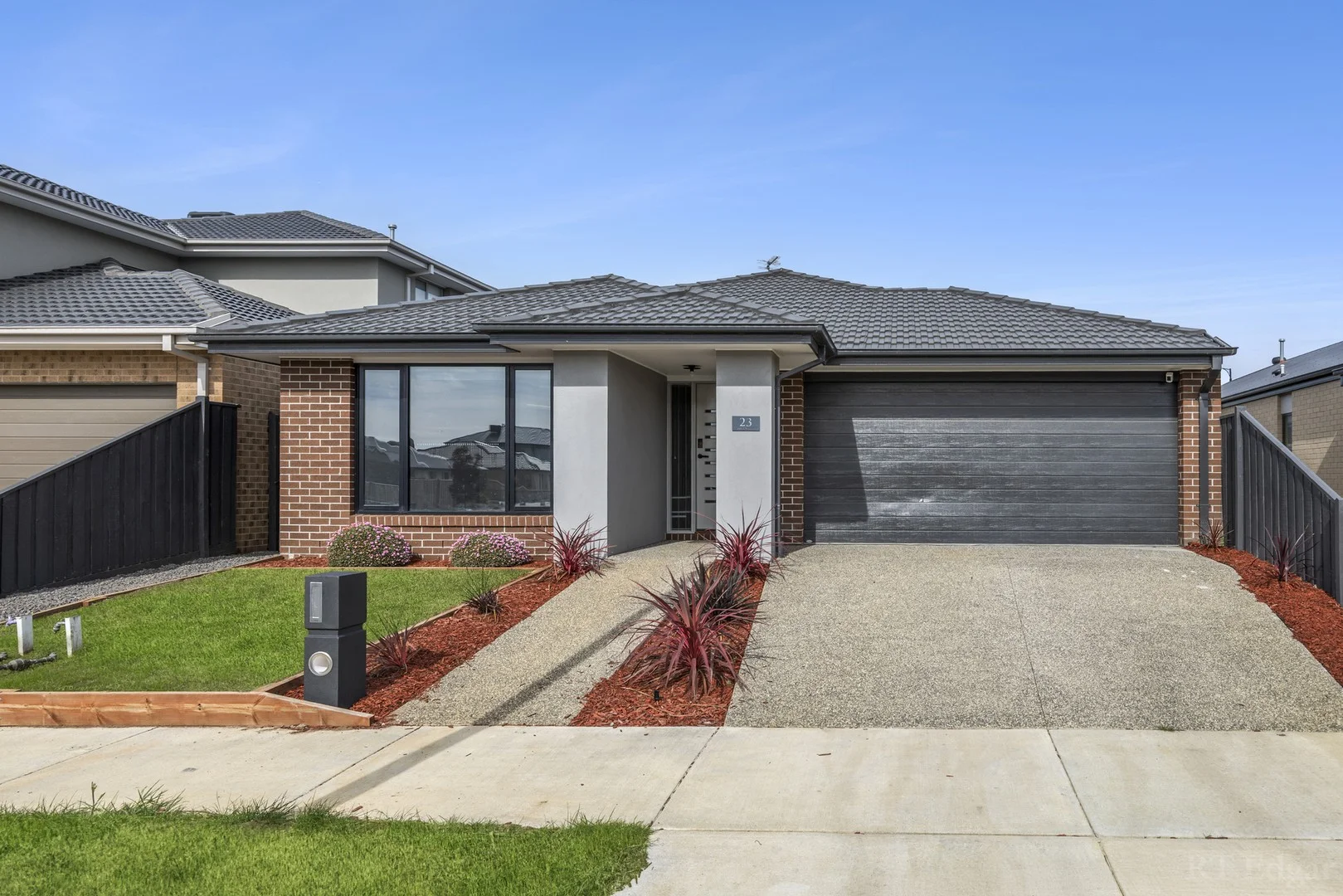 $599,000 - $658,900
House
$599,000 - $658,900
House
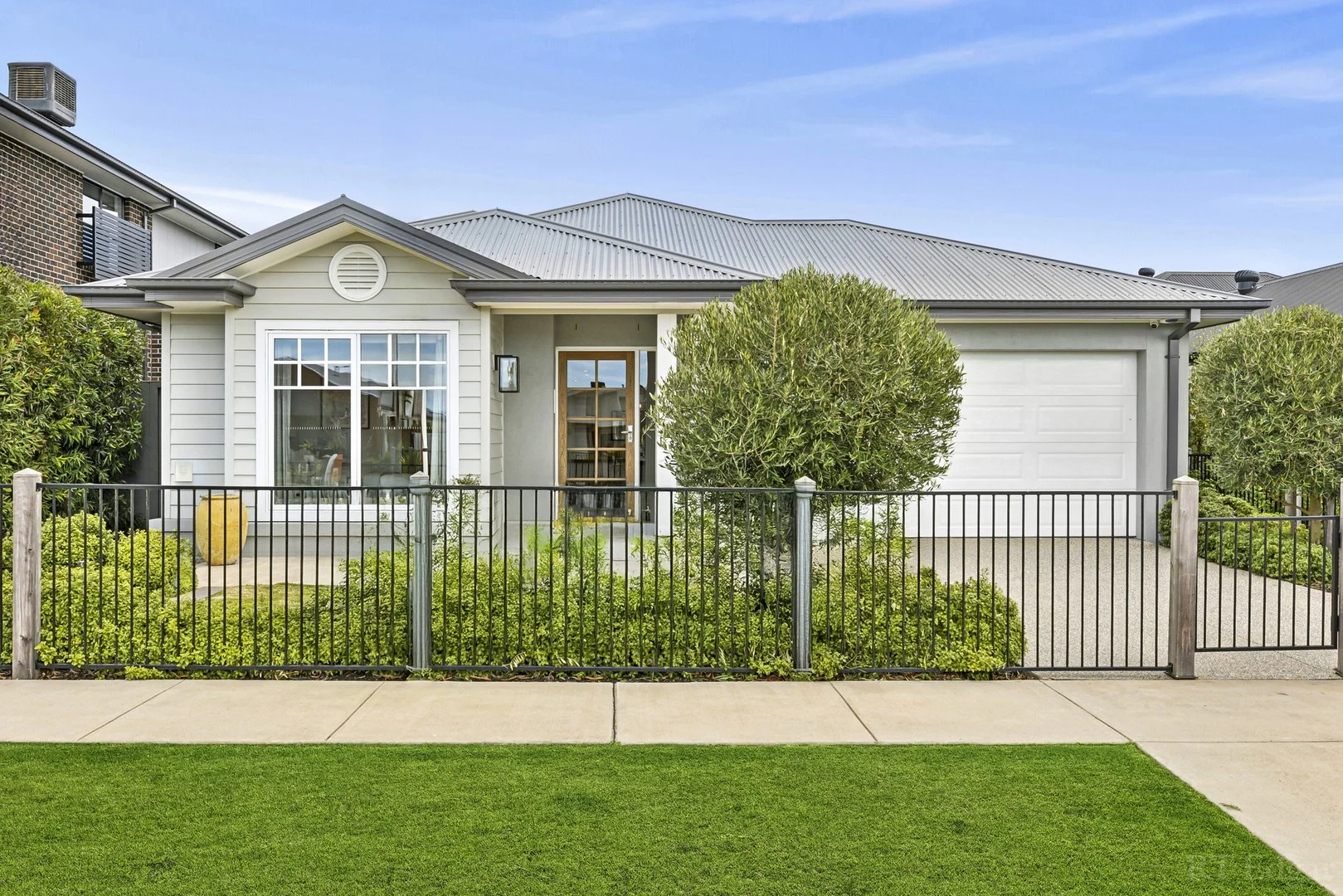 $877,800 - $965,580
House
$877,800 - $965,580
House
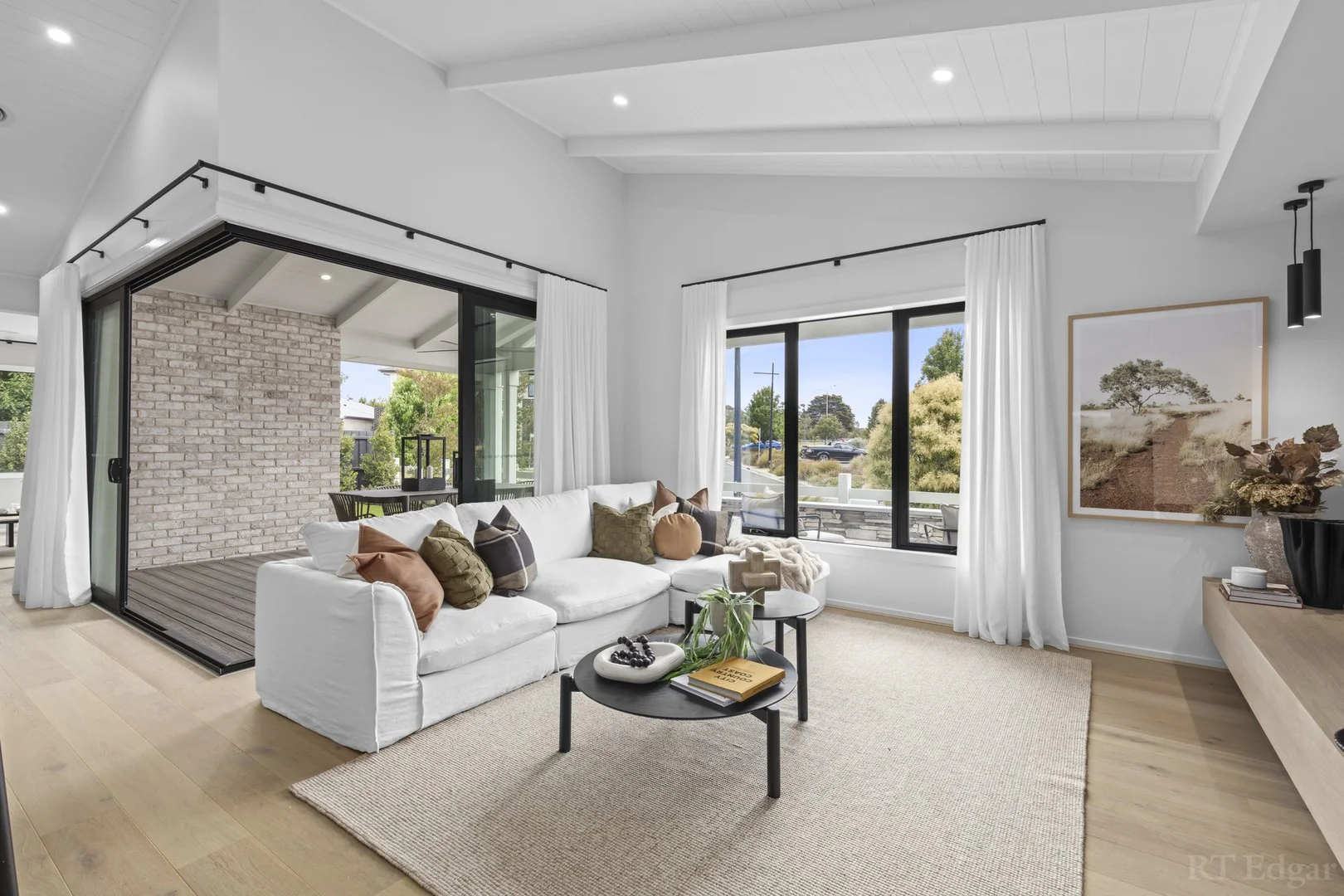 $1,022,295 - $1,124,524
House
$1,022,295 - $1,124,524
House
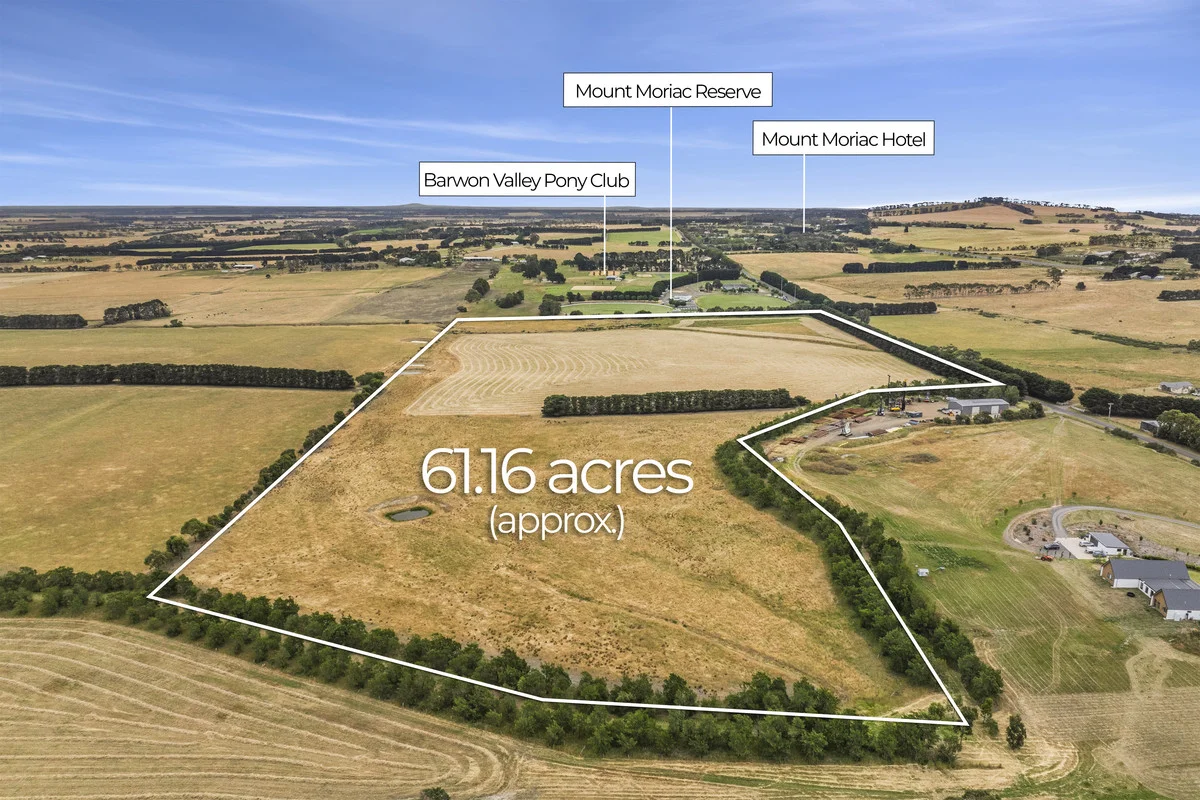 $2,100,000
propertyType.RURAL
$2,100,000
propertyType.RURAL
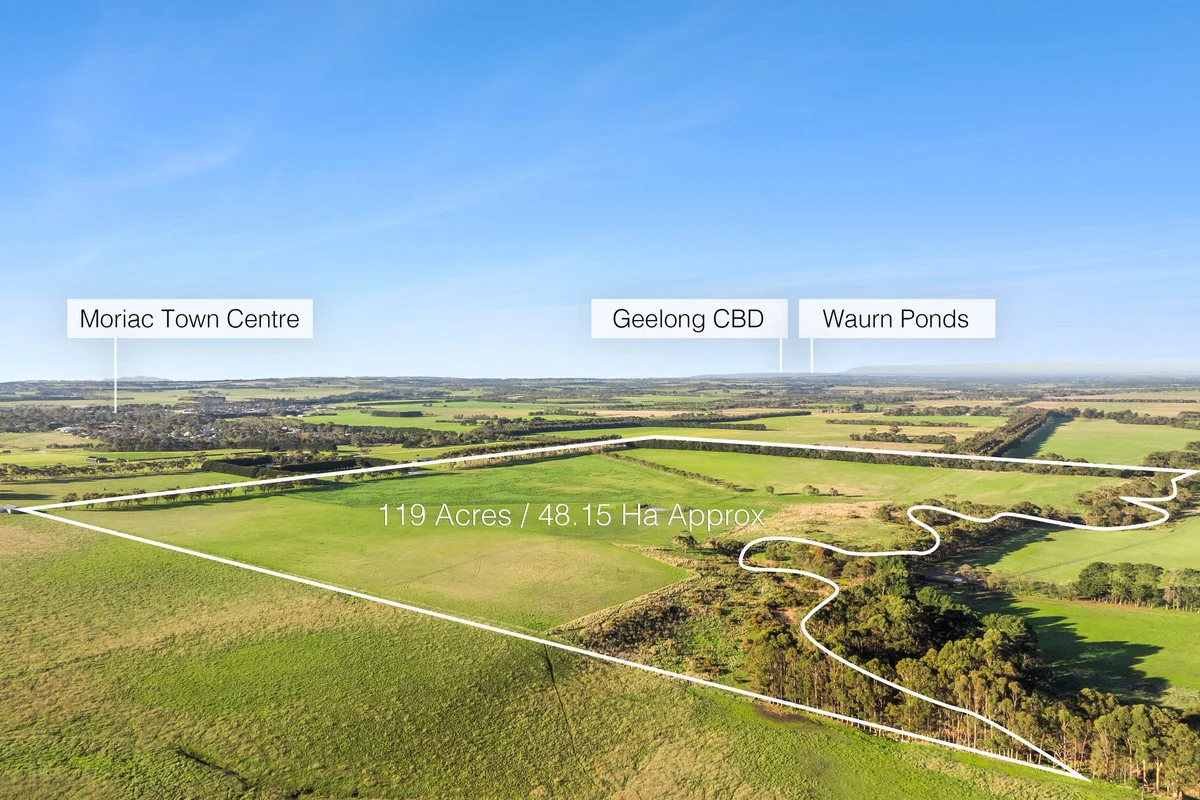 $2,400,000
propertyType.RURAL
$2,400,000
propertyType.RURAL
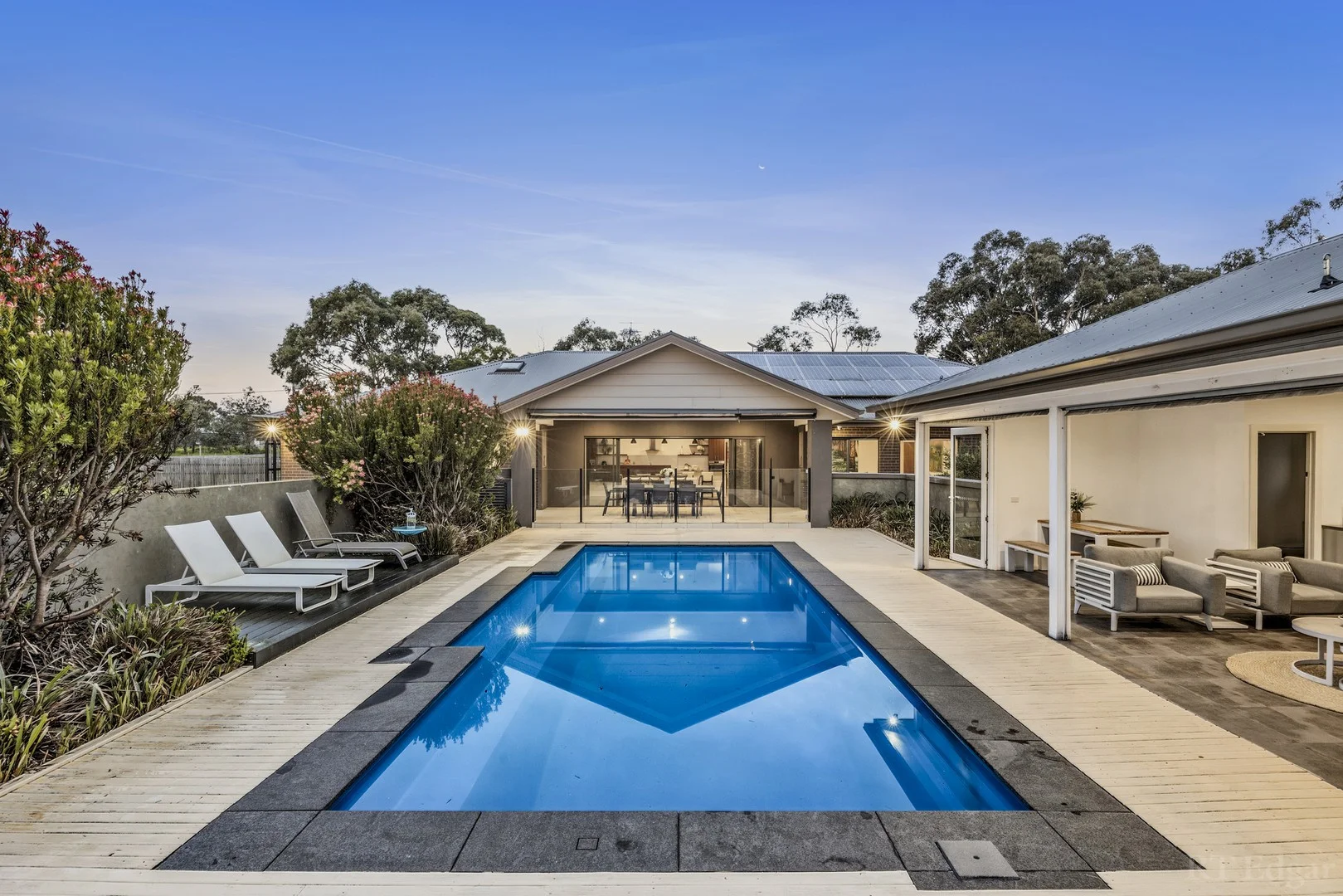 $3,006,750 - $3,307,425
House
$3,006,750 - $3,307,425
House
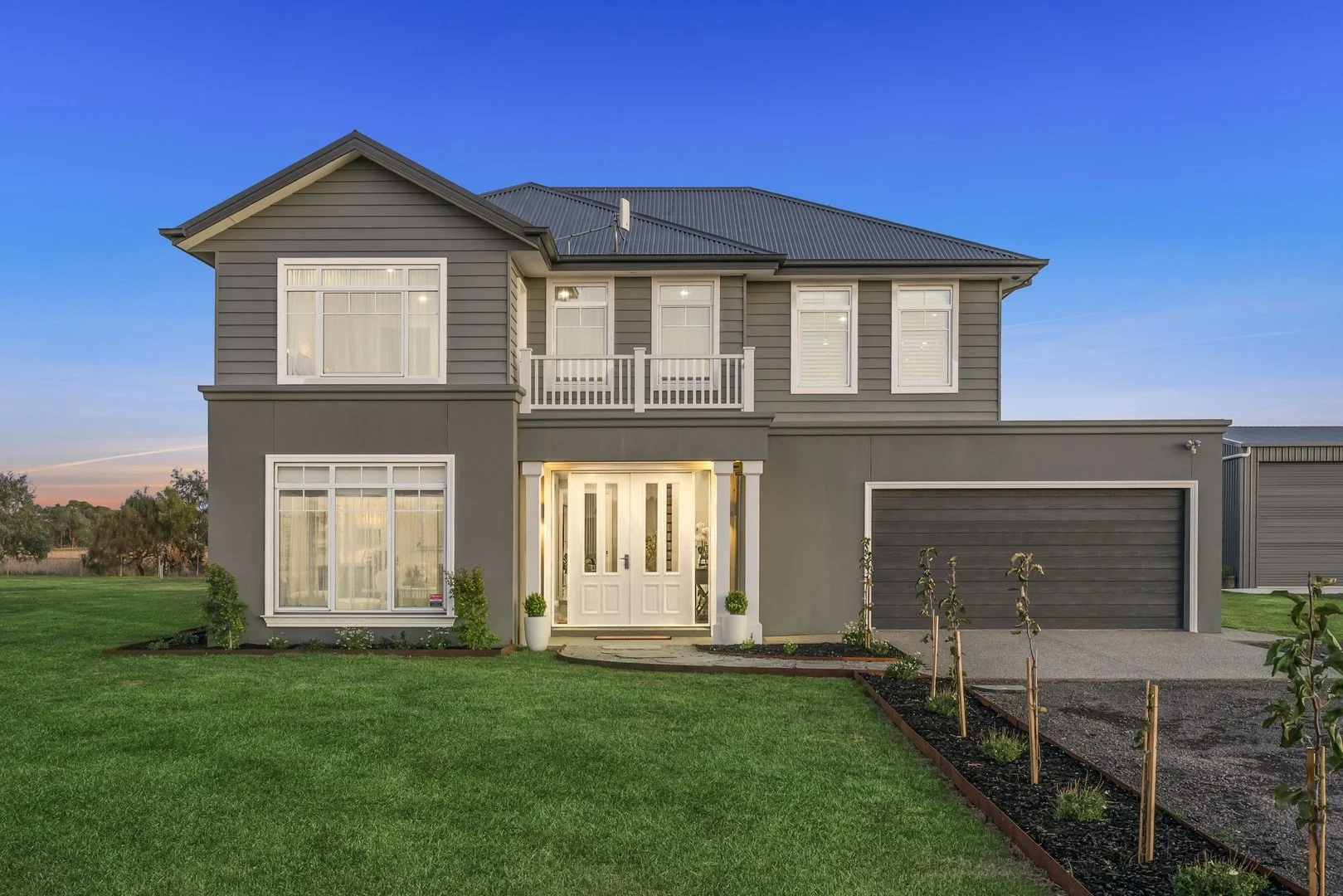 $2,150,000 - $2,350,000
propertyType.ACREAGE / SEMI-RURAL
$2,150,000 - $2,350,000
propertyType.ACREAGE / SEMI-RURAL
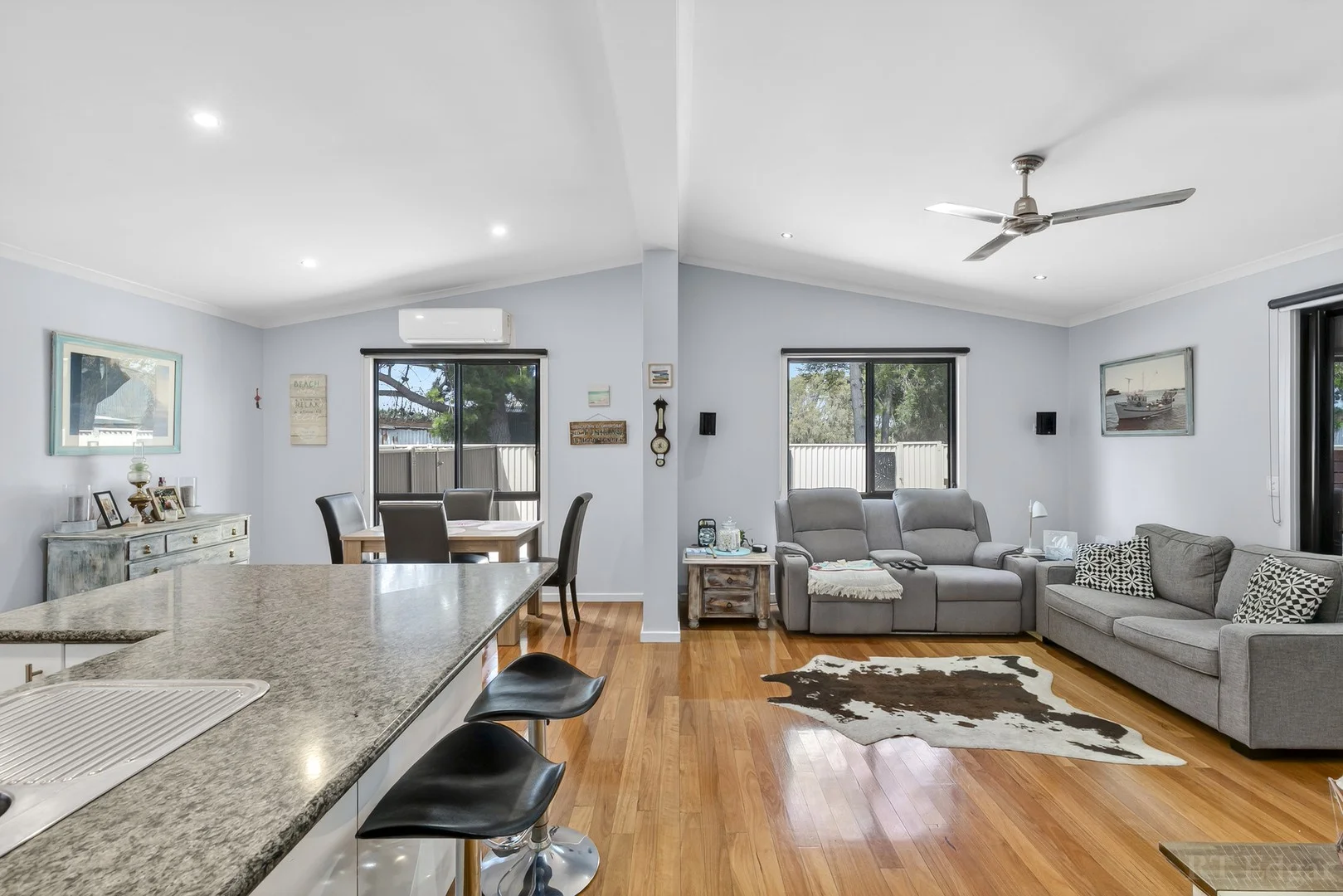 $538,175 - $591,992
Apartment / Unit / Flat
$538,175 - $591,992
Apartment / Unit / Flat
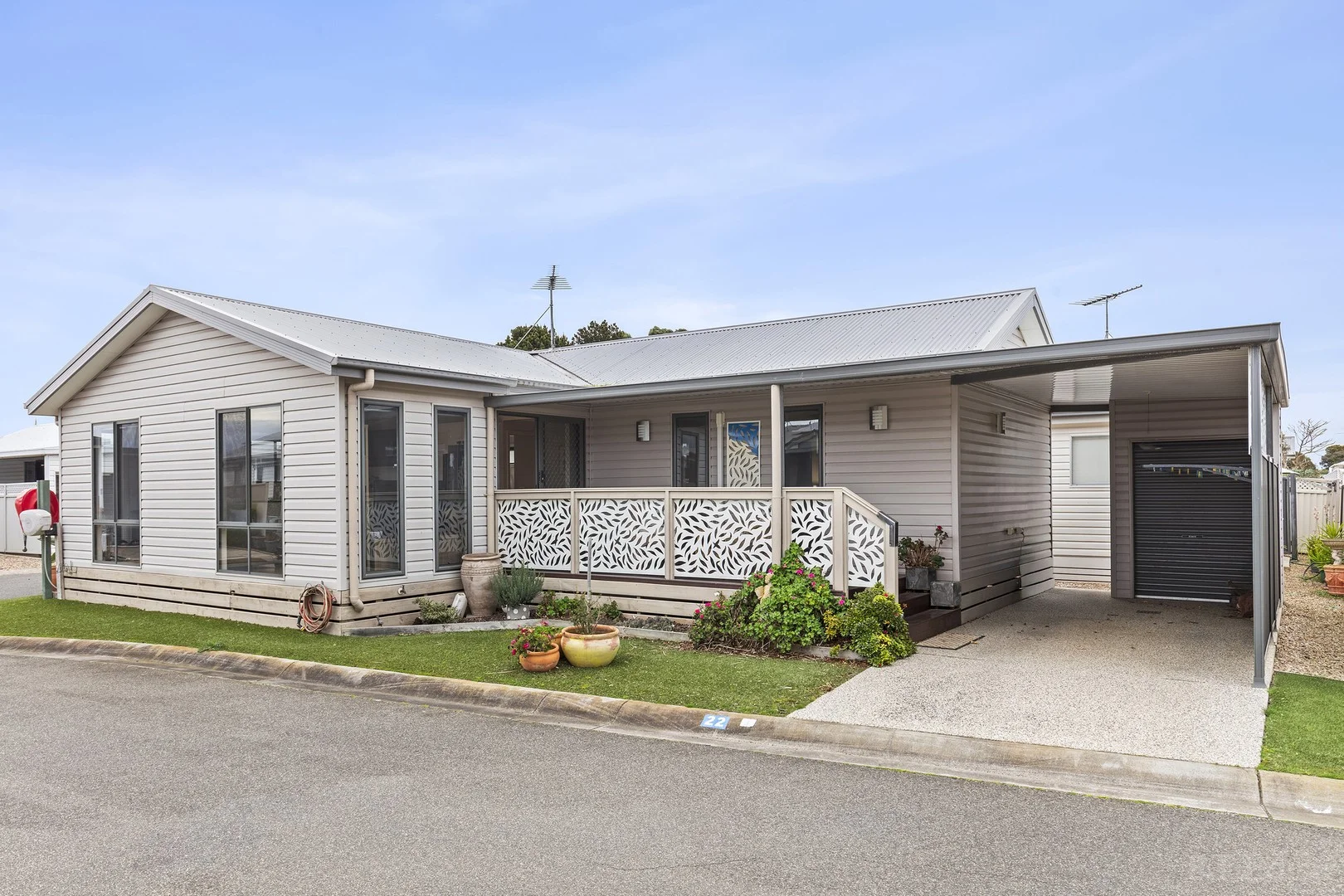 $428,450 - $471,295
House
$428,450 - $471,295
House


