1. Overview
Highton Primary School is a public (government) primary school serving students in the Highton area of Victoria. The school focuses on delivering a well-rounded education within the Victorian Curriculum, with emphasis on literacy and numeracy, creativity, and student wellbeing. It offers a supportive, welcoming environment that aims to help every child grow academically, socially, and emotionally.
- School type: Public
- School size: Medium
- Class size: Typical classes around 20–24 students, varying by year level
- Atmosphere/culture: Inclusive, nurturing, academically focused, with a strong sense of community
⸻
2. Academics & Learning
Highton Primary School supports strong literacy and numeracy foundations while providing opportunities in STEM and the arts. The learning environment emphasizes inquiry, collaboration, and student voice, helping students develop problem-solving skills and resilience.
- Academic strengths: Literacy and numeracy development; integrated STEM themes; emphasis on inquiry-based learning and digital literacy
- Special programs: Support for diverse learners including EAL (English as an Additional Language) and students with additional learning needs; opportunities for classroom differentiation and enrichment within the Victorian Curriculum framework
- NAPLAN / trends: The school tracks NAPLAN trends over time and aims for steady growth in reading, writing, and numeracy; progress is monitored to ensure ongoing improvement
- Student-teacher ratios: Class sizes around 20–24 students; student-teacher engagement supported by specialist and classroom teachers
- Support for diverse learners: EAL support, targeted assistance for students with additional needs, and planning for inclusive practices across year levels
⸻
3. Sports & Extracurricular Strengths
Highton Primary School offers a range of activities to support physical development, teamwork, and creative expression. The school participates in local inter-school activities and encourages broad participation across sports, arts, and clubs.
- Sports offered: AFL/footy, soccer, netball, cricket, basketball, athletics, swimming, and cross-country activities
- Strong teams or achievements: Participation in district-level competitions; teams and individuals regularly compete in local events with opportunities to advance to higher levels
- Music, arts, drama programs: School music and performing arts experiences, involvement in school productions and concerts, and visual arts activities
- Clubs: Robotics, coding, chess, debating, and other interest-based clubs are offered to extend learning beyond the classroom
- Partnerships: Connections with local community clubs, sporting groups, and educational partners to provide coaching, competitions, and enrichment opportunities
⸻
4. Wellbeing & Pastoral Care
Wellbeing and pastoral care are central to daily life at Highton Primary, with a focus on creating a safe, respectful, and supportive environment for all students.
- Anti-bullying approach: Clear anti-bullying policy, restorative approaches, and proactive wellbeing initiatives to promote respectful behavior
- House system: House-based activities and events to foster belonging, leadership, and healthy rivalry
- Counsellors / wellbeing officers: Access to school wellbeing staff and counselling support to help students manage social and emotional needs
- Transition support for new students: Orientation activities, buddy programs, and gradual transition strategies to help new students feel welcome and settled
⸻
5. Facilities
The school’s facilities are designed to support a broad range of learning experiences and activities.
- Sports grounds: Outdoor playing fields and courts for a variety of sports
- Libraries: Welcoming library spaces for reading, research, and group work
- Science labs: Dedicated spaces for hands-on science investigations
- Music/performing arts centers: Areas for music lessons, rehearsals, and performances
- Tech/innovation labs: Facilities that support digital learning, coding, and technology projects
- Cafeteria: On-site canteen or eating spaces for students
- Updated playgrounds: Safe, engaging outdoor play areas and equipment
⸻
6. School Values & Community Culture
Highton Primary aims to foster responsible, curious, and respectful learners within a caring community.
- School values / mission: Focus on inclusivity, respect, resilience, curiosity, and a love of learning
- Leadership style: Collaborative and student-inclusive; opportunities for student voice through councils and leadership roles
- Behaviour expectations: Clear, consistent expectations with positive behavioural support and restorative approaches
- Community reputation: Known for a supportive, friendly community and active parent involvement
- Diversity & inclusion: Commitment to Diverse and Inclusive education, welcoming students from different backgrounds
⸻
7. School Logistics & Daily Operations
Here are the practical details families often want at a glance.
- School hours: Typically 9:00 am–3:30 pm (with variations for special events or early finishes; check current timetable)
- Before/after school care: Available through approved external providers or school-supported programs
- Uniform requirements: School uniform is expected; seasonal rules apply (summer and winter options); hats and appropriate PE attire on PE days
- Transport (train/bus routes): Public transport options and local bus routes; safe drop-off and pick-up procedures; walking/cycling paths encouraged where appropriate
- Canteen availability: On-site canteen or planned meal breaks with healthy options
- Fees (low/medium/high ranges): Public schools generally have no tuition; there are costs for materials, trips, and optional activities; fees vary by activity and year level
⸻
8. Enrolment & Admissions
11. What is the enrolment process and timeline?
- Enrolment is initiated by submitting the official enrolment form and providing required documents (proof of address, birth certificate, immunisation history statement) through the local Department of Education process. Families are typically notified of placement decisions within a few weeks after the submission, with further information provided about orientation and start dates. Foundation intake information sessions are commonly offered prior to the start of the school year.
12. Is there a waiting list, and how does it work?
- If there are more applicants than places, a waiting list may be established. Priority is usually given to students residing within the school’s local catchment area. The school or Department of Education will communicate where you are on the list and any steps needed to progress.
13. Are there any entry requirements, tests, or interviews?
- Primary school enrolment generally does not require entrance tests or formal interviews. The process focuses on eligibility, documentation, and readiness. The school may conduct brief intake discussions or provide information to families about expectations and supports, but there is typically no academic testing for admission.
14. Does the school accept mid-year transfers?
- Yes, mid-year transfers can be accommodated if places are available. Families should contact the school as early as possible to discuss space, timetable alignment, and transition arrangements. Documentation and orderly handover of student information will be required.
⸻
9. Frequently Asked Questions
- Why Parents Choose This School?
- Families choose this school for its welcoming community, strong emphasis on literacy and numeracy, inclusive culture, and broad wellbeing and extracurricular offerings.
- What type of student thrives at this school?
- Curious, engaged, and collaborative learners who value a supportive environment, school spirit, and opportunities to participate in sports, arts, and clubs do well here.
- What opportunities are available for students to extend their skills (academics, sports, arts)?
- Extension in academics through targeted support and enrichment tasks; a range of clubs (robotics, coding, chess, debating); competitive and non-competitive sports programs; music and performing arts experiences; opportunities to participate in regional competitions and performances.
- How does the school communicate with parents?
- Regular newsletters, emails, a school app or portal, parent-teacher interviews, and information sessions keep families informed about learning, events, and decisions.
- What is the school's approach to teaching and learning?
- The school uses the Victorian Curriculum with a focus on literacy, numeracy, inquiry-based learning, collaboration, and student wellbeing. Digital literacy and creative problem-solving are integrated across year levels.
- How does the school support students who need extra academic help?
- Targeted small-group withdrawal or in-class supports, EAL assistance, and tailored plans for students with additional learning needs. Ongoing progress monitoring informs adjustments.
- What support is available for academic challenges?
- Access to learning support staff, intervention programs, and coordination with families to implement Individual Education Plans (where appropriate) and timely feedback.
- How does the school communicate with parents? (Duplicate)
- See above: newsletters, emails, school app/portal, and face-to-face or virtual meetings as needed.
- What are the class sizes and how much individual attention do students receive?
- Class sizes typically around 20–24 students, with teachers providing targeted instruction and feedback. Some support staff and specialists help with individual or small-group learning as needed.
- What extracurricular and sports opportunities are available?
- A range of sports (e.g., AFL/footy, soccer, netball, cricket, basketball, athletics), plus clubs in robotics, coding, chess, and debating, and access to music/arts programs and performances.
- What facilities does the school offer (sports, science, arts)?
- Modern facilities including sports grounds, a library, science labs, a music/performing arts space, tech/innovation labs, a canteen, and updated playgrounds.
- What is the school's approach to technology and digital learning?
- Integrated digital literacy across the curriculum, with access to computers/tablets and technology-rich learning environments to support research, coding, and creative projects.
- What transport and accessibility options are available?
- Public transport options and local bus routes, along with walking/cycling routes where feasible; car drop-off/pick-up procedures are designed for safety and efficiency.
- What are the typical school fees or additional costs?
- Public schools generally do not charge tuition; there are costs for materials, excursions, and optional activities. Specific costs vary by year level and activity.
⸻
10. Short Pros & Cons list
Pros
- Strong sense of community and inclusive culture
- Solid focus on literacy and numeracy within a holistic program
- Broad range of extracurriculars and clubs
- Good wellbeing and supportive staff
- Modern facilities and resources
Cons
- As a medium-sized public school, class sizes can be similar to other local primary schools
- Some activities may require voluntary contributions or small fees
- Availability for mid-year transfers depends on places at the time of application
⸻





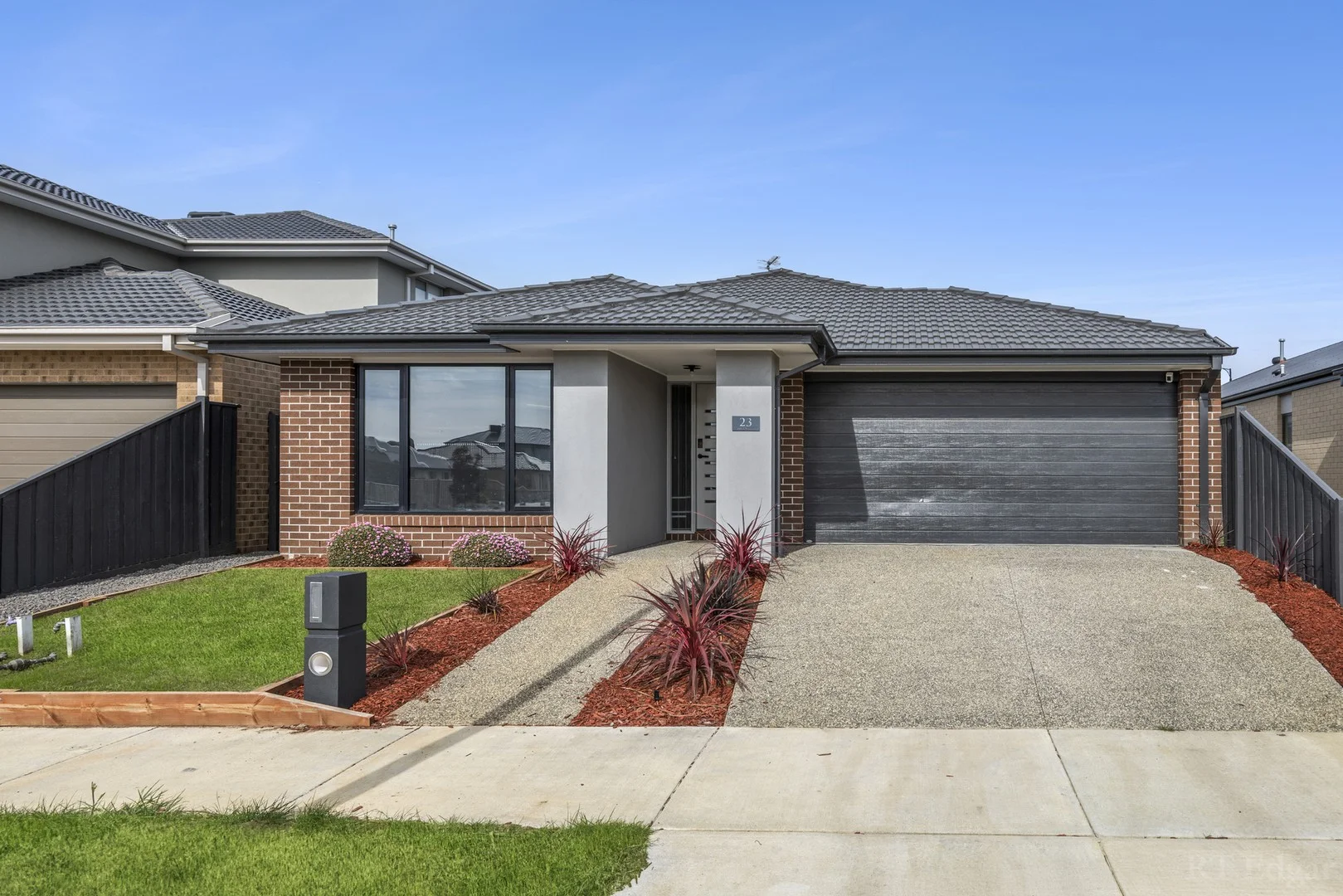 $599,000 - $658,900
House
$599,000 - $658,900
House
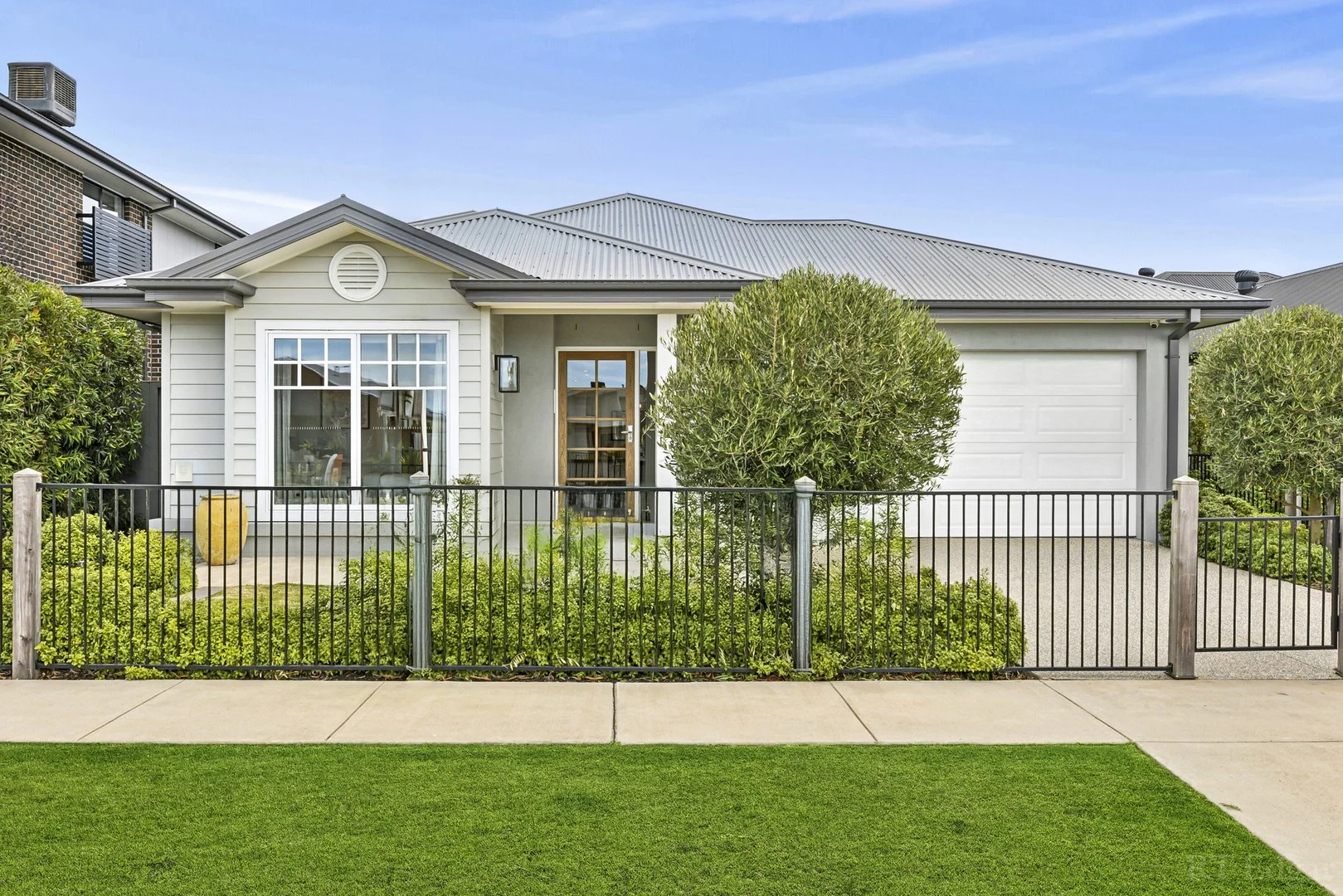 $877,800 - $965,580
House
$877,800 - $965,580
House
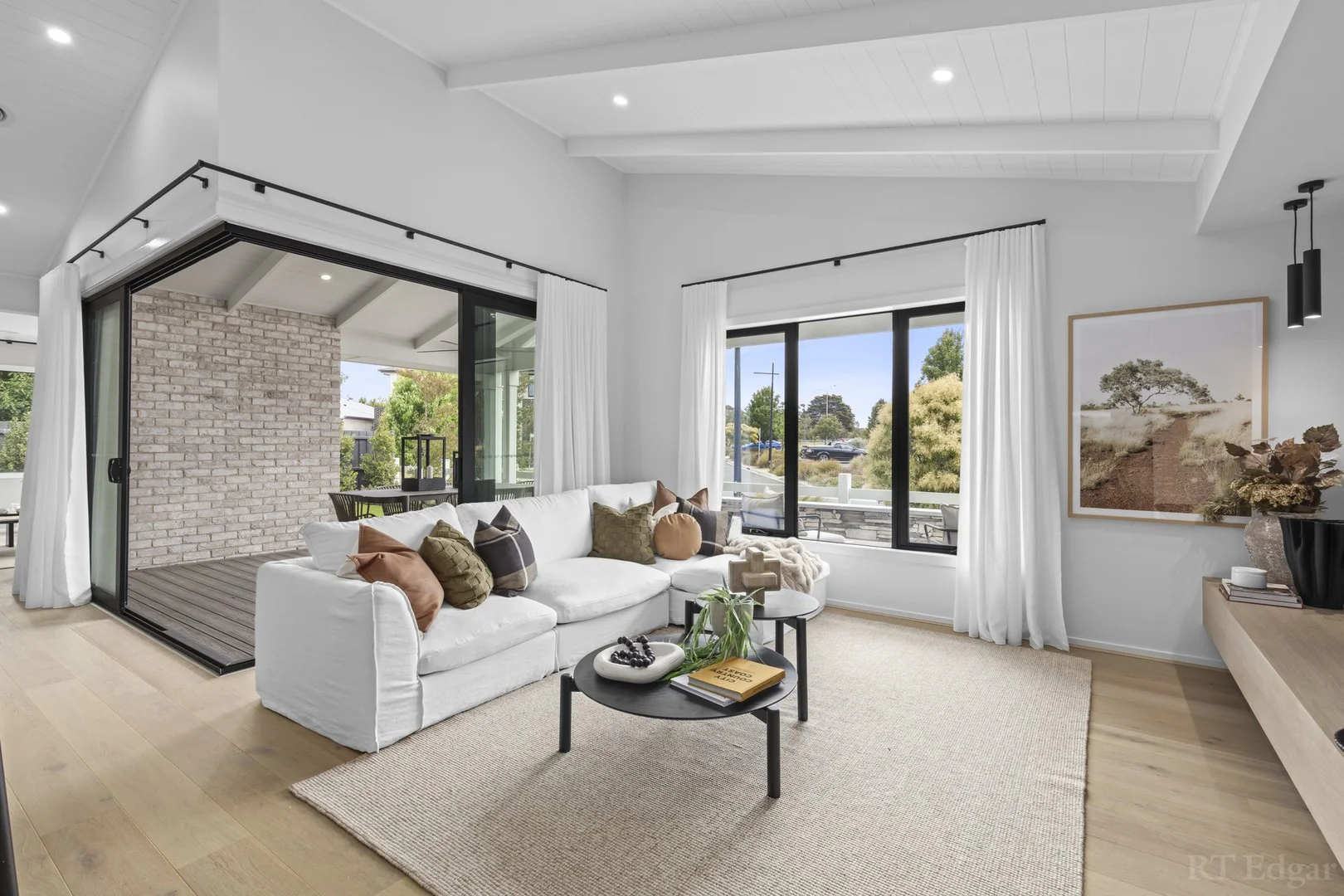 $1,022,295 - $1,124,524
House
$1,022,295 - $1,124,524
House
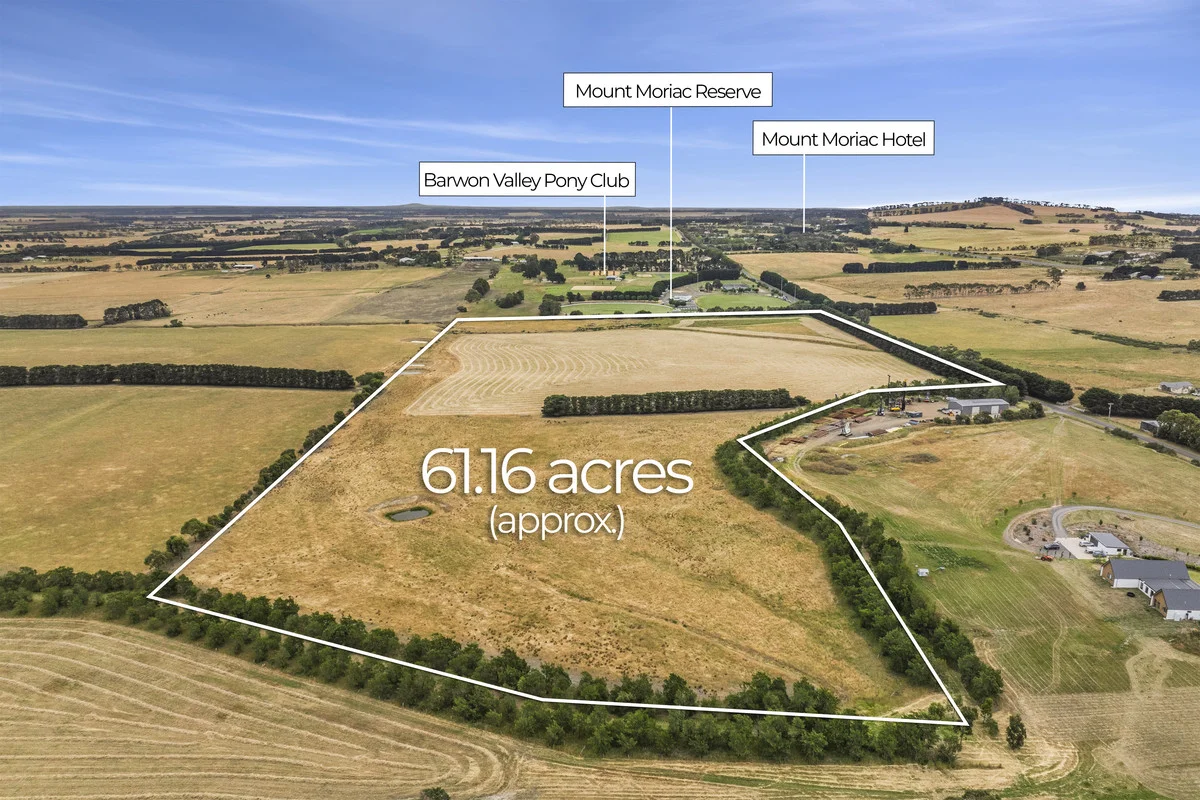 $2,100,000
propertyType.RURAL
$2,100,000
propertyType.RURAL
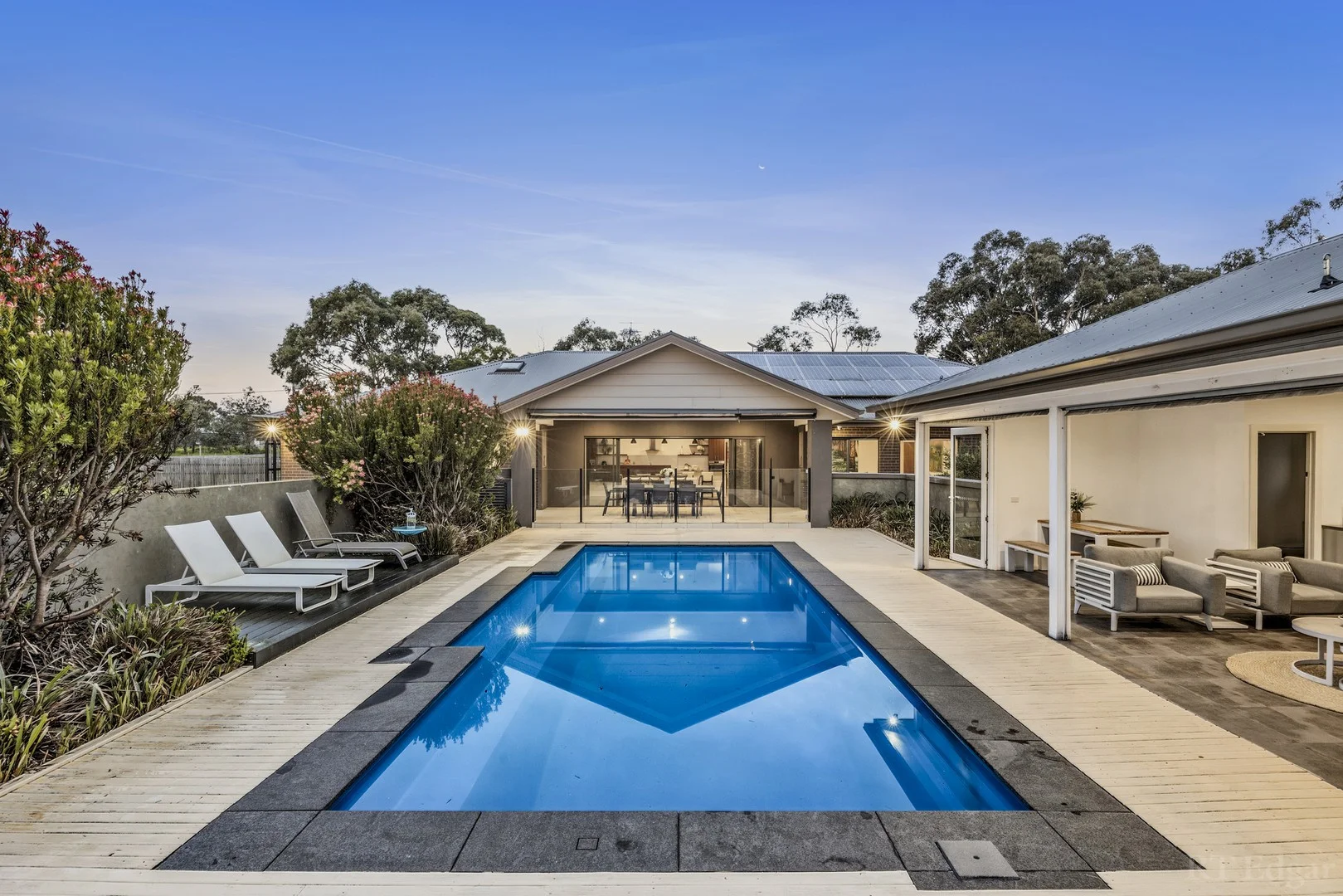 $3,006,750 - $3,307,425
House
$3,006,750 - $3,307,425
House
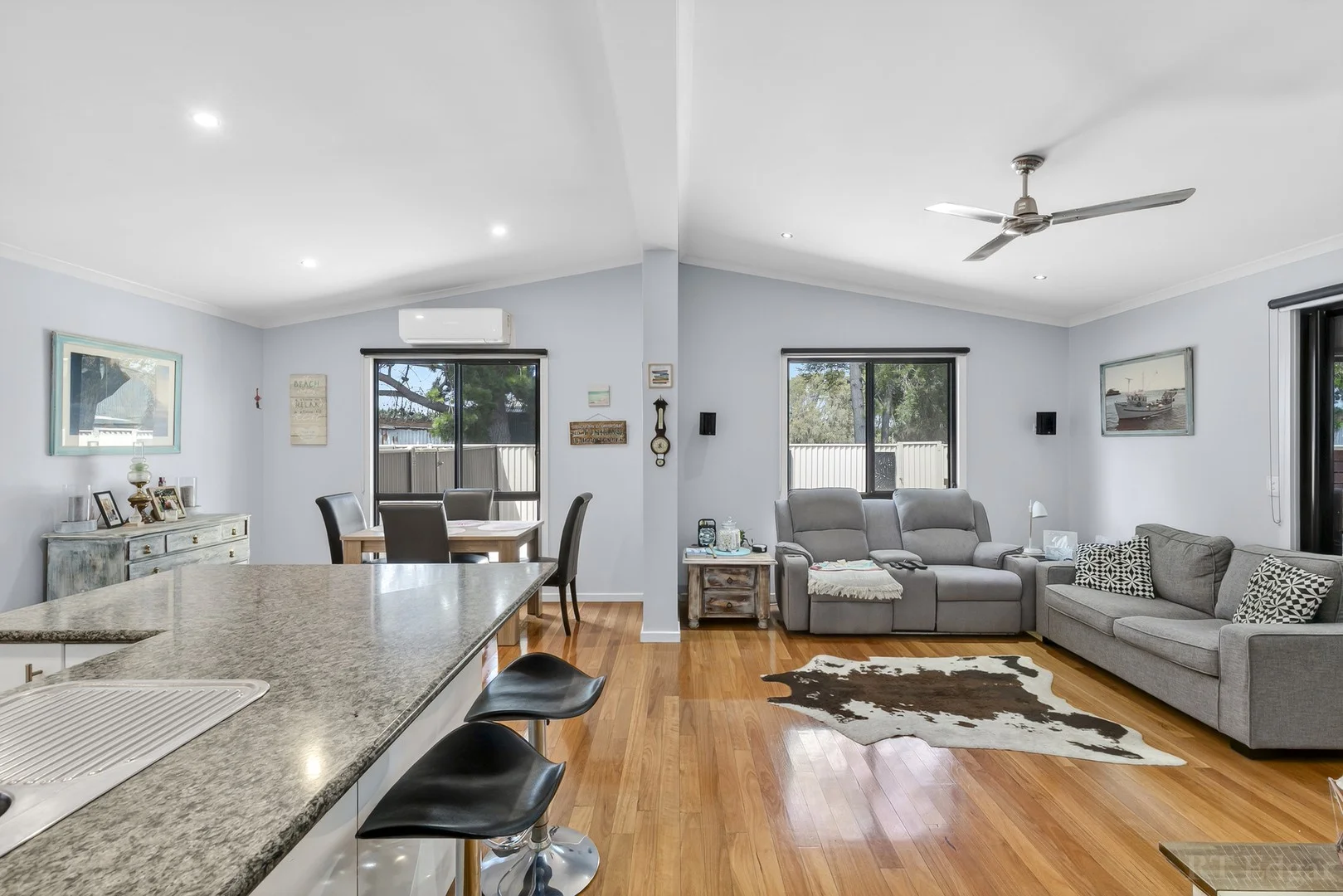 $538,175 - $591,992
Apartment / Unit / Flat
$538,175 - $591,992
Apartment / Unit / Flat
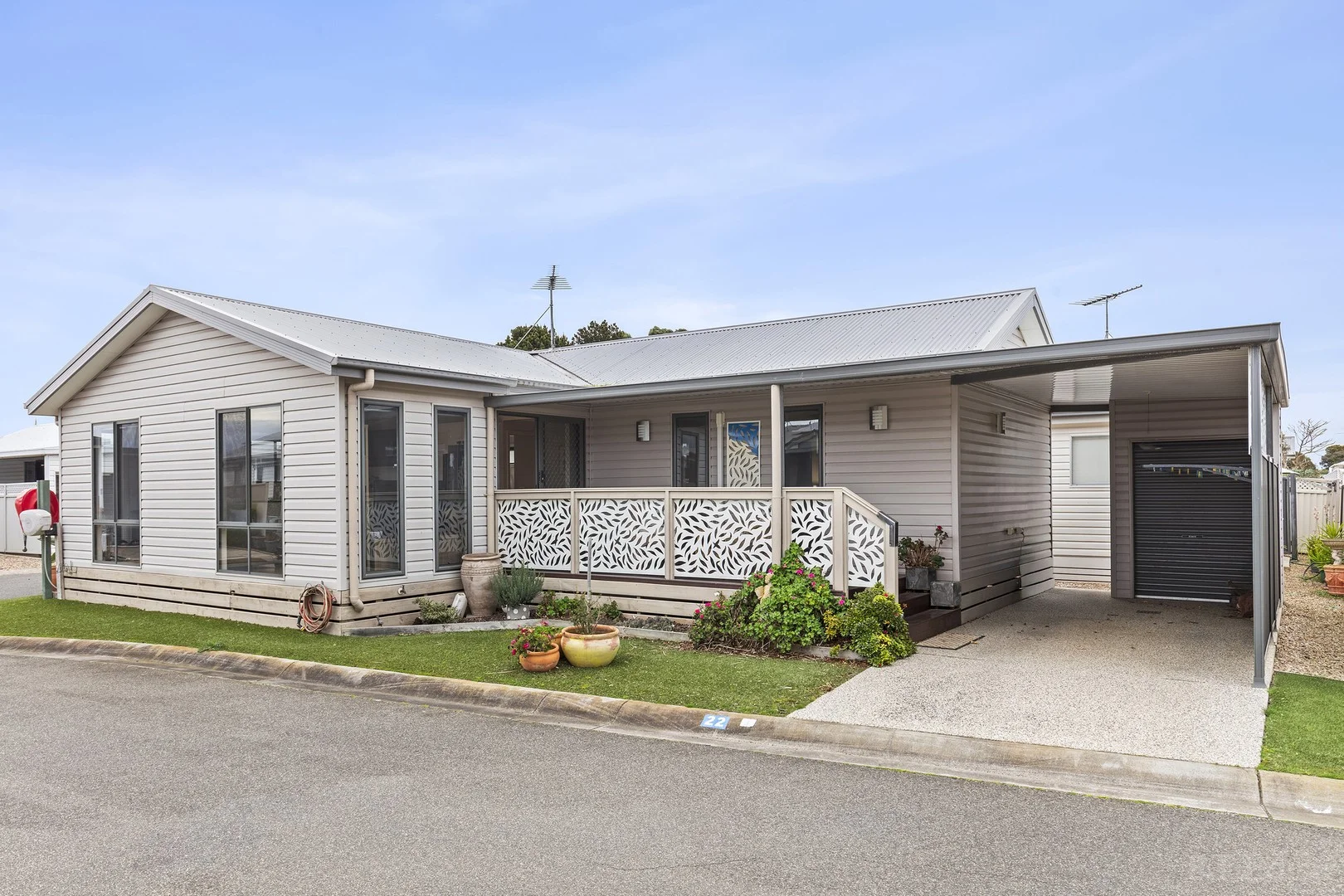 $428,450 - $471,295
House
$428,450 - $471,295
House
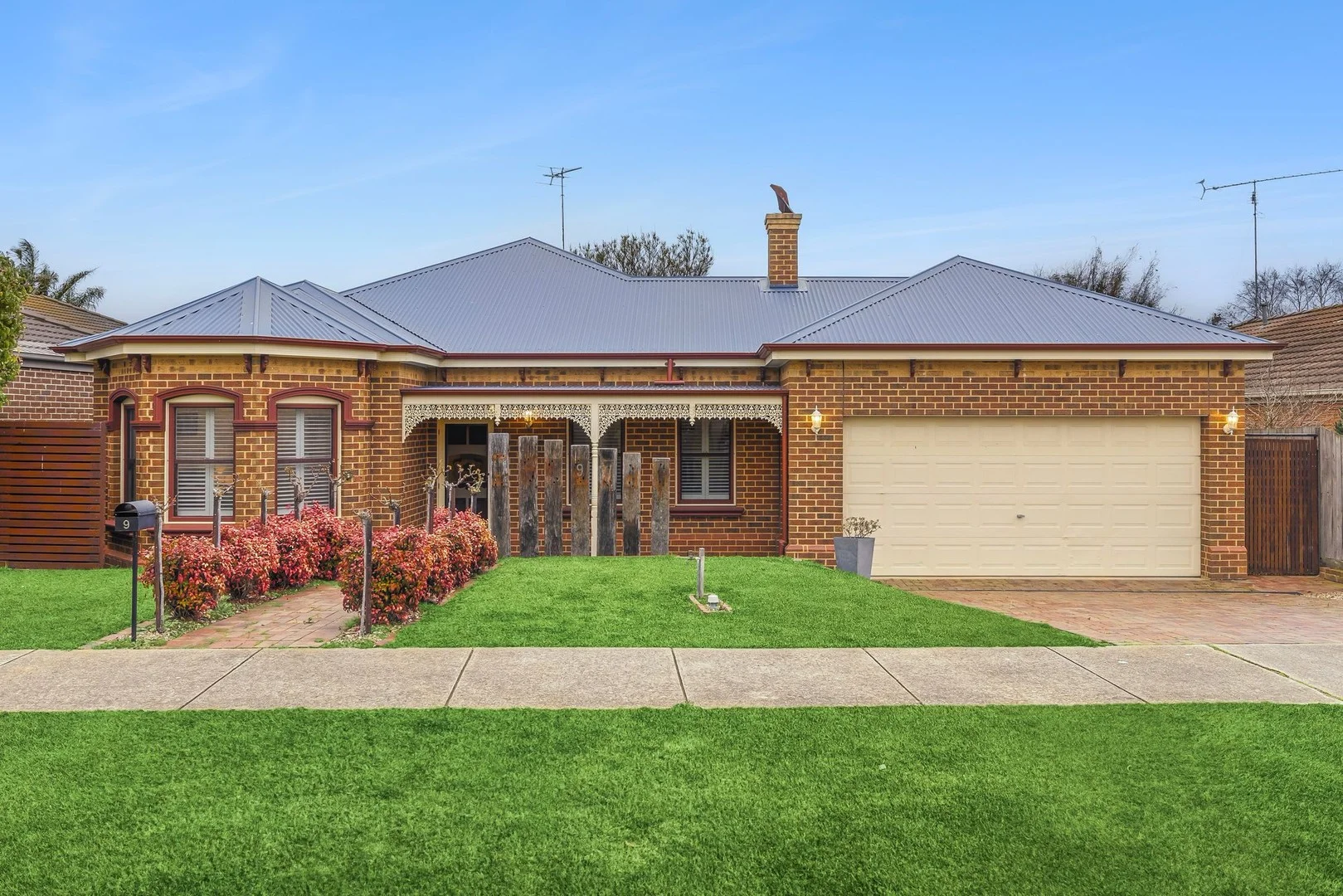 $830,000 - $890,000
House
$830,000 - $890,000
House
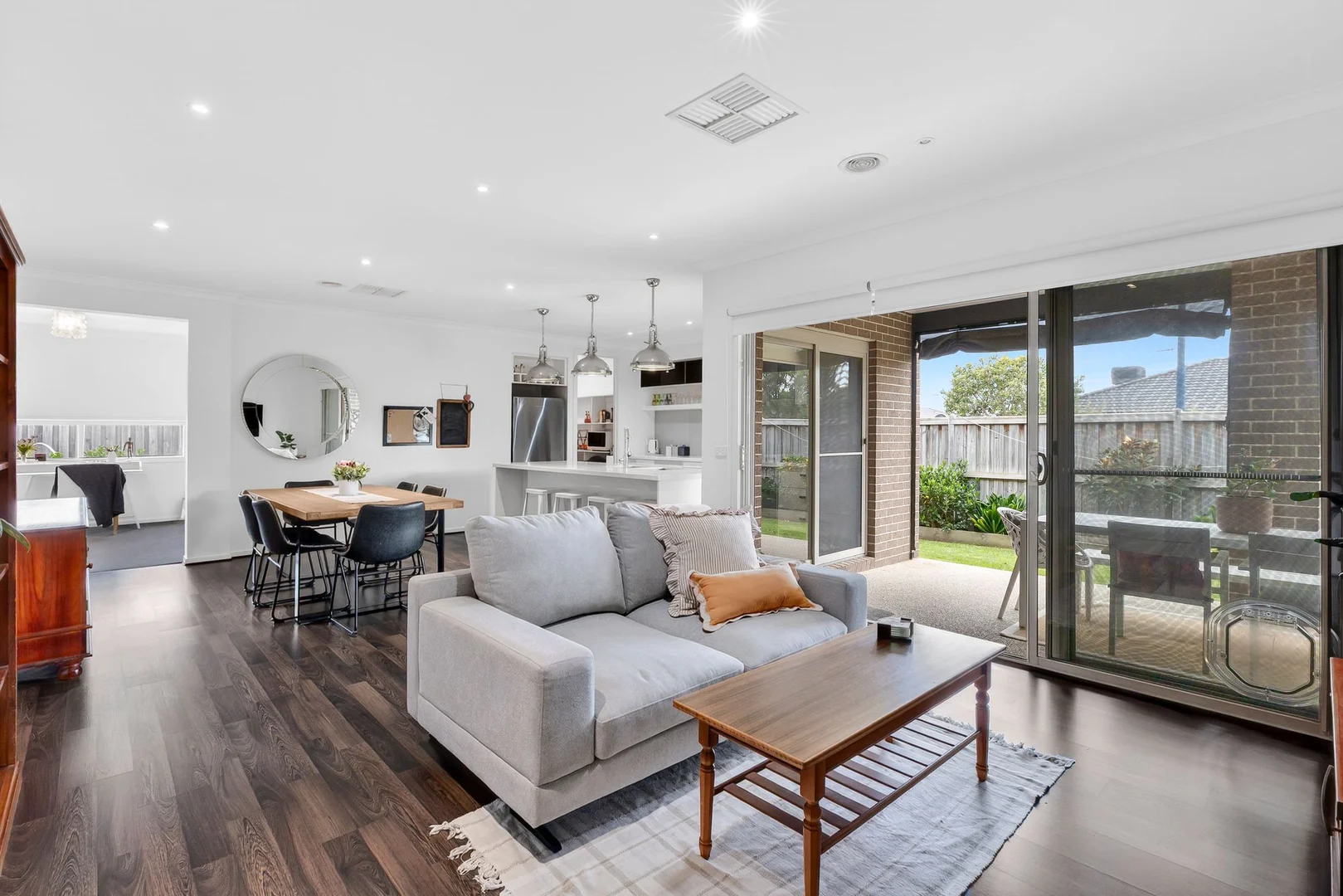 $840,000 - $880,000
House
$840,000 - $880,000
House


