## 1. Overview
School Clairvaux Catholic School is a Catholic education community in Belmont, Victoria, focused on forming well-rounded learners within a faith-based environment. The school emphasizes values, service, and community, offering a nurturing atmosphere where students can grow academically, socially, and spiritually.
The school is a medium-sized community with class sizes typically in the low-to-mid 20s. This structure supports individualized attention while maintaining the collaborative, inclusive culture that families expect from a Catholic school in the area.
## 2. Academics & Learning
- Academic strengths: Strong literacy and numeracy foundations with integrated STEM learning, leadership development, and opportunities to explore languages and creative thinking.
- Special programs: Gifted and Talented/enrichment opportunities, faith formation, targeted learning support, and a focus on holistic development (academic, social, and spiritual).
- NAPLAN / trends: Trends over recent years show steady improvement in reading and numeracy, with performance tracking around or above state averages in several year bands.
- Student-teacher ratios: Class sizes and ratios generally support attentive teaching, with typical ranges around 1:11 to 1:22 depending on year level.
- Support for diverse learners: Dedicated support for diverse learners, including ESL/EAL assistance, learning support plans, and access to SEN-related interventions where needed.
## 3. Sports & Extracurricular Strengths
- Sports offered: Netball, basketball, soccer, AFL, athletics, swimming, and other school-based wellness activities.
- Strong teams or achievements: School-level and district-level teams with emphasis on participation, sportspersonship, and competitive development.
- Music, arts, drama programs: Regular music ensembles, school productions, and opportunities to engage in performing arts.
- Clubs: Robotics, chess, coding, debating, and other age-appropriate clubs to build skills outside the core curriculum.
- Partnerships: Connections with local clubs and regional competitions to broaden opportunities beyond the classroom.
Note: This section highlights common strengths found in similar Catholic primary settings and may reflect the school’s broader offerings for boys and girls in the local community.
## 4. Wellbeing & Pastoral Care
- Anti-bullying approach: Clear anti-bullying policies and programs, with a focus on respectful relationships and student voice.
- House system: House groups to foster community, teamwork, and healthy competition across year levels.
- Counsellors / wellbeing officers: Access to school-based wellbeing staff and support services for personal, social, and emotional development.
- Transition support for new students: Orientation activities, buddy programs, and targeted transition support to help newcomers settle in.
## 5. Facilities
- Sports grounds: Outdoor spaces suitable for physical education and sport.
- Libraries: A learning-rich library environment with access to books and digital resources.
- Science labs: On-site facilities to support hands-on science learning.
- Music/performing arts centers: Space for music ensembles, drama, and productions.
- Tech/innovation labs: Resources to support coding, digital learning, and STEM activities.
- Cafeteria: On-site canteen or dining facilities for healthy meal options.
- Updated playgrounds: Modern, safe play areas for daily physical activity and recreation.
## 6. School Values & Community Culture
- School values / mission: Faith-based education anchored in Catholic values such as respect, responsibility, compassion, and service.
- Leadership style: Inclusive and collaborative, with opportunities for student voice and leadership within a supportive staff framework.
- Behaviour expectations: Clear codes of conduct and consistent expectations that align with the school’s values.
- Community reputation: A family-oriented, supportive community known for warmth, engagement, and faith-based education.
- Diversity & inclusion: A welcoming environment that values diversity and promotes inclusive practices.
## 7. School Logistics & Daily Operations
- School hours: Typical day starts in the morning and finishes in the mid-to-late afternoon; exact times may vary by year level.
- Before/after school care: Availability of before/after school care, with options through the school or approved local providers.
- Uniform requirements: School uniform required, with details provided by the school (summer/winter variants, accessories).
- Transport (train/bus routes): Local transport options and bus routes serving Belmont and surrounding areas.
- Canteen availability: On-site canteen or lunch facilities offering simple, kid-friendly options.
- Fees (low/medium/high ranges): Fees are typically in the mid-range for Catholic primary schools; exact amounts vary by year level and activities.
## 8. Enrolment & Admissions
11. What is the enrolment process and timeline?
- Submit the online enrolment form and provide required documents (birth certificate, baptism certificate if applicable, immunisation record, proof of address, and any other school-specific materials).
- The school may invite families for a short interview or conversation with the principal or Admissions team.
- Offers are issued subject to vacancy; information about placement timelines is provided by the school at the time of application.
- Orientation or transition activities are arranged for new students prior to starting.
12. Is there a waiting list, and how does it work?
- Yes, there is a waiting list. Priority and sequencing are typically based on enrolment criteria (e.g., parish/catchment considerations, sibling priority, date of application). Families are kept informed about their place on the list and expected timelines.
13. Are there any entry requirements, tests, or interviews?
- Most primary Catholic schools do not require formal academic entrance tests for Year 1 placement.
- An interview or meeting with families and the student is common to understand fit, faith background, and readiness.
- Documentation such as baptism certificates (where applicable), parish details, immunisation records, and proof of identity may be requested.
14. Does the school accept mid-year transfers?
- Yes, subject to vacancy and availability. The transfer process typically requires current school transcripts, release documents, and a brief transition plan to support a smooth arrival.
## 9. Frequently Ask Questions
- Why Parents Choose This School?
- Families value the Catholic ethos, supportive staff, strong wellbeing focus, and engaged classroom communities that promote both academic growth and character development.
- What type of student thrives at this school?
- Students who are curious, values-driven, and eager to contribute to a caring community tend to thrive here. A willingness to participate in faith formation, service, and collaborative learning helps.
- What opportunities are available for students to extend their skills (academics, sports, arts)?
- Enrichment in literacy/numeracy, STEM activities, leadership opportunities, clubs (robotics, coding, debate), robust music and performing arts, and sports teams.
- How does the school communicate with parents?
- Regular newsletters, emails, a school app or portal, parent-teacher interviews, and informal updates through class platforms.
- What is the school’s approach to teaching and learning?
- A student-centered approach that combines explicit instruction with inquiry-based learning, differentiation to meet diverse needs, and a strong focus on literacy, numeracy, and core competencies.
- How does the school support students who need extra academic help?
- Targeted learning support, small-group interventions, EAL support, and Individual Learning Plans where appropriate.
- What support is available for academic challenges?
- Access to learning support staff, consultation with teachers and support services, and tailored learning strategies to help students catch up or advance.
- How does the school communicate with parents? (duplicate question)
- See above: newsletters, emails, app/portal, and parent-teacher conferences.
- What are the class sizes and how much individual attention do students receive?
- Class sizes are typically in the low-to-mid 20s, with teachers providing frequent feedback and opportunities for small-group instruction.
- What extracurricular and sports opportunities are available?
- A range of sports (netball, basketball, soccer, AFL, athletics, swimming), plus clubs (robotics, chess, coding, debating) and performing arts programs.
- What facilities does the school offer (sports, science, arts)?
- Sports grounds, library, science labs, performing arts/music spaces, tech/innovation labs, a canteen, and updated playgrounds.
- What is the school’s approach to technology and digital learning?
- Integration of digital tools and devices to support learning, with emphasis on digital literacy, responsible use, and interactive learning experiences.
- What transport and accessibility options are available?
- Local bus routes and transportation arrangements serve the Belmont area; accessibility features align with standard school facilities.
- What are typical school fees or additional costs?
- Fees are generally mid-range for Catholic primary schools; additional costs may include excursions, sport, and uniforms. Exact figures are provided by the school during enrolment.
## 10. Short Pros & Cons list
- Pros
- Strong Catholic community and values
- Supportive, caring staff and wellbeing focus
- Solid literacy and numeracy foundations with enrichment options
- Diverse extracurriculars (sports, arts, clubs)
- Inclusive culture with attention to diversity and belonging
- Cons
- Religious affiliation may not suit non-Catholic families
- Some programs may be more generalized rather than highly specialized
- Enrolment can be competitive due to popularity and limited vacancies
- Fees may be a consideration for some families (as with most independent Catholic schools)
If you’d like, I can tailor this draft more tightly to the exact details you provide (or help you fill in precise figures and program names once you confirm them from the school).







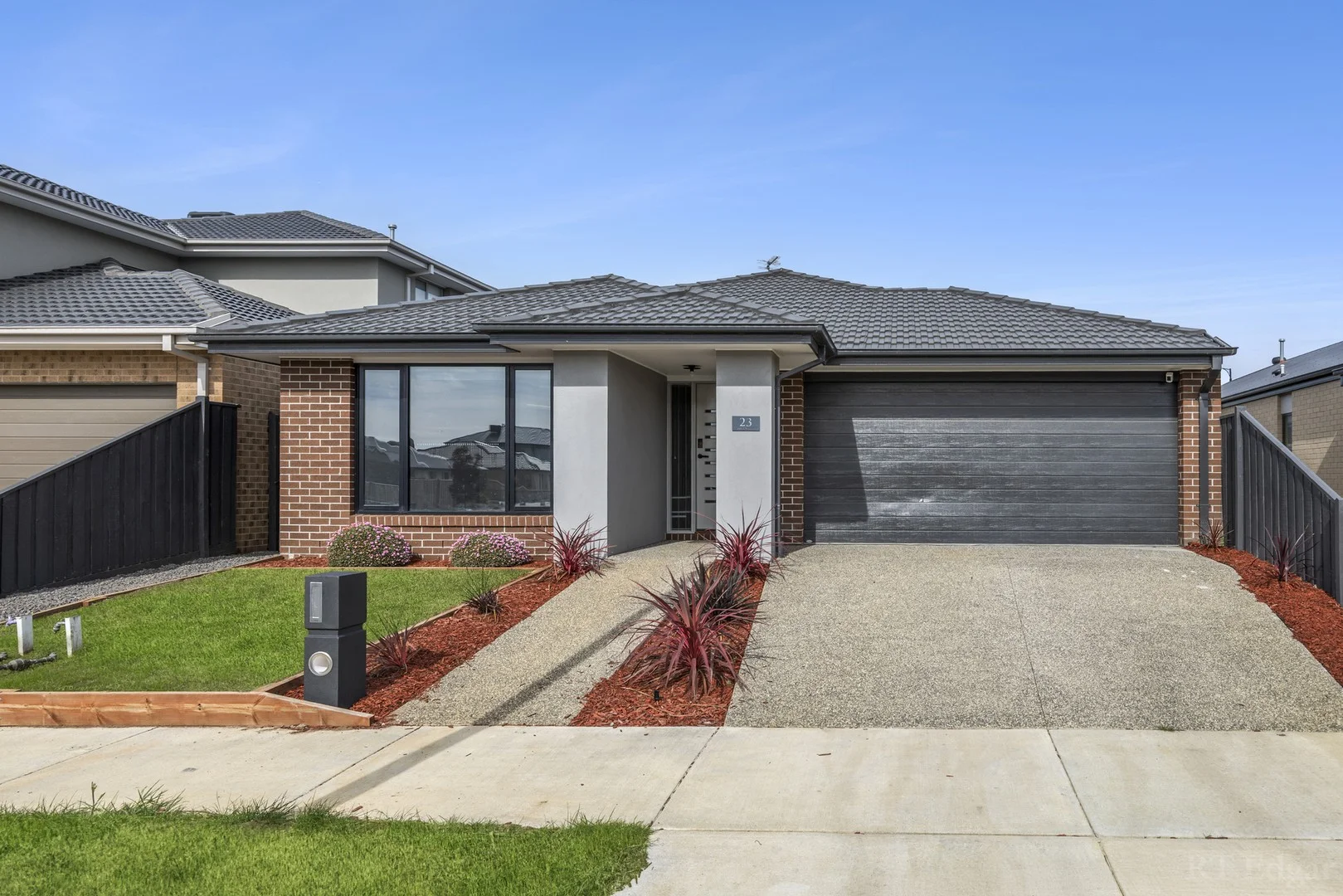 $599,000 - $658,900
House
$599,000 - $658,900
House
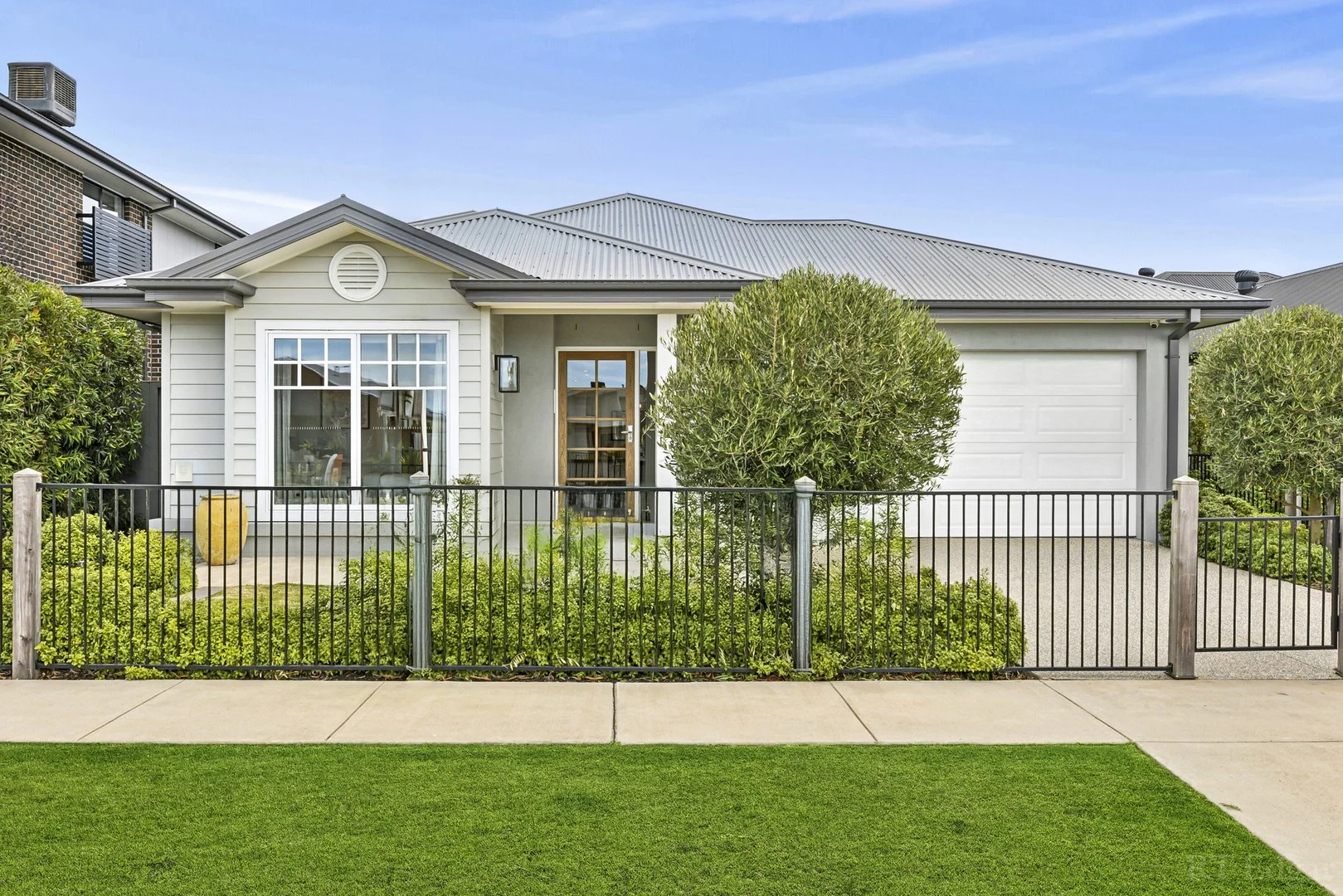 $877,800 - $965,580
House
$877,800 - $965,580
House
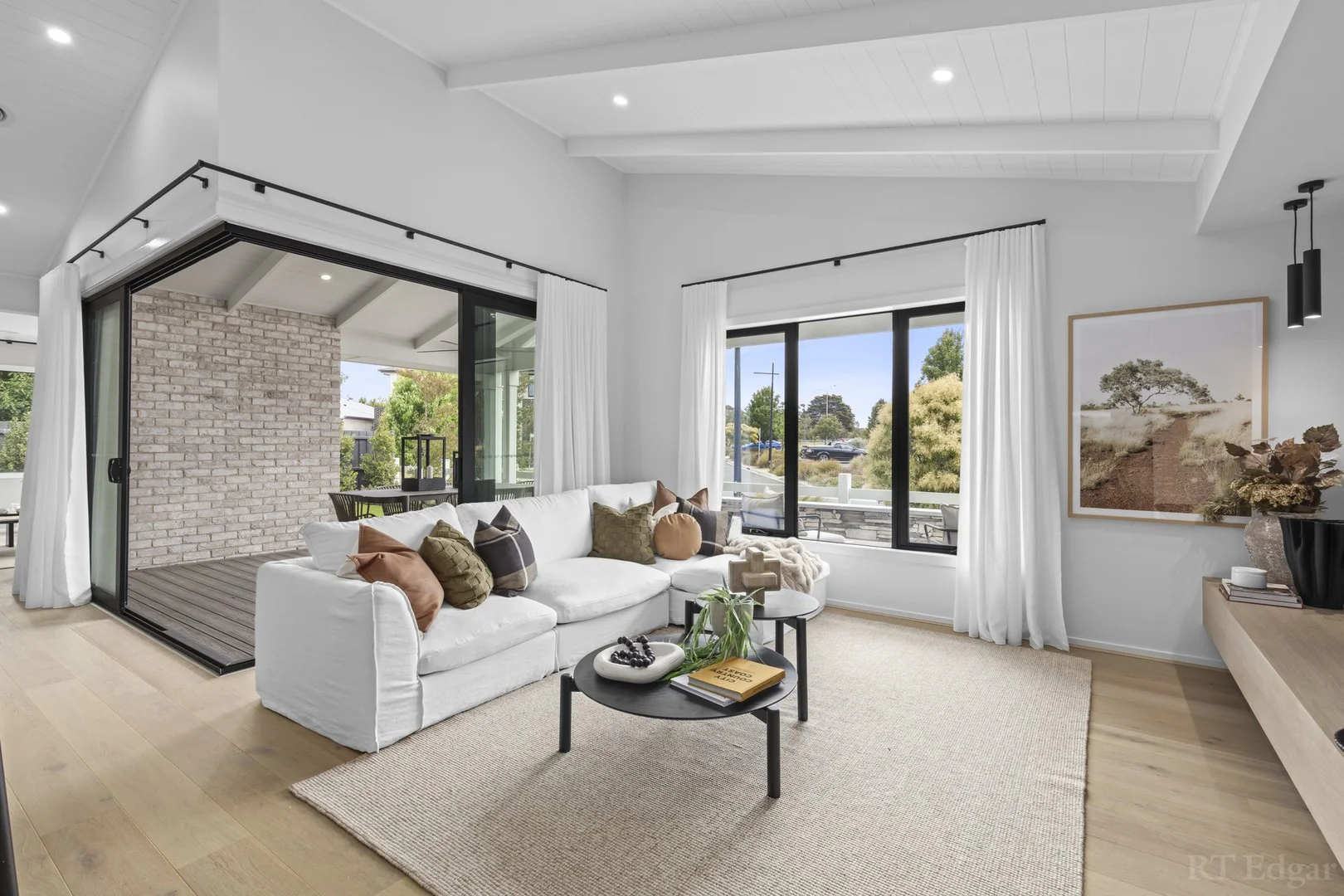 $1,022,295 - $1,124,524
House
$1,022,295 - $1,124,524
House
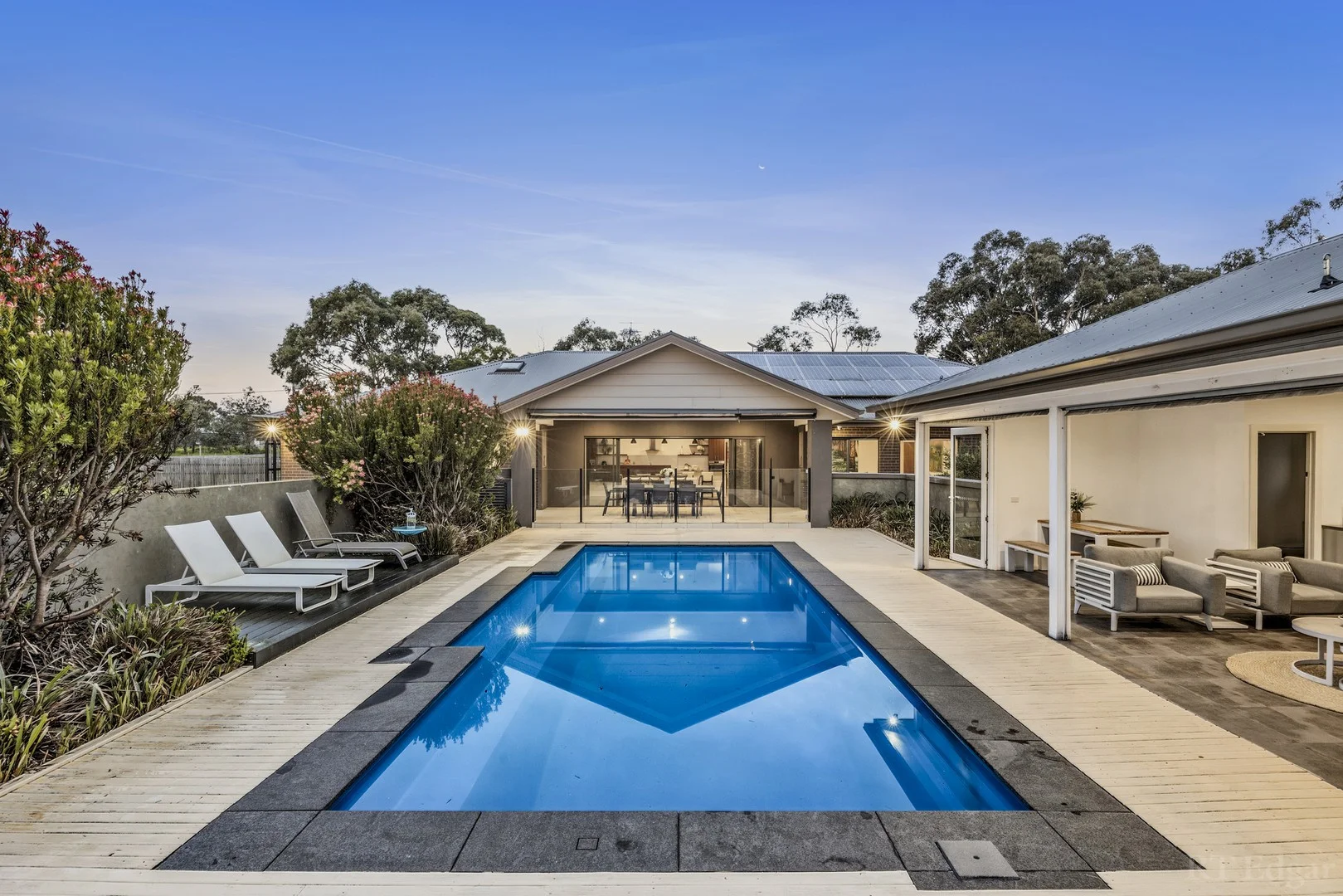 $3,006,750 - $3,307,425
House
$3,006,750 - $3,307,425
House
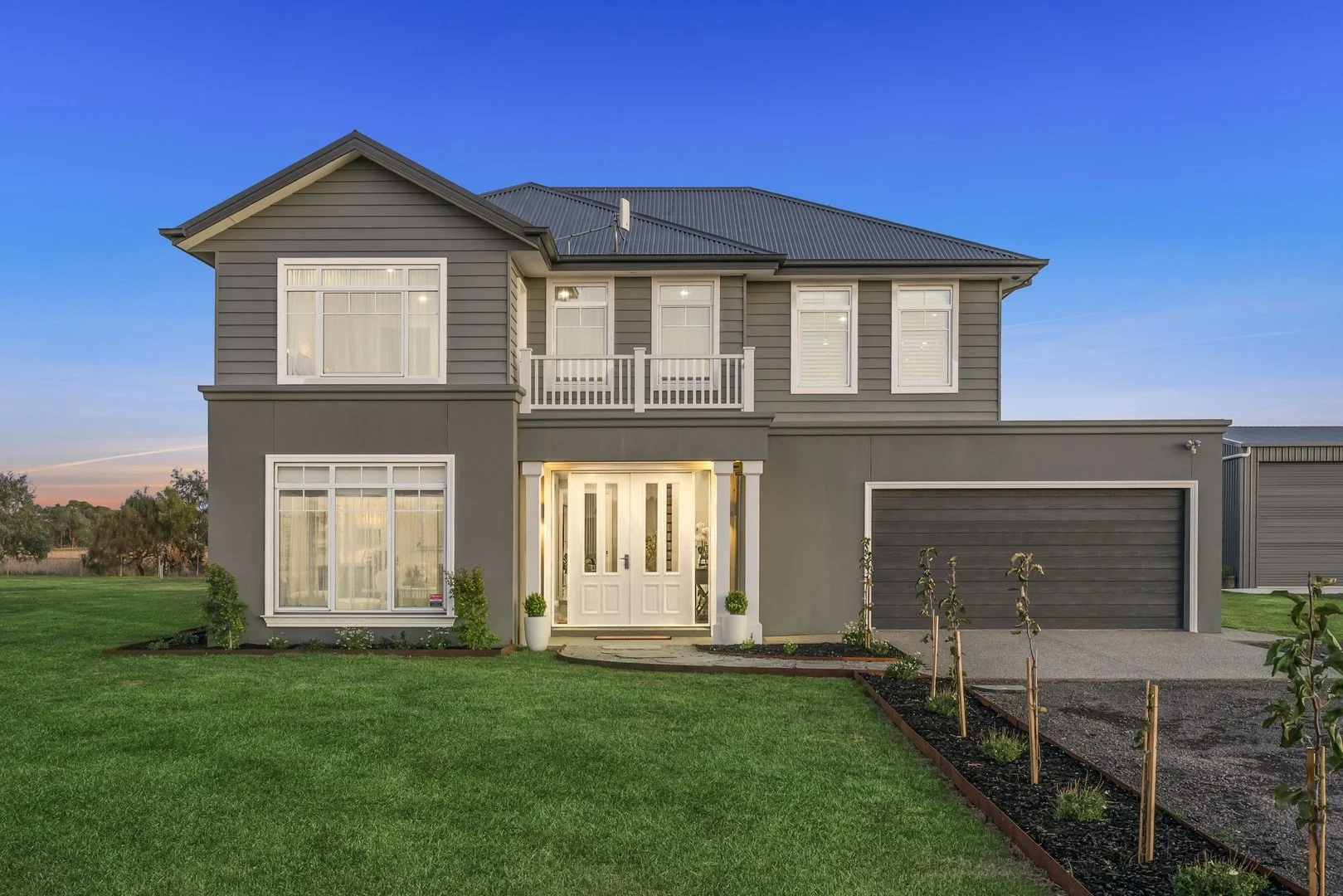 $2,150,000 - $2,350,000
propertyType.ACREAGE / SEMI-RURAL
$2,150,000 - $2,350,000
propertyType.ACREAGE / SEMI-RURAL
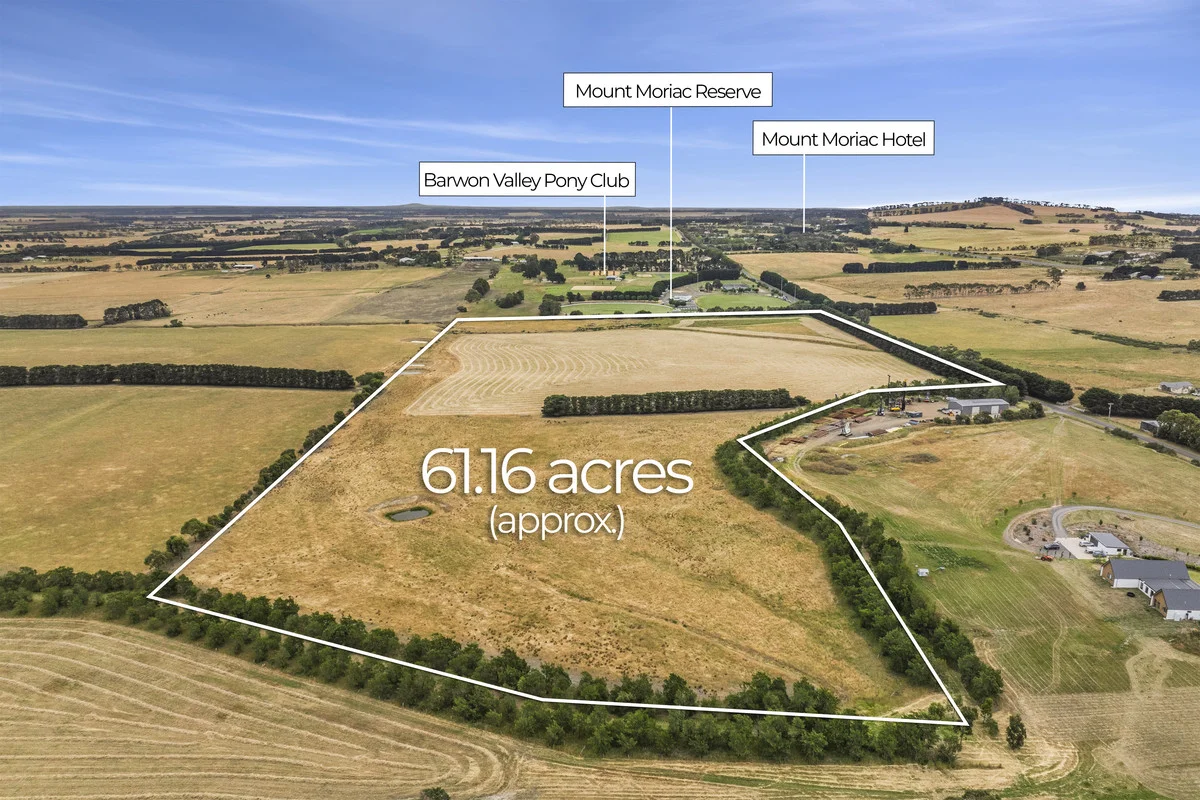 $2,100,000
propertyType.RURAL
$2,100,000
propertyType.RURAL
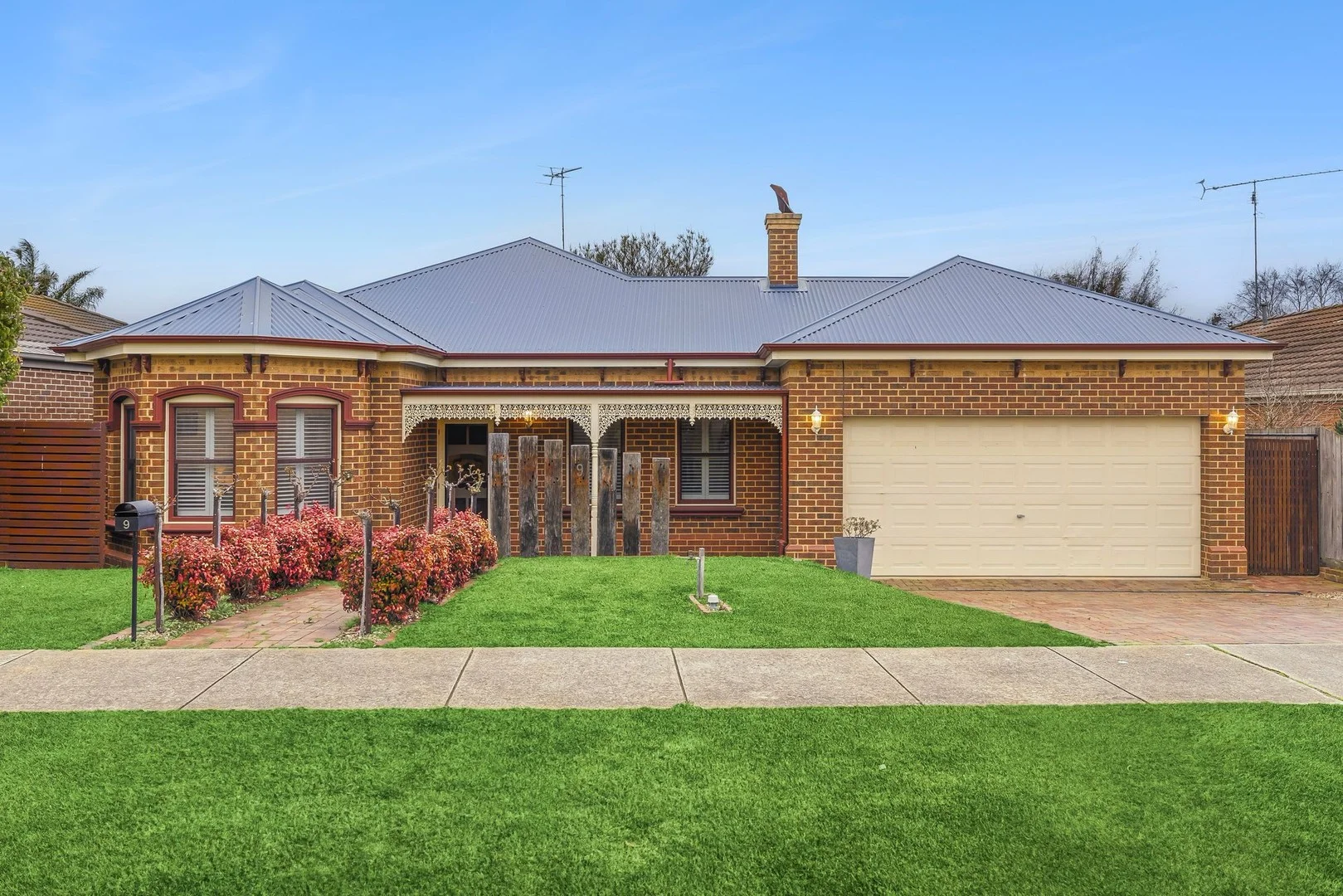 $830,000 - $890,000
House
$830,000 - $890,000
House
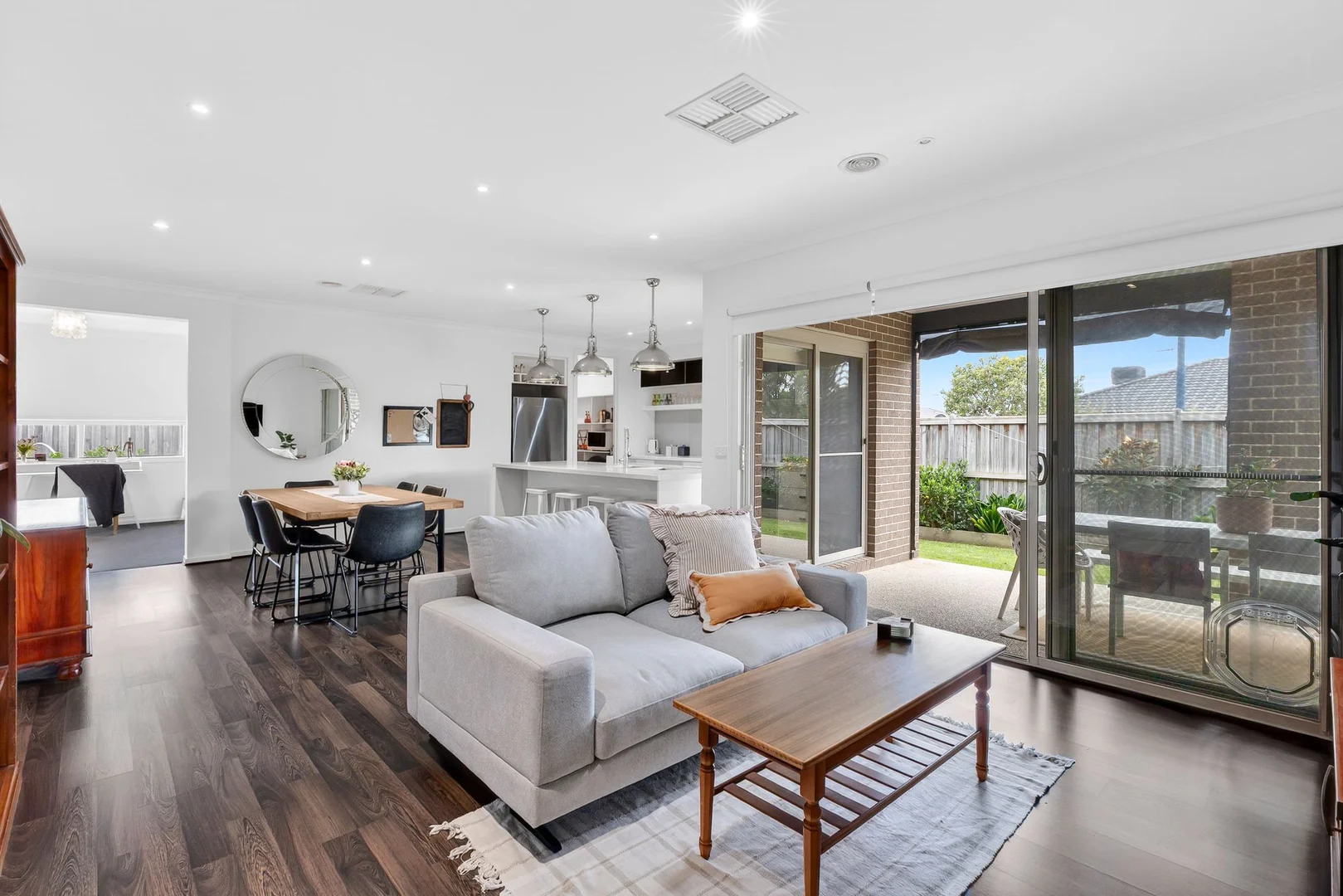 $840,000 - $880,000
House
$840,000 - $880,000
House
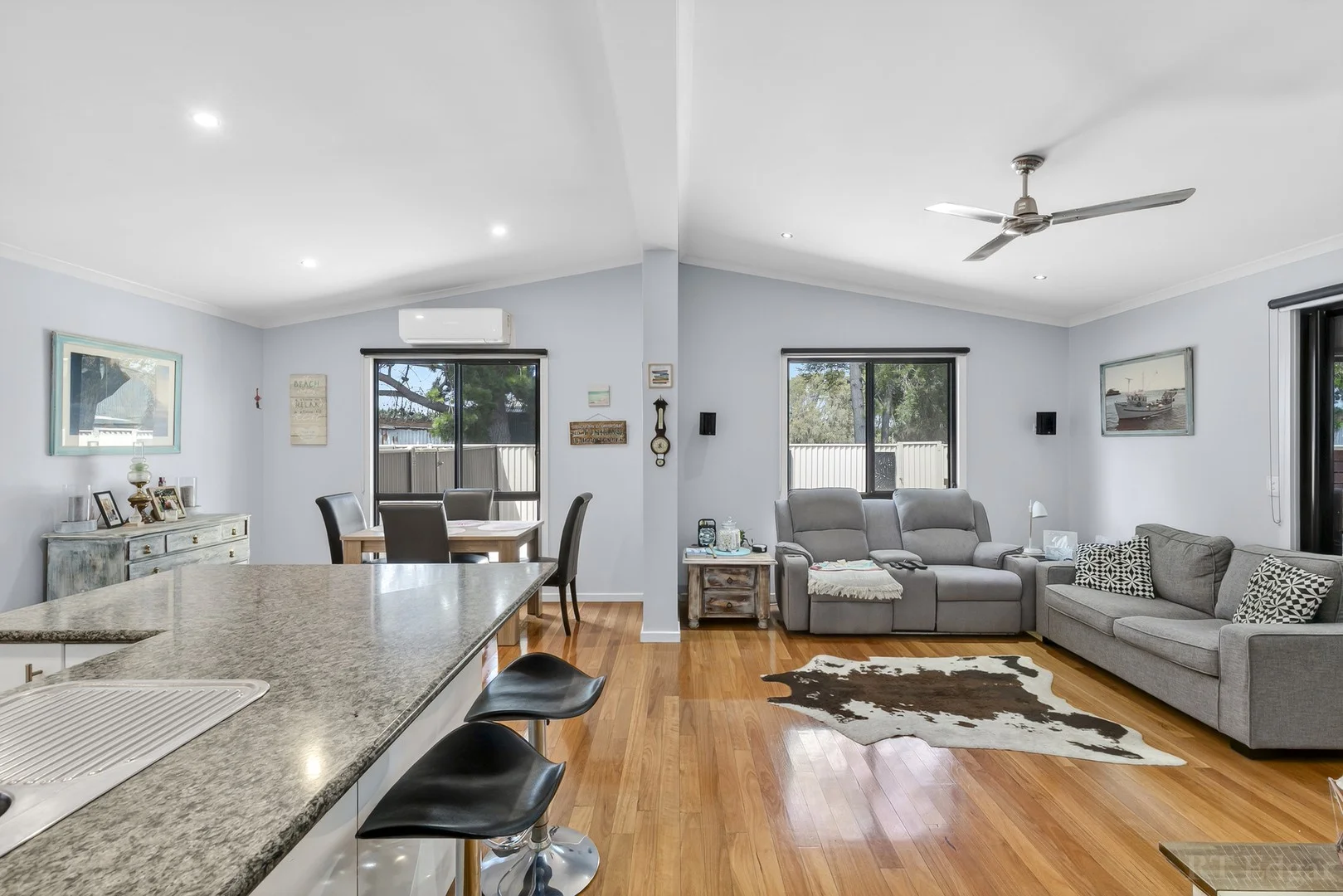 $538,175 - $591,992
Apartment / Unit / Flat
$538,175 - $591,992
Apartment / Unit / Flat


