## 1. Overview
Montpellier Primary School is a public primary school in Victoria, Australia. It offers a medium-sized school environment where most classes are taught by qualified teachers who focus on both academic foundations and personal growth. Class sizes are typically in the low-to-mid 20s, supporting differentiated instruction and small-group learning.
The school project a nurturing, inclusive atmosphere that values community and student wellbeing. Students are encouraged to be curious, respectful, and engaged in both academic and co-curricular opportunities, with a culture that supports diverse backgrounds and collaborative learning.
## 2. Academics & Learning
- Academic strengths: literacy and numeracy foundations, along with emphasis on STEM and critical thinking. English and maths are supported through targeted teaching blocks and extension activities where appropriate; leadership opportunities and language exposure are encouraged as students progress.
- Special programs: opportunities for extension and gifted/talented learning, as well as practical, hands-on projects in science and technology. Schools often offer leadership programs and classroom differentiation to suit a range of learning needs.
- NAPLAN / trends: schools typically monitor year-to-year trends in reading, spelling/grammar, numeracy, and writing. Expect emphasis on continuous improvement and progress against school targets, with annual reporting available for parents.
- Student-teacher ratios: commonly around 1:18 to 1:22 in primary settings, with smaller groups for targeted intervention or support.
- Support for diverse learners: strong emphasis on inclusive education, with support for EAL (English as an Additional Language) learners and students with additional learning needs through targeted in-class support and specialist staff.
## 3. Sports & Extracurricular Strengths
- Sports offered: a range of core primary-school sports, including athletics, soccer, netball, cricket, cricket, and general fitness activities; school sports programs often compete in district events.
- Strong teams or achievements: opportunities to participate in regional or district level competitions, with emphasis on teamwork, sportsmanship, and skill development.
- Music, arts, drama programs: regular opportunities in music and performing arts, school productions or assemblies, and opportunities to showcase student creative work.
- Clubs: robotics, coding, chess, debating, and other clubs are commonly offered to extend learning beyond the classroom.
- Partnerships: connections with local clubs, community groups, and inter-school competitions help broaden student experiences and competition exposure.
## 4. Wellbeing & Pastoral Care
- Anti-bullying approach: whole-school anti-bullying and social-emotional learning programs, with a focus on respectful relationships, empathy, and safe reporting practices.
- House system: a house framework is often used to promote belonging, teamwork, and healthy competition across activities.
- Counsellors / wellbeing officers: access to school-based wellbeing staff to support student emotional health, resilience, and transition needs.
- Transition support for new students: orientation activities, buddy programs, and targeted supports to help new students settle, especially during Prep transitions.
## 5. Facilities
- Sports grounds: outdoor playing fields and courts suitable for a variety of sports and physical education.
- Libraries: a dedicated library space supporting reading, research, and quiet study.
- Science labs: age-appropriate science facilities or spaces designed for hands-on experiments and inquiry.
- Music/performing arts centers: spaces for music classes, rehearsals, and performances.
- Tech/innovation labs: digital learning spaces or maker-type areas to explore coding, robotics, and technology.
- Cafeteria: on-site canteen or lunch program supporting healthy eating options.
- Updated playgrounds: modern, well-maintained play areas with equipment suited to different age groups.
## 6. School Values & Community Culture
- School values / mission: a clear focus on respect, responsibility, curiosity, and community involvement; student leadership and citizenship are encouraged.
- Leadership style: collaborative and inclusive, with opportunities for student voice through councils or peer leadership roles.
- Behaviour expectations: positive-behaviour norms built on consistency, fairness, and clear expectations across classrooms and common areas.
- Community reputation: a school known for a welcoming atmosphere, parent involvement opportunities, and steady progress in student wellbeing and learning.
- Diversity & inclusion: commitment to representing diverse backgrounds and ensuring access to learning supports and activities for all students.
## 7. School Logistics & Daily Operations
- School hours: standard daytime schedule with start and finish times typical of primary schools.
- Before/after school care: after-school care or activity programs may be available through the school or approved providers.
- Uniform requirements: school uniform is usually required, with guidance on everyday wear and sport/physical education attire.
- Transport (train/bus routes): access via local bus services, train lines, and convenient drop-off/pick-up arrangements; specifics depend on local transport routes and school policies.
- Canteen availability: on-site canteen or lunch-order system supporting healthy meal options.
- Fees (low/medium/high ranges): government-funded primary schooling; minimal compulsory fees; optional or voluntary contributions and itemized book/kits costs or trips may apply.
## 8. Enrolment & Admissions
11. What is the enrolment process and timeline?
- Check your catchment and eligibility for in-area enrolment.
- Prepare required documents (birth certificate, immunisation status, proof of address, and any school-specific forms).
- Submit an enrolment form and supporting documents to the school.
- Await placement offers and information about orientation, especially for Prep intake; transfer timelines vary depending on space and year level.
12. Is there a waiting list, and how does it work?
- Yes, waiting lists may apply if the school is oversubscribed.
- Priority typically goes to in-area (catchment) applicants; out-of-area and special-case placements may be considered if spaces are available.
- Families on the waiting list are usually contacted if a place becomes available.
13. Are there any entry requirements, tests, or interviews?
- Public primary schools generally do not conduct entry tests or interviews for standard enrolment.
- Some schools may offer orientation sessions or information evenings, particularly for Prep.
- Special considerations for EAL or students with additional needs may involve documentation or discussions with the school.
14. Does the school accept mid-year transfers?
- Yes, mid-year transfers can be possible if there is space and capacity.
- The transfer process typically requires providing current records (most recent report, immunisation status, and any relevant assessments) and arranging a smooth transition with the receiving school.
## 9. Frequently Asked Questions
- Why Parents Choose This School?
- A supportive, inclusive community with strong focus on wellbeing, literacy and numeracy foundations, and a broad range of co-curricular opportunities.
- What type of student thrives at this school?
- Curious, collaborative, resilient students who value learning, teamwork, and participation in a range of activities from academics to arts and sport.
- What opportunities are available for students to extend their skills (academics, sports, arts)?
- Extended learning through gifted/talented programs, targeted literacy/numeracy support, and clubs in robotics, coding, chess, debating; diverse sports and arts programs.
- How does the school communicate with parents?
- Regular newsletters, emails, a school portal or app, notices for events, and parent-teacher interviews each term.
- What is the school’s approach to teaching and learning?
- Evidence-based, student-centered instruction with differentiation, hands-on learning, and opportunities for student voice and leadership.
- How does the school support students who need extra academic help?
- In-class differentiation, targeted small-group interventions, reading and writing support, and access to learning support staff.
- What support is available for academic challenges?
- Learning support plans, early intervention programs, and collaboration with families to tailor supports.
- What are the class sizes and how much individual attention do students receive?
- Typical class sizes are in the low-to-mid-20s, with teachers providing targeted attention through small-group work and differentiated activities.
- What extracurricular and sports opportunities are available?
- A range of sports, music and performing arts, and clubs such as robotics, coding, chess, and debating.
- What facilities does the school offer (sports, science, arts)?
- Sports grounds, library, science spaces, music/performing arts facilities, technology or innovation spaces, a canteen, and updated playgrounds.
- What is the school’s approach to technology and digital learning?
- Integration of digital tools across the curriculum, with age-appropriate devices and online learning platforms to support instruction and independent learning.
- What transport and accessibility options are available?
- Local bus/train options, drop-off/pick-up zones, safe walking/cycling routes, and accessibility considerations within campus facilities.
- What are the typical school fees or additional costs?
- Government-funded schooling with low to moderate additional costs for materials, uniform, book packs, and optional excursions or activities.
## 10. Short Pros & Cons list
- Pros
- Public, inclusive environment with a strong focus on wellbeing and core academic skills.
- Broad range of co-curriculars, including sports, arts, and clubs.
- Support for diverse learners (EAL and students with additional needs).
- Moderate class sizes enabling targeted instruction and student engagement.
- Positive community reputation and opportunities for parent involvement.
- Cons
- As a medium-sized public school, demand can exceed space during peak intake periods (Prep year and transfer windows).
- Some itineraries or clubs may depend on volunteer support and community partnerships.
- Transport options may vary by suburb; families in outlying areas may rely more on walking or driving.
- Annual materials/voluntary contributions can add to out-of-pocket costs for families.






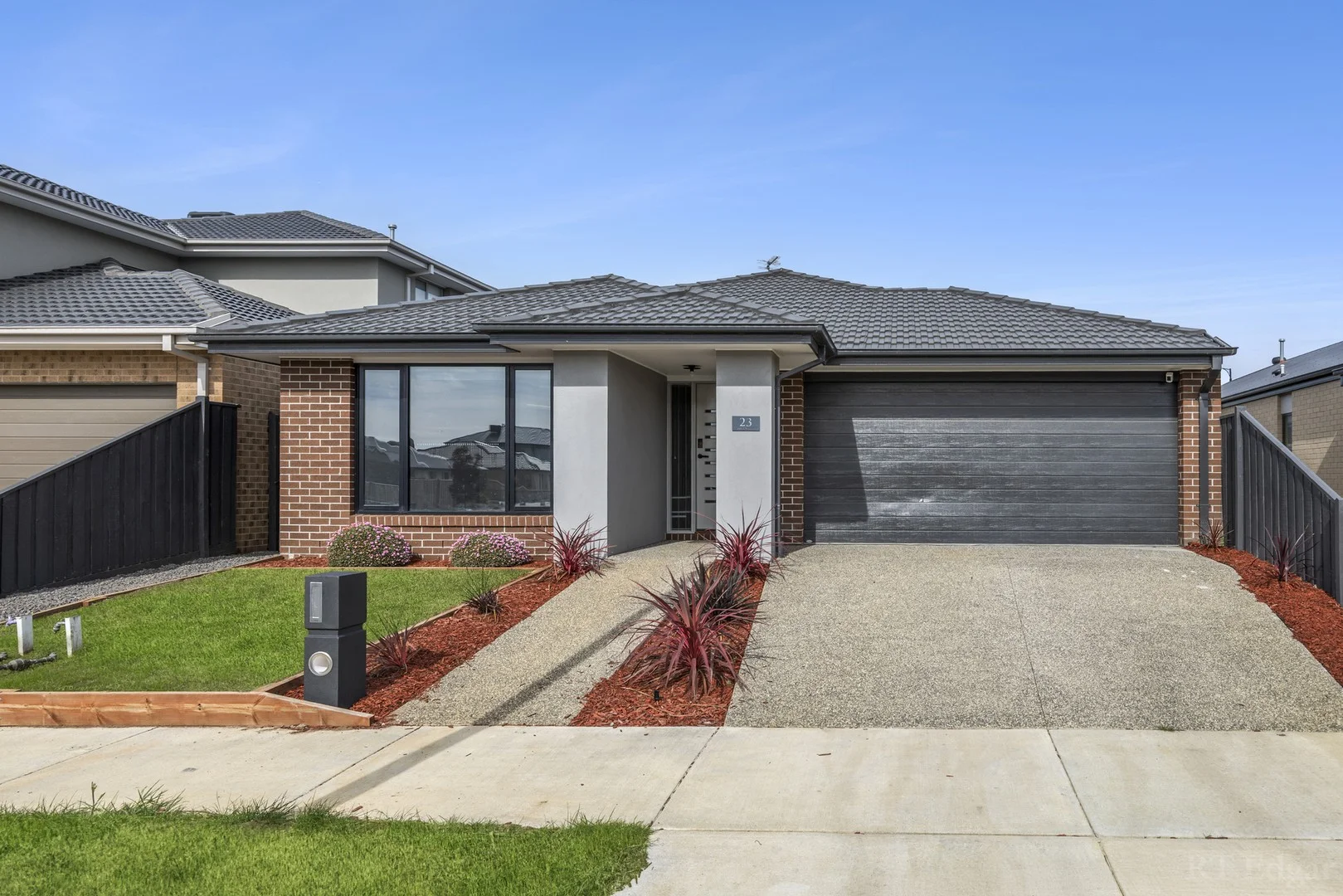 $599,000 - $658,900
House
$599,000 - $658,900
House
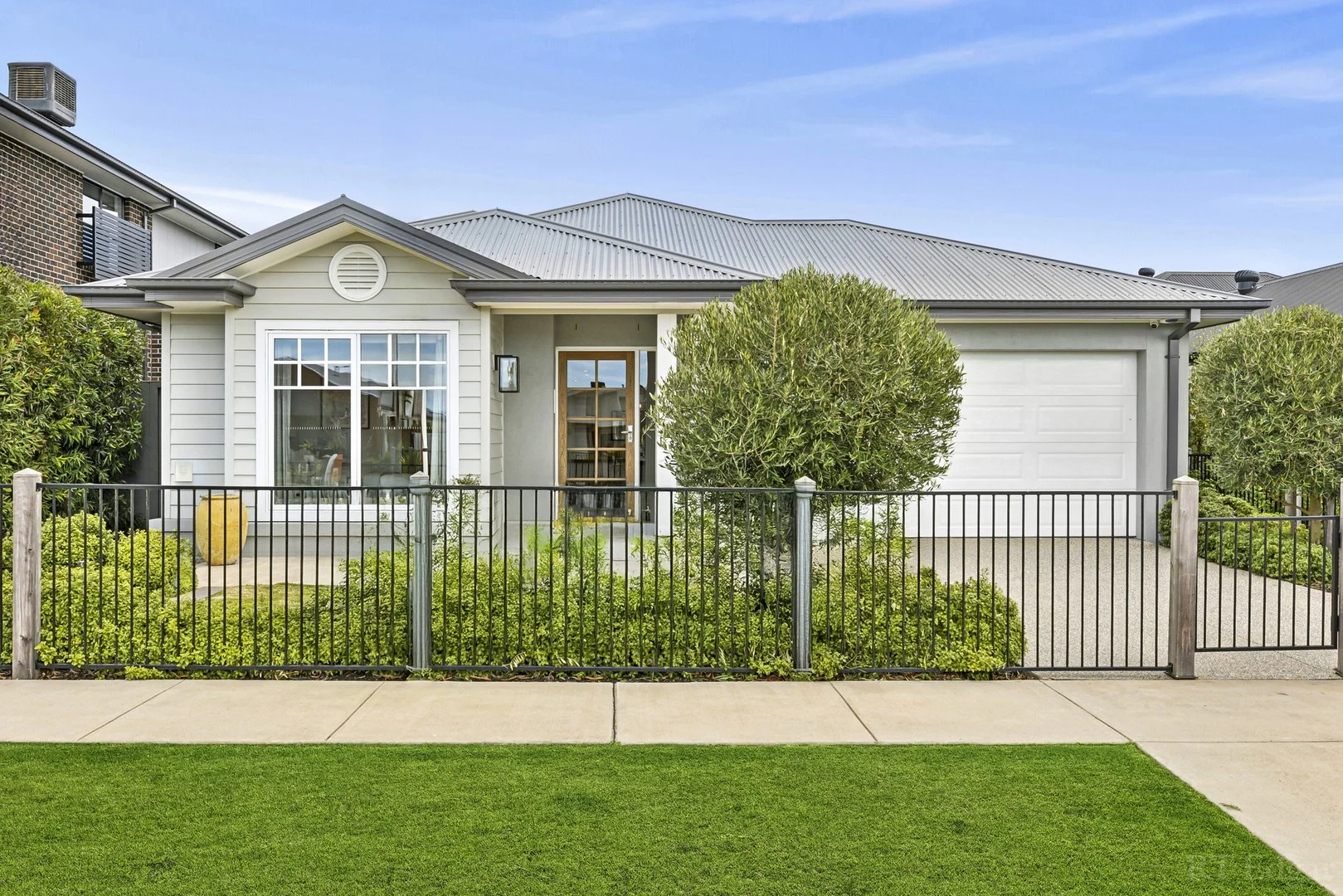 $877,800 - $965,580
House
$877,800 - $965,580
House
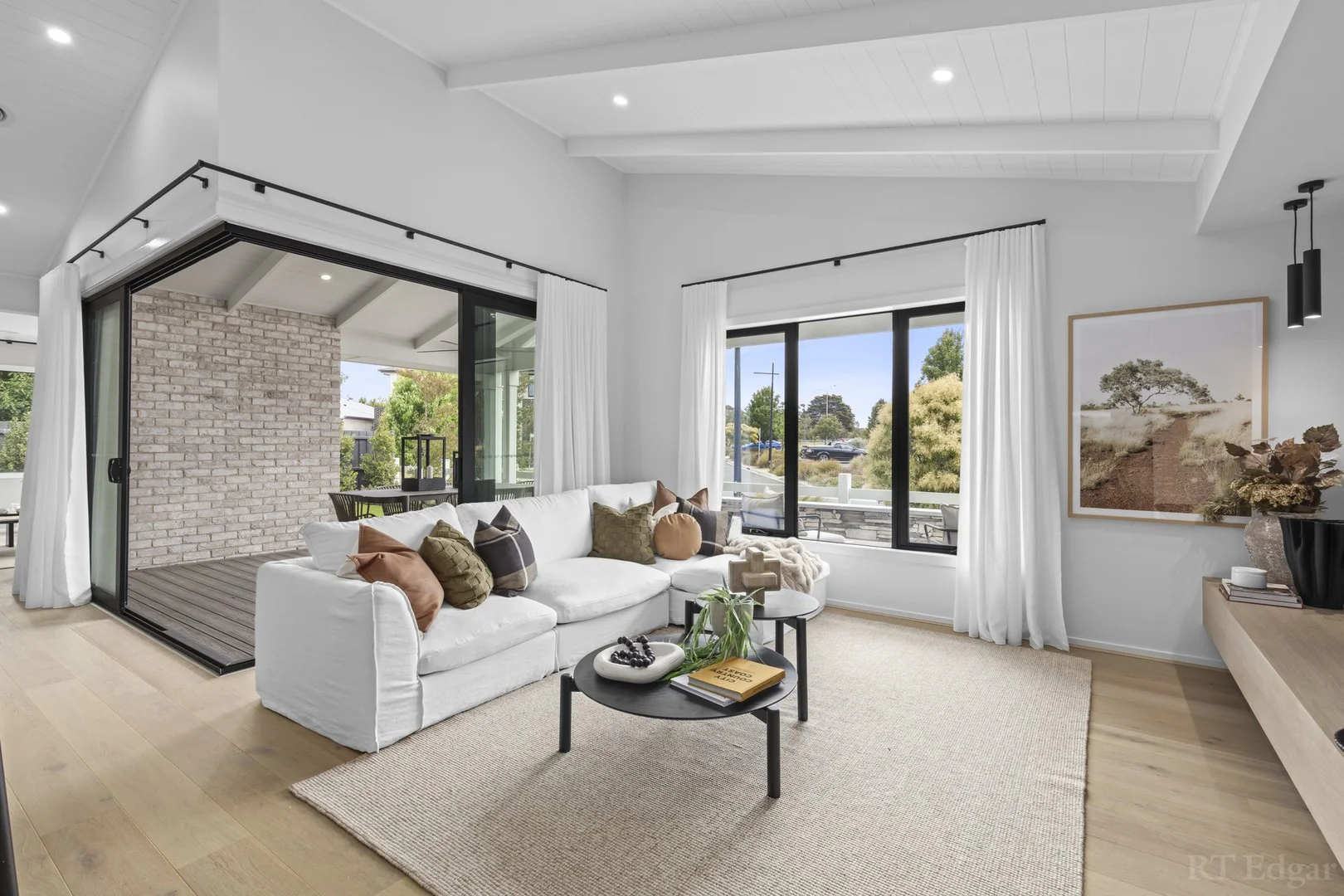 $1,022,295 - $1,124,524
House
$1,022,295 - $1,124,524
House
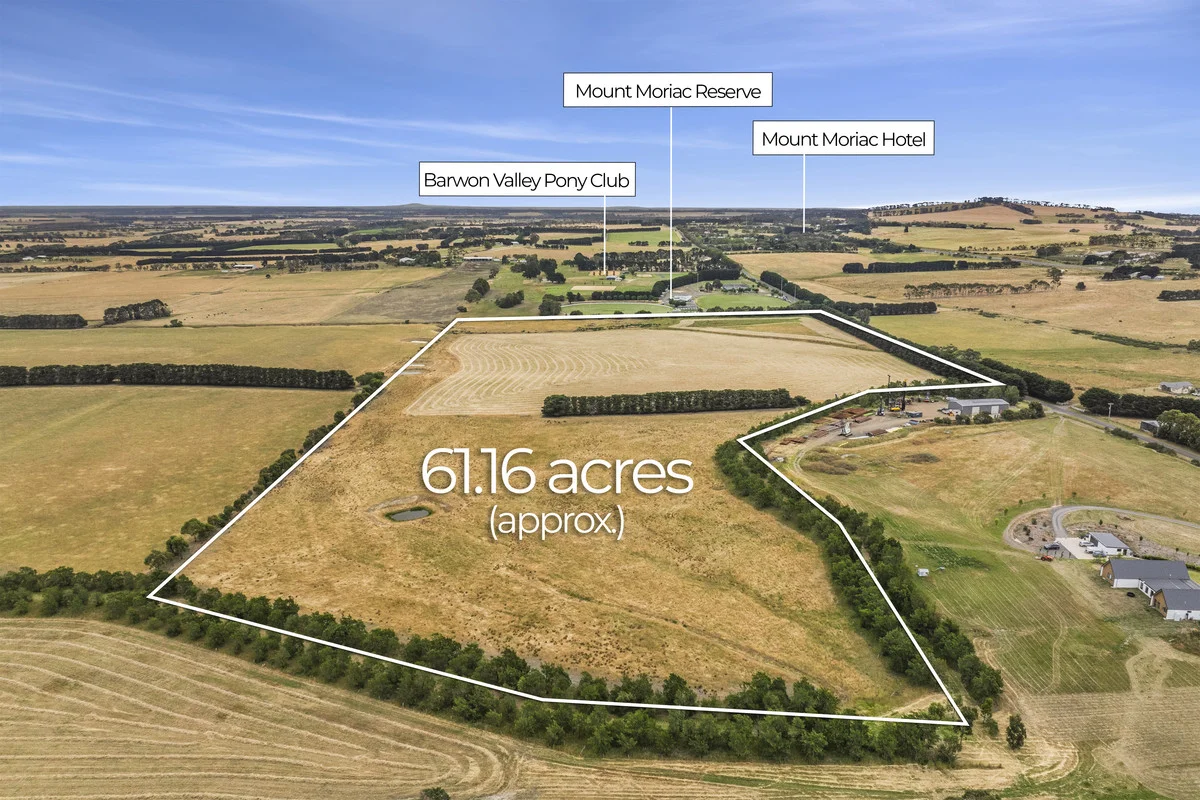 $2,100,000
propertyType.RURAL
$2,100,000
propertyType.RURAL
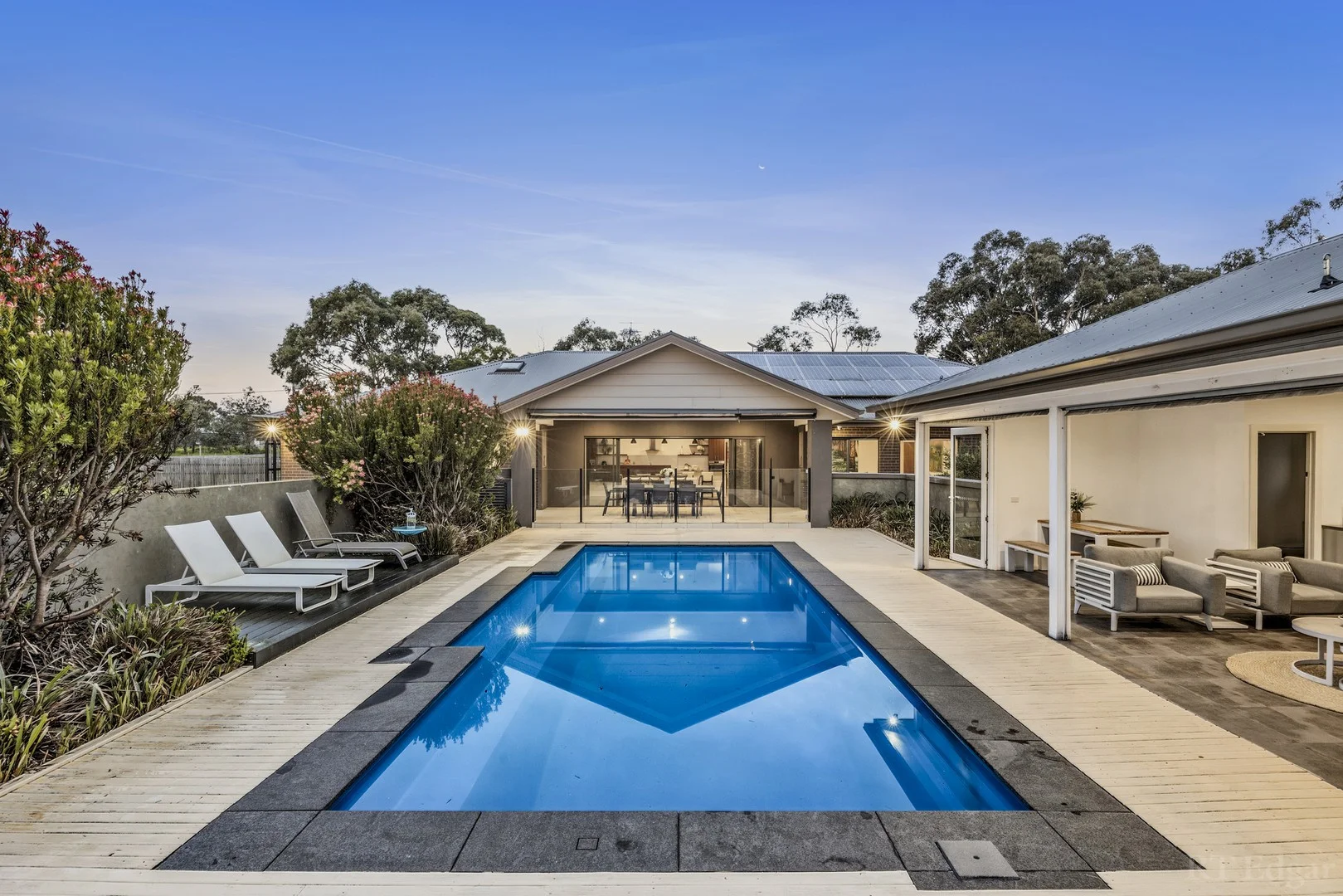 $3,006,750 - $3,307,425
House
$3,006,750 - $3,307,425
House
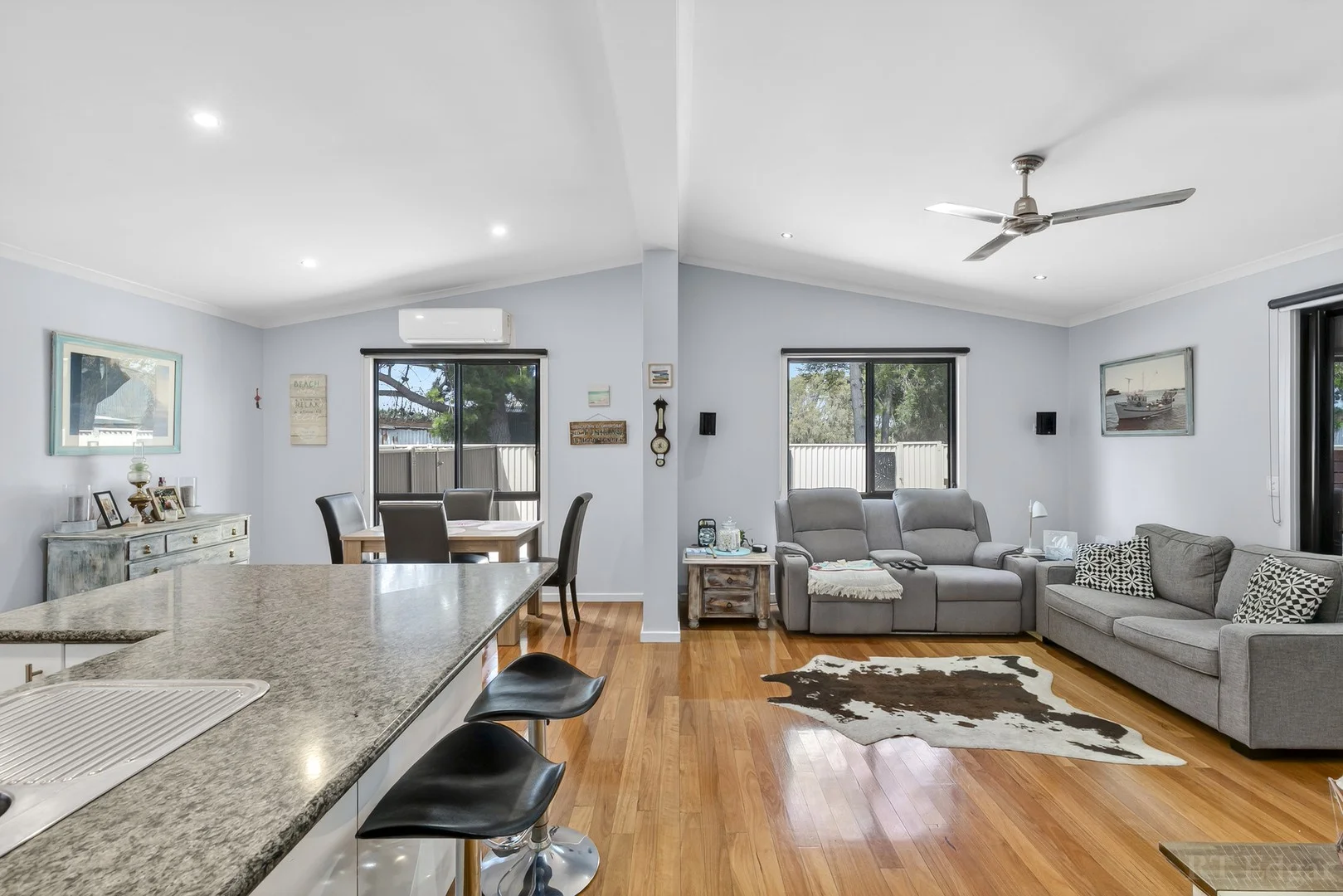 $538,175 - $591,992
Apartment / Unit / Flat
$538,175 - $591,992
Apartment / Unit / Flat
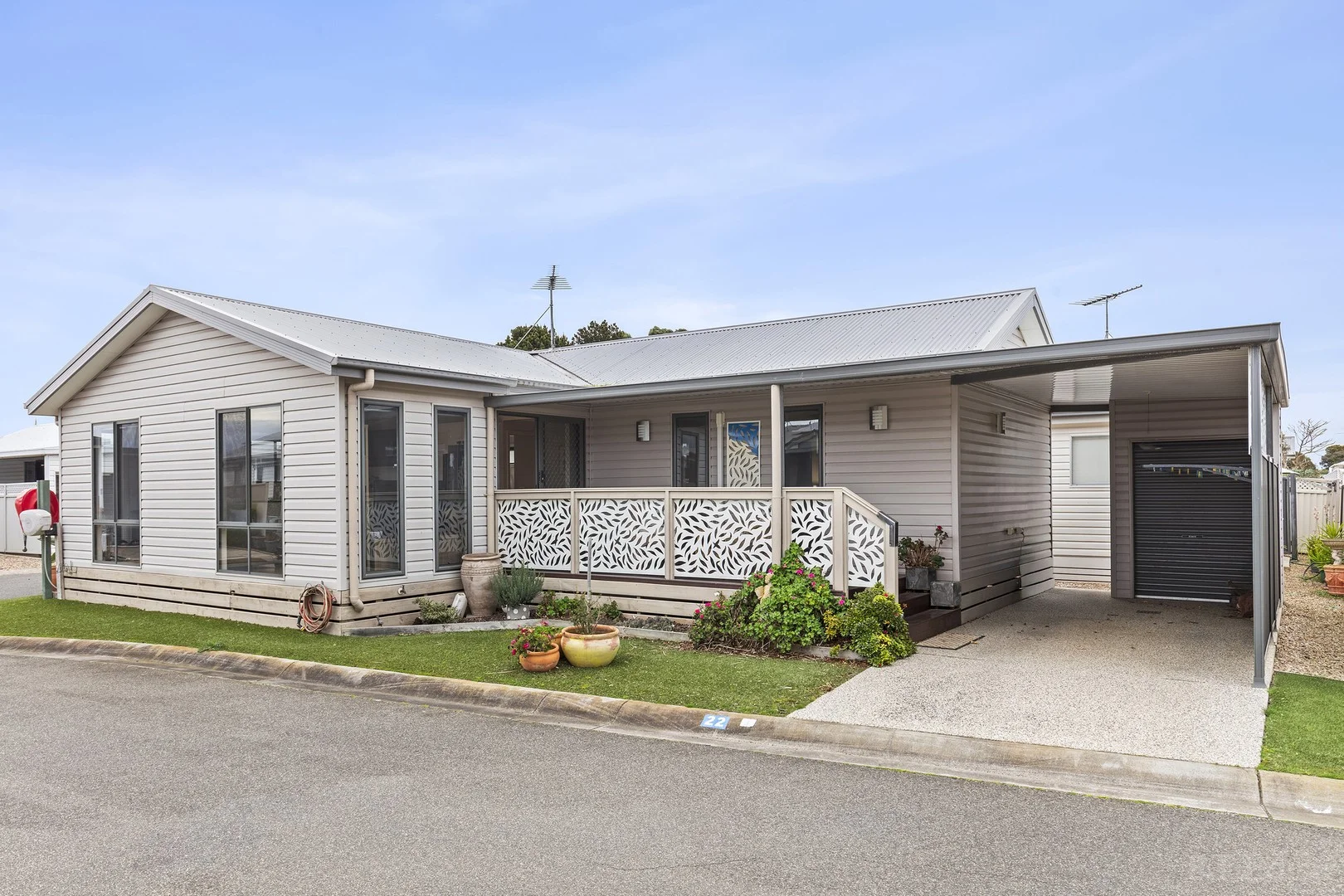 $428,450 - $471,295
House
$428,450 - $471,295
House
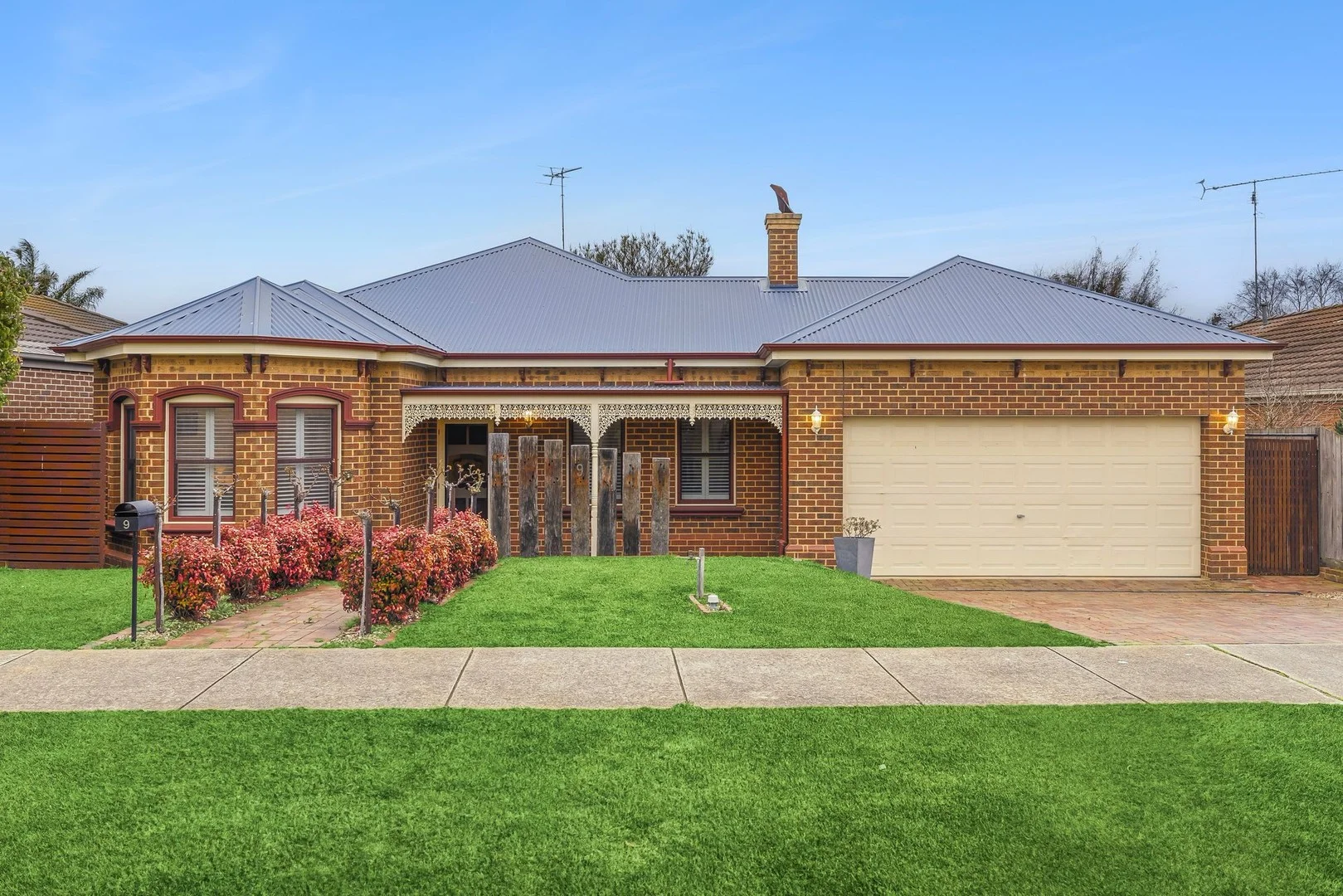 $830,000 - $890,000
House
$830,000 - $890,000
House
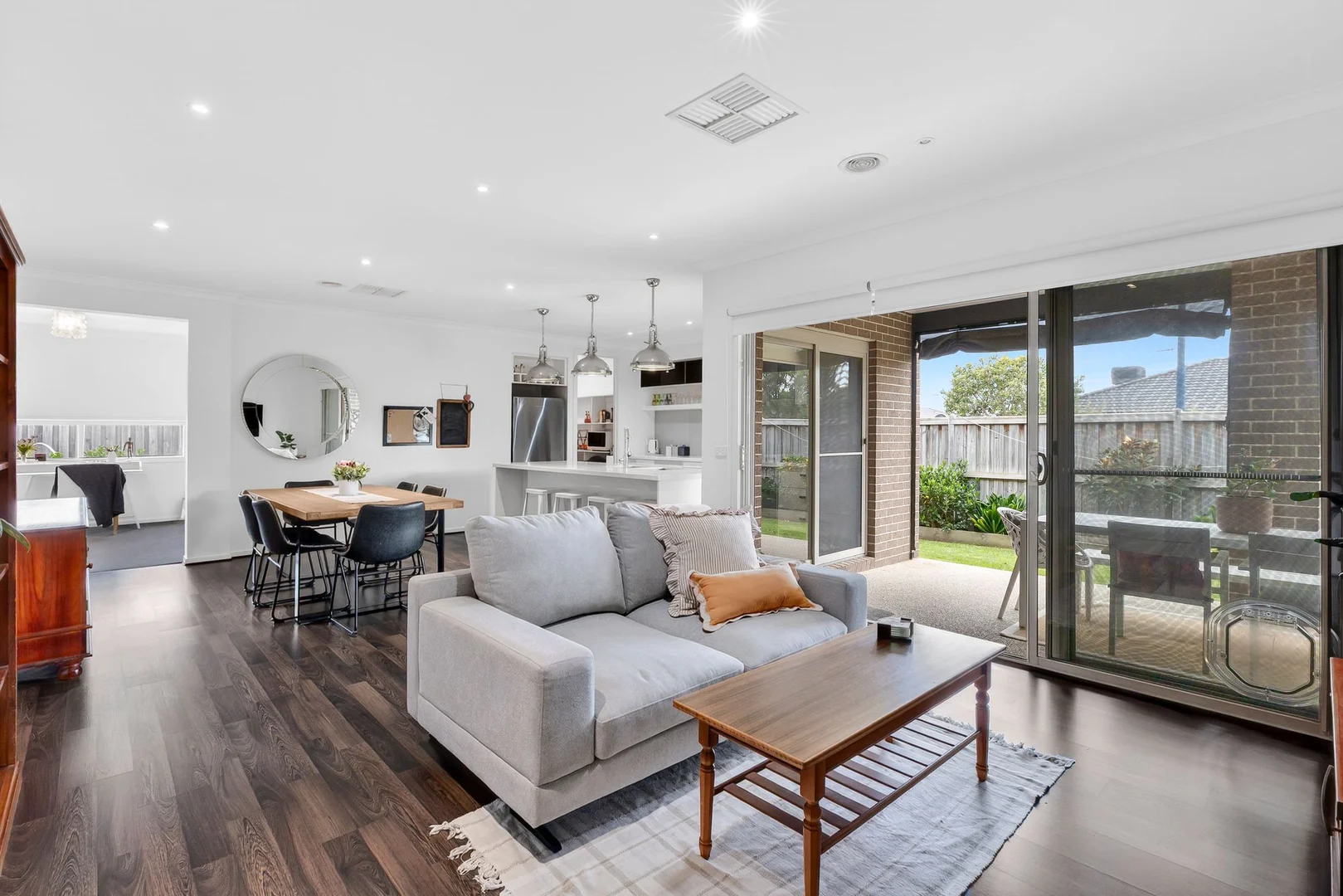 $840,000 - $880,000
House
$840,000 - $880,000
House


