## 1. Overview
Bellaire Primary School is a public, co-educational primary school serving a mid-sized community in Victoria. The school aims to provide a safe, inclusive learning environment where students develop strong literacy, numeracy and social-emotional skills. Class sizes are typically moderate, supporting both individual attention and collaborative learning. The atmosphere is nurturing and welcoming, with a focus on inclusion, curiosity and personal growth.
The school emphasises a balance between academic achievement and wellbeing, encouraging students to contribute to the school and wider community. It’s a place where students are supported to try new things, build resilience and develop as confident, ethical learners.
## 2. Academics & Learning
- Academic strengths: solid foundations in English and mathematics, with strong emphasis on literacy, numeracy and critical thinking. Opportunities to engage in STEM activities and inquiry-based learning foster problem solving and creativity. English as an Additional Language (EAL) support is available, and students are encouraged to explore the arts and languages where offered.
- Special programs: school-based extension and enrichment options for gifted and talented students; targeted intervention and support programs; opportunities for leadership and student voice; integration of digital literacy across learning areas.
- NAPLAN / trends: NAPLAN participation is part of national testing cycles, with trends monitored to inform teaching and targeted support. Schools typically report trends such as improvements or stability in reading, writing and numeracy relative to state averages, and use data to plan interventions.
- Student–teacher ratios: class-level staffing aims to maintain moderate ratios (roughly in the low-to-mid teens per teacher in terms of direct contact, with supports that vary by year level).
- Support for diverse learners: robust EAL support, targeted interventions for students needing extra help, and access to learning support staff to support inclusive practices and individual learning plans.
## 3. Sports & Extracurricular Strengths
- Sports offered: a broad range including football codes, netball, basketball, soccer, cricket, athletics and swimming; programs are designed to build teamwork, fitness and sportsmanship.
- Strong teams or achievements: regular participation in district-level sport events and interschool competitions, with opportunities for both recreational participation and competitive teams.
- Music, arts, drama: active music and performing arts programs, with opportunities to participate in concerts and school productions.
- Clubs: robotics, coding, chess and debating are available to extend learning beyond the classroom.
- Partnerships: connections with local community clubs and regional competitions to broaden pathways in sport, tech and arts.
## 4. Wellbeing & Pastoral Care
- Anti-bullying approach: a whole-school, proactive anti-bullying and respectful relationships framework that emphasises safety, empathy and reporting mechanisms.
- House system: students are grouped into houses to foster belonging, friendly competition and a sense of community.
- Counsellors / wellbeing officers: access to school wellbeing staff or counsellors to support social-emotional development, resilience and mental health.
- Transition support for new students: buddy programs, orientation activities and targeted supports to ease transitions for new families and year levels.
## 5. Facilities
- Sports grounds: outdoor fields and spaces for physical education and games.
- Libraries: a dedicated library that supports reading and research skills.
- Science labs: well-equipped spaces for practical science learning.
- Music/performing arts centers: facilities to support music, drama and performance projects.
- Tech/innovation labs: computer and digital learning spaces that support coding, robotics and design tasks.
- Cafeteria: on-site dining options and a focus on healthy eating.
- Updated playgrounds: modern and engaging play spaces for break times and physical activity.
## 6. School Values & Community Culture
- School values / mission: a mission centered on respect, responsibility, inclusion and a growth mindset; emphasis on student voice and active citizenship.
- Leadership style: collaborative and participatory, with opportunities for student leadership, peer mentoring and community involvement.
- Behaviour expectations: clear expectations around respect, safety and responsibility, reinforced through a positive-behaviour framework.
- Community reputation: strong ties with families and local community groups; a history of active parent involvement and school partnerships.
- Diversity & inclusion: inclusive environment that welcomes students from diverse backgrounds and celebrates differences as a strength.
## 7. School Logistics & Daily Operations
- School hours: typical day runs during standard school hours, with start and finish times aligned to Victorian guidelines.
- Before/after school care: often available through OSHC or local providers to support working families.
- Uniform requirements: school uniform with seasonal options; hats and dress code aligned with sun safety and suitability.
- Transport (train/bus routes): bus routes and public transport options commonly available; walking and bike programs encouraged with appropriate safety measures.
- Canteen availability: on-site or nearby canteen services offering healthy meal options and snacks.
- Fees (low/medium/high ranges): public primary schools generally have low to moderate voluntary contributions and charges for certain activities; uniform and camp costs may apply.
## 8. Enrolment & Admissions
### 11. What is the enrolment process and timeline?
Enrolment typically involves submitting an application, providing required documents (proof of identity, immunisation status, proof of address, and school documents as requested), and meeting any local catchment criteria. The school and local education department will communicate timelines for application periods, offer dates and enrolment confirmations. Orientation or information sessions may be offered for new families. Mid-year enrolments are considered subject to space availability and campus capacity.
### 12. Is there a waiting list, and how does it work?
Many public primary schools manage waitlists when intake is full. Families may join a waiting list, with priority often given to local residents or catchment siblings. The school will provide guidance on how to remain on the list, expected wait times (which can vary by year and intake) and steps to increase the likelihood of receiving an offer.
### 13. Are there any entry requirements, tests, or interviews?
Most primary schools in Victoria do not require standard entrance tests for entry. Some programs or transition processes may include readiness checks or information sessions, but formal testing for admission is uncommon at this level. Interviews with families are typically informational and used to understand student needs and fit.
### 14. Does the school accept mid-year transfers?
Yes, mid-year transfers may be accepted if space is available. Families seeking mid-year enrollment should contact the school to discuss availability, required documentation (birth certificate, immunisation, most recent school reports), and a transition plan for the new student.
## 9. Frequently Asked Questions
- Why Parents Choose This School?
A public, inclusive primary with a focus on wellbeing, strong literacy and numeracy foundations, and opportunities across academics, sport, arts and technology.
- What type of student thrives at this school?
Curious, collaborative learners who respond well to a supportive, community-focused environment and value inclusive practices.
- What opportunities are available for students to extend their skills (academics, sports, arts)?
Extension and enrichment programs, learning support as needed, a range of sports teams, music and arts programs, and clubs such as robotics, coding, chess and debating.
- How does the school communicate with parents?
Through newsletters, emails, school portal or app, phone calls, and regular parent-teacher interviews and information nights.
- What is the school’s approach to teaching and learning?
Student-centered, differentiated teaching with explicit instruction, ongoing assessment and a strong emphasis on literacy, numeracy and digital literacy.
- How does the school support students who need extra academic help?
Targeted interventions, reading support, small-group interventions and access to learning support staff and EAL/SEN resources.
- What support is available for academic challenges?
Individual learning plans, additional tutoring or small-group support, and collaboration with families to set goals.
- How does the school communicate with parents?
See above: newsletters, portal/app updates, emails, and interviews; ongoing accessibility for parent inquiries.
- What are the class sizes and how much individual attention do students receive?
Class sizes are moderate with dedicated teaching staff and support roles to provide targeted attention and small-group learning where needed.
- What extracurricular and sports opportunities are available?
A broad range of sports, arts and performance opportunities, plus clubs like robotics, coding, chess and debating.
- What facilities does the school offer (sports, science, arts)?
Modern libraries, science labs, music/performing arts spaces, tech/innovation labs, sports grounds and a well-equipped cafeteria.
- What is the school’s approach to technology and digital learning?
Integration of digital literacy across curricula, access to devices and software for learning, and online safety practices.
- What transport and accessibility options are available?
Local bus routes and public transport options, bike racks and walking paths; accessibility considerations are part of the campus planning.
- What are typical school fees or additional costs?
Voluntary contributions and material charges for some activities; costs for camps, uniforms and optional programs may apply.
## 10. Short Pros & Cons list
- Pros
- Inclusive, wellbeing-focused learning environment
- Moderate class sizes with opportunities for individual attention
- Broad range of academics, sports, arts and tech programs
- Strong community involvement and parent partnerships
- Support for diverse learners (EAL, SEN)
- Cons
- As a public school, spaces can fill quickly; waitlists or mid-year start depends on capacity
- Some programs may require additional fees for camps or optional activities
- Resource availability can vary by year and funding cycles
If you’d like, I can tailor this content with specific details from the school’s official documents or recent school reports. Providing exact figures (e.g., current enrolment numbers, precise class sizes, or recent NAPLAN trends) would let me refine each section further.




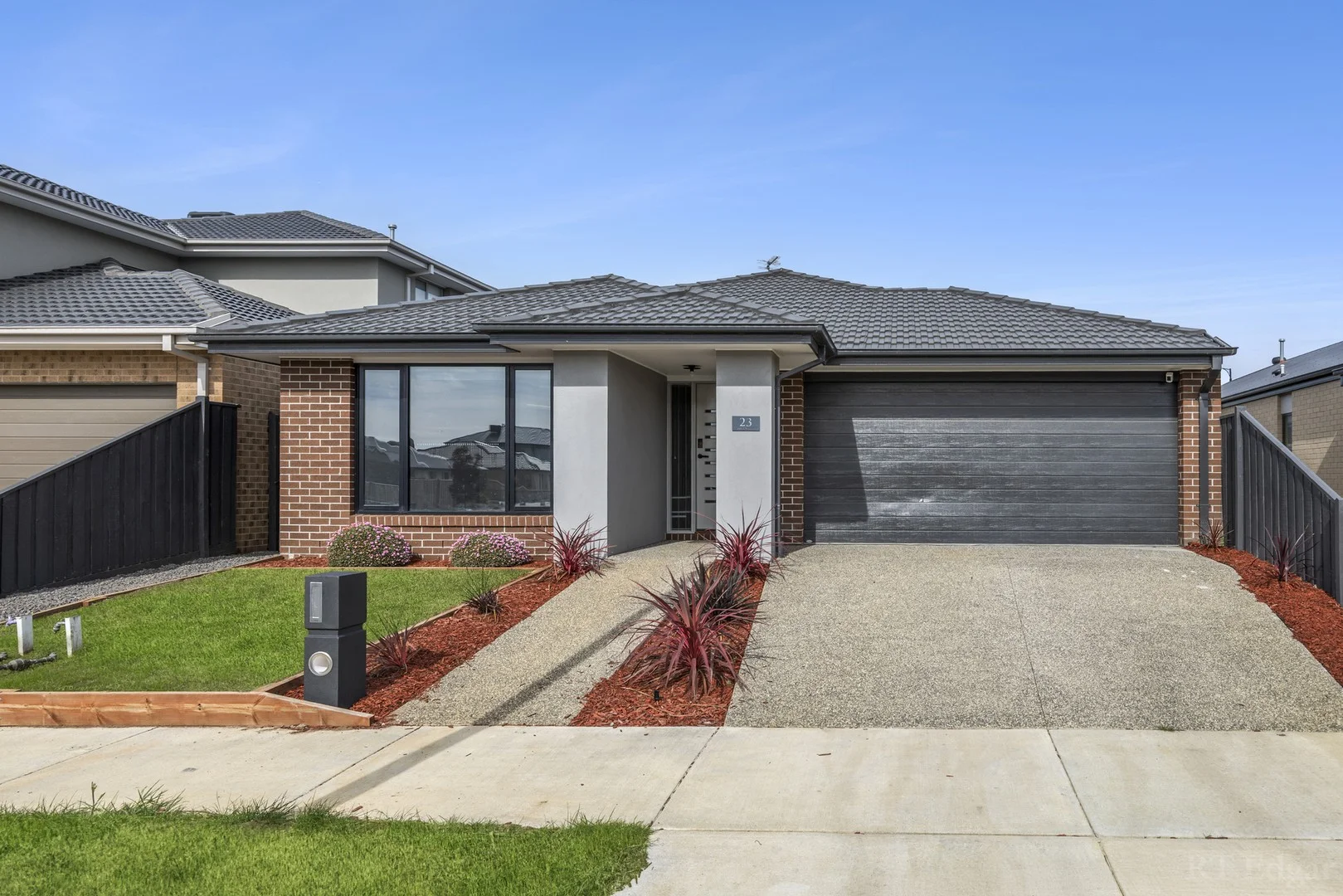 $599,000 - $658,900
House
$599,000 - $658,900
House
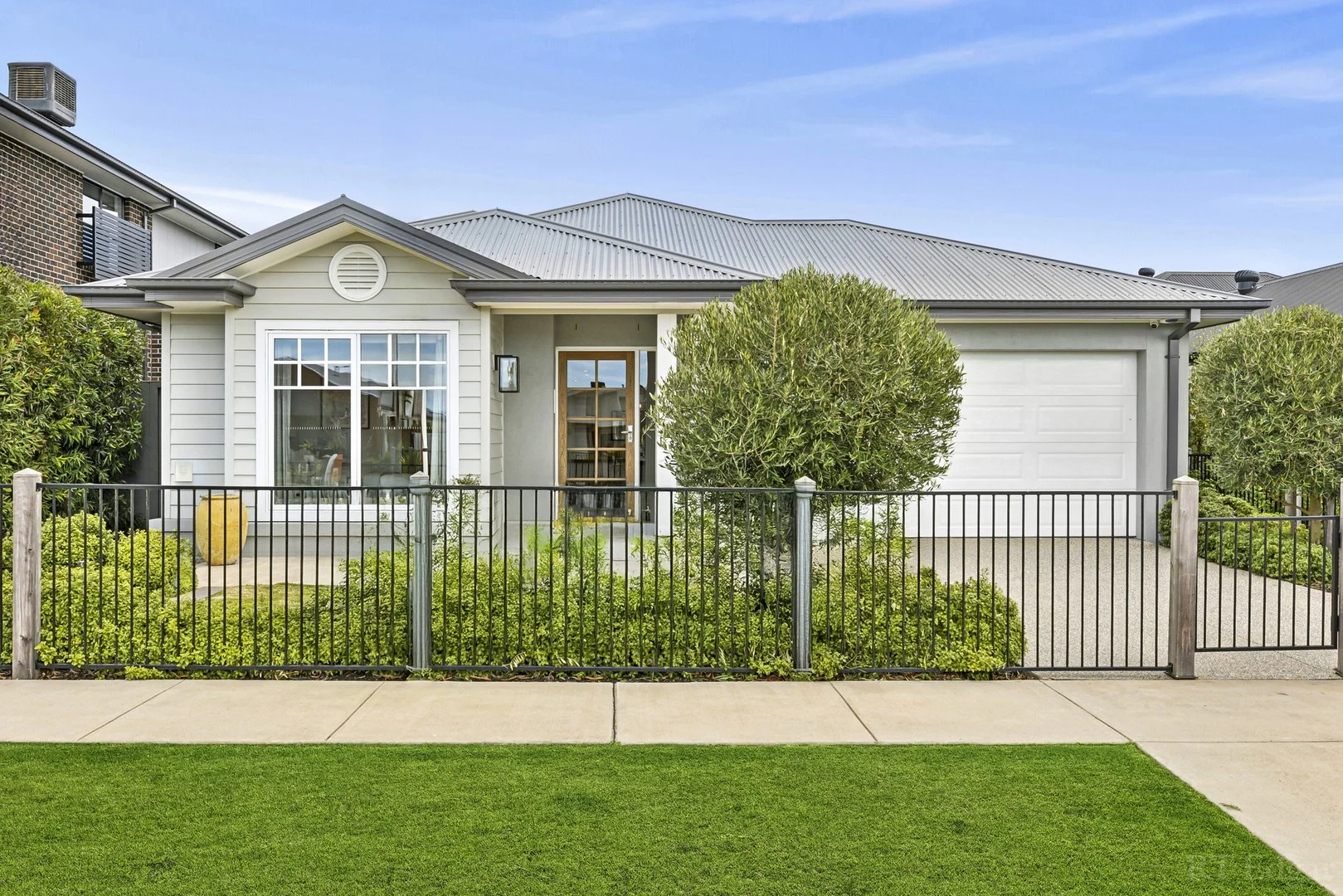 $877,800 - $965,580
House
$877,800 - $965,580
House
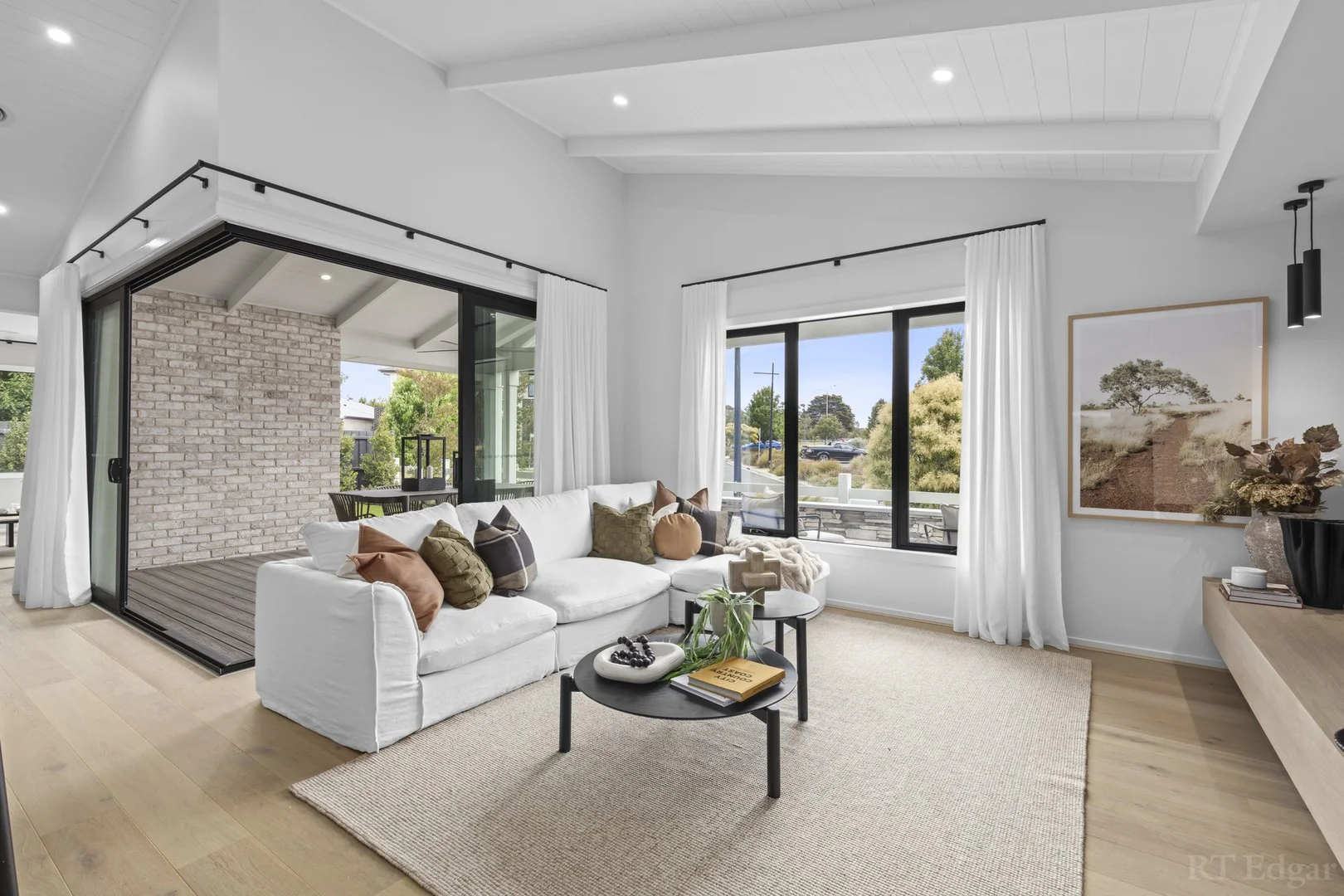 $1,022,295 - $1,124,524
House
$1,022,295 - $1,124,524
House
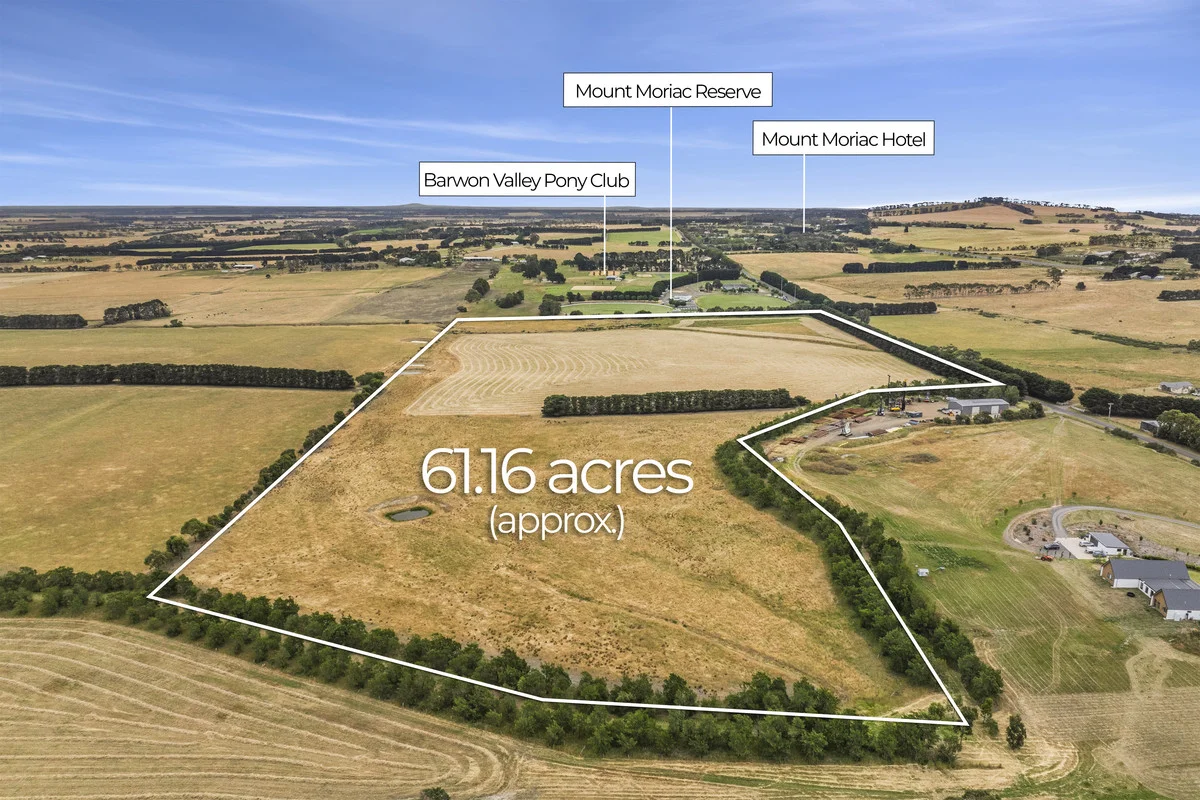 $2,100,000
propertyType.RURAL
$2,100,000
propertyType.RURAL
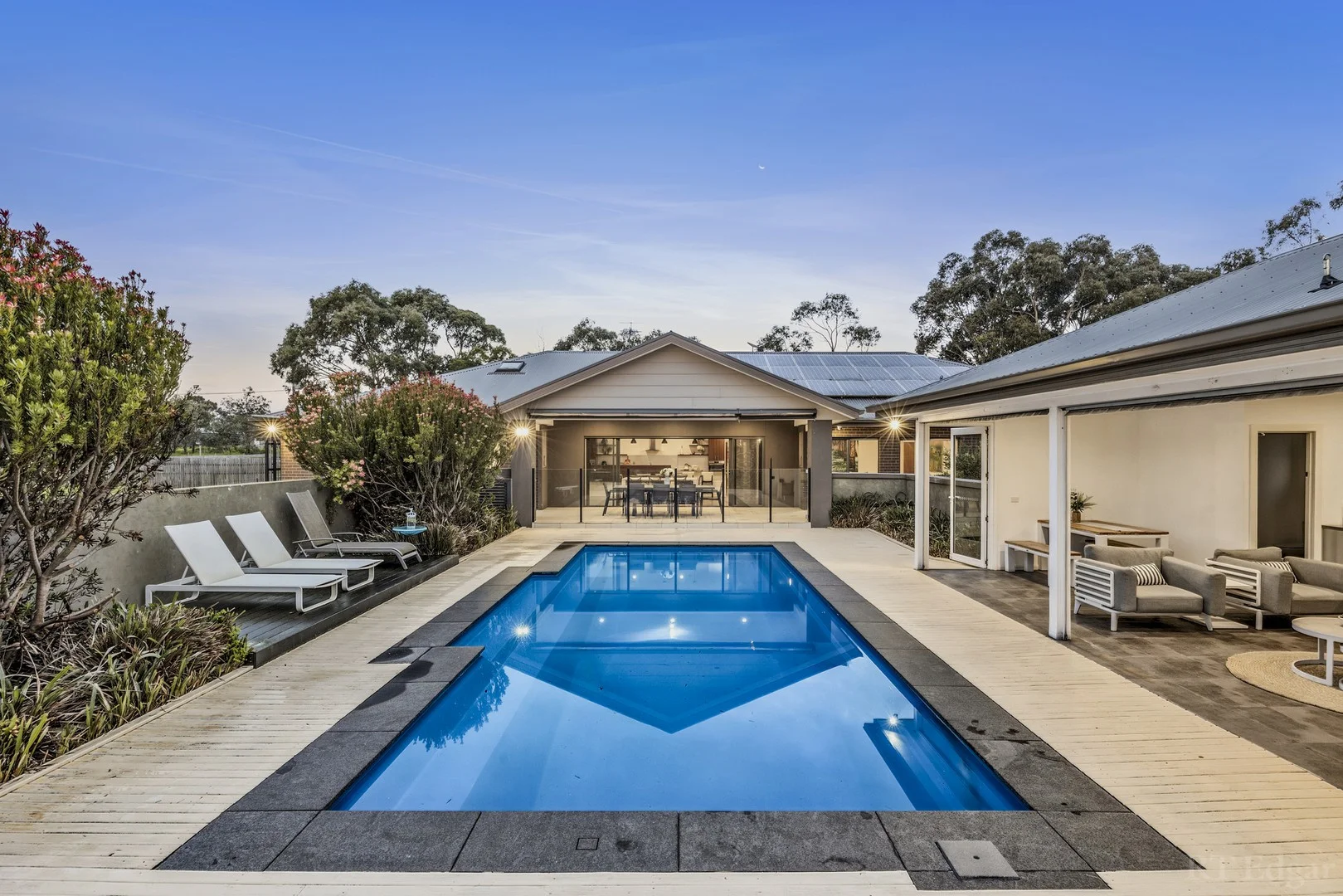 $3,006,750 - $3,307,425
House
$3,006,750 - $3,307,425
House
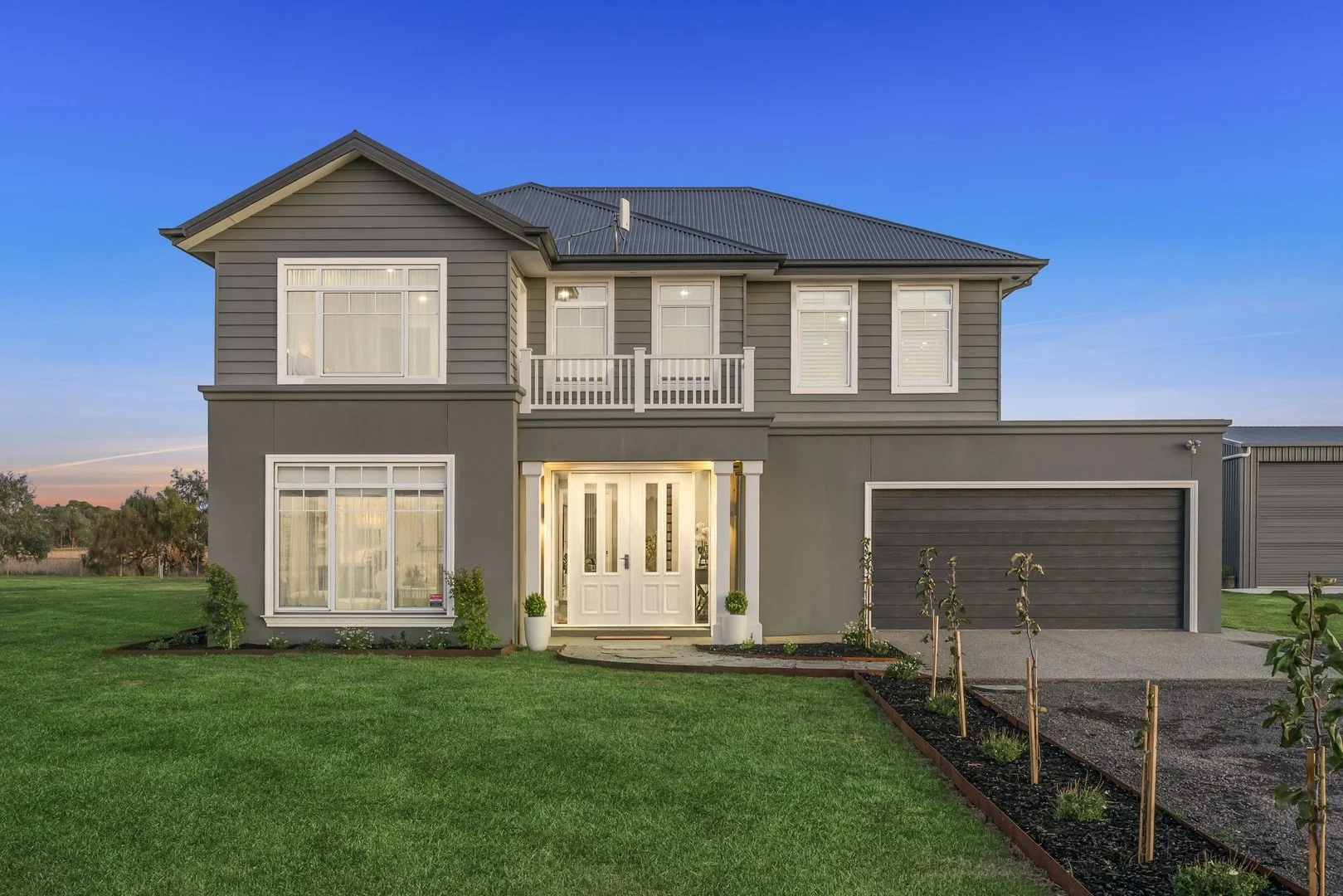 $2,150,000 - $2,350,000
propertyType.ACREAGE / SEMI-RURAL
$2,150,000 - $2,350,000
propertyType.ACREAGE / SEMI-RURAL
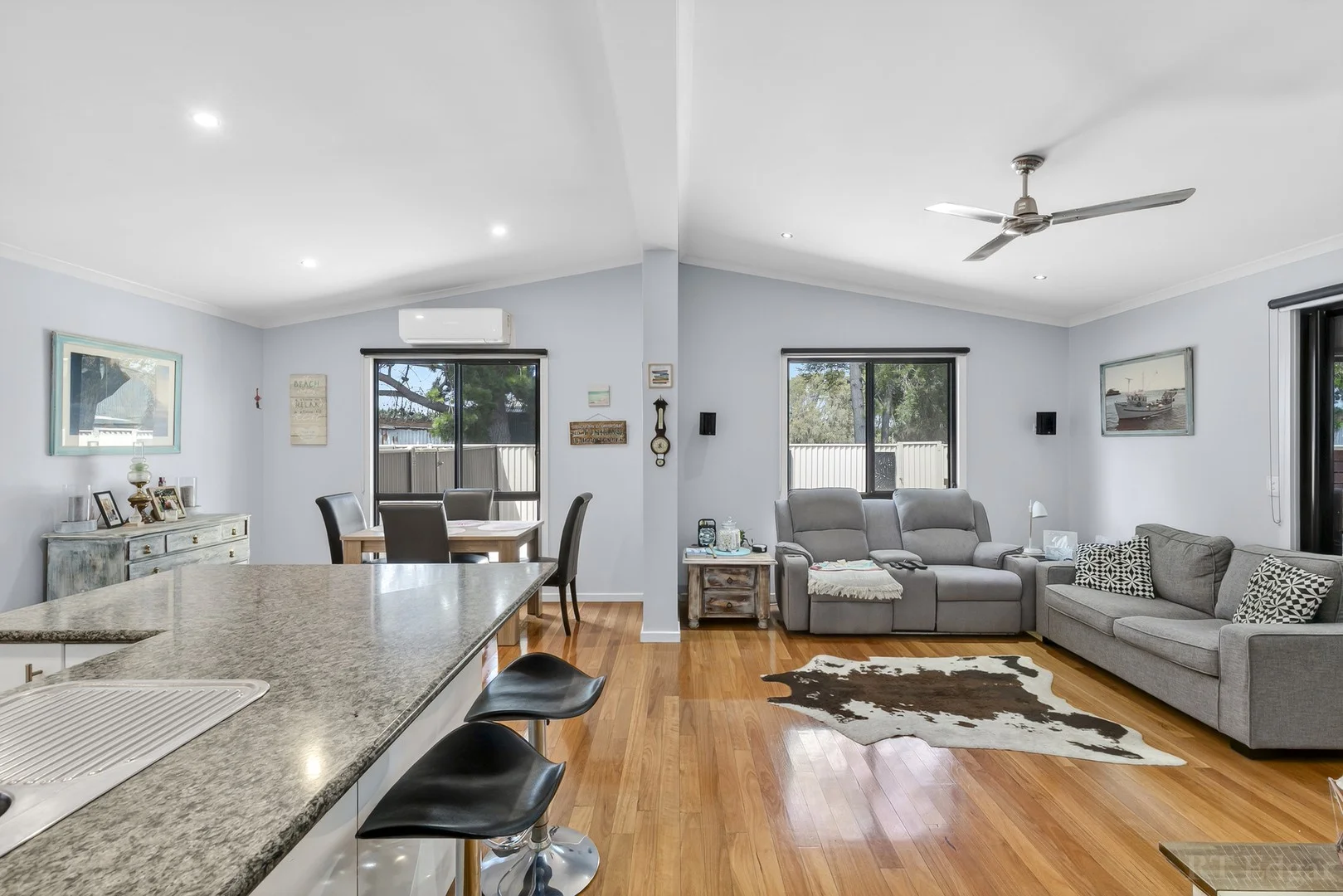 $538,175 - $591,992
Apartment / Unit / Flat
$538,175 - $591,992
Apartment / Unit / Flat
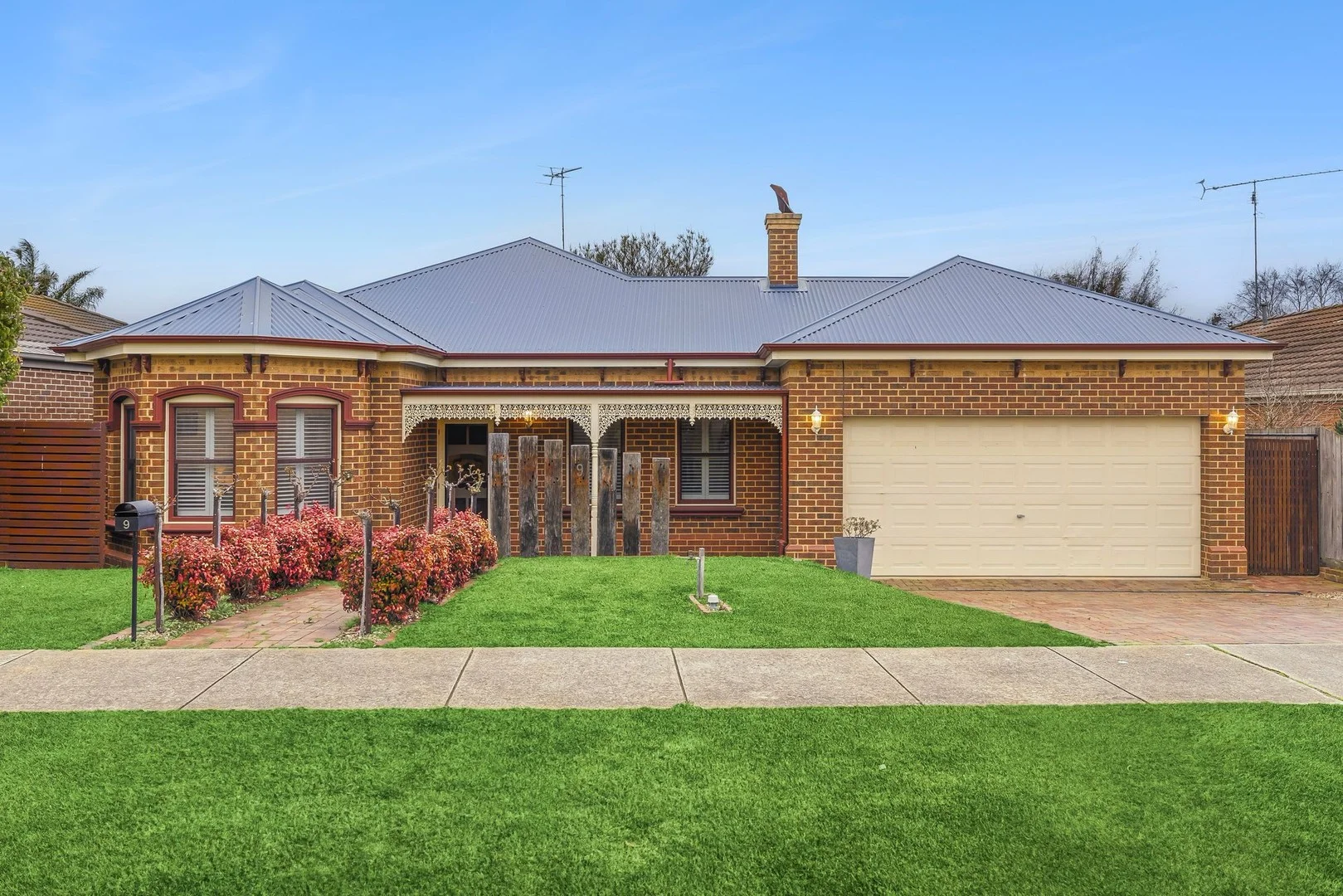 $830,000 - $890,000
House
$830,000 - $890,000
House
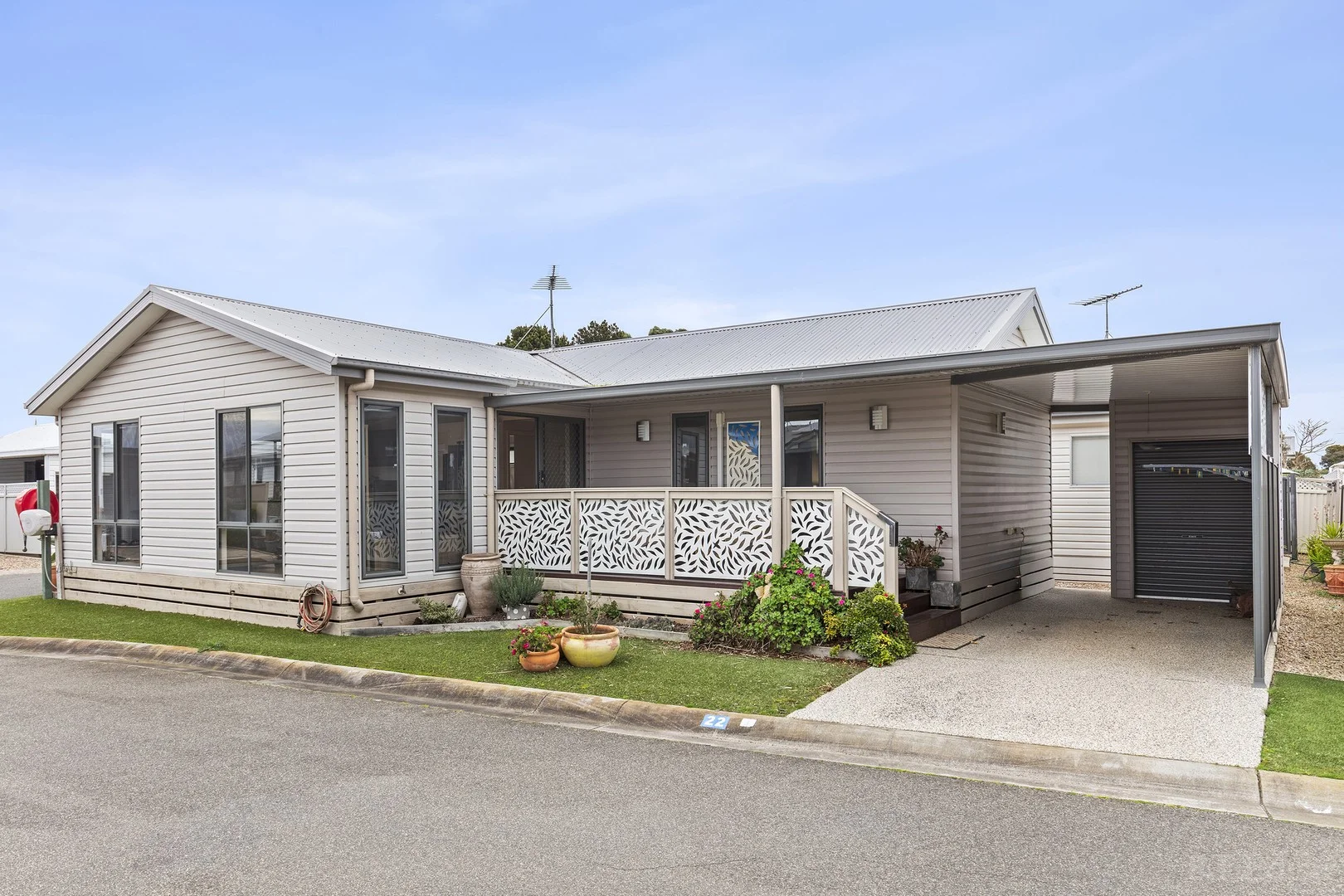 $428,450 - $471,295
House
$428,450 - $471,295
House


