1. Overview
Hale School is an independent Anglican day and boarding school for boys in Wembley Downs, Western Australia, offering a comprehensive education from early years through to Year 12. The school combines a long-standing tradition of academic excellence with a broad range of co-curricular activities, strong leadership opportunities and a supportive community atmosphere.
As a large and established school, Hale aims to balance high academic expectations with outstanding pastoral care and extensive sport and arts programs. The environment is designed to be inclusive and aspirational, with a culture that values character, achievement and teamwork.
- School type: Independent Anglican (private) day and boarding
- School size: Large
- Class size: Around 20–22 students per class
- Atmosphere/culture: Academic, nurturing, diverse, inclusive, sports-focused
⸻
2. Academics & Learning
Hale School emphasises rigorous academics across a broad curriculum, with particular strengths in STEM, English and languages, supported by strong leadership programs and humanities studies. The school offers pathways and programs to challenge capable students and to support those who need extra help.
- Academic strengths: STEM, English, languages, leadership development, humanities
- Special programs: Gifted and talented programs; accelerated learning pathways; scholarship opportunities
- NAPLAN / Ofsted trends: NAPLAN results typically trend above state averages with steady year‑over‑year improvement; Ofsted is not applicable in Australia
- Student-teacher ratios: Approximately 1:12 (varies by year level)
- Support for diverse learners: EAL support; SEN and learning support services; inclusive education team
⸻
3. Sports & Extracurricular Strengths
Sports and other activities are central to Hale’s culture, with strong participation across a wide range of pursuits. The school supports competitive inter-school programs and a vibrant arts scene, alongside a broad selection of clubs and special programs.
- Sports offered: Cricket, rugby, football (soccer), hockey, tennis, rowing, swimming, athletics, basketball
- Strong teams or achievements: Competitive inter-school teams across multiple sports; a tradition of strong performances in key sports
- Music, arts, drama programs: Comprehensive music and performing arts programs; regular ensembles and productions
- Clubs: Robotics, chess, coding, debating, and other academic/interest clubs
- Partnerships: Local sports academies, inter-school competitions, and external programs to extend learning and competition
⸻
4. Wellbeing & Pastoral Care
Wellbeing and pastoral care are central to Hale’s approach, with proactive strategies to ensure a safe, respectful and supportive environment.
- Anti-bullying approach: Clear anti-bullying policies, restorative practices and wellbeing education
- House system: House-based identity, events and mentoring to foster belonging and leadership
- Counsellors / wellbeing officers: On-site counselling and wellbeing staff to support students
- Transition support for new students: Orientation programs, buddy systems and transition services to help new students settle
⸻
5. Facilities
Hale provides modern, well-maintained facilities designed to support learning, sport, arts and technology.
- Sports grounds: Extensive fields and courts; dedicated indoor training facilities
- Libraries: Well-stocked libraries with study spaces
- Science labs: Modern, well-equipped science laboratories
- Music/performing arts centers: Dedicated music facilities and performing arts venues
- Tech/innovation labs: Design and technology labs, makerspaces and digital fabrication facilities
- Cafeteria: On-site canteen and dining options
- Updated playgrounds: Outdoor learning areas and updated play spaces
⸻
6. School Values & Community Culture
Hale’s culture is built around shared values, leadership opportunities and a positive, respectful community.
- School values / mission: Commitment to respect, excellence, integrity, teamwork and service
- Leadership style: Distributed leadership with student leadership roles and strong teacher mentorship
- Behaviour expectations: Clear codes of conduct emphasizing respect and responsibility
- Community reputation: Established, highly regarded WA independent school with strong alumni networks
- Diversity & inclusion: Inclusive environment with a diverse student body and support for international students
⸻
7. School Logistics & Daily Operations
Practical, day-to-day information helps families plan around school life.
- School hours: Typical day roughly 8:00 am–3:15 pm (with variations by year level and activities)
- Before/after school care: Available before and after school care options
- Uniform requirements: School uniform required; sports uniform for PE and games
- Transport (bus routes): School-run and public transport options; bus routes and drop-off/pick-up arrangements
- Canteen availability: On-site canteen or cafeteria services
- Fees (low/medium/high ranges): Fees are in the mid-to-high range for WA private schools
⸻
8. Enrolment & Admissions
Enrolment processes are designed to be clear and aspirational, with steps that help families understand timelines and requirements.
11. What is the enrolment process and timeline?
- Submit an online application or expression of interest
- Attend information sessions/open days
- Complete year-level assessments and/or submissions of academic records
- Stage of interviews for parents and students
- Receive offer and complete enrolment documentation; pay deposit and arrange placement
- Orientation and transition planning as needed
12. Is there a waiting list, and how does it work?
- Waiting lists may apply in high-demand year levels; offers are made as spaces become available
- Siblings may receive priority; waitlist positions are typically managed by admissions
13. Are there any entry requirements, tests, or interviews?
- Academic and behavioural interviews for students and parents
- Year-level assessments or standardised tests; academic records review
- EAL assessment and relevant documentation for international or diverse learners
14. Does the school accept mid-year transfers?
- Mid-year transfers are possible if vacancies exist; admissions will coordinate with the current school and timetable considerations
⸻
9. Frequently Asked Questions
- Why Parents Choose This School?
Hale combines strong academics with a rich co-curricular program, supportive pastoral care and a well-established community, making it appealing to families seeking a balanced, values-driven education for boys.
- What type of student thrives at this school?
Students who are motivated by academics, sport, leadership and a structured, supportive environment tend to thrive; those who value tradition, discipline and teamwork fit well.
- What opportunities are available for students to extend their skills (academics, sports, arts)?
There are broad opportunities across STEM, languages and humanities; accelerated and gifted pathways; high-level sport teams; extensive music and drama programs; and a wide range of clubs (robotics, coding, debating, etc.).
- How does the school communicate with parents?
Regular updates through newsletters, email, a parent portal and scheduled meetings; opportunities to attend information sessions and parent evenings.
- What is the school’s approach to teaching and learning?
A rigorous, outcomes-focused approach with emphasis on critical thinking, collaboration and real-world applications; supported by dedicated teaching staff and targeted student support.
- How does the school support students who need extra academic help?
Structured learning support, EAL assistance, targeted intervention programs and access to specialist staff and resources.
- What support is available for academic challenges?
Individual learning plans, tutoring options, extended learning activities and ongoing progress monitoring.
- How does the school communicate with parents? (duplicate)
See above; parents receive regular updates via multiple channels and have access to key contacts for timely support.
- What are the class sizes and how much individual attention do students receive?
Class sizes typically around 20–22 students, with additional support from teachers, tutors and specialist staff as needed.
- What extracurricular and sports opportunities are available?
A wide range of sports (cricket, rugby, football, hockey, tennis, rowing, swimming, athletics, basketball), music and drama programs, and clubs (robotics, chess, coding, debating).
- What facilities does the school offer (sports, science, arts)?
Extensive sports facilities, modern science labs, robust libraries, performing arts spaces, design/tech labs and a canteen.
- What is the school’s approach to technology and digital learning?
Emphasis on integrated digital learning, device use in classrooms, coding and robotics programs, secure platforms for parent and student communication.
- What transport and accessibility options are available?
School transport options include bus routes and convenient access for families; the campus is accessible by public transport with parking for drop-off/pick-up.
- What are the typical school fees or additional costs?
Fees fall in the mid-to-high range for WA private schools; additional costs may include uniforms, excursions and optional activities.
⸻
10. Short Pros & Cons list
Pros
- Strong academic program with broad senior pathways
- Comprehensive co-curriculars across sport, arts and clubs
- Robust wellbeing, pastoral care and a house-based community
- Modern facilities and well-supported learning environments
- Clear values and a long-standing reputation in the community
Cons
- Higher school fees typical of private Anglican schools
- Competitive environment may not suit every student
- Admission can be competitive and waitlists may apply in popular year levels
⸻










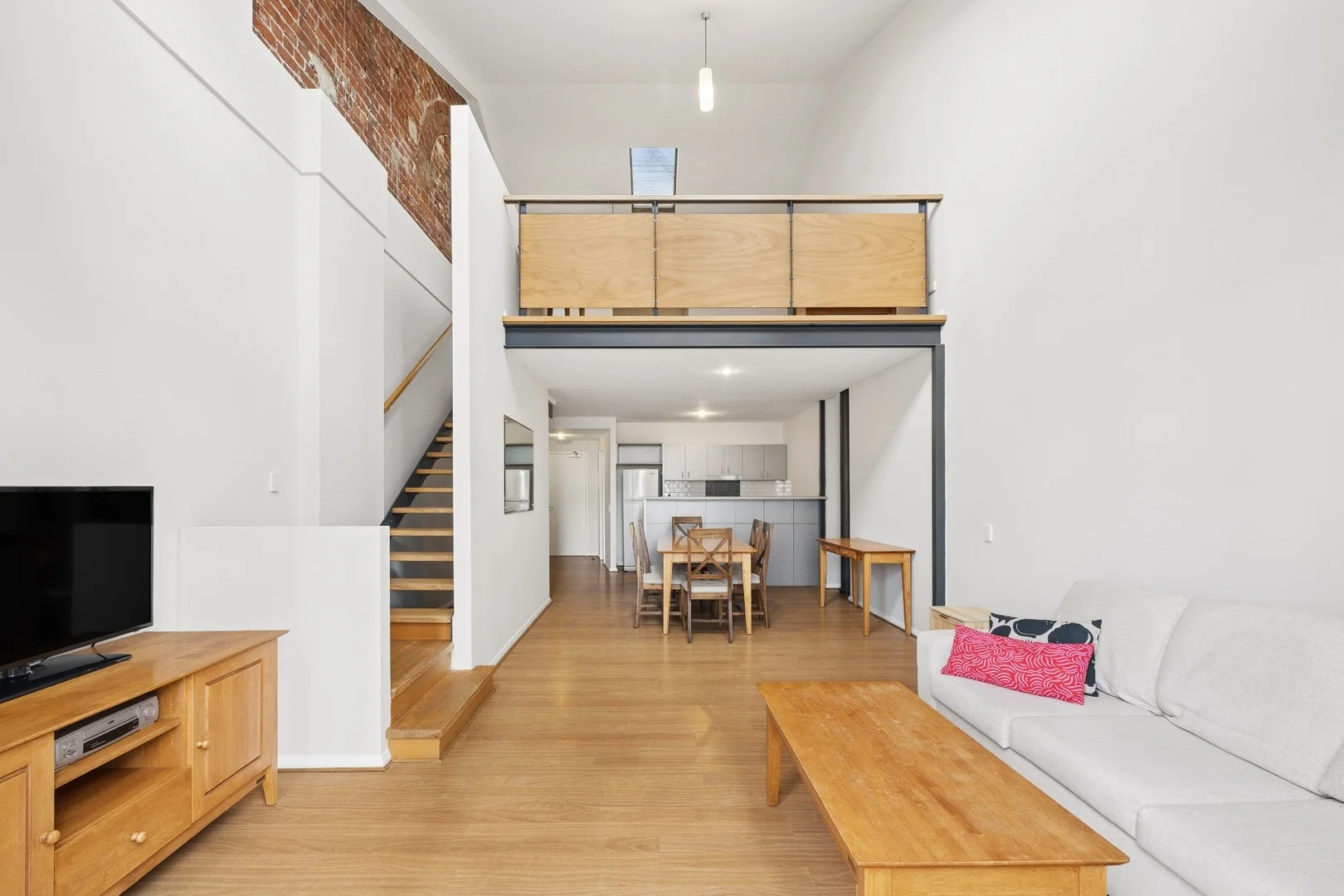 $549,000
Apartment / Unit / Flat
$549,000
Apartment / Unit / Flat
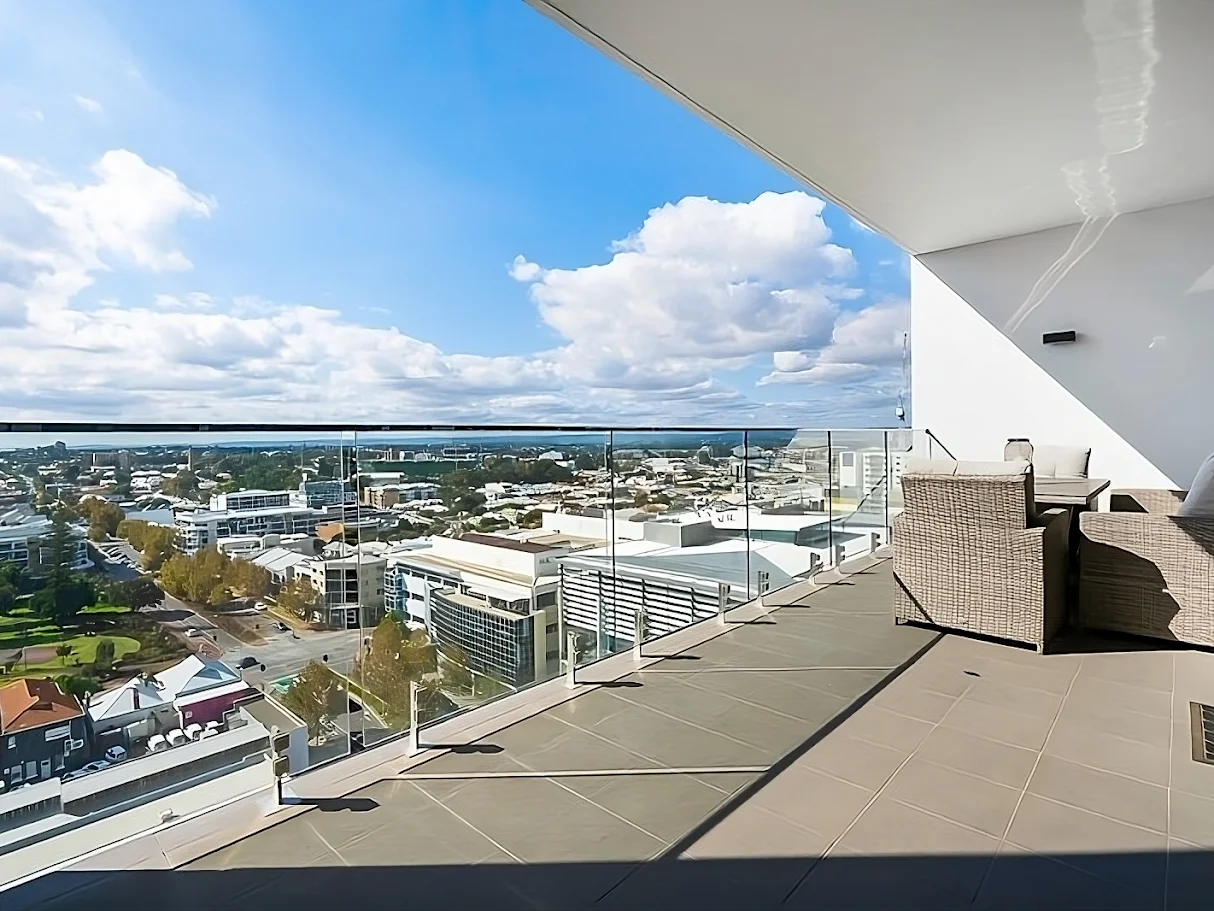 $580,000
Apartment / Unit / Flat
$580,000
Apartment / Unit / Flat
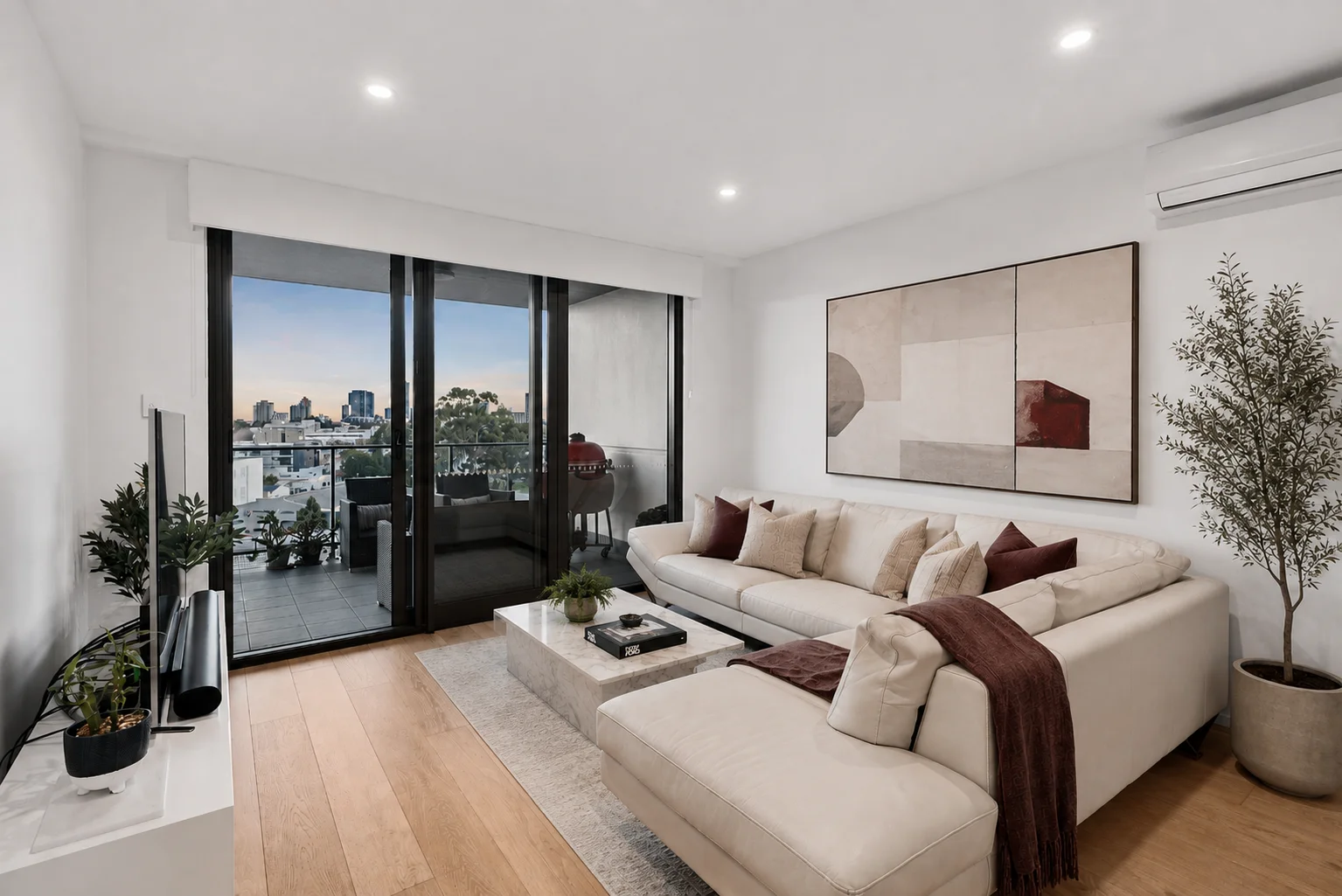 $700,000
Apartment / Unit / Flat
$700,000
Apartment / Unit / Flat