## 1. Overview
Churchlands Senior High School is a public (government) high school serving students in the Churchlands area of Western Australia. It is a large, comprehensive secondary school with a broad range of academic and co-curricular programs designed to support diverse learners.
- School type: Public
- School size: Large
- Class size: Typically around 25–28 students per class
- Atmosphere/culture: Academic, inclusive, diverse, supportive, with strong emphasis on achievement and participation in sports and the arts
⸻
## 2. Academics & Learning
Churchlands SHS aims to provide rigorous learning experiences across the WA Curriculum, with multiple pathways to suit different student strengths and interests.
- Academic strengths: Strong focus in STEM and English, with opportunities to excel in languages and humanities as part of a well-rounded curriculum
- Special programs: Pathways for high-achieving students, including accelerated learning and gifted/talented options where available
- NAPLAN trends: Historically solid performance with results above state averages and positive year-on-year trends in literacy and numeracy
- Student-teacher ratios: Generally around 1:20–1:24, enabling meaningful teacher support
- Support for diverse learners: EAL (English as an Additional Language) support and SEN (special education needs) resources; access to learning support and targeted interventions as needed
⸻
## 3. Sports & Extracurricular Strengths
A key area for many families, with a broad offering that supports both team and individual development.
- Sports offered: Wide range of team and individual sports (e.g., basketball, football code sports, athletics, netball, swimming, cross country, etc.)
- Strong teams or achievements: Competitive inter-school participation and regional championships across multiple sports
- Music, arts, drama programs: Active performing arts and music programs complementing academics
- Clubs: Robotics, chess, coding, debating, and other enrichment clubs
- Partnerships: Involvement with local clubs, regional competitions, and inter-school events to broaden opportunities
⸻
## 4. Wellbeing & Pastoral Care
Prioritising student wellbeing with structures to support a positive school experience.
- Anti-bullying approach: Clear policies, reporting mechanisms, and proactive education to promote respectful behaviour
- House system: House-based pastoral care and activities to build community and belonging
- Counsellors / wellbeing officers: On-site guidance and wellbeing staff to support academic and emotional needs
- Transition support for new students: Orientation programs, buddy systems, and targeted support during year transitions
⸻
## 5. Facilities
Facilities are a highlight for many families, supporting a broad curriculum and student life.
- Sports grounds: Flexible outdoor spaces for PE and sports
- Libraries: Well-stocked libraries with study spaces
- Science labs: Modern laboratories for practical science learning
- Music/performing arts centers: Dedicated spaces for music, drama, and performance
- Tech/innovation labs: Resources for technology, coding, and design projects
- Cafeteria: On-site canteen or cafeteria for meals and snacks
- Updated playgrounds: Well-maintained outdoor recreation spaces
⸻
## 6. School Values & Community Culture
Parents often look for a school’s ethos and how it shapes everyday behaviour and relationships.
- School values / mission: Commitment to excellence, integrity, and active participation in the school community
- Leadership style: Collaborative, student-centered leadership with opportunities for student voice
- Behaviour expectations: Clear standards and consistent approach to discipline and respect
- Community reputation: Known for strong academic outcomes, inclusive culture, and active parent involvement
- Diversity & inclusion: Emphasis on welcoming students from varied backgrounds and supporting inclusive practices
⸻
## 7. School Logistics & Daily Operations
Practical information that helps families plan around school life.
- School hours: Typical school day schedule with start and finish times aligned to WA school calendars
- Before/after school care: Availability varies; check with the school for OSHC or supervised programs
- Uniform requirements: Uniforms are compulsory; details provided by the school or district guidelines
- Transport (train/bus routes): Accessible by public transport with local bus routes; information on routes and timetables available through local transport providers
- Canteen availability: On-site canteen or lunch facilities offering meals and snacks
- Fees (low/medium/high ranges): Public schools have government funding with modest voluntary contributions and book/material costs; overall costs are moderate compared with independent schools
⸻
## 8. Enrolment & Admissions
Guidance on how families secure a place and what to expect during the process.
### 11. What is the enrolment process and timeline?
- Applications are typically made through the WA Department of Education enrolment process. Check the school’s calendar for key dates (open days, submission windows, and completion of enrolment forms). Gather required documents (proof of address, previous school records, immunisation details). After submission, the school will confirm eligibility, provide information about orientation and start dates, and outline any program-specific steps.
### 12. Is there a waiting list, and how does it work?
- Some enrolments may operate with prioritisation by catchment and vacancy availability. If a waitlist applies, it generally follows the district’s policy and is managed by the school; families are kept informed about expected timelines and next steps.
### 13. Are there any entry requirements, tests, or interviews?
- For most public high school places, there are no entrance exams. Some programs or specialist tracks may involve additional steps (e.g., documentation review, interview or selection criteria) if applicable. Always confirm what is required for any specific program or pathway you’re pursuing.
### 14. Does the school accept mid-year transfers?
- Mid-year transfers are possible if spaces are available. Contact the admissions team early, provide current school information and transcripts, and be prepared for transition planning to align with the school calendar.
⸻
## 9. Frequently Asked Questions
- Why Parents Choose This School?
- A strong academic reputation, broad program offering, supportive environment, and active student life with opportunities in sports, arts, and clubs.
- What type of student thrives at this school?
- Motivated learners who want a rigorous academic program, meaningful involvement in clubs and sports, and a welcoming, inclusive community.
- What opportunities are available for students to extend their skills (academics, sports, arts)?
- Accelerated or gifted pathways, leadership roles, diverse clubs (robotics, coding, debating), competitive sports, and performing arts programs.
- How does the school communicate with parents?
- Through newsletters, email updates, school portals, and scheduled parent-teacher interviews.
- What is the school’s approach to teaching and learning?
- Standards-aligned curriculum with differentiation, inquiry-based learning, and integration of technology to support student learning.
- How does the school support students who need extra academic help?
- Targeted tutoring, learning support services, EAL and SEN assistance, study groups, and personalised intervention plans.
- What support is available for academic challenges?
- Access to guidance staff, subject teachers, and learning support services to help students stay on track.
- How does the school communicate with parents?
- See above (multiple channels including digital platforms and direct communication from teachers and coordinators).
- What are the class sizes and how much individual attention do students receive?
- Typical classes around 25–28 students; teachers provide regular feedback and targeted support during and after class.
- What extracurricular and sports opportunities are available?
- A wide range of sports, music and arts programs, and clubs such as robotics, chess, coding, and debating.
- What facilities does the school offer (sports, science, arts)?
- Sports grounds, libraries, science labs, performing arts centre, tech/innovation labs, canteen, and modern outdoor spaces.
- What is the school’s approach to technology and digital learning?
- Integration of digital tools and resources to support learning; use of school platforms for assignments and communication; emphasis on safe, responsible use of technology.
- What transport and accessibility options are available?
- Access via local bus routes and public transport; information on routes and accessibility can be found through local transport services.
- What are the typical school fees or additional costs?
- Government-funded schooling with modest voluntary contributions; costs mainly relate to uniforms, books/materials, and optional activities.
⸻
## 10. Short Pros & Cons list
- Pros
- Public, reputable high school with strong academics
- Broad range of programs and extracurriculars
- Supportive wellbeing and pastoral care
- Diverse and inclusive culture
- Modern facilities and a variety of learning spaces
- Cons
- Class sizes, while typical for public high schools, may be larger in some year groups
- Uniforms are required, which may be an adjustment for some families
- Availability of certain programs or spaces can vary by year and enrolment
- Timing and availability of mid-year transfers depend on vacancies
⸻

![Storytime at Cambridge Library [Every Thursdays]](https://image.aroundschools.com.au/[object Object]) Free
Free












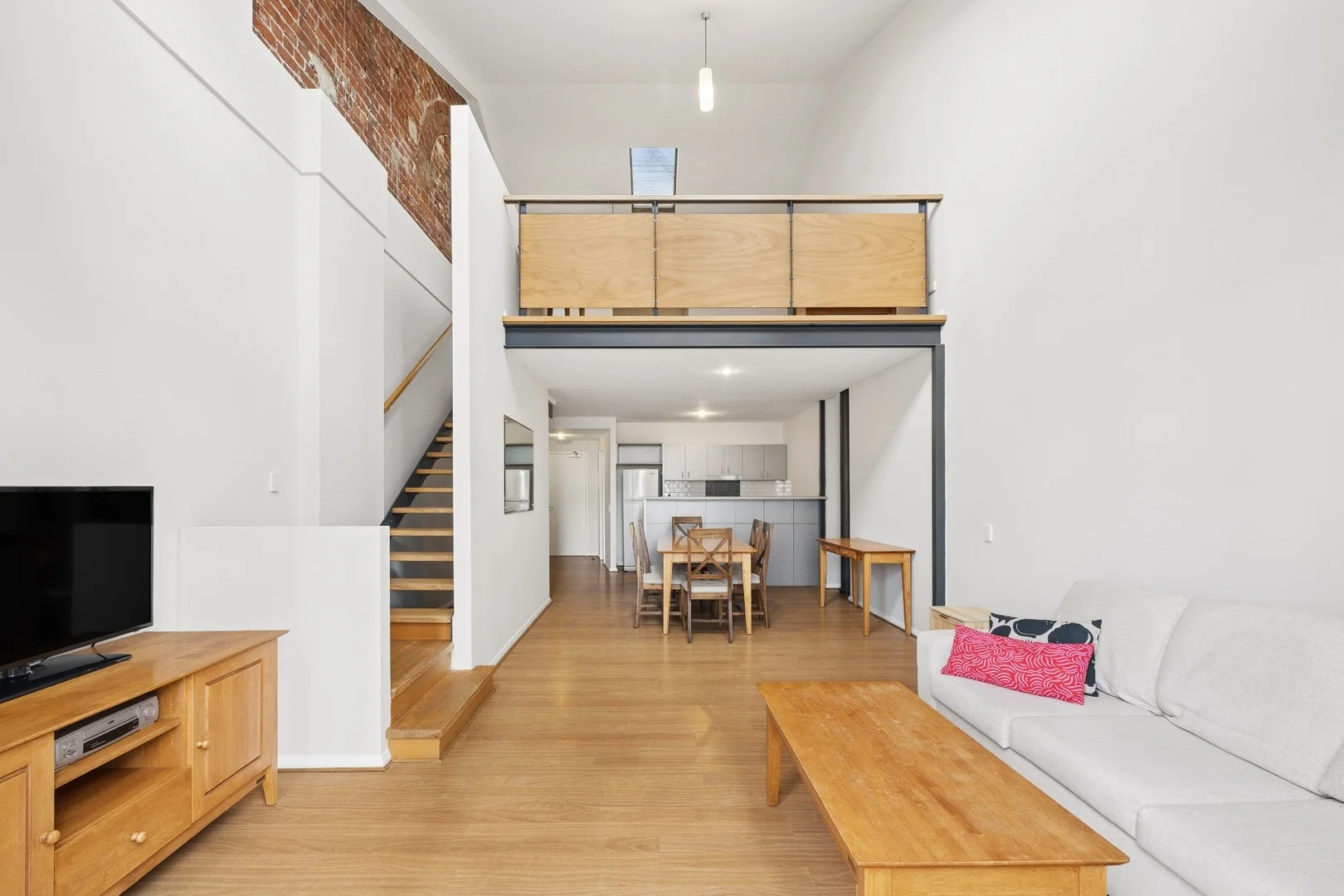 $549,000
Apartment / Unit / Flat
$549,000
Apartment / Unit / Flat
 $580,000
Apartment / Unit / Flat
$580,000
Apartment / Unit / Flat
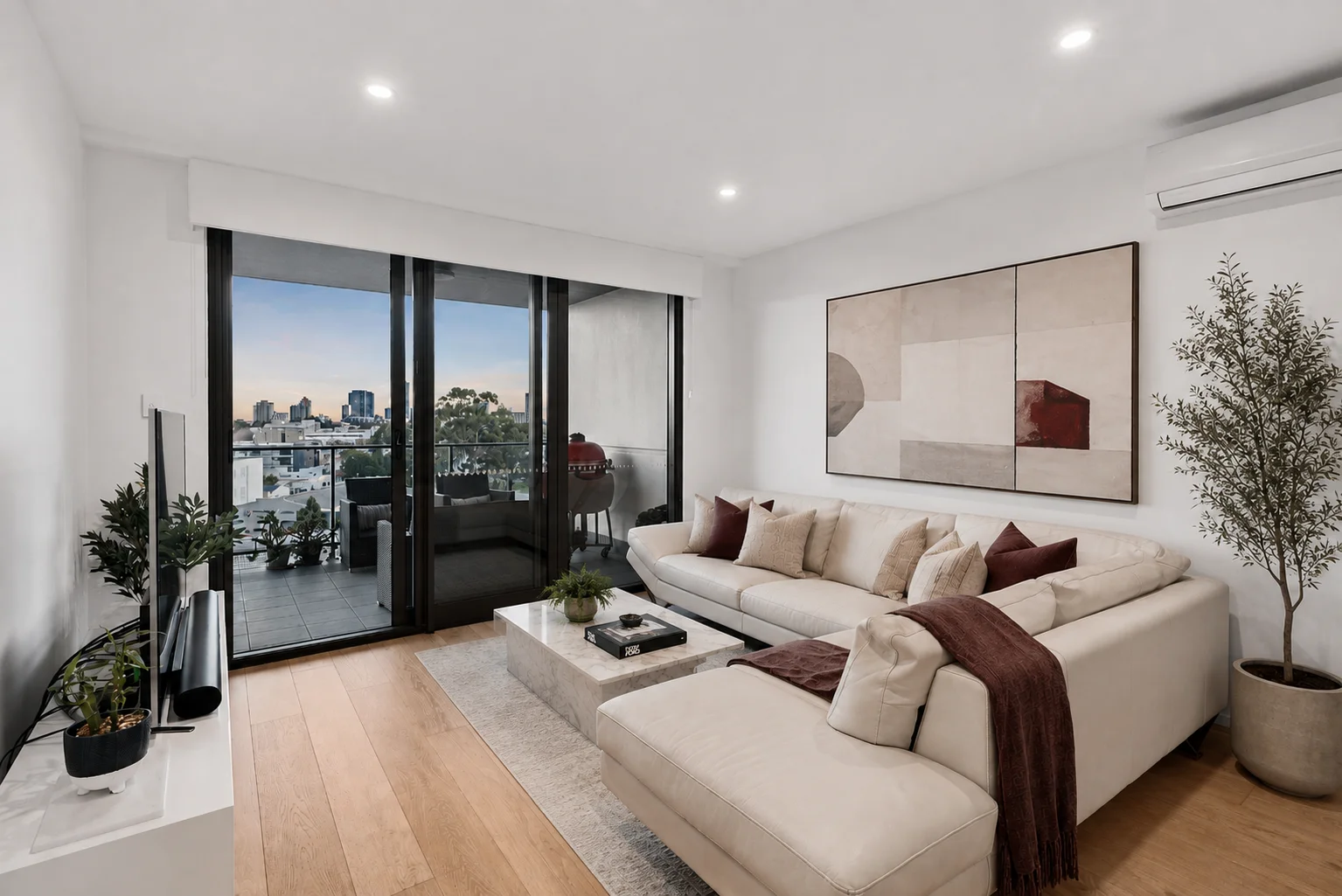 $700,000
Apartment / Unit / Flat
$700,000
Apartment / Unit / Flat


