## 1. Overview
Oberon High School is a public secondary school serving students in Armstrong Creek, VIC. The school combines a welcoming, inclusive environment with a focus on academic growth and real-world skills, preparing students for VCE pathways and beyond. It fosters a balanced culture where learning, wellbeing, and community involvement are valued.
- School type: Public
- School size: Medium
- Class size: Typically around 20–25 students per class
- Atmosphere/culture: Inclusive, supportive, academically focused with strong wellbeing and community engagement
---
## 2. Academics & Learning
Oberon High School emphasises a solid Victorian Curriculum foundation with opportunities to extend learning across core disciplines and pathways into VCE and Vocational Education and Training (VET).
- Academic strengths: STEM, English, leadership development, and language electives
- Special programs: Gifted and talented provisions, accelerated learning opportunities, and clear pathways to VCE/VET
- NAPLAN / trends: Steady positive trends in reading and numeracy over recent years, with continued focus on literacy and numeracy improvement
- Student-teacher ratios: Generally in the mid-teens, supporting manageable class dynamics and targeted instruction
- Support for diverse learners: EAL support, learning support for students with additional needs (SEN), and targeted interventions as required
---
## 3. Sports & Extracurricular Strengths
A strong focus on a broad range of activities helps students develop physically, creatively, and socially.
- Sports offered: AFL, netball, basketball, soccer, cricket, athletics, tennis, swimming, and more
- Strong teams or achievements: Regular participation in regional competitions with notable performances across multiple sports
- Music, arts, drama programs: Active music program (bands/choirs), drama productions, and showcases
- Clubs: Robotics, coding, chess, debating, and other interest clubs
- Partnerships: Collaboration with local clubs, regional sports associations, and inter-school competitions to broaden opportunities
Most parents exploring for boys aged 10–14 will notice the emphasis on both team-based sports and individual pursuits, alongside creative and technical clubs
---
## 4. Wellbeing & Pastoral Care
Wellbeing is a central pillar of the school experience, supporting safe, respectful learning environments.
- Anti-bullying approach: Clear policies, preventative programs, and active supervision to maintain a respectful school culture
- House system: A house structure that promotes belonging, friendly competition, and house-based activities
- Counsellors / wellbeing officers: Access to qualified counsellors and wellbeing staff for academic and personal support
- Transition support for new students: Induction programs, buddy systems, and targeted support to help new students settle in
---
## 5. Facilities
Facilities are designed to support a range of learning and activity experiences.
- Sports grounds: Well-maintained outdoor sports fields and courts
- Libraries: Well-stocked library with study spaces and digital resources
- Science labs: Modern laboratories for biology, chemistry, physics, and hands-on experiments
- Music/performing arts centers: Dedicated spaces for music practice, rehearsals, and performances
- Tech/innovation labs: Design and technology spaces to explore coding, robotics, and digital creation
- Cafeteria: On-site canteen with healthy meal options
- Updated playgrounds: Safe, inviting outdoor spaces for recreation and socializing
---
## 6. School Values & Community Culture
The school aims to cultivate responsible, curious, and respectful learners who contribute positively to the broader community.
- School values / mission: Emphasis on respect, responsibility, inclusion, and ongoing learning
- Leadership style: Collaborative and student-inclusive, with opportunities for student voice and leadership
- Behaviour expectations: Clear conduct standards and restorative practices to support positive behaviour
- Community reputation: Strong ties with local families and community groups, reflecting a welcoming and involved culture
- Diversity & inclusion: Commitment to a diverse, inclusive environment where all students feel valued
---
## 7. School Logistics & Daily Operations
Clear routines help families plan around school life.
- School hours: Typically around 9:00 am–3:30 pm, with variations by year level and activities
- Before/after school care: Available or coordinated with local providers; check specifics with the school
- Uniform requirements: Official school uniform required for everyday wear; sport uniforms on designated days
- Transport (train/bus routes): Accessible by local bus routes; information provided to families on route options
- Canteen availability: Canteen operations on most school days with healthy options
- Fees (low/medium/high ranges): Public school fees are generally modest; additional costs may include uniforms, excursions, and certain program resources
---
## 8. Enrolment & Admissions
11. What is the enrolment process and timeline?
- Applications are managed in line with Victorian Department of Education procedures. Families typically attend information sessions and submit an enrolment application within the designated intake period. Offers and orientation processes occur prior to or at the start of the school year.
12. Is there a waiting list, and how does it work?
- There may be a waiting list when demand exceeds available places. Placement often follows catchment eligibility, with other factors considered. Parents are kept updated through the school and the enrolment portal.
13. Are there any entry requirements, tests, or interviews?
- There are generally no selective entrance tests for year 7 in public Victorian high schools. Some programs or support services may involve a brief discussion or assessment to determine additional needs or placement, but most enrolments rely on standard documentation and eligibility.
14. Does the school accept mid-year transfers?
- Yes, subject to space and placement availability. Families seeking a mid-year transfer should contact the school’s enrolment team to discuss documentation (transcripts, immunisation records, etc.) and space in the requested year level.
---
## 9. Frequently Asked Questions
- Why Parents Choose This School?
- A balanced, values-driven environment with strong academic and wellbeing supports, plus a wide range of extracurricular options.
- What type of student thrives at this school?
- Students who are curious, collaborative, and motivated to engage across academics, sports, arts, and leadership opportunities.
- What opportunities are available for students to extend their skills (academics, sports, arts)?
- Advanced coursework pathways, gifted and talented options, VCE/VET pathways, competitive sport programs, music and drama productions, robotics, debating, and coding clubs.
- How does the school communicate with parents?
- Regular newsletters, emails, a student information portal, parent-teacher interviews, and social media updates.
- What is the school’s approach to teaching and learning?
- Student-centered, differentiated instruction, inquiry-based learning, and integration of technology to enhance understanding.
- How does the school support students who need extra academic help?
- Targeted tutoring, learning support staff, EAL assistance, SEN support, and tailored intervention plans.
- What support is available for academic challenges?
- Early identification, progress monitoring, specialist support staff, and collaboration with families to build an individual plan.
- How does the school communicate with parents? (Repeated)
- See above: consistent updates via portal, emails, and parent meetings.
- What are the class sizes and how much individual attention do students receive?
- Class sizes typically around 20–25, enabling frequent feedback and targeted teacher support.
- What extracurricular and sports opportunities are available?
- A broad menu including team and individual sports, music, drama, robotics, coding clubs, chess, and debating.
- What facilities does the school offer (sports, science, arts)?
- Comprehensive facilities: sports grounds, libraries, science labs, performing arts spaces, tech/innovation labs, and a canteen.
- What is the school’s approach to technology and digital learning?
- Integration of digital tools to support learning, access to devices and software, and digital literacy across the curriculum.
- What transport and accessibility options are available?
- Local bus routes and transport options, with accessible facilities and student support for travel arrangements.
- What are the typical school fees or additional costs?
- Public school fees are generally modest; additional costs may include uniform purchases, excursions, and optional activities.
---
## 10. Short Pros & Cons list
- Pros
- Public school with a balanced academic and wellbeing focus
- Broad range of extracurriculars including sports, arts, and clubs
- Support for diverse learners and strong student support services
- Moderate class sizes enabling individualized attention
- Modern facilities across science, tech, and performing arts
- Cons
- As a medium-sized public school, available programs may vary year to year based on staffing
- Some specialty programs (e.g., IB) may not be offered; check for desired pathways
- Transport options depend on local routes and catchment areas; occasional travel time considerations






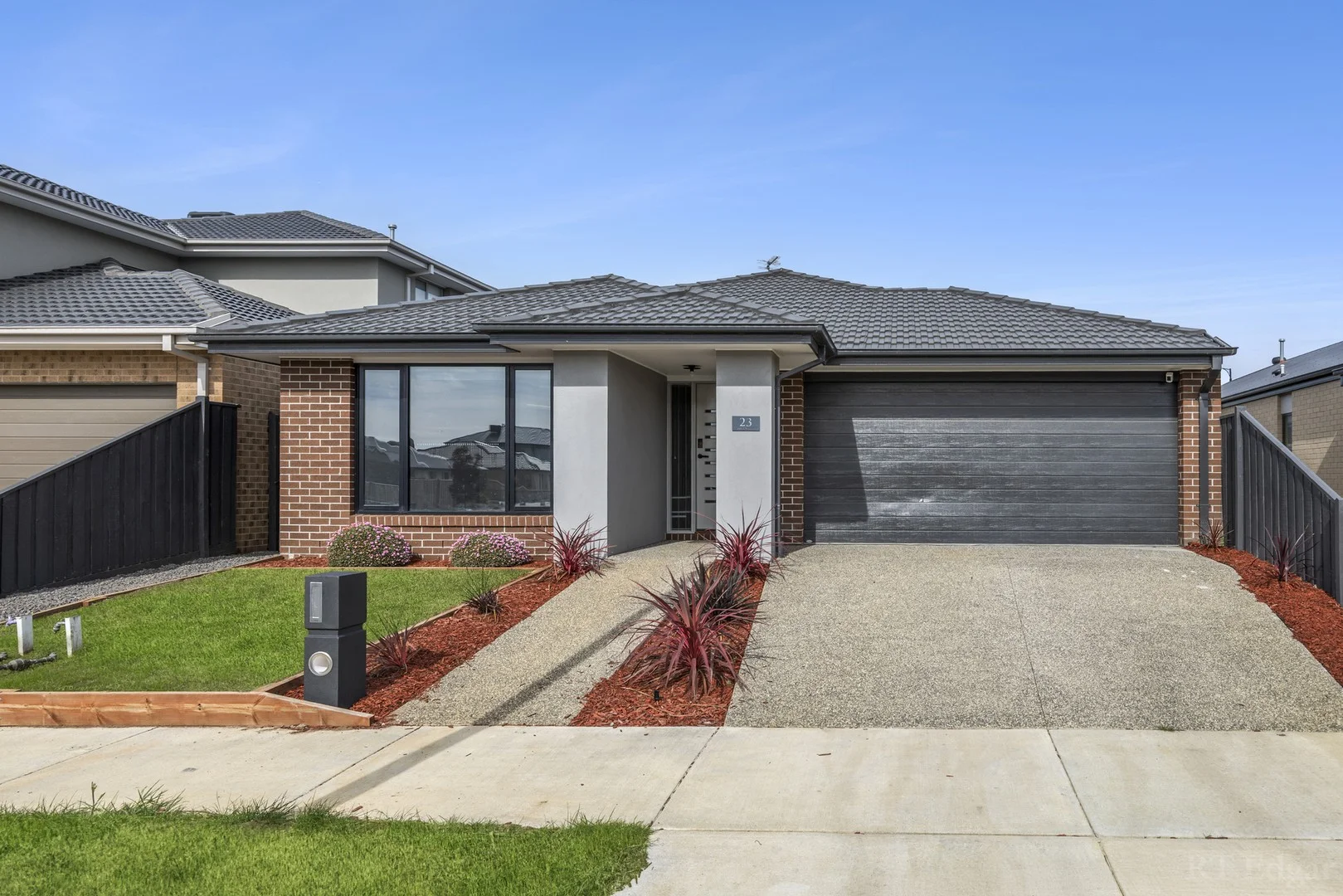 $599,000 - $658,900
House
$599,000 - $658,900
House
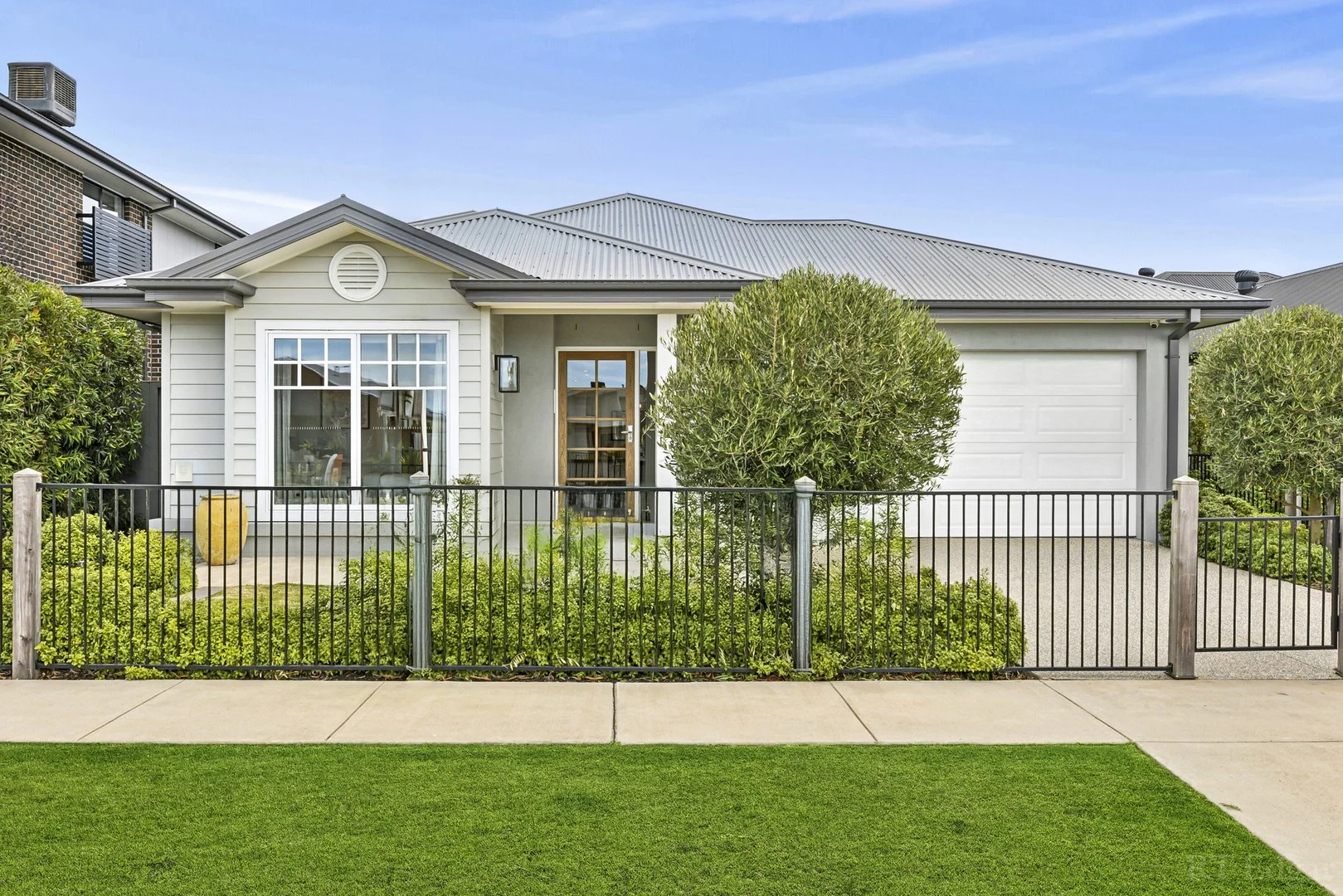 $877,800 - $965,580
House
$877,800 - $965,580
House
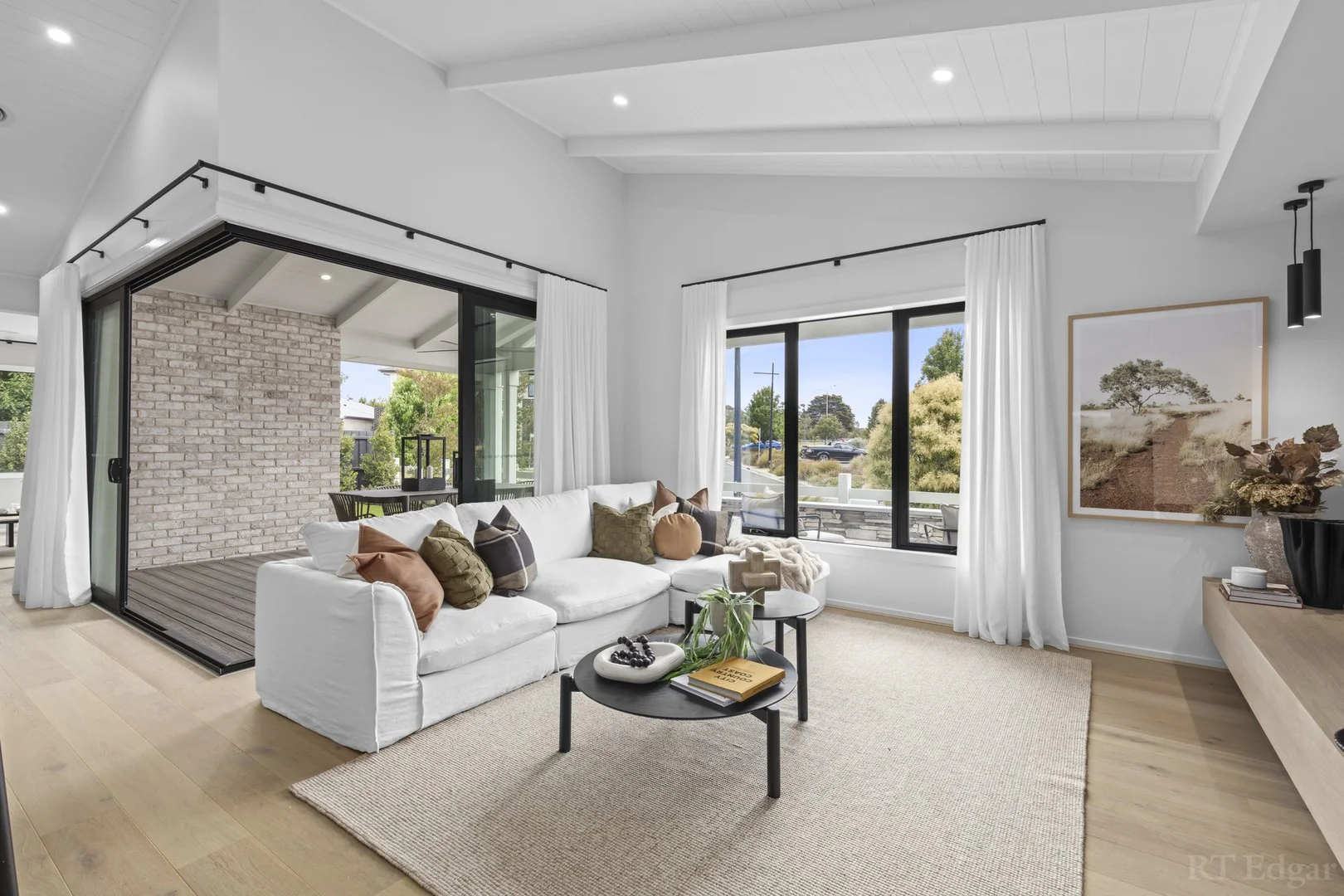 $1,022,295 - $1,124,524
House
$1,022,295 - $1,124,524
House
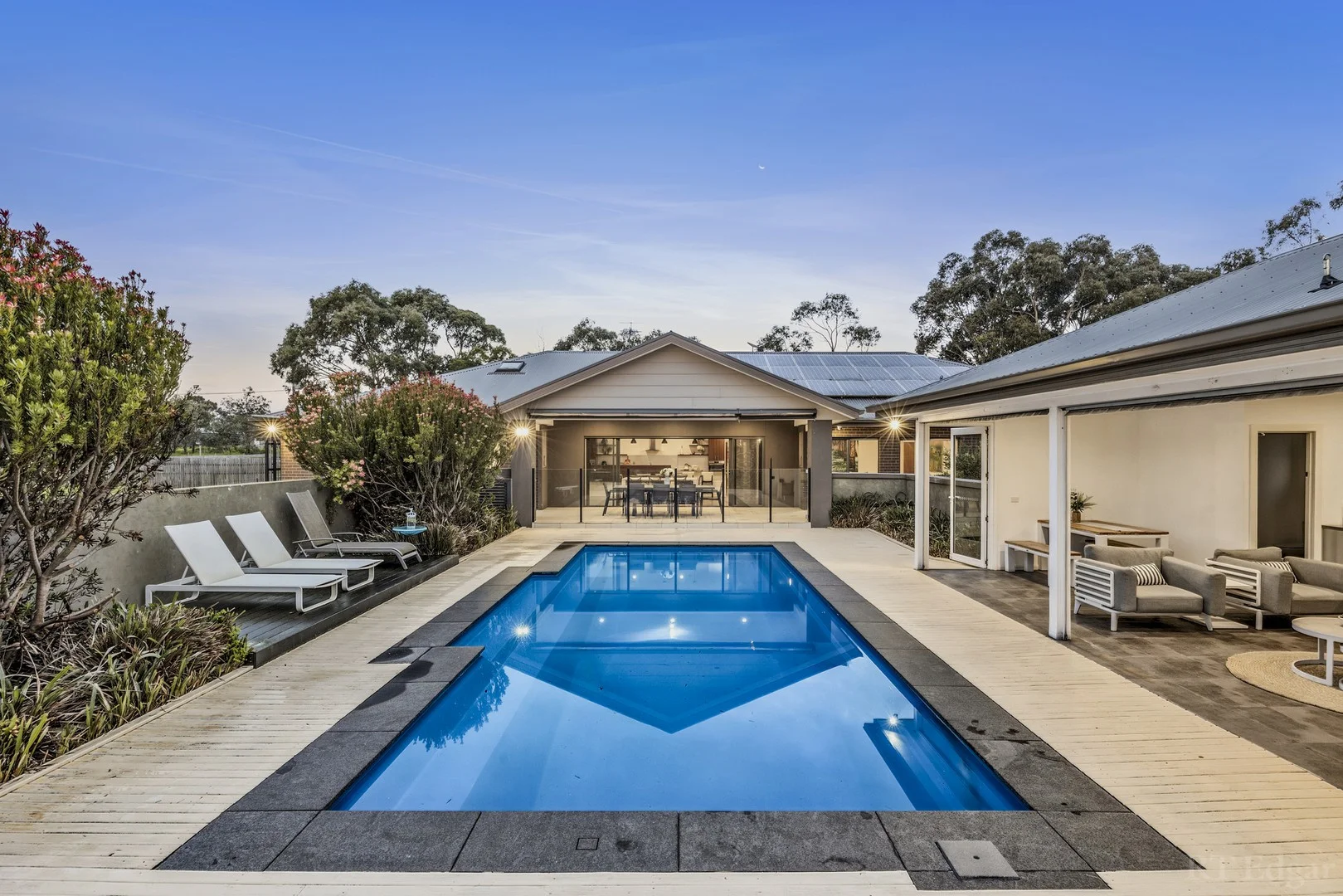 $3,006,750 - $3,307,425
House
$3,006,750 - $3,307,425
House
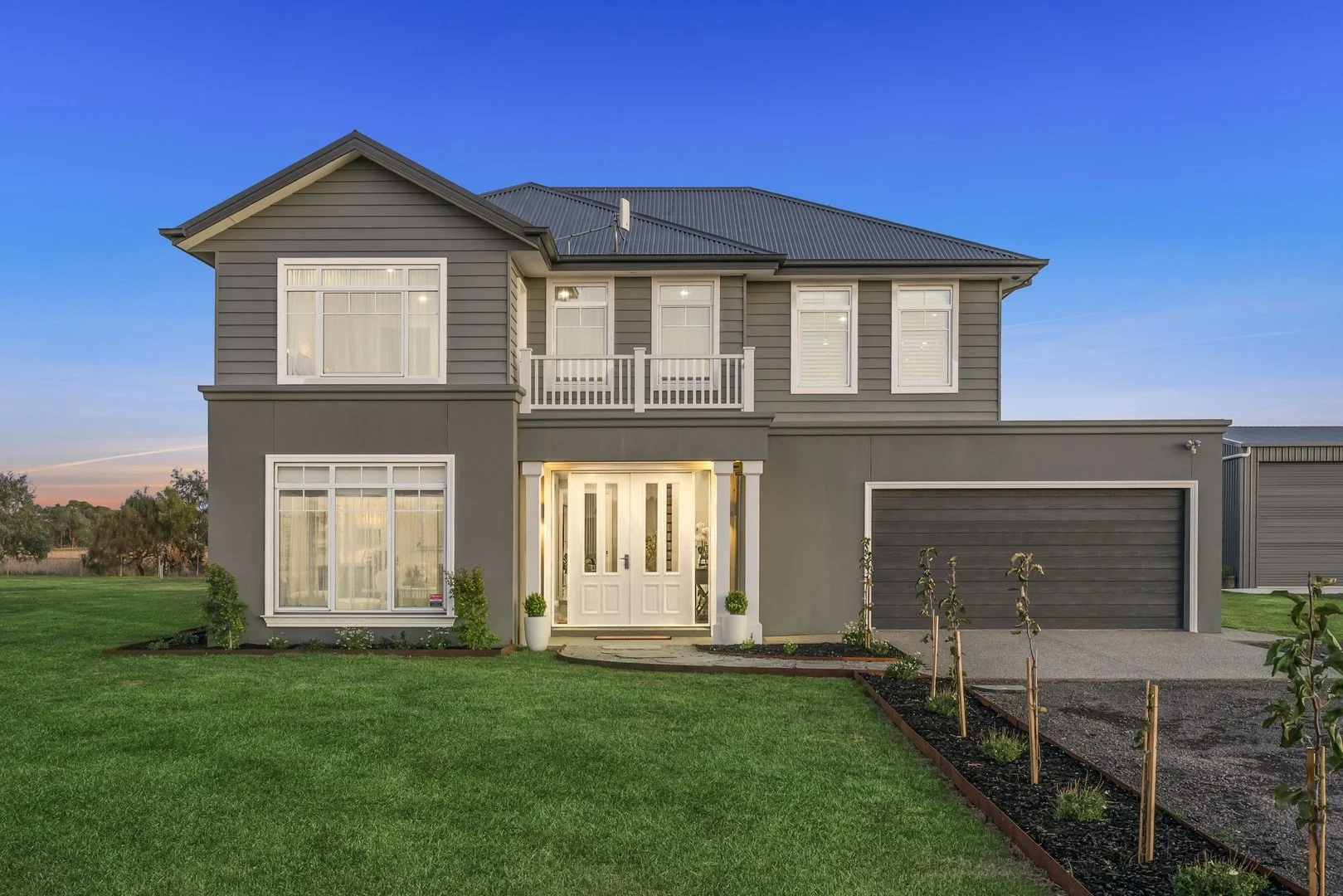 $2,150,000 - $2,350,000
propertyType.ACREAGE / SEMI-RURAL
$2,150,000 - $2,350,000
propertyType.ACREAGE / SEMI-RURAL
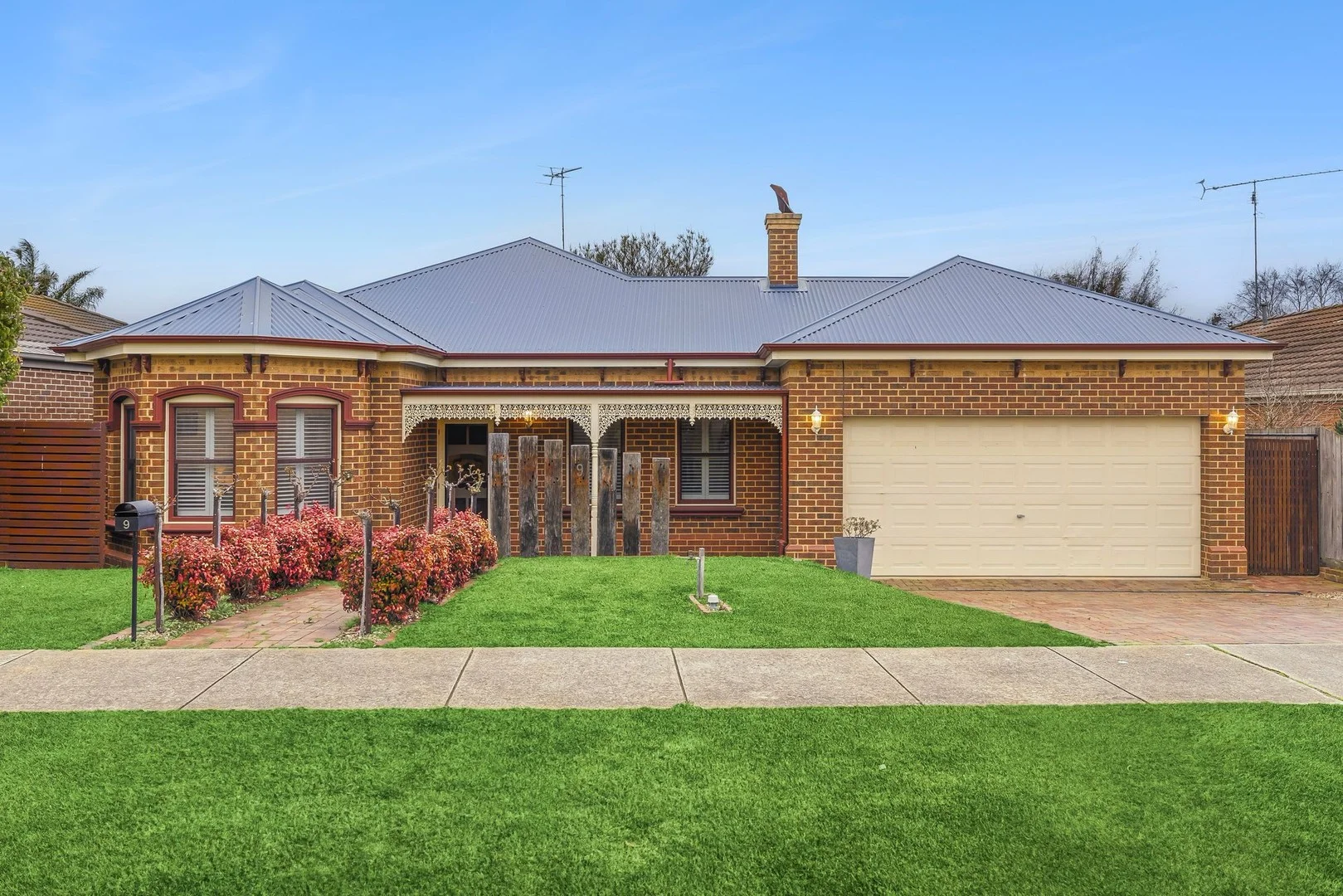 $830,000 - $890,000
House
$830,000 - $890,000
House
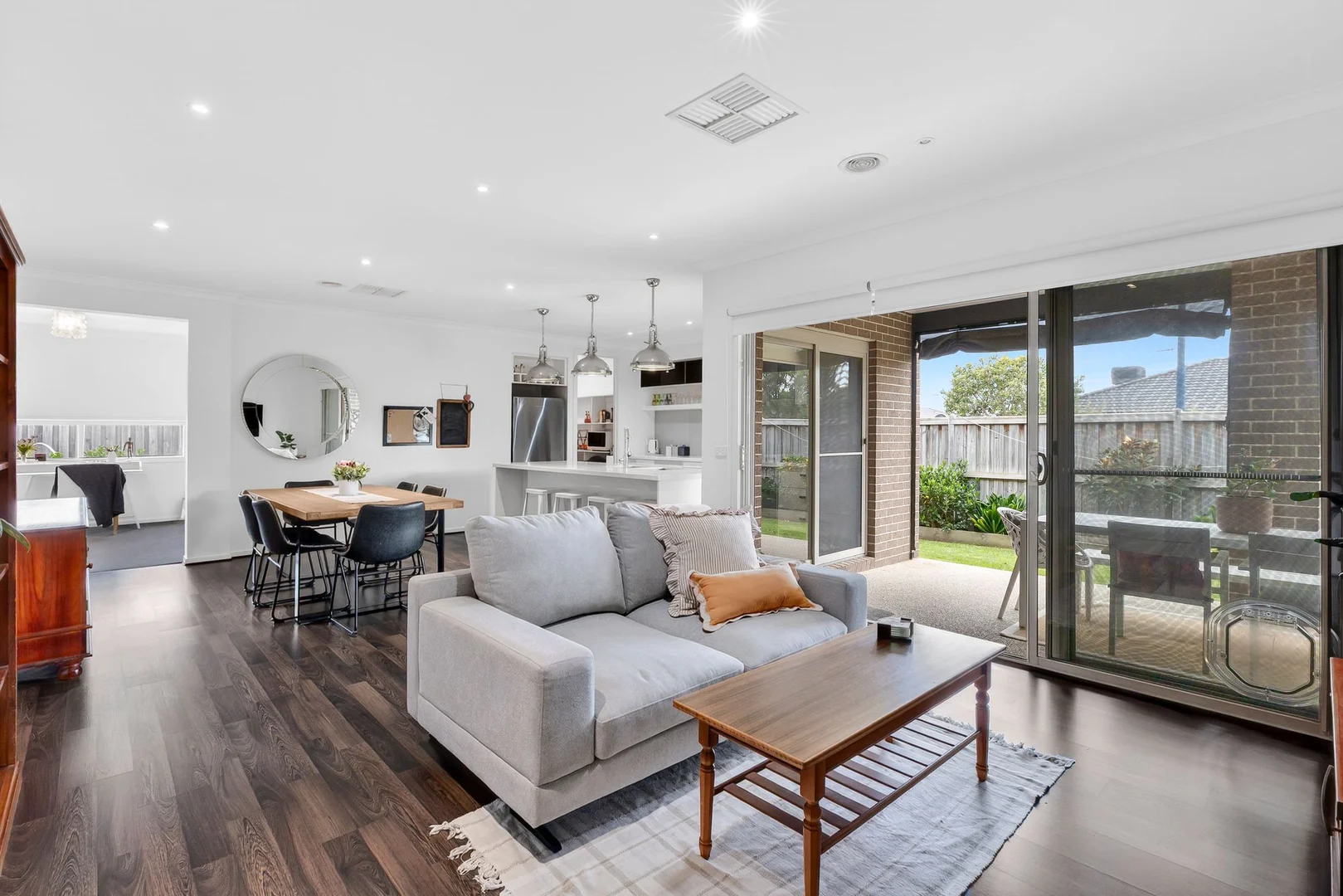 $840,000 - $880,000
House
$840,000 - $880,000
House
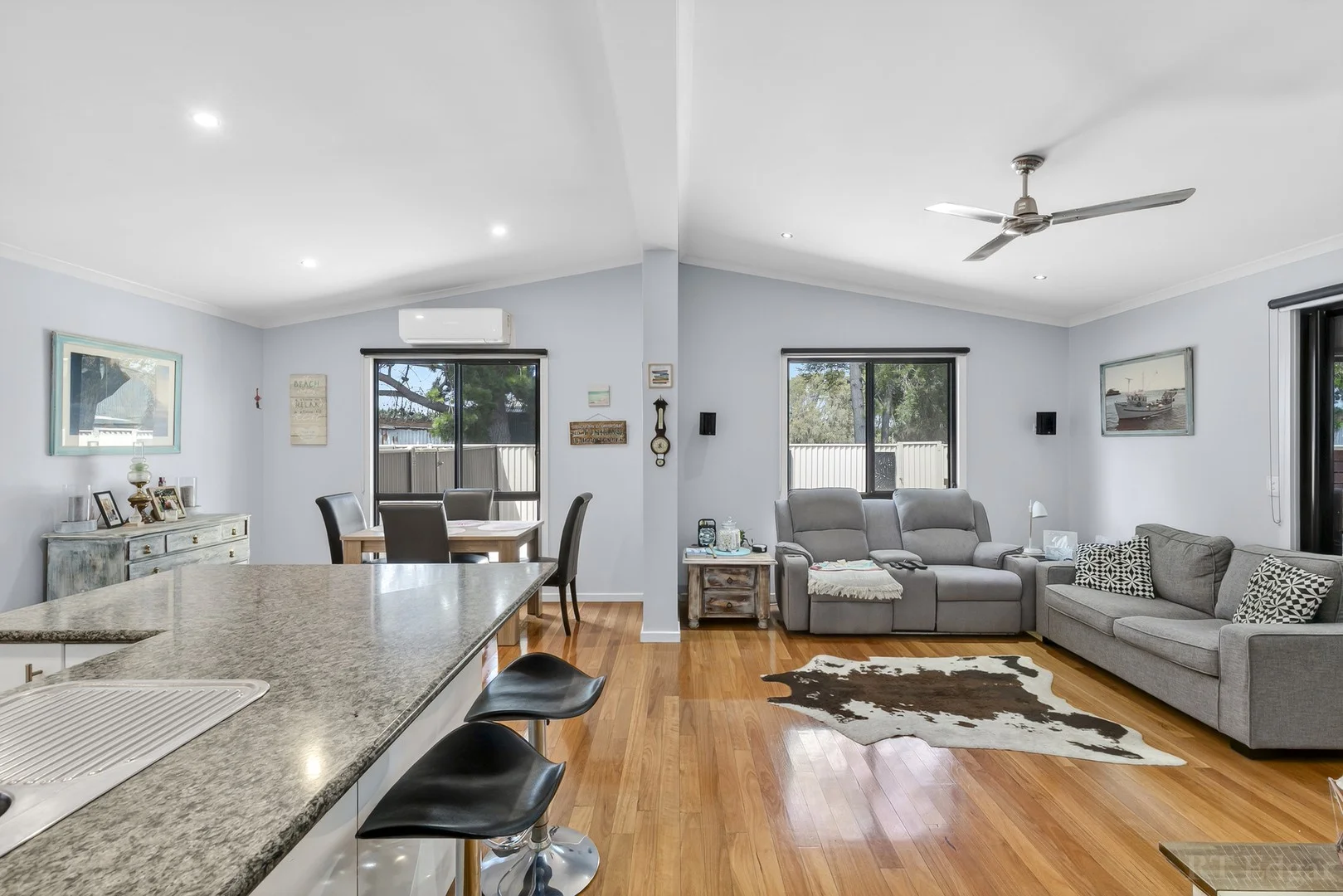 $538,175 - $591,992
Apartment / Unit / Flat
$538,175 - $591,992
Apartment / Unit / Flat
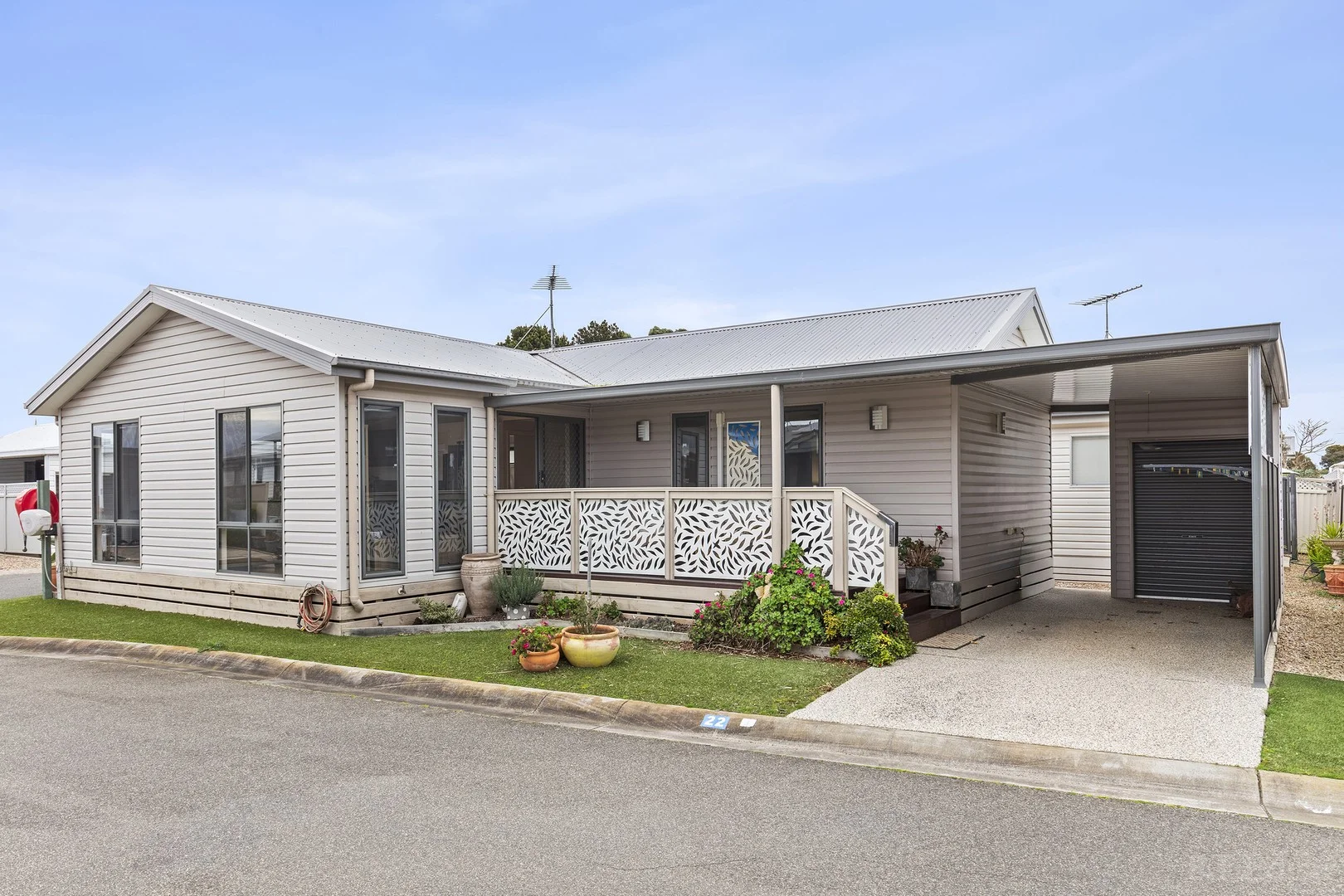 $428,450 - $471,295
House
$428,450 - $471,295
House


