## 1. Overview
Penrhos College is an independent Catholic day school for girls in Como, Western Australia, offering Kindergarten to Year 12. The College combines a values‑driven, faith‑based ethos with a comprehensive, academically focused program and extensive co‑curricular opportunities.
- School type: Independent Catholic girls’ school
- School size: Large
- Class size: Typically around 20–25 students in primary and around 20–23 in secondary
- Atmosphere/culture: Nurturing, academically focused, inclusive
## 2. Academics & Learning
- Academic strengths: Strong English and mathematics foundations, robust STEM and sciences, languages, and leadership development embedded in the curriculum.
- Special programs: Gifted and Talented programs, accelerated learning options, ATAR preparation pathways, and English as an Additional Language (EAL) support where needed.
- NAPLAN / trends: Consistently strong performance with positive trends in reading, writing and numeracy over recent years, reflecting strong student progress and school support.
- Student-teacher ratios: Favorable ratios, typically around 1:12–1:18 depending on year level, allowing for substantial teacher attention.
- Support for diverse learners: EAL support, learning support plans, SEN provision, and inclusive practices to accommodate diverse learning needs.
## 3. Sports & Extracurricular Strengths
- Sports offered: A broad range of team and individual sports, including netball, basketball, tennis, hockey, swimming, athletics, cricket, and soccer.
- Strong teams or achievements: Competitive interschool programs with successful teams across various sports and age groups.
- Music, arts, drama programs: Active performing arts scene with ensembles, choirs, drama productions, and regular concerts.
- Clubs: Robotics, coding, chess, debating, public speaking, science and maths clubs, and other interest groups.
- Partnerships: Participation in regional and interschool competitions and collaborations with local arts and sports organizations for competitions and showcases.
## 4. Wellbeing & Pastoral Care
- Anti-bullying approach: Clear anti-bullying policies, promote respectful behaviour, and digital citizenship education.
- House system: House structure to foster belonging, teamwork, leadership opportunities, and healthy competition.
- Counsellors / wellbeing officers: Access to dedicated counsellors and wellbeing staff to support student mental health and resilience.
- Transition support for new students: Structured orientation programs, buddy systems, and personalised transition plans for new students.
## 5. Facilities
- Sports grounds: Extensive sports facilities and grounds to support a wide range of activities.
- Libraries: Well‑resourced libraries with spaces for study, collaboration, and quiet reading.
- Science labs: Modern science laboratories for hands‑on experiments and investigations.
- Music/performing arts centers: Dedicated spaces for music, drama, and performances.
- Tech/innovation labs: Modern laboratories and spaces for technology, design and innovation.
- Cafeteria: On-site dining facilities offering healthy meal options.
- Updated playgrounds: Safe, modern outdoor play and recreation spaces for students.
## 6. School Values & Community Culture
- School values / mission: Faith‑informed education grounded in Catholic values such as service, compassion, integrity, and respect.
- Leadership style: Student‑centred and collaborative leadership with opportunities for student voice and leadership roles.
- Behaviour expectations: Clear code of conduct emphasizing respect, responsibility, resilience and community-minded behaviour.
- Community reputation: Strong family and school community reputation with emphasis on inclusivity and service.
- Diversity & inclusion: Committed to diversity and inclusion, with support for international students and a welcoming environment for all backgrounds.
## 7. School Logistics & Daily Operations
- School hours: Typical day runs roughly 8:00 am–3:00 pm, with assemblies and enrichment activities integrated into the timetable.
- Before/after school care: Available options for before and after school care.
- Uniform requirements: Formal school uniform with seasonal variations; sport uniform for physical activity days.
- Transport: Access to bus routes and public transport options; clear arrangements for student drop-off and pick-up.
- Canteen availability: On-site canteen offering a range of meals and snacks.
- Fees: Fee structure generally falls in the medium–high range for private WA schools; exact figures available on enquiry.
## 8. Enrolment & Admissions
11. What is the enrolment process and timeline?
- Parents typically submit an application, provide supporting documentation (academic records, references), and participate in an interview or information session. The timeline varies by year, with offers issued after assessment and interview, and a deposit required to secure enrolment.
12. Is there a waiting list, and how does it work?
- Demand can be high; there is often a waiting list. Placement on the list depends on criteria such as year level, availability, and, in some cases, sibling priority or other school policies. Applicants are kept informed about their status.
13. Are there any entry requirements, tests, or interviews?
- Entry usually involves an interview and may include a review of academic records. There may be year‑level or skill assessments as part of the process, and additional considerations for international or scholarship applicants.
14. Does the school accept mid-year transfers?
- Mid-year transfers are considered subject to space and alignment with the current curriculum and timetable. Prospective mid-year applicants should contact Admissions to discuss availability and process.
## 9. Frequently Asked Questions
- Why Parents Choose This School?
- A values‑driven, academically rigorous environment with strong pastoral care, diverse programs, and a supportive community.
- What type of student thrives at this school?
- Motivated girls who welcome a faith‑informed education, value high‑quality teaching, and enjoy a broad range of academic, artistic, and sporting opportunities.
- What opportunities are available for students to extend their skills (academics, sports, arts)?
- Accelerated or gifted programs, ATAR pathway courses, leadership opportunities, advanced arts and music programs, sport and club participation, and competitions.
- How does the school communicate with parents?
- Regular reports, parent portals, newsletters, meetings with teachers, and timely communications from counsellors and administration.
- What is the school’s approach to teaching and learning?
- A combination of rigorous curriculum, differentiated instruction, and support services to meet diverse learning needs, with a focus on critical thinking and resilience.
- How does the school support students who need extra academic help?
- Learning support plans, targeted interventions, EAL services, and access to specialist staff within a collaborative school framework.
- What support is available for academic challenges?
- Early identification, tutoring options, mentorship, and coordinated support from teachers and learning support staff.
- How does the school communicate with parents? (Note: covered above, but reiterated for emphasis)
- Through ongoing updates, parent portals, and direct communication channels with teachers and leadership.
- What are the class sizes and how much individual attention do students receive?
- Class sizes are designed to be manageable, with teacher ratios typically around 1:12–1:18 in many year levels, enabling individualized attention and timely feedback.
- What extracurricular and sports opportunities are available?
- A wide range of sports, music and performing arts, clubs (robotics, coding, chess, debating), and competitive interschool activities.
- What facilities does the school offer (sports, science, arts)?
- Comprehensive facilities including sports grounds, libraries, science labs, music/performing arts centers, tech/innovation labs, and on‑site canteen.
- What is the school’s approach to technology and digital learning?
- Integrated digital learning, access to up‑to‑date technology in classrooms, and programs to build digital literacy and responsible use.
- What transport and accessibility options are available?
- Bus routes and public transport options are available, with practical drop-off/pick-up arrangements and accessibility considerations.
- What are the typical school fees or additional costs?
- Fees are in the private school range for WA; families should contact Admissions for a current fee schedule and any ancillary costs (uniforms, trips, activities).
## 10. Short Pros & Cons list
Pros
- Independent Catholic environment with a values‑driven culture
- Broad range of academic, arts, and sports programs
- Strong pastoral care, wellbeing support, and transition guidance
- Positive student–teacher ratios with opportunities for personalised attention
- Wide variety of co‑curricular clubs and competitive opportunities
Cons
- Higher fees typical of private schooling
- Large school size may mean busier campus life and bustling common areas
- Travel or commute considerations for families living farther away
- High demand can mean a waiting list for certain year levels
If you’d like, I can tailor this content further with more precise figures or real-time admission details once you provide the latest numbers from Penrhos College or their admissions office.











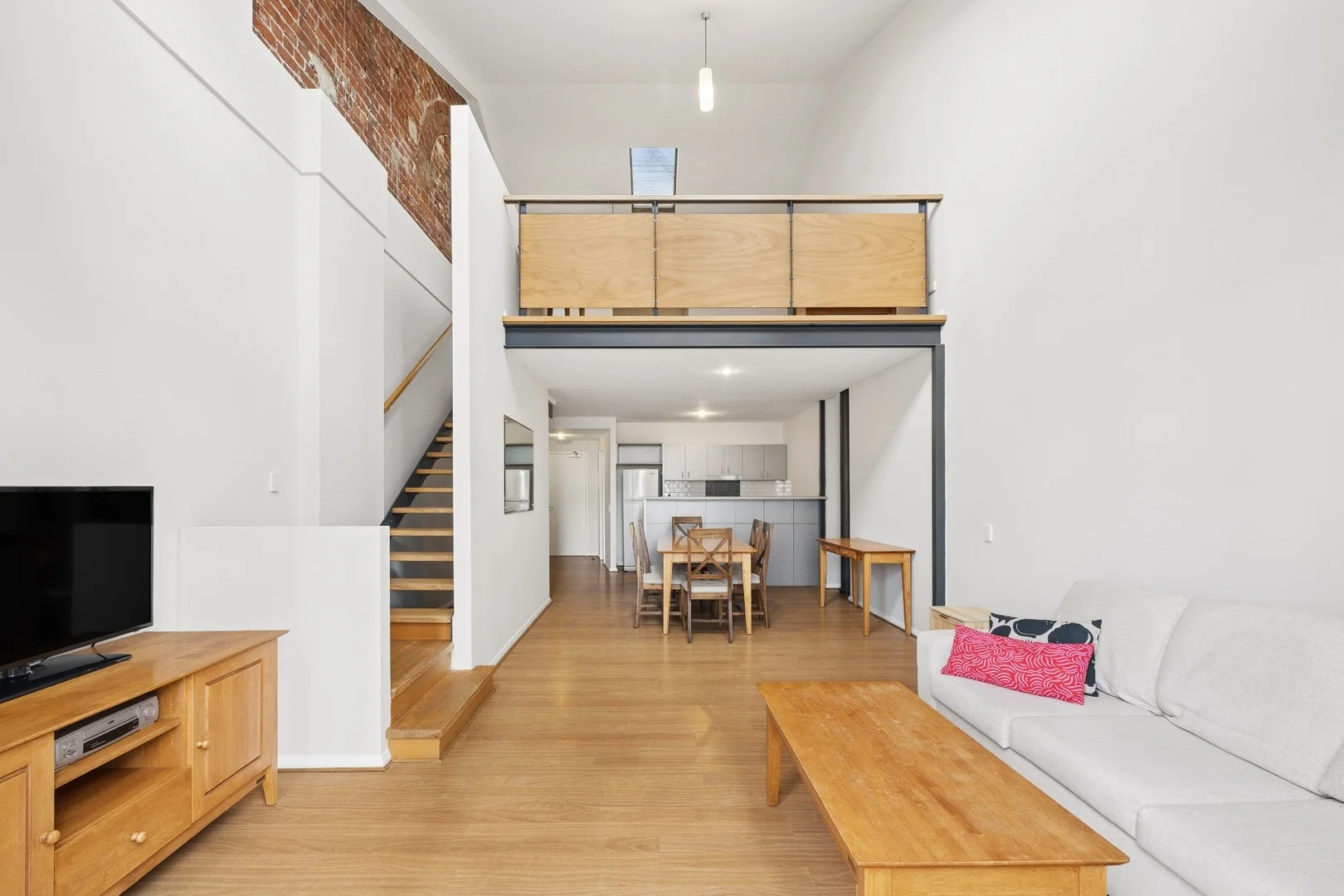 $549,000
Apartment / Unit / Flat
$549,000
Apartment / Unit / Flat
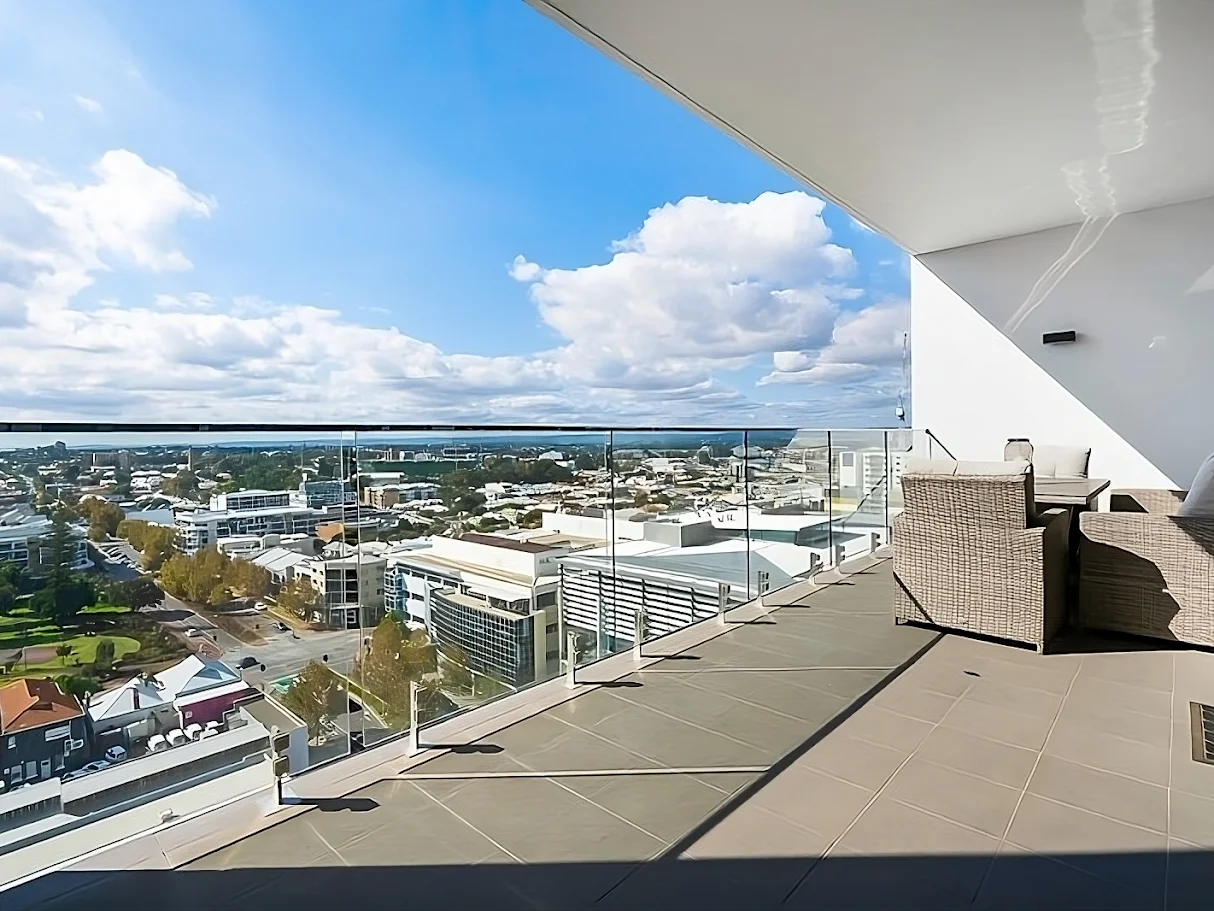 $580,000
Apartment / Unit / Flat
$580,000
Apartment / Unit / Flat
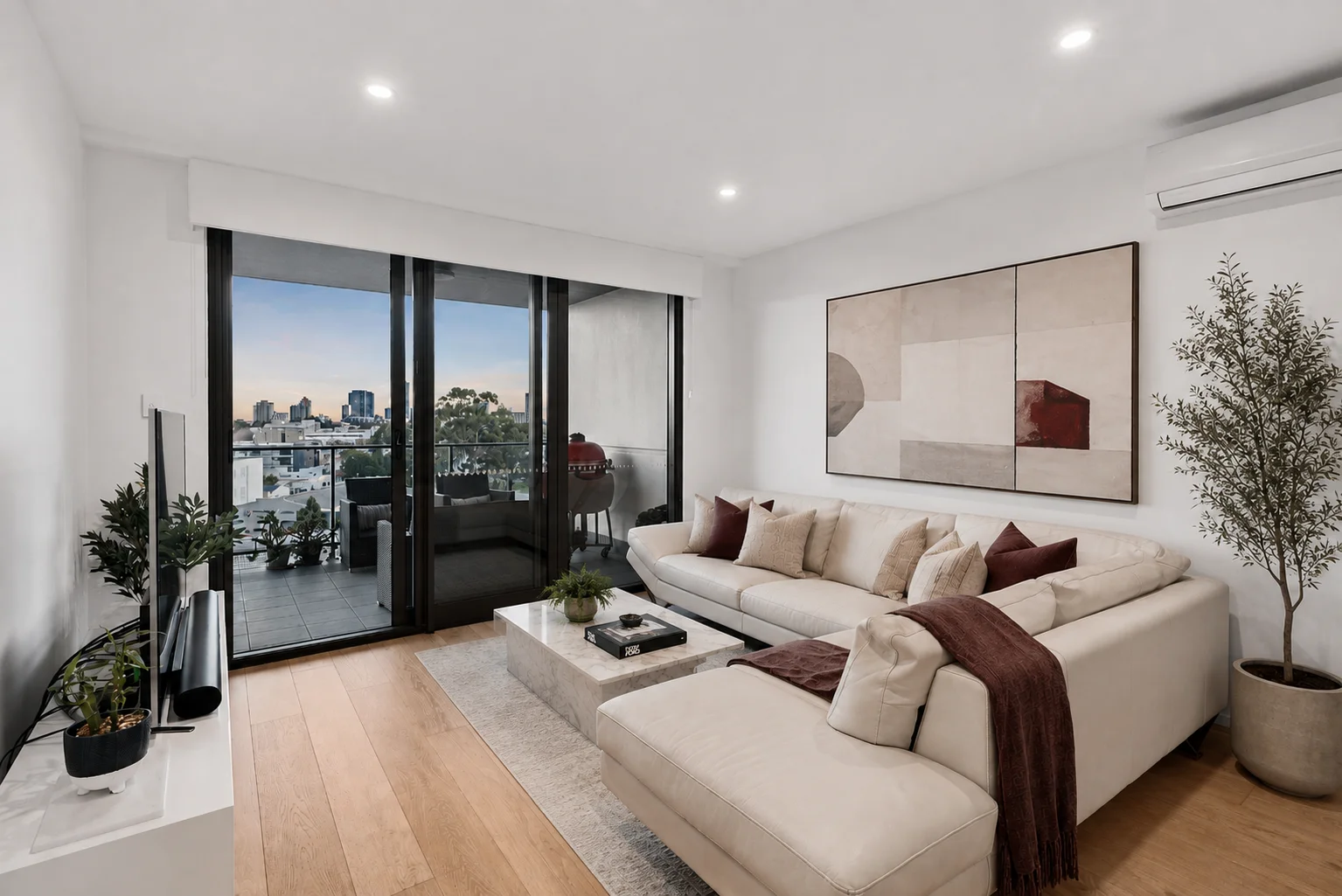 $700,000
Apartment / Unit / Flat
$700,000
Apartment / Unit / Flat


