1. Overview
- School type: Public (government) primary school serving the Mount Duneed community.
- School size: Medium
- Class size: Typically around 20–25 students per class
- Atmosphere/culture: Inclusive, nurturing and community-focused with a strong emphasis on student wellbeing and shared learning
2. Academics & Learning
- Academic strengths: English and mathematics underpin everyday learning, with opportunities to develop in science, ICT and literacy across the curriculum; emphasis on reading, writing and critical thinking.
- Special programs: Gifted and talented options and accelerated learning pathways; support for students who may need EAL or additional literacy/numeracy assistance.
- NAPLAN / trends: Public trends are published through official channels; schools commonly show year-by-year improvement or stability in literacy and numeracy; detailed trend data can be reviewed via the Department of Education resources.
- Student-teacher ratios: Generally within the mid-teens to low twenties per classroom, enabling meaningful teacher-student interaction.
- Support for diverse learners: Strong inclusion focus with EAL support and targeted SEN assistance to ensure access to curriculum for all students.
3. Sports & Extracurricular Strengths
- Sports offered: A range of team and individual sports typical for the region (e.g., athletics, soccer/netball, cricket, football, basketball) with opportunities to participate in interschool events.
- Strong teams or achievements: Participation in regional and interschool competitions; success varies by year and cohort.
- Music, arts, drama programs: School-based music and performing arts experiences, with opportunities to showcase talent in assemblies and productions.
- Clubs: Robotics, coding, chess, debating, and other STEM/creative clubs commonly available to enriching student learning.
- Partnerships: Engagement with local community groups and regional competitions or showcases to extend learning beyond the classroom.
4. Wellbeing & Pastoral Care
- Anti-bullying approach: Proactive, whole-school wellbeing framework with clear anti-bullying policies and student support.
- House system: House groups used to foster belonging, collaboration and friendly competition.
- Counsellors / wellbeing officers: Access to school wellbeing staff to support social-emotional needs and transitions.
- Transition support for new students: Structured orientation, buddy programs and gradual onboarding to help new students settle in.
5. Facilities
- Sports grounds: On-site fields/courts suitable for a range of physical activities.
- Libraries: Dedicated library space to support reading and research.
- Science labs: Science facilities to enable practical investigations.
- Music/performing arts centers: Spaces for music and drama activities and performances.
- Tech/innovation labs: ICT-enabled spaces to support coding, robotics and digital learning.
- Cafeteria: On-site canteen provision supporting healthy eating options.
- Updated playgrounds: Well-equipped outdoor play and learning areas.
6. School Values & Community Culture
- School values / mission: Focus on respect, responsibility, resilience and learning for all; emphasis on inclusive community and high expectations.
- Leadership style: Collaborative and student-centered, with opportunities for student voice and leadership through school programs.
- Behaviour expectations: Clear codes of conduct aligned with school values; consistent routines, positive reinforcement and restorative approaches.
- Community reputation: Known for welcoming families, a supportive atmosphere and involvement in local school community events.
- Diversity & inclusion: Commitment to welcoming students from diverse backgrounds and providing equitable opportunities for participation.
7. School Logistics & Daily Operations
- School hours: Typical daytime schedule with start and finish times consistent with regional primary school norms; day includes a lunch break.
- Before/after school care: Availability of after-school care and enrichment options through approved providers.
- Uniform requirements: School uniform standard expected as part of daily dress code.
- Transport (bus routes): Local transport options and school drop-off/pick-up arrangements as available through regional services.
- Canteen availability: Canteen or lunch program to support student nutrition during the day.
- Fees (low/medium/high ranges): Public primary schools generally have modest fees for activities and camps; check current DET guidance and school communications for exact figures.
8. Enrolment & Admissions
11. What is the enrolment process and timeline?
- Enrolment is typically initiated through the school in line with Department of Education Victoria guidelines. Families submit the required documentation (proof of identity, address, immunisation records, and any necessary custodial or medical information). Timelines vary by intake period and space availability; contact the school for the current intake schedule and expected timelines.
12. Is there a waiting list, and how does it work?
- If the school is at capacity, a waiting list may operate. Priority is often given by catchment considerations, choices for boundary access, and availability of spaces. The waiting list is managed by the school in accordance with DET policies and communicated updates.
13. Are there any entry requirements, tests, or interviews?
- Most public primary enrolments do not require entrance tests. Some schools may request information sessions or brief discussions to understand student needs, but formal testing is uncommon at this level. Immunisation records and proof of address are typically required.
14. Does the school accept mid-year transfers?
- Mid-year transfers are possible if there is space and suitability within the grade level. Parents should contact the school as early as possible to discuss availability, required documentation, and transitional arrangements.
9. Frequently Ask Questions
- “Why Parents Choose This School?”
- A welcoming, inclusive community with a focus on academic growth, wellbeing and opportunity for involvement in many school activities.
- “What type of student thrives at this school?”
- Students who engage with a supportive learning environment, participate in a range of academic and extracurricular activities, and value belonging and collaboration typically thrive here.
- “What opportunities are available for students to extend their skills (academics, sports, arts)?”
- Access to STEM/coding clubs, robotics, debating, music and performing arts, sports teams, and leadership opportunities through student programs.
- “How does the school communicate with parents?”
- Regular updates through newsletters, emails, and meetings; open channels for parent inquiries and involvement in school council or committees.
- “What is the school’s approach to teaching and learning?”
- Student-centered learning with a focus on literacy and numeracy foundations, inquiry-based activities, and inclusive practices to meet diverse needs.
- “How does the school support students who need extra academic help?”
- Targeted literacy/numeracy support, EAL assistance, and accommodation of SEN requirements through tailored learning plans.
- “What support is available for academic challenges?”
- Small-group or one-on-one support, differentiated tasks, and monitoring by teaching staff and wellbeing professionals.
- “How does the school communicate with parents?” (repeated)
- See above; ongoing, transparent communication is encouraged.
- “What are the class sizes and how much individual attention do students receive?”
- Class sizes are designed for manageable instruction; teachers provide regular individual or small-group attention within the classroom framework.
- “What extracurricular and sports opportunities are available?”
- A range of sports, music and arts, robotics/coding clubs, chess/debating and other enrichment activities aligned with student interests and seasons.
- “What facilities does the school offer (sports, science, arts)?”
- Sports grounds, library, science labs, music/performing arts spaces, technology/innovation labs, canteen, and updated outdoor play areas.
- “What is the school’s approach to technology and digital learning?”
- Integrated ICT across the curriculum with coding and digital literacy opportunities; emphasis on safe and responsible use of technology.
- “What transport and accessibility options are available?”
- Local transport options and guidance on school pickup/drop-off, along with accessibility considerations for families.
- “What are the typical school fees or additional costs?”
- Public primary schools have modest discretionary costs for activities and events; exact figures vary by year and program; check with the school for current fees.
10. Short Pros & Cons list
Pros
- Public, community-focused environment with inclusive practice
- Strong emphasis on literacy and numeracy with support for diverse learners
- Range of extracurriculars (sports, arts, clubs) to suit varied interests
- Welcoming transition support for new students and ongoing wellbeing programs
- Modern facilities across library, science, tech and performing arts spaces
Cons
- Enrolment capacity can affect mid-year transfer opportunities and waiting lists
- Specific program offerings and staffing levels may vary year to year
- Like many schools, exact class sizes and resource allocation depend on cohort and funding
Note: The above content is a draft designed to help parents understand what a Mount Duneed Regional Primary School page could cover. For precise, up-to-date details on enrolment processes, current programs, facilities, and staffing, please verify directly with the school or the Department of Education Victoria resources.




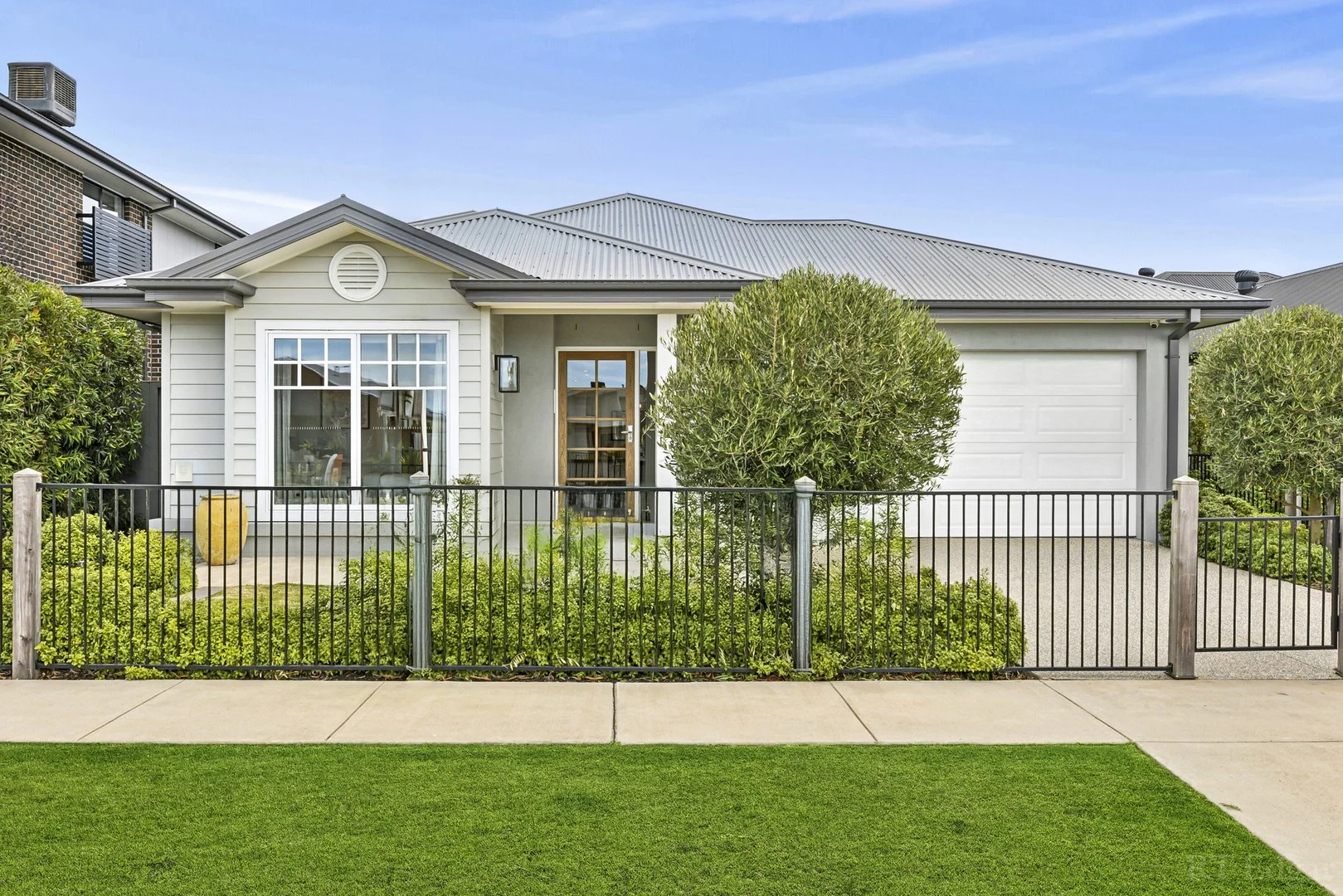 $877,800 - $965,580
House
$877,800 - $965,580
House
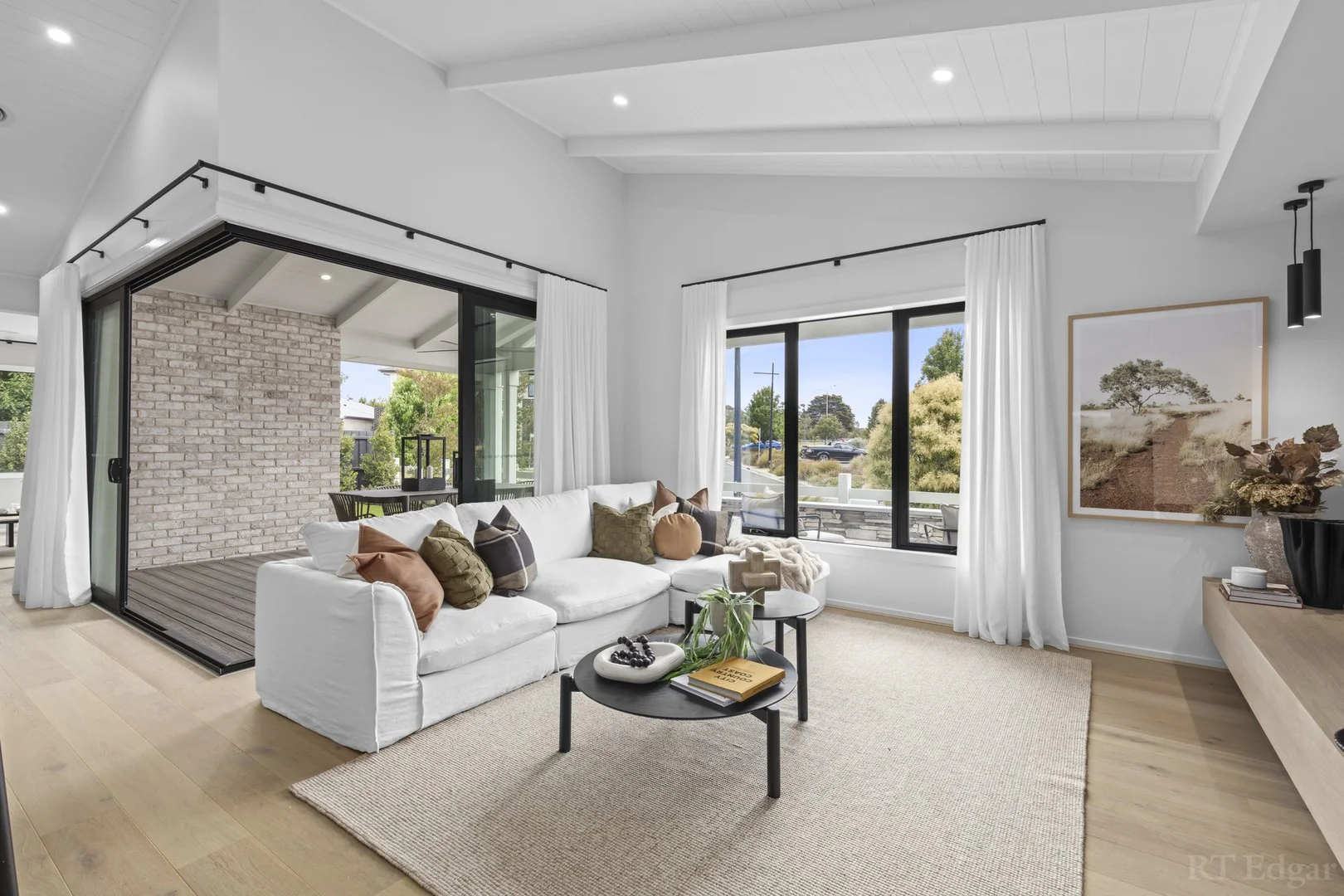 $1,022,295 - $1,124,524
House
$1,022,295 - $1,124,524
House
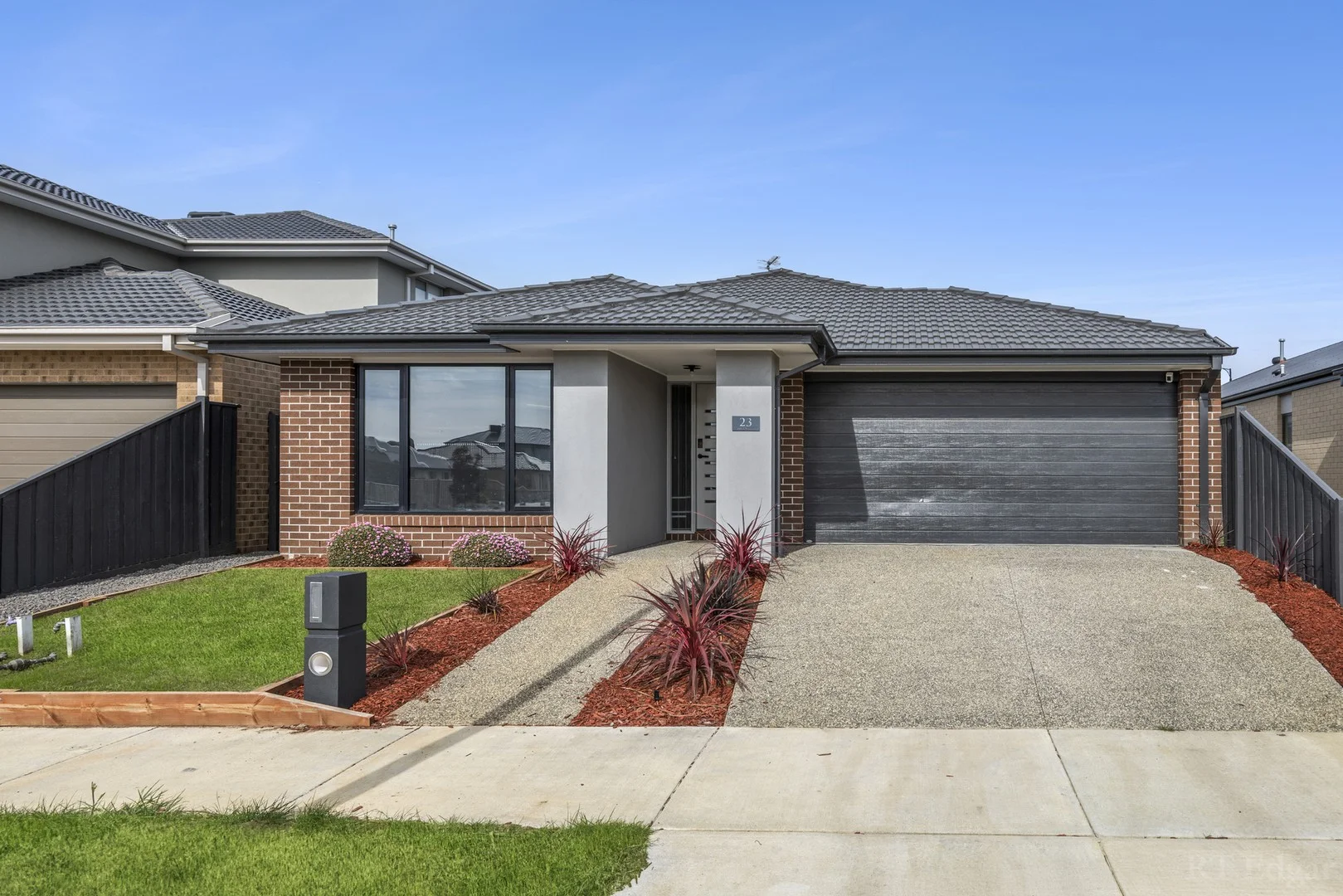 $599,000 - $658,900
House
$599,000 - $658,900
House
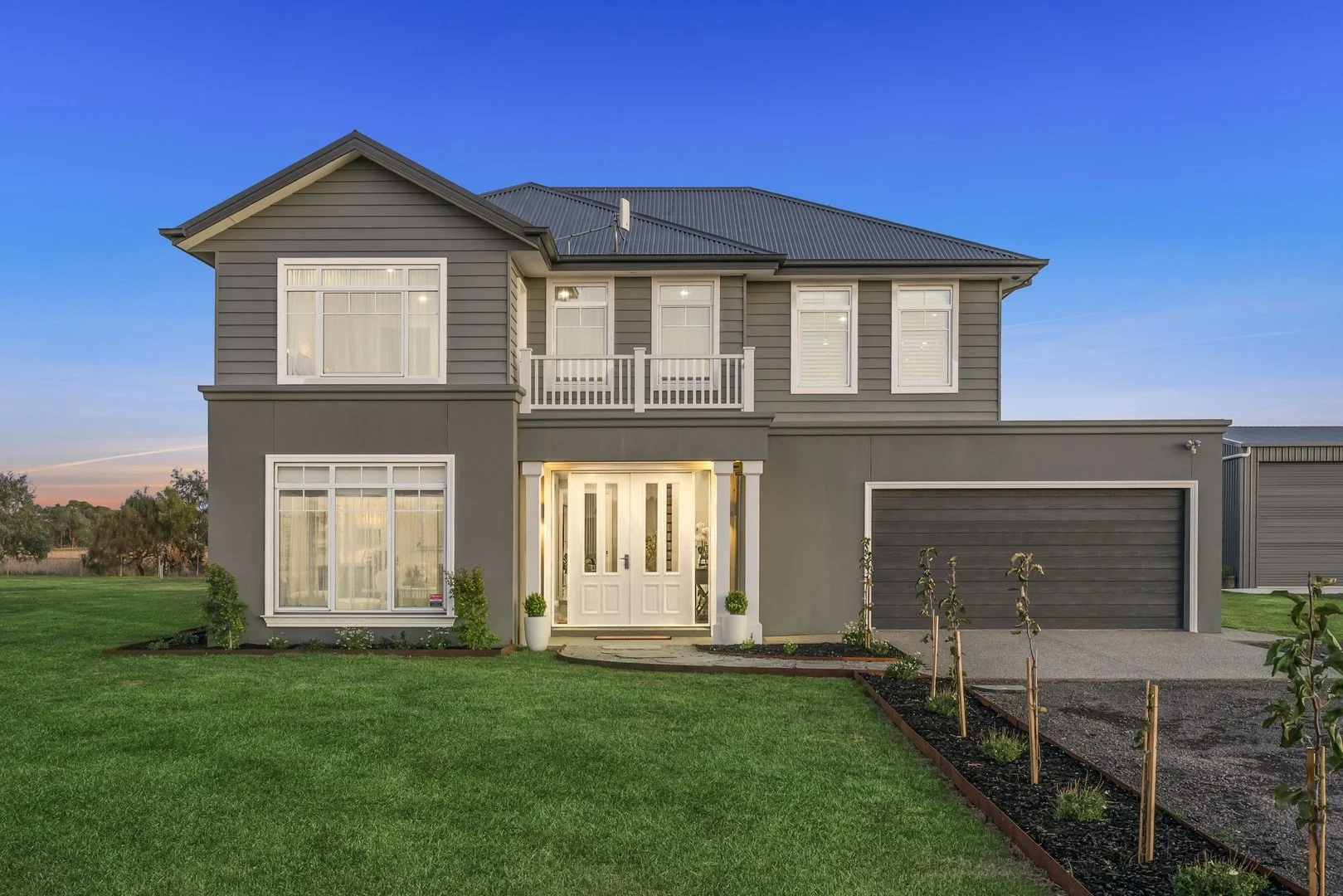 $2,150,000 - $2,350,000
propertyType.ACREAGE / SEMI-RURAL
$2,150,000 - $2,350,000
propertyType.ACREAGE / SEMI-RURAL
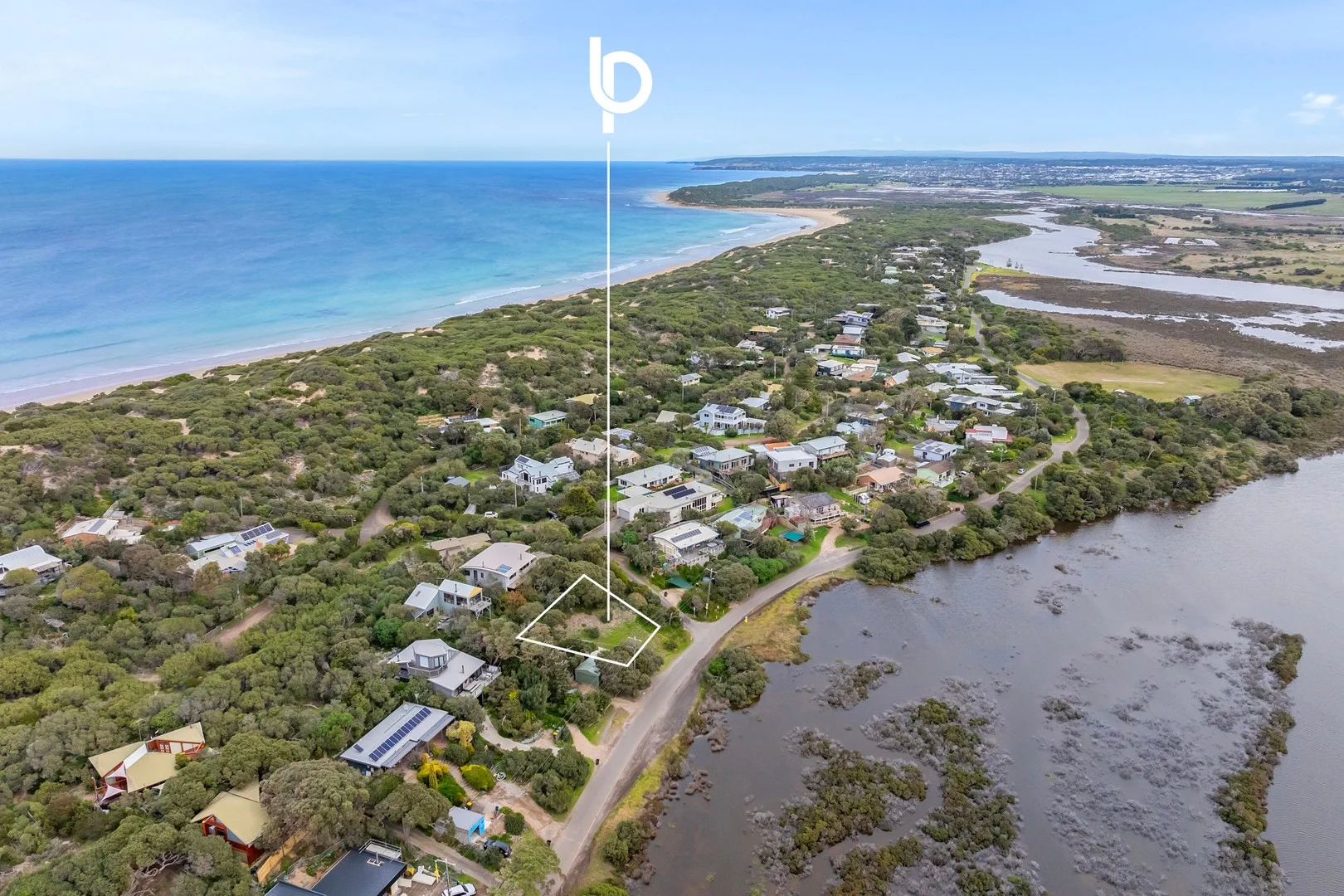 $880,000 - $950,000
Vacant Land
$880,000 - $950,000
Vacant Land
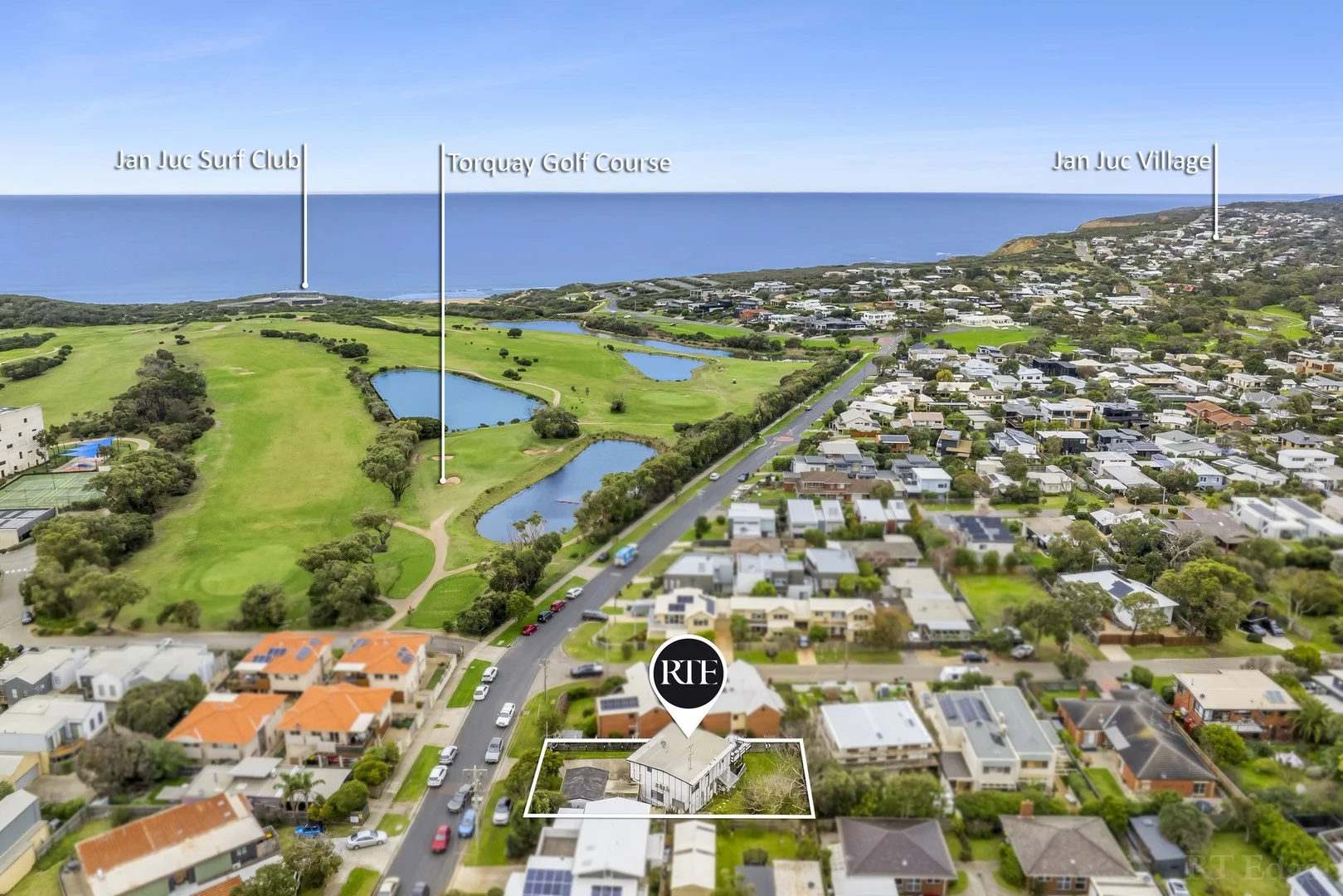 $862,125 - $948,338
House
$862,125 - $948,338
House
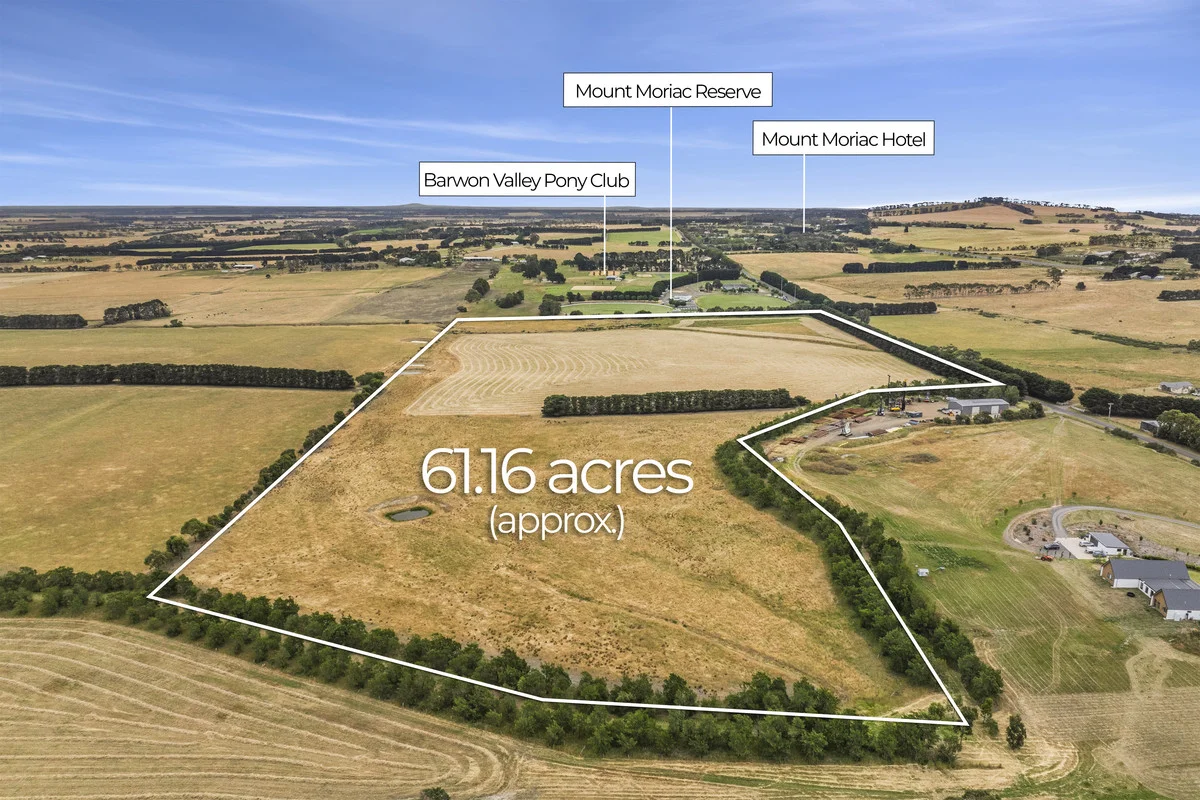 $2,100,000
propertyType.RURAL
$2,100,000
propertyType.RURAL
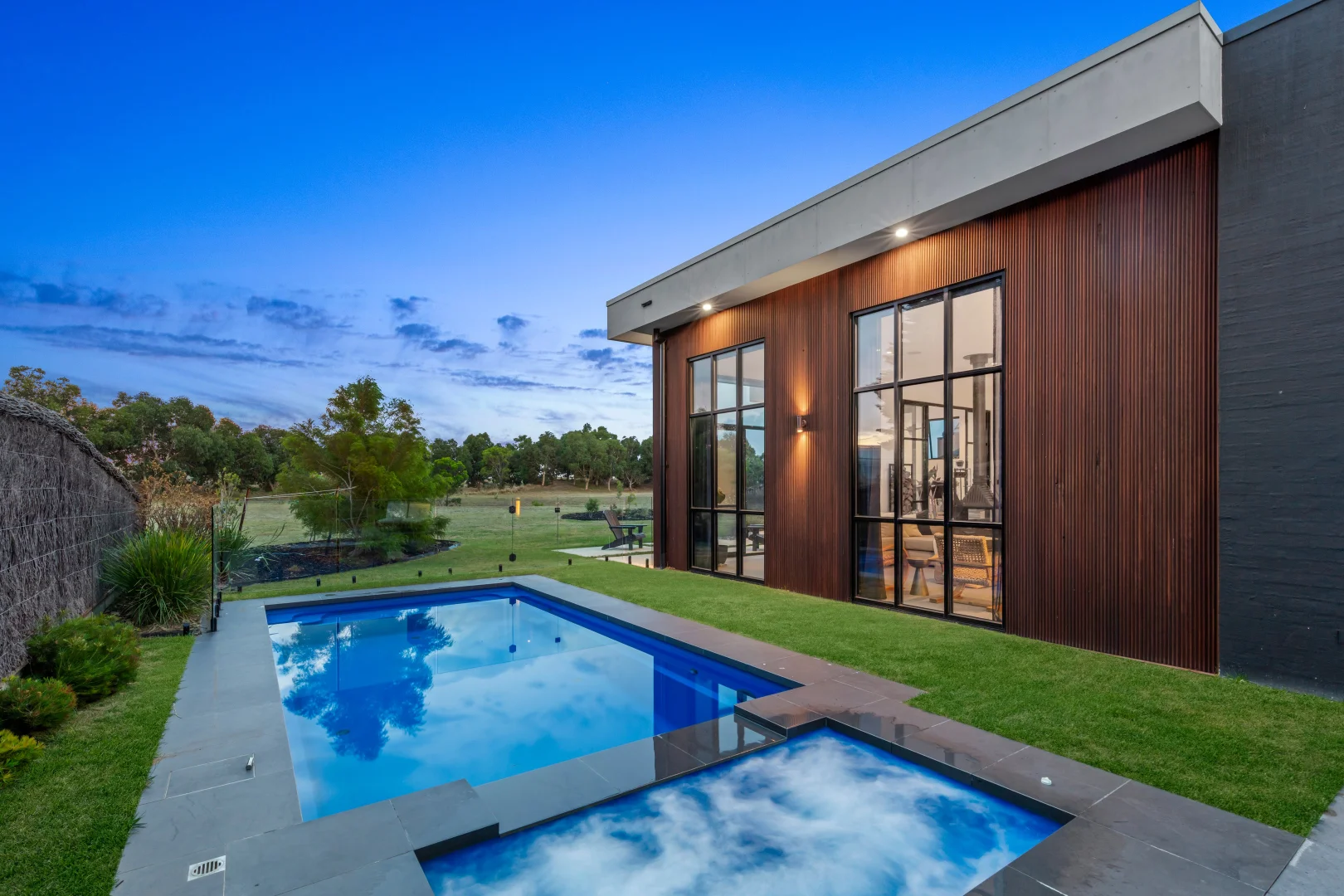 $2,950,000 - $3,200,000
House
$2,950,000 - $3,200,000
House
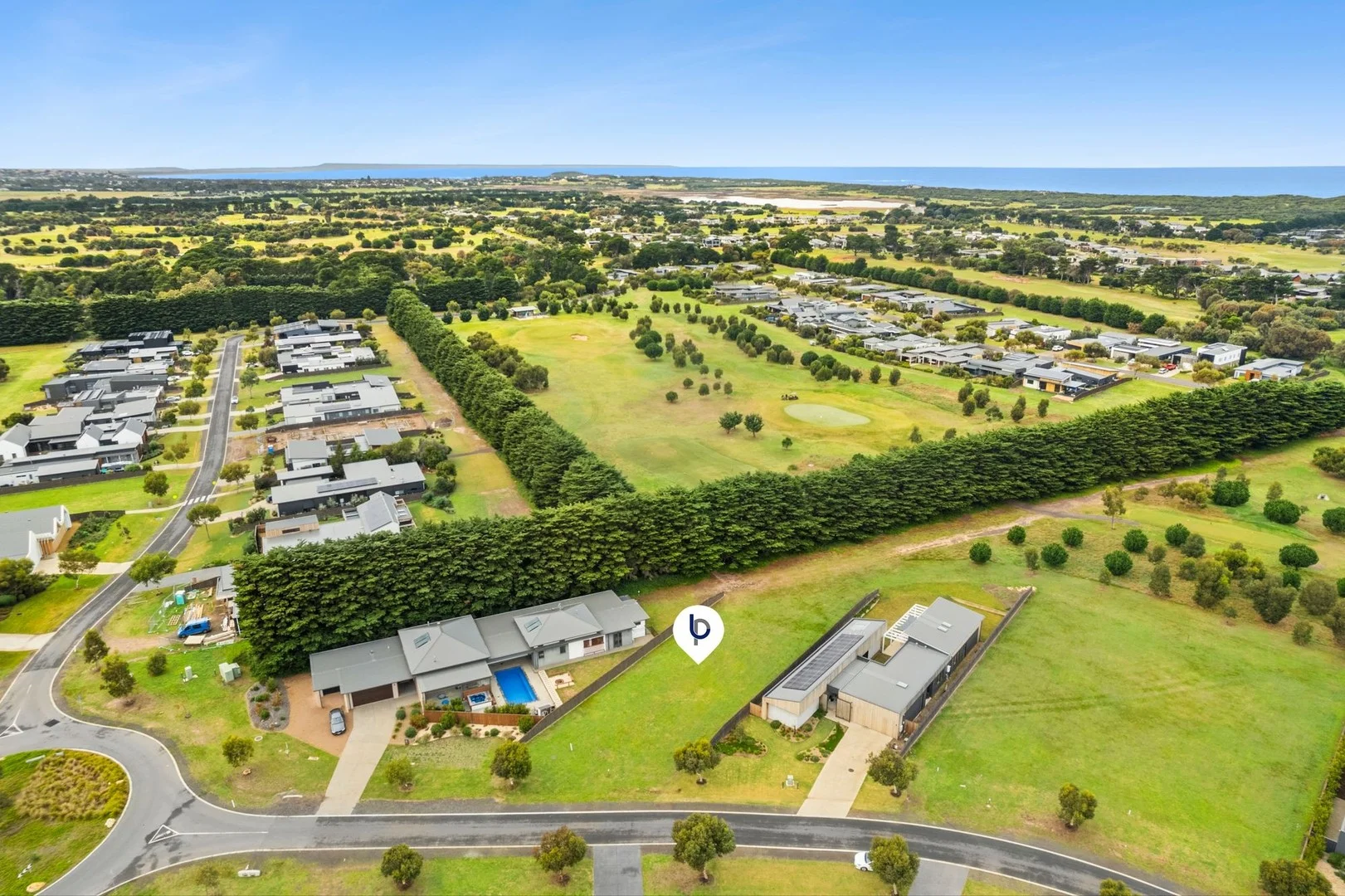 $990,000 - $1,080,000
Vacant Land
$990,000 - $1,080,000
Vacant Land


