# Overview
Grovedale College is a public, co-educational secondary school serving students in the Geelong region of Victoria. It supports a broad Years 7–12 program on a medium-sized campus, offering a diverse range of academic and co-curricular opportunities designed to suit a wide variety of student interests and goals. The college aims to balance strong academic outcomes with comprehensive wellbeing support and community involvement.
The school fosters an inclusive, supportive culture that values achievement, respect, and student leadership. Students are encouraged to participate in sport, arts, and service activities, helping create a positive, community-minded atmosphere where students can develop skills for life beyond school.
- School type: Public
- School size: Medium
- Class size: Approximately 22–25 students
- Atmosphere/culture: Inclusive, supportive, diverse, with emphasis on sport and achievement
---
# Academics & Learning
- Academic strengths: STEM (science, technology, engineering and maths), strong English/literacy programs, leadership development, and languages (LOTE).
- Special programs: VCE (Victorian Certificate of Education), VET (Vocational Education and Training) pathways, and opportunities for gifted and talented students, with options for accelerated learning where appropriate.
- NAPLAN trends: Over recent years, trends show stable to improving performance in reading and numeracy, with targeted interventions to lift students in lower bands and close gaps.
- Student-teacher ratios: Typically around 1:14–1:18, with additional support class options in core subjects as needed.
- Support for diverse learners: EAL support for students where English is an additional language, strong SEN support, and an inclusive education team to assist students with a range of learning needs.
---
# Sports & Extracurricular Strengths
- Sports offered: Australian rules football, netball, basketball, soccer, cricket, athletics, swimming, tennis, volleyball, and more.
- Strong teams or achievements: Regular participation in regional competitions and school championships, with opportunities for leadership and team-building experiences.
- Music, arts, drama programs: Instrumental music programs, choir, school productions, and access to performing arts facilities.
- Clubs: Robotics, chess, coding, debating, and other interest-based clubs to develop skills outside the classroom.
- Partnerships: Connections with local sports clubs, community academies, and regional competitions to broaden opportunities for students.
---
# Wellbeing & Pastoral Care
- Anti-bullying approach: Whole-school strategy with clear policies, reporting channels, restorative practices, and ongoing wellbeing education.
- House system: House-based structure with competitions and leadership roles to foster belonging and positive peer relationships.
- Counsellors / wellbeing officers: Access to school wellbeing staff, including counsellors or wellbeing coordinators, for student support.
- Transition support for new students: Orientation activities, buddy systems, and transitional programs to help new students settle in smoothly.
---
# Facilities
- Sports grounds
- Libraries
- Science labs
- Music/performing arts centers
- Tech/innovation labs
- Cafeteria
- Updated playgrounds
---
# School Values & Community Culture
- School values / mission: Emphasis on respect, responsibility, resilience, and excellence; a focus on developing ethical, capable, and compassionate young people.
- Leadership style: Student voice and leadership opportunities exist alongside collaborative staff leadership; approachable and supportive leadership.
- Behaviour expectations: Clear behavioural expectations supported by positive behaviour frameworks and restorative practices.
- Community reputation: Known for an inclusive culture, strong parent and community involvement, and a commitment to student well-being and achievement.
- Diversity & inclusion: Active efforts to support students from diverse backgrounds and to create an inclusive learning environment.
---
# School Logistics & Daily Operations
- School hours: Generally around 8:45 am–3:15 pm, with some programs and activities before/after the core day.
- Before/after school care: Available through approved providers or school-supervised programs where offered.
- Uniform requirements: School uniform is compulsory; details provided by the school.
- Transport (bus routes): Local bus routes service the area; public transport connections available for many families.
- Canteen availability: On-site canteen offering a range of healthy meals and snacks.
- Fees (low/medium/high ranges): As a public school, tuition fees are generally minimal; there are costs for uniforms, essential student learning items, and certain programs or activities, with voluntary contributions and some charges for camps or excursions.
---
# Enrolment & Admissions
11. What is the enrolment process and timeline?
- Confirm eligibility within the school’s catchment area and submit an enrolment application with required documentation (proof of identity, residency, immunisation records, and any relevant school reports). The school will advise on deadlines, timelines for acceptance, and orientation steps.
12. Is there a waiting list, and how does it work?
- In some cases, there may be a waiting list for out-of-area enrolments or popular year levels. The school will place applicants on a waiting list and notify families as spaces become available, typically in order of application and any priority considerations (such as siblings within the same family or other local policies).
13. Are there any entry requirements, tests, or interviews?
- Generally, public secondary schools in Victoria do not require entry tests; immunisation evidence and standard enrolment documentation are required. Some programs or pathways may have additional intake criteria or information sessions, but interviews are not a standard requirement for all students.
14. Does the school accept mid-year transfers?
- Yes, subject to space availability and transfer documentation (transcripts, attendance data, and immunisation records). Families seeking a mid-year transfer should contact the school promptly to discuss options and arrange a smooth transition.
---
# Frequently Ask Questions
- Why Parents Choose This School?
- A welcoming, inclusive culture; strong academic programs; broad extracurricular options; committed wellbeing and support services; active engagement with families and the local community.
- What type of student thrives at this school?
- Students who value a balanced approach to academics, sport, arts and leadership; those who prefer a supportive environment with opportunities to participate across areas of interest.
- What opportunities are available for students to extend their skills (academics, sports, arts)?
- Advanced coursework and pathways (VCE/VET), leadership roles, clubs (robotics, coding, debating), sports teams, music ensembles, drama productions, and arts activities.
- How does the school communicate with parents?
- Regular newsletters, parent portals, progress reports, parent information evenings, and direct contact through pastoral and leadership staff.
- What is the school’s approach to teaching and learning?
- Student-centered, differentiated instruction; focus on high expectations, engagement with real-world contexts, and evidence-based teaching practices.
- How does the school support students who need extra academic help?
- Targeted literacy/numeracy support, learning support staff, EAL assistance, small-group interventions, and tailored academic plans.
- What support is available for academic challenges?
- Access to learning support, counselling resources, tutoring options, and connections to external services if required.
- How does the school communicate with parents?
- (Repeated) Through multiple channels such as newsletters, digital portals, and direct communication from teachers and coordinators.
- What are the class sizes and how much individual attention do students receive?
- Typical class sizes are around 22–25 students, with additional support during common planning times and subject-specific programs to provide targeted attention when needed.
- What extracurricular and sports opportunities are available?
- A wide range of sports, music and arts programs, robotics and coding clubs, debating, chess, and other student-led activities.
- What facilities does the school offer (sports, science, arts)?
- Sports grounds, libraries, science labs, performing arts and music spaces, tech/innovation labs, a canteen, and upgraded playgrounds.
- What is the school’s approach to technology and digital learning?
- Integration of digital resources across the curriculum, use of appropriate devices and platforms to support learning, and training in digital citizenship and safe online practices.
- What transport and accessibility options are available?
- Local bus services and public transport connections; accessible facilities; information provided to families about travel options and supports.
- What are the typical school fees or additional costs?
- As a public school, fees are generally modest with optional costs for uniforms, camps, excursions, and certain activities; families can access information about essential items and potential subsidies.
---
# Short Pros & Cons list
- Pros
- Public, inclusive environment with a broad curriculum and strong wellbeing support
- Wide range of academic, sporting, and arts opportunities
- Support for diverse learners and emphasis on student leadership
- Active community involvement and reliable communication with families
- Cons
- As a mid-sized public school, demand can vary by year level; some programs may have waitlists for out-of-area students
- Uniform requirements and some program costs are expected; families should budget for uniforms and voluntary contributions
- Team-based scheduling and transport logistics may require coordinated planning for busy families






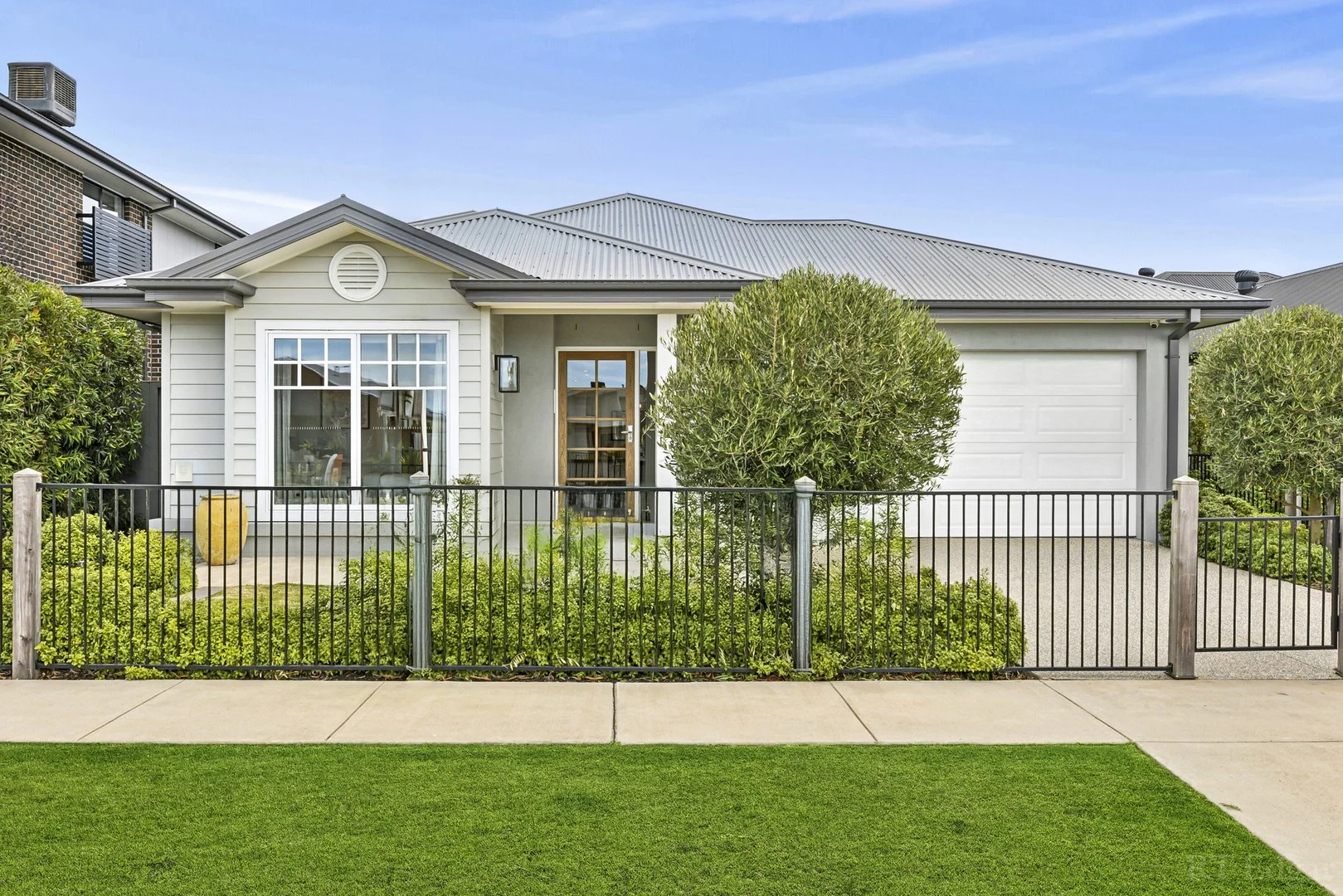 $877,800 - $965,580
House
$877,800 - $965,580
House
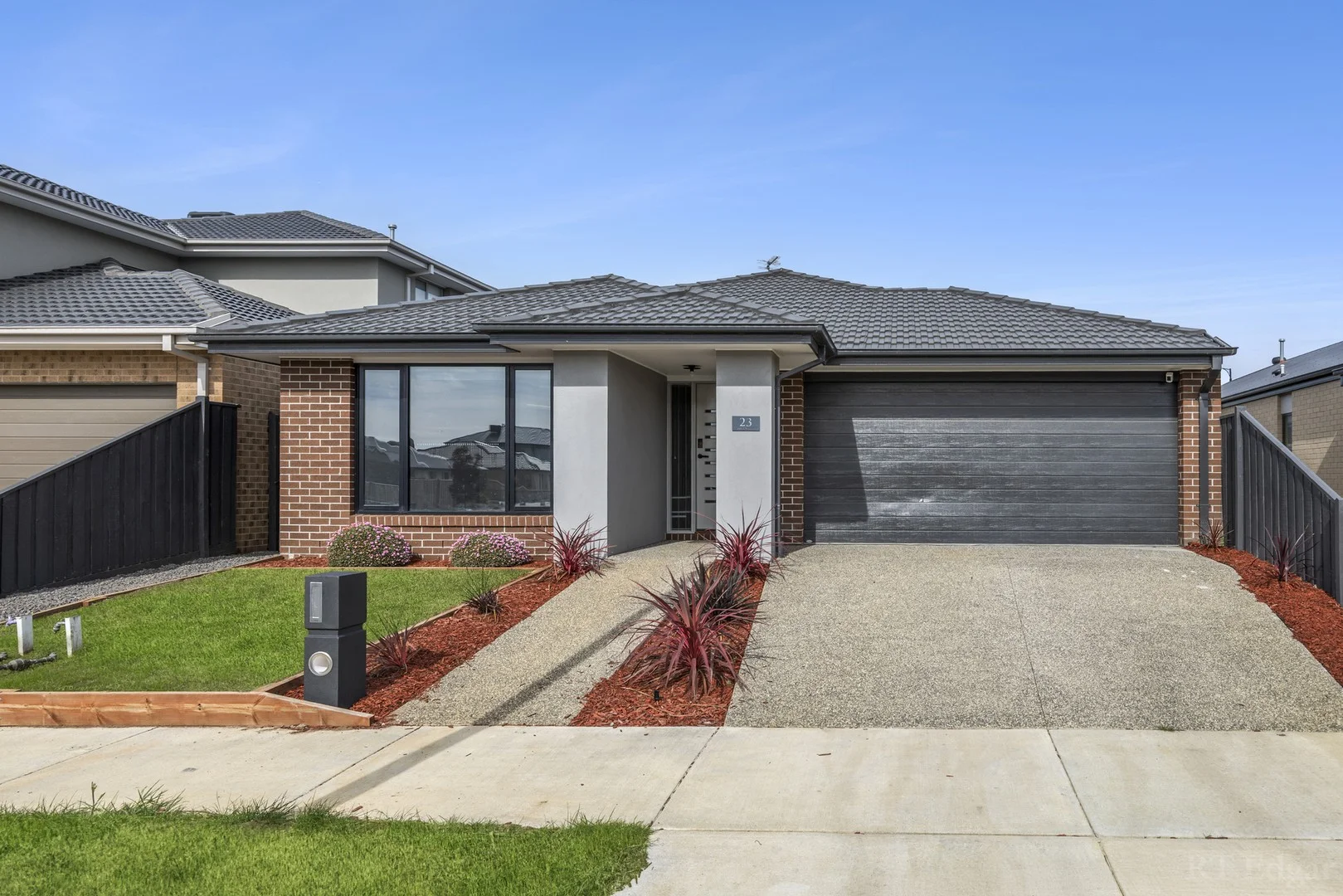 $599,000 - $658,900
House
$599,000 - $658,900
House
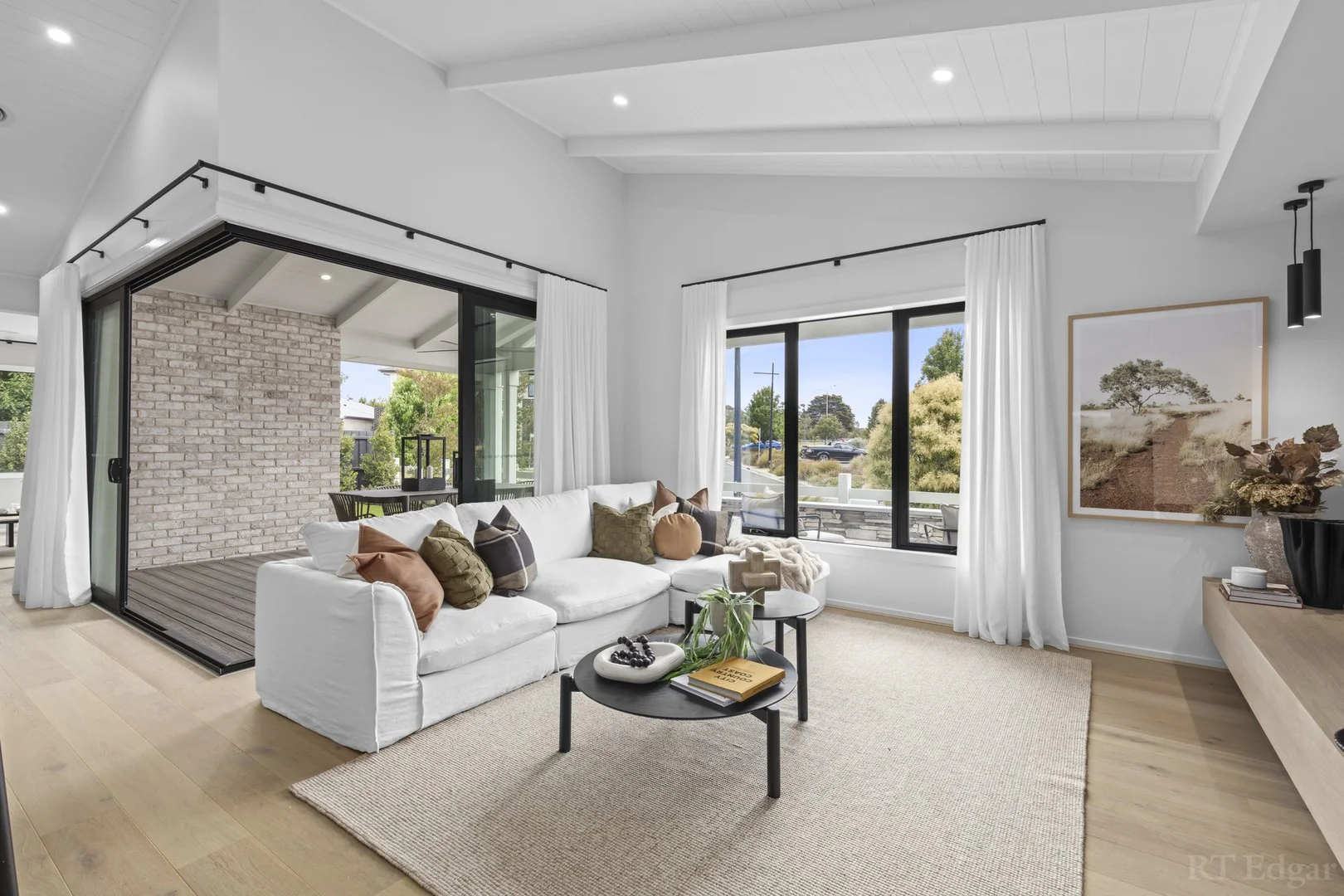 $1,022,295 - $1,124,524
House
$1,022,295 - $1,124,524
House
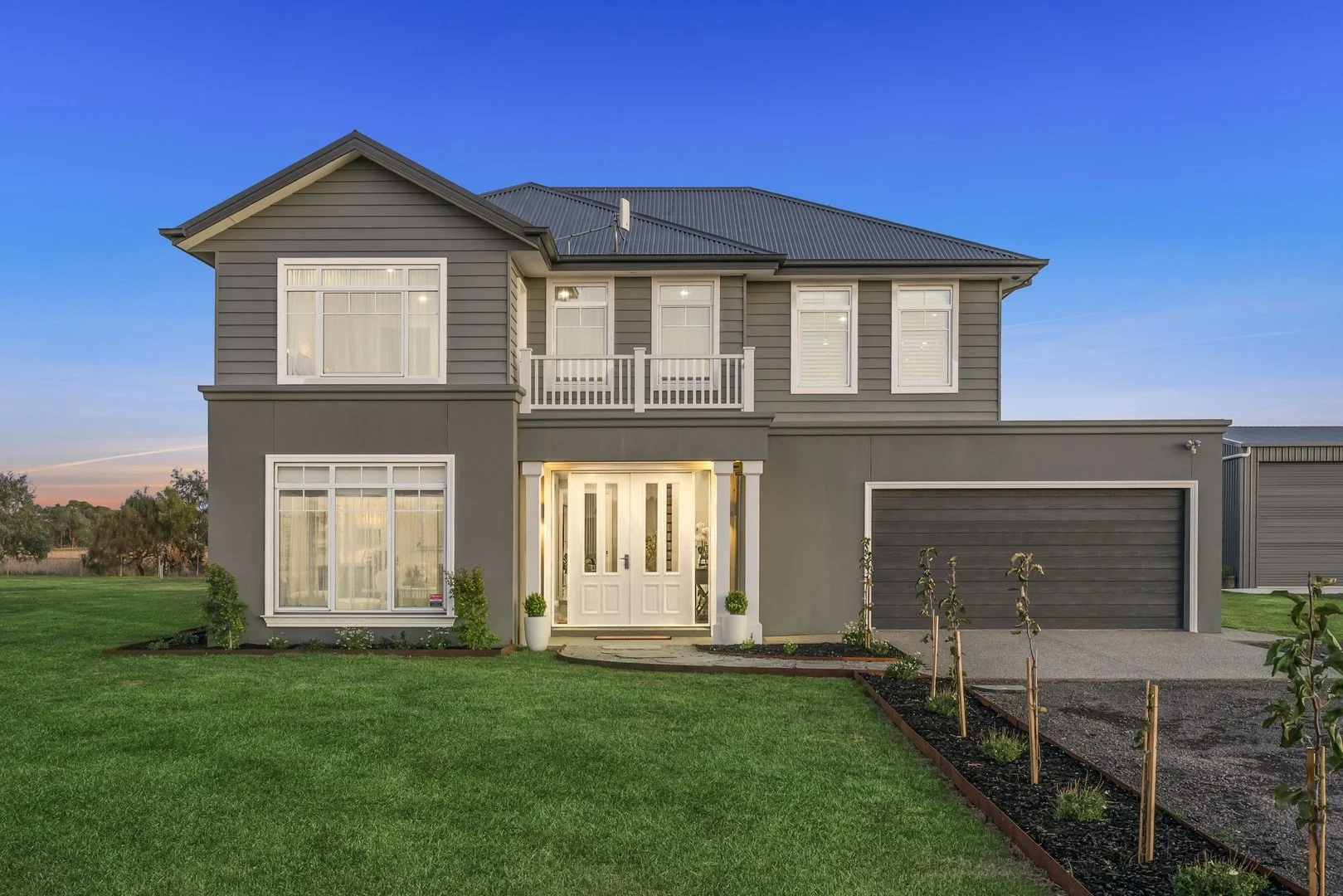 $2,150,000 - $2,350,000
propertyType.ACREAGE / SEMI-RURAL
$2,150,000 - $2,350,000
propertyType.ACREAGE / SEMI-RURAL
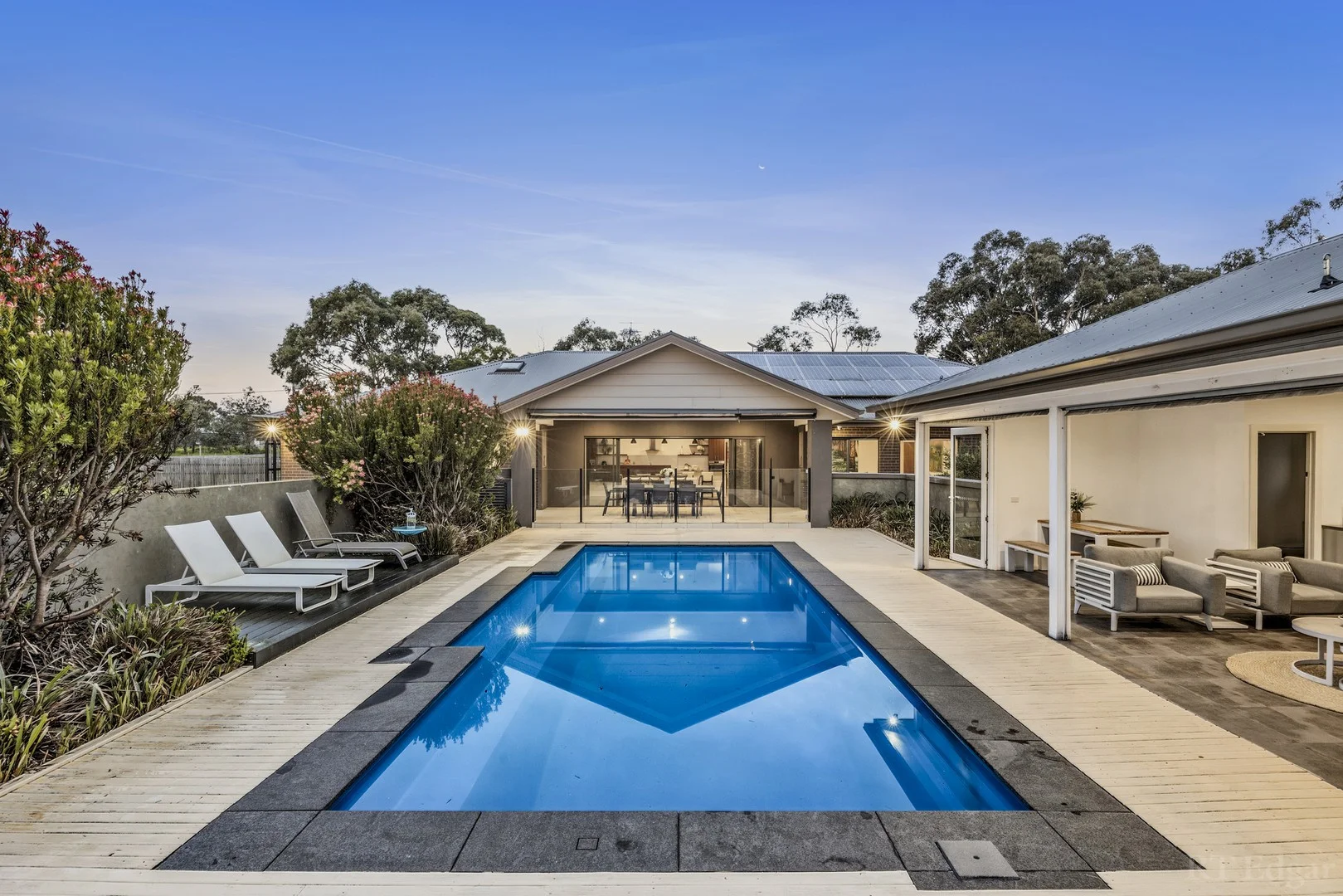 $3,006,750 - $3,307,425
House
$3,006,750 - $3,307,425
House
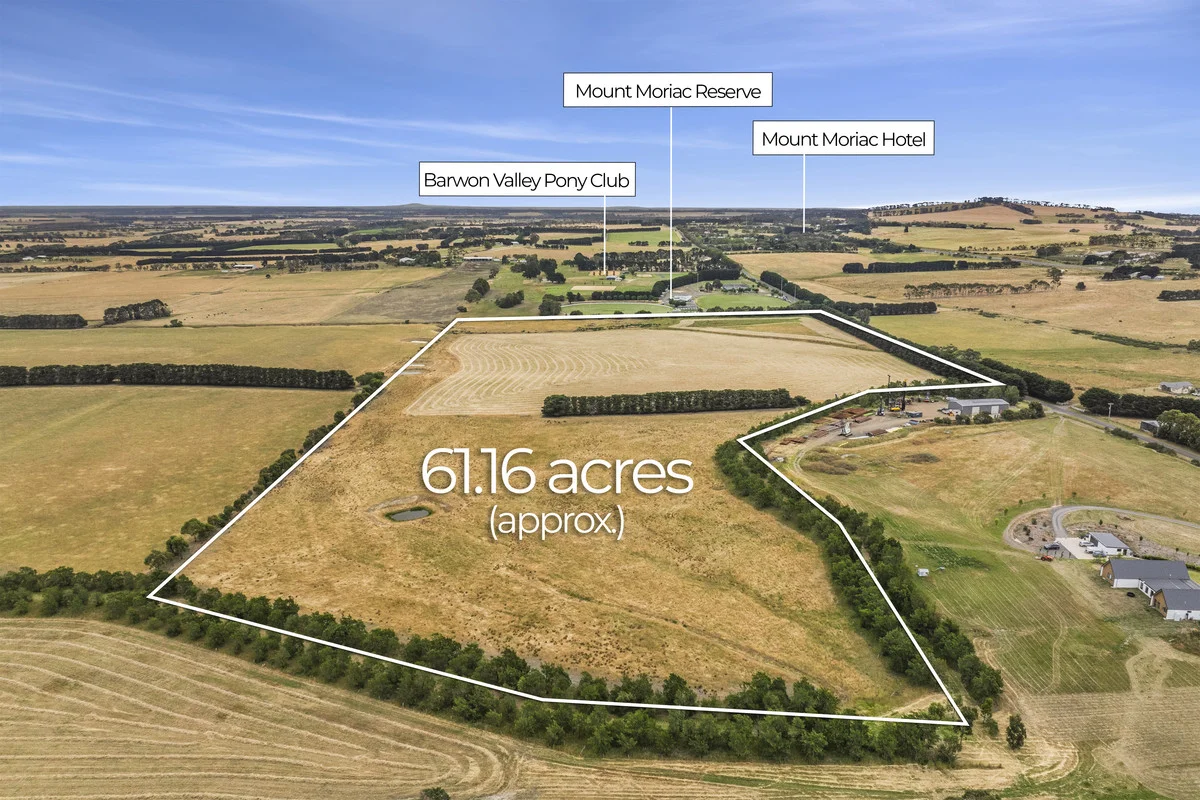 $2,100,000
propertyType.RURAL
$2,100,000
propertyType.RURAL
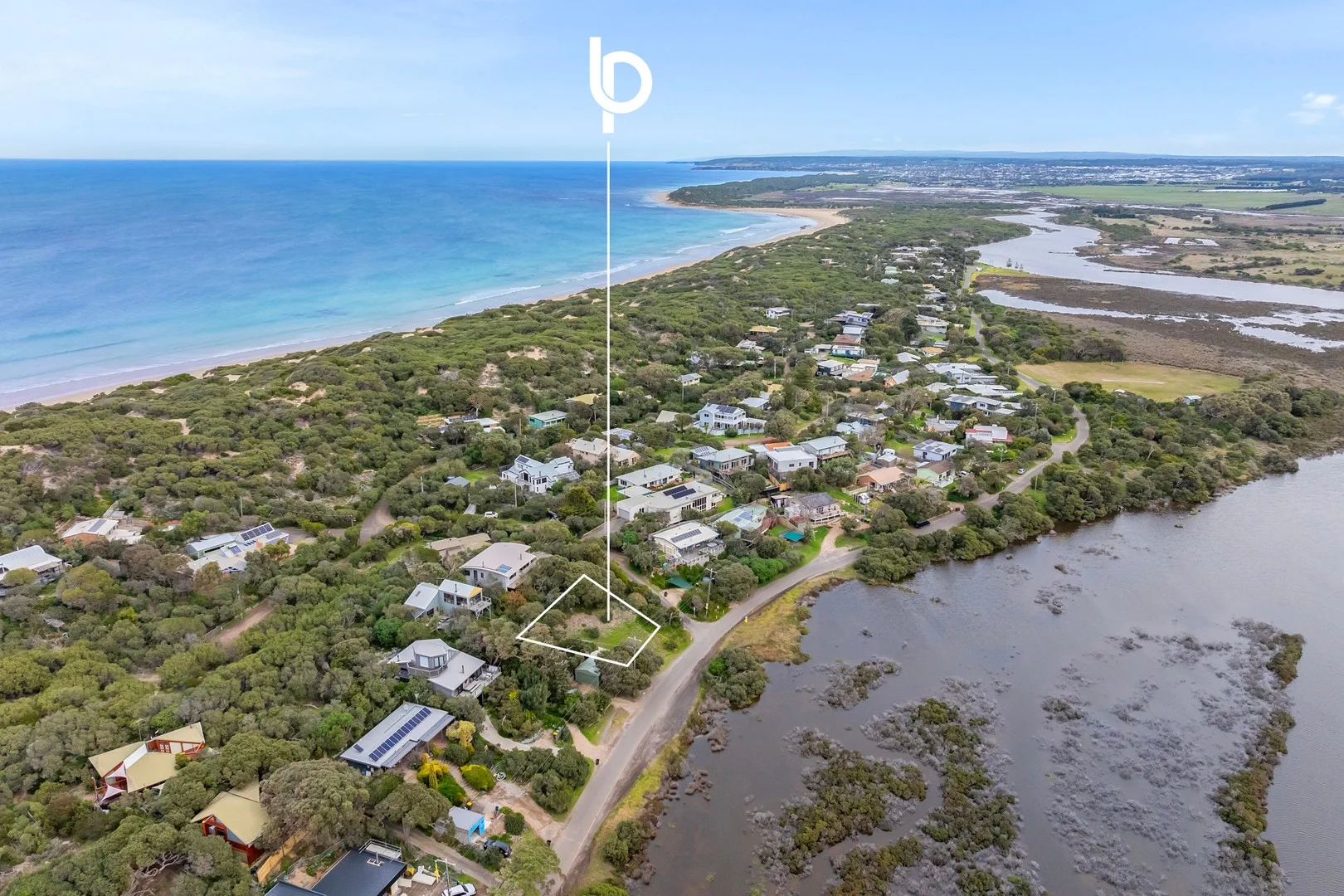 $880,000 - $950,000
Vacant Land
$880,000 - $950,000
Vacant Land
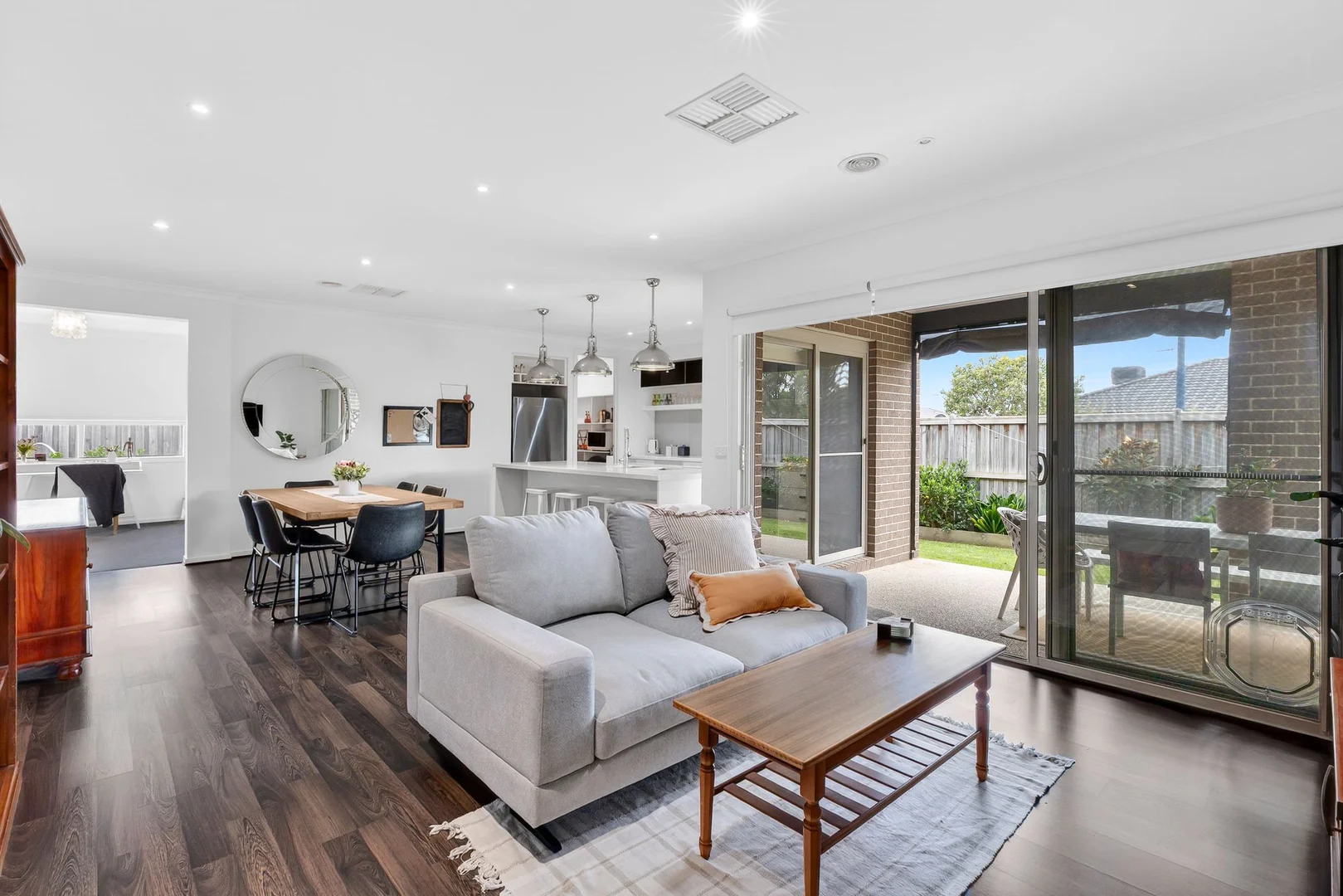 $840,000 - $880,000
House
$840,000 - $880,000
House
 $830,000 - $890,000
House
$830,000 - $890,000
House


