## 1. Overview
St Mary’s Memorial School is a Catholic primary school in Glenelg dedicated to supporting local families with faith-based learning. The school emphasises a nurturing, inclusive environment where students are encouraged to grow academically, spiritually, and socially within a supportive community.
The school is a medium-sized campus with class sizes designed to support individual attention and collaborative learning. The atmosphere blends academic effort with a strong focus on character, community involvement, and the development of well-rounded individuals.
---
## 2. Academics & Learning
- Academic strengths: Strong literacy and numeracy core, with emphasis on English, Mathematics, STEM, and leadership development. Language programs and religious education are integrated to broaden student growth.
- Special programs: Gifted and Talented opportunities, accelerated learning options where appropriate, and structured religious education that supports the school’s Catholic ethos.
- NAPLAN / Ofsted trends: Longitudinal trends show steady progress in reading and numeracy with consistent performance overall; writing and targeted areas are monitored for ongoing improvement.
- Student-teacher ratios: Average ratios designed to enable targeted instruction; classes typically run with lower student-to-teacher ratios in key year levels to facilitate individual support.
- Support for diverse learners: Dedicated EAL support, SEN planning, and inclusive practices to help students with varied learning needs access the curriculum effectively.
---
## 3. Sports & Extracurricular Strengths
- Sports offered: Netball, basketball, football (soccer), athletics, cricket, and general physical education that fosters teamwork and sportsmanship.
- Strong teams or achievements: Regular participation in regional competitions; notable progress and teamwork across grade levels.
- Music, arts, drama programs: Choir, instrumental programs, school drama productions, and opportunities to participate in arts events.
- Clubs: Robotics, chess, coding, debating, and other interest-based clubs to develop analytical and creative skills.
- Partnerships: Collaborations with local sporting clubs and community organizations to provide external competitions, clinics, and enrichment opportunities.
---
## 4. Wellbeing & Pastoral Care
- Anti-bullying approach: Proactive, school-wide anti-bullying policies with clear reporting pathways, student empowerment programs, and restorative practices.
- House system: A house-based structure to foster belonging, healthy competition, and peer support (names and specifics available on request).
- Counsellors / wellbeing officers: Access to school counsellors or wellbeing staff to support emotional and social health, with regular wellbeing checks.
- Transition support for new students: Orientation sessions, buddy systems, and staged transitions to help new students settle confidently.
---
## 5. Facilities
- Sports grounds: On-site outdoor spaces suitable for PE, games, and athletics.
- Libraries: Central library facilities supporting reading, research, and quiet study.
- Science labs: Well-equipped spaces for practical experiments and inquiry-based learning.
- Music/performing arts centers: Dedicated spaces for music practice and performance preparation.
- Tech/innovation labs: Digital learning spaces and student-friendly technology integration.
- Cafeteria: On-site canteen and lunch provision supporting healthy options.
- Updated playgrounds: Safe, modern play areas that encourage active exploration and social interaction.
---
## 6. School Values & Community Culture
- School values / mission: Grounded in Catholic faith, with emphasis on respect, responsibility, compassion, and service to the community.
- Leadership style: Collaborative and student-centered, encouraging leadership opportunities within classrooms and student groups.
- Behaviour expectations: Clear codes of conduct focused on respect, integrity, and responsible decision-making.
- Community reputation: Positive reputation within the local community for faith-based education, supportive staff, and a welcoming environment.
- Diversity & inclusion: Commitment to inclusive practices and supporting students from diverse backgrounds and abilities.
---
## 7. School Logistics & Daily Operations
- School hours: Core teaching hours with start and finish times published by the school calendar.
- Before/after school care: Available or via approved providers (details provided by the school).
- Uniform requirements: School uniform policy with guidance on daily wear and approved items.
- Transport (train/bus routes): Access to local public transport routes; specifics advised by the school or district transport services.
- Canteen availability: On-site canteen or lunch provisions; arrangements for order and payment.
- Fees (low/medium/high ranges): Fee levels typically fall within a middle range for the region; detailed fee schedules provided upon inquiry.
---
## 8. Enrolment & Admissions
11. What is the enrolment process and timeline?
- Steps usually include submitting an application, providing required documents (birth certificate, immunisation records, proof of address), attending an information session or interview where applicable, and receiving an offer within a defined intake window. Timelines vary by year level and cohort; parents should check the school’s published calendar for exact dates.
12. Is there a waiting list, and how does it work?
- Some year levels may operate with a waiting list. If a waitlist applies, it typically operates on a first-come, first-served basis or according to a priority sequence defined by the school (e.g., siblings, parish involvement). The school can confirm current status and processing times.
13. Are there any entry requirements, tests, or interviews?
- Entry requirements often include documentation and a brief interview or information session. Some Catholic schools may include a faith or community involvement component as part of the enrollment process. Specific tests are not universally required; the school will confirm what applies for each intake.
14. Does the school accept mid-year transfers?
- Mid-year transfers may be considered based on space and readiness to integrate into the current year group. Parents should contact the admissions team to discuss availability, required documentation, and anticipated start dates.
---
## 9. Frequently Ask Questions
- Why Parents Choose This School?
- Families value the Catholic foundation, nurturing environment, strong community, and focused academic progress with support for individual students.
- What type of student thrives at this school?
- Students who respond well to a faith-informed, inclusive setting with a collaborative learning approach and opportunities to engage in academics, arts, and sport.
- What opportunities are available for students to extend their skills (academics, sports, arts)?
- Enrichment in literacy and numeracy, STEM activities, gifted and talented offerings where appropriate, musical and performing arts programs, sports development, and a range of clubs such as robotics, coding, chess, and debating.
- How does the school communicate with parents?
- Regular updates via newsletters, digital platforms, parent-teacher meetings, and open channels with teachers and administration.
- What is the school’s approach to teaching and learning?
- A student-centered, inquiry-based approach with a strong emphasis on core literacies, numeracy, faith formation, and holistic development.
- How does the school support students who need extra academic help?
- Targeted interventions, EAL and SEN support, differentiated instruction, and ongoing progress monitoring.
- What support is available for academic challenges?
- Individualised plans, access to specialists, and collaboration with caregivers to set achievable goals and track progress.
- How does the school communicate with parents? (repeat)
- See above: newsletters, digital platforms, meetings, and direct contact with staff.
- What are the class sizes and how much individual attention do students receive?
- Class sizes are designed to enable meaningful engagement, with additional support provided in key year levels to ensure individual attention.
- What extracurricular and sports opportunities are available?
- A broad program including team sports, music and drama, robotics, chess, coding, debating, and various clubs aligned with student interests.
- What facilities does the school offer (sports, science, arts)?
- Modern libraries, science labs, performing arts spaces, technology labs, sports grounds, and a cafeteria, all supporting a well-rounded curriculum.
- What is the school’s approach to technology and digital learning?
- Integration of age-appropriate technology into learning, with digital literacy emphasis, responsible use policies, and access to devices and software that support curriculum goals.
- What transport and accessibility options are available?
- Local bus routes and convenient access to public transport, with campus accessibility considerations for students with diverse needs.
- What are the typical school fees or additional costs?
- Fee structures are communicated by the school and typically fall within the regional middle range; details are provided during the enrollment process.
---
## 10. Short Pros & Cons list
- Pros
- Strong Catholic ethos with a community-focused environment
- Balanced emphasis on academics, arts, and sport
- Supportive staff and proactive wellbeing programs
- Inclusive practices and support for diverse learners
- Wide range of clubs and enrichment opportunities
- Cons
- As with many schools, demand can lead to waiting lists for popular year levels
- Specific enrichment opportunities may vary by year and cohort
- Transport options depend on local routes and public services









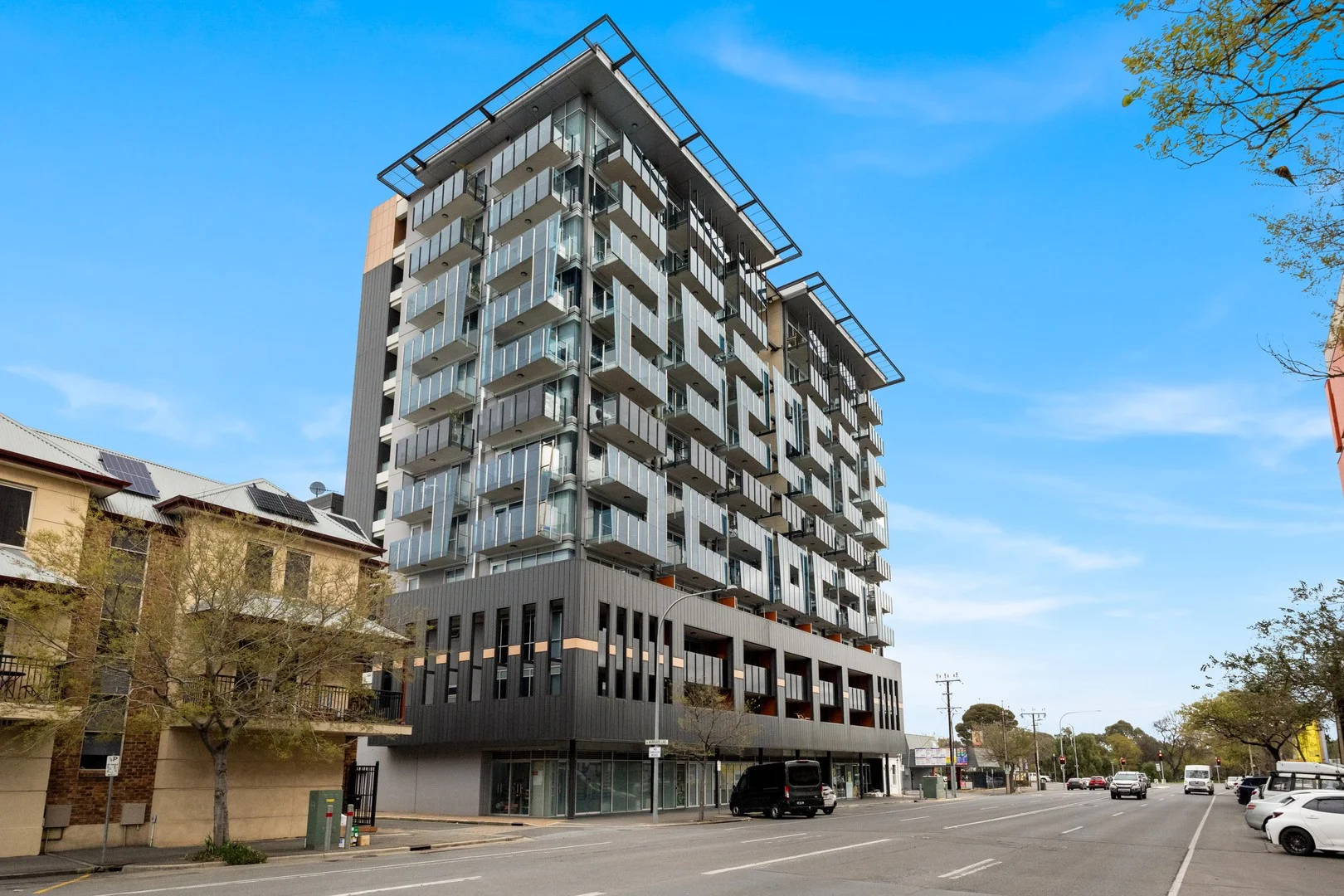 $1,100,000
Apartment / Unit / Flat
$1,100,000
Apartment / Unit / Flat
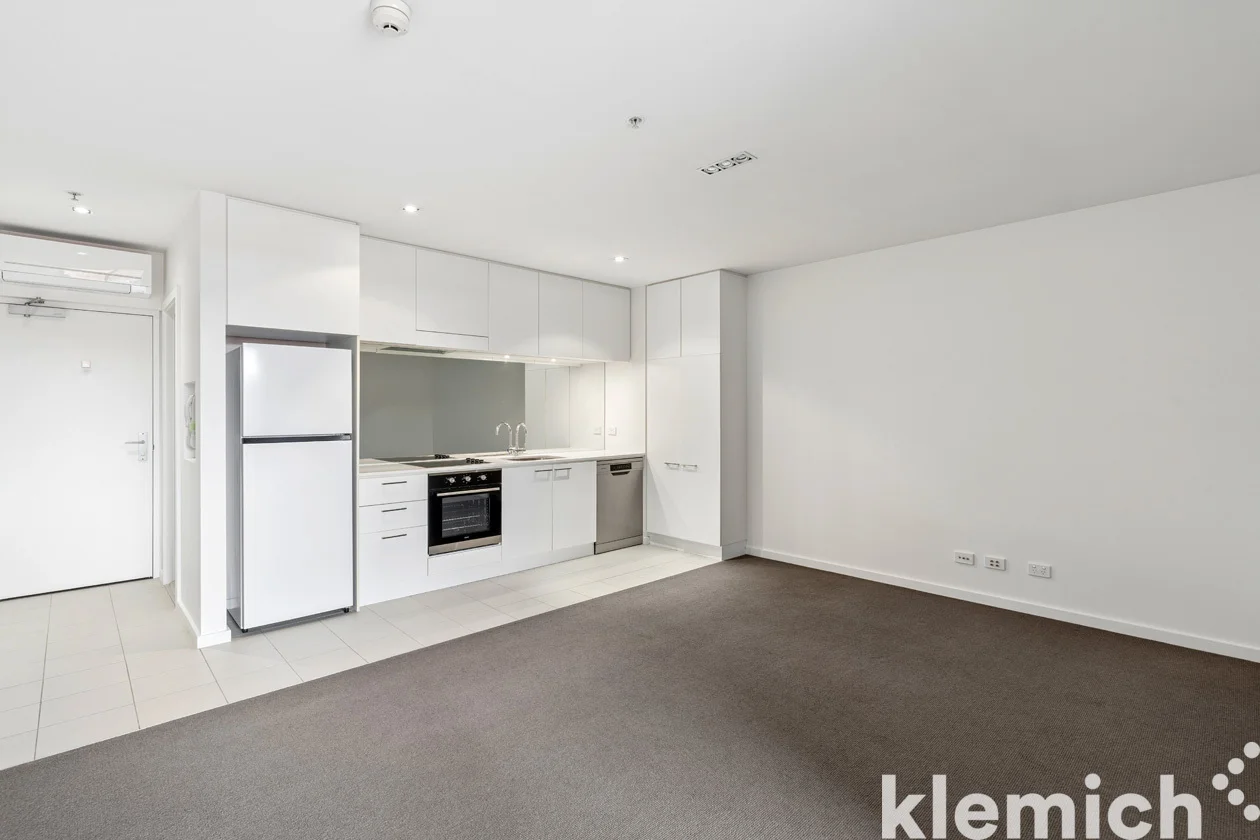 $440,000
Apartment / Unit / Flat
$440,000
Apartment / Unit / Flat
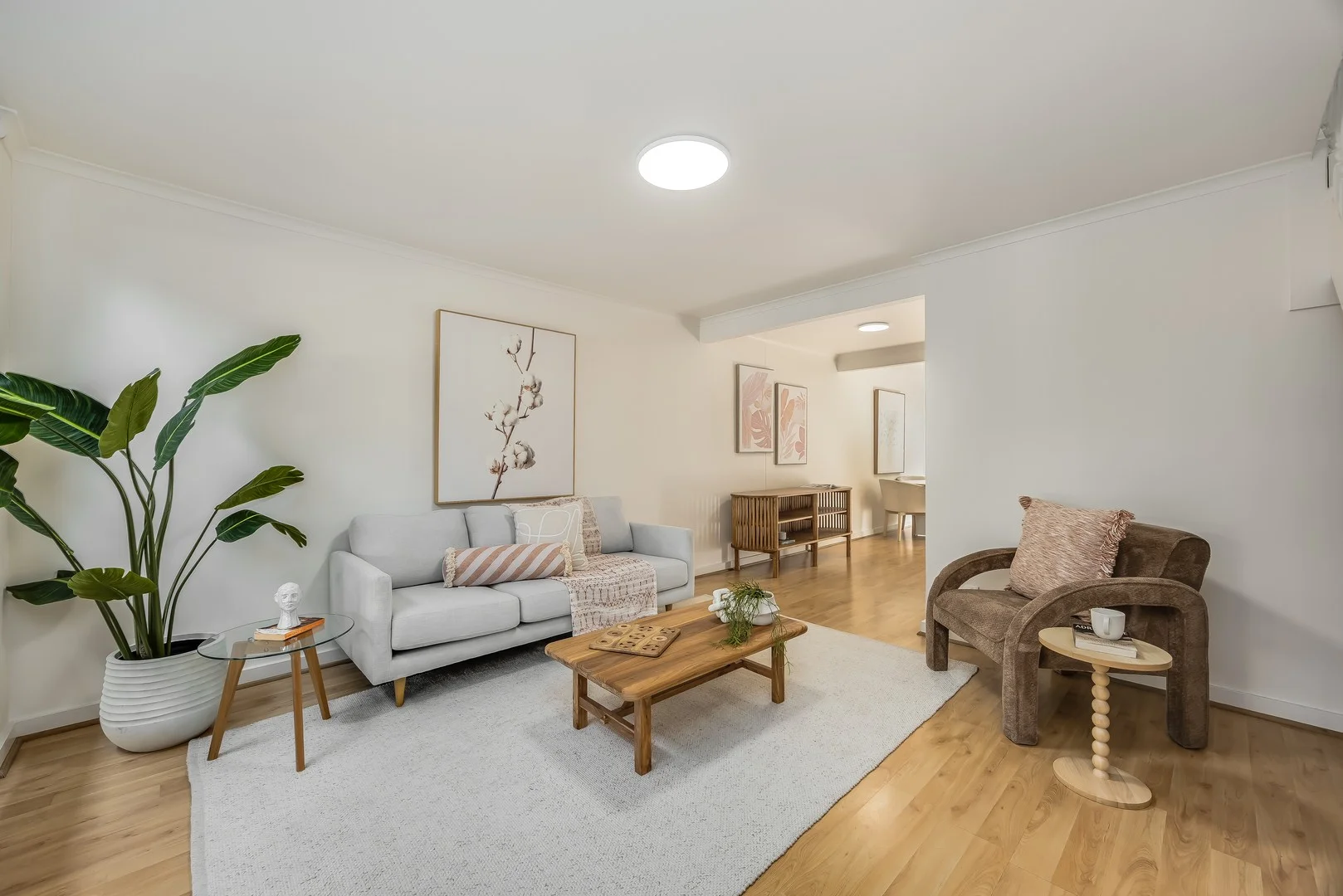 $775,000
House
$775,000
House
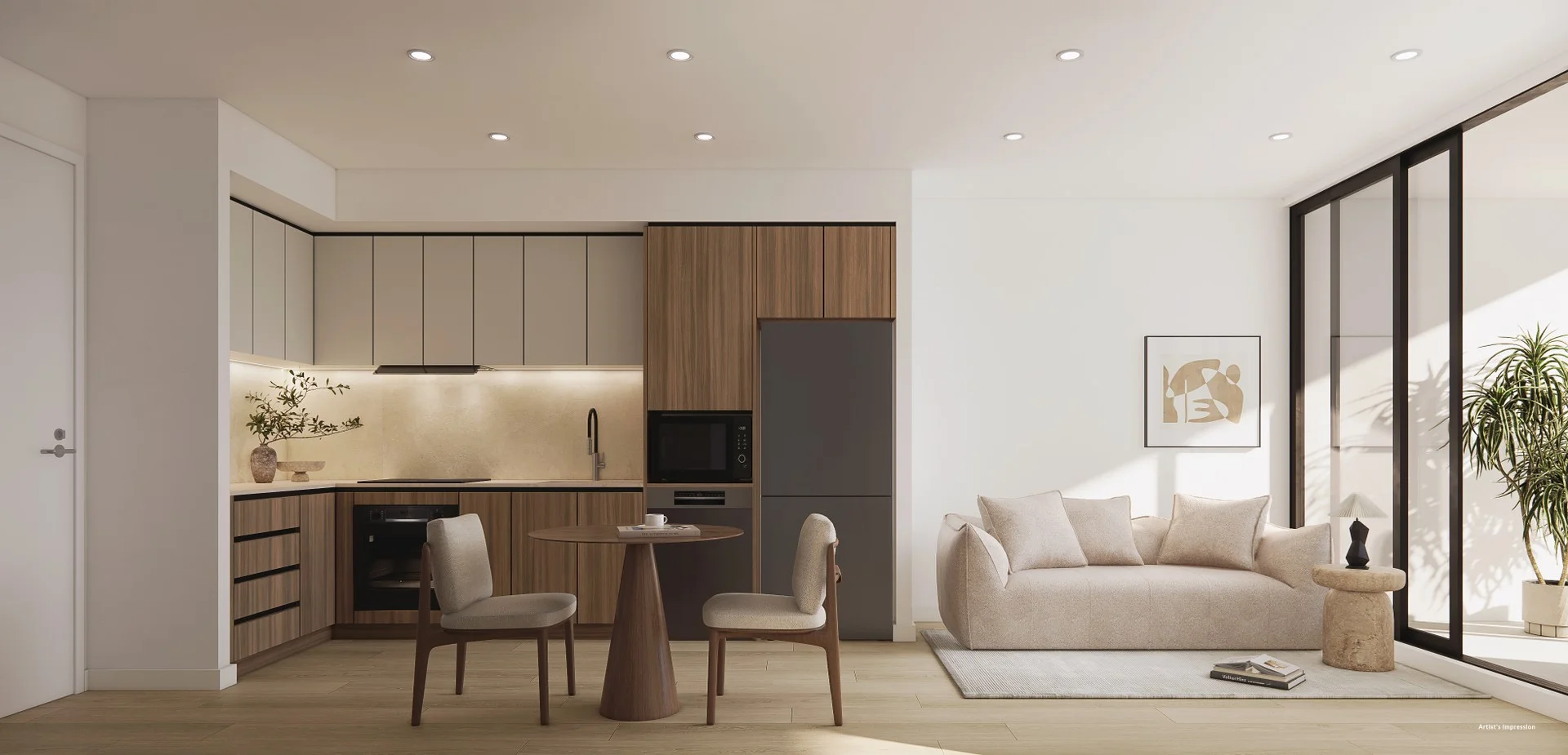 $588,000
Apartment / Unit / Flat
$588,000
Apartment / Unit / Flat
 $1,056,000
Apartment / Unit / Flat
$1,056,000
Apartment / Unit / Flat
 $935,000
Apartment / Unit / Flat
$935,000
Apartment / Unit / Flat
 $557,000
Apartment / Unit / Flat
$557,000
Apartment / Unit / Flat
 $545,000
Apartment / Unit / Flat
$545,000
Apartment / Unit / Flat


