## Overview
New Lambton Public School is a public (government) primary school serving children in the New Lambton community. The school emphasises an inclusive, supportive learning environment with a focus on building foundations in literacy, numeracy, and well-rounded development. It is a medium-sized NSW public school, with class sizes typically in the mid-20s to low-30s range, depending on year level. The atmosphere is generally described as welcoming, nurturing, and community-oriented, encouraging both academic achievement and participation in broader school life.
## Academics & Learning
- Academic strengths: Strong focus on literacy and numeracy with opportunities to develop skills in STEM, critical thinking, and language learning. Emphasis on developing confident writers and readers, along with sound numeracy foundations.
- Special programs: Access to programs common in NSW public primary schools, including targeted support for diverse learners and opportunities for leadership experiences and gifted/talented pathways where available.
- NAPLAN / trends: Over recent years, trends typically reflect steady progress and performance close to NSW averages, with ongoing emphasis on improving writing, reading, and numeracy across year levels.
- Student-teacher ratios: Class sizes and student-teacher ratios align with NSW public primary norms, generally giving students ample access to teachers during lessons and in small-group support.
- Support for diverse learners: EAL/D support and dedicated SEN or learning support services are available to assist students with varying needs, including tailored in-class support and targeted interventions.
## Sports & Extracurricular Strengths
- Sports offered: A broad range of school sports commonly found in NSW primary schools, including team and individual activities such as football (soccer), cricket, athletics, swimming, netball, and cross-country.
- Strong teams or achievements: Regular participation in inter-school and local competitions, with opportunities for students to contribute to school-level teams and events.
- Music, arts, drama programs: Active music and performing arts involvement, with opportunities for choirs, instrumental groups, and school productions; visual arts and theatre activities are encouraged.
- Clubs: Robotics, chess, coding, debating, and other inquiry-based clubs are typically available or introduced through after-school programs.
- Partnerships: Connections with local community clubs and regional competitions to extend learning beyond the classroom and provide real-world opportunities.
## Wellbeing & Pastoral Care
- Anti-bullying approach: Clear anti-bullying policies and a positive behaviour framework to foster a safe, respectful school environment.
- House system: House-based activities and competitions to promote belonging, teamwork, and healthy competition.
- Counsellors / wellbeing officers: Access to school wellbeing staff and counselling support to address social, emotional, and academic needs.
- Transition support for new students: Targeted induction and transition support to help new students settle in smoothly and form connections with peers and staff.
## Facilities
- Sports grounds: Dedicated outdoor spaces for physical education and sport.
- Libraries: Well-resourced library for independent reading and research activities.
- Science labs: Practical spaces for hands-on science learning.
- Music/performing arts centers: Facilities to support music education, drama, and performances.
- Tech/innovation labs: Space for technology, coding, and makerspace-style activities where available.
- Cafeteria: On-site canteen or lunch facilities to provide meals and snacks.
- Updated playgrounds: Play spaces designed to support active play and exploration.
## School Values & Community Culture
- School values / mission: A values-driven environment emphasising respect, responsibility, resilience, and inclusion.
- Leadership style: Distributed leadership with opportunities for student leadership and teacher collaboration to support student growth.
- Behaviour expectations: Positive behaviour for learning framework with clear expectations and consistent reinforcement.
- Community reputation: Known as a supportive, engaged community school with active involvement from families and local stakeholders.
- Diversity & inclusion: Commitment to an inclusive culture that welcomes students from diverse backgrounds and needs.
## School Logistics & Daily Operations
- School hours: Typical NSW primary hours, with a schedule that supports learning and breaks; exact times published by the school each year.
- Before/after school care: OSHC or similar arrangements commonly available to families.
- Uniform requirements: NSW public schools require a school uniform; details on items and seasons are provided by the school.
- Transport (train/bus routes): Local bus services and public transport access commonly used by families; school information will provide specific routes and schedules.
- Canteen availability: Canteen or lunch facilities operating on designated school days.
- Fees (low/medium/high ranges): Public primary schools generally have low or no tuition fees; families may incur modest costs for excursions, optional programs, and consumables.
## Enrolment & Admissions
11. What is the enrolment process and timeline?
- Enrollment is managed through the NSW Department of Education. Parents typically submit an application based on the school’s catchment boundaries, with timelines aligned to term starts and annual intake periods. Check the school’s enrolment page or contact the administration for exact dates and required documents.
12. Is there a waiting list, and how does it work?
- Some years or programs may experience high demand, which can result in a waiting list. Placement often considers catchment priorities (siblings, proximity), and availability of space in each year level. The school office can confirm current wait-list status and expected timelines.
13. Are there any entry requirements, tests, or interviews?
- For standard enrolments, there are generally no entrance tests or interviews. Documentation confirming identity, residency or eligibility, immunisation, and previous school records may be requested. Selective programs or special admissions processes (if applicable) would have their own criteria.
14. Does the school accept mid-year transfers?
- Mid-year transfers are considered if space is available. Parents should contact the school as early as possible to discuss availability and the transfer process, including necessary documentation and transition planning.
## Frequently Asked Questions
- Why Parents Choose This School?
- What type of student thrives at this school?
- What opportunities are available for students to extend their skills (academics, sports, arts)?
- How does the school communicate with parents?
- What is the school’s approach to teaching and learning?
- How does the school support students who need extra academic help?
- What support is available for academic challenges?
- What are the class sizes and how much individual attention do students receive?
- What extracurricular and sports opportunities are available?
- What facilities does the school offer (sports, science, arts)?
- What is the school’s approach to technology and digital learning?
- What transport and accessibility options are available?
- What are the typical school fees or additional costs?
## Short Pros & Cons list
- Pros
- Strong sense of community and inclusive culture
- Solid foundations in literacy and numeracy
- Broad range of extracurricular activities (sports, arts, clubs)
- Supportive wellbeing and transition programs
- Access to well-equipped facilities and learning spaces
- Cons
- As a public school, class sizes and programs can vary by year and space
- Popular programs or clubs may have wait lists or limited spots
- Transport options depend on local routes and schedules
Note: This content provides a practical summary suitable for families considering New Lambton Public School. For precise, up-to-date details on enrolment timelines, facilities, programs, and schedules, please contact the school directly.





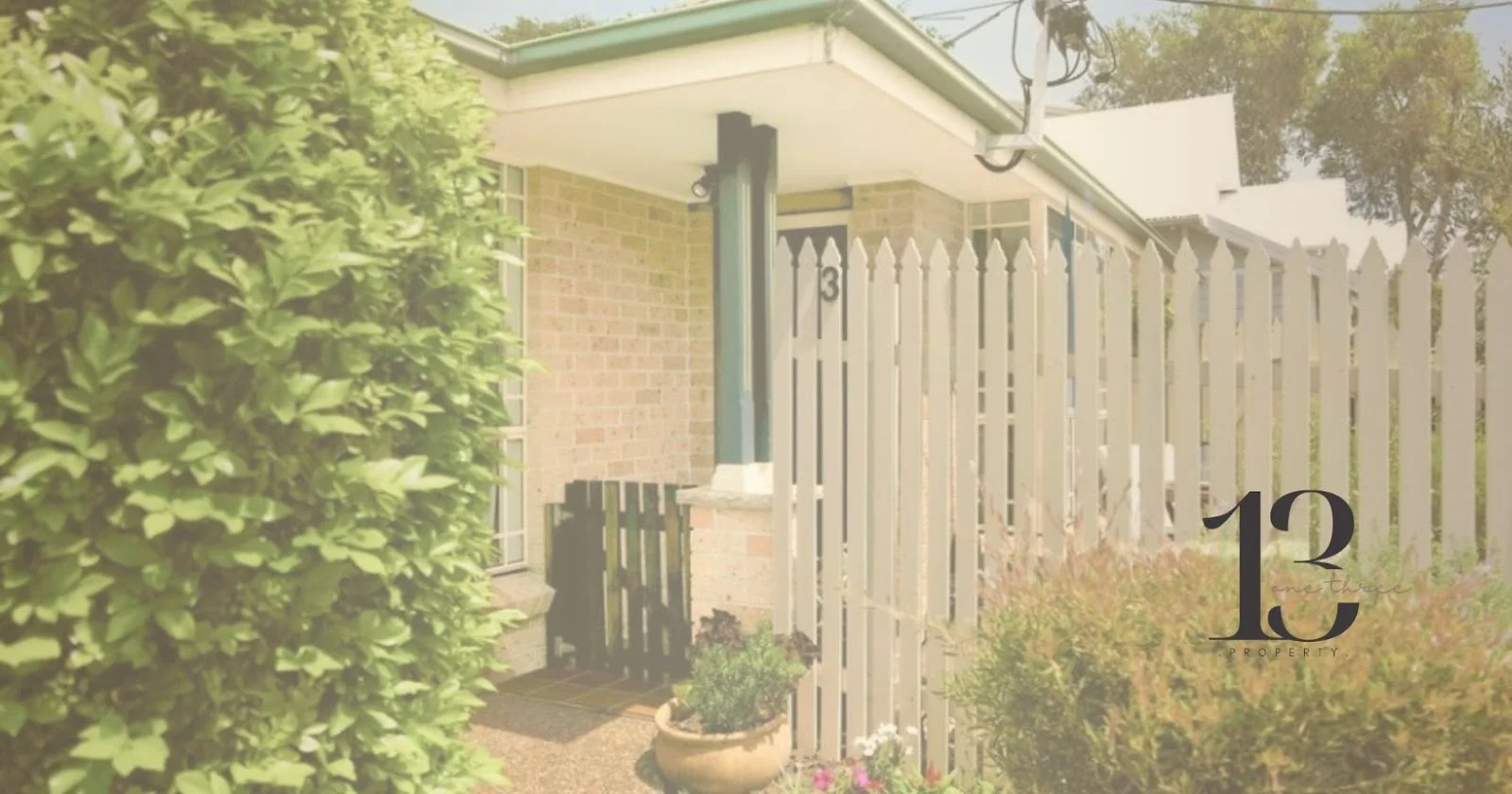 $795,000
Townhouse
$795,000
Townhouse
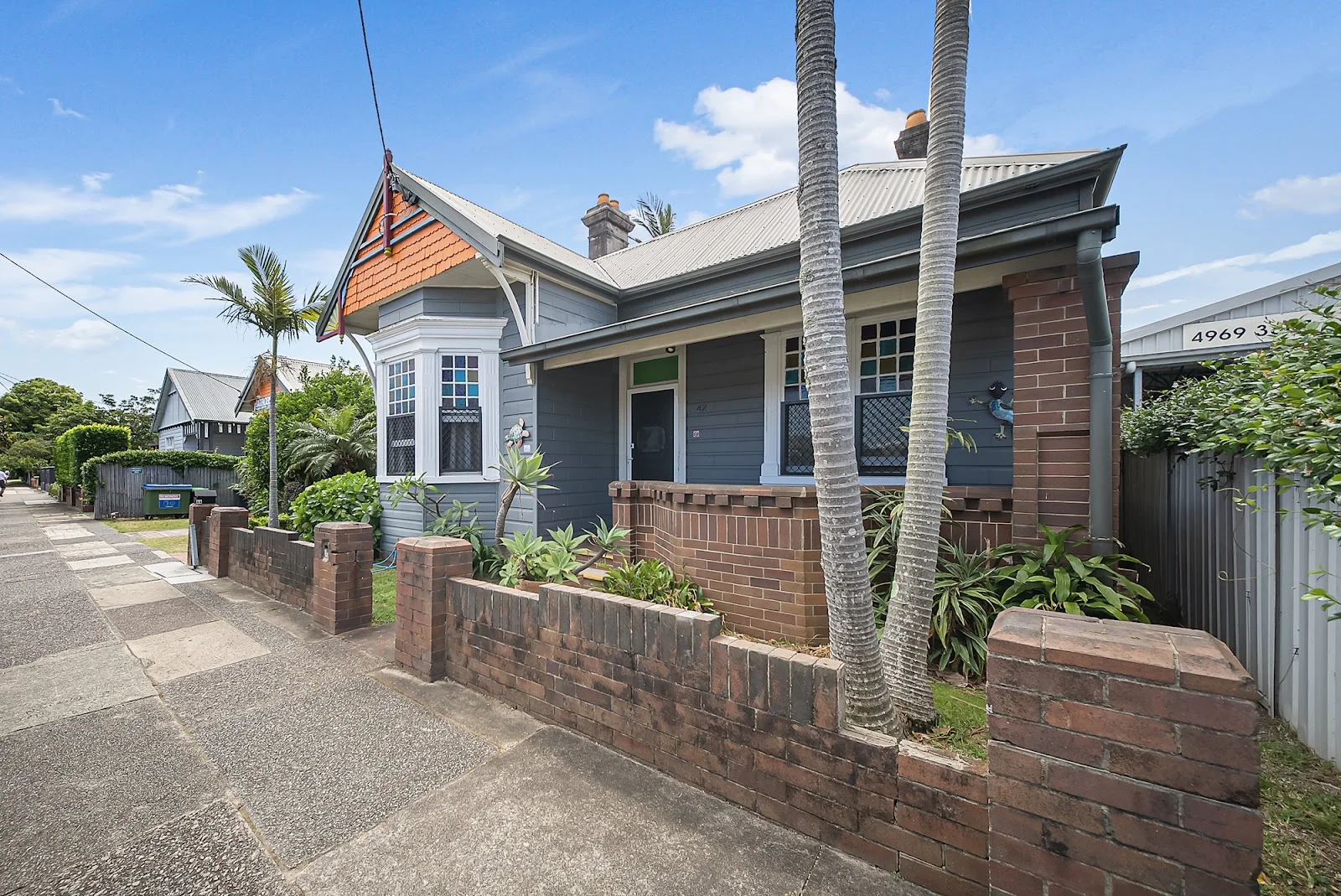 $2,000,000
propertyType.BLOCK OF UNITS
$2,000,000
propertyType.BLOCK OF UNITS
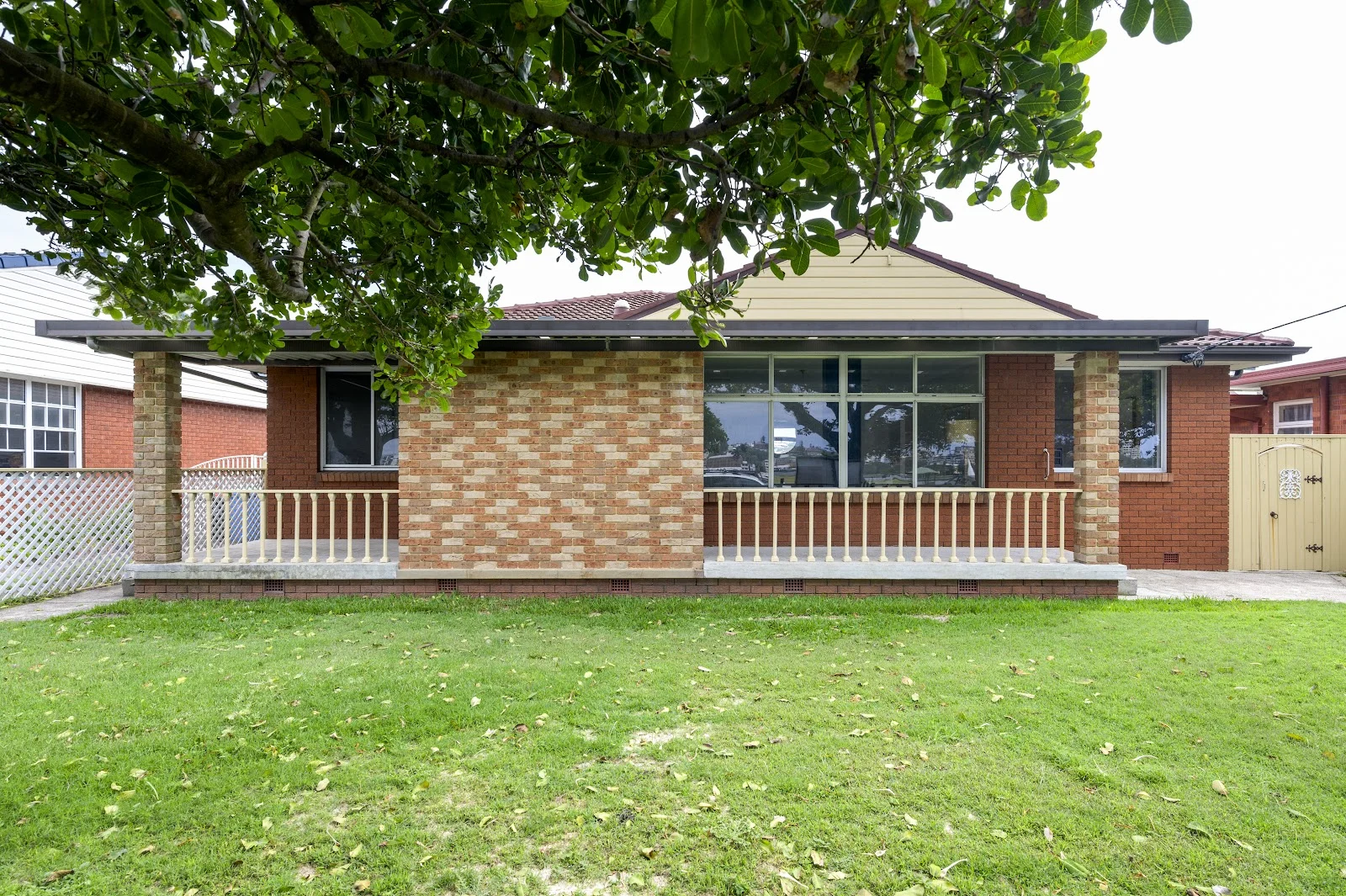 $2,500,000
House
$2,500,000
House
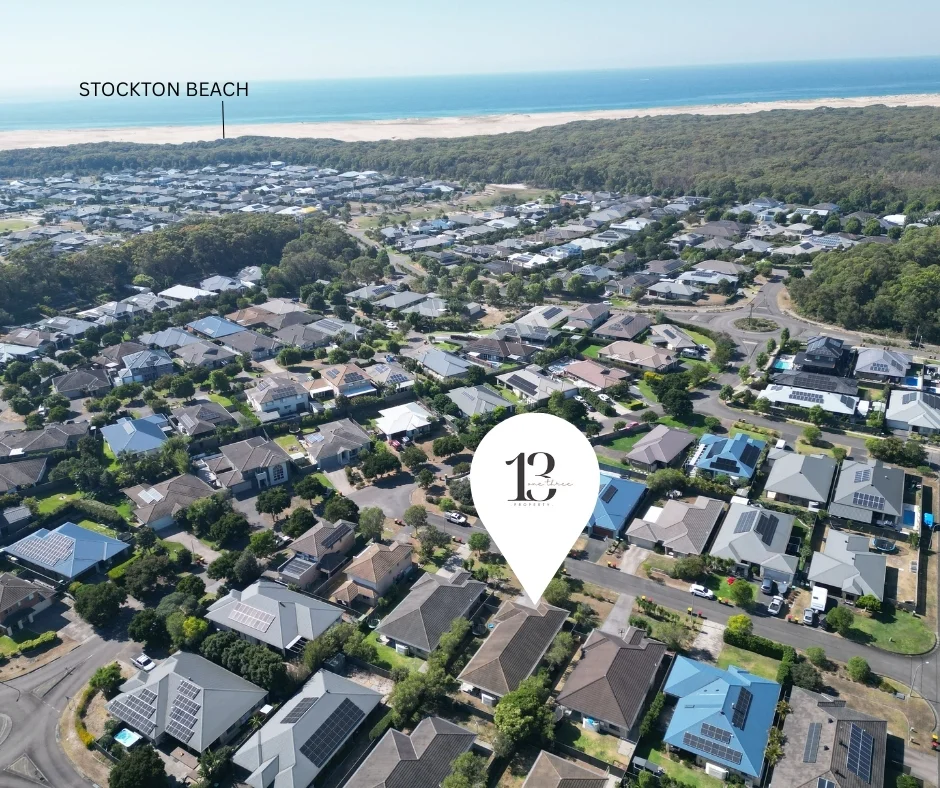 $900,000 - $990,000
House
$900,000 - $990,000
House


