 Government primary school in Little River
Little River Primary School
Little River, VIC 3211
Little River Primary School is a public primary school serving families in the Little River community. The school emphasises a nurturing, community‑focussed environment where students develop confidence, resilience and a love of…
About Little River Primary School
Read the full description
Overview
Little River Primary School is a public primary school serving families in the Little River community. The school emphasises a nurturing, community‑focussed environment where students develop confidence, resilience and a love of learning.
- School type: public
- School size: small
- Atmosphere/culture: nurturing, inclusive, community‑driven
Academics & Learning
- Academic strengths: strong foundations in literacy and numeracy with growing emphasis on STEM and digital literacy; emphasis on English and writing development across year levels.
- Special programs: opportunities for gifted/talented pathways and enrichment activities; targeted learning support when appropriate.
- Student‑teacher ratios: typically around 1:15–1:22, depending on year level and staffing.
- Support for diverse learners: robust support for EAL learners and students with SEN, including individual learning plans and targeted intervention where required.
Sports & Extracurricular Strengths
- Sports offered: athletics, cricket, soccer, netball, swimming, cross‑country and general fitness activities.
- Strong teams or achievements: active participation in district interschool sports and local competitions; regular opportunities to represent the school in various events.
- Music, arts, drama: school offers music programs and occasional performing arts activities; opportunities to participate in performances and assemblies.
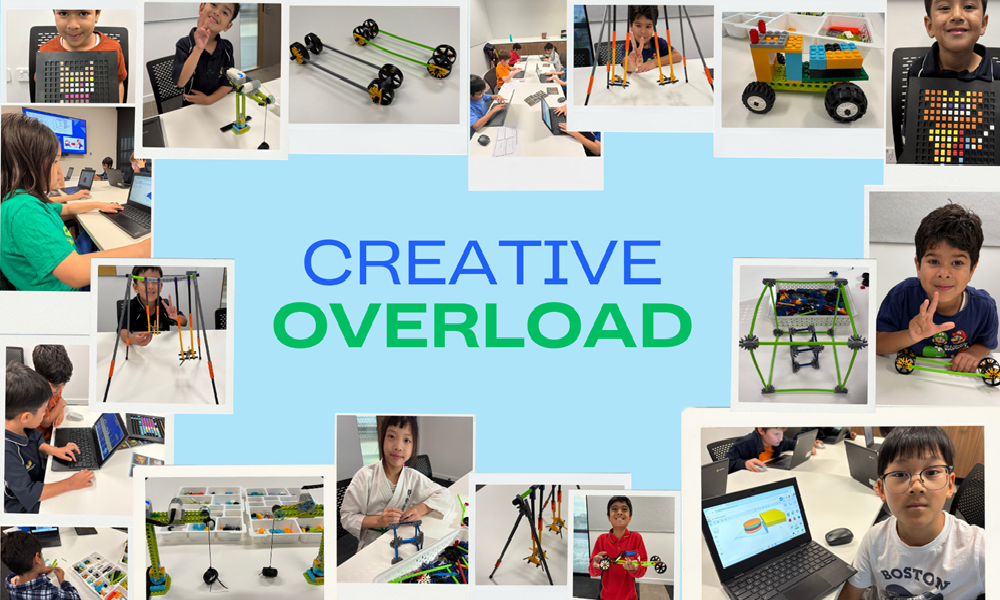
- Clubs: robotics, coding, chess, debating and other student clubs as available.
- Partnerships: connections with local community clubs and regional activities to extend opportunities in sport, arts and competitions.
Wellbeing & Pastoral Care
- Anti‑bullying approach: whole‑school anti‑bullying policy with positive behaviour supports and consistent expectations.
- House system: implements a house structure to build leadership, team spirit and wellbeing across year levels.
- Counsellors / wellbeing officers: access to school wellbeing staff and/or counsellors to support students’ emotional and social needs.
- Transition support for new students: buddy programs, orientation activities and targeted supports to help new students settle in.
Facilities
- Sports grounds
- Libraries
- Science labs
- Music / performing arts spaces
- Tech / innovation labs
- Cafeteria or canteen
- Updated playgrounds
visuals: welcoming, well‑organised spaces that support learning and wellbeing.
School Values & Community Culture
- Values / mission: emphasis on respect, responsibility, curiosity and inclusion; student wellbeing drives decisions.
- Leadership style: student‑centred with teacher guidance; opportunities for student leadership and voice.
- Behaviour expectations: clear codes of conduct, positive reinforcement, and consistent routines.
- Community reputation: supportive, involved parent community; strong local partnerships.
- Diversity & inclusion: commitment to diverse and inclusive practices across all students.
School Logistics & Daily Operations
- School hours: typical school day runs during standard Victorian hours (start around 9:00 am, finish mid‑ to late afternoon).
- Before/after school care: options available through approved providers or school initiatives.
- Uniform requirements: official school uniform required.
- Transport: local bus routes; accessibility and drop‑off points coordinated with families.
- Canteen availability: canteen or snack options during the day.
- Fees: as a public school, there are no tuition fees; minimal/voluntary contributions may apply for activities and excursions.
Enrolment & Admissions
- What is the enrolment process and timeline?
- Enrolment is coordinated through the appropriate enrolment channels for Victorian public schools. Check catchment rules, submit the online or hard copy application with required documents, and follow the school’s indicated timelines. There is typically an intake process for the coming school year, with documentation and confirmation of placement communicated by the school.
- Is there a waiting list, and how does it work?
- Depending on demand and space, a waiting list may operate. Priorities are generally guided by catchment status and placement availability. Families will be advised of their position and next steps if a place cannot be offered immediately.
- Are there any entry requirements, tests, or interviews?
- Public primary schools typically do not require entrance exams. Some schools offer orientation visits or readiness activities, but formal testing or interviews are not standard for general enrolment. Any additional readiness checks would be communicated by the school if applicable.
- Does the school accept mid-year transfers?
- Mid‑year transfers may be possible subject to space and agreed transition arrangements. Prospective families should contact the school’s administration as early as possible to discuss space, enrolment documents and transfer logistics.
Frequently Asked Questions
- Why Parents Choose This School?
- What type of student thrives at this school?
- Students who enjoy a close‑knit community, participate in a range of clubs and sports, and respond well to a supportive, inclusive learning environment.
- What opportunities are available for students to extend their skills (academics, sports, arts)?
- Enrichment programs, clubs (robotics, coding, chess, debating), sport teams, music and performing arts activities, and opportunities for leadership and presentation.
- How does the school communicate with parents?
- Regular newsletters, parent emails, phone calls, parent portal access where available, and notices about events and student progress.
- What is the school’s approach to teaching and learning?
- A balanced, inclusive approach with focus on literacy and numeracy, inquiry‑based and differentiated instruction to meet diverse learner needs.
- How does the school support students who need extra academic help?
- Targeted intervention, learning plans, EAL support, SEN support and access to specialist staff as needed.
- What support is available for academic challenges?
- Early identification, tailored support plans, additional tutoring or small‑group instruction where appropriate, and ongoing progress monitoring.
- How does the school communicate with parents?
- See above: regular updates, meetings and digital communications to keep families informed.
- What extracurricular and sports opportunities are available?
- A range of sports and clubs, including athletics, team games, robotics, coding, chess and debating, plus music and arts activities.
- What facilities does the school offer (sports, science, arts)?
- Sports grounds, library, science labs, music/arts spaces, technology labs, canteen, and modern playgrounds.
- What is the school’s approach to technology and digital learning?
- Integration of ICT into learning, use of digital tools for collaboration and research, and guidance on digital citizenship and safe online practices.
- What transport and accessibility options are available?
- Local bus routes and family transport options; accessible facilities to support inclusive access.
- What are the typical school fees or additional costs?
- No tuition fees for a government primary school; minimal costs may apply for materials, excursions or optional activities.
Short Pros & Cons list
- Pros
- Close-knit, supportive community - Strong focus on literacy and numeracy - Wide range of clubs and extracurriculars - Inclusive environment with robust wellbeing supports
- Cons
- Limited number of specialised programs compared to larger schools - Availability of certain enrichment activities may depend on pupil interest and staffing - Transport options may be more limited outside town areas - Wait times can occur if demand exceeds space in a given year
A few things parents ask
Does Little River Primary School have a catchment area?
Yes. Little River Primary School serves the following official intake zone: Little River Primary School (primary, 2026). Living inside a zone makes this your designated local public school. Whether a place is offered depends on the state’s enrolment policy and the year you apply — it is not a guarantee, and where current students live does not define the boundary. Use the AroundSchools catchment checker to see whether your address falls inside it, then verify with the state education department’s own tool.
What type of school is Little River Primary School?
Little River Primary School is a Government, Co-ed school in Little River, VIC, offering Primary year levels.
Is Little River Primary School a public or private school?
Little River Primary School is a public school. It is government-funded and part of the VIC public education system, so it is generally free for local students to attend, aside from voluntary contributions and levies.
Where is Little River Primary School located?
Little River Primary School is located at 21 Flinders Street, Little River VIC 3211 Australia, Little River, VIC, 3211.
Compare with nearby schools
The closest schools to Little River Primary School, side by side. Fees appear where a school publishes them; activities and events are what is listed on AroundSchools within a short drive of each school.
| School | Distance | Sector | Gender | Years | Fees / yr | Kids' activities within 2 km | Events within 3 km |
|---|---|---|---|---|---|---|---|
| Little River Primary SchoolThis school | Here | Government | Co-ed | Primary | — | 9 | 0 |
| Lara Secondary College | 9.7 km | Government | Co-ed | Secondary | — | 0 | 0 |
| Lara Primary School | 9.7 km | Government | Co-ed | Primary | — | 0 | 0 |
| Nganboo Borron School | 11.0 km | Government | — | — | — | 1 | 0 |
| St Anthony’s Parish Primary School - Lara | 11.1 km | Catholic | Co-ed | Primary | $1,420 | 0 | 0 |
| Walcom Ngarrwa Secondary College | 11.2 km | Government | — | Secondary | — | 1 | 0 |
| Lollypop Creek Primary School | 11.6 km | Government | — | Primary | — | 1 | 0 |
Sorted by distance, not ranked. Check whether your address is in the catchment
Make a little more of the trip
Parks, playgrounds and libraries near the school.
Kids' activities nearby
Classes and clubs listed within a short drive of the school.
Schools nearby
The closest schools, nearest first.