1. Overview
Public, co-educational NSW primary school located in Mayfield West. The school serves a mid-sized student community and participates in NSW Department of Education initiatives as a demonstration school, focusing on innovative teaching approaches and teacher professional development. Class sizes are typically in the mid-20s, with a strong emphasis on a welcoming, inclusive atmosphere where students feel supported.
- School type: Public
- School size: Medium
- Class size: Approximately 22–26 students per class
- Atmosphere/culture: Inclusive, nurturing, community-minded, with a focus on student wellbeing and active participation
2. Academics & Learning
The school emphasizes strong literacy and numeracy foundations, with broader strengths in STEM, the arts, and leadership development. Students are supported to develop critical thinking, collaboration, and practical problem-solving through a range of learning experiences.
- Academic strengths: English/literacy, numeracy, STEM, arts, and leadership opportunities
- Special programs: Gifted & Talented programs (where available), English as an Additional Language (EAL) support, inclusive education and learning support teams
- NAPLAN / trends: NSW DoE style reporting typically shows stable or improving performance in key areas; check the latest school performance summary for trend details
- Student-teacher ratios: Classroom-level ratios typical of NSW public primary schools (roughly 1 teacher per class with support staff as needed)
- Support for diverse learners: EAL support, SEN support, learning support teams, access to guidance staff and wellbeing services
3. Sports & Extracurricular Strengths
A broad range of activities helps students explore talents beyond the classroom, with regular participation in inter-school events and local clubs.
- Sports offered: Soccer, basketball, cricket, athletics, netball, swimming, and other common primary-school sports
- Strong teams or achievements: Active participation in district/inter-school events; opportunities to contribute to school-level teams
- Music, arts, drama programs: School choir, music/groups, school productions, and performing arts activities
- Clubs: Robotics, coding, chess, debating, STEM and creative arts clubs
- Partnerships: Local community groups, regional sports associations, and inter-school competition networks
4. Wellbeing & Pastoral Care
Wellbeing is a central focus, with structures in place to support students’ social and emotional development and foster a positive school climate.
- Anti-bullying approach: Whole-school anti-bullying program with clear policies and restorative practices
- House system: House groups used to support pastoral care, belonging, and positive competition
- Counsellors / wellbeing officers: Access to school wellbeing staff and counselling as needed
- Transition support for new students: Buddy programs, orientation activities, and targeted transition support for start of term
5. Facilities
Facilities are designed to support a well-rounded education with spaces for learning, movement, and creativity.
- Sports grounds: Playing fields and courts
- Libraries: Central library spaces for reading and research
- Science labs: Dedicated science learning laboratories
- Music/performing arts centers: Space for music classes, rehearsals, and performances
- Tech/innovation labs: Resources for coding, robotics, and digital learning
- Cafeteria: On-site canteen or cafeteria with healthy options
- Updated playgrounds: Safe outdoor play and learning environments
6. School Values & Community Culture
A values-driven environment that supports student leadership, respectful behaviour, and an inclusive community.
- School values / mission: Respect, responsibility, inclusion, and excellence (illustrative)
- Leadership style: Collaborative, with student voice and parent involvement
- Behaviour expectations: Clear code of conduct with restorative approaches to discipline
- Community reputation: Strong sense of community, supportive parent networks, and active community engagement
- Diversity & inclusion: Committed to inclusive practices and supporting diverse learners
7. School Logistics & Daily Operations
Clear routines help families plan around school days and activities.
- School hours: Typical day starts around the morning bell and finishes mid-afternoon (exact times provided by the school)
- Before/after school care: OSHC or school-affiliated programs available
- Uniform requirements: Standard school uniform (specific items provided by the school; details available on enrolment materials)
- Transport (train/bus routes): Accessible by local bus routes and nearby public transport; indicative transport options listed by the school
- Canteen availability: On-site canteen with healthy options
- Fees (low/medium/high ranges): NSW public schools do not charge tuition; there are voluntary school contributions and some activity costs
8. Enrolment & Admissions
11. What is the enrolment process and timeline?
- Start with confirming eligibility (catchment and placement)
- Complete the NSW DoE online enrolment form and submit required documents (proof of identity and residence, immunisation records, guardianship documents)
- Submit supporting materials as requested by the school (prior to start date)
- Await notification of placement; timelines vary by year and space availability; ensure you meet key cutoffs for the upcoming start term
12. Is there a waiting list, and how does it work?
- Some year levels may have waiting lists if spaces are limited
- Placement on the waiting list is typically based on factors such as catchment eligibility, sibling eligibility, and available space
- The school will advise on expected wait times and next steps
13. Are there any entry requirements, tests, or interviews?
- For general enrolment in NSW public schools, entry tests or interviews are not typically required
- Some programs (e.g., selective tracks or special programs) may have additional evaluation or criteria; confirm with the school
- Immunisation and documentation requirements must be met
14. Does the school accept mid-year transfers?
- Mid-year transfers may be possible if there is space
- Transfer timing depends on current enrolment numbers and space availability
- Parents should contact the school early if considering a mid-year move
9. Frequently Asked Questions
- Why Parents Choose This School?
Parents often choose this school for its inclusive culture, strong community involvement, focus on student wellbeing, and opportunities across academics, arts, and sport.
- What type of student thrives at this school?
Students who engage in a balanced program, value collaboration, and enjoy a supportive, structured environment tend to thrive. The school supports diverse learners and fosters curiosity across subjects.
- What opportunities are available for students to extend their skills (academics, sports, arts)?
Opportunities include enhanced literacy and numeracy programs, STEM and coding clubs, music and drama activities, sports teams, and inter-school competitions.
- How does the school communicate with parents?
Regular updates via newsletters, emails, school portal or app, parent meetings, and some opportunities for informal check-ins with teachers and wellbeing staff.
- What is the school’s approach to teaching and learning?
Emphasis on student-centred, evidence-based practices; differentiation to meet diverse learner needs; integration of technology and hands-on learning; strong focus on literacy and numeracy foundations.
- How does the school support students who need extra academic help?
Targeted learning support, EAL assistance, SEN support, and access to teaching staff and wellbeing resources; parent-teacher collaboration is encouraged.
- What support is available for academic challenges?
Diagnosis and planning through learning support teams, extra tutoring or small-group sessions where available, and strategies tailored to individual needs.
- How does the school communicate with parents? (Duplicate)
See above: regular updates, meetings, and digital communication channels.
- What are the class sizes and how much individual attention do students receive?
Class sizes are typically in the low-to-mid-20s, with teachers providing differentiated instruction and available support staff for additional assistance.
- What extracurricular and sports opportunities are available?
A range of sports, clubs (robotics, coding, chess, debating), music and arts programs, and opportunities to participate in inter-school events.
- What facilities does the school offer (sports, science, arts)?
Sports courts and fields, libraries, science labs, performing arts spaces, music facilities, and technology/innovation labs.
- What is the school’s approach to technology and digital learning?
Integration of digital tools to support learning, coding and robotics programs, and safe, age-appropriate use of technology in the classroom.
- What transport and accessibility options are available?
Access to local bus routes and public transport; information on accessibility features and drop-off/pick-up arrangements is provided by the school.
- What are the typical school fees or additional costs?
NSW public schools do not charge tuition; there are voluntary contributions and occasional costs for excursions, activities, and specialist programs.
10. Short Pros & Cons list
Pros
- Inclusive, supportive school culture with a focus on student wellbeing
- Strong community and parent involvement
- Broad range of academic, arts, and sports opportunities
- Access to diverse support services (EAL, SEN, counselling)
- Modern facilities for STEM, arts, and digital learning
Cons
- Class sizes typical of public primary schools; individual attention varies by teacher and needs
- Some programs and activities may have associated costs for excursions or materials
- Availability of certain extra programs may depend on funding and staffing in a given year
Notes
- This content is a draft intended to help families understand the school’s potential strengths and offerings. For precise, up-to-date details (enrolment processes, current facilities, exact programs, and recent performance trends), please refer to the school’s official communications and NSW Department of Education materials.






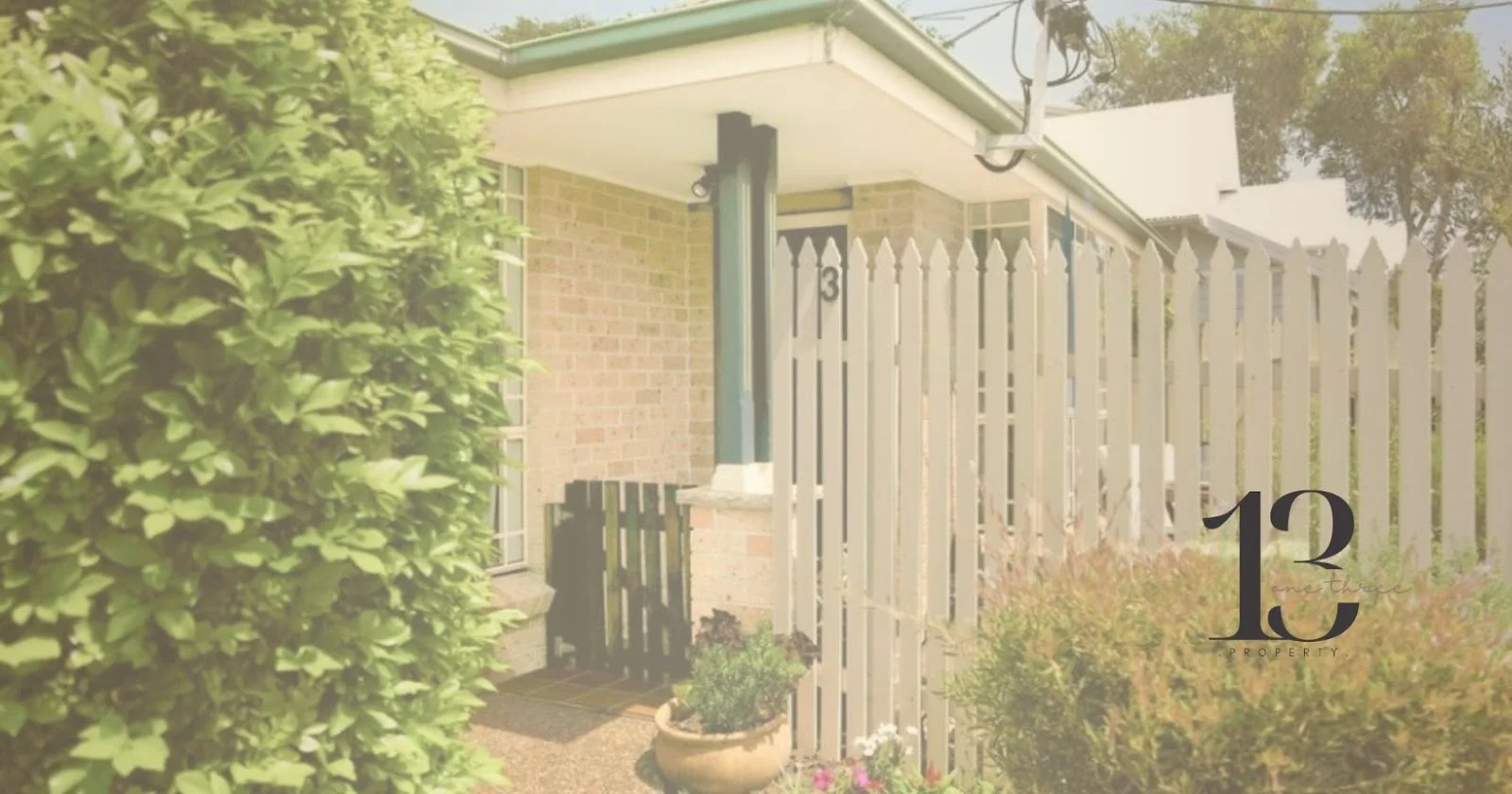 $795,000
Townhouse
$795,000
Townhouse
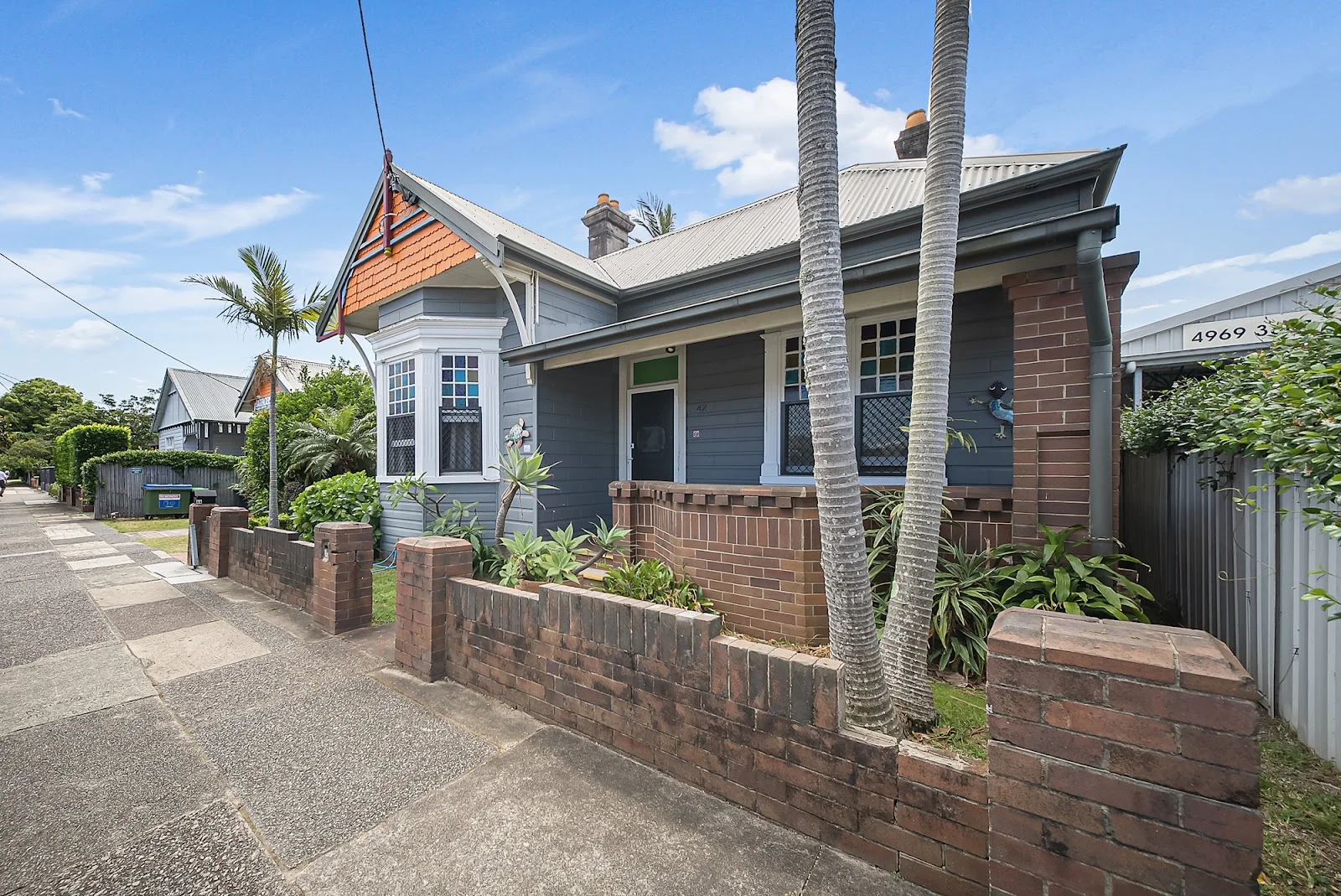 $2,000,000
propertyType.BLOCK OF UNITS
$2,000,000
propertyType.BLOCK OF UNITS
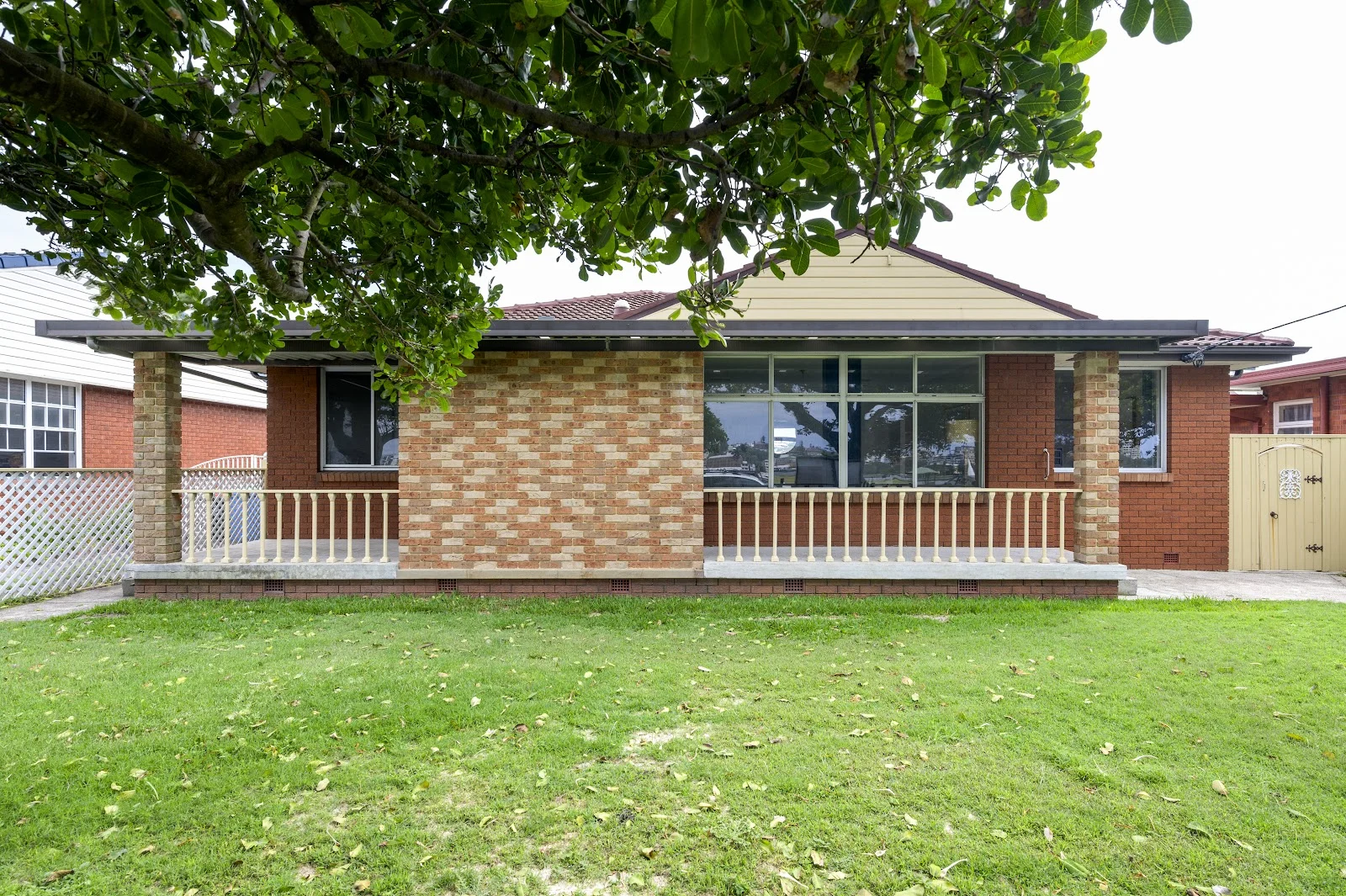 $2,500,000
House
$2,500,000
House
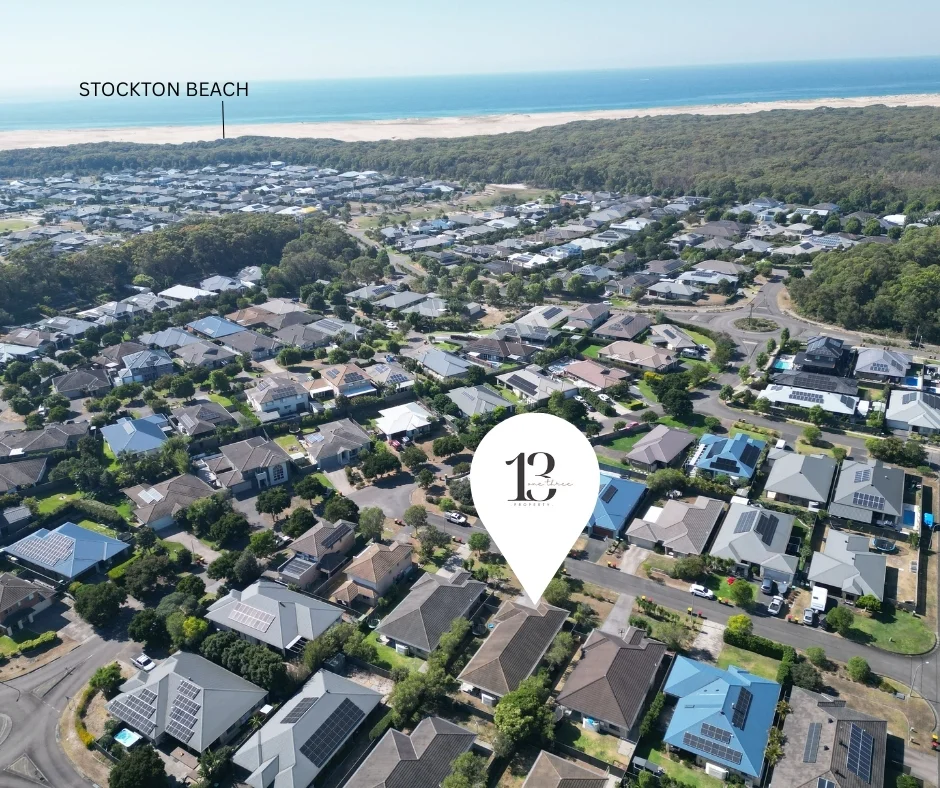 $900,000 - $990,000
House
$900,000 - $990,000
House


