Overview
## Overview
Mernda Central College is a public, co-educational P–12 college serving Mernda and the surrounding community. The college provides a continuum of learning from Prep to Year 12, with a focus on inclusive, student-centered education and clear pathways to tertiary study, vocational training and employment.
As a medium-to-large public school, it typically offers class sizes in the low- to mid-twenties and a vibrant, supportive atmosphere. The college emphasizes a welcoming, inclusive culture that blends academic ambition with opportunities across sport, arts and community involvement.
## Academics & Learning
- Academic strengths: STEM, strong English literacy, leadership development, and languages (LOTE programs). The school supports a broad curriculum designed to build critical thinking, creativity and communication.
- Special programs: accelerated learning options, gifted and talented pathways, senior secondary VCE/VCAL or equivalent, and opportunities in technology and digital learning.
- NAPLAN trends: generally showing steady year‑to‑year improvement with performance above state averages at several year levels, alongside ongoing work to lift outcomes across all cohorts.
- Student-teacher ratios: typical ratios around 1:20 to 1:25, supporting curriculum access and moderate levels of individual guidance.
- Support for diverse learners: English as an Additional Language (EAL) support and dedicated SEN/DSP support and learning assistance where needed.
## Sports & Extracurricular Strengths
- Sports offered: soccer/football, AFL-style activities, cricket, netball, basketball, athletics, swimming and cross-country, with fixtures at local and district levels.
- Strong teams or achievements: competitive representation in district events and ongoing development of student-athletes through structured programs.
- Music, arts, drama programs: school-wide music ensembles, school productions and performing arts activities.
- Clubs: robotics, chess, coding, debating and other student-led interest groups.
- Partnerships: connections with local clubs, community organizations and competitions to broaden opportunities beyond the classroom.
Note: This section is designed to be scanned quickly by parents, particularly those looking for sports and arts options for boys aged 10–14.
## Wellbeing & Pastoral Care
- Anti-bullying approach: whole‑school focus on respectful behavior, clear anti-bullying policies and supportive reporting processes.
- House system: house structures to foster belonging, friendly competition and peer mentoring across year levels.
- Counsellors / wellbeing officers: dedicated staff for student welfare, mental health support and transition guidance.
- Transition support for new students: orientation programs, buddy systems and targeted supports to help new students settle in quickly.
## Facilities
- Sports grounds: ample outdoor spaces suitable for PE, track and field activities and team sports.
- Libraries: well-stocked libraries with study spaces and digital resources.
- Science labs: modern science facilities to support hands-on experiments across disciplines.
- Music/performing arts centers: dedicated spaces for music, drama and performances.
- Tech/innovation labs: modern ICT and maker spaces for coding, robotics and digital projects.
- Cafeteria: on-site canteen offering healthy meal and snack options.
- Updated playgrounds: engaging outdoor play and learning environments.
## School Values & Community Culture
- School values / mission: a focus on respect, responsibility, integrity, excellence and inclusion to guide student behavior and learning.
- Leadership style: active student voice through councils and leadership roles; teacher leadership that supports collaboration and continuous improvement.
- Behaviour expectations: clear codes of conduct aligned with positive behavior for learning.
- Community reputation: known for a supportive, diverse and welcoming community with strong parent and community engagement.
- Diversity & inclusion: commitment to inclusive practices and supporting students from diverse backgrounds.
## School Logistics & Daily Operations
- School hours: typical day runs from around 9:00 am to 3:30 pm, with flexibility for year-level timetables.
- Before/after school care: on-site or partner OSHC services available to support families.
- Uniform requirements: school uniform required, with details provided by the school to ensure consistent dress standards.
- Transport (train/bus routes): local buses and proximity to public transport options; families often rely on school run or community routes.
- Canteen availability: canteen or food facilities available to provide healthy options during the day.
- Fees (low/medium/high ranges): as a public school, fees are generally modest with essential levies and materials costs; information provided transparently by the school.
## Enrolment & Admissions
11. What is the enrolment process and timeline?
- Check if you are in the school’s catchment area and understand the enrolment window for the year.
- Submit an enrolment application with required documents (proof of residency, birth certificates, immunisation records, etc.).
- The school processes applications within a standard timeline and issues placement offers as vacancies allow. Orientation for new families is typically provided before the start of the year.
12. Is there a waiting list, and how does it work?
- Waiting lists may occur when applications exceed vacancies. Priority is generally given to students within the catchment area, with siblings often prioritised, followed by other factors as defined by the school.
13. Are there any entry requirements, tests, or interviews?
- In most cases, there are no formal entrance exams. Some programs or year levels may include informal interviews or information sessions to understand student needs, interests and appropriate supports.
14. Does the school accept mid-year transfers?
- Yes, subject to vacancies and the school’s transfer procedures. Families should contact the school early to discuss options and required documentation.
## Frequently Asked Questions
- Why Parents Choose This School?
- Public P–12 pathway with a strong focus on inclusive, student-centered learning and opportunities across academics, sport and the arts.
- What type of student thrives at this school?
- Students who are curious, motivated to learn across multiple subjects, and who benefit from a supportive, team-based school community.
- What opportunities are available for students to extend their skills (academics, sports, arts)?
- Enhanced learning pathways (STEM, languages, leadership), VCE/VCAL/VT pathways, accelerated options, competitive sport teams, music and drama programs, robotics and coding clubs.
- How does the school communicate with parents?
- Regular newsletters, parent-teacher meetings, academic reports, school apps or portals, and direct contact with teachers and wellbeing staff.
- What is the school’s approach to teaching and learning?
- Student-centered pedagogy, emphasis on high expectations, differentiation to meet diverse needs, and integration of technology to support learning.
- How does the school support students who need extra academic help?
- EAL and SEN support, targeted small-group or one-on-one assistance, and access to learning support staff and wellbeing services.
- What support is available for academic challenges?
- Academic coaching, study skills development, access to tutoring and targeted interventions as needed.
- How does the school communicate with parents? (Note: repeated)
- See above: newsletters, meetings, reports, portals, and direct staff communication.
- What are the class sizes and how much individual attention do students receive?
- Class sizes typically around 20–25 students, with teachers providing targeted instruction and support within the classroom and through additional learning support where required.
- What extracurricular and sports opportunities are available?
- A broad range of clubs (robotics, chess, coding, debating) and sports (team and individual), plus music and arts programs and external partnership activities.
- What facilities does the school offer (sports, science, arts)?
- Sports grounds, libraries, science labs, music/performing arts centers, tech/innovation labs, canteen, and updated playgrounds.
- What is the school’s approach to technology and digital learning?
- Integration of digital tools across subjects, access to devices and online resources to support learning, and a focus on developing digital literacy.
- What transport and accessibility options are available?
- Local bus routes and public transport options; school can provide guidance on travel planning and accessibility considerations.
- What are the typical school fees or additional costs?
- Public school systems involve minimal compulsory fees with optional levies for materials, activities or camps; precise costs are provided by the school during enrolment.
## Short Pros & Cons list
- Pros
- Public P–12 pathway with inclusive, student-centered learning
- Broad range of academic, sporting and arts opportunities
- Strong support services for EAL and SEN
- Welcoming and diverse school community
- Cons
- Class sizes may vary by year level; some periods may be busier during peak years
- Availability of certain extra programs may depend on funding and enrolment levels
- Transport options are subject to regional routes and schedules
If you’d like, I can tailor any section with more local nuance or phrasing to match Aroundschools’ style, or adjust based on any updated details you provide.










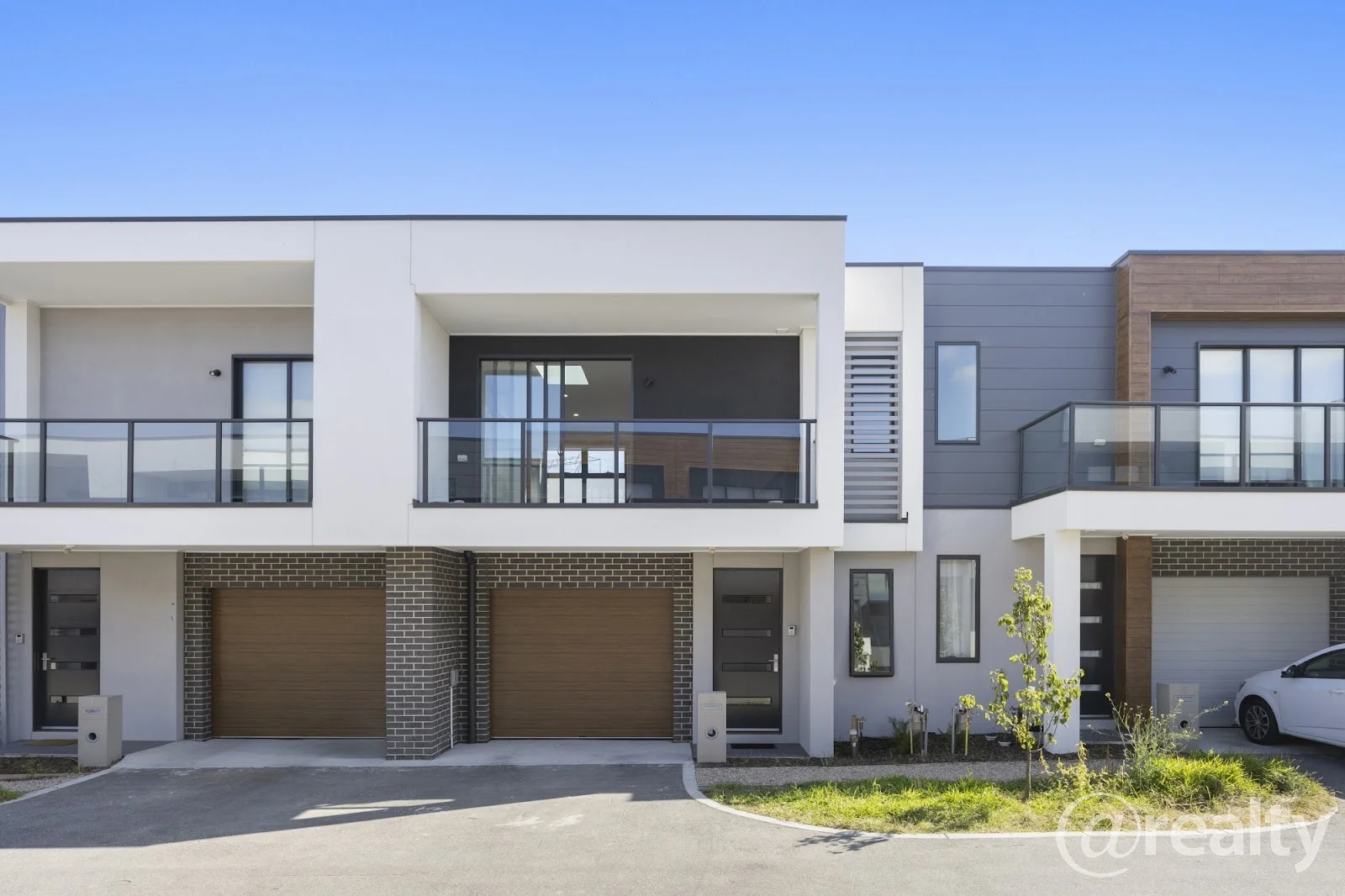 $510
Townhouse
$510
Townhouse
 $800,000 - $850,000
House
$800,000 - $850,000
House
 $1,220,000 - $1,320,000
House
$1,220,000 - $1,320,000
House