St Joseph's Catholic Primary School - Mernda
Mernda, VIC 3754
School Type
Catholic
Gender
Coeducational
Tuition Fees
$780
Levels
Primary
Overview
## 1. Overview
St Joseph's Catholic Primary School, Mernda is a Catholic, co-educational primary school serving families in Mernda, Victoria. The school operates as a small-to-medium sized community that places a strong emphasis on faith-inspired learning, classroom care, and a welcoming atmosphere. Class sizes are typically in the lower-to-mid range for primary schools, supporting close teacher attention and student collaboration. The culture is described as nurturing, inclusive, and community-focused, with an emphasis on values, respect, and student well-being.
## 2. Academics & Learning
- Academic strengths: The school emphasises literacy and numeracy within a faith-informed framework, alongside strong English and Mathematics learning. There is attention to critical thinking, digital literacy, and cross-curricular projects that integrate Catholic values.
- Special programs: Religious Education is a core component, with opportunities for leadership, service, and faith formation. Where available, programs such as gifted and talented pathways, library/information literacy, and technology-enabled learning support broader student growth.
- NAPLAN / trend considerations: Publicly available trend data for individual schools are published by the state; schools in this sector typically monitor literacy and numeracy progress year over year and use findings to adjust instruction. For St Joseph's Mernda, refer to the latest school performance reporting for specific trend insights.
- Student-teacher ratios: Class configurations generally support good teacher-student interaction, with ratios typical of small-to-medium Catholic primary schools. Exact ratios vary by year level.
- Support for diverse learners: The school typically provides inclusive education supports, including assistance for EAL (English as an Additional Language) students and targeted support for students with SEN (Special Educational Needs), often via dedicated staff or specialist programs.
## 3. Sports & Extracurricular Strengths
- Sports offered: A range of curricular and extracurricular physical activities appropriate for primary students, with opportunities to participate in school and inter-school events.
- Strong teams or achievements: Participation in inter-school sports and events is common, with success depending on year and cohort; emphasis is placed on teamwork, character, and fair play.
- Music, arts, drama programs: The school usually offers music and performing arts activities, with opportunities for choir, drama, and school-wide performances.
- Clubs: Robotics, chess, coding, debating, and other STEM- or literacy-oriented clubs are typically available or offered periodically.
- Partnerships: Schools in this sector often partner with local clubs, community organizations, and regional competitions to broaden opportunities for students.
## 4. Wellbeing & Pastoral Care
- Anti-bullying approach: A proactive anti-bullying stance is standard, with wellbeing policies, student support, and classroom practices aimed at creating a safe and respectful environment.
- House system: A house or buddy system is commonly used to foster belonging, teamwork, and positive competition within the school community.
- Counsellors / wellbeing officers: The school typically provides access to wellbeing staff or counselling services to support emotional health, resilience, and transition needs.
- Transition support for new students: Orientation activities, buddy programs, and targeted transition supports help new students settle in smoothly.
## 5. Facilities
- Sports grounds: Outdoor spaces for play and physical education activities.
- Libraries: A library for reading, research, and literacy programs.
- Science labs: Designated spaces for science exploration and inquiry (facilities may vary by year level).
- Music/performing arts centers: Areas or spaces dedicated to music, drama, and performance activities.
- Tech/innovation labs: Classrooms or spaces equipped for digital learning and creative projects.
- Cafeteria: On-site canteen or lunch facilities supporting daily meal provision.
- Updated playgrounds: Well-maintained play areas and equipment suitable for primary-aged students.
## 6. School Values & Community Culture
- School values / mission: A Catholic mission that emphasises faith, service, respect, compassion, and community involvement.
- Leadership style: Typically collaborative and values-driven, encouraging student voice, responsibility, and opportunities to lead within the school.
- Behaviour expectations: Clear behavioural expectations aligned with positive behaviour supports and a respectful learning environment.
- Community reputation: The school aims to maintain a welcoming, faith-centered culture with strong parent and parish connections.
- Diversity & inclusion: Commitment to inclusive practices and respect for diversity within the school community.
## 7. School Logistics & Daily Operations
- School hours: Core instructional hours align with Victorian non-government school schedules, with start and finish times appropriate for primary students; variations may occur by year level.
- Before/after school care: Often available or arranged through partnerships with local providers; check current options for after-school care and supervision.
- Uniform requirements: School uniforms are standard; attire is part of daily dress and school events, with guidelines provided by the school.
- Transport (train/bus routes): Local bus services and public transport access are commonly available in the Mernda area; families typically arrange travel accordingly.
- Canteen availability: On-site or school-approved canteen facilities are often available on certain days.
- Fees (low/medium/high ranges): As a Catholic primary school, fees are typically structured around pastoral support and service delivery; actual fees and any associated costs vary by year and program and should be confirmed with the school.
## 8. Enrolment & Admissions
11. What is the enrolment process and timeline?
- Enrolment usually involves submitting an application, providing required documentation, and completing any interviews or family information sessions as part of the process. The timeline can vary by intake year and may include priority periods for siblings or parish/policy considerations. Check the school’s current admissions page or contact the school directly for the precise timeline.
12. Is there a waiting list, and how does it work?
- Waiting lists are common when applications exceed places. Priorities typically include siblings, parish affiliation, and availability. The school can confirm current waitlist status and how placements are allocated.
13. Are there any entry requirements, tests, or interviews?
- Primary enrolment generally does not require academic testing for entry, though some schools may conduct informal interviews or family information sessions. Documentation related to attendance, immunizations, and previous schooling is usually requested. Specific entry requirements can vary; verify with the school.
14. Does the school accept mid-year transfers?
- Mid-year transfers are considered where spaces permit. Families seeking mid-year placement should contact the school to discuss availability, required documentation, and scheduling a transition plan.
## 9. Frequently Asked Questions
- Why Parents Choose This School?
- A faith-informed, supportive community with a focus on values, strong pastoral care, and a commitment to both academics and personal development.
- What type of student thrives at this school?
- Students who value a nurturing environment, faith-based learning, collaborative classrooms, and involvement in diverse activities across academics, arts, and sport.
- What opportunities are available for students to extend their skills (academics, sports, arts)?
- Opportunities often include advanced literacy/numeracy support or enrichment, sports and inter-school events, music/drama programs, and clubs such as robotics, coding, chess, and debating.
- How does the school communicate with parents?
- Through newsletters, emails, a parent portal or learning management system, phone calls, and scheduled parent-teacher conferences.
- What is the school’s approach to teaching and learning?
- A student-centred approach with differentiated instruction, integration of faith-based values, and emphasis on literacy, numeracy, and critical thinking across strands.
- How does the school support students who need extra academic help?
- Targeted small-group instruction, learning support staff, EAL assistance, and access to specialist programs as needed.
- What support is available for academic challenges?
- Individual or small-group interventions, progress monitoring, and collaboration with families to create suitable learning plans.
- How does the school communicate with parents? (duplicated)
- See above: newsletters, portals, emails, conferences, and classroom updates.
- What are the class sizes and how much individual attention do students receive?
- Class sizes are designed to be small-to-medium to enable closer teacher contact and personalised feedback; the exact size varies by year level.
- What extracurricular and sports opportunities are available?
- A mix of sports, arts, and clubs such as robotics, chess, coding, debating, and inter-school events.
- What facilities does the school offer (sports, science, arts)?
- Facilities typically include sports grounds, library, science spaces, music/performing arts areas, technology labs, a canteen, and well-maintained outdoor play areas.
- What is the school’s approach to technology and digital learning?
- Integrated digital literacy, use of age-appropriate devices and software, and digital projects aligned with curriculum goals.
- What transport and accessibility options are available?
- Access to local bus services and public transport in the Mernda area; supports for families arranging travel; accessibility options as per school facilities.
- What are the typical school fees or additional costs?
- Fees vary by year and program; the school can provide a current breakdown and any associated costs (materials, excursions, camps) on request.
## 10. Short Pros & Cons list
Pros
- Catholic ethos with a values-based approach to learning
- Nurturing, inclusive, close-knit community
- Small-to-medium class sizes enabling individual attention
- Broad range of academic, arts, and sports opportunities
- Focus on Wellbeing, pastoral care, and student support
Cons
- As a smaller to mid-sized school, some specialist programs may differ from larger institutions
- Availability of certain clubs or facilities can vary year to year
- Transport options depend on local public services and may require planning for some families
If you’d like, I can tailor these sections further with more precise details after you confirm current data from the school or official sources.
School Fees
| Year Level | Local Fees |
|---|---|
| Year 1 | $780 |
| Year 2 | $780 |
| Year 3 | $780 |
| Year 4 | $780 |
| Year 5 | $780 |
| Year 6 | $780 |
Social Media
What's Nearby

Northern Goju Karate
Karate
Level 1, suite 108, 95 Hazel Glen Drive, Doreen

Tim Credible the Magician
MagicianEvent Entertainment
Melbourne, Epping

SingOut Singing and Performance School
Singing
14 McLaughlin Cres , Mill Park

Dynamic Footy Skills
AFL
360 Childs Rd, Mill Park

Social Sport - Bundoora
Futsal
RMIT Sports Center - 203 McKimmes Rd, , Bundoora

DVE Aquatic Inc
SwimmingWater PoloDiving
., Greensborough

Melbourne Taekwondo Centre (Diamond Valley)
Taekwondo
90 Mayona Rd, Montmorency

Jacqueline Pace
Flute
Rattray Rd, Montmorency

Nextgen Football Academy
Soccer
64 Buena Vista Dr, Montmorency
Upcoming Events Nearby
Nearby Schools
🏫
Mernda Primary School
25 Everton Drive, Mernda VIC 3754 Australia
Government
Coeducational
Primary
Mernda Central College
Independent
Coeducational
ELC+

Mernda Hills Christian College
370 Bridge Inn Road, Mernda VIC 3754 Australia
Independent
Coeducational
Primary+
🏫
St Paul the Apostle Catholic Primary School
80 Bassetts Rd, Doreen VIC 3754, Australia
Catholic
Coeducational
Primary
🏫
Mernda Park Primary School
40 Riverdale Blvd, Mernda VIC 3754, Australia
Government
Coeducational
Primary

Ivanhoe Grammar School - Plenty Campus
730 Bridge Inn Road, Mernda VIC 3754 Australia
Independent
Coeducational
ELC+
Nearby Properties
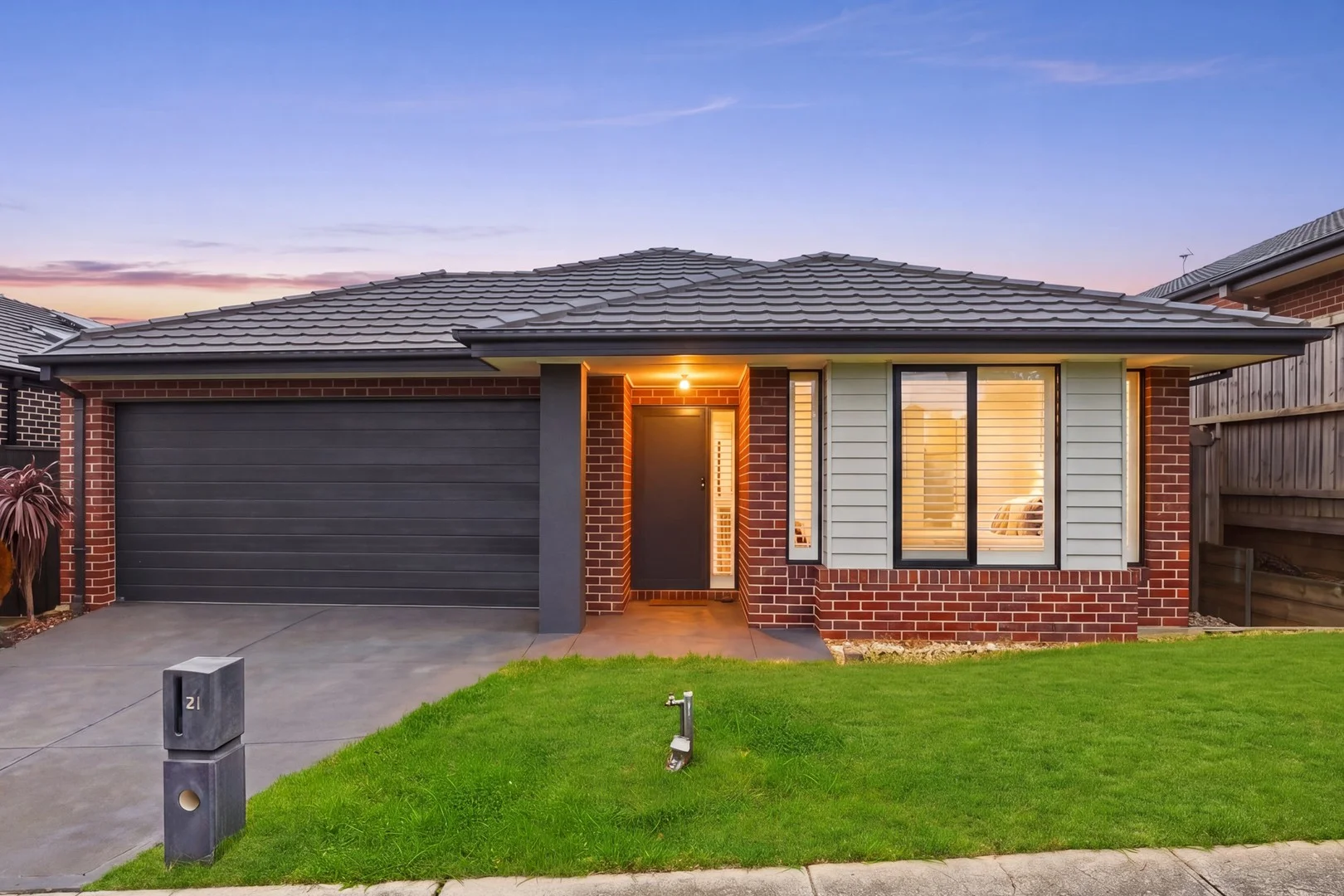 $800,000 - $850,000
House
$800,000 - $850,000
House
$800,000-$850,000
21 Kumalie Drive
Doreen, VIC, 3754
4 beds · 2 baths · 2 cars
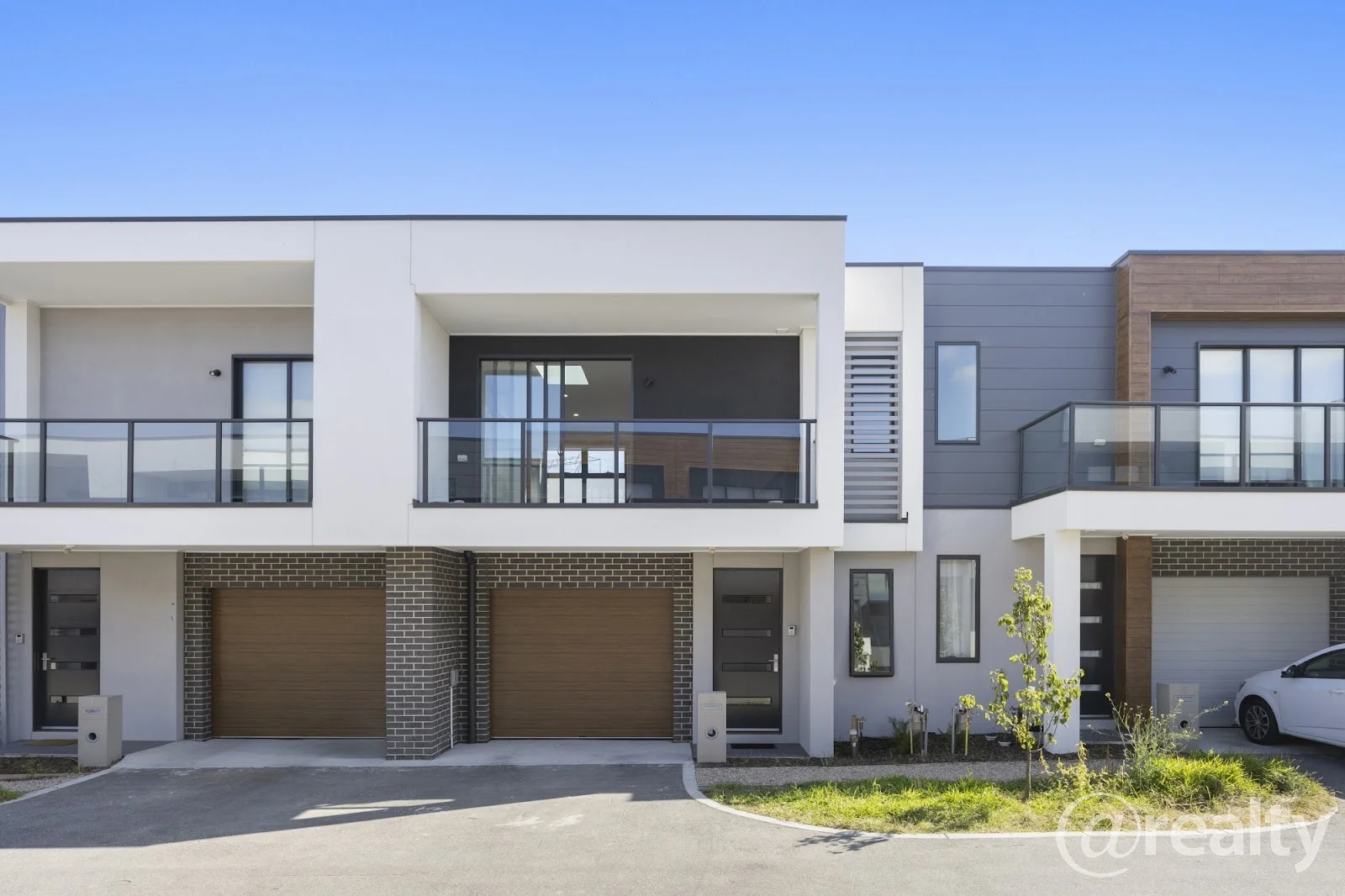 $510
Townhouse
$510
Townhouse
$510 per week
6 Banksia Way
South Morang, VIC, 3752
2 beds · 2 baths · 1 cars
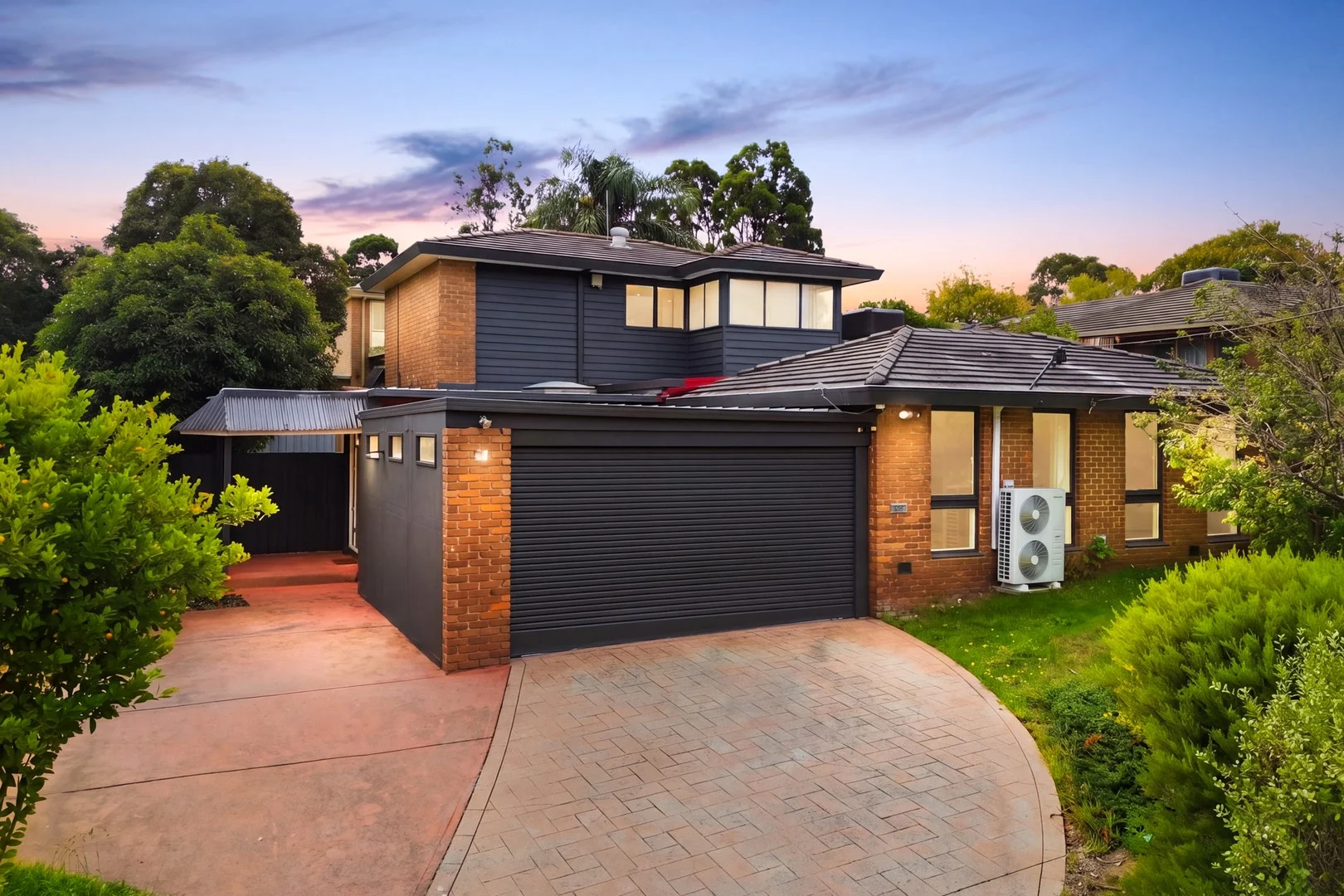 $1,220,000 - $1,320,000
House
$1,220,000 - $1,320,000
House
$1,220,000-$1,320,000
33 Warralong Avenue
Greensborough, VIC, 3088
4 beds · 3 baths · 2 cars