Overview
Nazareth Catholic Primary School (Grovedale) is a Catholic, co-educational primary school serving families in the Grovedale area. It is a medium-sized school that aims to balance a warm, family-focused culture with solid academic expectations. Class sizes typically sit in the low-to-mid 20s, which supports individual attention within a broader learning program. The atmosphere is generally nurturing, inclusive, and faith-informed, with a strong emphasis on community, service, and values-based learning.
⸻
Academics & Learning
- Academic strengths: Focus on literacy and numeracy with integrated STEM and digital learning; English and Mathematics are core priorities, with opportunities to develop leadership and communication through student-directed activities.
- Special programs: Religious Education is central; extension or acceleration options and targeted literacy/numeracy support may be offered, with gifted and talented opportunities depending on cohort and staffing.
- NAPLAN trends: Recent years typically show stable or improving results in literacy and numeracy, with ongoing efforts to lift outcomes through targeted intervention and support.
- Student-teacher ratios: Class sizes in the low-to-mid 20s contribute to relatively favorable student-teacher ratios; specialist teaching supports in areas like PE, art, and music may be available.
- Support for diverse learners: EAL support for students learning English; learning support staff and inclusive education practices to assist students with additional needs.
⸻
Sports & Extracurricular Strengths
- Sports offered: AFL, netball, soccer, basketball, cricket, swimming, athletics, with participation in local and inter-school events.
- Strong teams or achievements: Ongoing involvement in inter-school competitions; achievements vary by year but there’s a culture of teamwork and participation.
- Music, arts, drama programs: Access to music and performing arts opportunities, including choir or related programs and school-wide performances.
- Clubs: Robotics/coding, chess, debating, and science or environmental clubs are commonly available, with additional activities aligned to student interest.
- Partnerships: Connections with local clubs and community groups to support pathways in sport, arts, and STEM activities.
⸻
Wellbeing & Pastoral Care
- Anti-bullying approach: Clear anti-bullying policies with promotes respectful interactions and restorative practices.
- House system: House groups foster belonging, spirit, and positive pews of support during events and competitions.
- Counsellors / wellbeing officers: Access to wellbeing staff or school-based counsellors to support student wellbeing and mental health.
- Transition support for new students: Buddy systems, orientation activities, and targeted transition support to help new students settle in smoothly.
⸻
Facilities
- Sports grounds: On-site or nearby access to suitable sports grounds for games and training.
- Libraries: Well-stocked library with print and digital resources.
- Science labs: Dedicated spaces for hands-on science learning.
- Music/performing arts centers: Facilities to support music and drama performances.
- Tech/innovation labs: ICT/tech spaces or makerspaces for coding and digital projects.
- Cafeteria: On-site canteen or lunch provision with healthy options.
- Updated playgrounds: Modern, safe play areas with updated equipment.
- Prayer space: Quiet space or chapel for prayer and reflection as part of the school day.
⸻
School Values & Community Culture
- School values / mission: Catholic faith-based values emphasizing care, service, respect, integrity, and community involvement.
- Leadership style: Opportunities for student leadership and voice within a collaborative, inclusive school culture.
- Behaviour expectations: Clear behaviour standards with a focus on respect, responsibility, and restorative approaches to discipline.
- Community reputation: Generally perceived as a welcoming, family-oriented school with active family engagement.
- Diversity & inclusion: Inclusive environment that welcomes families from diverse backgrounds and abilities.
⸻
School Logistics & Daily Operations
- School hours: Typically around 9:00 am to 3:30 pm, with options for before/after school care.
- Before/after school care: Available through school-run programs or external providers; check current offerings.
- Uniform requirements: School uniform with defined guidelines; details provided by the school.
- Transport (train/bus routes): Access to public transport and local bus routes; parking and drop-off/collection arrangements in place.
- Canteen availability: Canteen or lunch program offering healthy options.
- Fees (low/medium/high ranges): Fees are generally in the mid-range for Catholic primary schools; additional costs may apply for excursions, camps, and some activities.
⸻
Enrolment & Admissions
11. What is the enrolment process and timeline?
- Start by expressing interest (open day or information session), then submit an application with required documents (birth certificate, baptism or parish information where applicable). Timelines vary by year and intake; contact the school for current dates and checklists.
12. Is there a waiting list, and how does it work?
- Waiting lists are common; enrolment is often prioritized by date of application and space availability, with preference considerations for Catholic families or parish backups as dictated by the school’s policy.
13. Are there any entry requirements, tests, or interviews?
- Interviews are commonly part of the process for primary entry; testing is not universally required, but some schools may include informal assessments or discussions during interviews. Catholic identity or parish references may be requested.
14. Does the school accept mid-year transfers?
- Mid-year transfers are possible when vacancies exist and placement can be arranged; timelines depend on space and readiness of the incoming student.
⸻
Frequently Asked Questions
- Why Parents Choose This School?
- A values-based, caring community with a focus on faith, learning, and wellbeing; supportive teachers and small-to-medium class sizes.
- What type of student thrives at this school?
- Students who value a balanced, faith-informed education, strong literacy and numeracy foundations, and active participation in a warm community.
- What opportunities are available for students to extend their skills (academics, sports, arts)?
- Range of clubs (robotics, chess, coding, debating), sports teams, music and drama programs, and opportunities for leadership and service within the school community.
- How does the school communicate with parents?
- Regular newsletters, emails, parent-teacher meetings, and school apps/portals to share updates on learning, events, and wellbeing.
- What is the school’s approach to teaching and learning?
- Student-centered, literacy- and numeracy-driven, with integrated faith values, collaborative learning, and opportunities for hands-on and digital learning.
- How does the school support students who need extra academic help?
- Targeted literacy/numeracy support, learning support staff, EAL assistance, and potential intervention programs as needed.
- What support is available for academic challenges?
- Early identification, individualized support plans, and access to additional instructional time or resources where possible.
- How does the school communicate with parents?
- See above: newsletters, meetings, portals, and direct contact with teachers and leadership.
- What are the class sizes and how much individual attention do students receive?
- Class sizes are typically in the low-to-mid-20s, enabling relatively close teacher-student engagement and more personalized attention.
- What extracurricular and sports opportunities are available?
- A range of sports (e.g., AFL, netball, soccer, basketball, cricket, swimming), plus clubs in robotics, coding, chess, debating, music, and arts.
- What facilities does the school offer (sports, science, arts)?
- Sports grounds, library, science labs, music/performing arts spaces, tech/innovation labs, canteen, and updated play areas; a chapel or prayer space is also available.
- What is the school’s approach to technology and digital learning?
- Integrated digital literacy within the curriculum, with appropriate ICT resources and opportunities for coding and online learning.
- What transport and accessibility options are available?
- Access to local bus routes and public transport, with school arrangements for drop-off/pick-up and parking; accessible facilities as part of the campus.
- What are the typical school fees or additional costs?
- Fees are in the mid-range for Catholic primary schools; expect additional costs for uniforms, excursions, and extra-curricular activities.
⸻
Short Pros & Cons list
Pros
- Catholic ethos with a nurturing, community-focused culture
- Moderate class sizes enabling personalized attention
- Broad range of extracurriculars, sports, arts, and clubs
- Strong wellbeing and pastoral care
- Updated facilities and resources supporting learning
Cons
- Fees and uniform costs common to Catholic, non-government schools
- Availability of certain programs may depend on year or cohort
- Admission and transfer processes can include waiting lists or entry requirements






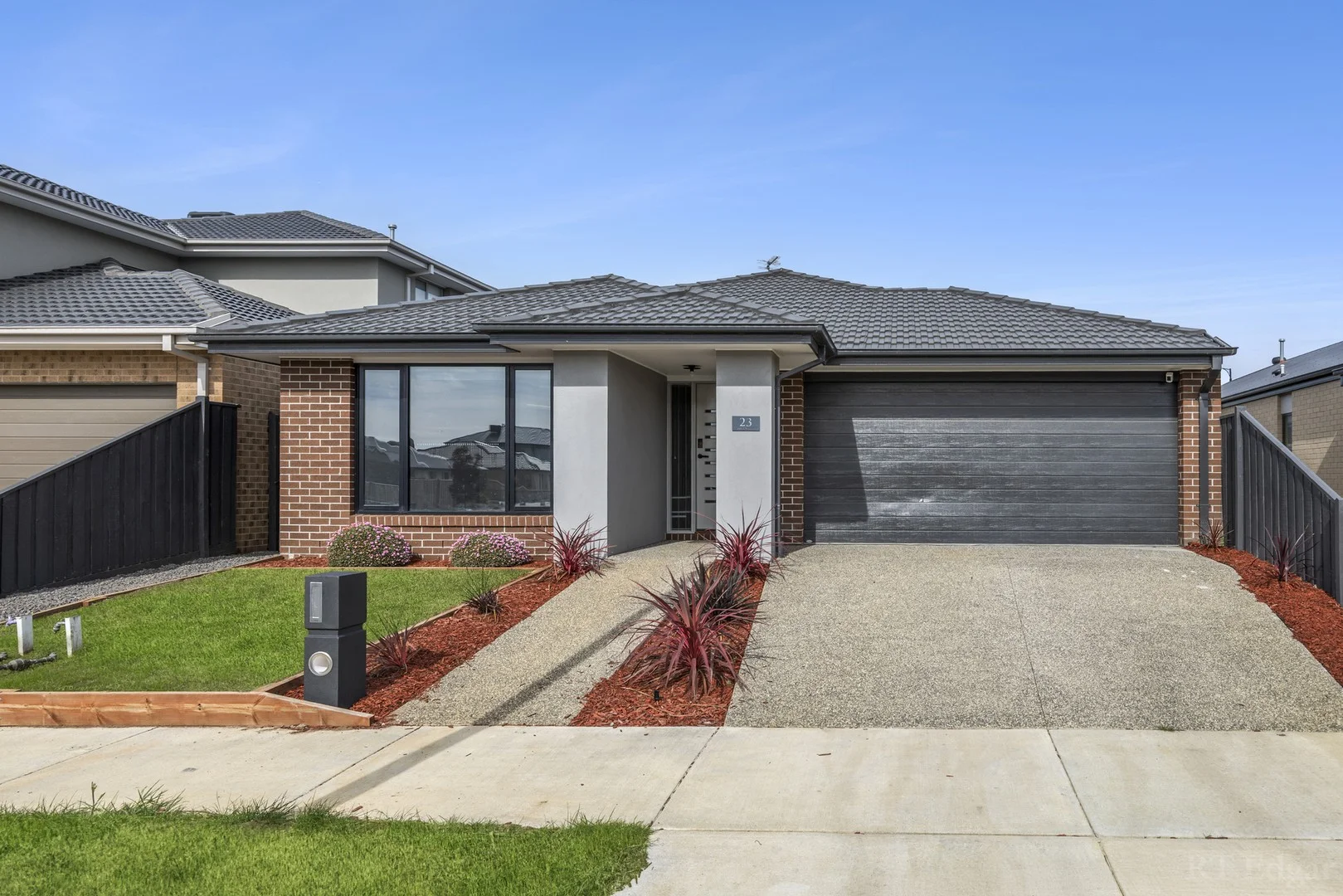 $599,000 - $658,900
House
$599,000 - $658,900
House
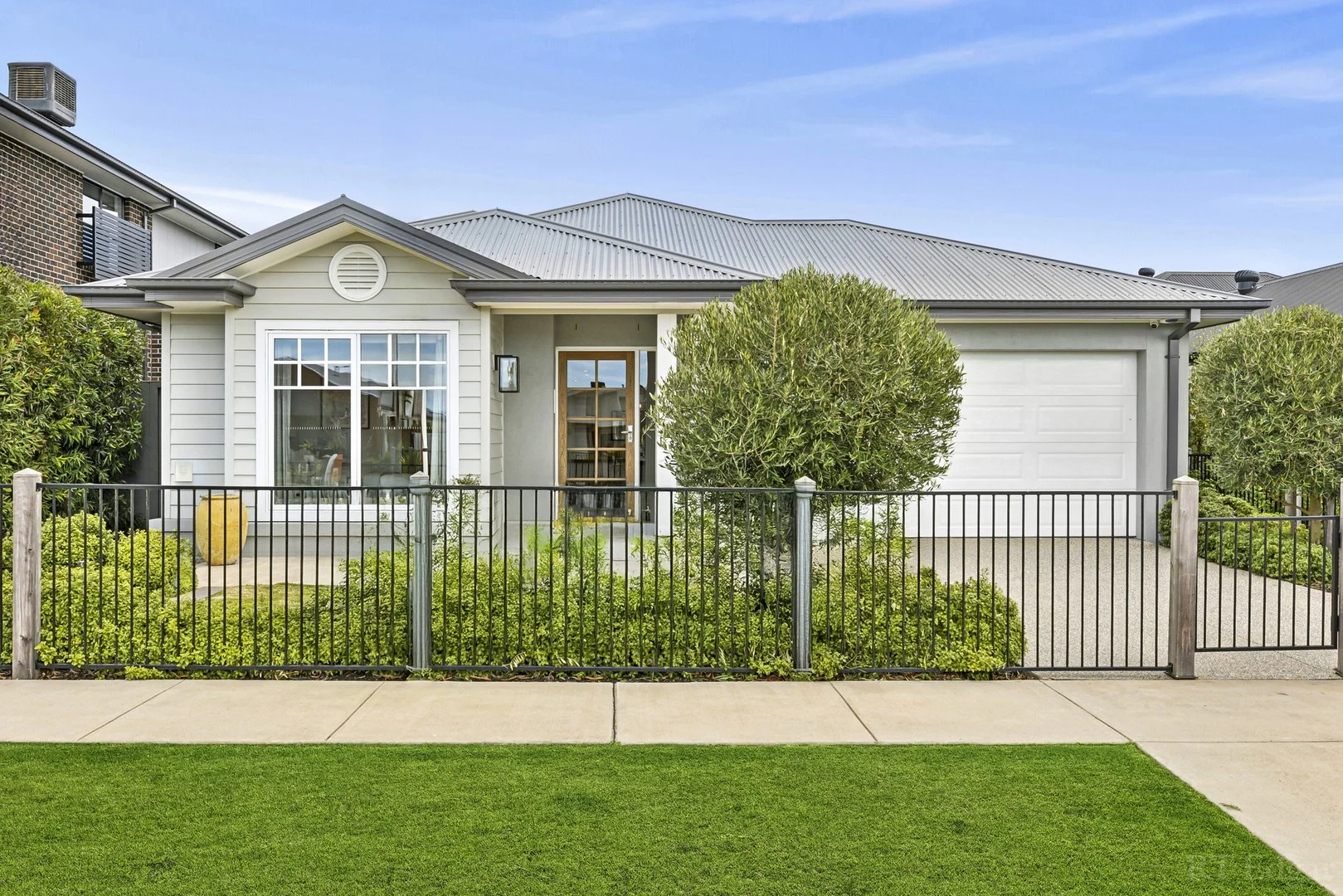 $877,800 - $965,580
House
$877,800 - $965,580
House
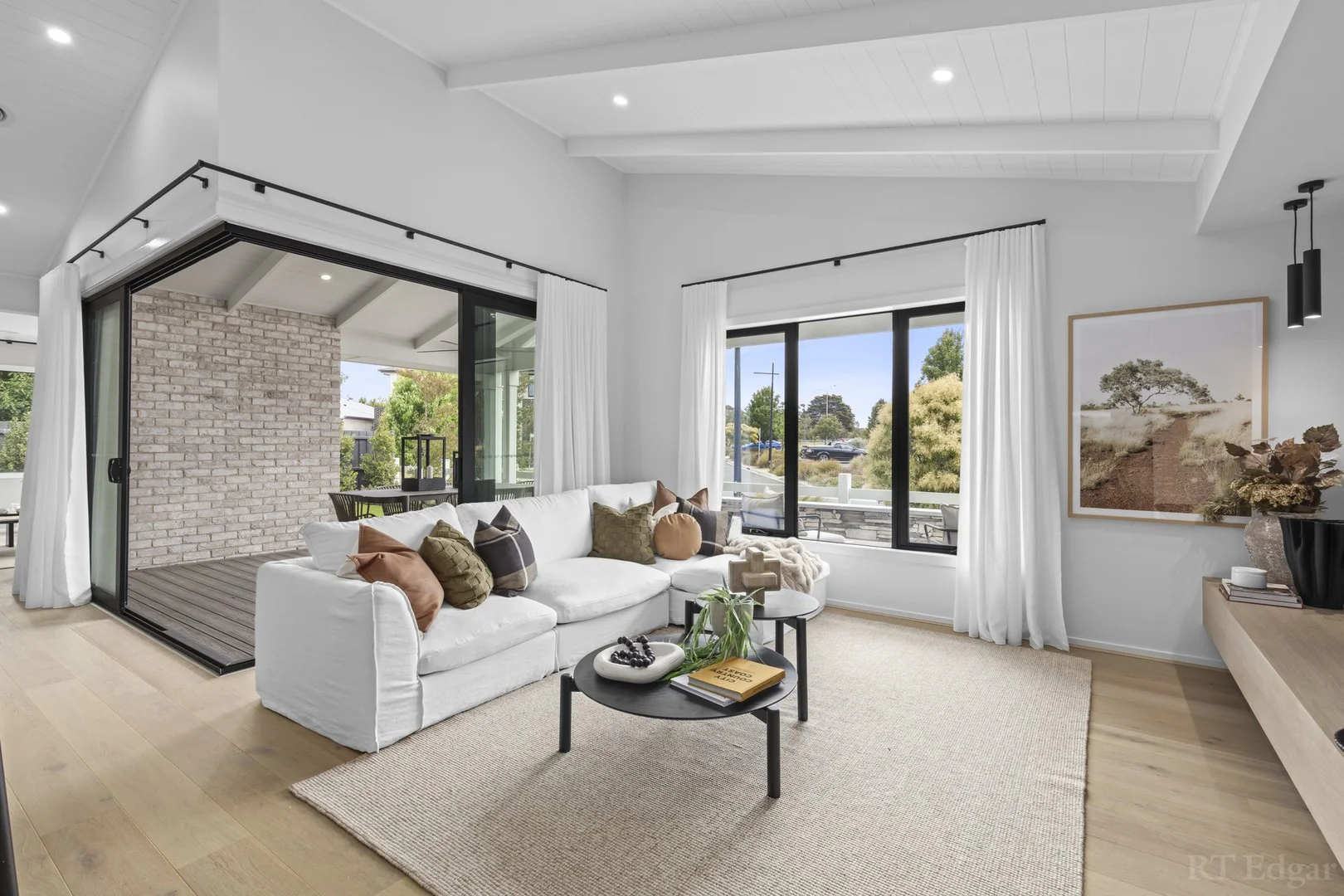 $1,022,295 - $1,124,524
House
$1,022,295 - $1,124,524
House
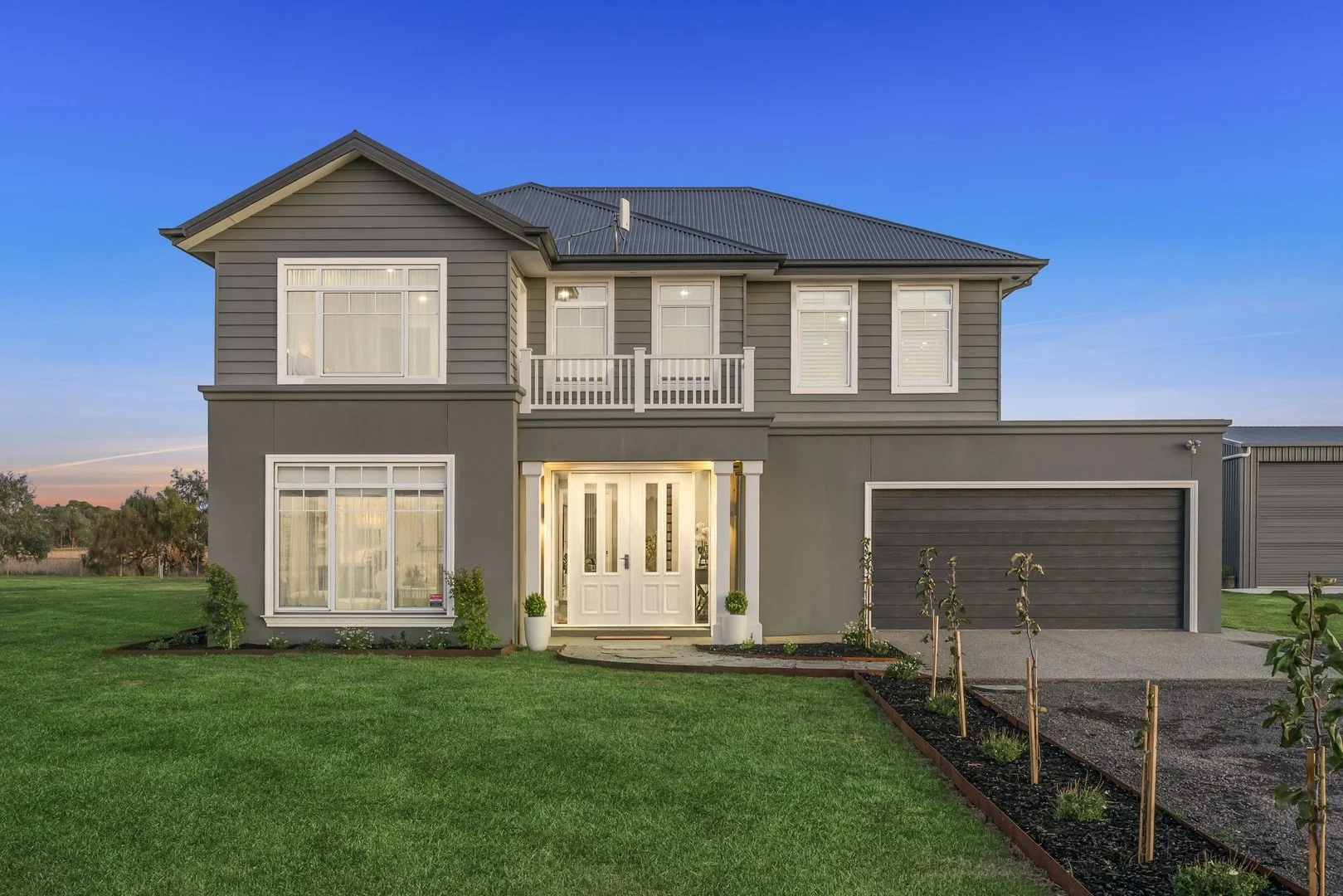 $2,150,000 - $2,350,000
propertyType.ACREAGE / SEMI-RURAL
$2,150,000 - $2,350,000
propertyType.ACREAGE / SEMI-RURAL
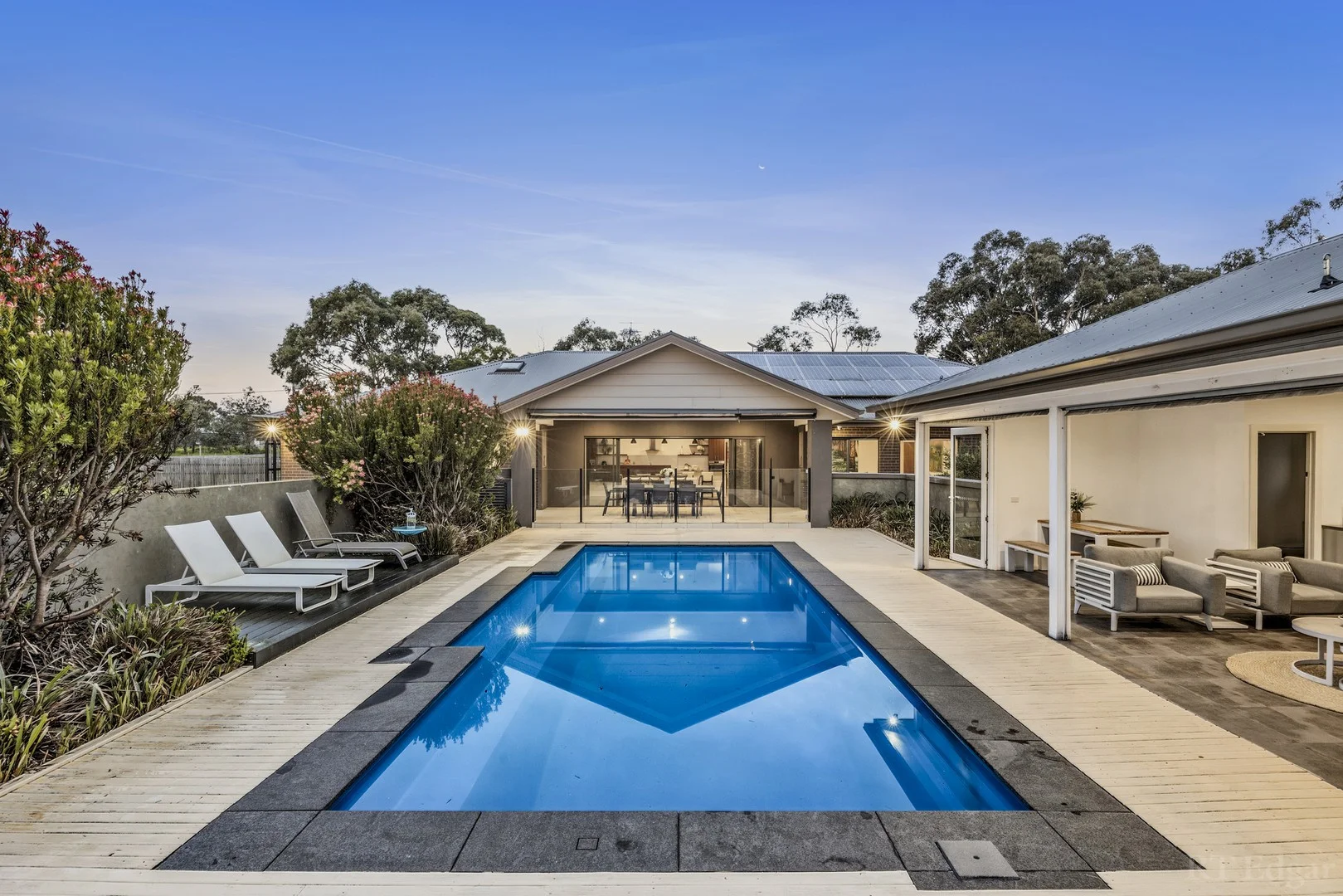 $3,006,750 - $3,307,425
House
$3,006,750 - $3,307,425
House
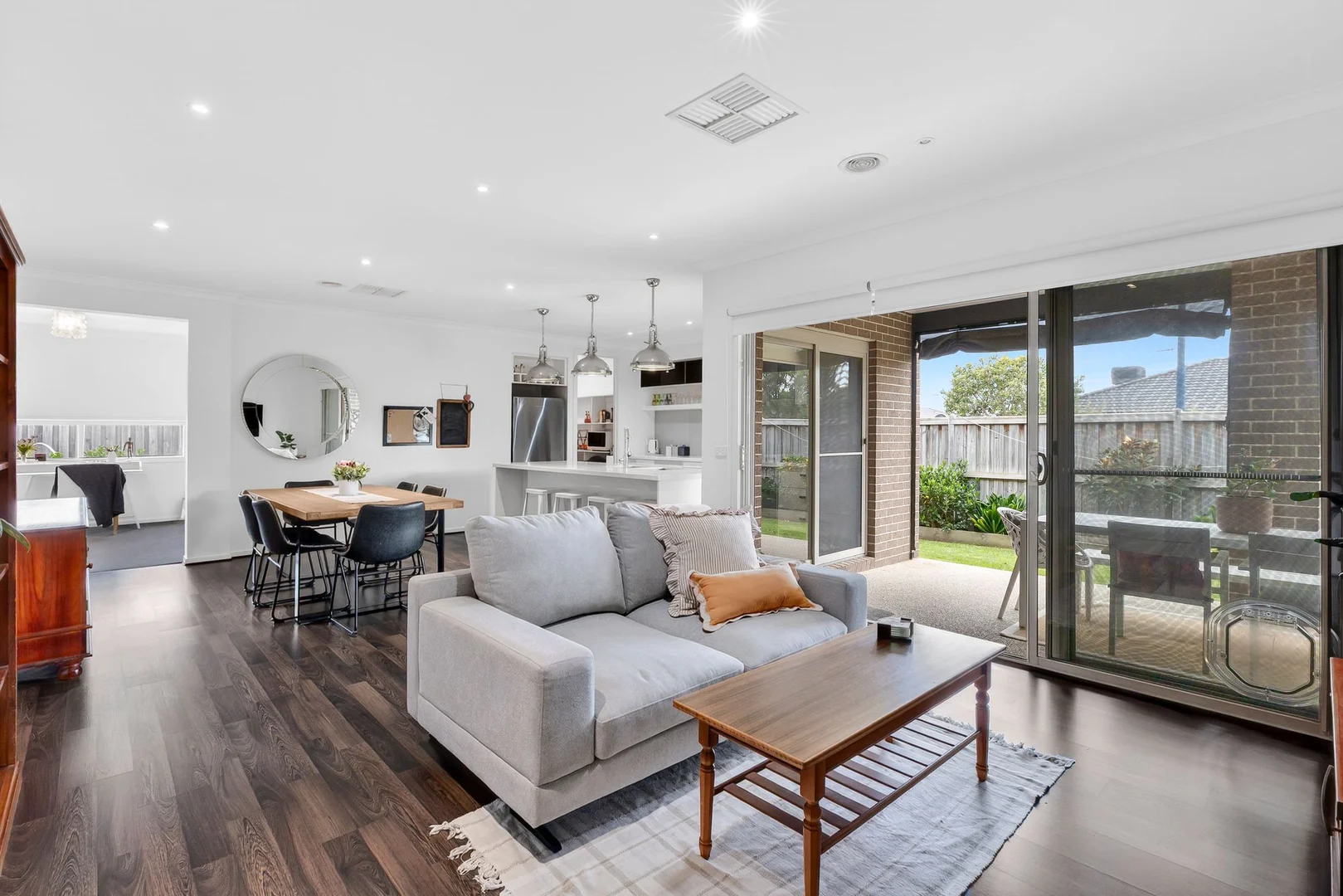 $840,000 - $880,000
House
$840,000 - $880,000
House
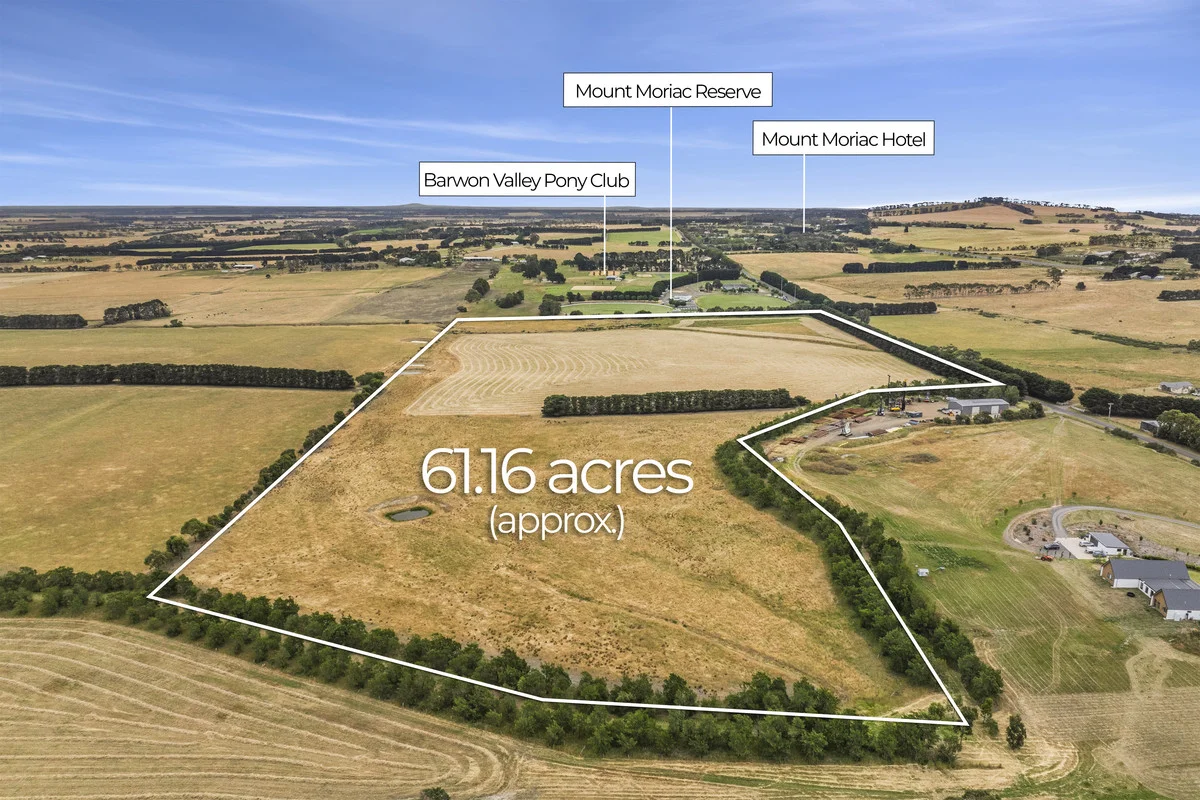 $2,100,000
propertyType.RURAL
$2,100,000
propertyType.RURAL
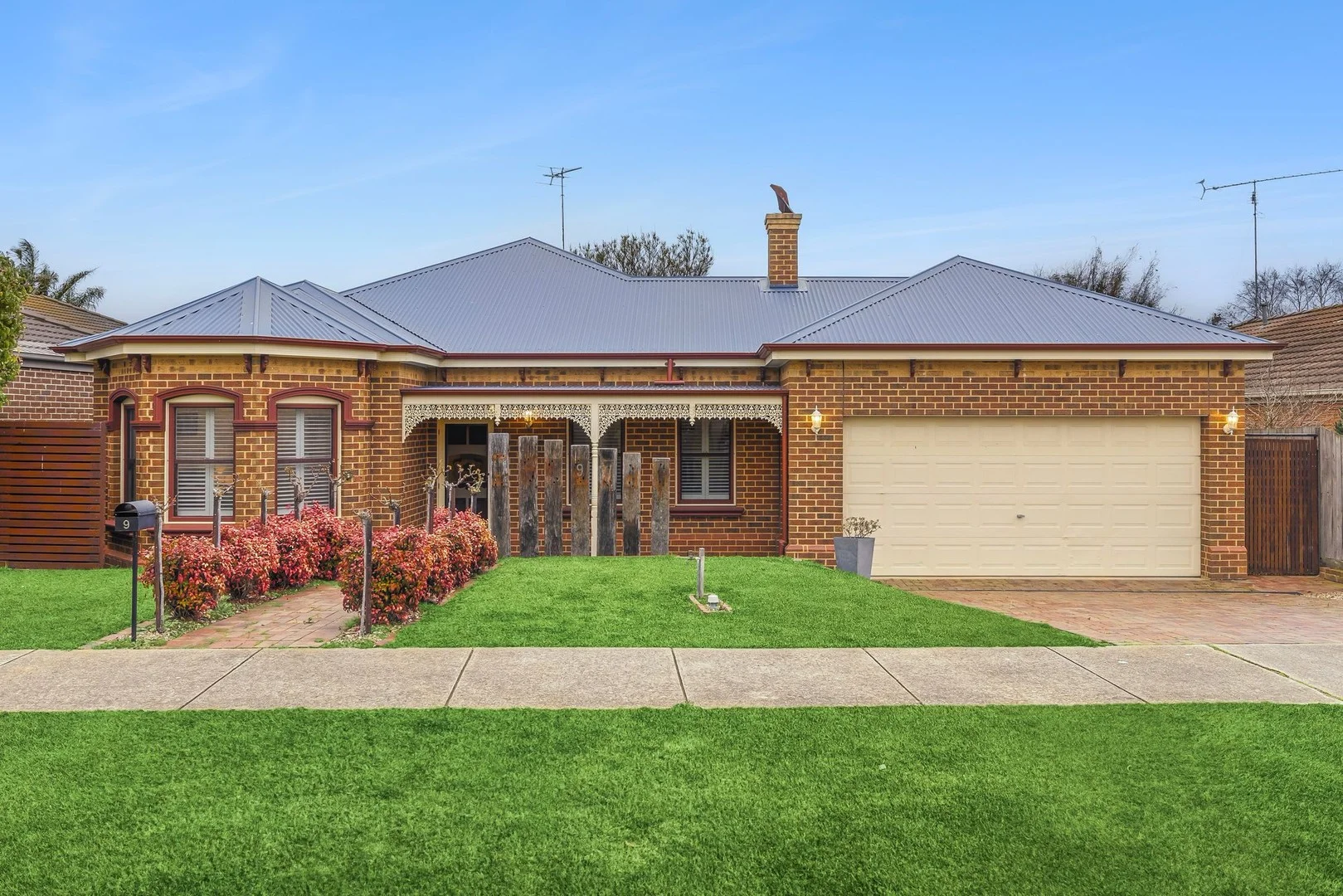 $830,000 - $890,000
House
$830,000 - $890,000
House
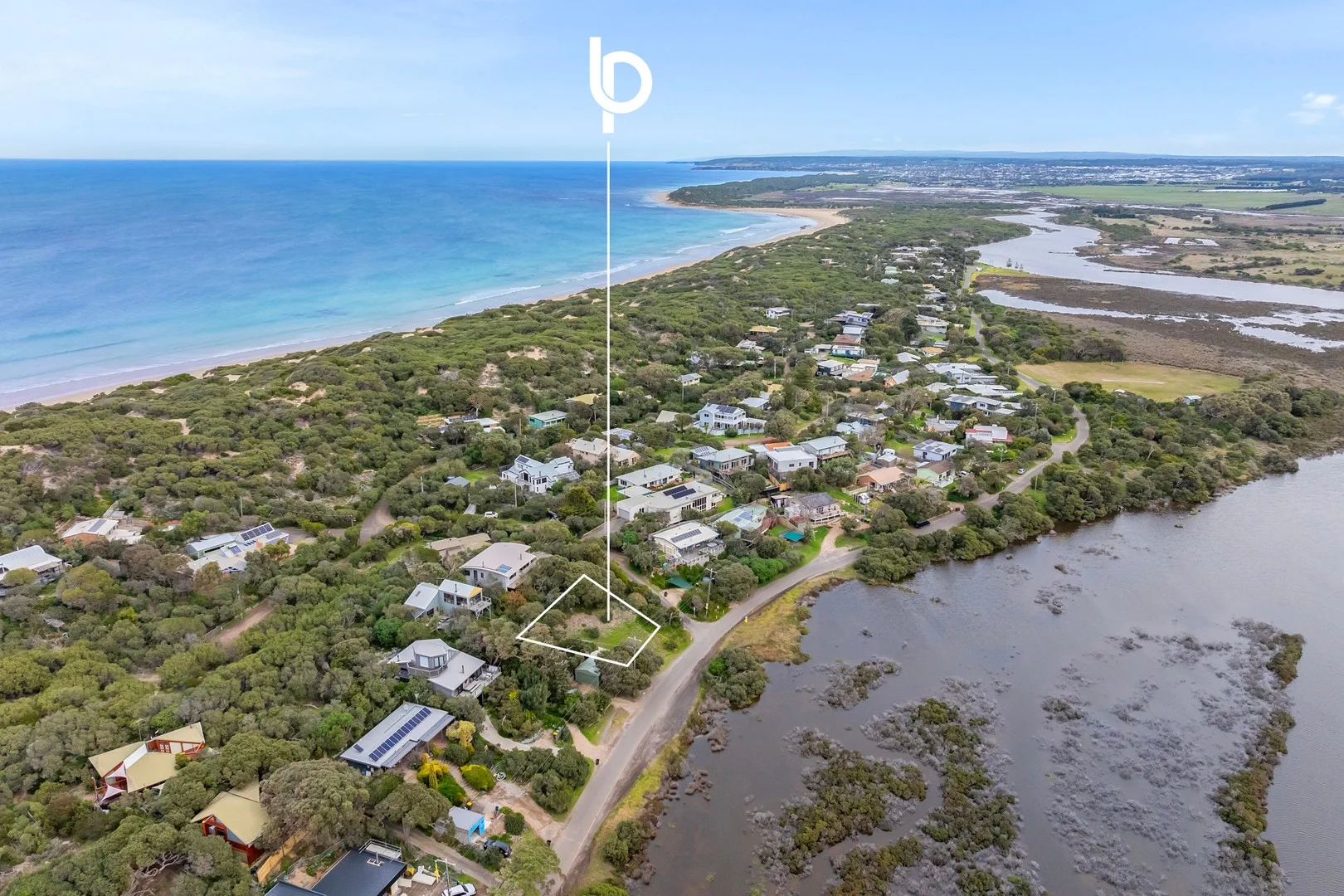 $880,000 - $950,000
Vacant Land
$880,000 - $950,000
Vacant Land


