## 1. Overview
Mandama Primary School is a public government school serving families in Grovedale, Victoria. It offers a welcoming, community-focused environment where students are supported to grow academically and socially. The school is medium-sized, with class sizes designed to be manageable and conducive to individual attention.
The atmosphere is inclusive and nurturing, with an emphasis on student well-being, strong relationships, and a collaborative learning culture. Teachers aim to create a positive school experience that balances academic effort with character development, ensuring students feel connected and supported as they learn.
---
## 2. Academics & Learning
- Academic strengths: English literacy and mathematics foundations are a focus, with opportunities in STEM and digital technologies to build problem-solving and critical thinking skills.
- Special programs: The school typically offers targeted intervention and enrichment options, with pathways to extend learning in literacy, numeracy, and associated areas as part of a broader learning support framework.
- NAPLAN / trends: The school tracks NAPLAN performance over time, aiming for steady improvement and alignment with state averages, with ongoing adjustments to teaching approaches as needed.
- Student-teacher ratios: Class sizes and student-teacher ratios are designed to be supportive, commonly in a range that allows some individual attention within a class setting.
- Support for diverse learners: Strong support for diverse learners, including assistance for EAL (English as an Additional Language) students and SEN (Special Educational Needs) supports where appropriate.
---
## 3. Sports & Extracurricular Strengths
- Sports offered: A range of school sport activities typical for Victoria, including team and individual sports such as netball, soccer, cricket, athletics, and AFL-inspired programs.
- Strong teams or achievements: The school participates in inter-school events and local competitions, with opportunities for students to contribute to school-level teams and recognition in inclusive sporting programs.
- Music, arts, drama programs: Active music and performing arts offerings alongside visual arts, with opportunities to participate in school productions and concerts.
- Clubs: Robotics, coding, chess, debating, and other STEM or humanities clubs are commonly available to extend learning beyond the classroom.
- Partnerships: Connections with local community organizations and regional competitions help broaden access to sports, arts, and academic events.
---
## 4. Wellbeing & Pastoral Care
- Anti-bullying approach: A whole-school approach to safety and respect, with clear anti-bullying policies, student education, and supportive response protocols.
- House system: House or faction structures are used to promote belonging, teamwork, and healthy competition.
- Counsellors / wellbeing officers: Access to school-based wellbeing staff or counselors to support social and emotional health.
- Transition support for new students: Orientation activities, buddy programs, and transition supports help new students settle in smoothly.
---
## 5. Facilities
- Sports grounds: Adequate outdoor spaces for physical education, recess, and sports.
- Libraries: A library space supporting reading, research, and quiet study.
- Science labs: Dedicated or shared science facilities for practical experiments.
- Music/performing arts centers: Spaces for music, drama, and performance activities.
- Tech/innovation labs: Access to technology and digital learning resources.
- Cafeteria: On-site canteen or snack facilities supporting student nutrition.
- Updated playgrounds: Play areas designed for safe, active play and exploration.
---
## 6. School Values & Community Culture
- School values / mission: Aims typically include respect, resilience, inclusion, and collaboration as core expectations.
- Leadership style: A collaborative and student-engaged leadership approach, with opportunities for student voice and participation in school planning.
- Behaviour expectations: Clear behavior policies emphasize positive conduct, respect for others, and consistent expectations across the school.
- Community reputation: The school maintains strong ties with families and the local community, prioritizing open communication and trust.
- Diversity & inclusion: An inclusive environment that supports students from diverse backgrounds and needs.
---
## 7. School Logistics & Daily Operations
- School hours: Standard school day typically runs from mid-morning to mid-afternoon, with start and finish times aligned to Victorian public school schedules.
- Before/after school care: OSHC or other after-school care options may be available to families.
- Uniform requirements: A school uniform policy is in place, with guidelines on acceptable attire for daily wear and excursions.
- Transport (train/bus routes): Local bus services and community transport options support access; families should check current routes and timetables for Grovedale.
- Canteen availability: Canteen or snack facilities are available to provide meals or snacks during the day.
- Fees (low/medium/high ranges): As a public school, tuition is not charged, though there may be costs for materials, excursions, and voluntary contributions; overall, costs are typically moderate.
---
## 8. Enrolment & Admissions
11. What is the enrolment process and timeline?
- Enrolment is typically handled through the Victorian Department of Education with school-specific steps. Prospective families submit an application, provide required documentation (proof of residency, birth details, immunisation where applicable), and follow the school’s timeline for placement, usually aligning with school year commencement.
12. Is there a waiting list, and how does it work?
- Some year levels may have spaces filled on a first-come, first-served basis or by catchment and placement priorities. If a year level is full, a waiting list may be in place, and families are notified of their position and potential transfer possibilities.
13. Are there any entry requirements, tests, or interviews?
- For most primary enrolments in Victoria, there are no entrance exams. Some schools may conduct brief interviews or information sessions if needed to support transitions or to understand a child’s particular needs, but formal testing is uncommon at the primary level.
14. Does the school accept mid-year transfers?
- Mid-year transfers are possible if there is space, subject to the school’s capacity and the Department’s transfer procedures. Families seeking mid-year placement should contact the school promptly to discuss availability and required documentation.
---
## 9. Frequently Asked Questions
- Why Parents Choose This School?
- A community-focused environment with supportive staff, inclusive culture, and a balanced approach to academics, wellbeing, and extracurriculars.
- What type of student thrives at this school?
- Students who benefit from a nurturing, collaborative learning environment with opportunities across core subjects and activities beyond the classroom.
- What opportunities are available for students to extend their skills (academics, sports, arts)?
- Enrichment in literacy, numeracy, STEM, arts, music, drama, sport, and clubs such as robotics, coding, chess, and debating; participation in inter-school events.
- How does the school communicate with parents?
- Regular updates through notices, newsletters, emails, and digital learning platforms; open channels with teachers and administration.
- What is the school’s approach to teaching and learning?
- A student-centered, inclusive approach with targeted support, differentiation, and opportunities for hands-on learning and collaboration.
- How does the school support students who need extra academic help?
- Intervention and targeted support within the classroom, plus access to specialists and learning support staff.
- What support is available for academic challenges?
- Additional tutoring, small-group or one-to-one assistance as part of the school’s intervention framework.
- How does the school communicate with parents?
- Regular meetings, progress reports, and ongoing updates via multiple communication channels.
- What are the class sizes and how much individual attention do students receive?
- Class sizes are designed to balance effective instruction with opportunities for individual attention within the classroom structure.
- What extracurricular and sports opportunities are available?
- A range of sports, music and arts programs, and clubs such as robotics, coding, chess, and debating.
- What facilities does the school offer (sports, science, arts)?
- Modern facilities including sports grounds, library, science labs, music/drama spaces, and tech/innovation resources.
- What is the school’s approach to technology and digital learning?
- Integration of digital technology in the curriculum with access to devices and learning platforms to build 21st-century skills.
- What transport and accessibility options are available?
- Local bus services and transport connections; family arrangements for safe and accessible access to and from the school.
- What are the typical school fees or additional costs?
- Public school primary education has no tuition, with potential costs for materials, excursions, and optional contributions.
---
## 10. Short Pros & Cons list
- Pros
- Public, community-focused environment with inclusive culture
- Balanced emphasis on academics, wellbeing, and extracurriculars
- Support for diverse learners and a range of enrichment activities
- Moderate class sizes and accessible facilities
- Active communication with families and strong local partnerships
- Cons
- As a medium-sized public school, space and program demand can vary by year level
- Some specialized programs may have limited availability depending on cohort needs
- Transport routes and timetables depend on local services and may require planning for some families








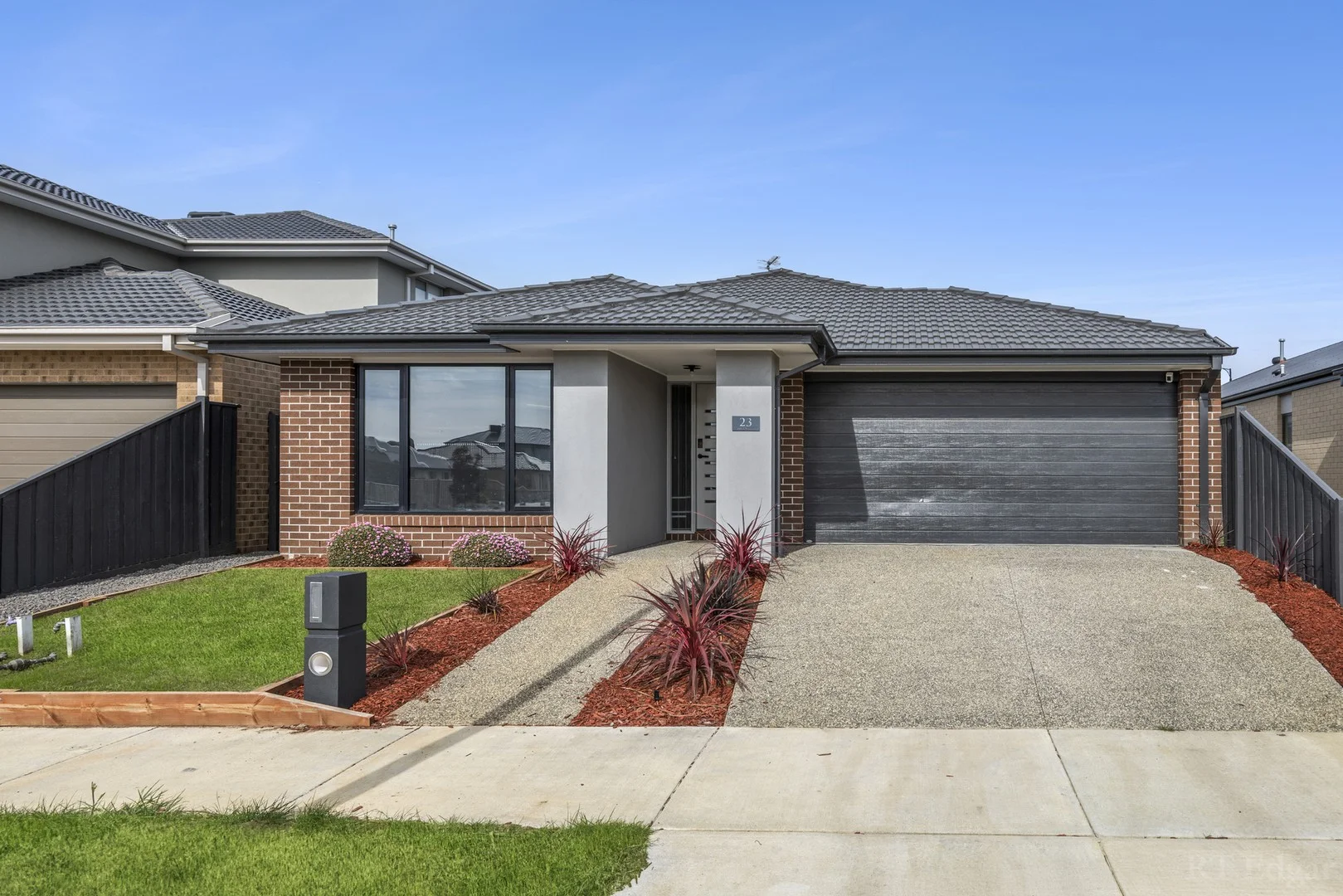 $599,000 - $658,900
House
$599,000 - $658,900
House
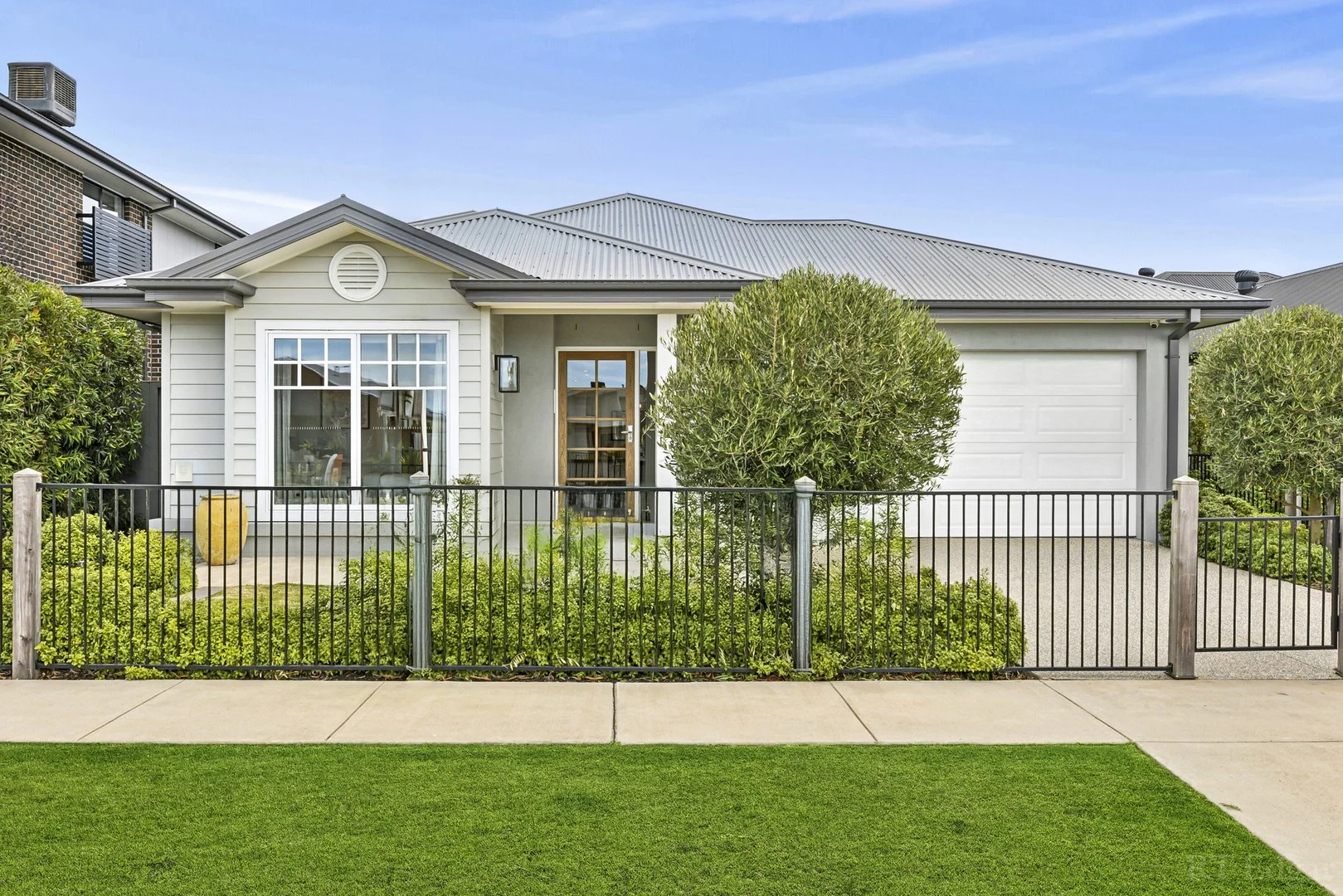 $877,800 - $965,580
House
$877,800 - $965,580
House
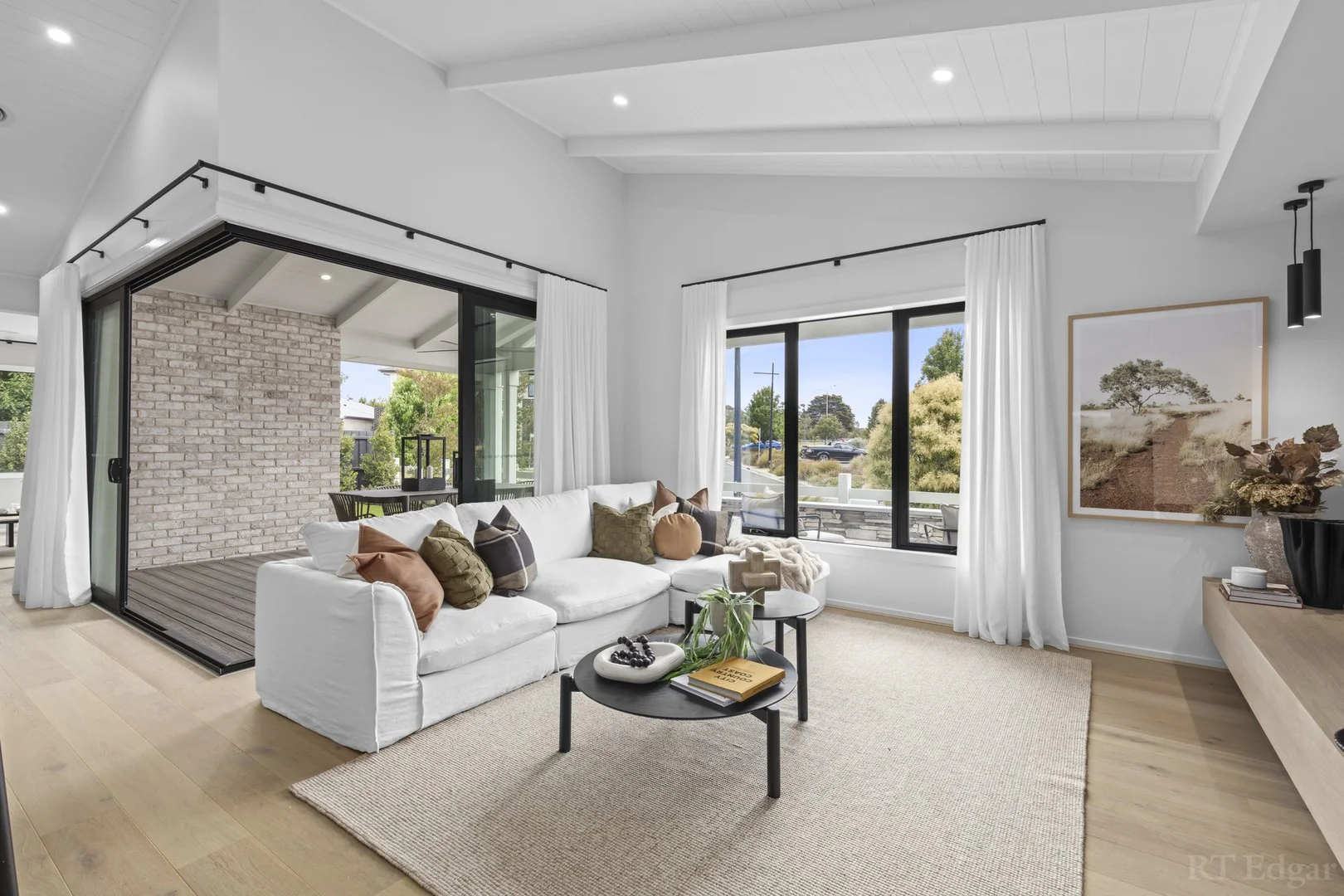 $1,022,295 - $1,124,524
House
$1,022,295 - $1,124,524
House
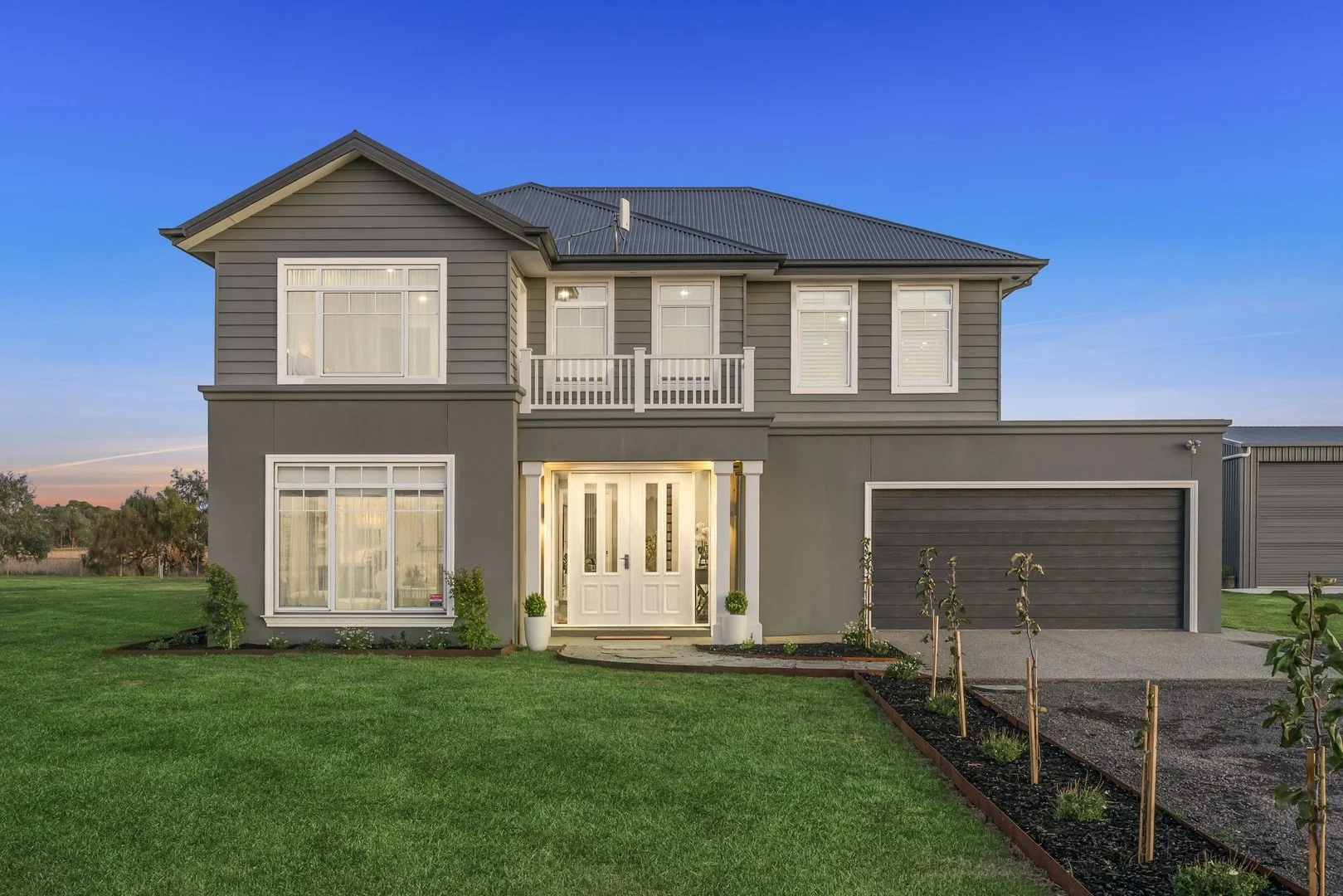 $2,150,000 - $2,350,000
propertyType.ACREAGE / SEMI-RURAL
$2,150,000 - $2,350,000
propertyType.ACREAGE / SEMI-RURAL
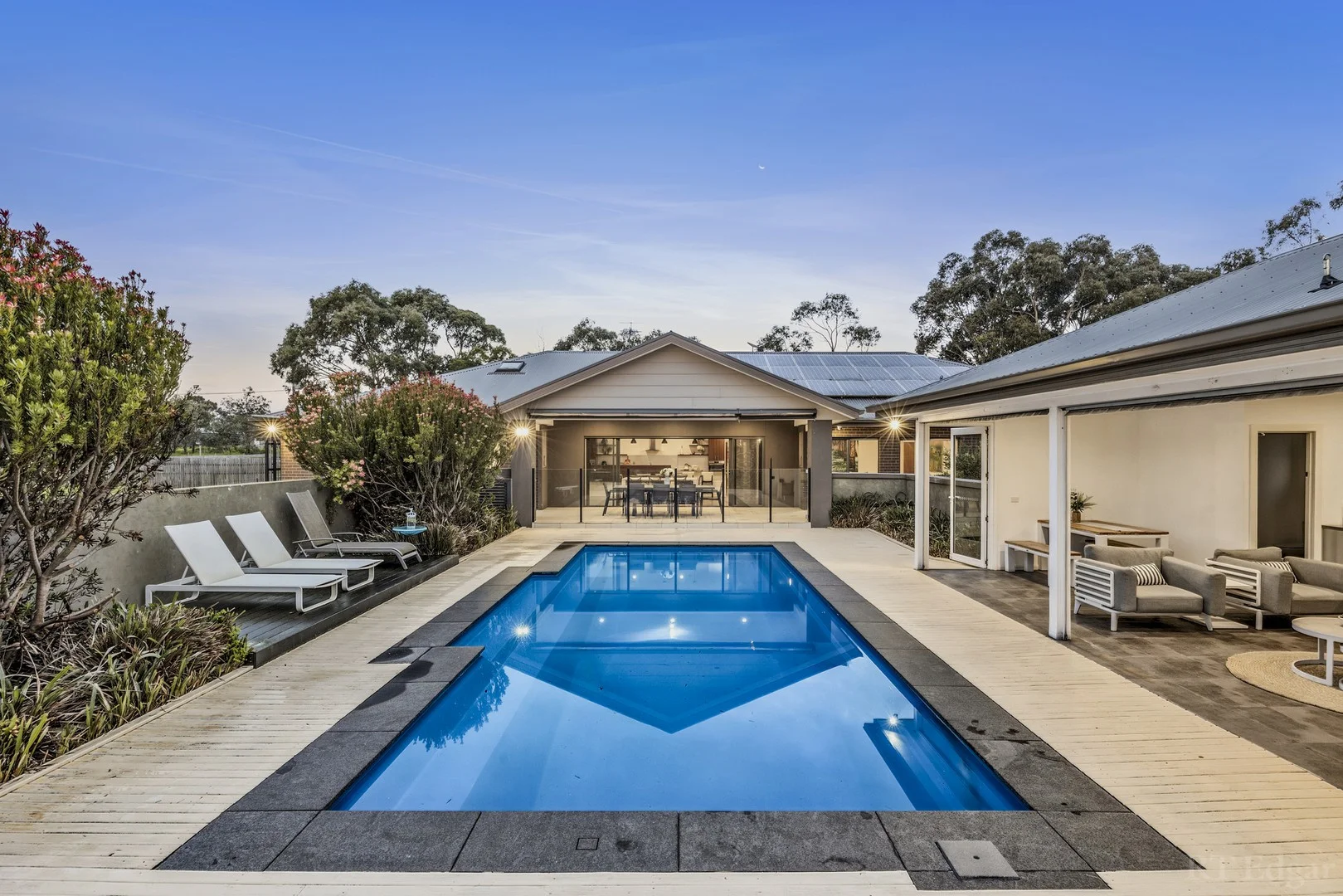 $3,006,750 - $3,307,425
House
$3,006,750 - $3,307,425
House
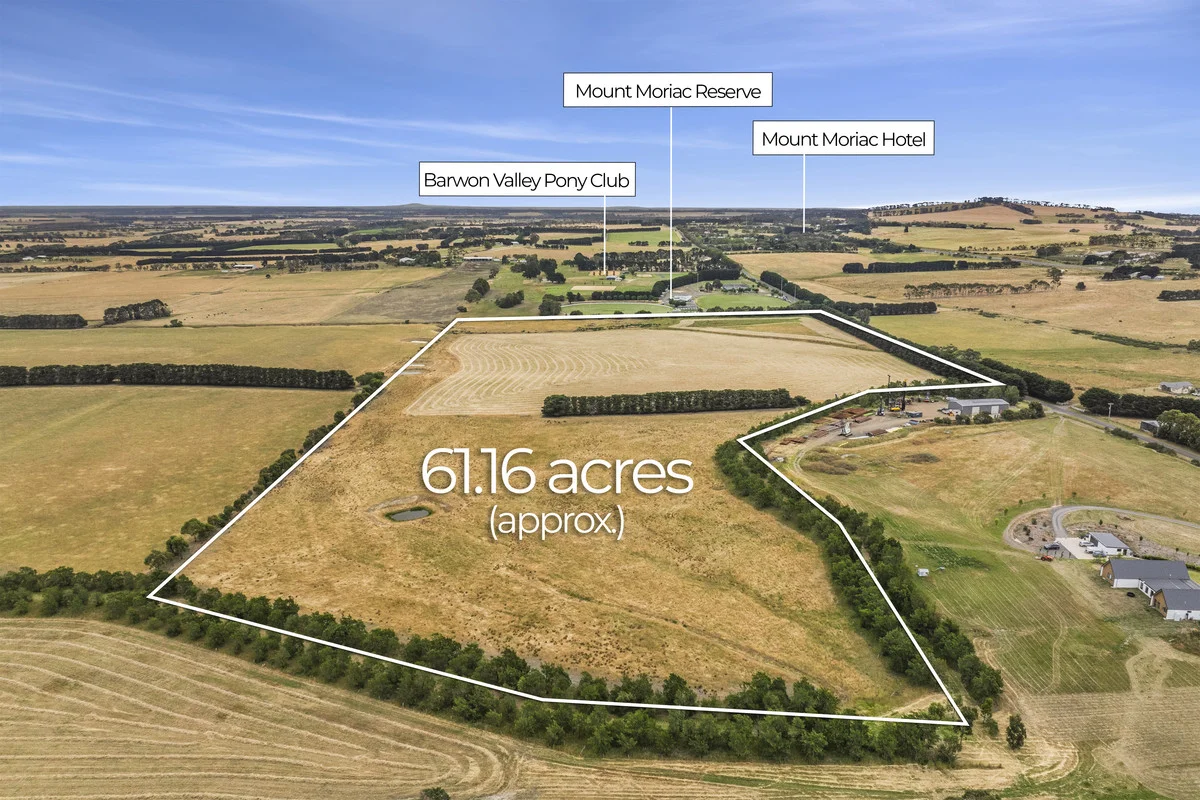 $2,100,000
propertyType.RURAL
$2,100,000
propertyType.RURAL
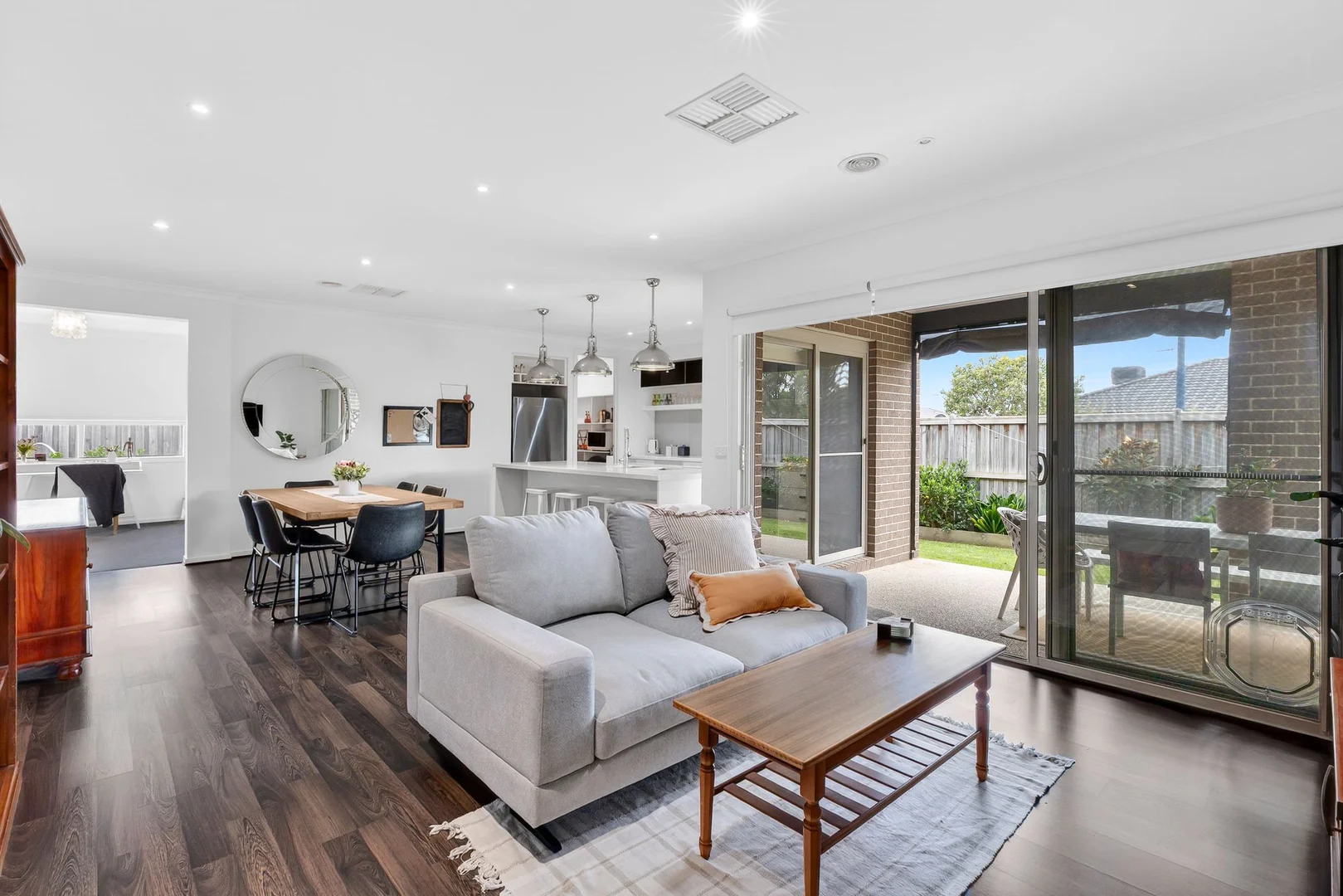 $840,000 - $880,000
House
$840,000 - $880,000
House
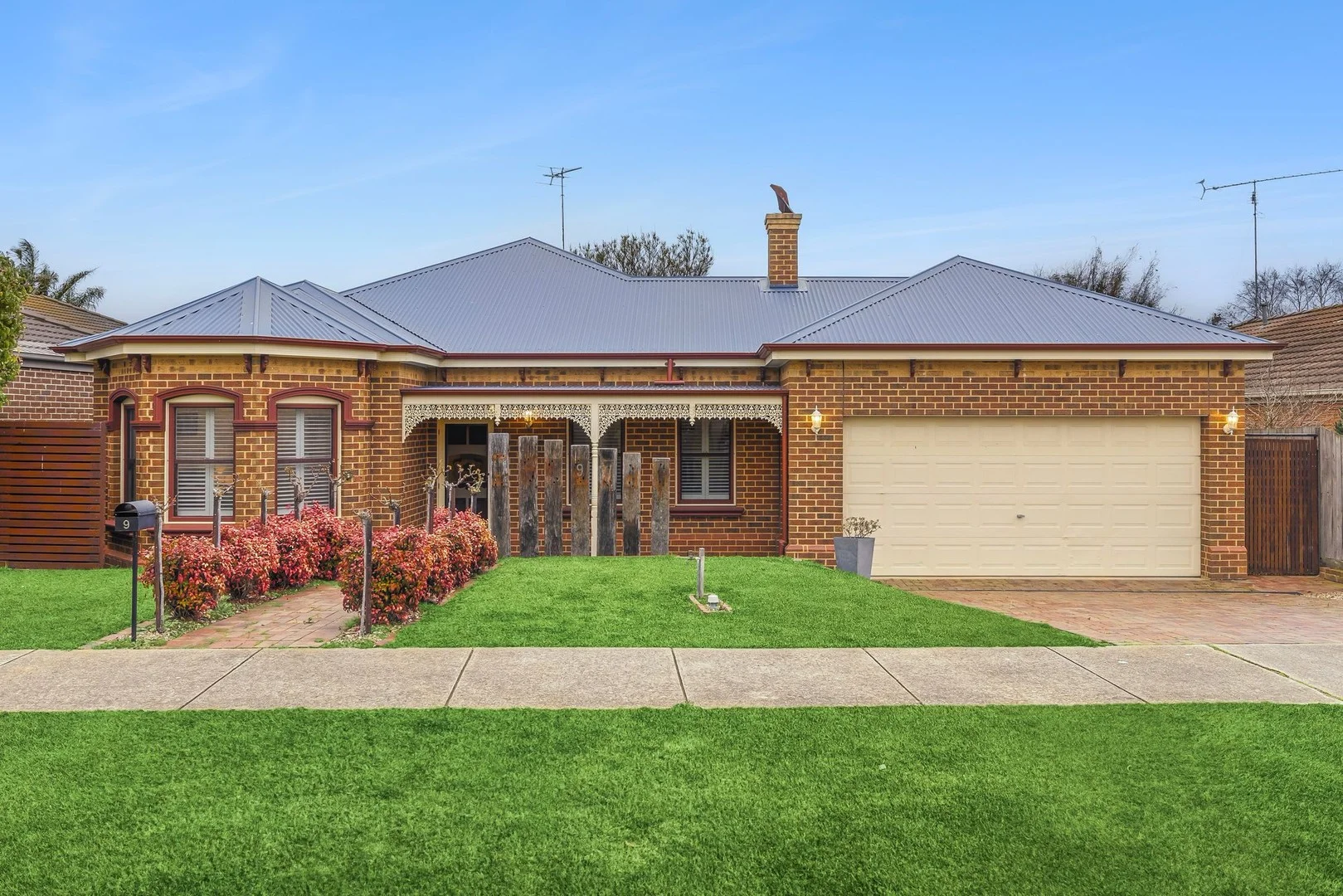 $830,000 - $890,000
House
$830,000 - $890,000
House
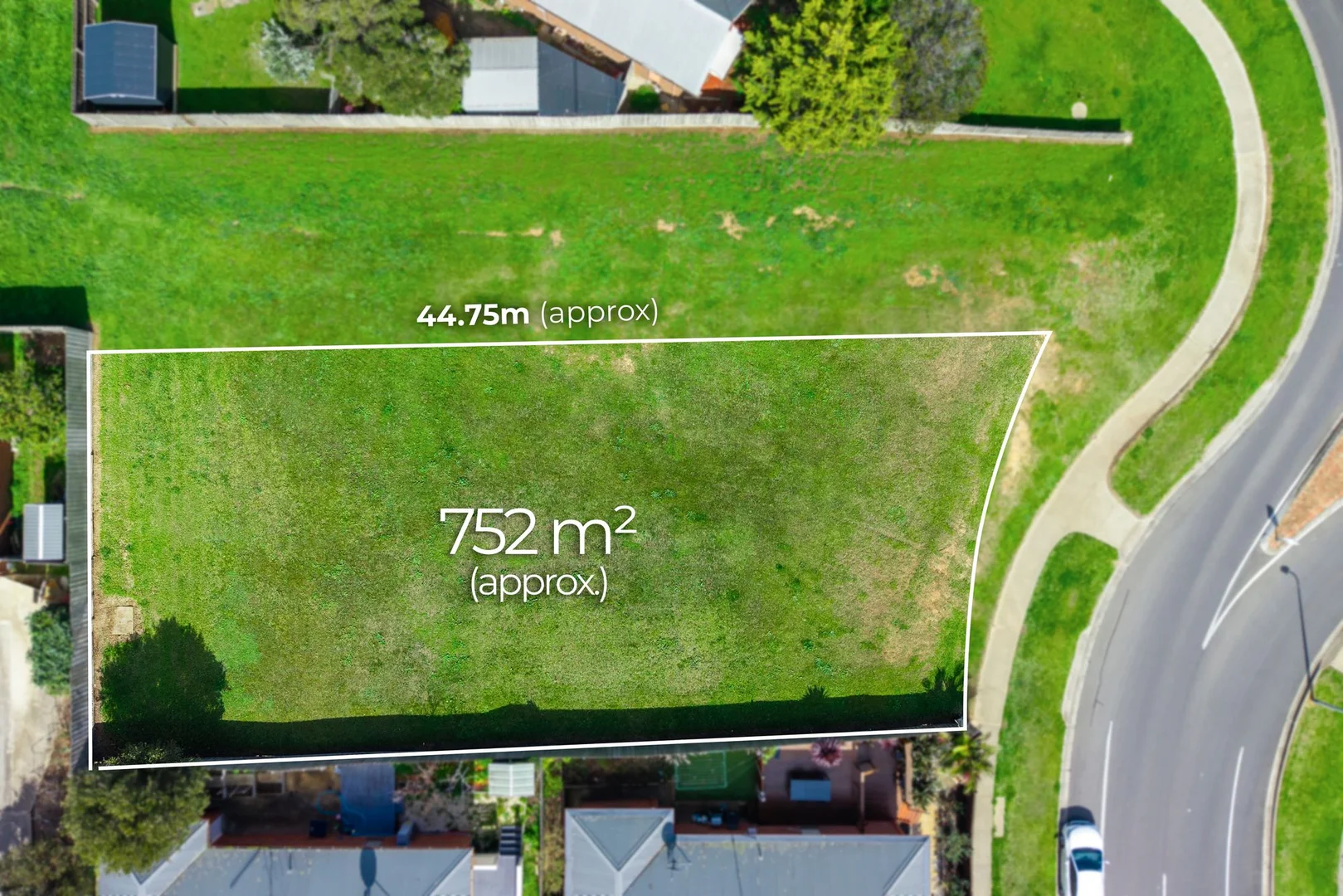 $540,000
Vacant Land
$540,000
Vacant Land


