## 1. Overview
Grovedale West Primary School is a public primary school in Victoria that serves families in the Grovedale area. The school has a medium size with class sizes typically around 20–25 students. The atmosphere is inclusive, supportive, and community-focused, valuing every student and encouraging active learning, collaboration, and student voice.
The school emphasises a well-rounded education with strong ties to families and the local community, fostering a safe and welcoming environment where students can grow academically, socially, and personally.
---
## 2. Academics & Learning
- Academic strengths: focus on foundational literacy and numeracy, with strengths in STEM activities, hands-on learning, and opportunities for student leadership and collaboration.
- Special programs: Gifted and Talented programs or acceleration opportunities where available, plus targeted support for students needing extra help.
- NAPLAN trends: trends show steady progress in literacy and numeracy over recent years, with some year-to-year variation depending on cohorts.
- Student-teacher ratios: class sizes typically around 20–25 students, with specialist teachers and teacher aides supporting learning.
- Support for diverse learners: dedicated EAL (English as an Additional Language) support, SEN inclusive practices, and targeted intervention programs to assist diverse learners.
---
## 3. Sports & Extracurricular Strengths
- Sports offered: a range of school-based sports common to Victorian primary schools, including team and individual activities such as netball, soccer, cricket, athletics, and fitness units.
- Strong teams or achievements: participation in inter-school and district events with opportunities to contribute to teams across a variety of sports.
- Music, arts, drama programs: active music and drama initiatives, opportunities to perform, and involvement in school productions or assemblies.
- Clubs: robotics, coding, chess, debating, and other STEM or literacy-focused clubs are available to stimulate curiosity and collaboration.
- Partnerships: connections with local community groups and regional competitions to broaden experiences beyond the classroom.
---
## 4. Wellbeing & Pastoral Care
- Anti-bullying approach: whole-school wellbeing framework that emphasises respect, inclusion, and safe online and offline environments.
- House system: house groups to foster belonging, teamwork, and healthy competition across activities.
- Counsellors / wellbeing officers: access to school wellbeing staff who provide guidance, support, and referral to external services if needed.
- Transition support for new students: buddy programs, orientation activities, and targeted supports to help new students settle in smoothly.
---
## 5. Facilities
- Sports grounds: outdoor playing fields and courts for a range of activities.
- Libraries: well-equipped library supporting reading, research, and exploration.
- Science labs: practical spaces for hands-on experiments and STEM learning.
- Music/performing arts centers: spaces for music, drama, and performance readiness.
- Tech/innovation labs: classrooms or spaces dedicated to technology and digital learning.
- Cafeteria: on-site canteen or pantry area supporting healthy meal options.
- Updated playgrounds: modern, safe play spaces for recreation and social development.
---
## 6. School Values & Community Culture
- School values / mission: emphasis on respect, responsibility, resilience, and doing one’s best; students are encouraged to contribute to a positive school culture.
- Leadership style: student voice and leadership opportunities (e.g., student councils or peer leadership roles) supported by staff.
- Behaviour expectations: clear, fair expectations with a positive behaviour approach and consistent school-wide practices.
- Community reputation: a warm, welcoming school community known for genuine care and supportive relationships among students, families, and staff.
- Diversity & inclusion: inclusive practices with attention to equity and access for all students, including those with diverse needs.
---
## 7. School Logistics & Daily Operations
- School hours: typical school day runs from morning to afternoon with a clear start and finish time.
- Before/after school care: availability of before/after-school care or programs, often through the school or local providers.
- Uniform requirements: school uniform policy with guidelines on acceptable attire and footwear.
- Transport (train/bus routes): access to local transport options; school may provide information on bus routes or parking/drop-off arrangements.
- Canteen availability: canteen or hot meal options available on some days with healthy choices.
- Fees (low/medium/high ranges): as a public school, standard government levies apply; additional costs may include materials, excursions, and voluntary contributions; overall costs are designed to be affordable for families.
---
## 8. Enrolment & Admissions
11. What is the enrolment process and timeline?
- Enrolment is managed through the school. Start by confirming your child's eligibility based on the catchment area, then submit the school's enrolment form with required documents (proof of address, birth certificate, immunisation status, and any support needs). Timelines vary by intake period; contact the administration for current windows and steps, including orientation and start dates.
12. Is there a waiting list, and how does it work?
- Some year levels may have a waiting list, particularly if places are limited. Priority is typically given to local residents within the catchment area, followed by siblings of current students, then other applicants. The school can advise on current wait times and how the list is managed.
13. Are there any entry requirements, tests, or interviews?
- Generally, public primary schools do not require academic entrance tests. There may be a brief discussion or information gathering about the child’s needs, particularly if there are EAL or SEN requirements, to plan appropriate support. Immunisation documentation is usually required under Victorian regulations.
14. Does the school accept mid-year transfers?
- Yes, mid-year transfers are possible subject to seat availability and the completion of required documentation. Contact the administration as early as possible to discuss transition plans and timetabling for a smooth start.
---
## 9. Frequently Asked Questions
- Why Parents Choose This School?
- A welcoming, inclusive community with supportive staff, strong wellbeing services, and a focus on literacy, numeracy, and holistic development.
- What type of student thrives at this school?
- Students who enjoy a collaborative, respectful environment with opportunities to participate in clubs, sports, arts, and leadership activities.
- What opportunities are available for students to extend their skills (academics, sports, arts)?
- Opportunities across academics (STEM, literacy, leadership), sports (inter-school events, team sports), arts (music and drama), and clubs (robotics, coding, chess, debating).
- How does the school communicate with parents?
- Regular communications via newsletters, notices, parent portals, emails, and scheduled information evenings or parent-teacher conferences.
- What is the school’s approach to teaching and learning?
- Student-centered learning with explicit teaching in literacy and numeracy, engaged inquiry in STEM and the arts, and support systems for diverse learners.
- How does the school support students who need extra academic help?
- Targeted interventions, EAL support, SEN support, and access to learning support staff and small-group instructions.
- What support is available for academic challenges?
- Early identification, personalized learning plans, and adjustment strategies to help students access curriculum and progress.
- How does the school communicate with parents? (duplicate)
- See above: regular updates, meetings, and digital communications to keep families informed.
- What are the class sizes and how much individual attention do students receive?
- Class sizes are typically around 20–25 students, with teacher aides and specialists enabling targeted support and individual attention where needed.
- What extracurricular and sports opportunities are available?
- A range of sports and clubs (robotics, coding, chess, debating) with pathways to inter-school and district events and performances.
- What facilities does the school offer (sports, science, arts)?
- Sports grounds, libraries, science labs, music/drama spaces, tech/innovation labs, canteen, and well-designed playgrounds.
- What is the school’s approach to technology and digital learning?
- Integrated technology across learning areas, access to devices and online resources to support digital literacy and hands-on exploration.
- What transport and accessibility options are available?
- Local transport options and accessibility considerations; information available through the school office and local transport providers.
- What are the typical school fees or additional costs?
- Public primary schools have government funding with standard levies; additional costs may include excursions, materials, and voluntary contributions. Exact amounts vary by year and activity.
---
## 10. Short Pros & Cons list
- Pros
- Inclusive, supportive community with a focus on wellbeing and student voice
- Strong core literacy and numeracy foundations with STEM and arts opportunities
- Wide range of clubs and extracurriculars; involvement in inter-school activities
- Access to EAL and SEN support; transition programs for new students
- Modern facilities and safe, welcoming campus
- Cons
- As a public school, availability of some programs may depend on cohort size and funding each year
- Some year levels may have limited spots due to enrolment caps
- Mid-year transfers depend on seat availability and may require flexible scheduling
- Specific specialty programs may not be available at all times; check current offerings with the school






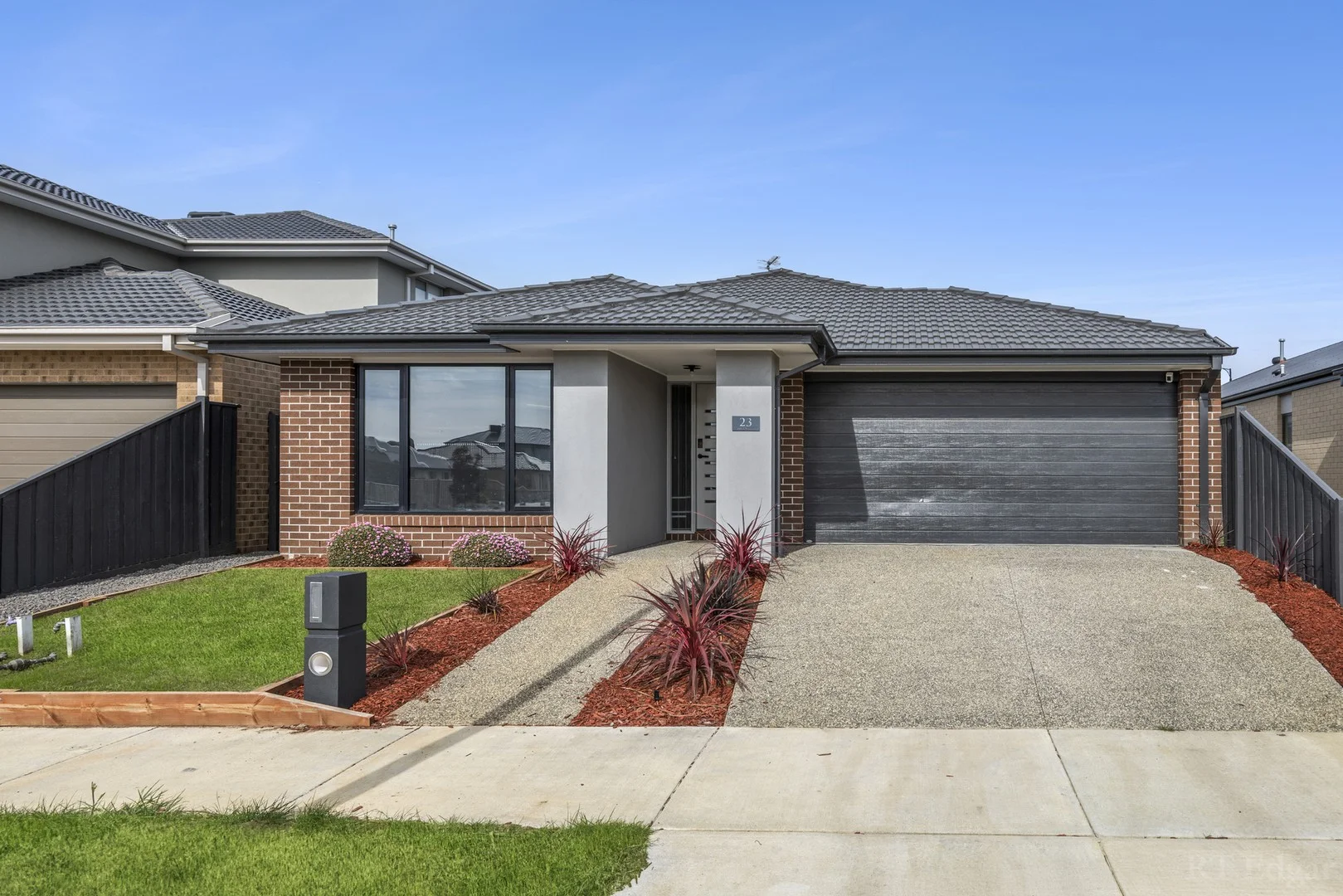 $599,000 - $658,900
House
$599,000 - $658,900
House
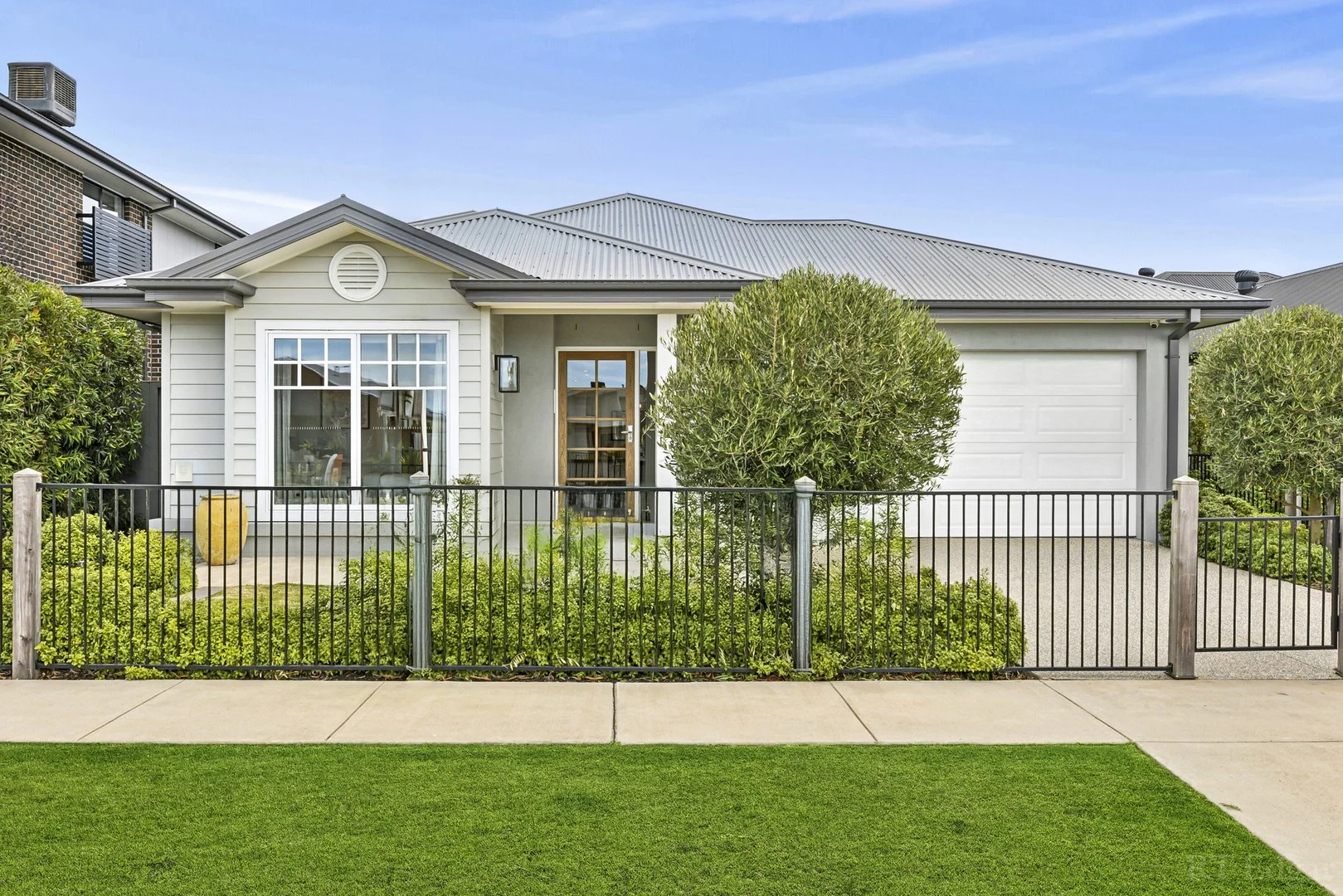 $877,800 - $965,580
House
$877,800 - $965,580
House
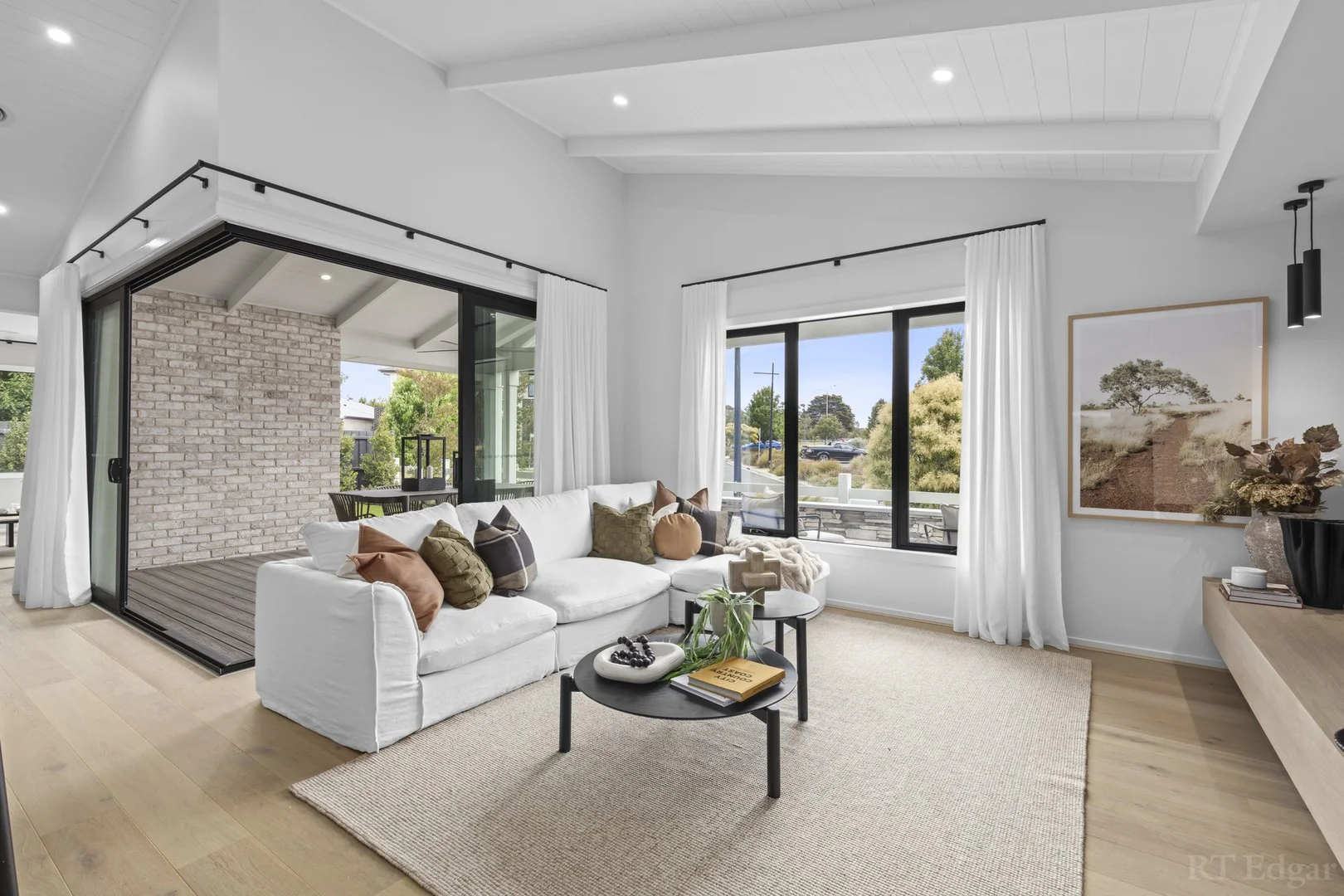 $1,022,295 - $1,124,524
House
$1,022,295 - $1,124,524
House
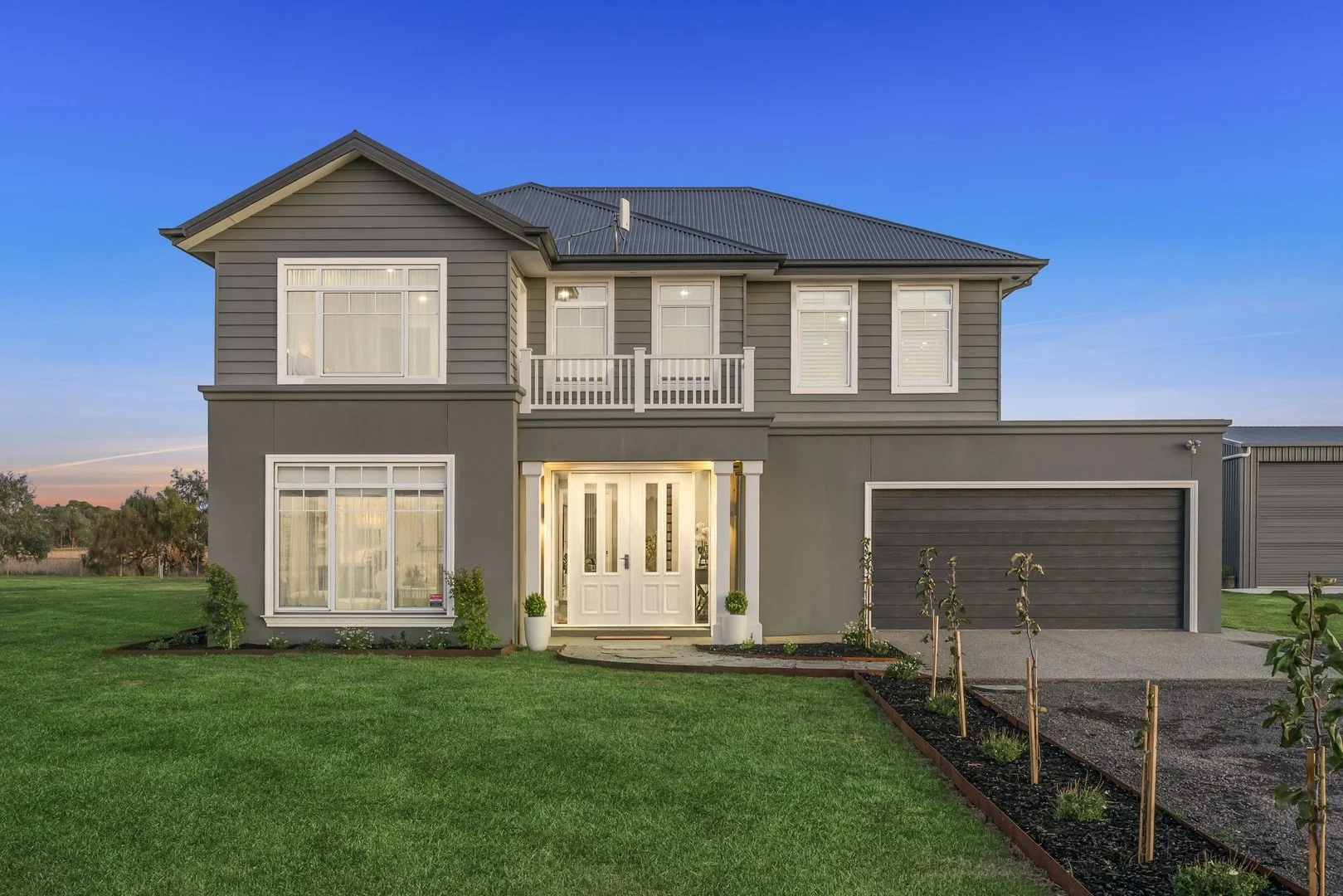 $2,150,000 - $2,350,000
propertyType.ACREAGE / SEMI-RURAL
$2,150,000 - $2,350,000
propertyType.ACREAGE / SEMI-RURAL
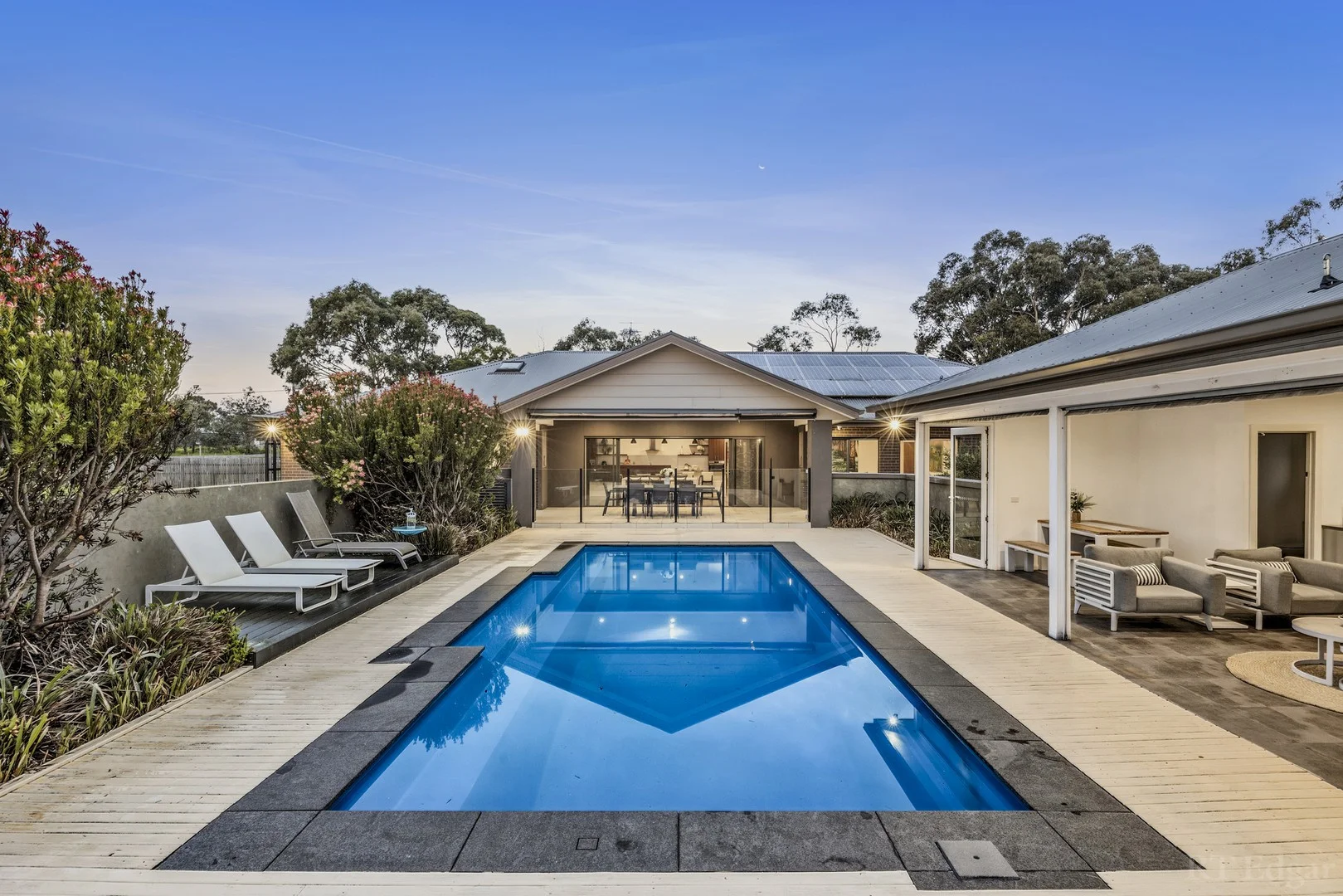 $3,006,750 - $3,307,425
House
$3,006,750 - $3,307,425
House
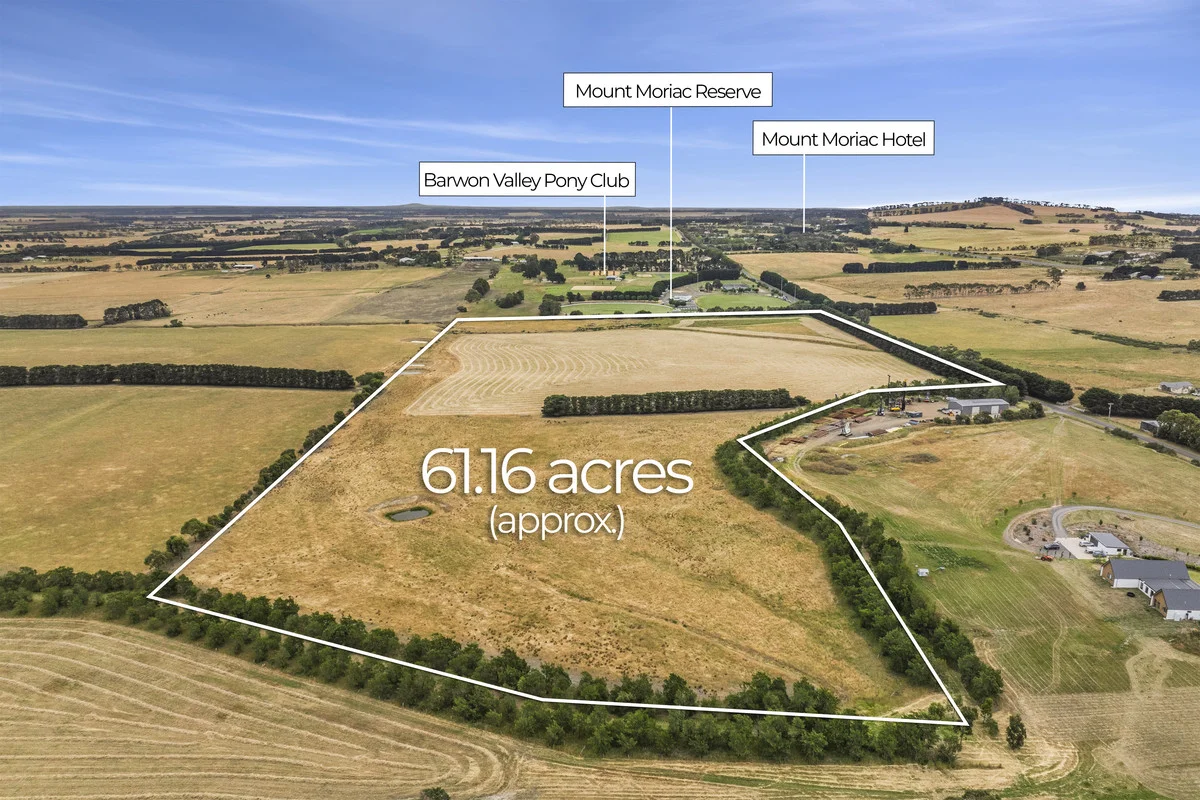 $2,100,000
propertyType.RURAL
$2,100,000
propertyType.RURAL
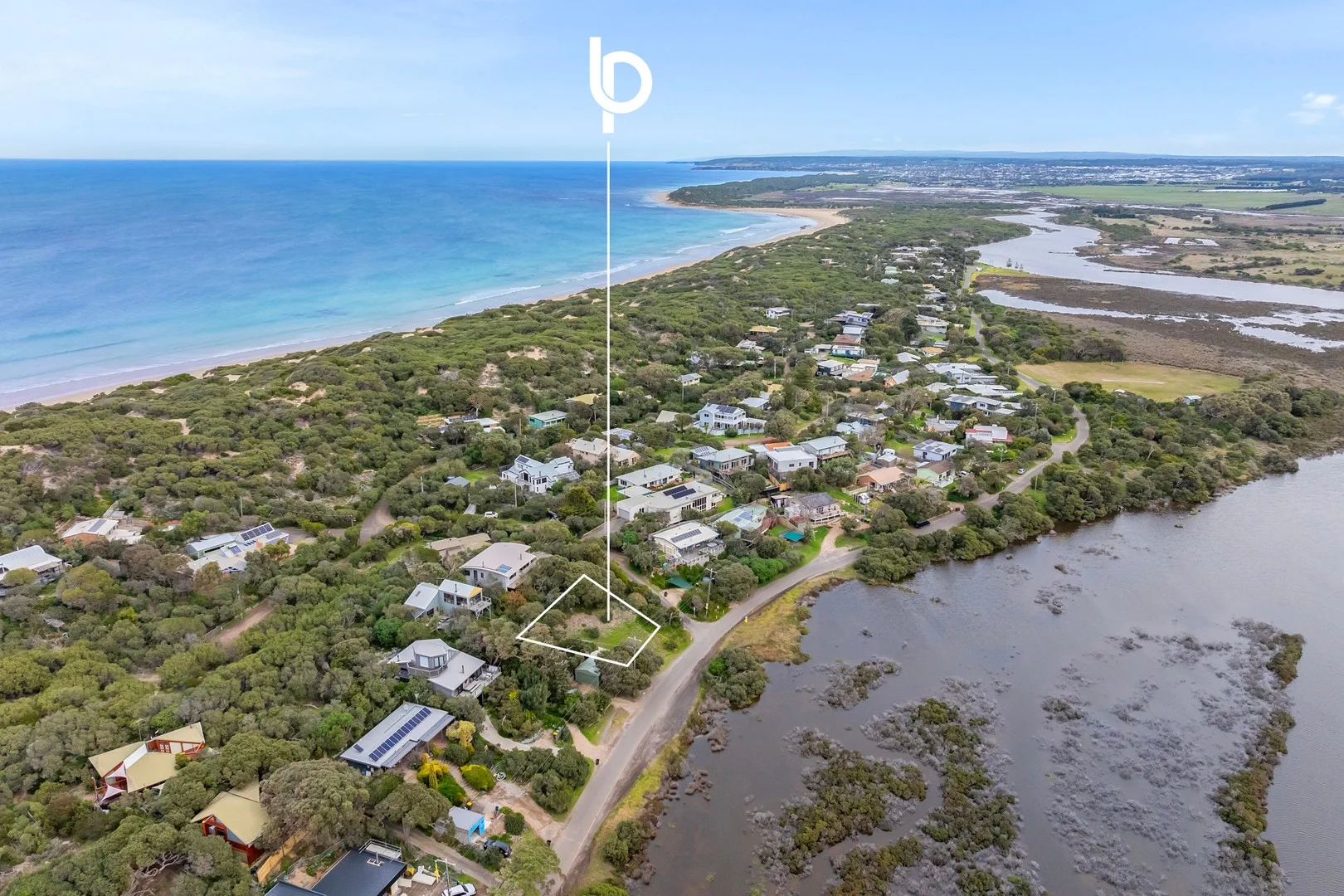 $880,000 - $950,000
Vacant Land
$880,000 - $950,000
Vacant Land
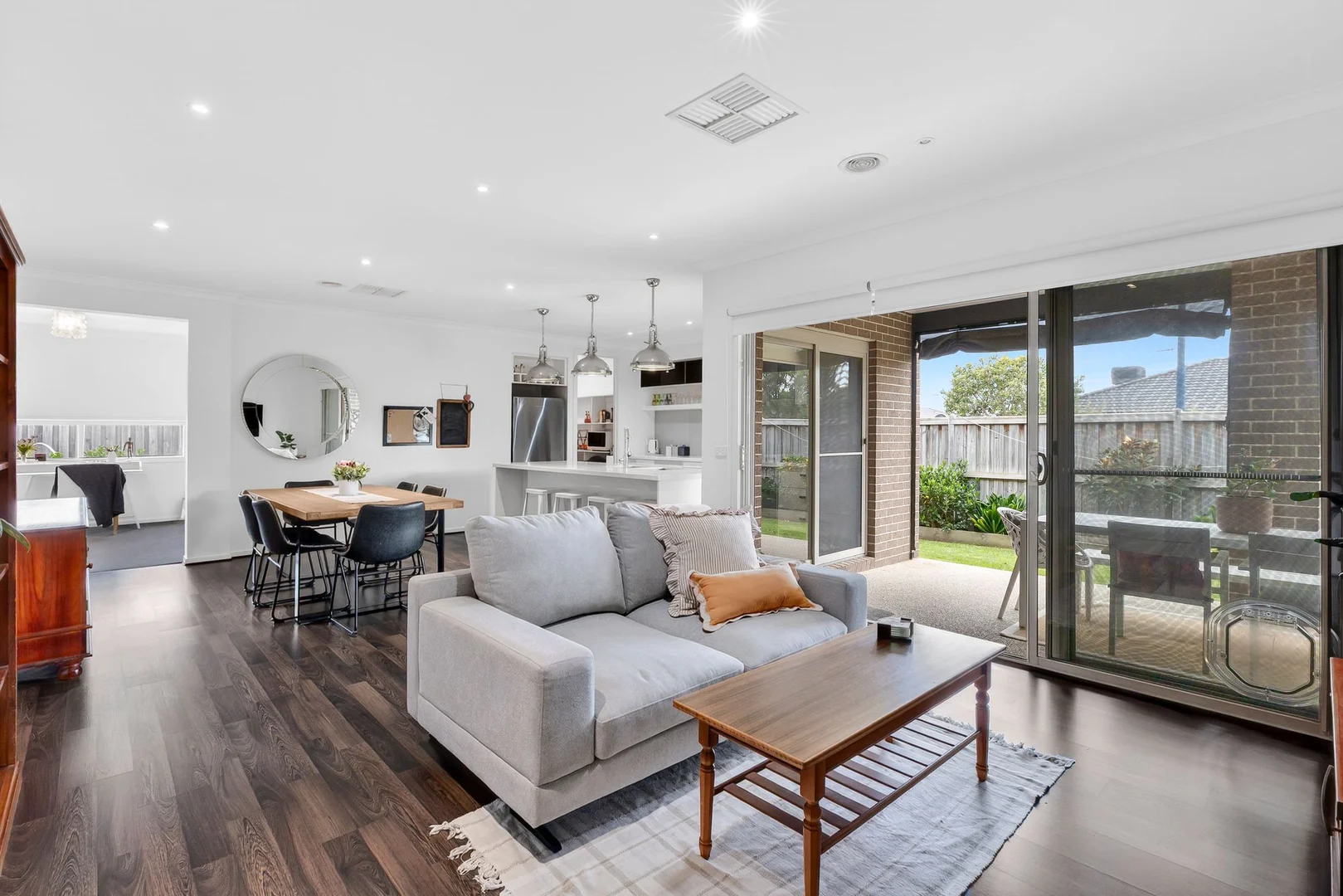 $840,000 - $880,000
House
$840,000 - $880,000
House
 $830,000 - $890,000
House
$830,000 - $890,000
House


