1. Overview
Grovedale West Primary School is a public government primary school in Victoria that serves families in Grovedale West and nearby Geelong communities. The school focuses on a welcoming, inclusive learning environment where students are supported to grow academically, socially and emotionally. With medium size in the local context, it emphasizes strong community connections, student well-being and engagement in practical learning experiences.
- School type: Public
- School size: Medium
- Class size: Approximately 22–26 students per class
- Atmosphere/culture: Inclusive, nurturing, community-oriented, with a focus on student well-being and hands-on learning
⸻
2. Academics & Learning
Grovedale West Primary School highlights literacy and numeracy as foundational strengths, with additional emphasis on STEM and digital literacy to prepare students for a changing world. The school provides differentiated learning to meet diverse needs and offers programs that extend capable learners while supporting those who require extra help.
- Academic strengths: Literacy and numeracy; STEM/digital literacy; leadership and classroom-based inquiry
- Special programs: Differentiated learning, targeted literacy and numeracy support; enrichment opportunities; pathways for gifted and talented learners where appropriate
- NAPLAN / trends: Steady year-to-year improvements in reading and numeracy with positive progression across cohorts
- Student-teacher ratios: Classrooms typically around 22–26 students with specialist support; overall student-teacher ratio around the low teens to mid-teens in core learning areas
- Support for diverse learners: EAL assistance, inclusive education supports, SEN support, small-group interventions and access to specialist staff as needed
⸻
3. Sports & Extracurricular Strengths
Sports and a broad range of activities are important components of the school experience, with opportunities for both participation and competition within the local community.
- Sports offered: Netball, soccer, cricket, Australian rules football activities, athletics and general fitness programs
- Strong teams or achievements: Participation in local interschool events and district-level competitions; emphasis on teamwork and personal development
- Music, arts, drama programs: School choir, performing arts activities, annual concerts and music literacy programs
- Clubs: Robotics, coding, chess, debating and other STEM/creative clubs
- Partnerships: Involvement with local clubs and community organizations; opportunities to participate in regional competitions and events
⸻
4. Wellbeing & Pastoral Care
Student wellbeing is a key priority, with systems in place to support positive school climate, resilience and healthy relationships.
- Anti-bullying approach: Clear anti-bullying policies, respectful relationships programs and proactive whole-school education
- House system: House groups to foster belonging, teamwork and friendly competition
- Counsellors / wellbeing officers: Access to school wellbeing staff or counsellor support as part of the pastoral care framework
- Transition support for new students: Orientation activities, buddy programs and targeted transition support to help new students settle in
⸻
5. Facilities
The school facilities are designed to support a broad curriculum and engaging learning experiences.
- Sports grounds: Access to outdoor play and sports areas
- Libraries: A dedicated library for reading and research
- Science labs: Practical science spaces for inquiry and exploration
- Music/performing arts centers: Resources for music and drama activities
- Tech/innovation labs: Makerspace or computer/lab areas for coding and digital projects
- Cafeteria: On-site catering or lunch program options
- Updated playgrounds: Modern, safe play spaces and nature-based learning areas
⸻
6. School Values & Community Culture
Grovedale West Primary School aims to nurture well-rounded, respectful and responsible young people who contribute positively to their community.
- School values / mission: Respect, responsibility, inclusion and a commitment to learning
- Leadership style: Distributed leadership with student voice and teacher collaboration
- Behaviour expectations: Clear expectations and positive behaviour framework to promote respectful conduct
- Community reputation: Strong family involvement and supportive community partnerships
- Diversity & inclusion: Inclusive environment that reflects the local community and supports diverse learners
⸻
7. School Logistics & Daily Operations
Practical information to help families plan the school day and routine.
- School hours: Typically 9:00 am–3:30 pm, with before/after school arrangements available
- Before/after school care: OSHC or similar programs offered through approved providers
- Uniform requirements: School uniform policy in place; clear guidelines on approved attire
- Transport: Access to local bus routes and convenient public transport options; drop-off/pick-up protocols
- Canteen availability: Canteen or lunch program on certain days; options for online lunch orders
- Fees: Public school context with no tuition; modest book pack or stationery charges and voluntary contributions
⸻
8. Enrolment & Admissions
11. What is the enrolment process and timeline?
- Submit an enrolment application with required documents (proof of address, birth certificate, immunisation details, etc.)
- Attend an information session or school tour if offered
- Complete any local catchment or placement requirements; wait times may vary based on space
- Offers are communicated through the school in line with regional timelines
12. Is there a waiting list, and how does it work?
- Waiting lists may apply when intake is full or outside catchment; priority is generally given to in-catchment families and available space
- Time on the list can vary; families are advised of expected wait times by the school
13. Are there any entry requirements, tests, or interviews?
- No standard entrance exam for primary enrolment
- Some programs or placements may involve conversations or assessments to determine support needs or suitable placement
14. Does the school accept mid-year transfers?
- Yes, subject to space and alignment with student supports; mid-year transfers are considered on a case-by-case basis
⸻
9. Frequently Asked Questions
- Why Parents Choose This School?
- Strong focus on inclusive learning, student well-being and community connections; approachable staff and a supportive learning environment
- What type of student thrives at this school?
- Students who respond well to a collaborative, respectful culture; those who value a balanced program with literacy, numeracy, arts, sport and positive relationships
- What opportunities are available for students to extend their skills (academics, sports, arts)?
- Extensions in literacy/numeracy, STEM/digital projects, in-school and interschool sports, music and performing arts, robotics, coding, chess and debating clubs
- How does the school communicate with parents?
- Regular updates via newsletters, calendar events, parent-teacher meetings and digital platforms; clear channels for feedback and inquiries
- What is the school’s approach to teaching and learning?
- Student-centered, evidence-based approaches with differentiation, inquiry-based learning and a focus on developing critical thinking and resilience
- How does the school support students who need extra academic help?
- Targeted small-group interventions, EAL/SEN supports and access to specialist staff as needed
- What support is available for academic challenges?
- Early identification, tailored support plans, regular progress checks and parent collaboration
- How does the school communicate with parents? (duplicate)
- See above; ongoing updates and open communication channels
- What are the class sizes and how much individual attention do students receive?
- Typical class sizes around 22–26 students; teachers provide differentiation and targeted support to meet individual needs
- What extracurricular and sports opportunities are available?
- A broad range including sports teams, robotics, coding, chess, debating, music and performing arts, and cultural activities
- What facilities does the school offer (sports, science, arts)?
- Sports grounds, library, science spaces, performing arts/music spaces, tech/innovation labs and supportive learning environments
- What is the school’s approach to technology and digital learning?
- Integration of digital literacy, coding and practical technology usage to support learning across subjects
- What transport and accessibility options are available?
- Local bus routes and proximity to public transport; accessible facilities and clear drop-off/pick-up procedures
- What are the typical school fees or additional costs?
- Public school context with minimal compulsory fees; some voluntary contributions and parental costs for activities or programs as applicable
⸻
10. Short Pros & Cons list
Pros
- Inclusive, supportive school culture with strong emphasis on well-being
- Balanced curriculum across literacy, numeracy, STEM, arts and sport
- Wide range of extracurricular activities and clubs
- Active parental and community involvement
- Clear communication and approachable staff
Cons
- As a medium-sized public school, demand can fluctuate; some programs may have limited capacity at peak times
- Uniform policy and some activity costs are required; families should plan for occasional voluntary contributions
- Mid-year transfers depend on space; wait times can vary in busy intake periods
⸻







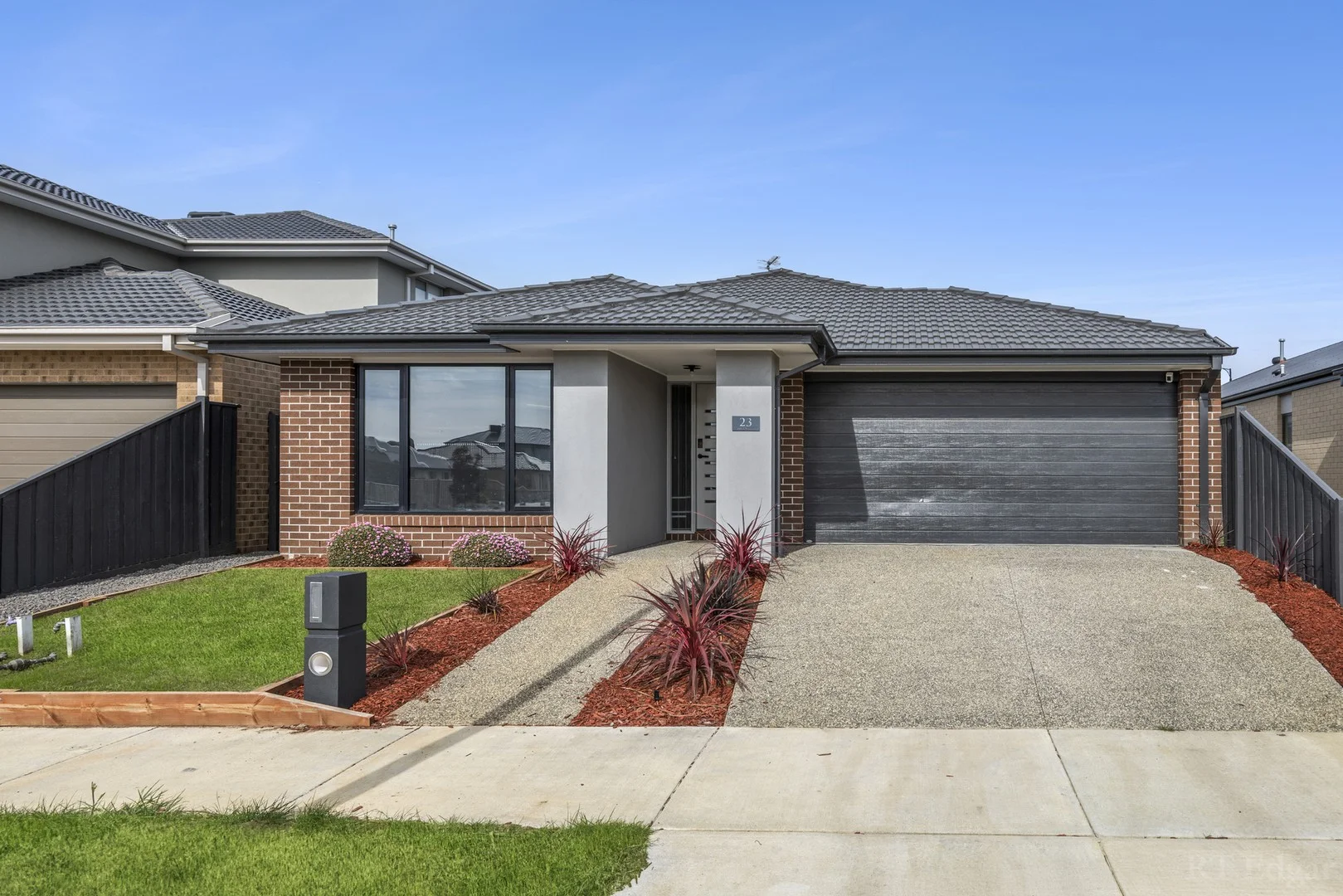 $599,000 - $658,900
House
$599,000 - $658,900
House
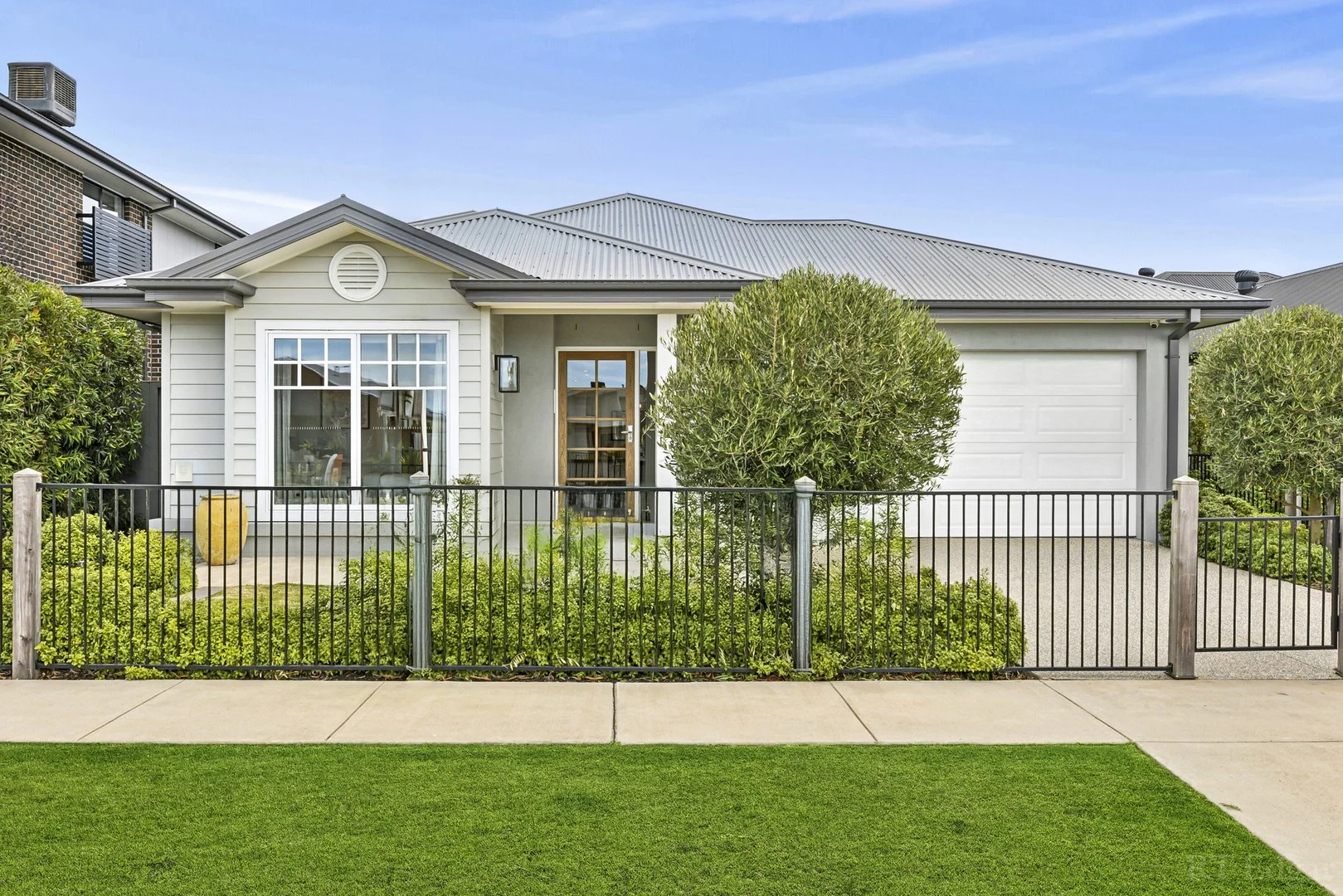 $877,800 - $965,580
House
$877,800 - $965,580
House
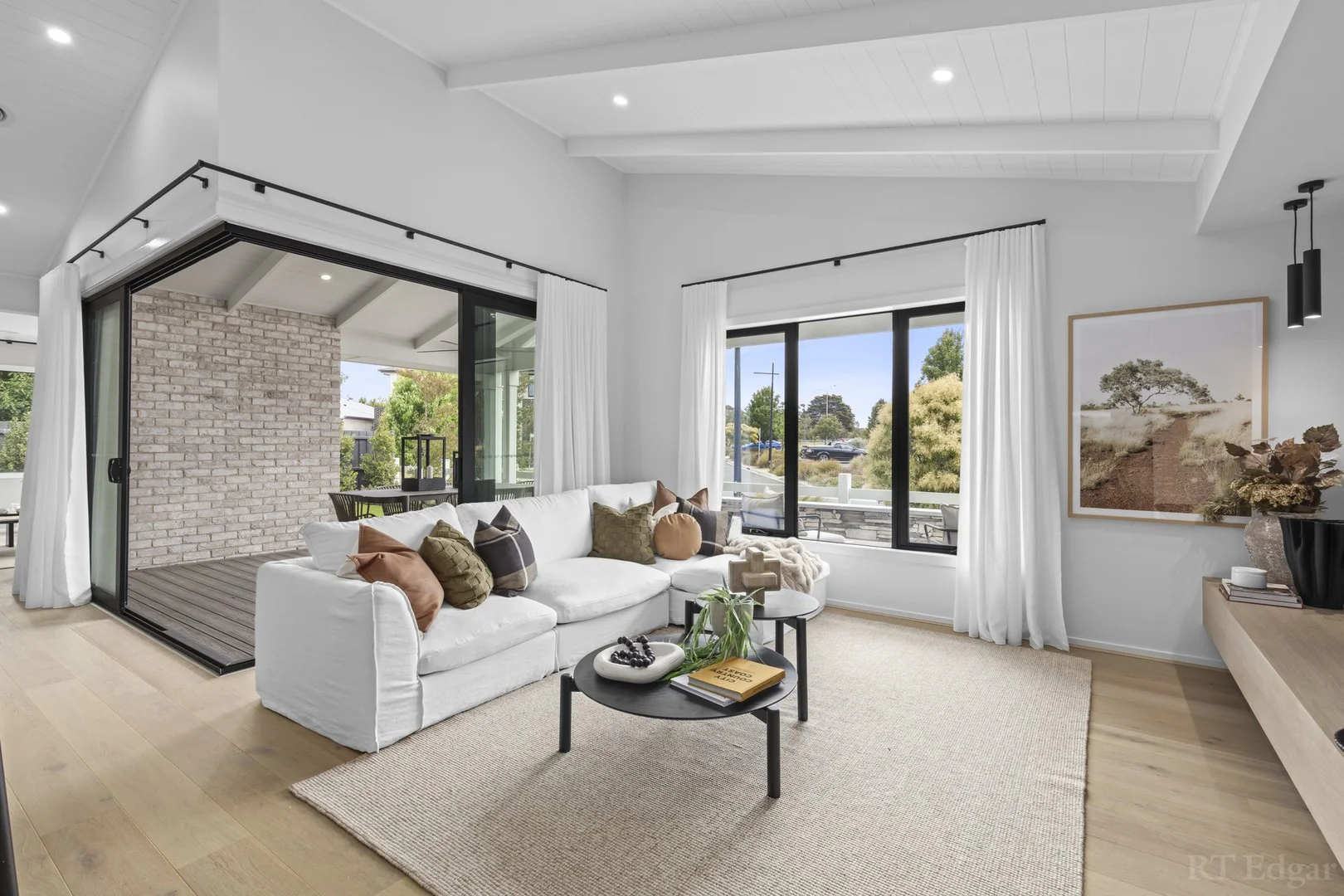 $1,022,295 - $1,124,524
House
$1,022,295 - $1,124,524
House
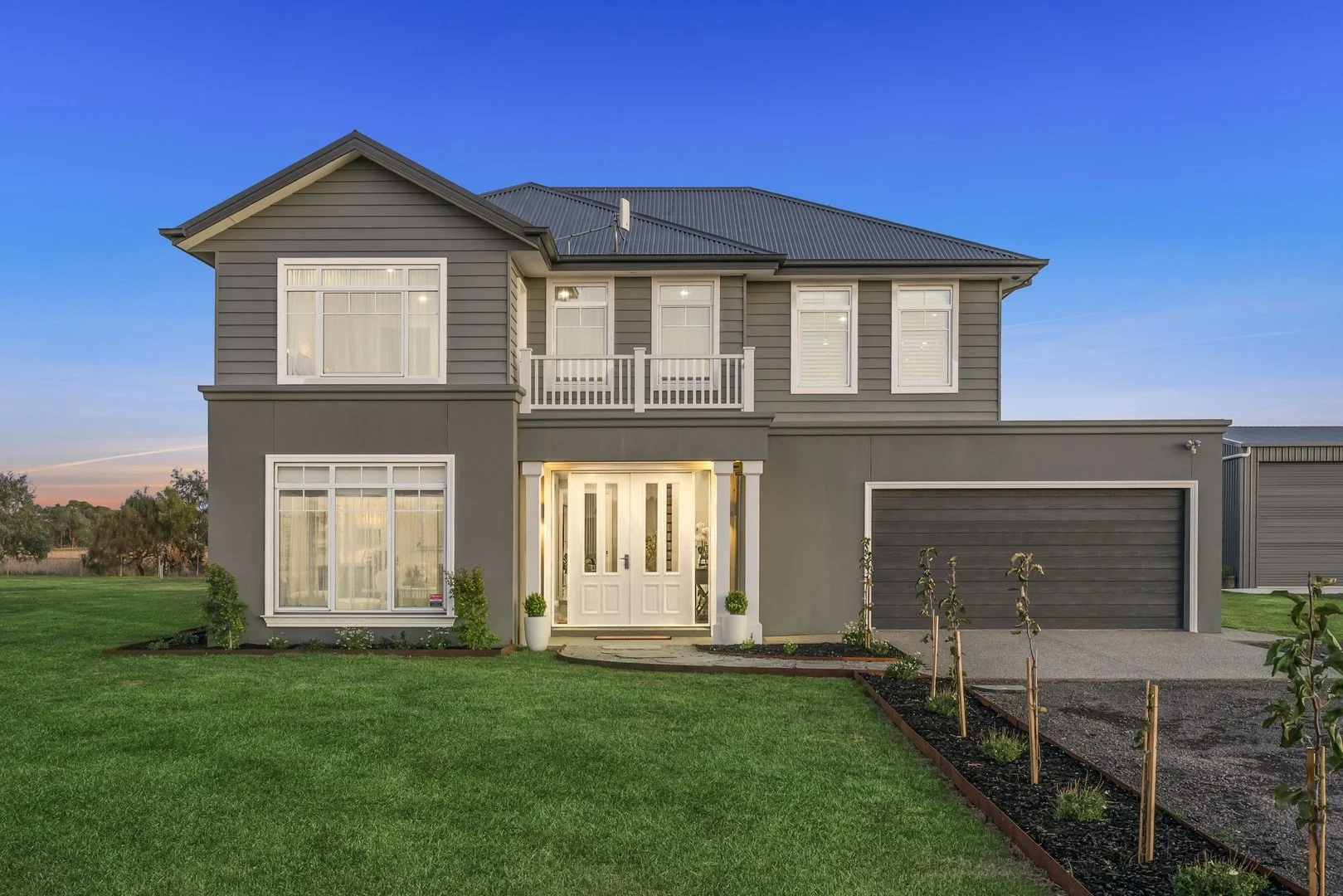 $2,150,000 - $2,350,000
propertyType.ACREAGE / SEMI-RURAL
$2,150,000 - $2,350,000
propertyType.ACREAGE / SEMI-RURAL
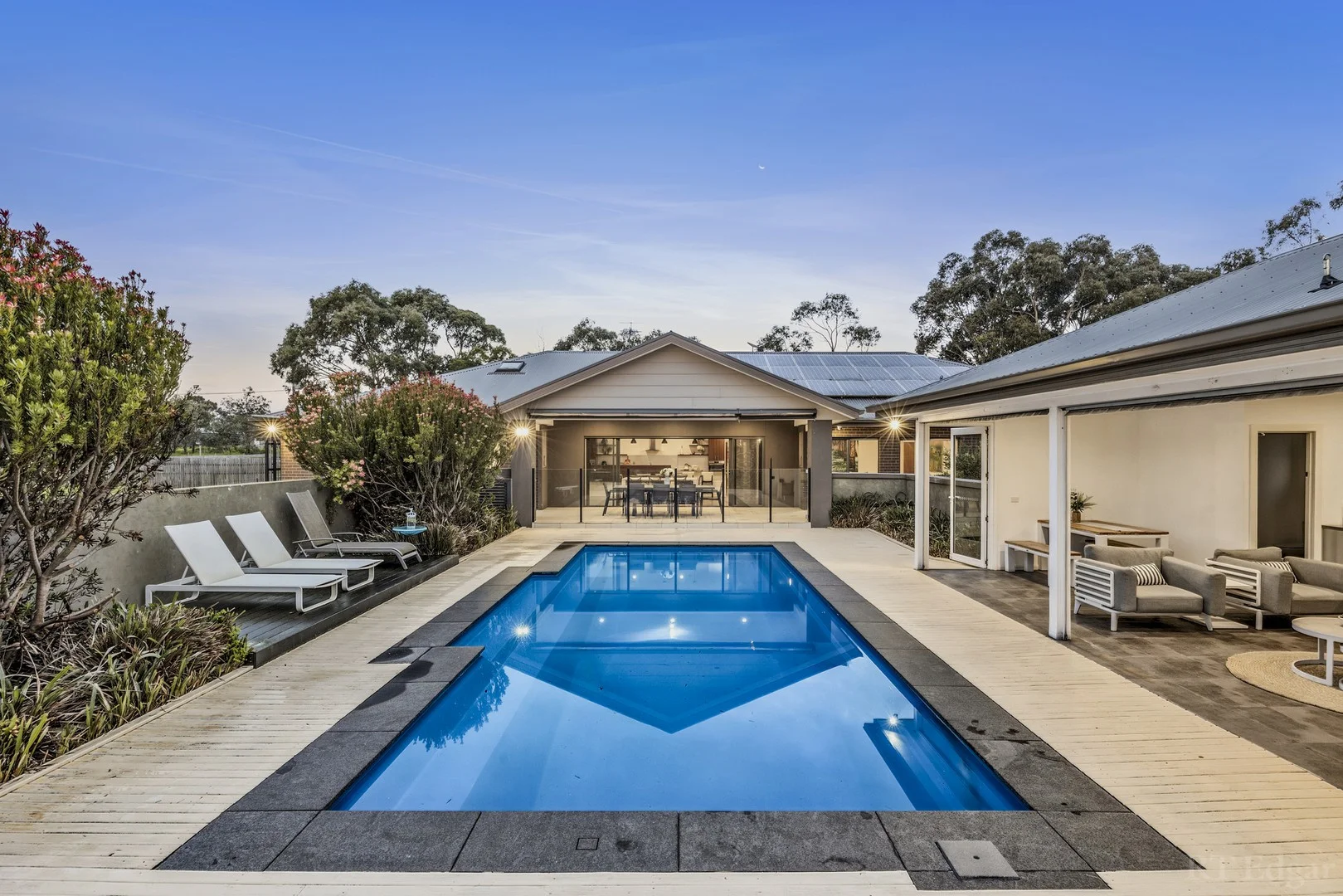 $3,006,750 - $3,307,425
House
$3,006,750 - $3,307,425
House
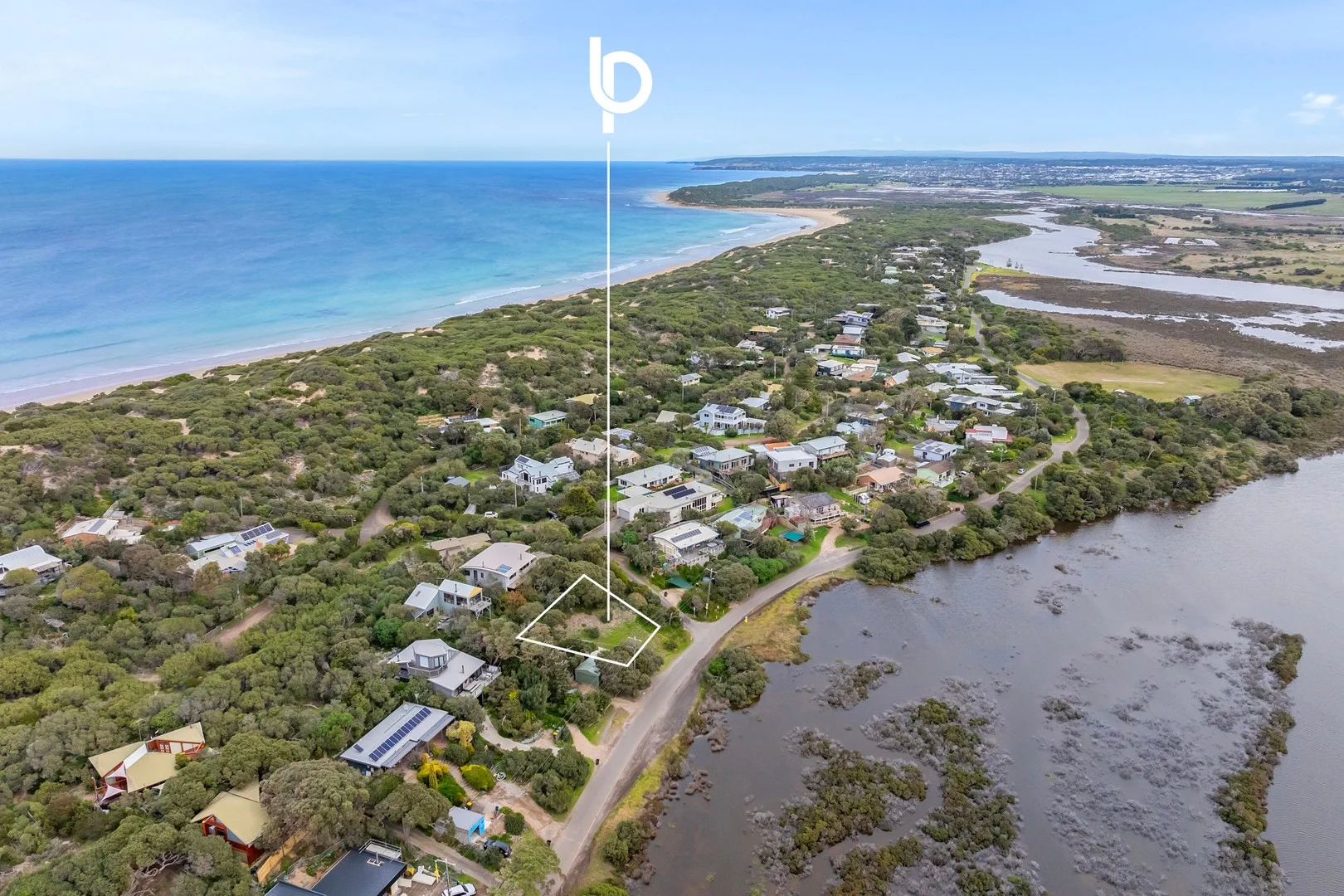 $880,000 - $950,000
Vacant Land
$880,000 - $950,000
Vacant Land
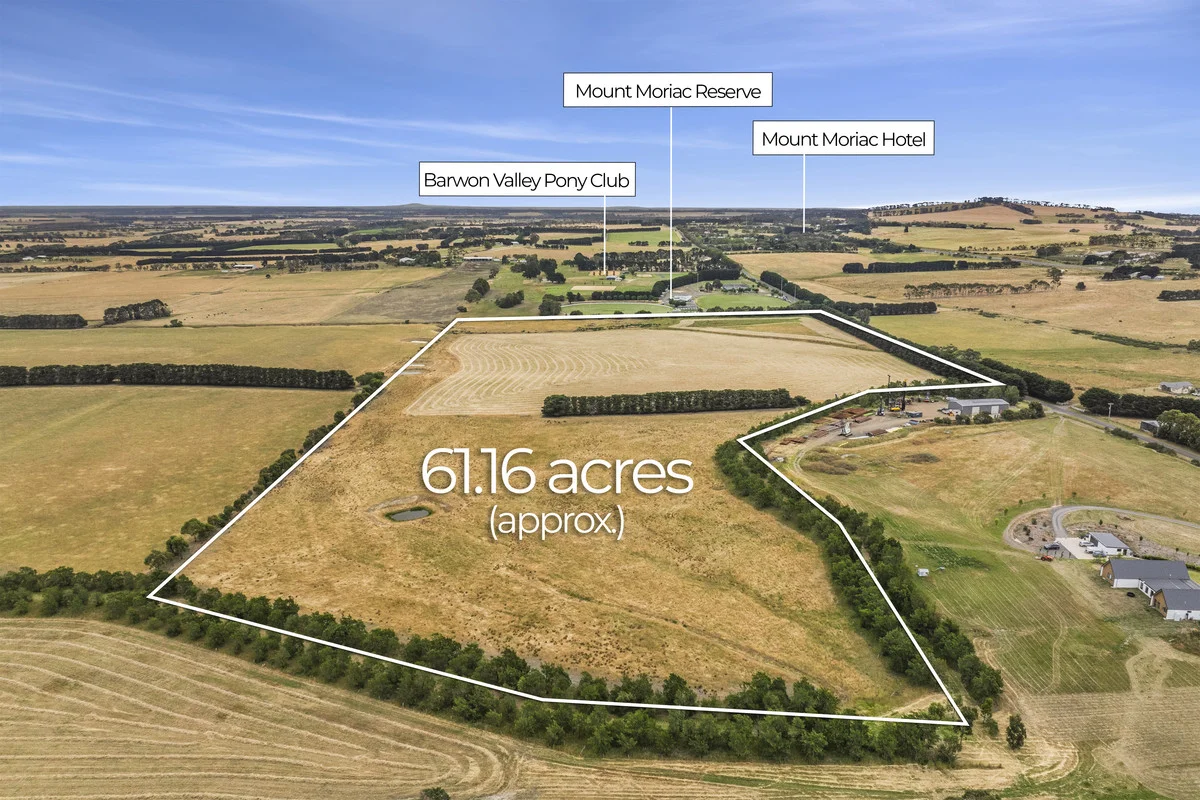 $2,100,000
propertyType.RURAL
$2,100,000
propertyType.RURAL
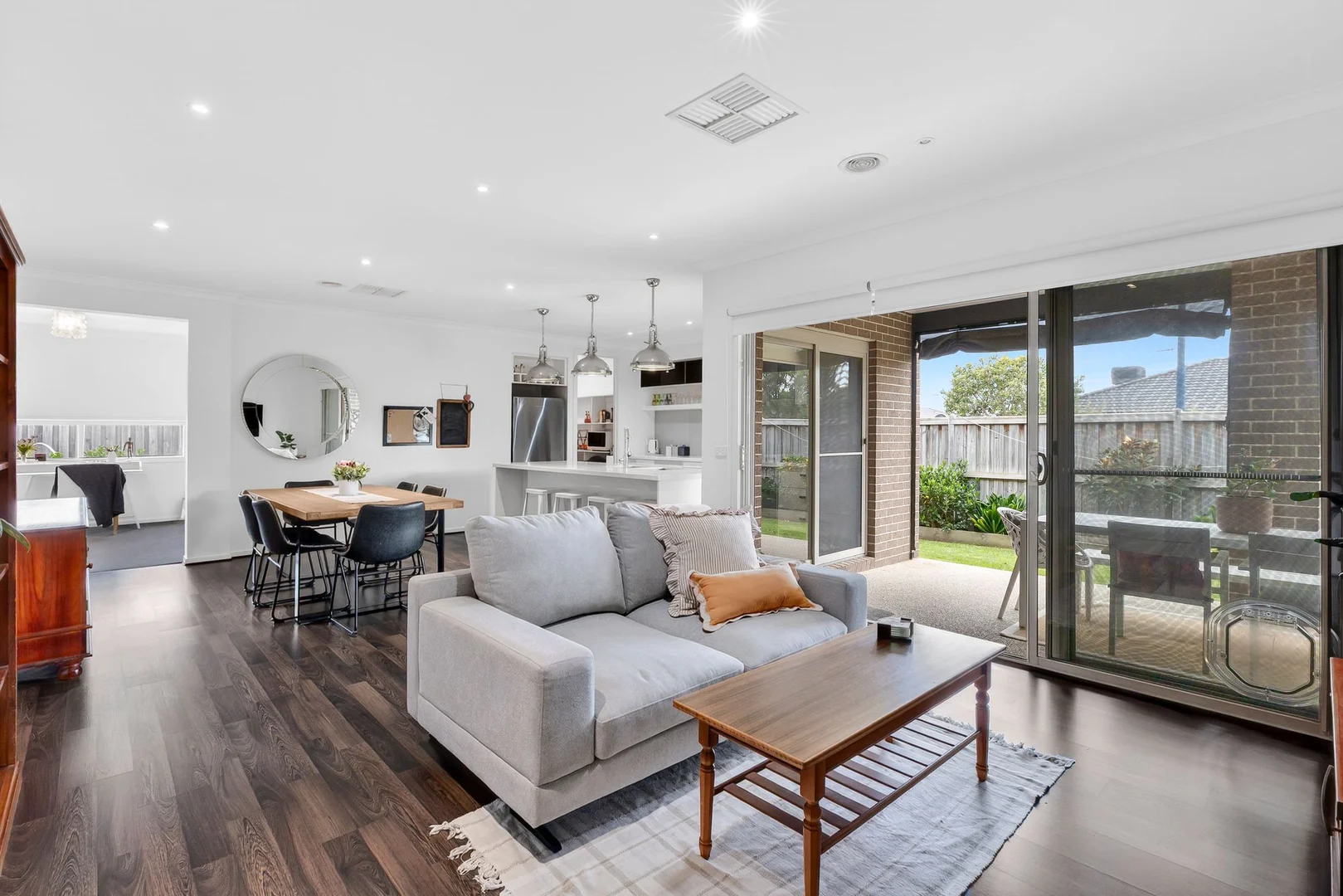 $840,000 - $880,000
House
$840,000 - $880,000
House
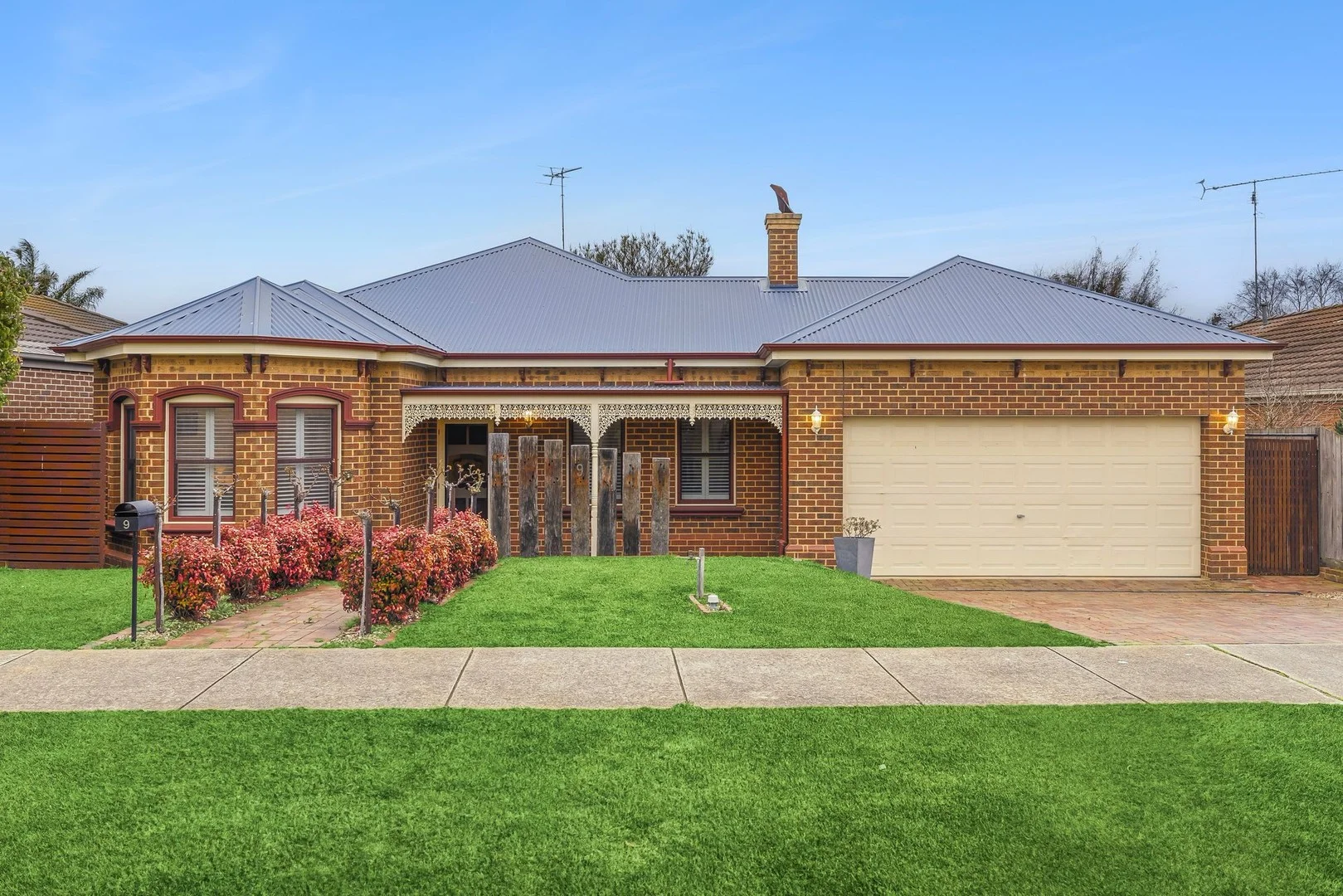 $830,000 - $890,000
House
$830,000 - $890,000
House


