## 1. Overview
Shortland Public School is a public primary school serving families in the Shortland area and nearby suburbs. It focuses on a well-rounded, inclusive education that supports literacy, numeracy, and social development in a welcoming environment. The school aims to build a strong sense of belonging and community involvement for students, families, and staff.
- School type: public
- School size: medium
- Class size: typically around 22–28 students per class, varying by year level
- Atmosphere/culture: inclusive, nurturing, community-focused, with emphasis on student well-being and participation in a broad range of activities
⸻
## 2. Academics & Learning
- Academic strengths: emphasis on literacy and numeracy, with strengths in problem-solving and practical thinking. Focus on STEM-aligned thinking, writing and reading comprehension, and creative inquiry.
- Special programs: opportunities for extension and enrichment, including activities for curious learners and potential gifted/talented pathways; strong support for arts and digital learning.
- NAPLAN trends: generally stable to improving trends over recent years, with ongoing focus on reducing gaps in reading, writing, and numeracy.
- Student-teacher ratios: typical NSW public primary ratios; classes are taught by trained teachers with support staff as needed, enabling regular access to individual and small-group support.
- Support for diverse learners: robust EAL/D support and SEN services; targeted interventions, inclusive education practices, and collaboration with specialist staff to meet diverse learning needs.
⸻
## 3. Sports & Extracurricular Strengths
- Sports offered: cricket, soccer/football, rugby league, AFL, athletics, swimming, and general physical education activities.
- Strong teams or achievements: active participation in inter-school sports events and carnivals; opportunities for leadership roles in teams and PE programs.
- Music, arts, drama programs: school music and performing arts opportunities; choir or instrumental initiatives and school productions are typical parts of the culture.
- Clubs: robotics, coding, chess, debating, and other interest clubs that run during lunch or after-school programs.
- Partnerships: connections with local clubs and community groups for competitions and extra-curricular experiences (e.g., regional robotics or coding challenges).
⸻
## 4. Wellbeing & Pastoral Care
- Anti-bullying approach: proactive whole-school focus on safe, respectful behavior with clear policies and student-to-student support systems.
- House system: house groups (e.g., Red, Blue, Green, Yellow) to foster positive competition, teamwork, and belonging.
- Counsellors / wellbeing officers: access to school-based wellbeing staff and guidance to support social, emotional, and mental health needs.
- Transition support for new students: orientation activities, buddy programs, and targeted transition steps to help new students settle in smoothly.
⸻
## 5. Facilities
- Sports grounds: ample playing fields and outdoor spaces for PE, games, and recreation.
- Libraries: well-stocked library with print and digital resources to support reading and inquiry.
- Science labs: dedicated spaces for hands-on science lessons and experiments.
- Music/performing arts centers: dedicated spaces for music, drama, and performance activities.
- Tech/innovation labs: computer labs or makerspaces to support digital learning and creative projects.
- Cafeteria: on-site canteen or lunch facilities offering healthy choices.
- Updated playgrounds: modern, safe outdoor play areas and learning spaces.
⸻
## 6. School Values & Community Culture
- School values / mission: emphasis on respect, responsibility, inclusion, and collaboration; a focus on equitable opportunity for all students.
- Leadership style: distributed leadership with opportunities for student voice (e.g., student council) and teacher leadership in school initiatives.
- Behaviour expectations: clear expectations and positive reinforcement strategies; consistent routines across classrooms.
- Community reputation: a friendly, family-oriented school culture with active parent involvement and community partnerships.
- Diversity & inclusion: strong commitment to inclusive education and supportive practices for students from diverse backgrounds and with varying needs.
⸻
## 7. School Logistics & Daily Operations
- School hours: typical day runs roughly from 9:00 am to 3:00 pm, with gates open beforehand for arrival.
- Before/after school care: OSHC or similar wrap-around care options often available on-site or nearby.
- Uniform requirements: standard school uniform (often navy bottoms with light-colored shirt); hat for sun protection; uniform shop or ordering through the school.
- Transport (train/bus routes): access to local bus services and nearby public transport options; timing and routes vary by location.
- Canteen availability: on-site canteen or canteen services offering healthy meal and snack options.
- Fees (low/medium/high ranges): public primary schools typically have low to moderate voluntary contributions and charges for certain excursions or activities.
⸻
## 8. Enrolment & Admissions
11. What is the enrolment process and timeline?
- Enrolment is administered through the NSW Department of Education. Check local catchment eligibility, then submit the school or district enrolment form with required documents (birth certificate, immunisation status, proof of address, and previous school records where applicable).
- Timeline typically involves submitting an application ahead of the start of the school year, with offers and placement decisions communicated by the school in advance. Orientation or welcome events may occur before the new year or term start.
12. Is there a waiting list, and how does it work?
- Waiting lists are common for non-local or high-demand placements. Placement is generally determined by catchment priority and available vacancies. Families on the waitlist are typically contacted when spaces become available and may be asked to confirm continued interest.
13. Are there any entry requirements, tests, or interviews?
- For general enrolment, there are usually no entrance tests or interviews. Some cases (e.g., out-of-area transfers, specific programs, or special circumstances) may involve brief discussions or documentation checks. Immunisation status and student information are part of the process.
14. Does the school accept mid-year transfers?
- Yes, subject to space and available places. Prospective mid-year transferees should contact the school early, provide relevant records (previous reports, attendance data, immunisation status), and complete the standard enrolment process to secure a spot.
⸻
## 9. Frequently Asked Questions
- Why Parents Choose This School?
- A strong sense of community, supportive staff, focus on literacy and numeracy, inclusive environment, and a broad range of programs in sports, arts, and technology.
- What type of student thrives at this school?
- Students who benefit from a collaborative, supportive environment, active participation in a range of programs, and opportunities to engage in both academics and extracurriculars.
- What opportunities are available for students to extend their skills (academics, sports, arts)?
- Enrichment activities in STEM and literacy, language and arts programs, school clubs (robotics, coding, debating), and active participation in sports teams and inter-school events.
- How does the school communicate with parents?
- Regular updates via email, newsletters, and school apps; parent-teacher meetings; information on events and learning progress is shared throughout the year.
- What is the school’s approach to teaching and learning?
- Student-centered, differentiated instruction with a focus on literacy, numeracy, and practical problem-solving. Use of technology to support learning and strong emphasis on positive behavior and wellbeing.
- How does the school support students who need extra academic help?
- Targeted interventions through learning support staff, small-group tutoring, EAL/D and SEN services, and ongoing progress monitoring.
- What support is available for academic challenges?
- Additional classroom support, specialised staff, and tutoring options; collaboration with families to adapt learning plans and ensure timely assistance.
- How does the school communicate with parents? (duplicate)
- See above: email, newsletters, app updates, and scheduled meetings.
- What are the class sizes and how much individual attention do students receive?
- Typical class sizes range around 22–28 students; teachers differentiate instruction and provide regular feedback and small-group support to students who need it.
- What extracurricular and sports opportunities are available?
- A wide range of sports, plus clubs in robotics, coding, chess, debating, music, and arts activities; opportunities to participate in inter-school events and competitions.
- What facilities does the school offer (sports, science, arts)?
- Sports grounds, libraries, science labs, music/performing arts spaces, technology labs, on-site canteen, and updated outdoor play areas.
- What is the school’s approach to technology and digital learning?
- Computational thinking and digital literacy integrated into learning; use of computers/tablets and interactive tools; emphasis on digital citizenship and safe online practices.
- What transport and accessibility options are available?
- Access to local bus routes and public transport; facilities and pathways designed to be accessible for students with diverse needs.
- What are the typical school fees or additional costs?
- Voluntary contributions and costs for excursions or extracurricular activities; schools provide guidance on expected costs and options for financial assistance where available.
⸻
## 10. Short Pros & Cons list
- Pros
- Inclusive, supportive environment with a strong sense of community
- Broad range of academic, arts, and sport opportunities
- Strong focus on literacy, numeracy, and wellbeing
- Diverse extracurriculars, including clubs and inter-school activities
- Good integration of technology and digital learning
- Cons
- Class sizes can vary by year level; some years may be larger
- Availability of out-of-area places may involve waitlists
- Uniform and excursion costs can add up for families
- Mid-year transfers depend on space and may require quick coordination
⸻






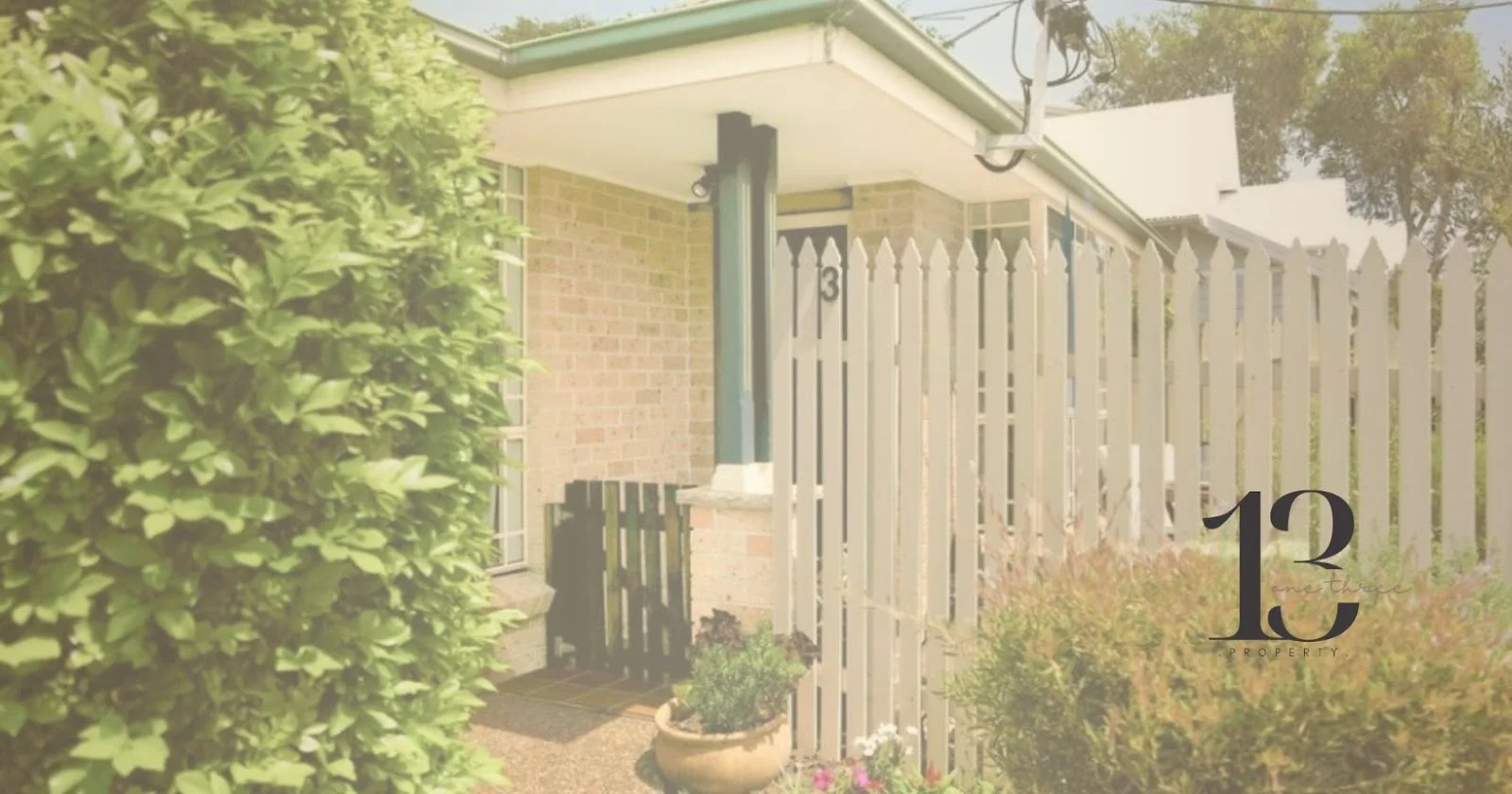 $795,000
Townhouse
$795,000
Townhouse
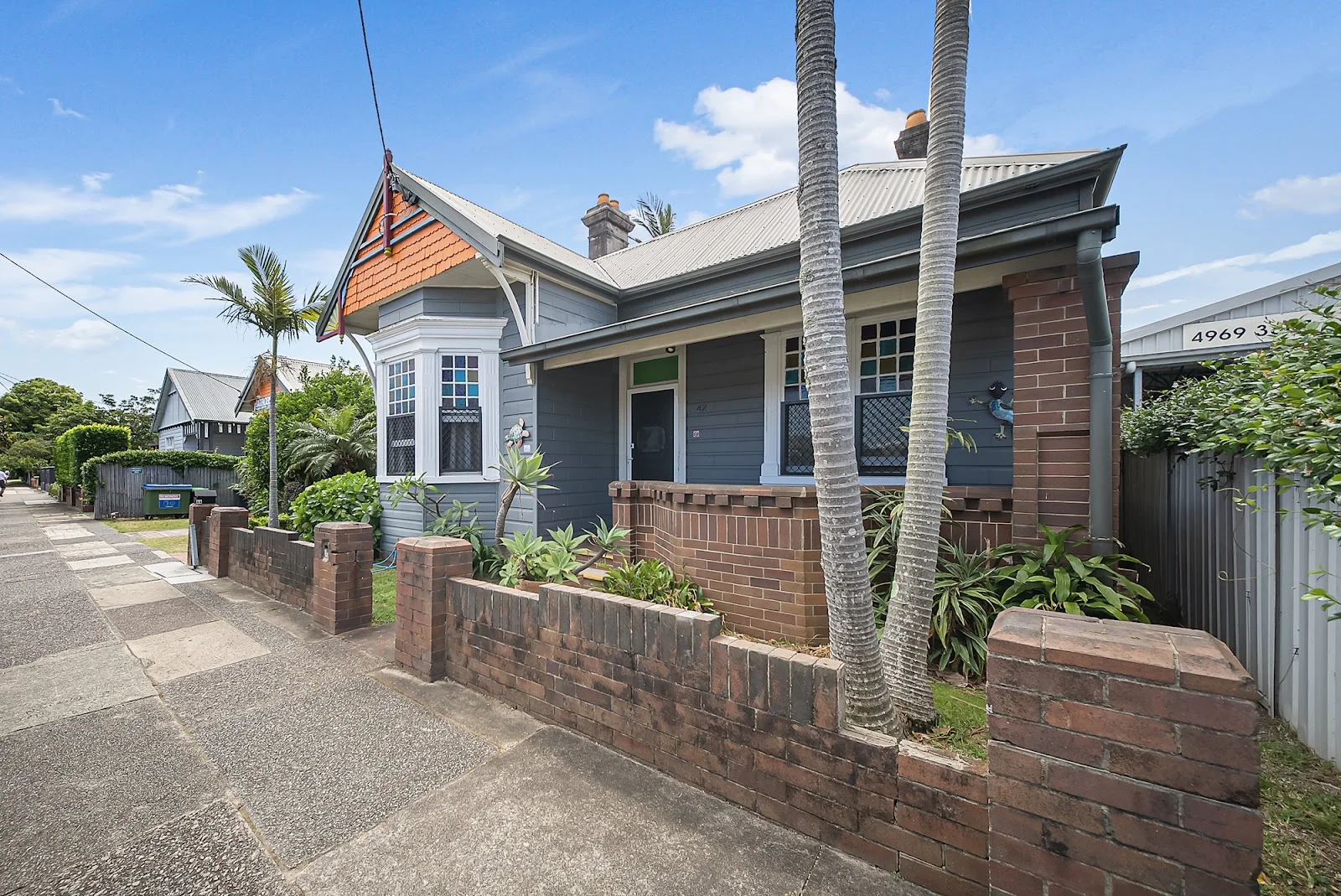 $2,000,000
propertyType.BLOCK OF UNITS
$2,000,000
propertyType.BLOCK OF UNITS
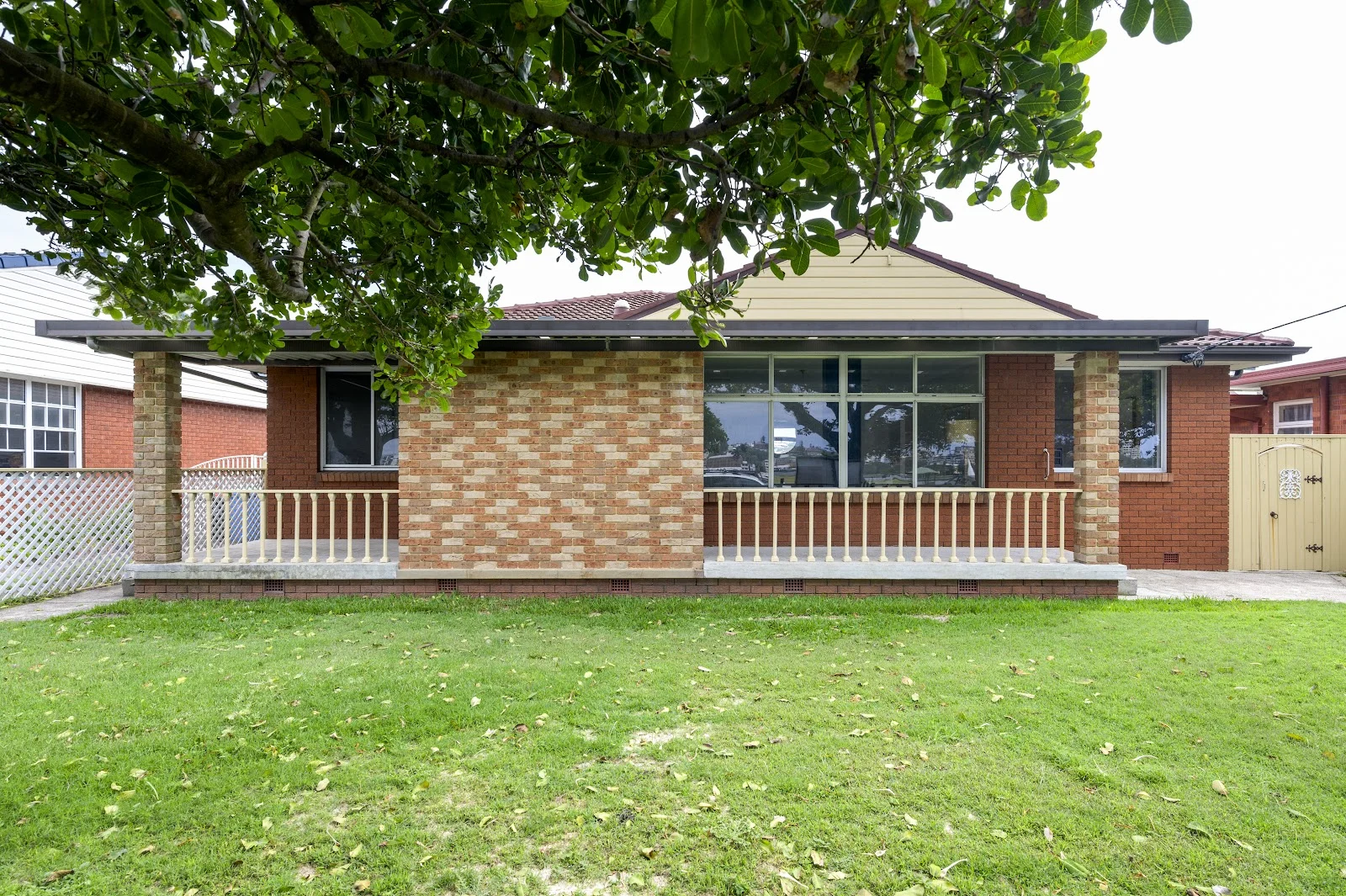 $2,500,000
House
$2,500,000
House
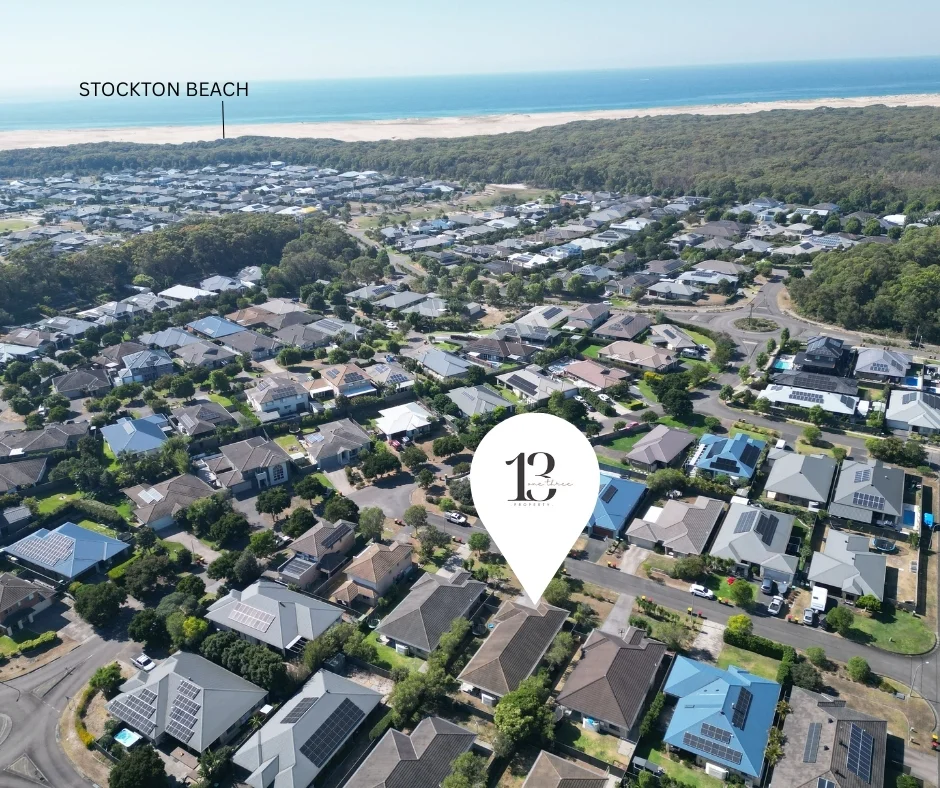 $900,000 - $990,000
House
$900,000 - $990,000
House


