## 1. Overview
Iona Presentation College is an independent Catholic girls’ day school located in Mosman Park, Western Australia. It serves students from early adolescence through to the senior years, guided by the Presentation Sisters’ values and a commitment to faith-informed education. The college offers a comprehensive, academically focused environment with a strong emphasis on service, leadership, and community.
The school size is medium, with class sizes typically around 20–25 students. The atmosphere is nurturing and inclusive, balancing high academic expectations with strong pastoral care and opportunities for students to participate in a wide range of co-curricular activities.
---
## 2. Academics & Learning
- Academic strengths: English, STEM disciplines, languages, and leadership development are central to the curriculum, with an emphasis on critical thinking, communication, and real-world application.
- Special programs: Gifted & Talented programs, accelerated learning options, and a range of co-curricular pathways (including leadership and service opportunities). VET and practical pathways may be available to broaden career options.
- NAPLAN trends: Over recent years, students have shown steady progress and consistency, with performance in reading, writing, and numeracy tracking above state averages and demonstrating positive upward trends.
- Student-teacher ratios: Approximately 1:12, supporting more personalised attention and targeted support where needed.
- Support for diverse learners: Strong EAL and SEN support, inclusive education practices, access to learning support staff, and tailored plans to help students succeed.
---
## 3. Sports & Extracurricular Strengths
- Sports offered: Netball, basketball, hockey, soccer, tennis, athletics, swimming, and cross-country are commonly available, with opportunities to represent the school in inter-school competitions.
- Strong teams or achievements: The college typically fields competitive teams across major school sports, with active participation in state and regional inter-school events.
- Music, arts, drama programs: A robust music program and opportunities to participate in school productions, ensembles, and performing arts showcases.
- Clubs: Robotics, chess, coding, debating, and other subject-focused or interest-based clubs are encouraged to help students explore passions beyond the classroom.
- Partnerships: Participation in local inter-school competitions and collaborations with community arts and STEM programs to broaden learning and competition experiences.
---
## 4. Wellbeing & Pastoral Care
- Anti-bullying approach: Clear policies and procedures promote a safe, respectful environment with active reporting and support systems.
- House system: A house-based structure fosters belonging, healthy competition, teamwork, and peer support across year levels.
- Counsellors / wellbeing officers: Access to guidance and wellbeing staff to support academic stress, social development, and personal growth.
- Transition support for new students: Orientation programs, buddy systems, and pastoral care initiatives to help new students settle in smoothly.
---
## 5. Facilities
- Sports grounds: On-site playing fields and courts for team sports and fitness.
- Libraries: Well-equipped library spaces supporting research, reading for pleasure, and quiet study.
- Science labs: Modern, well-resourced laboratories for chemistry, biology, physics, and experiments.
- Music/performing arts centers: Dedicated spaces for rehearsal, rehearsals, performances, and music education.
- Tech/innovation labs: Contemporary spaces for coding, robotics, and digital learning.
- Cafeteria: On-site canteen offering healthy meal options.
- Updated playgrounds: Safe, modern outdoor spaces for recreation and social interaction.
---
## 6. School Values & Community Culture
- School values / mission: A Catholic, values-driven education focused on learning, leadership, service, and integrity.
- Leadership style: Emphasises student agency, mentorship, and opportunities to lead within peer groups, clubs, and student councils.
- Behaviour expectations: Clear codes of conduct aligned with respect for self, others, and the school community.
- Community reputation: Known for a supportive, inclusive culture with strong parental involvement and active alumni networks.
- Diversity & inclusion: Commitment to welcoming students from diverse backgrounds and ensuring access to support services and inclusive practices.
---
## 7. School Logistics & Daily Operations
- School hours: Typical day runs during standard school hours with potential after-school activities and programs.
- Before/after school care: Availability of wrap-around care or supervised programs before and after the school day.
- Uniform requirements: Clear uniform policies, with specified dress standards for daily wear and formal occasions.
- Transport (train/bus routes): Access to public transport options and school bus services as part of the broader Perth metro area network.
- Canteen availability: On-site canteen offering a range of meals and snacks.
- Fees (low/medium/high ranges): Fees are in the private/independent school range, with different tiers for year levels and additional program costs.
---
## 8. Enrolment & Admissions
11. What is the enrolment process and timeline?
- Begin with attending or reviewing the school’s open events, then complete the online enrolment application. After submission, the school will request supporting documents (birth certificate, immunisation records, previous school reports, etc.). If shortlisted, families are invited to interviews or information sessions. Offers are made subject to availability, with a typical timeframe spanning several months depending on year level and intake.
12. Is there a waiting list, and how does it work?
- There is often a waiting list for popular year levels. Families may be placed on the list after submitting an application. Priority may be given based on availability, siblings, and readiness of applicants, with ongoing communication from the enrolment office about positioning.
13. Are there any entry requirements, tests, or interviews?
- Entry may involve an interview or information session for the prospective student and parents. Some year levels may require assessments in English and Mathematics or a general academic overview. The school may also consider reports from previous schools and documentation of any special needs.
14. Does the school accept mid-year transfers?
- Mid-year transfers are considered where space permits and after meeting enrolment criteria. Transfer processes typically involve an application, review of current academic records, and an interview or meeting with relevant staff.
---
## 9. Frequently Asked Questions
- Why Parents Choose This School?
- Parents often choose for the school’s values-focused, nurturing environment, strong academics, and opportunities for leadership and service within a supportive community.
- What type of student thrives at this school?
- Students who are motivated, collaborative, and value strong academic study within a faith-based, inclusive setting tend to thrive.
- What opportunities are available for students to extend their skills (academics, sports, arts)?
- A range of extension opportunities exist through advanced subjects, Leadership programs, VET or practical pathways, sports teams, music ensembles, drama, and clubs like robotics, coding, debating, and chess.
- How does the school communicate with parents?
- Regular updates through newsletters, parent portals, phone calls, and scheduled parent-teacher meetings; open days and information nights are common.
- What is the school’s approach to teaching and learning?
- Teaching focuses on high academic standards, critical thinking, and real-world application, with pastoral support to foster well-being and resilience.
- How does the school support students who need extra academic help?
- Learning support services, targeted tutoring, EAL and SEN assistance, and personalised plans are available to help students achieve their targets.
- What support is available for academic challenges?
- Access to counsellors, learning support staff, and structured intervention programs, along with guidance on study skills and organisational strategies.
- How does the school communicate with parents? (Repeated)
- See above: regular channels include digital portals, newsletters, and parent-teacher interactions.
- What are the class sizes and how much individual attention do students receive?
- Class sizes are typically around 20–25 students, with a favourable student-teacher ratio of about 1:12 in many classes to support individual attention.
- What extracurricular and sports opportunities are available?
- A wide range of sports, music, arts, drama, and clubs (robotics, chess, coding, debating) with opportunities to compete and perform.
- What facilities does the school offer (sports, science, arts)?
- Comprehensive facilities include sports grounds, libraries, science labs, music/arts centers, tech/innovation labs, a canteen, and updated playgrounds.
- What is the school’s approach to technology and digital learning?
- A strong emphasis on modern digital learning, with dedicated tech spaces and curricula that integrate digital skills, coding, and responsible use of technology.
- What transport and accessibility options are available?
- Transport options include proximity to public transport routes and potential school-provided or partner transport services to support accessibility for families.
- What are the typical school fees or additional costs?
- Fees fall within the private/independent school range, with potential additional costs for uniforms, excursions, and certain programs. Families should check the latest fee schedule for exact figures.
---
## 10. Short Pros & Cons list
- Pros
- Catholic, values-driven education in a nurturing, inclusive environment
- Strong academic program with opportunities for leadership and service
- Supportive pastoral care, house system, and student wellbeing services
- Comprehensive facilities for sport, science, arts, and technology
- Wide range of extracurriculars and clubs with competitive opportunities
- Cons
- Tuition and associated costs are higher than public options
- Single-sex environment may not suit every family or student preference
- Entrance may be selective, with a potentially competitive admissions process
- Transport options depend on location and may require planning for some families










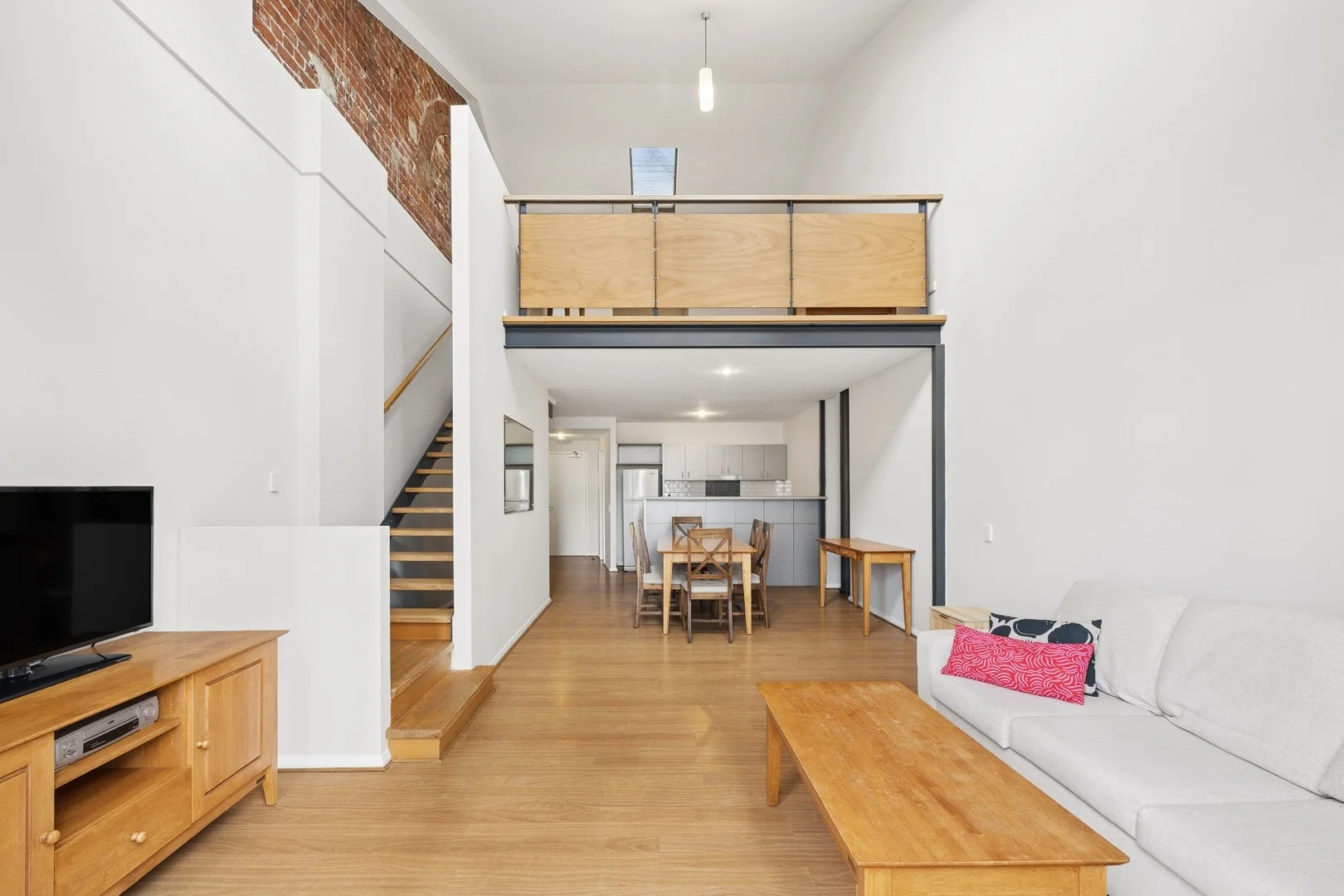 $549,000
Apartment / Unit / Flat
$549,000
Apartment / Unit / Flat
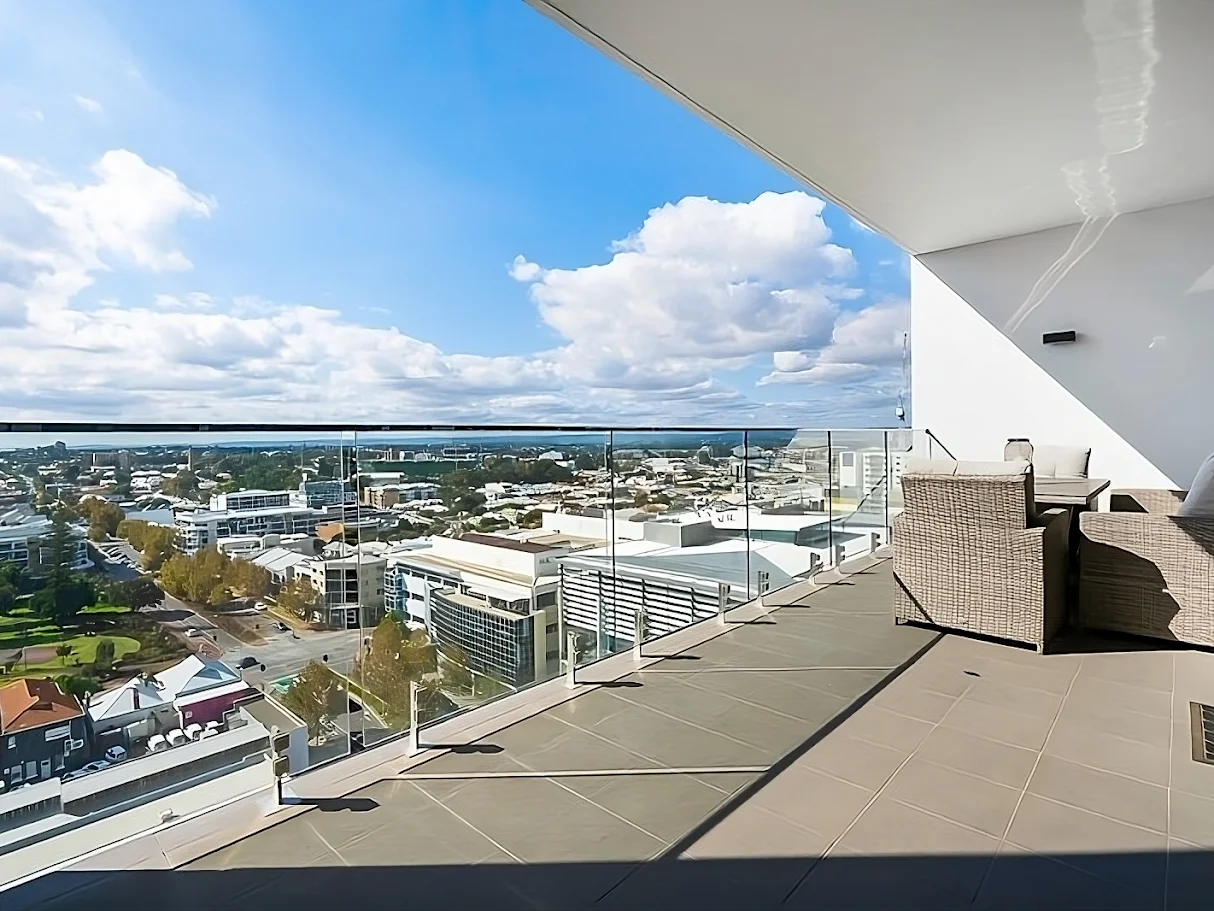 $580,000
Apartment / Unit / Flat
$580,000
Apartment / Unit / Flat
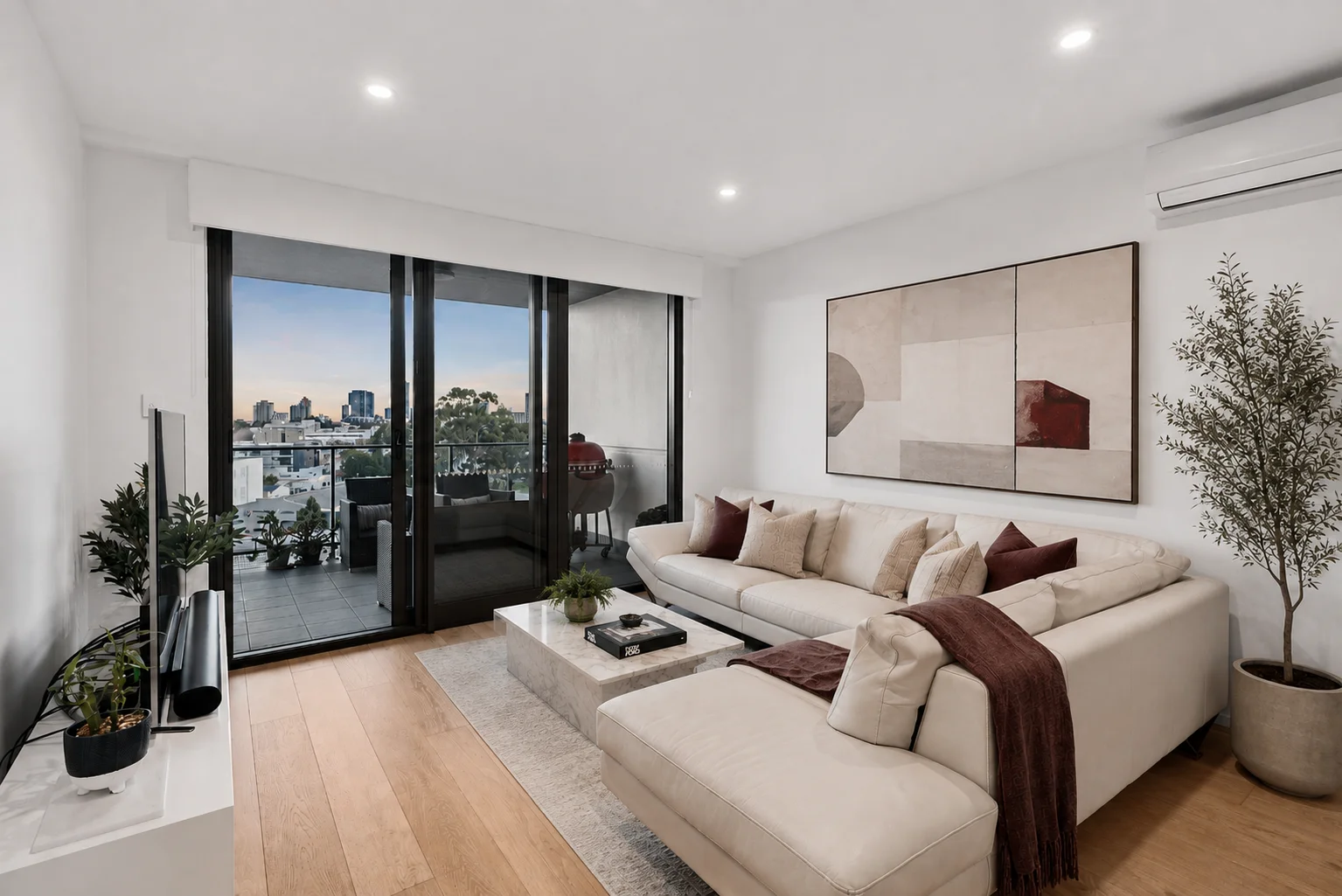 $700,000
Apartment / Unit / Flat
$700,000
Apartment / Unit / Flat