## 1. Overview
St Hilda's Anglican School for Girls is an independent Anglican day school for girls offering education from the early years through to Year 12. The school is known for a values-based, girl-centred education that combines strong academic programs with leadership development, service, and pastoral care. The community emphasises respect, integrity and inclusion within a nurturing environment.
- School type: Independent Anglican comprehensive school for girls
- School size: Medium
- Class size: Typically mid-teens, with class groupings designed for personalised learning
- Atmosphere/culture: Nurturing, academically focused, inclusive and supportive, with a strong sense of community
⸻
## 2. Academics & Learning
St Hilda's aims to develop well-rounded learners who can think creatively and act with purpose. The academic program places emphasis on core literacy and numeracy, with opportunities across STEM, English, languages and the humanities, supported by programs that foster leadership and service.
- Academic strengths: Strong literacy and numeracy, robust STEM pathways, development of communication and leadership skills, and language learning
- Special programs: Accelerated learning paths and gifted/talented offerings; leadership development and community service opportunities
- NAPLAN / trends: Positive trends over recent years, with steady performance in literacy and numeracy and continued improvement in essential skills across year levels
- Student-teacher ratios: Generally small-to-medium class sizes supporting higher levels of teacher contact and individual guidance
- Support for diverse learners: Dedicated support for EAL and SEN learners, with learning support staff and targeted interventions as needed
⸻
## 3. Sports & Extracurricular Strengths
Extracurricular life is a strong driver for many families, with numerous opportunities across sport, arts and clubs. The school participates in inter-school events and regional competitions, fostering teamwork, discipline and healthy competition.
- Sports offered: Netball, basketball, hockey, tennis, swimming, athletics, soccer, and other school-level physical activities
- Strong teams or achievements: Regular participation in interschool and regional competitions with competitive teams across multiple sports
- Music, arts, drama programs: Active music ensembles, choirs, drama productions and opportunities to engage in performing arts
- Clubs: Robotics, coding, chess, debating and other academic/interest clubs
- Partnerships: Collaborations with local clubs and participation in regional competitions and events to broaden opportunities
⸻
## 4. Wellbeing & Pastoral Care
Wellbeing and pastoral support are central to student success, with structures in place to create a safe, respectful and engaging learning environment.
- Anti-bullying approach: Explicit anti-bullying policies, programs and ongoing student support
- House system: House-based activities and competitions to foster belonging and leadership
- Counsellors / wellbeing officers: Access to school counsellors and wellbeing staff for student support
- Transition support: Orientation programs, buddy systems and targeted transitions support for new students and families
⸻
## 5. Facilities
Facilities are designed to support a broad, modern education across academics, arts, sport and technology.
- Sports grounds: Multiple sports facilities and playing fields
- Libraries: Well-resourced libraries with digital and print materials
- Science labs: Modern science laboratories and practical learning spaces
- Music/performing arts centers: Dedicated spaces for music ensembles, theatre and performances
- Tech/innovation labs: ICT suites and maker spaces to support digital learning and innovation
- Cafeteria: On-site canteen/cafeteria providing meal options
- Updated playgrounds: Safe, modern outdoor play and recreational areas
⸻
## 6. School Values & Community Culture
The school emphasises values-led education and a supportive, inclusive community where students are encouraged to lead with integrity and care.
- School values / mission: Anglican Christian values blended with a commitment to academic excellence and service
- Leadership style: Collaborative and student-centred, with opportunities for student voice and leadership
- Behaviour expectations: Clear codes of conduct focused on respect, responsibility and kindness
- Community reputation: Strong sense of community; positive reputation among families and local networks
- Diversity & inclusion: Focus on welcoming families from diverse backgrounds and ensuring an inclusive learning environment
⸻
## 7. School Logistics & Daily Operations
Practical information helps families plan around schooling routines and commitments.
- School hours: Day typically runs through the standard school day with start and finish times published by the school
- Before/after school care: Availability of before/after school programs
- Uniform requirements: Required school uniform with guidelines for everyday wear and approved family purchases
- Transport (train/bus routes): Access to local transport options and school-run or affiliated bus services
- Canteen availability: On-site canteen or lunch options
- Fees (low/medium/high ranges): Fees are in the higher end of the private school market in WA; inclusive of some activities with additional costs for extras
⸻
## 8. Enrolment & Admissions
1. What is the enrolment process and timeline?
- Applications are typically initiated via the school's admissions process, followed by assessment/communication, with offers issued according to the school’s intake timetable and space availability.
2. Is there a waiting list, and how does it work?
- Waiting lists commonly exist for popular year levels. Placement is often influenced by factors such as space, sibling considerations, and placement priority.
3. Are there any entry requirements, tests, or interviews?
- Entry usually involves an application, family interview, and a student assessment or interview. English language proficiency considerations may apply for non-native speakers.
4. Does the school accept mid-year transfers?
- Mid-year transfers may be possible if spaces are available and meeting the school’s admission criteria.
⸻
## 9. Frequently Asked Questions
- Why Parents Choose This School?
- A values-based, independent Anglican education for girls with strong academics, pastoral care and a supportive community.
- What type of student thrives at this school?
- Motivated, curious, collaborative students who value leadership, service and a well-rounded education.
- What opportunities are available for students to extend their skills (academics, sports, arts)?
- Broad opportunities across academics, sports, arts and leadership; involvement in clubs, ensembles and regional competitions.
- How does the school communicate with parents?
- Regular newsletters, email communications, parent portals and scheduled meetings; open channels for feedback.
- What is the school’s approach to teaching and learning?
- Balanced, inquiry-based and standards-aligned learning with strong pastoral support.
- How does the school support students who need extra academic help?
- Targeted learning support, EAL and SEN services, with individual or small-group interventions as needed.
- What support is available for academic challenges?
- Dedicated learning support staff, tutoring options and adaptive learning plans.
- How does the school communicate with parents? (reiterated)
- See above: multiple channels including digital platforms, newsletters, and meetings.
- What are the class sizes and how much individual attention do students receive?
- Class sizes are designed to be small-to-medium to enable teacher guidance and personalized support.
- What extracurricular and sports opportunities are available?
- A wide range of sports across teams and clubs, plus music, drama and debating opportunities.
- What facilities does the school offer (sports, science, arts)?
- Comprehensive facilities including sports grounds, science labs, performing arts spaces and ICT/maker spaces.
- What is the school’s approach to technology and digital learning?
- Integrated digital learning across curriculums with ICT resources and opportunities for students to develop digital literacy.
- What transport and accessibility options are available?
- Transport options include local public transport and potential school-provided or affiliated bus services; accessibility accommodations as needed.
- What are typical school fees or additional costs?
- Fees are in the private school range; additional costs may apply for uniforms, activities and optional programs.
⸻
## 10. Short Pros & Cons
- Pros
- Independent Anglican environment with a focus on academic achievement and values-based education
- Supportive community with strong pastoral care and leadership opportunities
- Broad range of sports, arts and co-curricular activities
- Moderate class sizes enabling some individual attention
- Facilities that support science, arts, technology and sport
- Cons
- Higher fees typical of private WA schools
- Competitive entry and potential waiting lists for popular year levels
- Large campus size can mean busier days during peak periods
⸻











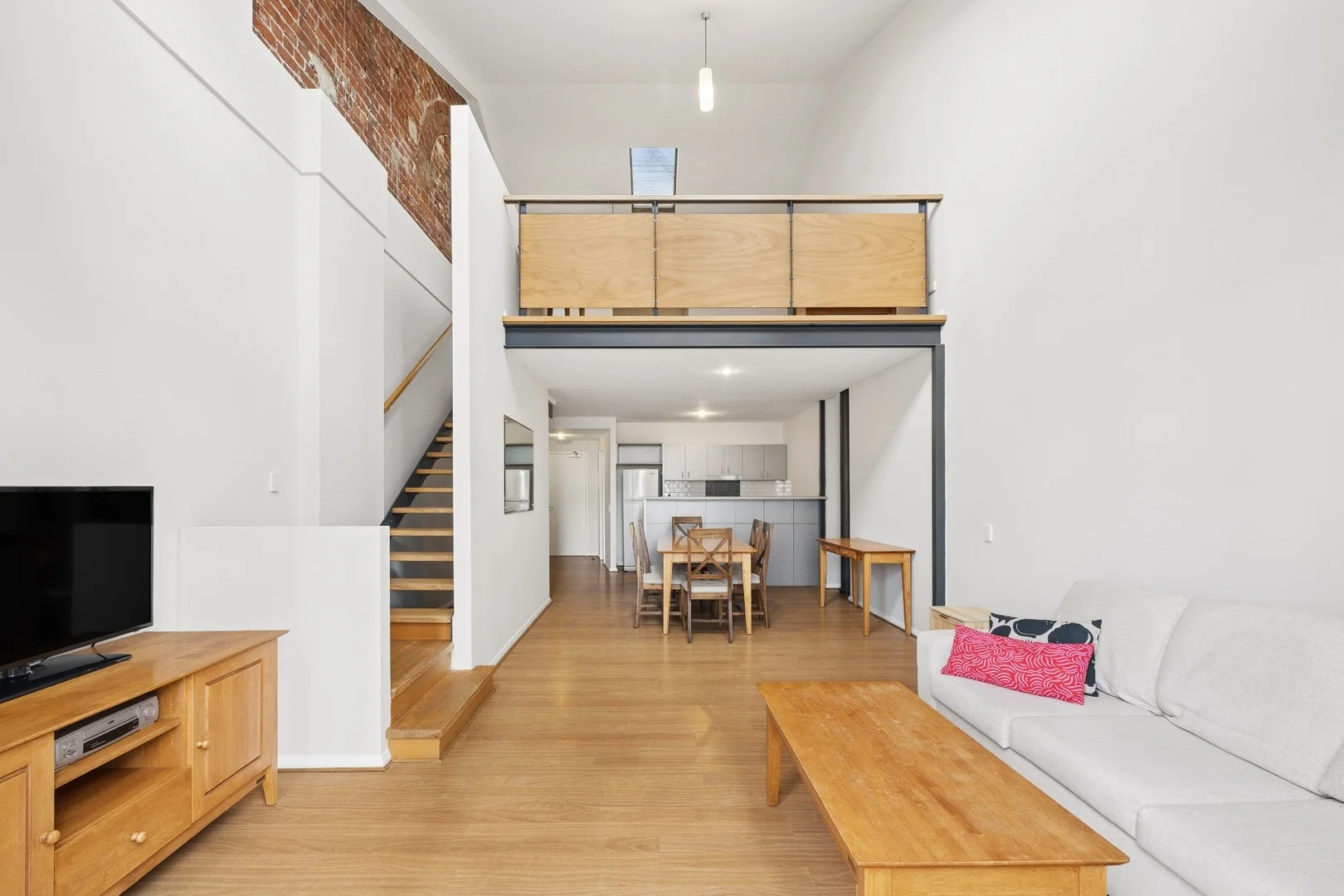 $549,000
Apartment / Unit / Flat
$549,000
Apartment / Unit / Flat
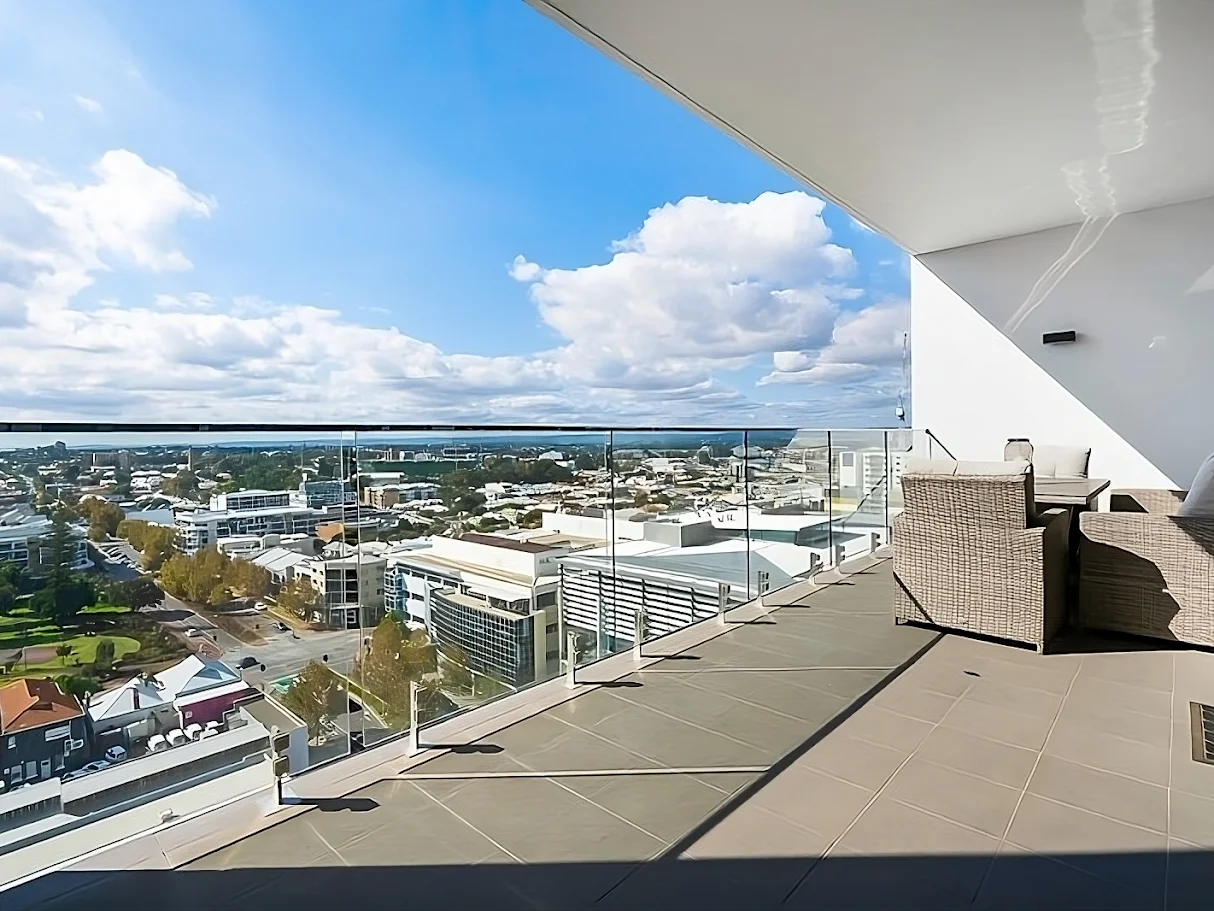 $580,000
Apartment / Unit / Flat
$580,000
Apartment / Unit / Flat
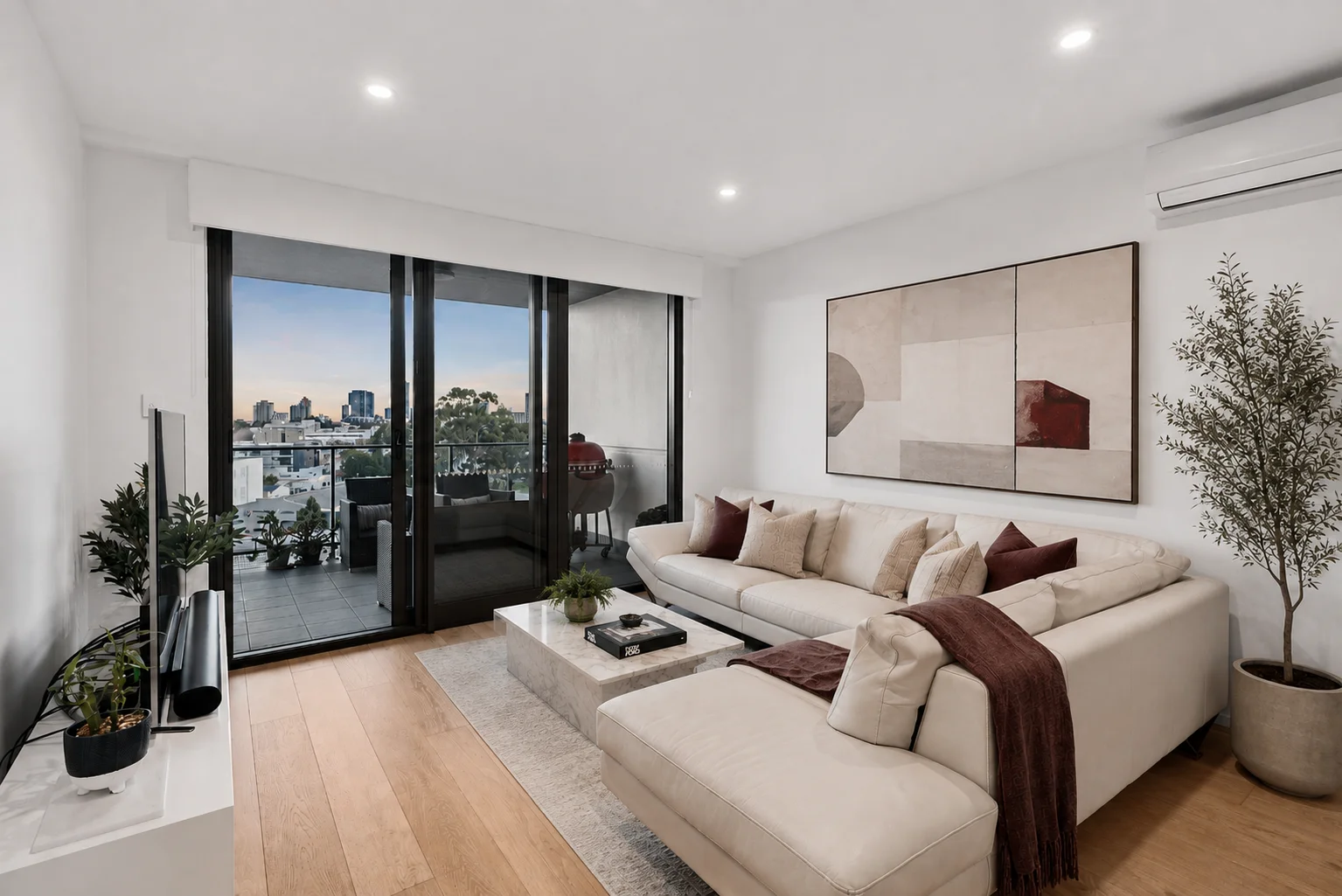 $700,000
Apartment / Unit / Flat
$700,000
Apartment / Unit / Flat


