## 1. Overview
Moerlina School is an independent, co-educational day school located in Claremont, Western Australia. The school ecosystem is designed to support a well-rounded, values-driven education within a nurturing, inclusive environment.
The school typically operates as a medium-sized community with small-to-medium class sizes that foster close teacher-student relationships and strong student engagement. The atmosphere emphasizes academic rigour alongside personal development, leadership, and community involvement, creating an inclusive culture where students are encouraged to pursue excellence in academics, arts, and sport.
## 2. Academics & Learning
- Academic strengths: English, STEM, leadership development, and languages are emphasised, with a focus on critical thinking, communication, and problem-solving.
- Special programs: Gifted and talented pathways and accelerated learning options are available to students who benefit from challenges beyond the standard curriculum.
- NAPLAN trends: Trends show stable to improving performance over time in key domains, with ongoing emphasis on reading, writing, and numeracy development.
- Student-teacher ratios: Class sizes are kept relatively small to support individualized attention and responsive teaching.
- Support for diverse learners: Dedicated learning support, EAL programs, and inclusive education services help students with diverse learning needs or backgrounds succeed.
## 3. Sports & Extracurricular Strengths
- Sports offered: A broad program typically includes basketball, volleyball/netball, football (soccer), cricket, athletics, swimming, and tennis, with opportunities for inter-school competition.
- Strong teams or achievements: Active participation in school-based and local competitions, with emphasis on teamwork, sportsmanship, and personal bests.
- Music, arts, drama programs: A robust performing arts framework including music tuition, ensembles, and drama productions.
- Clubs: Robotics, chess, coding, debating, and other clubs support STEM and communication skills outside the classroom.
- Partnerships: Links with local academies, community clubs, and regional competitions enhance opportunities beyond the classroom.
## 4. Wellbeing & Pastoral Care
- Anti-bullying approach: Proactive, whole-school anti-bullying strategies with clear reporting and support pathways.
- House system: A house-based structure promotes leadership, peer mentorship, and participation in school events.
- Counsellors / wellbeing officers: Accessible counsellors and wellbeing staff support student resilience, mental health, and personal development.
- Transition support for new students: Orientation programs, buddy systems, and targeted onboarding help new students settle in smoothly.
## 5. Facilities
- Sports grounds: Modern sporting facilities and well-maintained playing fields.
- Libraries: Comprehensive library resources to support reading, research, and study.
- Science labs: Well-equipped laboratories for hands-on experiments and inquiry-based learning.
- Music/performing arts centers: Dedicated spaces for rehearsal, performance, and creative work.
- Tech/innovation labs: Dedicated spaces for STEM, digital learning, and maker-style projects.
- Cafeteria: On-site dining facilities offering a range of healthy options.
- Updated playgrounds: Safe, inviting spaces for recreation and outdoor learning.
## 6. School Values & Community Culture
- School values / mission: Emphasis on respect, integrity, excellence, and inclusion to guide student conduct and growth.
- Leadership style: Collaborative, student-centered leadership with opportunities for student voice and responsibility.
- Behaviour expectations: Clear codes of conduct promoting respectful behaviour and accountability.
- Community reputation: Strong sense of community with active parent involvement and supportive relationships among staff, students, and families.
- Diversity & inclusion: Committed to an inclusive environment that welcomes students from diverse backgrounds and needs.
## 7. School Logistics & Daily Operations
- School hours: Daily schedule designed to support learning with start and finish times typical of WA independent schools.
- Before/after school care: Available to accommodate families’ schedules.
- Uniform requirements: Uniforms are required, with guidance on proper dress and grooming.
- Transport (train/bus routes): Accessible by public transport and school-assigned or coordinated bus services where available.
- Canteen availability: On-site canteen or dining facilities offering everyday options.
- Fees (low/medium/high ranges): Fees sit in the mid-to-high range for independent WA schools, reflecting the breadth of programs and facilities.
## 8. Enrolment & Admissions
11. What is the enrolment process and timeline?
- Submit an application with basic student information and supporting documents.
- There may be an information session or school tour.
- Shortlisted applicants proceed to assessment/interview as part of the enrolment decision.
- Offers are issued according to application date, seat availability, and suitability to the program; a secure acceptance and orientation timeline follows.
12. Is there a waiting list, and how does it work?
- Depending on vacancies, a waiting list may operate. Applications typically remain active for a set period, and priority may be given to siblings or applicants who align closely with program needs. Early applications improve placement chances.
13. Are there any entry requirements, tests, or interviews?
- Entry often involves an interview or information session and may include age-appropriate assessments to gauge readiness and fit with the program. Communication about prior schooling and learning needs can also be part of the process.
14. Does the school accept mid-year transfers?
- Mid-year transfers may be possible if vacancies exist and student needs align with the curriculum and support structures. Transfer assessments and onboarding would be arranged if available.
## 9. Frequently Asked Questions
- Why Parents Choose This School?
- A balanced focus on academics, wellbeing, and community; small class sizes; strong pastoral care; and a supportive environment that values individual growth.
- What type of student thrives at this school?
- Students who respond well to a collaborative, inquiry-based learning approach, value inclusivity, and enjoy participating in arts, sport, and leadership opportunities.
- What opportunities are available for students to extend their skills (academics, sports, arts)?
- Gifted/talented pathways, accelerated learning options, leadership roles, high-quality arts productions, and diverse sports programs with competitive opportunities.
- How does the school communicate with parents?
- Regular written communications, a responsive front-office team, parent-teacher meetings, and digital platforms that provide updates on student progress and school events.
- What is the school’s approach to teaching and learning?
- A student-centered, evidence-based approach that emphasises essential literacy and numeracy, critical thinking, collaboration, and real-world application.
- How does the school support students who need extra academic help?
- Targeted learning support, small-group instruction, EAL services if applicable, and ongoing progress monitoring for timely intervention.
- What support is available for academic challenges?
- Dedicated teachers and specialists provide referrals to learning support, and parents are kept informed about strategies and progress.
- How does the school communicate with parents? (duplicate)
- See above: regular updates, meetings, and digital platforms.
- What are the class sizes and how much individual attention do students receive?
- Class sizes are small-to-medium, designed to maximise teacher-student interaction and personalized feedback.
- What extracurricular and sports opportunities are available?
- A broad range of sports, music, drama, robotics, chess, coding, debating, and other clubs to broaden skills and interests.
- What facilities does the school offer (sports, science, arts)?
- Sports grounds, libraries, science labs, music/performing arts centers, tech/innovation labs, canteen, and well-designed outdoor spaces.
- What is the school’s approach to technology and digital learning?
- Integrated digital learning with access to devices and cloud-based platforms to support collaboration, research, and creation.
- What transport and accessibility options are available?
- Access via public transport and school-arranged arrangements where available; proximity to key local corridors supports convenient commuting.
- What are the typical school fees or additional costs?
- Fees fall within the mid-to-high range for independent WA schools, with additional costs for books, activities, and camps. Families should consult the school for the latest fee schedule.
## 10. Short Pros & Cons list
- Pros
- Independent, values-driven education with a holistic focus
- Medium-sized, close-knit community and small class sizes
- Strong well-being support and inclusive culture
- Broad suite of academics, arts, and sports programs
- Clear communication with families and active parent involvement
- Cons
- Higher fees relative to public schools
- Competition for seats during peak enrolment periods
- Independent school offerings may vary year-to-year and require ongoing parent engagement for program alignment










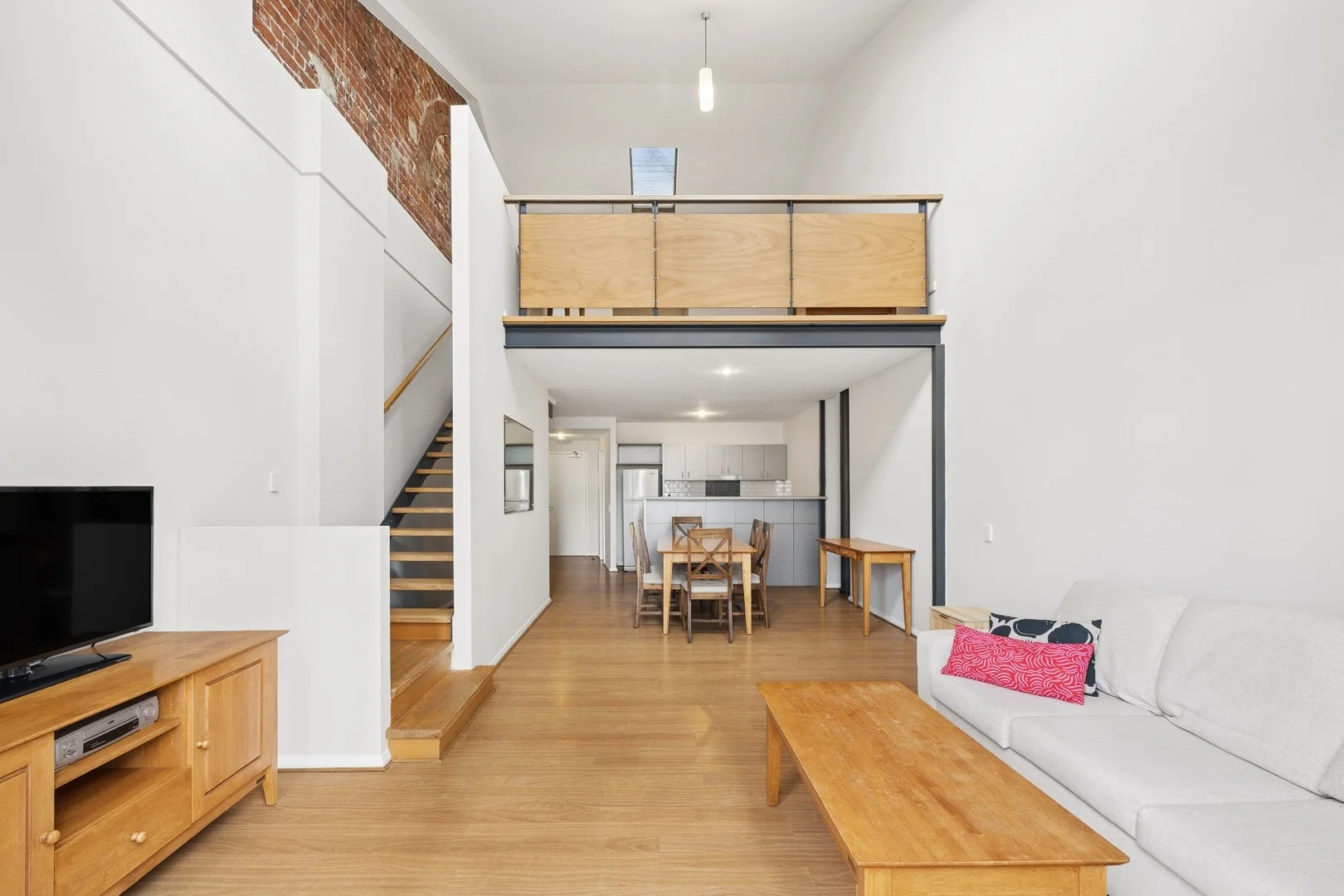 $549,000
Apartment / Unit / Flat
$549,000
Apartment / Unit / Flat
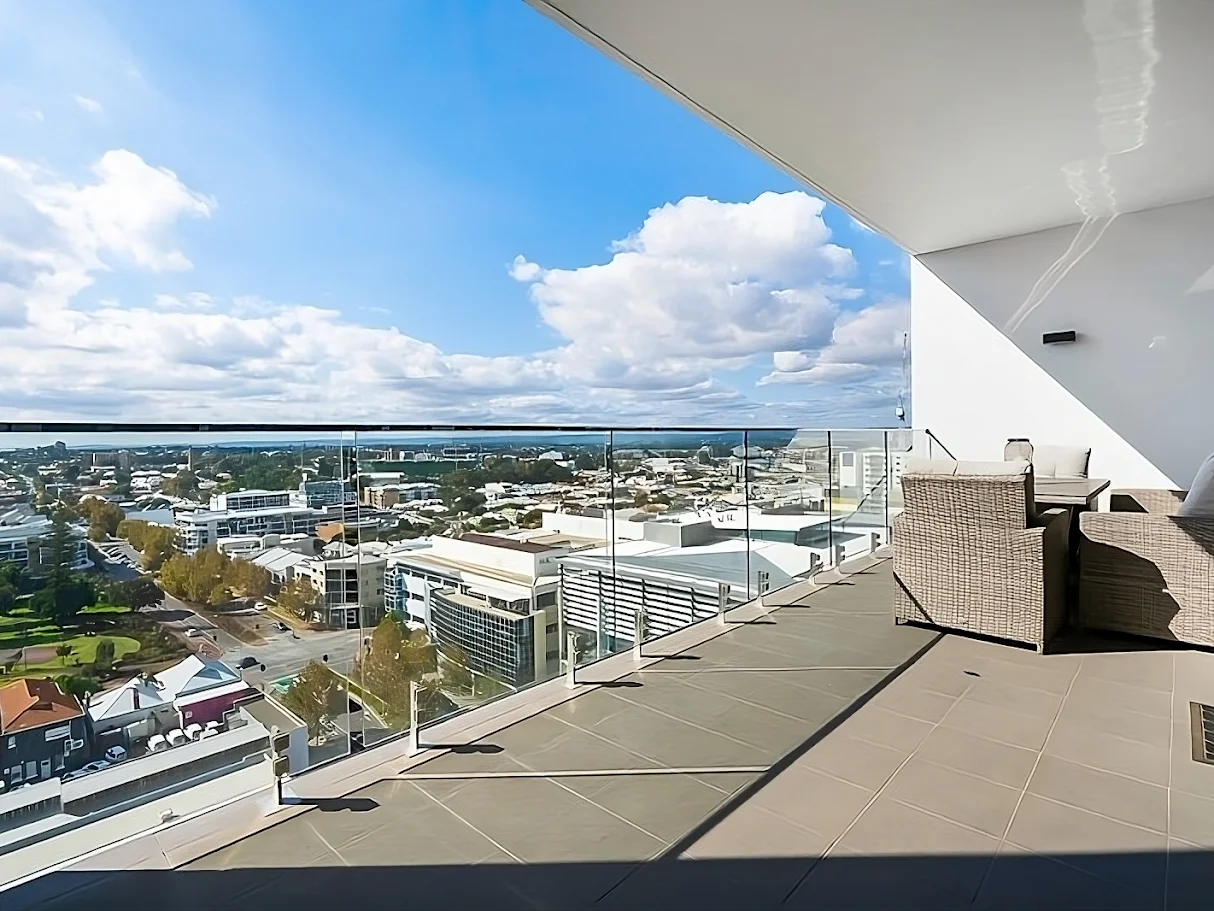 $580,000
Apartment / Unit / Flat
$580,000
Apartment / Unit / Flat
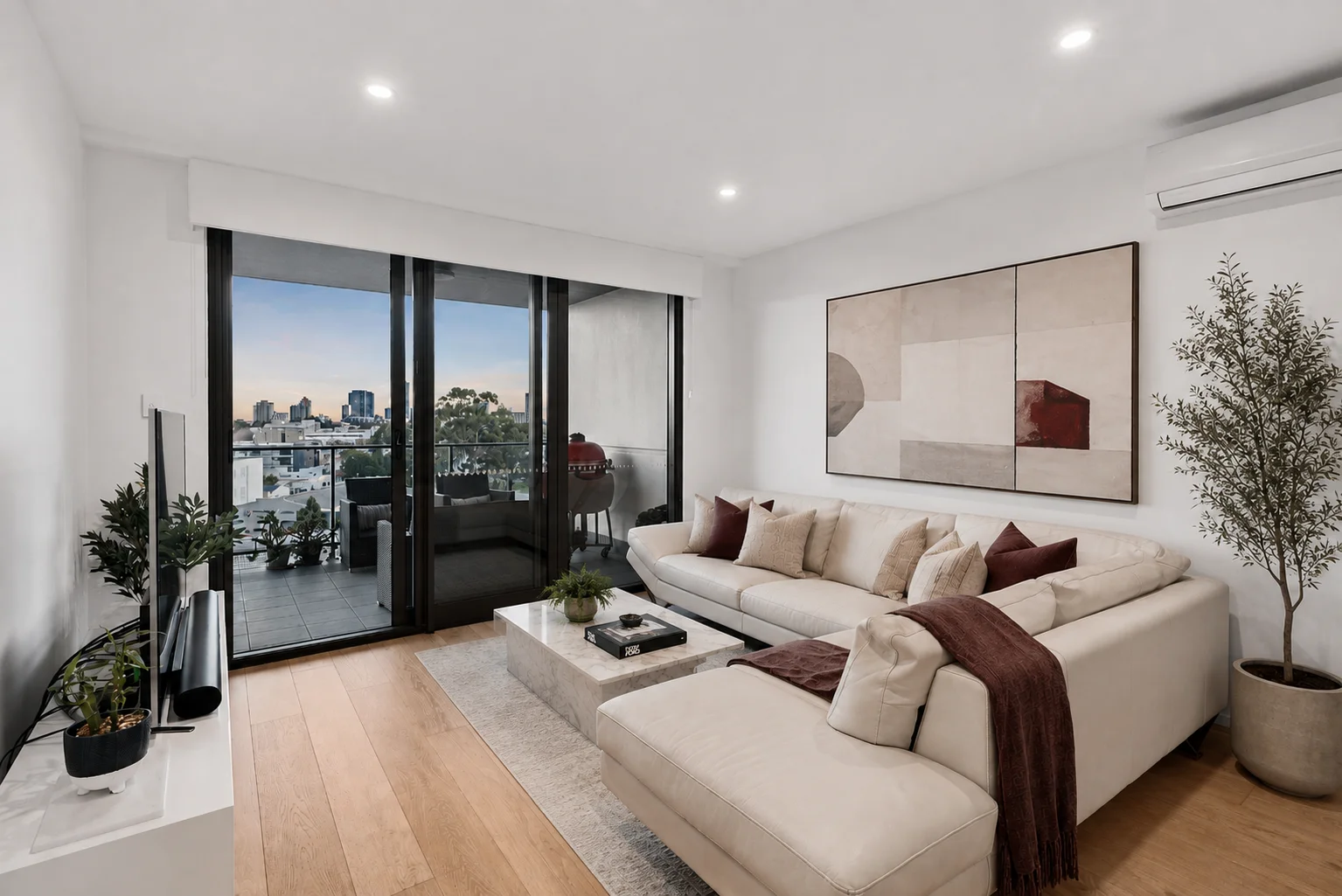 $700,000
Apartment / Unit / Flat
$700,000
Apartment / Unit / Flat