1. Overview
John XXIII College is an independent Catholic day school located in Mount Claremont, Western Australia. It offers a faith-informed, values-driven education with a strong focus on academic enquiry and personal development. The school is medium-to-large in size, drawing families from across the region, and aims to foster a nurturing yet academically rigorous atmosphere.
- School type: Independent Catholic day school
- School size: Medium to large
- Class size: Typically around 20–25 students per class, varying by year level
- Atmosphere/culture: Nurturing, academically focused, inclusive, and supportive
⸻
2. Academics & Learning
John XXIII College emphasises a balanced learning program that prepares students for tertiary study and beyond.
- Academic strengths: English and literacy, STEM disciplines, leadership development, and languages
- Special programs: Pathways to senior studies with an ATAR focus; opportunities for accelerated or advanced learning; gifted/talented programs where available
- NAPLAN trends: Consistent performance with positive year-to-year progression in key areas such as literacy and numeracy; trends show improving outcomes over time
- Student-teacher ratios: Generally low-to-moderate class sizes with attentive teacher-to-student contact; support varies by year level
- Support for diverse learners: English as an Additional Language (EAL) support and targeted services for students with additional learning needs (SEN)
⸻
3. Sports & Extracurricular Strengths
A strong feature for families seeking holistic development, with multiple avenues for participation and achievement.
- Sports offered: Australian Rules football, soccer, basketball, cricket, rugby, tennis, swimming, track and field, and other interhouse/inter-school activities
- Strong teams or achievements: Competitive school teams with representation in regional competitions and inter-school events
- Music, arts, drama programs: Active music ensembles, choirs, drama productions, and performing arts opportunities
- Clubs: Robotics, chess, coding, debating, and other academic/cultural clubs
- Partnerships: Local clubs and competitions that connect students with external programs and regional events
⸻
4. Wellbeing & Pastoral Care
Prioritising student wellbeing with proactive support structures.
- Anti-bullying approach: Clear policies and programs to promote respect, inclusivity, and safe campus culture
- House system: House-based activities and events to foster community, leadership, and belonging
- Counsellors / wellbeing officers: On-site counselling and wellbeing staff to provide proactive mental health and personal development support
- Transition support for new students: Orientation programs, buddy systems, and targeted onboarding to ease school entry
⸻
5. Facilities
Visually engaging and purpose-built spaces to support learning and wellbeing.
- Sports grounds: Comprehensive facilities for physical education and competitive sport
- Libraries: Well-stocked libraries with study space and digital resources
- Science labs: Modern laboratories for practical science work
- Music/performing arts centers: Dedicated rooms and spaces for music, theatre, and performances
- Tech/innovation labs: ICT/STEAM spaces and makerspaces for hands-on learning
- Cafeteria: On-site dining facilities
- Updated playgrounds: Safe and well-maintained outdoor spaces for recreation
⸻
6. School Values & Community Culture
A community grounded in shared values and responsible leadership.
- School values / mission: Catholic ethos emphasizing service, integrity, respect, and excellence
- Leadership style: Collaborative and student-centred, with opportunities for student voice and leadership
- Behaviour expectations: Clear codes of conduct and respectful, responsible citizenship
- Community reputation: Positive feedback from families regarding supportive staff, strong pastoral care, and school culture
- Diversity & inclusion: Commitment to inclusivity and respecting diverse backgrounds and backgrounds of families
⸻
7. School Logistics & Daily Operations
Practical information to help families plan around school life.
- School hours: Typical school day starts in the morning and finishes in the mid to late afternoon; specifics vary by year level
- Before/after school care: Availability of before and after school care programs
- Uniform requirements: Formal uniform policy applicable to most year levels
- Transport (train/bus routes): Public transport access and/or school-organised bus routes available in the area
- Canteen availability: On-site canteen or lunch facilities
- Fees (low/medium/high ranges): Fees are in the medium-to-high range for private/independent schools in the region; additional costs may apply for camps, excursions, and extras
⸻
8. Enrolment & Admissions
1. What is the enrolment process and timeline?
- Applications typically begin well in advance of the start date; steps usually include an online application, supporting documentation, and a prospective student meeting or interview. Timeline varies by year level and intake period.
2. Is there a waiting list, and how does it work?
- Some year levels may have a waiting list depending on capacity. The school will outline placement timelines and wait-list procedures upon inquiry.
3. Are there any entry requirements, tests, or interviews?
- Entry often involves an interview or information session and may include assessments to understand suitability and needs. Specific entry requirements are outlined during the application process.
4. Does the school accept mid-year transfers?
- Mid-year transfer acceptance depends on availability and meeting entry requirements; early consultation is advised if you are considering a mid-year move.
⸻
9. Frequently Asked Questions
- Why Parents Choose This School?
This school offers a values-driven, academically rigorous environment with strong pastoral care and opportunities across academics, sport, arts, and leadership.
- What type of student thrives at this school?
Motivated, collaborative learners who value community, discipline, and a balanced approach to academics and co-curriculars.
- What opportunities are available for students to extend their skills (academics, sports, arts)?
We offer advanced coursework pathways, leadership programs, competitive sports, music ensembles, drama productions, robotics, debating, and other clubs.
- How does the school communicate with parents?
Regular newsletters and updates, a parent portal, emails, phone calls, and detailed reports on progress.
- What is the school’s approach to teaching and learning?
Student-centred, inquiry-based learning with a mix of traditional instruction, collaborative projects, and real-world applications.
- How does the school support students who need extra academic help?
Learning support services, tutoring options, EAL support, and targeted assistance for students with learning needs.
- What support is available for academic challenges?
Access to learning support staff, mentoring, and targeted intervention programs as needed.
- How does the school communicate with parents? (reiterated)
See above: regular channels, digital platforms, and open lines of communication with teachers and administration.
- What are the class sizes and how much individual attention do students receive?
Class sizes are designed to encourage participation; typical ranges are around 20–25 students per class, with additional opportunities for small-group instruction and teacher support as needed.
- What extracurricular and sports opportunities are available?
A broad menu across sports, arts, robotics, coding, debating, and leadership activities.
- What facilities does the school offer (sports, science, arts)?
Comprehensive sports facilities, modern science labs, music and performing arts spaces, and technology/innovation labs.
- What is the school’s approach to technology and digital learning?
Integrated ICT across the curriculum, digital learning platforms, and guidance on digital citizenship and responsible use.
- What transport and accessibility options are available?
Access to public transport routes and school-organised transport options where available.
- What are the typical school fees or additional costs?
Fees fall within the typical private/independent school range for the region, with potential additional costs for uniforms, camps, excursions, and certain activities.
⸻
10. Short Pros & Cons list
Pros
- Independent Catholic education with a values-based ethos
- Strong academic program with pathways to university
- Comprehensive wellbeing and pastoral care
- Wide range of co-curricular activities (sport, arts, clubs)
- Support for diverse learners (EAL/SEN) and transition programs
Cons
- Higher fees typical of independent schools
- Competitive environments may not suit every child
- Admission can be selective depending on year level and capacity
- Busy calendars with many optional activities can be demanding for some families
⸻
If you’d like, I can tailor this content to reflect more precise, up-to-date details from John XXIII College, once you share any official points you want highlighted or allow me to incorporate specific current programs, facilities, or policies.

![Baby Rhymetime at Cambridge Library [Fridays]](https://image.aroundschools.com.au/[object Object]) Free
Free









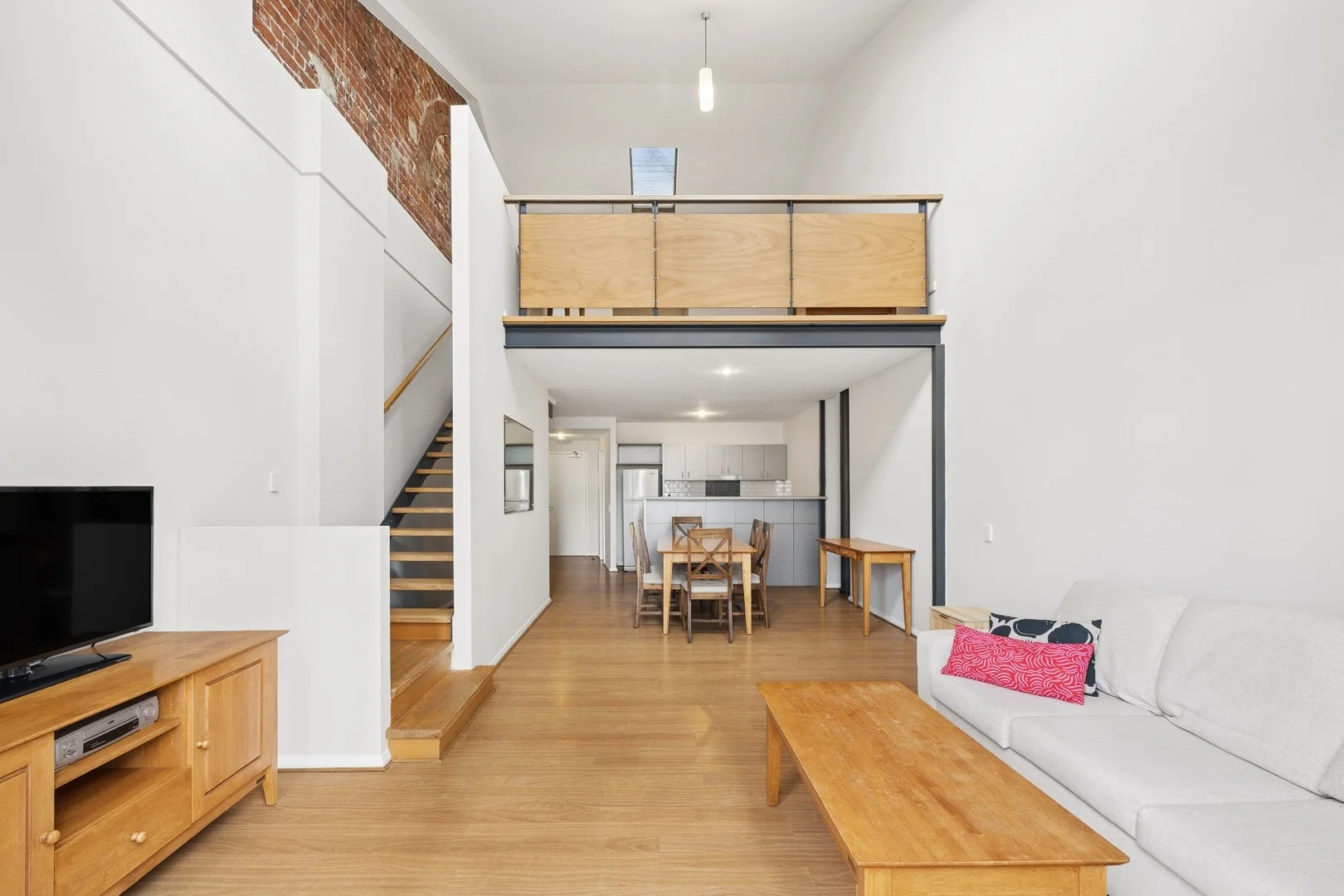 $549,000
Apartment / Unit / Flat
$549,000
Apartment / Unit / Flat
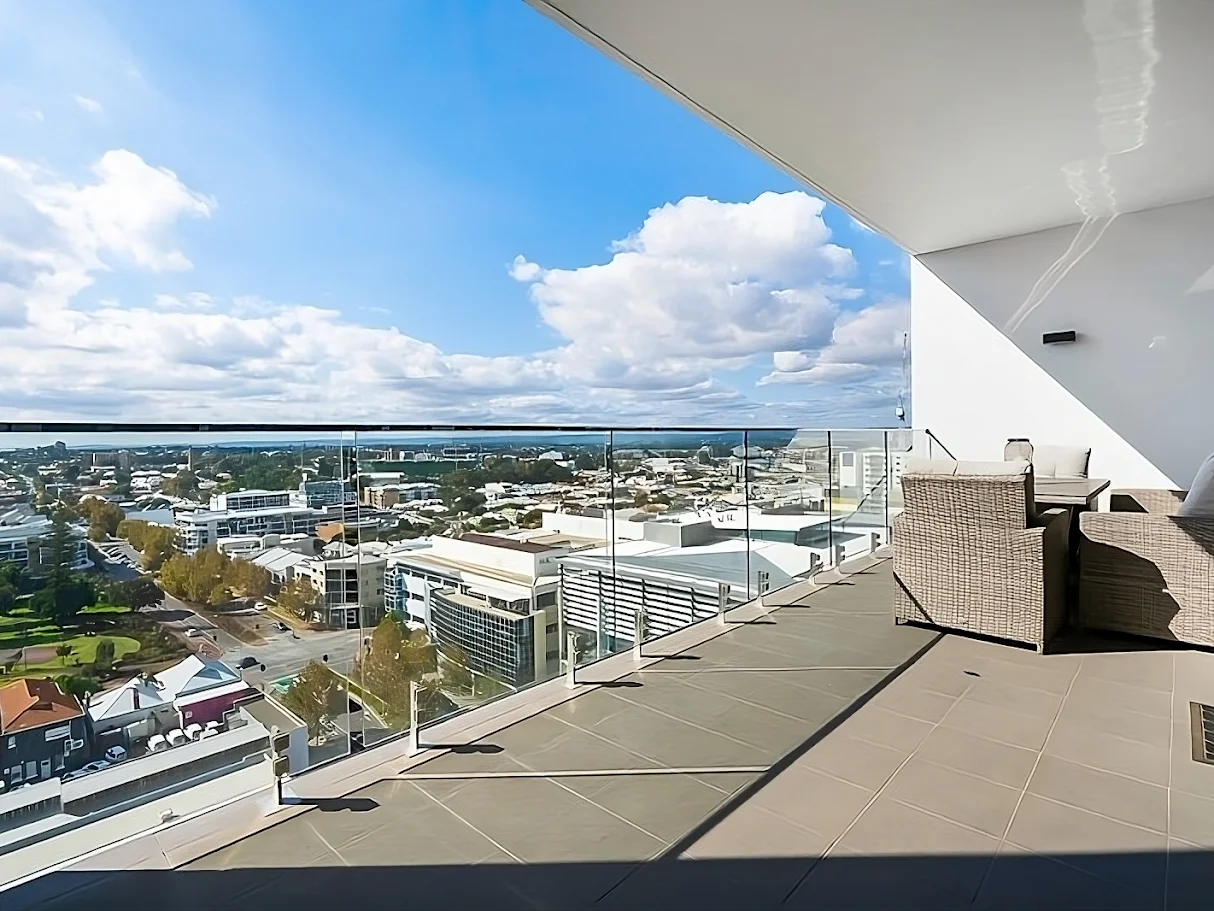 $580,000
Apartment / Unit / Flat
$580,000
Apartment / Unit / Flat
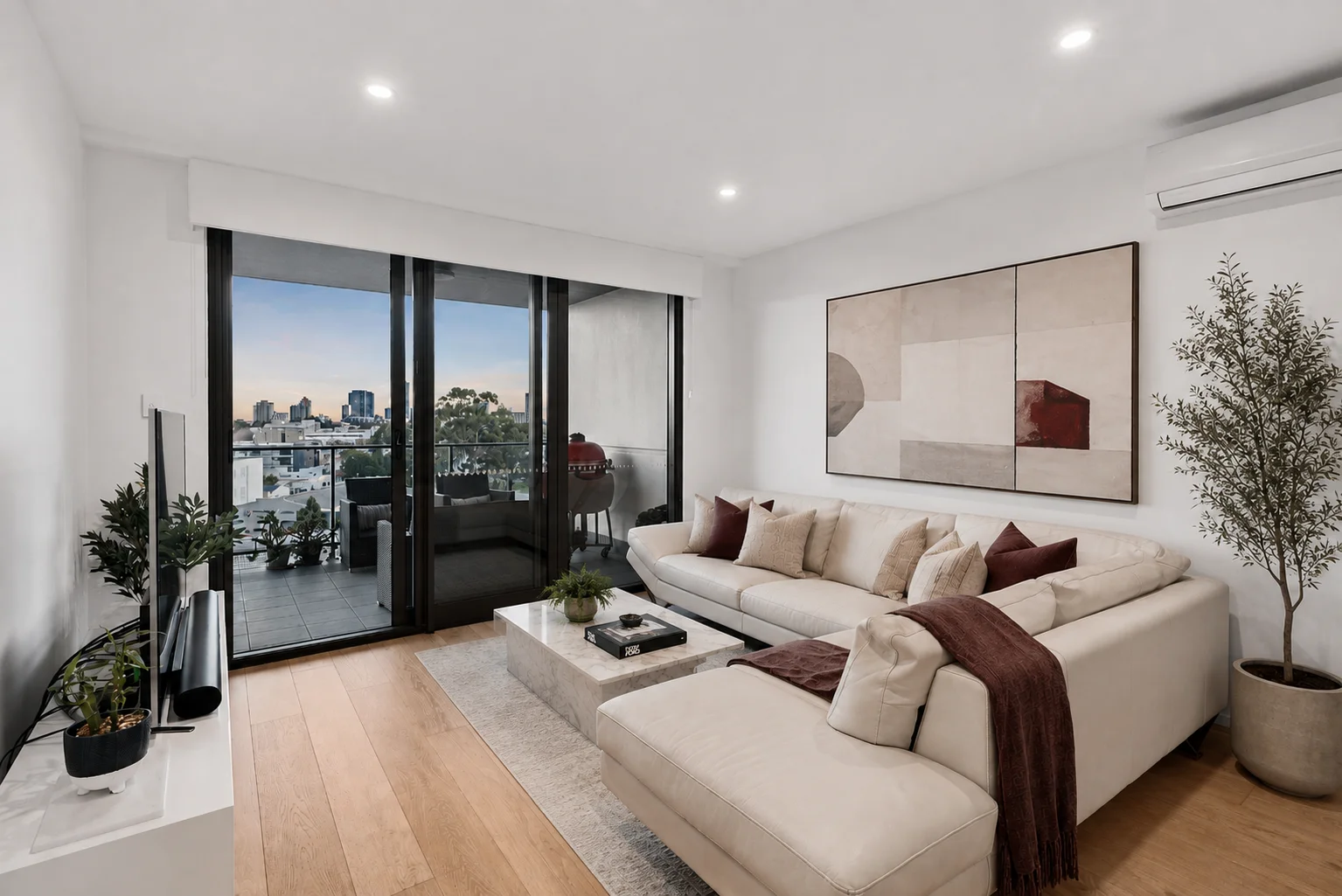 $700,000
Apartment / Unit / Flat
$700,000
Apartment / Unit / Flat


