## 1. Overview
City Beach Primary School is a public, co-educational primary school serving families in the City Beach area. It focuses on strong literacy and numeracy foundations within a supportive, inclusive environment and aims to build confident learners who contribute positively to the school and broader community.
- School type: Public
- School size: Small–Medium (typical for WA primary schools)
- Class size: Generally around 20–25 students per class
- Atmosphere/culture: Nurturing, inclusive, and academically focused with a strong sense of community
## 2. Academics & Learning
City Beach Primary emphasizes core literacy and numeracy skills while providing opportunities in STEM, arts, and languages through school programs and classroom differentiation. Staff encourage student curiosity, collaboration, and leadership through age-appropriate challenges and projects.
- Academic strengths: Literacy and numeracy foundations; STEM literacy; arts integration; opportunities for leadership and creative thinking
- Special programs: Reading support programs, inquiry-based learning activities, and classroom differentiation to extend learners; Gifted and Talented extension opportunities may be available
- NAPLAN / trends: Public reporting typically shows steady performance with gradual improvement in literacy and numeracy over recent years; trends are monitored to support continual growth
- Student-teacher ratios: Class groups designed to support engagement and interaction, with teaching staff supported by specialist or support personnel as needed
- Support for diverse learners: EAL/D support and inclusive education practices; access to SEN support and planning to meet diverse learning needs
## 3. Sports & Extracurricular Strengths
Extracurricular life is important for many families, with a focus on inclusive participation and skill development. The school offers a range of activities and participates in local inter-school events.
- Sports offered: Soccer, basketball, netball, AFL–style activities, cricket, athletics, and general fitness programs
- Strong teams or achievements: Participation in inter-school events and house-based competitions; emphasis on teamwork, sportsmanship, and personal bests
- Music, arts, drama programs: School choir, music activities, and performing arts opportunities; drama offerings linked to school productions
- Clubs: Robotics, coding, chess, debating, and other STEM/academic clubs may be available
- Partnerships: Local clubs and community partnerships support competitions, clinics, and enrichment opportunities
## 4. Wellbeing & Pastoral Care
Wellbeing is a central priority, with a whole-school approach to fostering safe, respectful environments, and proactive support for students.
- Anti-bullying approach: Clear anti-bullying policies, a positive behaviour framework, and student wellbeing programs
- House system: House groups create belonging, healthy competition, and community spirit
- Counsellors / wellbeing officers: Access to school wellbeing staff and/or external referrals for student support when needed
- Transition support for new students: Welcome activities, buddy systems, and targeted orientation to ease transitions into the school
## 5. Facilities
The school offers well‑equipped spaces that support a variety of learning experiences and activities.
- Sports grounds
- Libraries
- Science labs
- Music/performing arts spaces
- Tech/innovation labs or ICT-equipped classrooms
- Canteen or food service area
- Updated playgrounds and outdoor learning areas
## 6. School Values & Community Culture
City Beach Primary promotes a positive, respectful culture with clear expectations and strong community involvement.
- School values / mission: Core values such as respect, responsibility, integrity, and kindness; student leadership opportunities
- Leadership style: Shared leadership with opportunities for student voice and teacher collaboration
- Behaviour expectations: Clear codes of conduct, consistent routines, and positive reinforcement
- Community reputation: Strong ties with local families and active parent involvement; focus on inclusivity
- Diversity & inclusion: Welcoming environment that supports students from diverse backgrounds and learning needs
## 7. School Logistics & Daily Operations
Key practical aspects help families plan around school life.
- School hours: Typical day starts in the morning and ends in the mid-afternoon; exact times are published by the school each year
- Before/after school care: Available via external providers or school-approved programs
- Uniform requirements: School uniform is standard; details provided by the school
- Transport: Bus routes and public transport options available; families should check local schedules
- Canteen availability: Canteen or lunch options available on certain days
- Fees: Public school with low to moderate optional charges for activities or items; compulsory costs are generally minimal beyond standard contributions
## 8. Enrolment & Admissions
11. What is the enrolment process and timeline?
- Check eligibility and catchment rules, gather required documents, and submit the enrolment application via the Department of Education process. Offers and communications follow a defined timeline, with orientation steps for new families.
12. Is there a waiting list, and how does it work?
- In-zone enrolments generally have priority; out-of-zone applications may be placed on a waiting list depending on space. Offers are made as places become available, with consideration of policy priorities.
13. Are there any entry requirements, tests, or interviews?
- General enrolment typically does not require entrance tests or interviews. Some programs or supports (e.g., gifted extensions or SEN assessments) may involve additional processes, but for standard enrolment there are no mandatory tests.
14. Does the school accept mid-year transfers?
- Mid-year transfers can be considered if space is available. Space availability, documentation, and transition planning influence mid-year admissions.
## 9. Frequently Asked Questions
- Why Parents Choose This School?
- A supportive, inclusive culture with strong community links, solid literacy/numeracy focus, and opportunities across sports, arts, and clubs.
- What type of student thrives at this school?
- Engaged, respectful learners who enjoy collaboration, have curiosity, and participate in positive, inclusive activities.
- What opportunities are available for students to extend their skills (academics, sports, arts)?
- Access to enhanced literacy/numeracy activities, STEM/creative projects, arts and music programs, and various clubs (robotics, coding, chess, debating), plus inter-school sports.
- How does the school communicate with parents?
- Regular updates through newsletters, meetings, emails, and the school website, with opportunities to connect with teachers and support staff.
- What is the school’s approach to teaching and learning?
- Student-centred, evidence-based practices with differentiation to meet diverse needs, emphasis on literacy and numeracy foundations, and opportunities for enquiry-based learning.
- How does the school support students who need extra academic help?
- Targeted small-group or one-on-one interventions, EAL/D and SEN support, and classroom differentiation.
- What support is available for academic challenges?
- Access to learning support staff, counselors or wellbeing staff, and referral pathways for additional assessments or external support if needed.
- How does the school communicate with parents? (Repeated)
- See above: regular updates and open channels for ongoing dialogue.
- What are the class sizes and how much individual attention do students receive?
- Class sizes typically range around 20–25 students, with teaching staff configured to allow substantial teacher interaction and support.
- What extracurricular and sports opportunities are available?
- A range of sports, plus clubs in robotics, coding, chess, debating, and arts/music activities.
- What facilities does the school offer (sports, science, arts)?
- Sports grounds, libraries, science labs, performing arts spaces, tech/ICT facilities, and canteen.
- What is the school’s approach to technology and digital learning?
- Integration of ICT in classrooms, with opportunities for students to develop digital literacy and responsible use habits.
- What transport and accessibility options are available?
- Bus routes and public transport access, with information provided by the school and local transport authorities.
- What are the typical school fees or additional costs?
- Public school fees are generally low, with voluntary contributions and optional charges for activities or materials.
## 10. Short Pros & Cons list
- Pros:
- Public, inclusive environment with strong community ties
- Clear focus on literacy and numeracy foundations
- Broad range of extracurricular activities and clubs
- Supportive wellbeing and transition programs
- Modern facilities and spaces for learning
- Cons:
- As a small–medium public school, offerings may vary by year and staffing
- Availability of certain programs (e.g., specialized gifted streams) may depend on intake and space
- Transport options depend on location and could require planning for some families













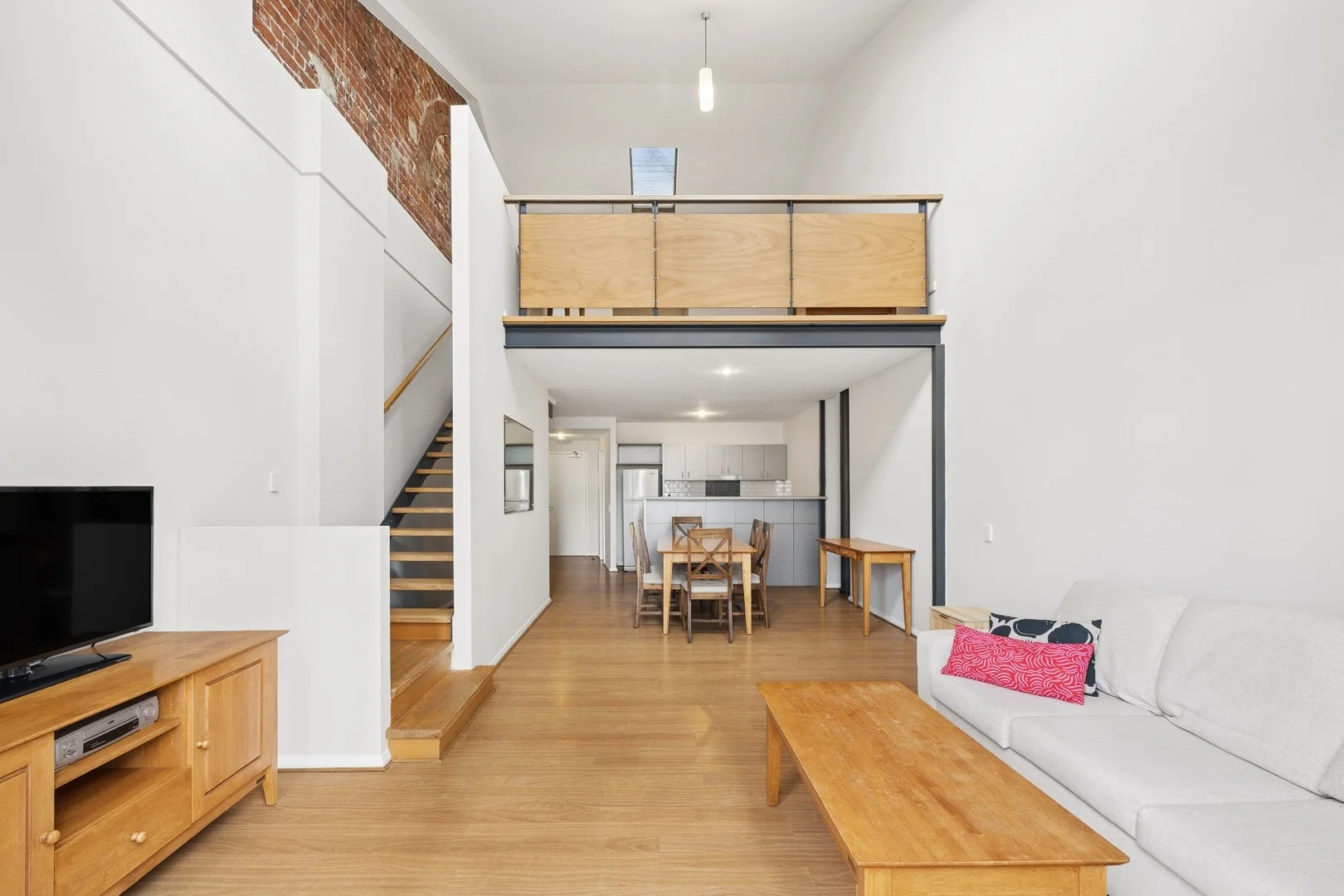 $549,000
Apartment / Unit / Flat
$549,000
Apartment / Unit / Flat
 $580,000
Apartment / Unit / Flat
$580,000
Apartment / Unit / Flat
 $700,000
Apartment / Unit / Flat
$700,000
Apartment / Unit / Flat