## Overview
Kapinara Primary School is a public, co-educational primary school located in City Beach, Western Australia. The school fosters a nurturing, inclusive environment where students are known and supported as individuals. With a small-to-medium size and class groups typically around 20–25 students, Kapinara emphasizes a balanced approach to academics, wellbeing, and community involvement. The culture is collaborative and student-centred, encouraging active participation, leadership, and a love of learning.
The school prioritises a warm atmosphere and a strong sense of community, where families and staff work together to develop confident, respectful learners. Students benefit from a supportive, collaborative environment that values diversity, creativity, sport, and real-world learning opportunities.
---
## Academics & Learning
- Academic strengths: Strong literacy and numeracy foundations, with a focus on reading comprehension, writing, and math problem-solving. Emphasis on inquiry-based learning and digital literacy to prepare students for the future.
- Special programs: School-based extension activities and opportunities for gifted and talented learners, with targeted enrichment and accelerated opportunities where appropriate.
- NAPLAN / trends: NAPLAN trends typically show progress toward or above WA state averages, with steady improvements in reading and numeracy in recent years.
- Student-teacher ratios: Approximately 1:20 to 1:23 across year levels, supporting targeted instruction and feedback.
- Support for diverse learners: EAL (English as an Additional Language) support, inclusive education practices, and SEN (special educational needs) support to help all students access learning.
---
## Sports & Extracurricular Strengths
- Sports offered: Athletics, swimming, netball, soccer, cricket, cross-country, and other school-wide physical activity programs.
- Strong teams or achievements: Involvement in district and interschool events with opportunities for competitive teams and showcase matches; emphasis on teamwork and sportsmanship.
- Music, arts, drama programs: Active music program, school choir or ensemble opportunities, and performing arts events such as concerts and productions.
- Clubs: Robotics, chess, coding, debating, and other interest-based clubs to develop problem-solving and communication skills.
- Partnerships: Local sporting clubs and community groups, interschool competitions, and opportunities for collaboration with external arts and STEM programs.
---
## Wellbeing & Pastoral Care
- Anti-bullying approach: Clear anti-bullying policies, proactive wellbeing practices, and a culture of respect and inclusion.
- House system: House-based activities and events to promote belonging, leadership, and healthy competition.
- Counsellors / wellbeing officers: Access to a wellbeing team, including a school counsellor or wellbeing coordinator, to support students' social-emotional needs.
- Transition support for new students: Orientation experiences, buddy systems, and dedicated support to help new students settle and connect with peers.
---
## Facilities
- Sports grounds: On-site sports fields and spaces for physical education and outdoor activities.
- Libraries: A well-equipped library supporting reading for pleasure and research skills.
- Science labs: Practical spaces for hands-on science learning and experiments.
- Music/performing arts centers: Dedicated spaces for music, drama, and performance.
- Tech/innovation labs: Computer/information technology and STEAM-related facilities.
- Cafeteria: On-site canteen or lunch program supporting healthy eating.
- Updated playgrounds: Contemporary play areas and outdoor learning spaces.
---
## School Values & Community Culture
- School values / mission: Emphasis on respect, responsibility, kindness, collaboration, and resilience; a focus on developing well-rounded, ethical citizens.
- Leadership style: Collaborative, student-centred leadership that fosters student voice and shared decision-making.
- Behaviour expectations: Positive behavior framework with clear expectations and restorative approaches.
- Community reputation: Known for a warm, family-friendly, and engaged school community with active parent involvement.
- Diversity & inclusion: Commitment to an inclusive environment that respects and celebrates diverse backgrounds and abilities.
---
## School Logistics & Daily Operations
- School hours: Typical day starts in the morning and ends in the mid-to-late afternoon, aligned with WA public school schedules.
- Before/after school care: Available through approved external providers or school-supported programs.
- Uniform requirements: Uniform policy in place; specifics outlined in the school handbook (acceptable attire and purchasing guidance provided by the school).
- Transport (train/bus routes): Accessible by local public transport; school supports families with information on bus routes and travel planning.
- Canteen availability: Canteen or lunch program available to provide healthy meal options.
- Fees (low/medium/high ranges): Public school fees are moderate, with information on voluntary contributions and additional costs provided in the school’s communications.
---
## Enrolment & Admissions
11. What is the enrolment process and timeline?
- Check eligibility and catchment requirements.
- Submit an online or paper enrolment application with required documents (birth certificate, immunisation records, proof of residence, etc.).
- Attend any information sessions or school tours if offered.
- Receive and respond to an offer of placement; complete any additional documentation.
- Orientation or transition activities prior to starting (where possible).
- Timeline varies by year and availability; priority is often given to in-catchment applicants, with mid-year entries subject to vacancy.
12. Is there a waiting list, and how does it work?
- Yes, a waiting list may operate if the school is oversubscribed.
- Placement is determined by catchment eligibility and available vacancies; waiting list order is typically managed by the school and district policy.
- In-scope applicants (e.g., in-catchment) generally receive priority when vacancies arise.
13. Are there any entry requirements, tests, or interviews?
- Most enrolments do not require formal testing.
- Some cases may involve discussions or brief meetings to understand your child’s learning needs or to arrange necessary supports.
- Immunisation records and other health information may be requested as part of the enrollment process.
14. Does the school accept mid-year transfers?
- Mid-year transfers are possible subject to vacancies and completion of required documentation.
- Families may need to provide transcripts, current year reports, and any relevant medical or special support information.
- The school will coordinate transition arrangements to support a smooth entry for the student.
---
## Frequently Asked Questions
- Why Parents Choose This School?
- A warm, inclusive environment with a strong focus on wellbeing, personal growth, and community involvement; good balance between academics, sport, and the arts; supportive staff and active parent participation.
- What type of student thrives at this school?
- Students who respond well to a collaborative, respectful culture; those who enjoy hands-on learning, small-to-medium class sizes, and opportunities to participate in clubs, sport, and performing arts.
- What opportunities are available for students to extend their skills (academics, sports, arts)?
- Enrichment programs and extension activities in literacy, numeracy, and STEM; sports teams and interschool competitions; music and performing arts programs; robotics, debating, chess, and coding clubs.
- How does the school communicate with parents?
- Regular updates through newsletters, the school website, emails, and parent-teacher meetings. Prompt communication about student progress and school events.
- What is the school’s approach to teaching and learning?
- Student-centred, inquiry-based learning that builds literacy and numeracy skills, integrates technology, and supports different learning styles and needs.
- How does the school support students who need extra academic help?
- Targeted in-class supports, small group instruction, EAL and SEN support, and access to wellbeing staff to address broader learning barriers.
- What support is available for academic challenges?
- Diagnostic progress monitoring, personalized learning plans, and adjustments to instruction and assessment to meet individual needs.
- How does the school communicate with parents? (duplicate)
- See above: newsletters, portals, emails, and meetings.
- What are the class sizes and how much individual attention do students receive?
- Class sizes are typically around 20–25 students, enabling more frequent teacher feedback and targeted support.
- What extracurricular and sports opportunities are available?
- A range of sports (athletics, netball, soccer, swimming, cricket, cross-country), plus clubs in robotics, chess, coding, debating, music, and arts.
- What facilities does the school offer (sports, science, arts)?
- Sports grounds, library, science labs, music/performing arts facilities, technology/innovation spaces, a canteen, and updated playgrounds.
- What is the school’s approach to technology and digital learning?
- Integration of digital literacy across the curriculum, age-appropriate use of devices, and opportunities for project-based learning using technology.
- What transport and accessibility options are available?
- Local public transport access; guidance on bus routes and arrangements for families; proximity considerations for walkers or riders.
- What are the typical school fees or additional costs?
- Fees are moderate for a public primary school; information on voluntary contributions and any additional costs is provided in school communications.
---
## Short Pros & Cons list
- Pros
- Nurturing, inclusive environment with small-to-medium class sizes
- Strong focus on wellbeing and student voice
- Broad range of academic, sport, and arts opportunities
- Active community involvement and partnerships
- Support for diverse learners (EAL, SEN)
- Cons
- As a public school, enrolment depends on catchment boundaries and vacancies
- Mid-year transfers may require flexibility around class placement
- Availability of some specialist programs may vary year to year depending on staffing and budget
- Uniform policies require compliance with school guidelines and purchasing
![Storytime at Cambridge Library [Every Thursdays]](https://image.aroundschools.com.au/[object Object]) Free
Free












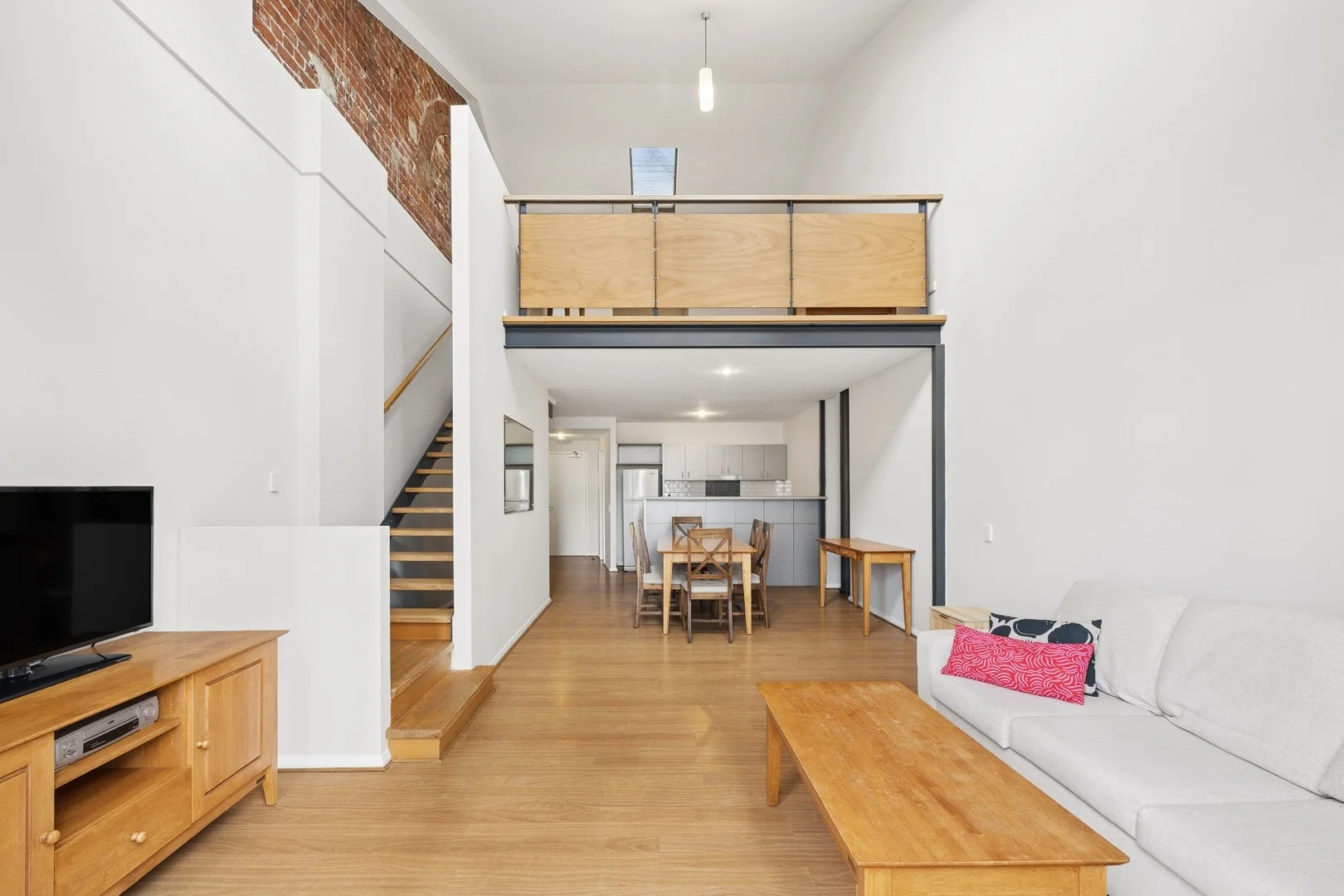 $549,000
Apartment / Unit / Flat
$549,000
Apartment / Unit / Flat
 $580,000
Apartment / Unit / Flat
$580,000
Apartment / Unit / Flat
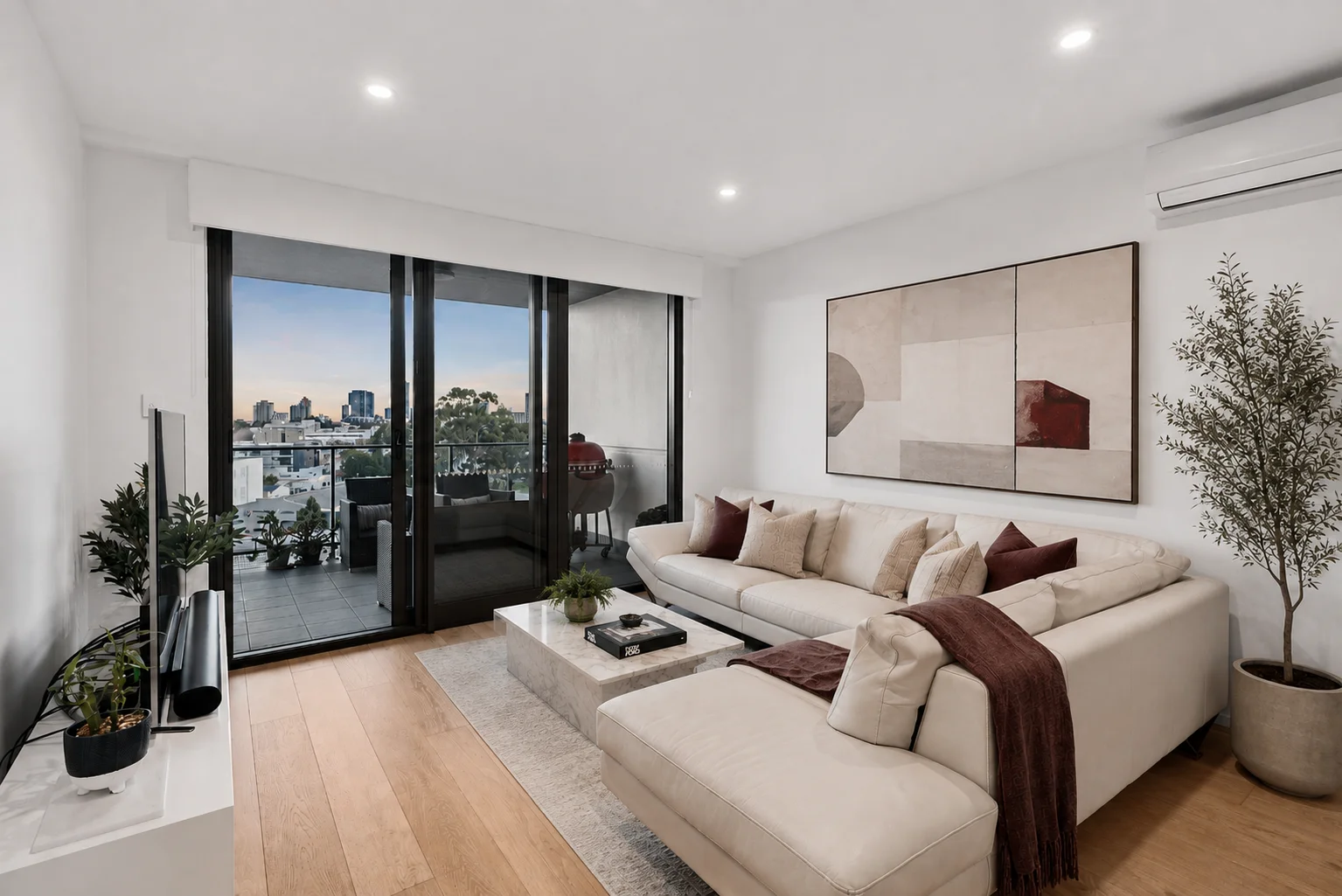 $700,000
Apartment / Unit / Flat
$700,000
Apartment / Unit / Flat


