1. Overview
Mosman Park Primary School is a public, co-educational primary school located in Mosman Park, Western Australia. The school serves a mid-sized local community and offers a welcoming, inclusive environment where students are encouraged to participate, explore and learn together. Class sizes are typically in the mid-20s, with a focus on supportive teaching that fosters a sense of belonging and collaboration among students, staff and families.
The atmosphere at the school is nurturing and community‑minded, emphasising relationships, respectful behaviour and high expectations across academics, wellbeing and everyday learning. It’s a place where students are encouraged to try their best, support one another and develop strong foundational skills for ongoing learning.
2. Academics & Learning
- Academic strengths: Emphasis on literacy and numeracy with opportunities to engage in STEM‑related activities, arts and language development within the broader curriculum.
- Special programs: Differentiated learning within classrooms; access to enrichment options and targeted supports as needed. The school generally supports gifted and talented learners through in‑class extensions and pupil‑specific programs as appropriate.
- NAPLAN / trends: Public reporting of school‑level NAPLAN trends is not typically published by the school; trends for WA public primary schools are monitored by educational authorities and should be reviewed through official channels for the most current information.
- Student–teacher ratios: Approximately 1:20 (subject to year level and class structure).
- Support for diverse learners: Strong support for diverse learners, including EAL (English as an Additional Language) support and SEN (special education needs) services, with differentiated instruction and access to support staff as needed.
3. Sports & Extracurricular Strengths
- Sports offered: A range of in‑school and interschool activities, commonly including soccer/football, netball, basketball, cricket, athletics and swimming programs when available.
- Strong teams or achievements: Active participation in interschool sports with opportunities to compete and contribute to school teams and presentations in district events.
- Music, arts, drama programs: In‑school music programs, opportunities for choir or band, and drama/performing arts activities as part of the curriculum or school productions.
- Clubs: Coding, robotics, chess and debating are commonly available through after‑school or lunchtime clubs, with potential for other special interest groups.
- Partnerships: Engagement with local community groups and regional competitions for sport, coding/robotics initiatives and arts activities, providing students with broader learning experiences.
4. Wellbeing & Pastoral Care
- Anti‑bullying approach: Whole‑school wellbeing approach with clear expectations, positive behaviour supports and anti‑bullying initiatives to foster a safe school environment.
- House system: A house or buddy system to promote belonging, teamwork and positive social connections across year levels.
- Counsellors / wellbeing officers: Access to school wellbeing staff or guidance support to assist students with social, emotional and personal development.
- Transition support for new students: Structured orientation, buddy programs and transition activities to help new students settle in and build connections quickly.
5. Facilities
- Sports grounds: On‑site or adjacent playing spaces suitable for physical education and sport.
- Libraries: A school library equipped with books and learning resources for independent and guided reading.
- Science labs: Dedicated spaces or resources to support practical science activities and investigations.
- Music/performing arts centers: Music rooms and dedicated spaces for rehearsals and performances.
- Tech/innovation labs: Computer or digital learning spaces to support ICT, coding and project work.
- Cafeteria: On‑site canteen or meal service options for students.
- Updated playgrounds: Modern and safe outdoor play areas with equipment suitable for various age groups.
6. School Values & Community Culture
- School values / mission: Focus on respect, responsibility, inclusion and a positive learning culture that supports personal and academic growth.
- Leadership style: Collaborative leadership with emphasis on staff teamwork, student voice and parent involvement to continually strengthen the school community.
- Behaviour expectations: Clear conduct policies and consistent expectations across classrooms and common areas.
- Community reputation: A welcoming, family‑friendly school with strong ties to the Mosman Park community and positive relationships with families.
- Diversity & inclusion: Commitment to an inclusive environment that respects diverse backgrounds and abilities, and supports all students to participate and succeed.
7. School Logistics & Daily Operations
- School hours: Typical school day runs during standard WA primary hours, with start and finish times aligned to district calendars (exact times published by the school each year).
- Before/after school care: Availability of supervision or after‑care arrangements through school‑sourced or external providers; details provided by the school.
- Uniform requirements: School uniform is required or strongly encouraged, with procurement through approved suppliers as per school policy.
- Transport (train/bus routes): Public transport options available in the local area; families may use school pick‑up/drop‑off practices consistent with local guidelines.
- Canteen availability: Canteen or snack facilities available on campus to support student needs.
- Fees (low/medium/high ranges): Public primary schools generally have low to medium cost profiles, with required contributions for activities and excursions and some optional or supplementary costs for specific programs or events.
8. Enrolment & Admissions
11. What is the enrolment process and timeline?
- Enrolment is handled through the Western Australian Department of Education. Families in the school’s enrolment zone typically have priority. The process includes submitting enrolment forms, proof of address, immunisation records and other standard documentation. Timelines vary by term and year; it is best to check with the school’s administration for current deadlines.
12. Is there a waiting list, and how does it work?
- In‑zone enrolments usually proceed without a waitlist when space is available. Out‑of‑zone requests are considered based on space and priority policies; a waitlist may operate for those applications.
13. Are there any entry requirements, tests, or interviews?
- For standard enrolments, there are no entrance tests or interviews required. Some programs or late placements may involve discussion with families about student needs or placement considerations; this is typically handled on a case‑by‑case basis.
14. Does the school accept mid-year transfers?
- Mid‑year transfers are usually considered if space is available. Parents must provide current school records, a brief report card or transcript, and relevant enrolment documentation. Availability can vary by term and year.
9. Frequently Asked Questions
- Why Parents Choose This School?
Public, community‑focused environment with a strong emphasis on wellbeing, inclusion and solid foundational academics; supportive teachers and active family involvement.
- What type of student thrives at this school?
Students who benefit from a collaborative, inclusive, family‑friendly learning community and a balanced approach to academics, wellbeing and extra‑curriculars.
- What opportunities are available for students to extend their skills (academics, sports, arts)?
Enrichment within and beyond the classroom, including literacy/numeracy extension, coding/robotics clubs, music and drama, sport teams, and local competitions or events.
- How does the school communicate with parents?
Regular email updates, newsletters, a school app or portal, telefone communication and parent‑teacher interviews; information is shared to keep families informed about learning and events.
- What is the school’s approach to teaching and learning?
Student‑centred, differentiated instruction with focus on core literacy and numeracy, along with integrated digital learning and cross‑curricular projects.
- How does the school support students who need extra academic help?
Targeted classroom differentiation, small‑group support and access to learning support staff, EAL and SEN services as needed.
- What support is available for academic challenges?
Early identification, intervention strategies, progress monitoring and referral pathways to additional supports and services.
- How does the school communicate with parents? (duplicate)
See above: through a mix of newsletters, emails, school portal, and meetings.
- What are the class sizes and how much individual attention do students receive?
Class sizes are typically in the mid‑20s, with teachers differentiating instruction to provide appropriate levels of individual attention within the class.
- What extracurricular and sports opportunities are available?
A range of sports, music and arts programs, and clubs such as coding, robotics, chess and debating; participation in interschool events and local competitions.
- What facilities does the school offer (sports, science, arts)?
Sports grounds, library, science facilities, music/performing arts spaces, tech/innovation labs, canteen and updated playgrounds.
- What is the school’s approach to technology and digital learning?
Integrated ICT across the curriculum with access to computers/devices and digital learning resources to support research, collaboration and project work.
- What transport and accessibility options are available?
Public transport options nearby; family transport arrangements and school‑led or community arrangements for safe drop‑offs and pick‑ups.
- What are the typical school fees or additional costs?
Public primary schools have low to moderate costs, including voluntary contributions and potential charges for excursions or optional activities; details are provided by the school each year.
10. Short Pros & Cons list
Pros
- Public, community‑focused environment with strong wellbeing supports
- Inclusive culture and attention to student belonging
- Balanced academics with essential literacy/numeracy plus enrichment in STEM, arts and technology
- Wide range of clubs and extracurricular opportunities
- Support for diverse learners (EAL and SEN)
- Active parental involvement and clear communication
Cons
- Class sizes can vary by year level; some cohorts may feel larger than expected
- As with many public schools, costs are additional for excursions and optional activities
- Formal programs (e.g., IB or internationally recognized tracks) may not be available; enrichment relies on in‑house differentiation and clubs
- Transport options depend on local public routes and may require planning for families outside walking distance
Note: For the most current and exact details (enrolment timelines, specific programs, and facilities), please contact the school directly.












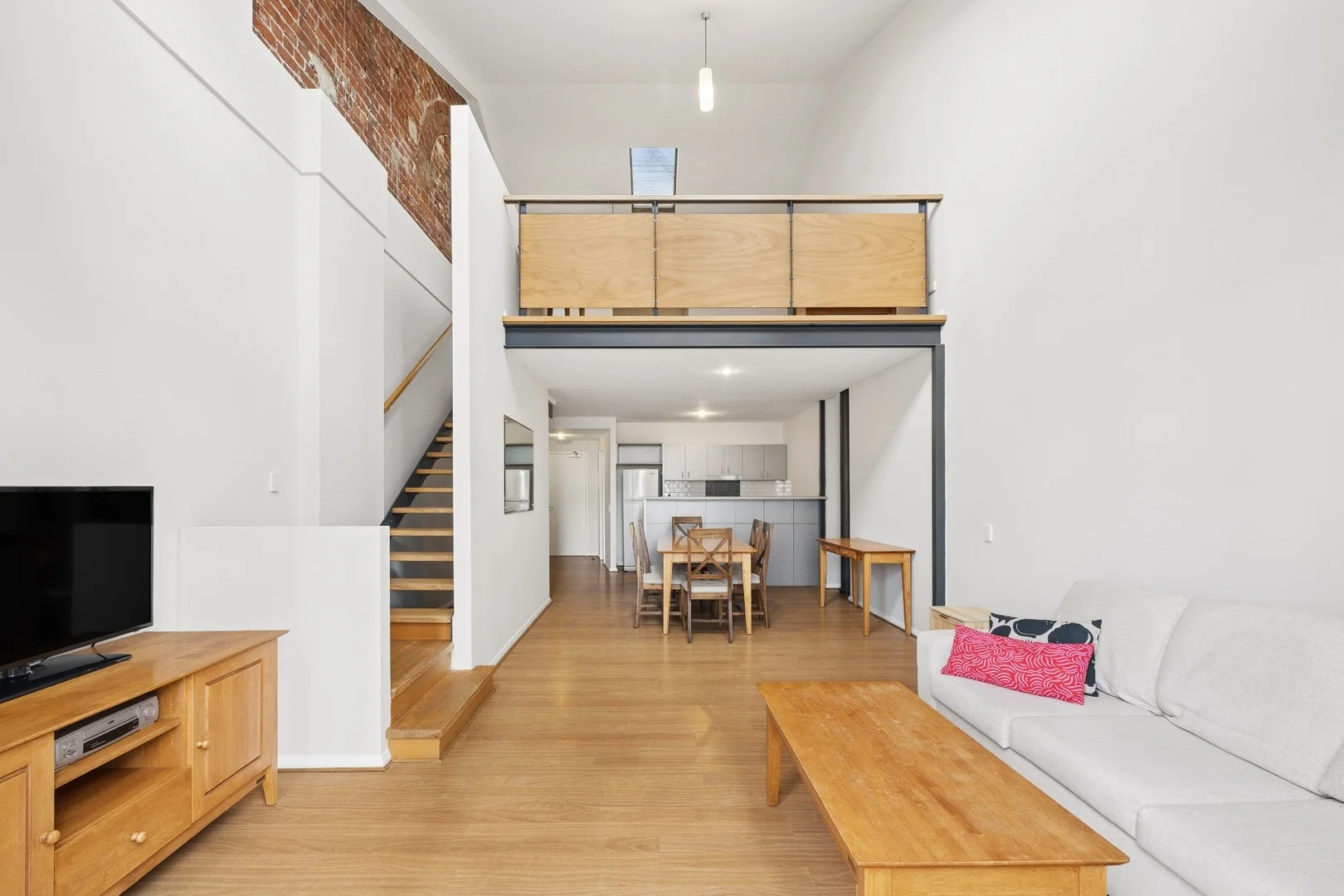 $549,000
Apartment / Unit / Flat
$549,000
Apartment / Unit / Flat
 $580,000
Apartment / Unit / Flat
$580,000
Apartment / Unit / Flat
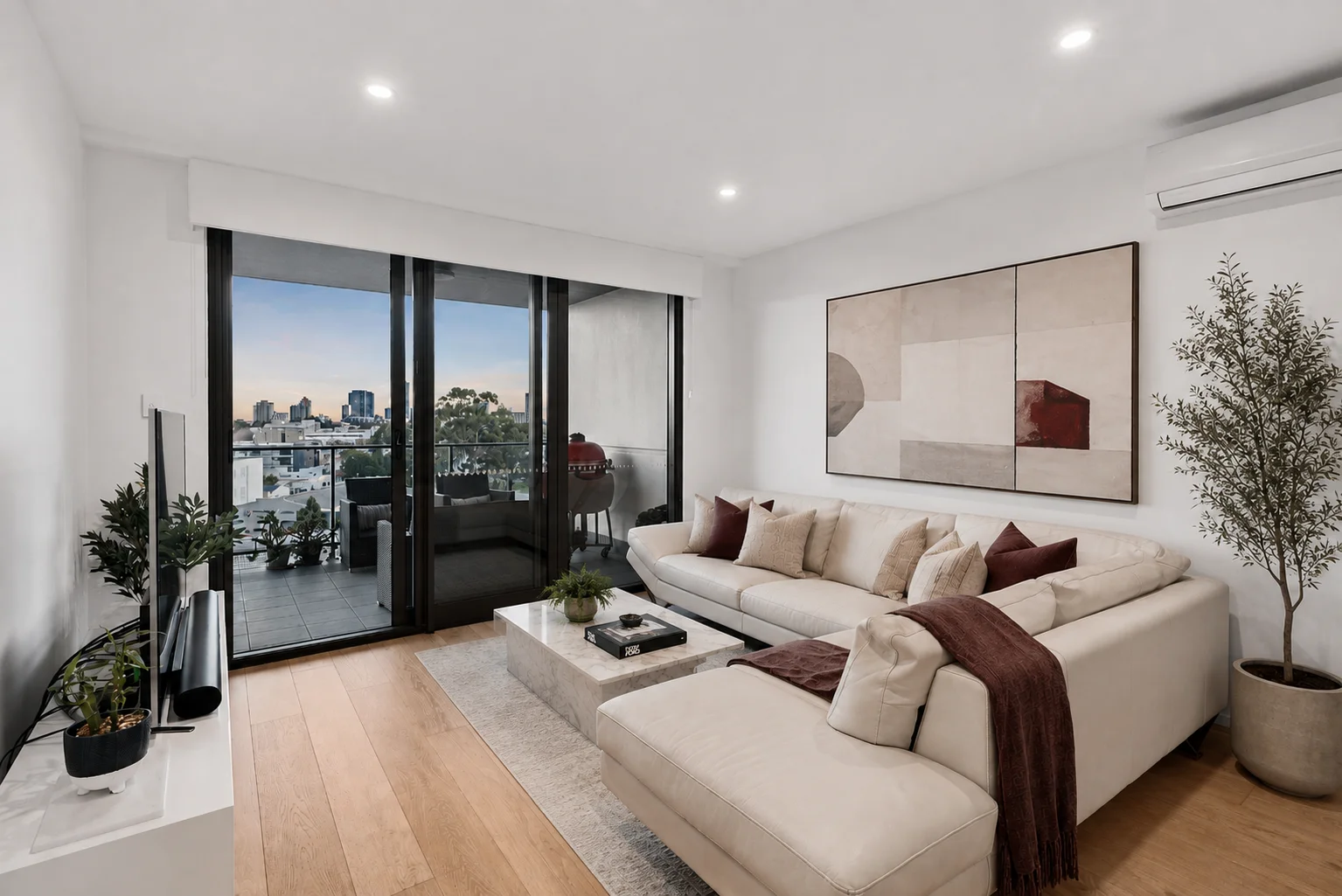 $700,000
Apartment / Unit / Flat
$700,000
Apartment / Unit / Flat