## 1. Overview
Iona Primary School is a Catholic independent school in Mosman Park,Offering a values‑driven education for primary students, the school combines faith formation with a strong focus on academic achievement and community. It aims to provide a nurturing, inclusive environment where students feel supported to grow across academics, sport, arts and leadership.
- School type: Catholic independent
- School size: medium
- Class size: typically around 20–25 students per class
- Atmosphere/culture: nurturing, inclusive, academically focused with strong pastoral care
⸻
## 2. Academics & Learning
Iona Primary School emphasises a balanced, enquiry‑based approach to learning, with clear pathways to academic excellence and personal growth.
- Academic strengths: English/literacy, STEM, leadership development, and language studies
- Special programs: gifted and talented options, accelerated learning opportunities, leadership experiences, and integrated faith formation within core subjects
- NAPLAN / Ofsted trends: positive trends over time, with consistent improvement in literacy and numeracy and a focus on student growth
- Student-teacher ratios: typically low-to-mid ratios (roughly 1:15–1:25), enabling some level of individual attention
- Support for diverse learners: EAL support, targeted SEN assistance, inclusive practices and learning support services
⸻
## 3. Sports & Extracurricular Strengths
A strong focus on well‑rounded development, with a broad range of activities for boys and girls to enjoy.
- Sports offered: soccer, basketball, netball, cricket, AFL, athletics and swimming
- Strong teams or achievements: active participation in inter‑school competitions with competitive teams and school‑level premiership opportunities
- Music, arts, drama programs: robust music program, school choir and regular drama/performing arts experiences
- Clubs: robotics, chess, coding, debating, and other STEM/academic clubs
- Partnerships: connections with local clubs and regional competitions to extend opportunities
⸻
## 4. Wellbeing & Pastoral Care
Wellbeing and pastoral support are central to student success, helping students feel secure and engaged.
- Anti-bullying approach: proactive policies, social‑emotional learning, and a positive behaviour framework
- House system: house groups promote belonging, teamwork and healthy competition
- Counsellors / wellbeing officers: dedicated staff to support emotional health, resilience and transition
- Transition support for new students: orientation programs, buddy systems and family onboarding to ease change
⸻
## 5. Facilities
Facilities are designed to support a modern, engaging learning environment.
- Sports grounds
- Libraries
- Science labs
- Music/performing arts centers
- Tech/innovation labs
- Cafeteria
- Updated playgrounds
⸻
## 6. School Values & Community Culture
The school fosters a values‑driven culture with strong community ties and inclusive practices.
- School values / mission: Catholic values of respect, compassion, integrity, service and resilience
- Leadership style: collaborative and student‑centred, with opportunities for student voice
- Behaviour expectations: clear codes of conduct and positive reinforcement
- Community reputation: respected local Catholic community with active family involvement
- Diversity & inclusion: inclusive environment that supports diverse learners and celebrates differences
⸻
## 7. School Logistics & Daily Operations
Practical details that families use to plan the school day.
- School hours: typical day around 8:30 am–3:00 pm (with supervised arrival options)
- Before/after school care: OSHC or similar programs available
- Uniform requirements: school uniform with seasonal options; sun‑safe hat policy
- Transport: access by local bus routes and walking/cycling options; near by public transport where available
- Canteen availability: on‑site canteen offering healthy lunch choices
- Fees: private/Catholic school with medium‑high range tuition and possible levies for activities and excursions
⸻
## 8. Enrolment & Admissions
11. What is the enrolment process and timeline?
- Submit an initial inquiry and attend school information events or open days
- Complete the application with required documents (birth certificate, immunisations, any Catholic documentation if applicable)
- Participate in an interview with families and often the student
- Receive an offer of place (if available) and confirm enrolment with deposits and timelines
12. Is there a waiting list, and how does it work?
- Yes, potential applicants may be placed on a waiting list when places are full
- Priority often given to siblings and families already connected to the school; timing depends on vacancies and enrolment targets
13. Are there any entry requirements, tests, or interviews?
- Typically involves an interview with parents and the student
- Some selective or accelerated pathways may include academic discussions or activities, while others do not require standard tests for primary entry
- Alignment with the school’s Catholic identity and values is usually considered
14. Does the school accept mid-year transfers?
- Yes, subject to available space and a smooth transition plan
- Process includes necessary documentation, student assessments if required, and coordination with the new class and teacher
⸻
## 9. Frequently Asked Questions
- “Why Parents Choose This School?”
Answer: Families often choose for a values‑driven Catholic education, supportive pastoral care, strong academics, and opportunities for leadership and character development.
- “What type of student thrives at this school?”
Answer: Students who are curious, community‑minded and motivated by a balanced program that connects faith with learning tend to thrive.
- “What opportunities are available for students to extend their skills (academics, sports, arts)?”
Answer: A range of accelerated learning options, leadership roles, clubs (robotics, coding, debating), high‑quality arts and music programs, and competitive sports pathways.
- “How does the school communicate with parents?”
Answer: Regular newsletters, parent portals, termly reports, and open events; formal and informal notes are used to keep families informed about learning, events and wellbeing.
- “What is the school’s approach to teaching and learning?”
Answer: A student‑centred, enquiry‑based approach that integrates faith formation with rigorous literacy, numeracy and inquiry across subjects.
- “How does the school support students who need extra academic help?”
Answer: Targeted learning support, EAL and SEN services, small‑group and one‑to‑one interventions, and collaboration with families.
- “What support is available for academic challenges?”
Answer: Diagnostic assessments, learning plans, and access to specialist staff to help students reach their learning goals.
- “How does the school communicate with parents?” (duplicate)
Answer: See above – through a mix of digital and in‑person updates, with timely information about learning progress and wellbeing.
- “What are the class sizes and how much individual attention do students receive?”
Answer: Class sizes are typically around 20–25 students, with teachers able to give a good amount of individual attention through small groups and targeted support.
- “What extracurricular and sports opportunities are available?”
Answer: A broad program including team sports (soccer, netball, basketball, cricket, AFL, athletics), arts and music, and clubs such as robotics, chess, coding and debating.
- “What facilities does the school offer (sports, science, arts)?”
Answer: Modern facilities including sports grounds, libraries, science labs, performing arts spaces, tech/innovation labs and a canteen, plus updated playgrounds.
- “What is the school’s approach to technology and digital learning?”
Answer: Integrated use of digital tools to support learning, with responsible use policies and opportunities for coding, digital literacy and creative projects.
- “What transport and accessibility options are available?”
Answer: Access to local bus routes and walking/cycling arrangements; provisions for students with accessibility needs as part of the school plan.
- “What are the typical school fees or additional costs?”
Answer: Fees reflect a private Catholic school model, with tuition in the mid‑to‑high range and potential additional costs for activities, camps, and uniforms.
⸻
## 10. Short Pros & Cons list
- Pros
- Values‑based Catholic education with strong pastoral care
- Solid academic program with literacy and STEM emphasis
- Broad extracurriculars including sports, arts and clubs
- Support for diverse learners (EAL, SEN)
- Collaborative, student‑centric leadership and environments
- Cons
- Private school tuition and associated costs
- Limited places may mean a waitlist or competitive entry
- Some specialist pathways or facilities may require inter‑school or limit availability to certain year levels
⸻










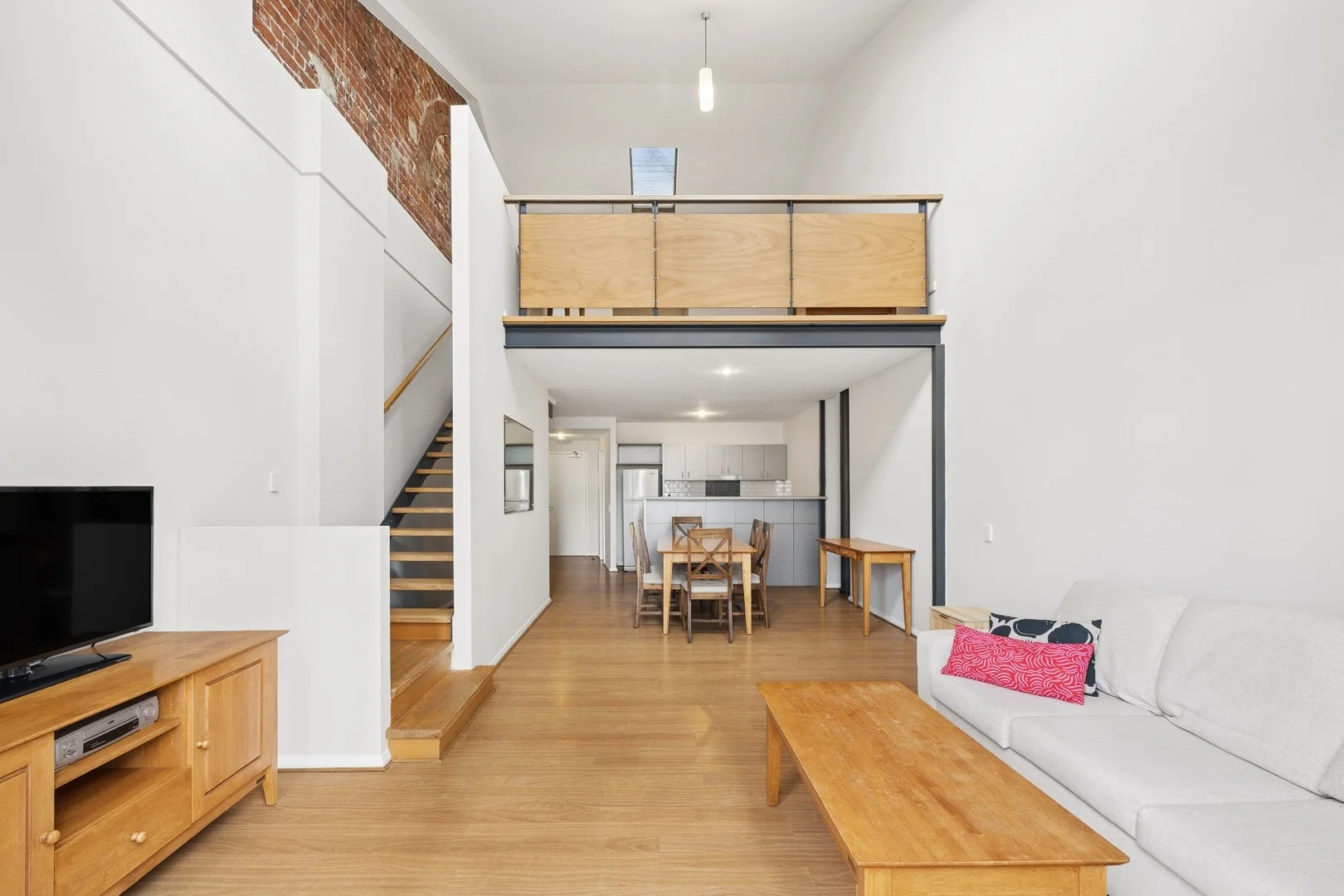 $549,000
Apartment / Unit / Flat
$549,000
Apartment / Unit / Flat
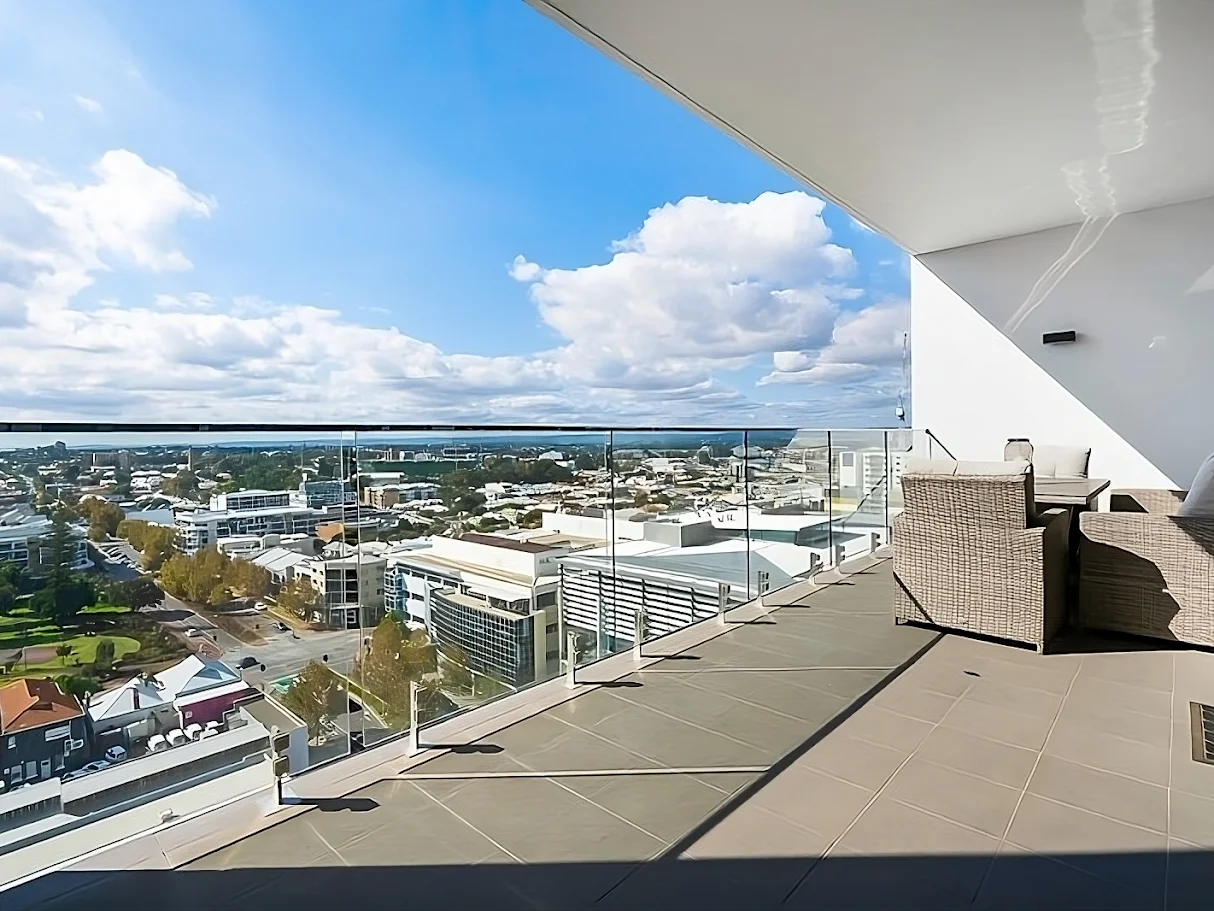 $580,000
Apartment / Unit / Flat
$580,000
Apartment / Unit / Flat
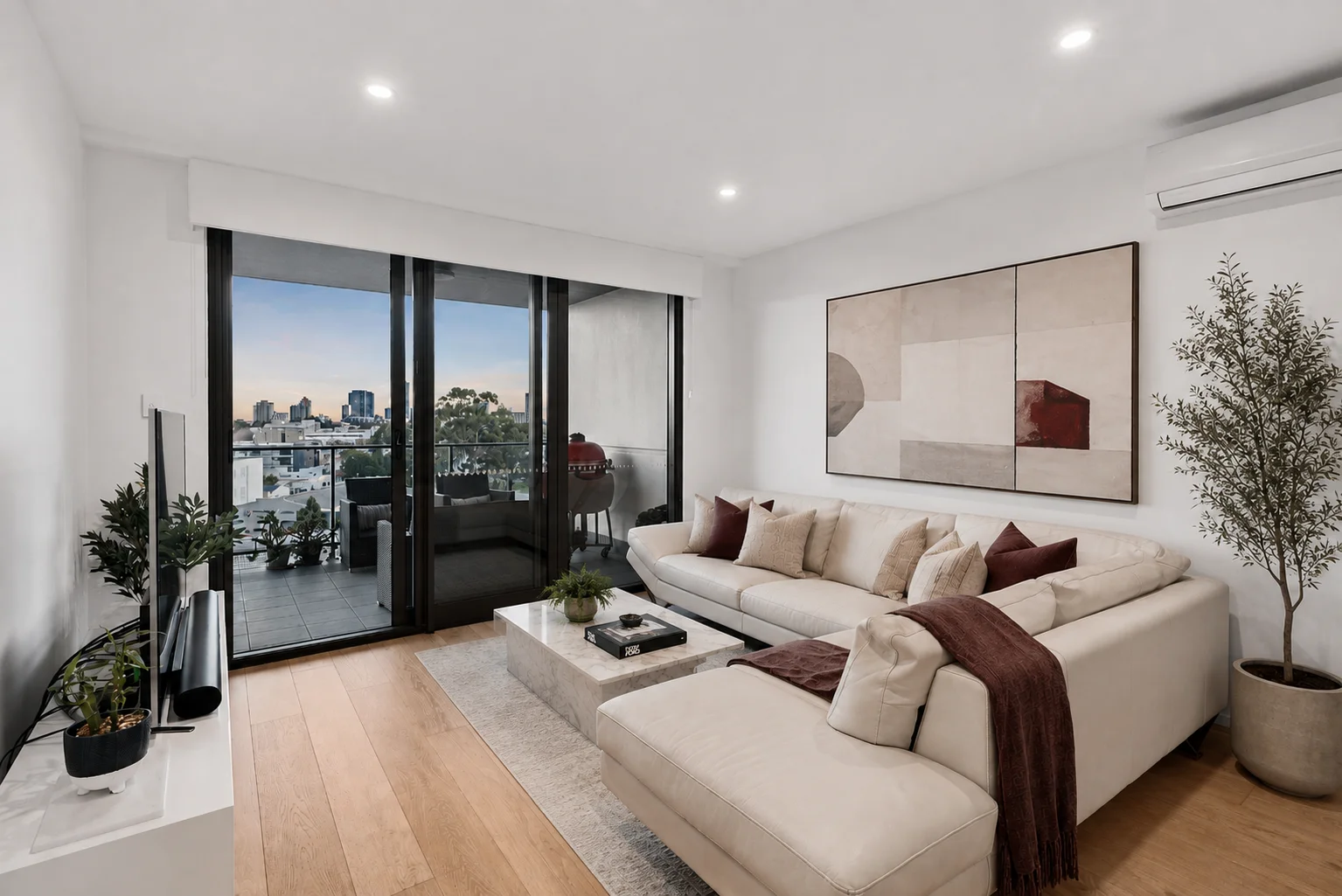 $700,000
Apartment / Unit / Flat
$700,000
Apartment / Unit / Flat


